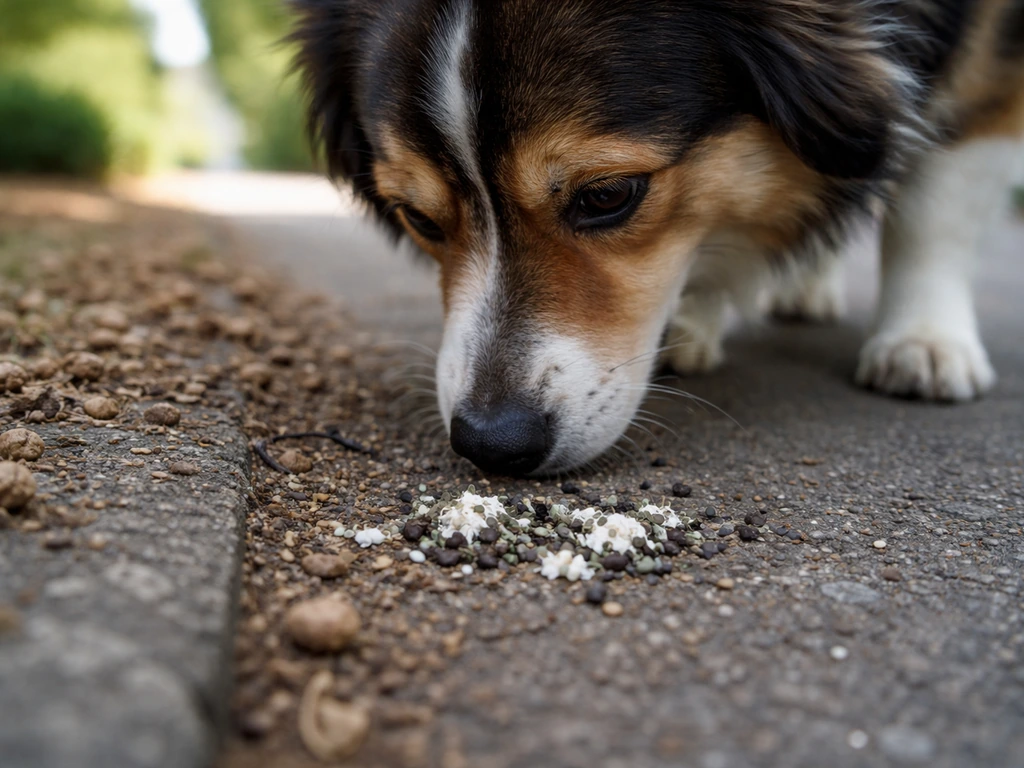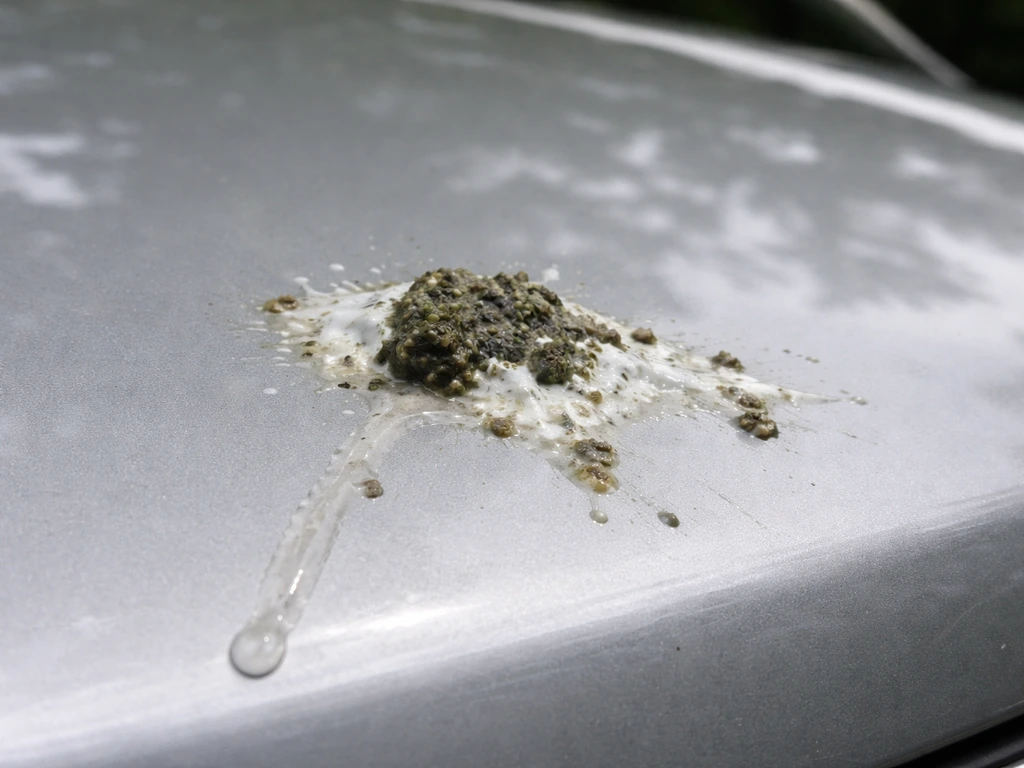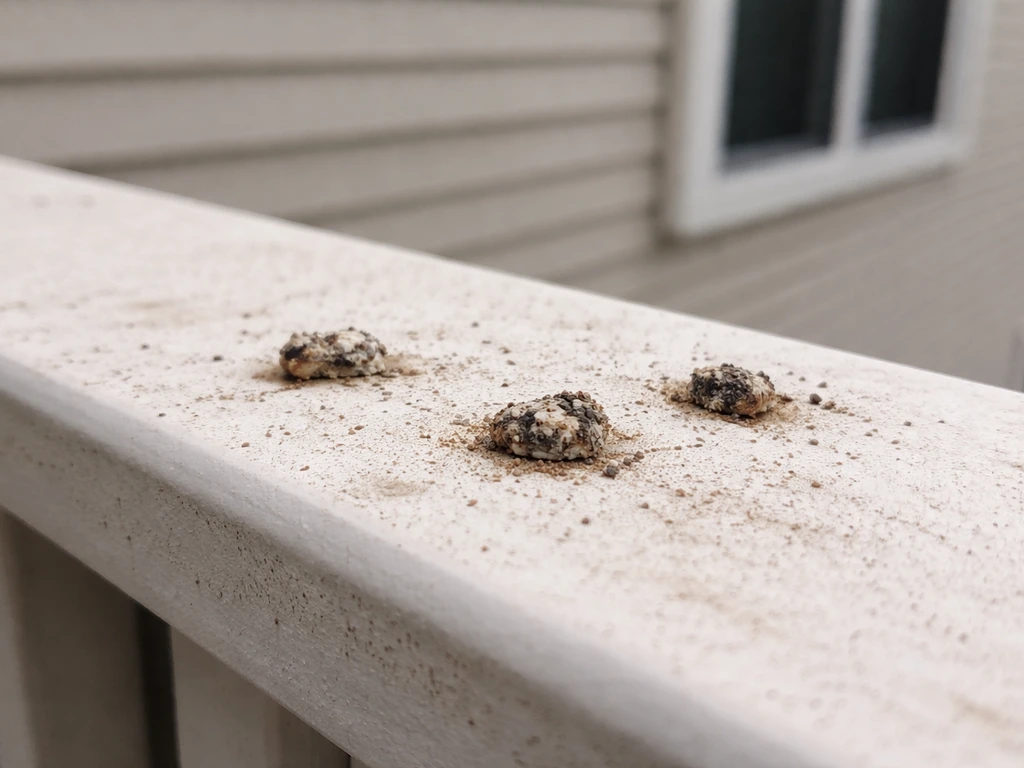
If your dog just ate bird poop, take a breath. The most likely outcome is nothing more than a mild upset stomach, if that. Most dogs that snack on bird droppings come out the other side just fine. That said, bird feces can carry real pathogens including Salmonella, Campylobacter, and intestinal parasites, and a small number of situations do warrant a vet call. What separates "watch and wait" from "call now" comes down to a few key factors: how much your dog ate, what kind of bird it came from, and what symptoms show up in the hours that follow.
My Dog Ate Bird Poop: What to Do Right Now

Marcus Fielding
30 Apr 2026
First things first: check what actually happened
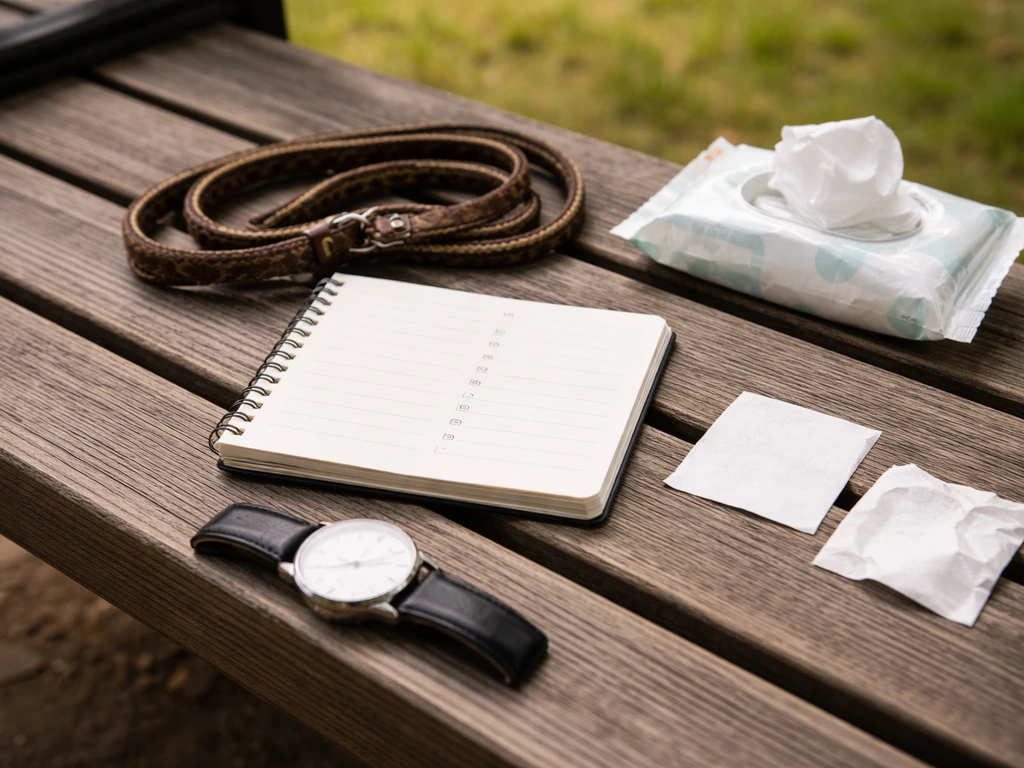
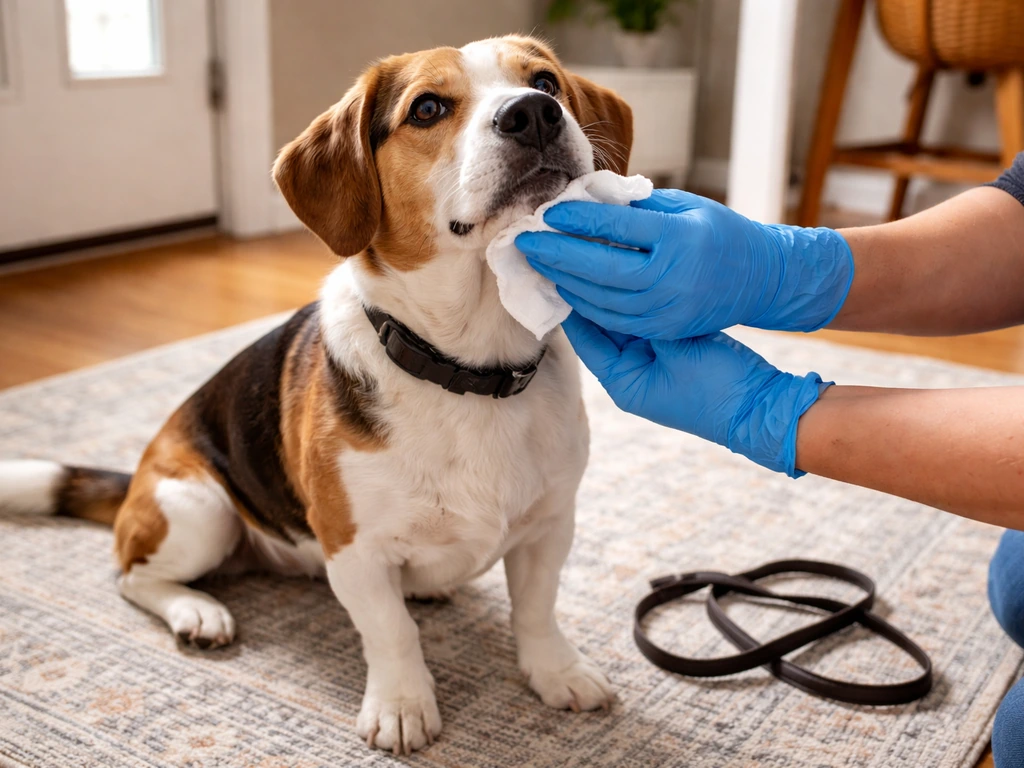
Before you do anything else, run through a quick mental checklist of the situation. The details matter a lot when deciding how concerned to be.
- How much did your dog eat? A lick or two of dried droppings on a park bench is very different from a dog that gorged on a pile of fresh feces under a bird feeder.
- Was it fresh or dried? Dried, old droppings that have been sitting outside for weeks are less likely to harbor live pathogens than fresh feces from a sick bird, though dried material from pigeons or starlings can still contain fungal spores like Histoplasma.
- What kind of bird did it come from? Waterfowl, pigeons, and wild songbirds each carry different pathogen profiles. You probably won't know for certain, but if you saw the bird, note that.
- Is your dog acting normally right now? Check for vomiting, diarrhea, drooling, lethargy, trembling, or any change in behavior. Note the time you noticed the ingestion.
- Does your dog have any underlying health conditions, or is it a puppy? This changes the risk level significantly.
Do not try to induce vomiting on your own. Whether or not that's appropriate depends on what your dog ate and their current condition, and doing it incorrectly can cause harm. If you think the situation warrants it, call your vet or the ASPCA Animal Poison Control Center at (888) 426-4435 (available 24/7, year-round) before doing anything.
What could actually happen after eating bird droppings
Bird poop isn't exactly a health food, but it's also not automatically dangerous. Here's what the realistic risk landscape looks like.
Bacterial infections
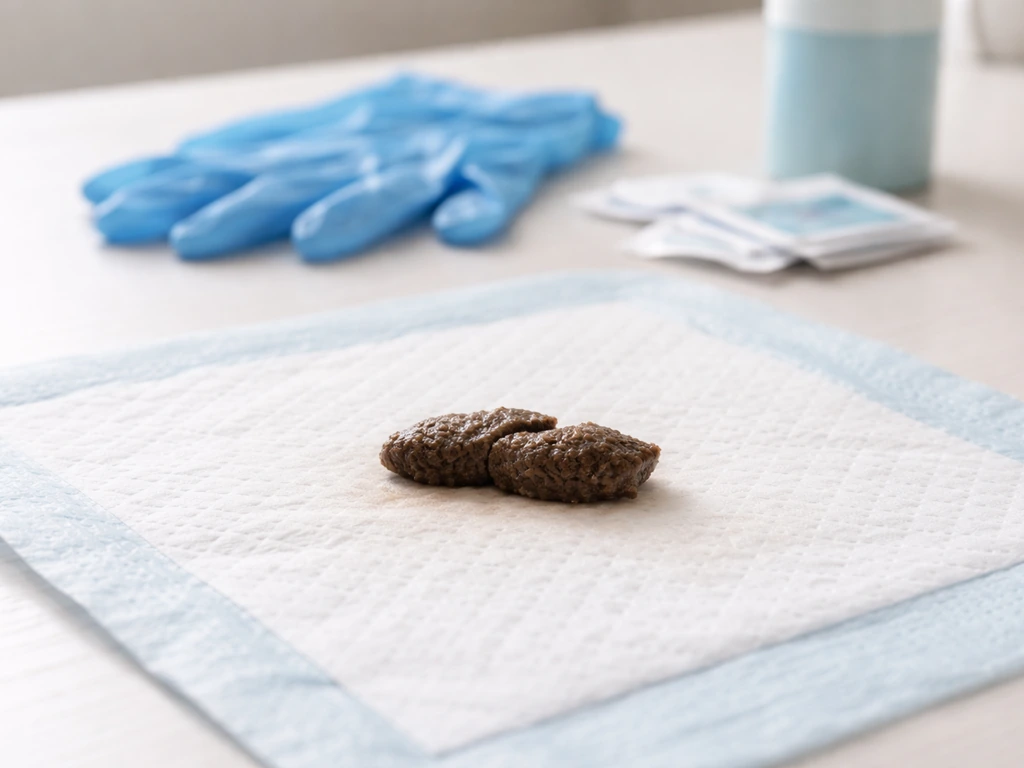
Salmonella is the one most people worry about, and reasonably so. Birds can carry it without showing any signs of illness, meaning even a healthy-looking pigeon's droppings could harbor the bacteria. If your dog ingests enough of it, symptoms like vomiting, diarrhea, and lethargy typically appear somewhere between 12 and 72 hours after exposure. Campylobacter is another one to know: its incubation period runs 2 to 5 days, so symptoms can show up later than people expect. Both are treatable but can become serious if dehydration sets in, which is why severe or prolonged symptoms need veterinary support.
Parasites
Bird droppings can contain parasitic eggs and larvae including various roundworms and other intestinal helminths. Transmission of these happens through ingestion of eggs in contaminated feces, so a dog that regularly snacks on droppings is building up more exposure over time. A single incident is unlikely to cause a dramatic parasitic infection, but it's worth mentioning to your vet at your next visit so they can check a fecal sample if needed.
Fungal disease (histoplasmosis)
This one is less common but worth knowing about. Histoplasma capsulatum, a fungal organism found in soil contaminated by bird or bat droppings, is most prevalent in river valleys and certain geographic regions of the US. Dogs can develop histoplasmosis, though it's considered uncommon. The risk is higher in endemic areas and from environments with heavy accumulations of bird feces, like old roosts or nesting sites, rather than from a passing encounter with a dropping or two.
Chlamydia psittaci (psittacosis)
Infected birds shed Chlamydia psittaci in their feces and respiratory secretions, and the organism can remain infective for several months when protected by organic debris. This is primarily a concern for people and pet birds rather than dogs, but it's another reason to take repeated or heavy feces exposure seriously, especially around parrots and other psittacines.
The most likely outcome
Realistically, for a healthy adult dog that ate a small or moderate amount, the most likely outcome is either nothing at all or a brief, self-resolving bout of loose stool or mild vomiting. The gut is reasonably good at handling low-level bacterial exposure. The situations where this becomes genuinely dangerous are when the dose was large, the dog is young, old, or immunocompromised, or symptoms escalate and don't resolve.
When to call a vet or go in right away
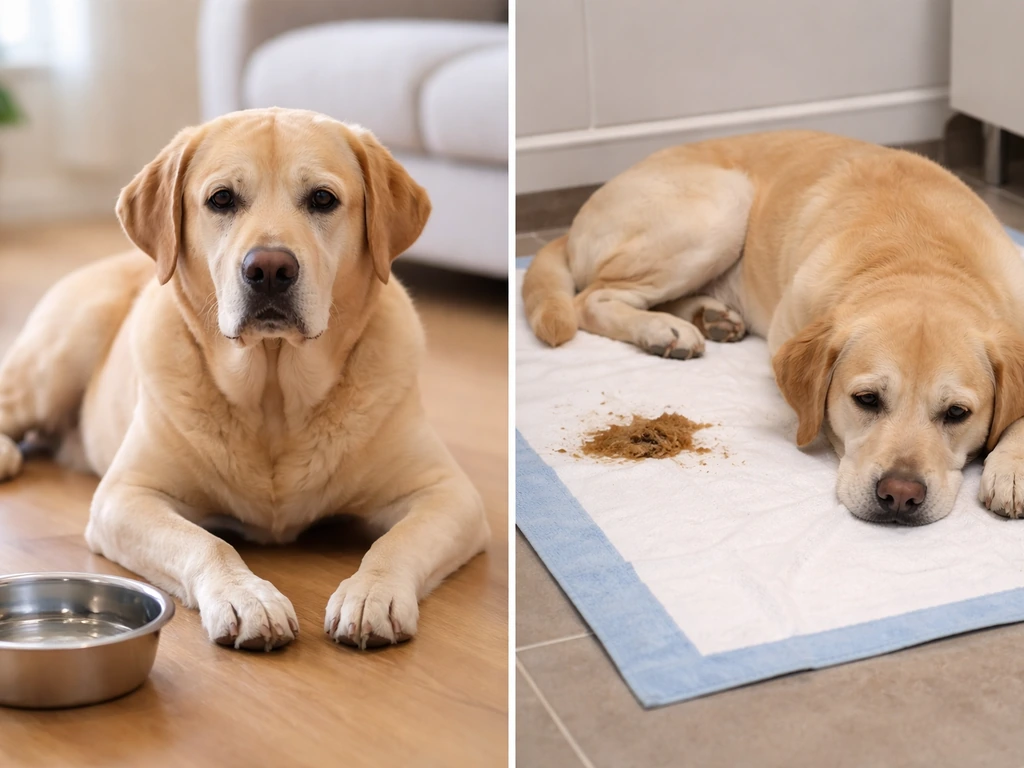
Here's a clear breakdown of when to act and how urgently. Use this as your decision guide.
| Situation | What to do |
|---|---|
| Dog is unconscious, seizing, having trouble breathing, or bleeding | Go to an emergency vet immediately. Do not wait. |
| Dog ate a large amount, especially from a bird feeder, roost, or concentrated pile | Call your vet or ASPCA Poison Control now for guidance. |
| Vomiting or diarrhea lasting more than 24 hours | See a vet. Dehydration becomes a real concern at this point. |
| Bloody, foul-smelling, or uncontrollable diarrhea | Call your vet promptly. This warrants evaluation. |
| Extreme lethargy, not responding normally, won't eat | Vet visit warranted, same day if possible. |
| Puppy, elderly dog, or dog with a compromised immune system | Lower threshold to call. Call your vet even for mild symptoms. |
| Single lick or small amount, healthy adult dog, no symptoms | Monitor at home. Watch for 72 hours given Campylobacter's incubation window. |
If you're ever unsure, call first. The ASPCA Animal Poison Control line at (888) 426-4435 is there for exactly this kind of situation around the clock. Your regular vet's office or an after-hours emergency line can also help you assess the situation by phone before you decide whether to drive in. Cornell's veterinary guidance is clear: if your dog is deteriorating rapidly and you can't reach a professional, don't wait. Get to a vet.
What to watch for at home and how to support your dog
If your dog is acting normally right now and the exposure was minor, home monitoring is reasonable. Here's what that looks like in practice.
Keep a close eye on your dog for at least 72 hours after the incident. This covers the incubation window for both Salmonella (12 to 72 hours) and Campylobacter (2 to 5 days). Note the time of ingestion so you have a reference point. Watch for changes in energy level, appetite, stool quality, and thirst. A single episode of loose stool can be normal. Progressive worsening, blood in the stool, or a dog that starts refusing water are all reasons to escalate.
- Keep fresh water available at all times. Staying hydrated is the most important thing during any GI upset.
- If your dog vomits once but is otherwise alert and drinking, watch and wait. Feed a bland diet (plain boiled chicken and rice is a standard go-to) for a day or two if their stomach seems sensitive.
- Do not give over-the-counter anti-diarrheal medications without talking to your vet first. In cases of infectious diarrhea, some anti-diarrheal drugs can actually make things worse by slowing the elimination of pathogens.
- Keep a log. If you do end up calling or visiting the vet, having a timeline of symptoms, when they started, and how they've changed is genuinely useful.
- Avoid letting your dog interact closely with other pets in the household if you suspect an infectious cause, since Salmonella in particular can spread through feces.
This section is about support, not treatment. It is not a substitute for professional veterinary advice. If things aren't improving within 24 hours or get worse at any point, that's the vet's call to make.
How to stop it from happening again
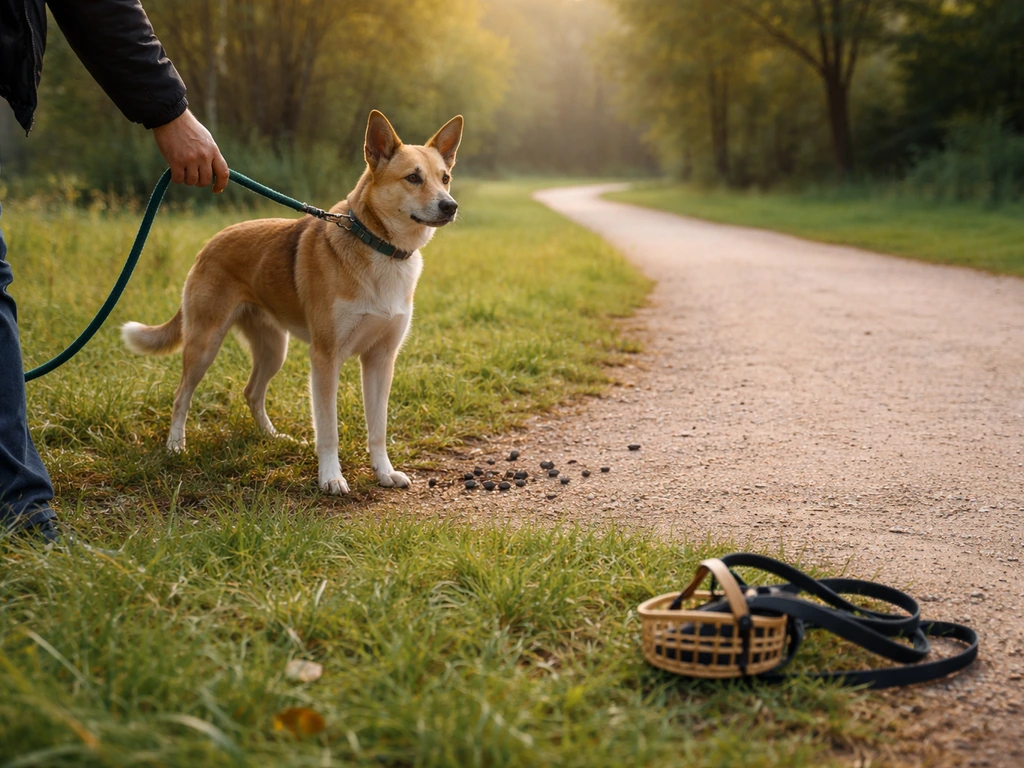
Dogs that eat bird poop once will often do it again given the chance. It's a behavioral pattern with a few different motivations, and understanding why helps you prevent it. Why do dogs eat bird poop in the first place? It usually comes down to curiosity, scavenging behavior, and sometimes stress or lack of training. A separate look at why dogs eat bird poop in the first place gets into those reasons in more depth, but the practical prevention strategies come down to management and environment.
- Walk on a loose leash with awareness. If you know your dog goes for droppings, practice a strong "leave it" command and reward them for breaking off. Keep them on a shorter lead in areas with heavy bird activity like under trees, near feeders, or around water.
- Relocate or remove bird feeders from areas your dog has access to. Feeders concentrate birds and droppings in one spot, which is a high-exposure zone for a curious dog.
- Clean up droppings in your yard promptly. Fresh droppings are less likely to have dried, which reduces the risk of inhaling fungal spores during cleanup, but they should still go.
- When cleaning up bird droppings, wear gloves and avoid dry-sweeping or blowing dried material, since this aerosolizes it. Dampen the area first with water or a diluted disinfectant, then wipe or scrub. Wash your hands thoroughly afterward.
- If your yard has a heavy accumulation from a roosting spot or bird colony, consider more thorough remediation. This is especially relevant in regions where histoplasmosis is endemic.
- Talk to your vet about keeping your dog's parasite prevention up to date. Regular deworming protocols and fecal checks are a smart baseline if your dog has repeated exposure.
The good luck myth vs. the real health picture
Bird poop has an oddly charming reputation in many cultures. Getting hit by it is considered a sign of good luck in parts of Russia, Turkey, and Italy, among other places. The logic, such as it is, tends to be that the odds are against it happening, so it must be fate. It's a fun bit of folklore and completely harmless to believe when it comes to humans getting splattered.
When it comes to your dog eating it, though, the symbolism doesn't change the microbiology. Bird droppings carry what they carry regardless of cultural meaning. The good news is that for most dogs in most situations, the real health risk is modest. The bad news is that it's not zero, and pretending otherwise isn't fair to your dog. Treating the exposure seriously, monitoring carefully, and having a plan for when to call the vet is the right approach no matter how you feel about the luck angle.
Who is actually at higher risk? Puppies, because their immune systems aren't fully developed. Senior dogs or dogs on immunosuppressive medications, because their defenses are lower. Dogs that eat bird droppings repeatedly rather than as a one-off incident, because cumulative exposure adds up. If your dog falls into any of these categories, your threshold for calling a vet should be lower than average, even if the initial exposure seems minor. Questions like whether bird poop can make dogs sick, whether it can be toxic, and in the most extreme cases whether it could be life-threatening all deserve honest consideration based on your individual dog's situation, not a one-size-fits-all dismissal.
FAQ
We’re not sure exactly how long ago my dog ate bird poop, what should I do?
If you already gave food or treats, that does not automatically make the situation safer or riskier. What matters most is whether vomiting occurs after eating, whether your dog is drinking normally, and how long it has been since ingestion. If your dog vomits repeatedly or cannot keep water down, treat it as an escalation rather than a mild “stomach upset” and contact a vet right away.
Should I ask my vet for stool tests after my dog ate bird poop?
Yes, in some cases, a fecal test can be useful, especially if symptoms last more than a day, or if your dog is a repeat scavenger. Tell your vet the bird-related exposure timeline and whether diarrhea is present, because parasite shedding and bacterial incubation periods vary, which can affect what tests are most likely to be informative.
Can I give my dog Pepto-Bismol, Imodium, or antibiotics for bird poop exposure?
No, do not give anti-diarrhea medication or antibiotics on your own. Many over-the-counter products can mask symptoms or worsen dehydration, and antibiotics are not appropriate unless a clinician suspects a specific infection. If diarrhea is mild, focus on monitoring hydration and call the vet if it becomes frequent, bloody, or persistent.
What if my dog vomited soon after eating bird poop, is that still “watch and wait”?
If your dog ate bird poop and then vomited once, you can still monitor at home if they are otherwise acting normal and can drink. The key tipping point is hydration, if your dog refuses water, vomits again within a short window, or diarrhea becomes watery or frequent. Those signs are a reason to contact a vet before the problem becomes dehydration.
My dog ate bird poop before. How can I prevent it from happening again?
Chasing or hunting the droppings is a common repeat-behavior, and “one-off” management often fails. After the incident, remove access to the area, use a leash on walks near known roosts, and consider muzzle training or a basket muzzle for high-risk outings. If your dog sniffs and targets droppings repeatedly, prioritize prevention plans rather than assuming it will stop.
Does the risk change for puppies, senior dogs, or dogs with health conditions?
You should call sooner if the ingestion was by a puppy, a senior dog, a dog on immunosuppressive meds, or a dog with kidney, liver, or inflammatory bowel disease. For these higher-risk groups, the threshold for calling is lower even if symptoms seem mild at first.
What symptoms mean this has become urgent?
Contact a vet now or seek urgent care if there is blood in vomit or stool, persistent vomiting, repeated diarrhea more than about 24 hours, severe lethargy, trouble staying awake, a swollen or painful belly, or refusal to drink. Rapid deterioration is a “do not wait” scenario, especially if you cannot reach a professional quickly.
Does it matter if the bird poop came from a specific place or many droppings at once?
Yes, but it’s less about “is it poison” and more about dose and exposure rate. If your dog eats droppings from multiple birds or from heavily soiled areas (nesting sites, roosts, old accumulations), exposure can be higher and more risky than a single passing snack.
If my dog seems fine right after eating bird poop, can they still get sick later?
Not necessarily. Some parasites and bacteria require time before symptoms show up, and one mild stomach upset can look like a one-off. That is why the monitoring window of about 72 hours is important for new symptoms, even if your dog seems fine immediately afterward.
What should I do at home right now, aside from monitoring?
There are a few practical steps you can do safely at home: note the time of ingestion, remove remaining droppings from the area if accessible, offer small amounts of bland food only if your dog is interested and not vomiting, and encourage water intake. Avoid forcing large meals, avoid inducing vomiting, and keep a log of stool and energy changes for the next 72 hours.