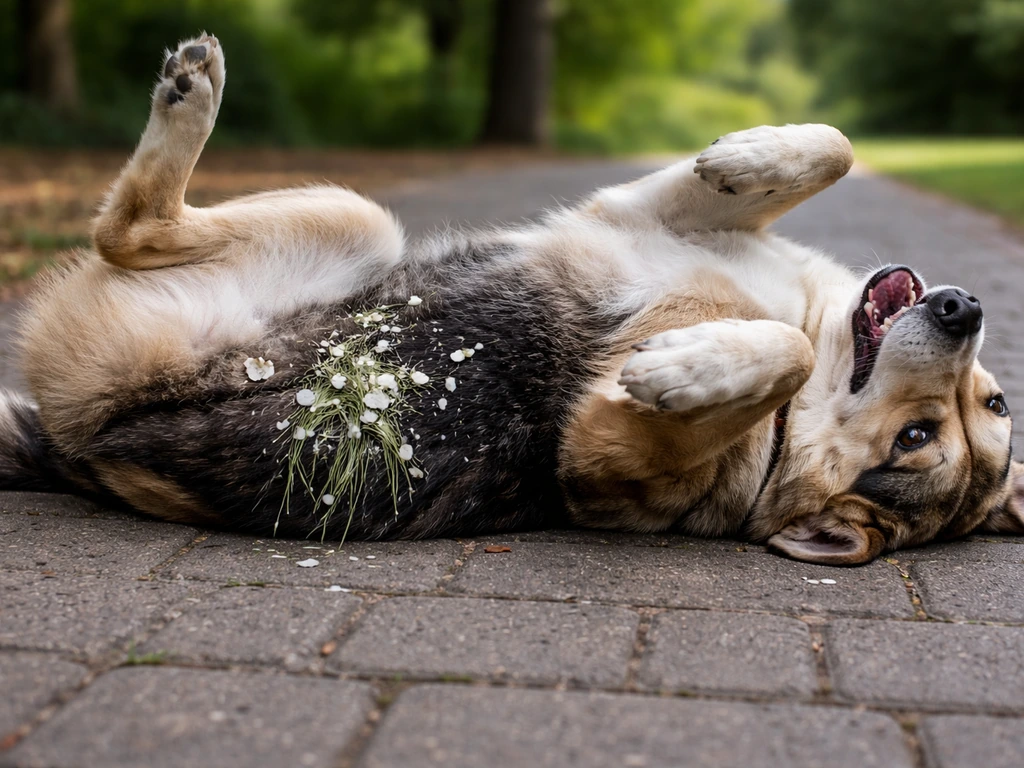
Dogs roll in bird poop for the same deep-wired reason they roll in anything that smells powerfully weird: instinct. The leading theory, backed by animal behaviorists and the way wolves behave in the wild, is that rolling in a strong odor is a way to either mask their own scent (a hunting holdover) or carry an interesting smell back to the pack as a kind of scent report. Bird droppings tick every box for triggering this behavior: they're pungent, unfamiliar, and right there on the ground. It's not bad behavior in your dog's mind. It's practically a reflex.
Why Do Dogs Roll in Bird Poop? Causes and Safe Steps

Marcus Fielding
2 May 2026
Why dogs roll in smelly stuff in the first place
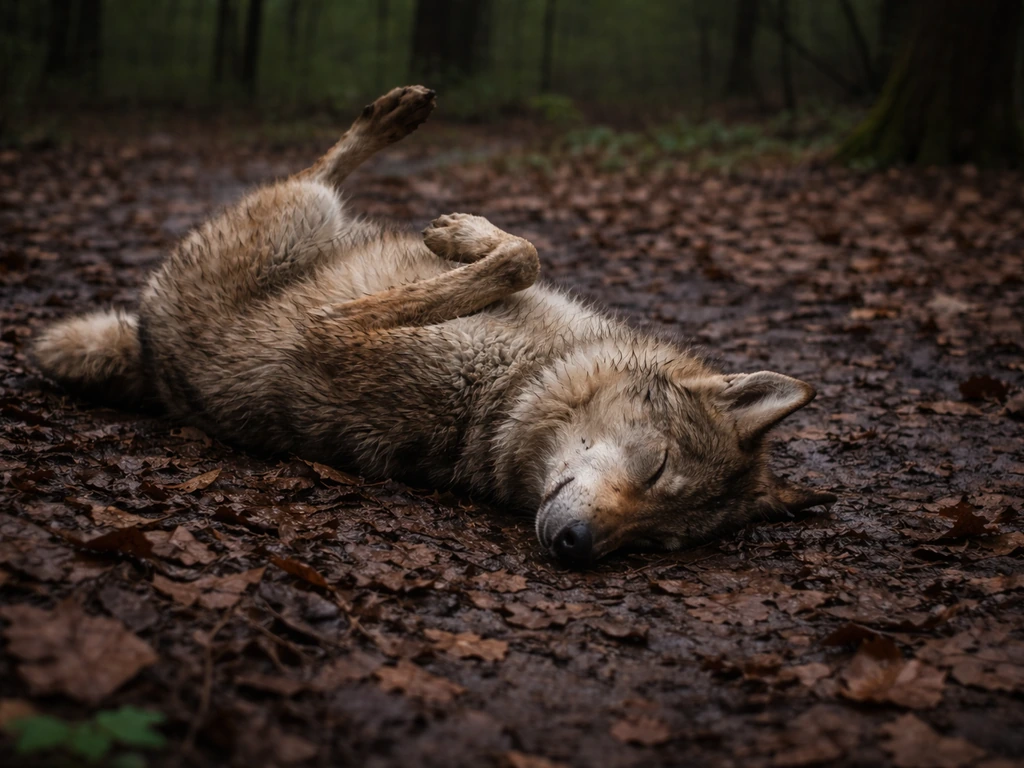
The behavior goes back to your dog's wolf ancestry. One widely held explanation is that wolves and wild canids roll in strong-smelling materials to mask their own body odor before hunting, giving prey less warning of their approach. Another angle is that rolling in a novel scent is a way of "broadcasting" that smell back to the pack, essentially communicating "hey, I found something interesting here." A third, simpler explanation: dogs find powerful smells genuinely rewarding on a neurological level. Their nose is processing millions more scent molecules than yours, and what smells absolutely awful to you might be deeply fascinating to them.
The American Kennel Club frames this as an ancestral instinct that's essentially baked in. It's not a sign that your dog is badly trained or acting out. It's a reflexive, pleasure-linked behavior that kicks in the moment a strong odor target registers. That's important to understand because it means punishment after the fact is nearly useless. By the time your dog has rolled and stood up, the instinct is already satisfied.
Why bird poop is especially appealing to dogs
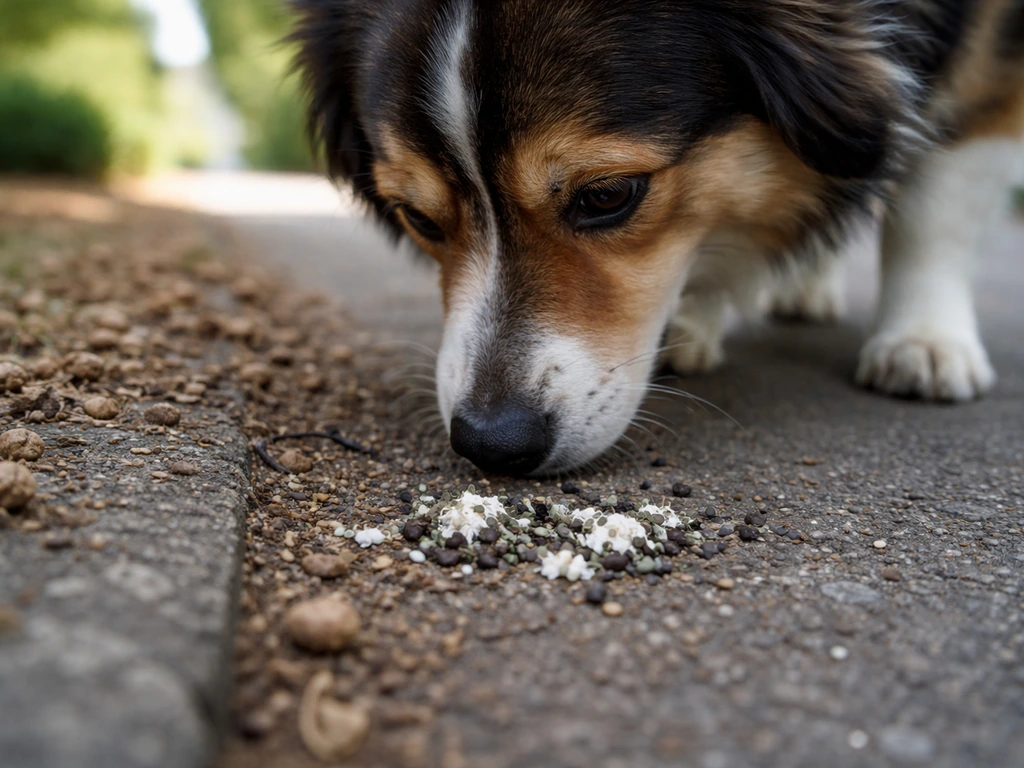
Not all poop is created equal from a dog's perspective, and bird droppings have a few features that make them particularly magnetic. First, the odor is intense and chemically distinct. Bird digestive systems are different from mammals, and the resulting waste, especially from pigeons, starlings, or geese, has a sharp, ammonia-forward smell that registers as highly novel. Dogs are drawn to novelty in scent the same way humans might turn their head at an unusual sound.
Second, bird poop tends to be deposited in open, accessible spots: sidewalks, grass, park benches, car roofs, outdoor tables. Your dog walks past these on every outing. The texture also plays a role. Fresh bird droppings have a semi-liquid quality that coats fur easily, which may actually make the rolling more "effective" from a scent-carrying standpoint. Older, dried deposits have a different but still potent chemical signature. Either way, to your dog's nose, it's a five-star experience.
Is it actually dangerous? Health risks worth knowing
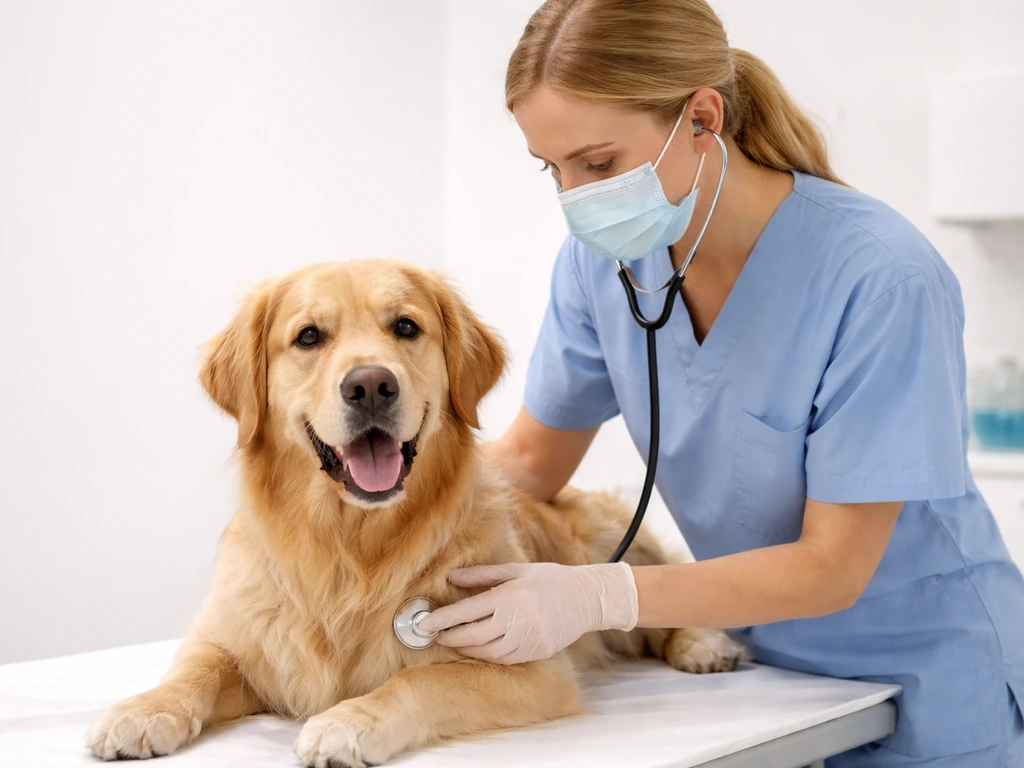
Here's where things get genuinely important. Bird droppings aren't just gross, they can carry real pathogens. The most notable is Histoplasma capsulatum, a fungus found in soil enriched by bird and bat feces that causes histoplasmosis. Dogs can contract it by inhaling or ingesting spores, and the risk goes up when droppings are disturbed (including by a dog rolling in them and stirring up dried material).
PetMD notes that histoplasmosis in dogs can occur when dogs inhale or ingest Histoplasma spores linked to bird or bat droppings Dogs can contract it by inhaling or ingesting spores. Bird poop can also be dangerous to dogs because some droppings contain pathogens like Histoplasma capsulatum.
Symptoms in dogs can include chronic cough, labored breathing, weight loss, and GI problems, and they may not appear for weeks to a couple of months after exposure. Vets looking at a sick dog will often ask whether the animal was in an area with bird or bat droppings in the prior one to two months.
Bird droppings can also be associated with coccidia, a GI parasitic infection. If your dog rolled in bird poop and then licked their coat, there's a meaningful (though not guaranteed) risk of ingesting something they shouldn't. If you notice symptoms after the incident, it can be a sign that can bird poop make dogs sick can also be associated with coccidia. Signs of GI parasitism include diarrhea, lethargy, and loss of appetite.
NYC Health and CDC resources list cryptococcosis alongside histoplasmosis as diseases associated with pigeon droppings specifically, though they also note that routine low-level contact carries lower risk for most healthy individuals, human or canine. CDC provides clinical and health information on [cryptococcosis](https://www. cdc. gov/cryptococcosis/index.
html), a fungal disease that can be associated with environmental exposures such as contaminated droppings.
For humans, the risks are similar. CDC guidance emphasizes avoiding bare-hand contact with bird droppings and washing hands and exposed skin thoroughly after any contact. If you're cleaning up after your dog or handling contaminated areas, treat it with the same seriousness you'd apply to any biologically active waste. Don't sweep or vacuum dried droppings, since that aerosolizes particles. Wet cleaning methods only. More on that in a moment.
What to do right now if your dog just rolled
Act quickly, and stay calm. The goal in the first few minutes is to contain the mess and prevent your dog from spreading contaminated material or licking it off their coat.
- Keep the dog outside or in a contained area. Don't let them run through the house or jump on furniture before you've cleaned them up.
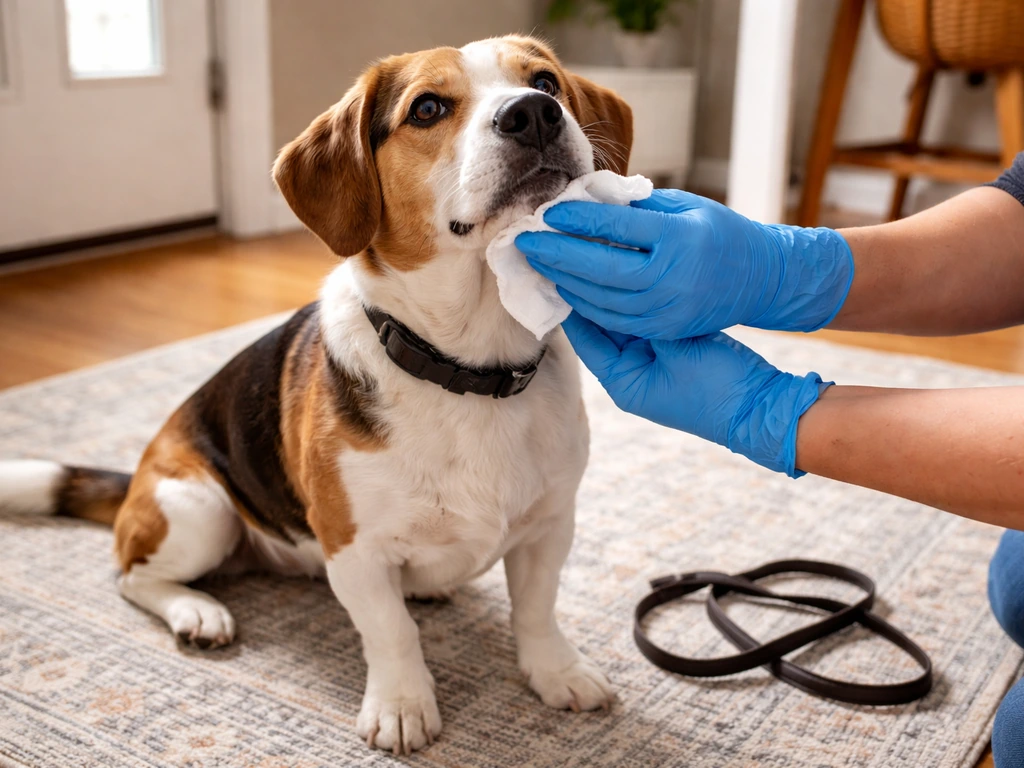
- Put on disposable gloves before you handle the dog. This isn't excessive caution, it's standard hygiene for bird dropping contact.
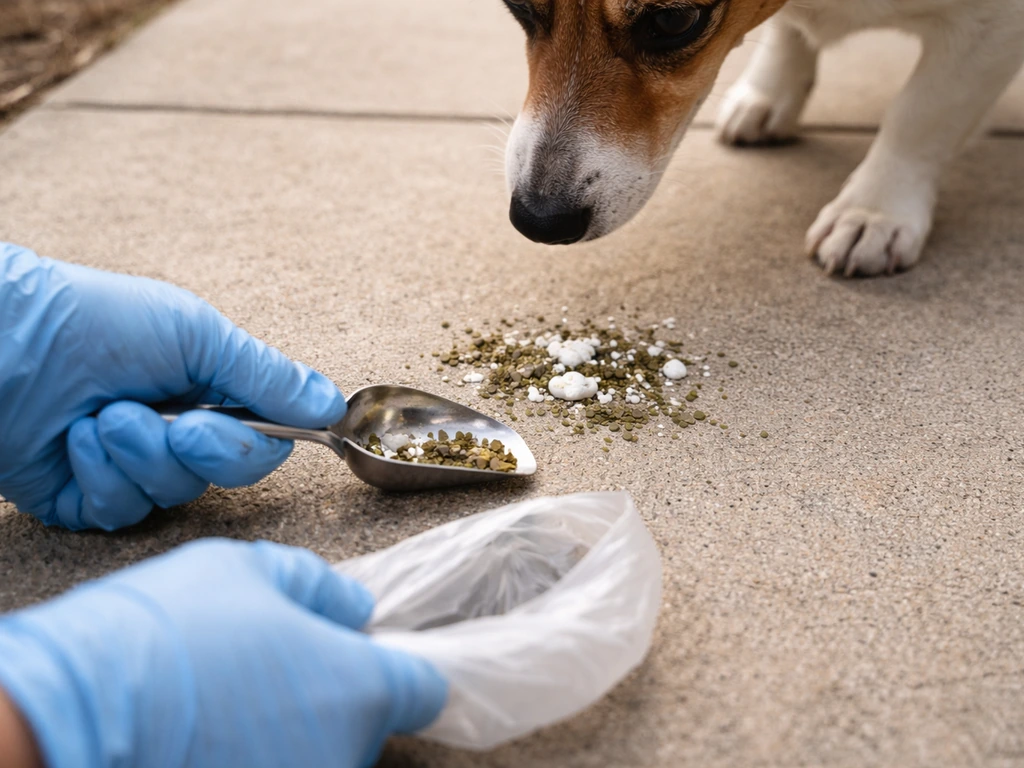
- Rinse the affected area with warm water first. Use a hose or a bucket and get as much of the material off as possible before applying any product. Wet the dropping residue rather than wiping it dry, which can aerosolize dried material.
- Bathe the dog with a pet-safe shampoo. Work the lather in thoroughly wherever the droppings were and rinse completely. If there's dried or matted material caked in the fur, you may need to carefully clip those sections before bathing.
- Rinse yourself. Wash your hands and any exposed skin with soap and water immediately after handling the dog or the contaminated area.
- Clean the affected ground surface using a wet method. Wet the droppings with water or a disinfectant solution, wipe with a disinfectant-soaked cloth or sponge, and dispose of the materials in a sealed bag. Do not sweep or vacuum dry residue.
If you're using a disinfectant on surfaces, bleach or an EPA-registered disinfectant works well. One important note from CDC guidance: never mix bleach with ammonia. That combination produces toxic gases and is more dangerous than the original mess.
Cleaning the dog and your environment properly
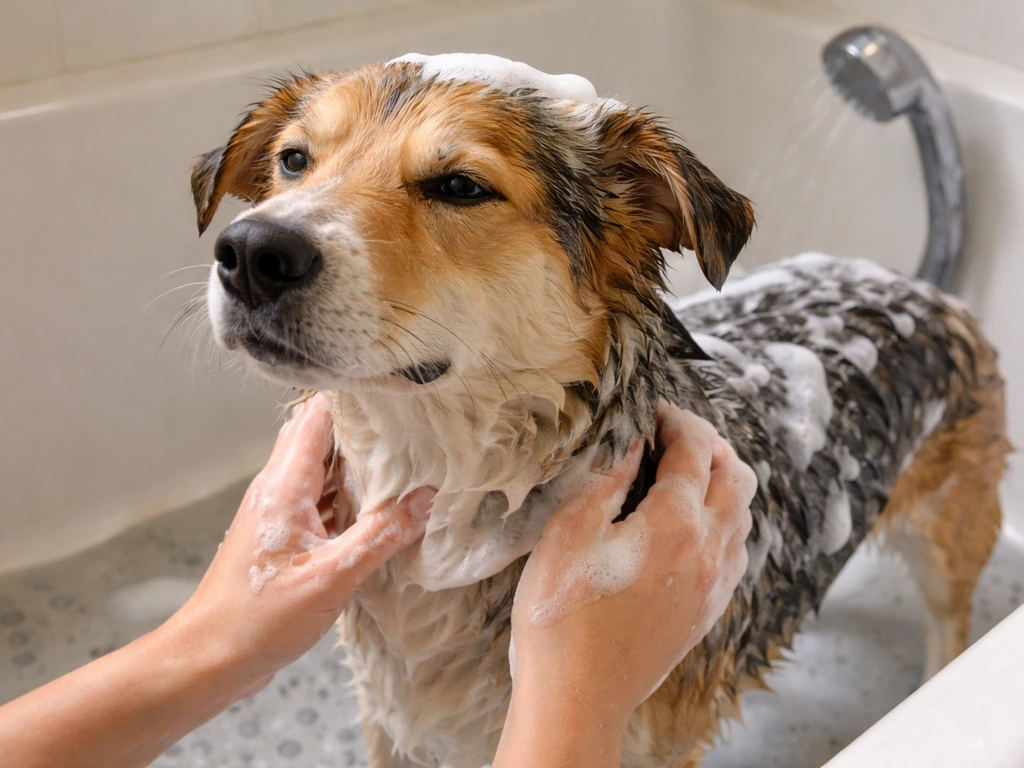
Bathing your dog
One bath is usually enough if you're thorough. Use warm water and a pet-safe shampoo, lather everywhere the droppings touched, and rinse until the water runs completely clear. Dry the dog well afterward so they don't sit in damp fur, which can cause skin irritation. If your dog has thick or long fur and the poop is really embedded, a second pass with shampoo is worth it.
Cleaning the surrounding area
The key principle from public health guidance is wet suppression before removal. Wet the dropping with water or a diluted disinfectant first, then wipe it up using a cloth or sponge soaked in disinfectant, then bag and dispose of everything. This prevents dried particles from becoming airborne, which is how respiratory exposure happens. Allow the disinfectant to sit on the surface for the contact time listed on the product label before wiping.
Stopping repeat incidents
Prevention is mostly about management and training working together. The most effective behavioral tool is a solid "leave it" cue trained before your dog gets near a target, not after. The idea is to interrupt the sniff-investigation phase before it transitions into the roll. Reward disengagement heavily. When your dog looks away from the poop and toward you, that's a jackpot moment for treats.
- Use a leash in areas where bird droppings are common (parks, boardwalks, picnic areas, near water where geese congregate). A shorter lead gives you more control to redirect before they commit.
- Train "leave it" consistently in low-distraction settings first, then practice around real scent targets at a distance.
- Scan ahead of your dog on walks and redirect proactively. If you see a dropping-heavy patch, steer around it before the dog's nose locks on.
- In your own yard, clean up bird droppings regularly using wet methods so the tempting targets don't accumulate. Consistent removal reduces the opportunity.
- If birds congregate heavily in one part of your yard, consider physical deterrents (reflective tape, spikes on ledges, motion-activated sprinklers) to reduce the volume of droppings deposited in the first place.
- Reward your dog with attention and play on walks so they're engaged with you rather than hunting for scent targets.
When to call the vet
Most of the time, a dog rolling in bird poop is a disgusting nuisance and not a medical emergency. If you notice symptoms like coughing, breathing trouble, or GI upset after your dog has been around bird droppings, it can be dangerous and you should contact your vet is bird poop toxic to dogs. If your dog swallowed any of the droppings, you should be extra alert for GI signs and contact your vet promptly When to call the vet. But there are situations where you should contact your vet rather than just wait and see.
| Situation | Action |
|---|---|
| Your dog is coughing, has labored breathing, or seems lethargic in the days or weeks after rolling | Call your vet. These can be early signs of histoplasmosis, especially if you're in a region where the fungus is common (much of the central and eastern US). |
| Diarrhea, vomiting, or loss of appetite appear within a few days | Contact your vet. GI symptoms after fecal contact can indicate coccidia or other parasitic infection. |
| Your dog licked or ate significant amounts of bird poop before you could stop them | Let your vet know what happened so they can advise on monitoring or testing. |
| The rolling happened in an area with very heavy bird/bat dropping accumulation (like under a roost) | Higher spore load increases risk. A vet call is worthwhile even without symptoms yet. |
| Your dog is a puppy, elderly, or immunocompromised | Lower threshold for calling. These dogs are more vulnerable to opportunistic infections. |
| You notice skin irritation or redness where the droppings contacted the fur and skin | Worth a vet check, especially if it doesn't resolve after bathing. |
The one to two month window matters for histoplasmosis specifically. If your dog develops a chronic cough or unexplained respiratory illness weeks after the incident, tell your vet about the bird poop exposure. That context can meaningfully change how they approach diagnosis. It's a detail that's easy to forget but actually important.
Rolling in bird poop connects to the same behavioral world as dogs eating bird poop, and both behaviors have the same root cause: a powerful nose following a powerful smell. The health risk side overlaps too, so if your dog is doing both (rolling and eating), the concern level goes up and vet involvement becomes more important sooner. Either way, the combination of a good bath, some basic hygiene, and consistent "leave it" training covers most of what you need to handle this confidently.
FAQ
If my dog just rolled in bird poop once, do I still need to worry about diseases weeks later?
Yes, the exposure window is a reason to monitor, not panic. For histoplasmosis, signs can show up 1 to 2 months later, especially a lingering cough, breathing changes, or unexplained weight loss. If your dog develops respiratory or GI symptoms in that timeframe, tell the vet about the bird or bat droppings exposure.
Can my dog get sick from just sniffing bird poop, or is rolling and licking required?
Disease risk is tied to disturbing droppings and getting spores or particles into the air or into the mouth. Sniffing alone is lower risk, but rolling can stir up dried material and increases contact. Licking fur after rolling raises the risk of ingestion, which is why the article emphasizes acting fast and preventing licking.
What should I do if I cannot bathe my dog right away?
If you cannot do a full bath immediately, do an early, partial cleanup to reduce residue and licking. Wipe the affected areas with a cloth or sponge that has been moistened with an appropriate diluted disinfectant, then prevent licking with a barrier like a cone until you can bathe. Avoid letting your dog rub on furniture or carpets during the delay.
Is it safe to use the same disinfectant on my dog’s skin as I use on the sidewalk or bench?
Not usually. Surface disinfectants are for materials, not for direct skin contact. For the dog, stick with warm water and pet-safe shampoo for bathing, and only use diluted disinfectant on the environment or for wet suppression during cleanup. If you are unsure, treat the dog as separate from the cleaned surface.
My dog rolled in bird poop on a car roof or outdoor table, what’s the best way to clean it without making it worse?
Use wet suppression first, then wipe up. Wet the area before removal to prevent aerosolizing particles, then wipe with a disinfectant-soaked cloth or sponge and follow the product’s contact time before wiping again. Bag and dispose of cleanup materials, and avoid dry sweeping or vacuuming dried residue.
How long should I keep my dog away from the area after the incident?
Until the contaminated material is fully cleaned up. If you cannot clean immediately, at least prevent recontact and prevent the dog from walking through spread residue. Also keep an eye on where the dog drags their paws or lies down, because the odor and particles can transfer to rugs, bedding, or car seats.
Can bird poop be on my dog’s paws only, without rolling?
Yes, and it still counts as a contamination event. Paws can pick up particles when your dog steps near droppings, then later lick their feet. After exposure, wipe paws with a damp cloth, check between toes, and consider a quick paw wash even if there was no obvious rolling.
What are signs that the incident is more urgent and I should call the vet sooner rather than waiting?
Call promptly if you see breathing difficulty, persistent or worsening cough, repeated vomiting, significant diarrhea, lethargy, or any rapid decline. Also seek advice right away if your dog swallowed droppings or if you suspect heavy exposure like repeated rolling or eating.
Is “leave it” training enough, or should I also manage the environment with more barriers?
For most dogs, a trained “leave it” cue helps, but management is what prevents rehearsal of the behavior. Use distance, leashing, and route planning during high-risk walks (areas with frequent bird activity), and reward disengagement quickly when your dog looks away from droppings. This combination reduces both exposure and opportunities to practice rolling.