The short answer: no, a typical bird poop encounter is not going to kill you. If a pigeon bombs your jacket on the way to work, or you wipe a dried splatter off your car hood without gloves, you are not in mortal danger. That said, bird droppings are not entirely harmless either. If you are wondering how dirty is bird poop in the real world, the amount and how it becomes airborne dust is what matters most.
Can Bird Poop Kill You? Risks, Cleanup Steps, and When to See a Doctor

Marcus Fielding
22 Apr 2026
If you are wondering is bird poop dangerous to humans, the key factor is how much material gets disturbed and whether you breathe in the resulting dust. They can carry real pathogens, and in specific situations, particularly when you are breathing in dust from large accumulations, they can cause serious illness.
If you want the details on how this happens and when to worry, see more about can bird poop make you sick bird poop can make you sick. The risk is real, it is just not the emergency most people imagine when they look down at their shoulder in horror.
Can bird poop actually kill you? The honest bottom line
Death from casual contact with bird droppings is extremely unlikely for a healthy adult. The pathogens most associated with bird poop, including Histoplasma capsulatum (the fungus behind histoplasmosis) and Chlamydia psittaci (the bacterium behind psittacosis), are real and documented, but they cause fatal outcomes almost exclusively in people who are immunocompromised, elderly, or exposed to very large quantities of aerosolized droppings over time. A pigeon splatter on your car, a dried smear on a park bench, or a quick brush of droppings on your skin is not, by itself, going to land you in the ICU.
What raises the risk is the route of exposure, especially inhalation, and the volume of dried material disturbed. The CDC and NIOSH are both clear that the danger spikes when droppings are dry, disturbed, and become airborne dust you breathe in. A single incidental smear on a sidewalk does not produce meaningful aerosols. A person who spends an afternoon dry-sweeping a pigeon-coated attic without a mask? That is a different story.
When bird droppings actually become dangerous
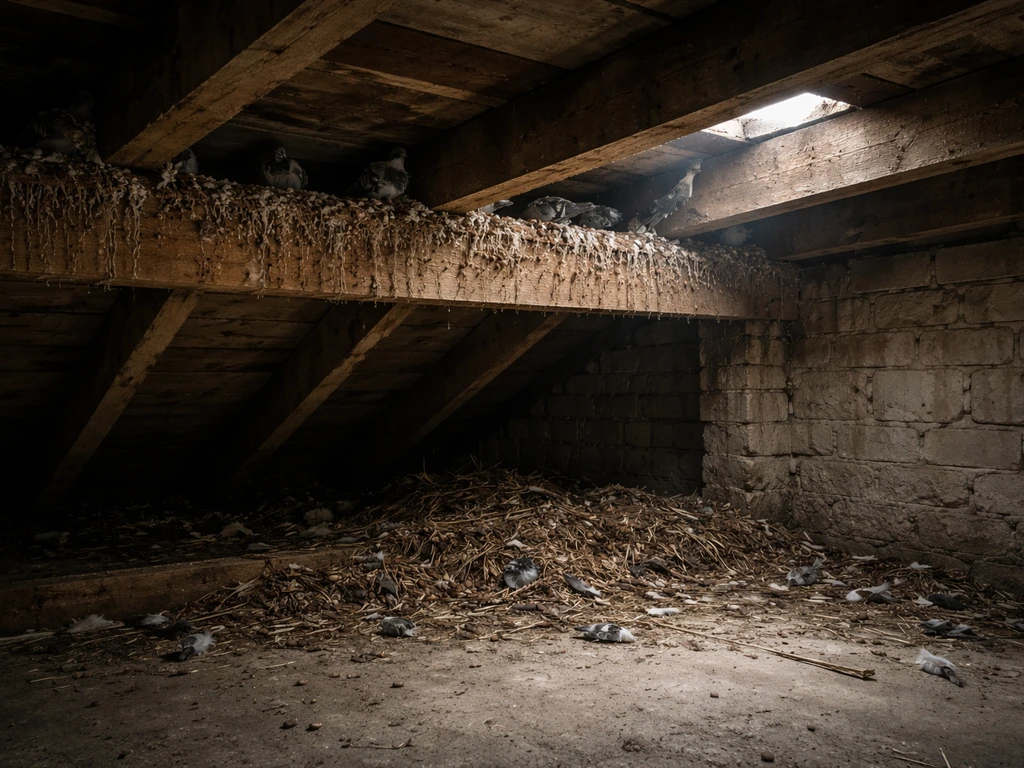
Most people's risk is low because most encounters are brief and involve small amounts. The risk climbs in specific, identifiable scenarios. Understanding those scenarios helps you figure out whether you are dealing with a minor hygiene issue or something that deserves more caution.
- Large accumulations: roosting sites under bridges, in attics, on warehouse rooftops, or in barns can build up inches-deep deposits of droppings over months or years. This is where histoplasmosis outbreaks have actually occurred.
- Dry cleanup without protection: sweeping, dry-scraping, or using a leaf blower on dried bird droppings sends fungal spores and bacteria directly into your breathing zone.
- Enclosed or poorly ventilated spaces: disturbing droppings inside an attic, garage, or crawlspace concentrates airborne particles instead of letting them disperse outdoors.
- Immunocompromised individuals: people on chemotherapy, organ transplant recipients, those with HIV/AIDS, and young children face genuinely higher risk from even moderate exposures.
- Pet bird owners: close, repeated contact with a sick bird's droppings and dried secretions is the primary route for psittacosis, especially when cage cleaning is done without adequate ventilation.
- Contaminated water or food: droppings near or in a water source (a garden water feature, an outdoor pet bowl) or on food-prep surfaces can introduce pathogens through ingestion.
If none of those scenarios apply to you, which is the case for the vast majority of everyday encounters, your actual risk is low. But it is still worth understanding what you are dealing with.
The real health risks: what bird poop can actually cause
Histoplasmosis
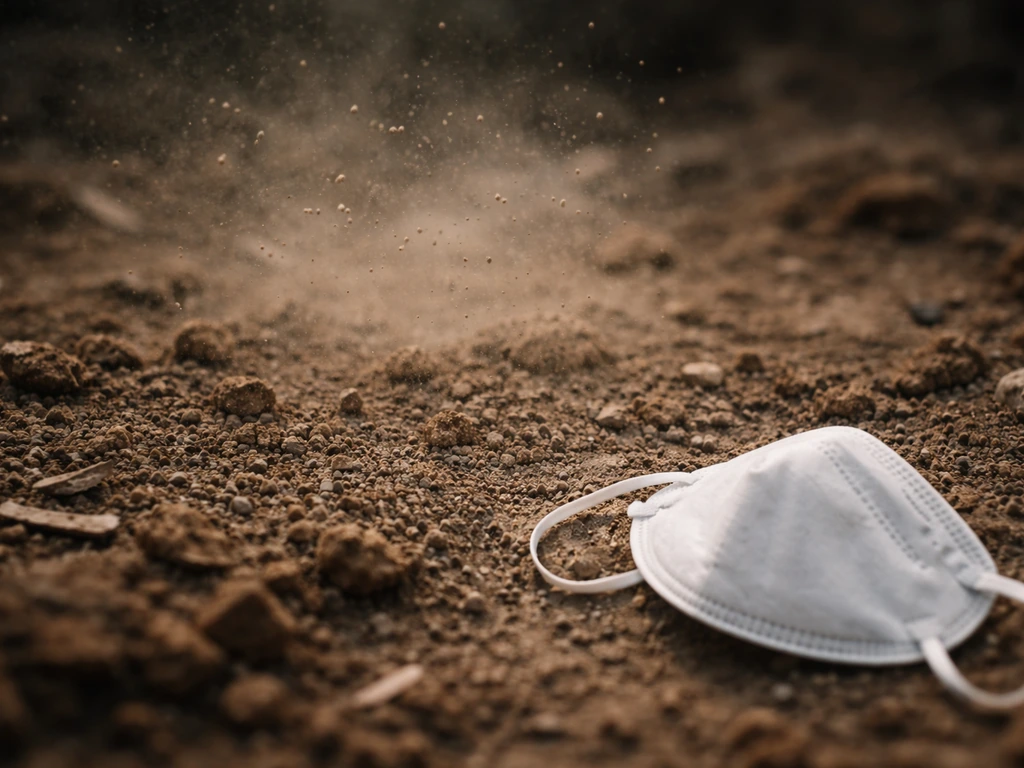
Histoplasmosis is a fungal lung infection caused by breathing in spores of Histoplasma capsulatum, a fungus that thrives in soil enriched by bird or bat droppings. The CDC notes that symptoms typically appear 3 to 17 days after exposure. Most healthy people who inhale a small number of spores either have no symptoms at all or experience mild flu-like illness that resolves on its own. Severe, potentially life-threatening histoplasmosis is rare and almost always occurs in people who are already immunocompromised or who had an extremely heavy exposure.
Psittacosis
Psittacosis (sometimes called parrot fever or avian chlamydiosis) is a bacterial infection caused by Chlamydia psittaci. The CDC confirms that the most common way people contract it is by breathing in dust from dried bird droppings or secretions, not from casual skin contact. Incubation is typically 5 to 14 days, and it can cause pneumonia that, in older or immunocompromised people, can become serious. Psittacosis is most commonly associated with parrots, cockatiels, and other pet birds, though pigeons and other wild birds can carry it too.
Cryptococcosis and Salmonella
Cryptococcus neoformans, another fungus associated with pigeon droppings, can cause serious infections in immunocompromised individuals, particularly meningitis. Salmonella can also be present in bird droppings and is relevant if droppings contaminate food or surfaces where food is prepared. These are rarer concerns for the average healthy person but worth knowing about if you are in a higher-risk group.
Skin, eye, and airway irritation
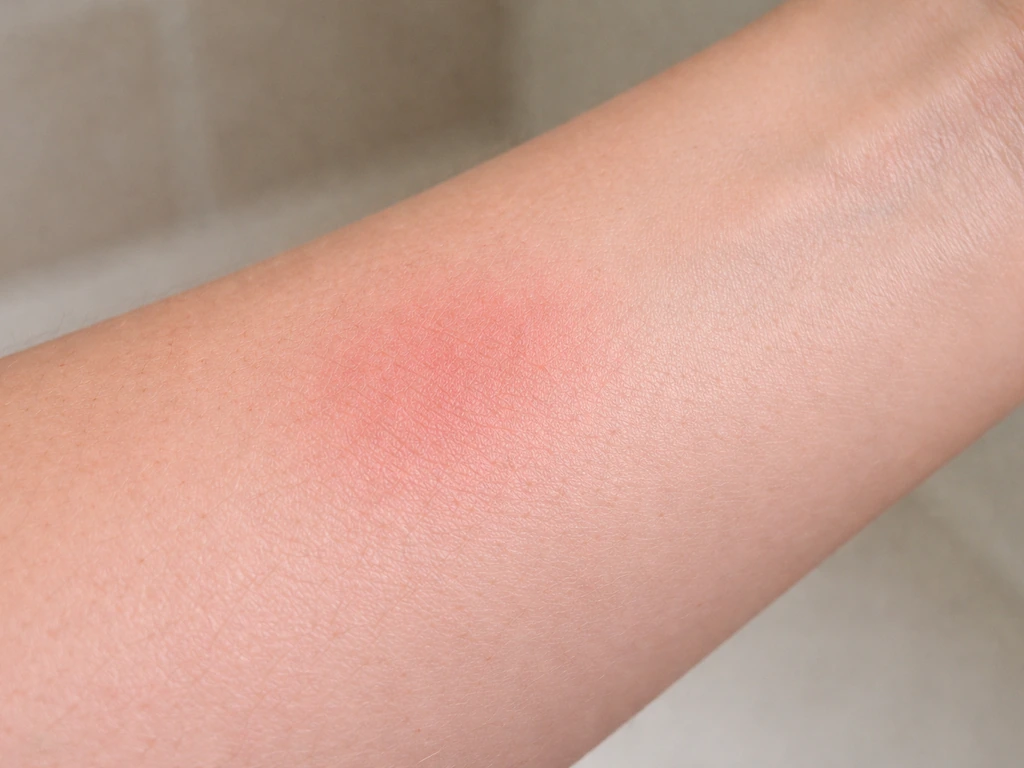
Even without active infection, bird droppings are chemically irritating. Their high uric acid content can cause skin redness or mild irritation with prolonged contact. Getting a splash in the eyes is uncomfortable and can cause inflammation. People with asthma or respiratory allergies may find that exposure to bird dander and dried droppings dust triggers or worsens symptoms, which is a hazard that does not always get the attention it deserves.
How bird poop spreads germs in everyday situations
Understanding the transmission routes helps you figure out when you are genuinely at risk and when you can relax. The four main pathways are hands, eyes, inhalation, and contaminated surfaces.
| Exposure Route | How It Happens | Risk Level for Healthy Adults |
|---|---|---|
| Inhalation | Sweeping, scraping, or disturbing dried droppings that aerosolize spores and bacteria | Moderate to high (especially in enclosed spaces or with large accumulations) |
| Hand-to-mouth | Touching droppings then touching food, lips, or not washing hands before eating | Low to moderate (depends on pathogen load and how quickly you wash hands) |
| Eye contact | Splash from pressure-washing, wiping droppings near face, or touching eyes with contaminated hands | Low to moderate (can cause irritation or infection if pathogen is present) |
| Skin contact only | Droppings landing on intact skin with no subsequent hand-to-mouth transfer | Very low (intact skin is a strong barrier; infection via skin alone is rare) |
| Ingestion via surfaces | Droppings contaminating food prep areas, pet water bowls, or produce in gardens | Low to moderate (salmonella risk if hygiene is poor) |
The CDC specifically advises against dry sweeping or vacuuming bird droppings because both actions put dust into the air. Pressure-washing without proper respiratory protection has the same effect. The practical takeaway: it is not the droppings sitting on a surface that are the main hazard, it is the act of disturbing dry droppings without protection that creates the real risk.
What to do right now if you have been exposed
Skin contact
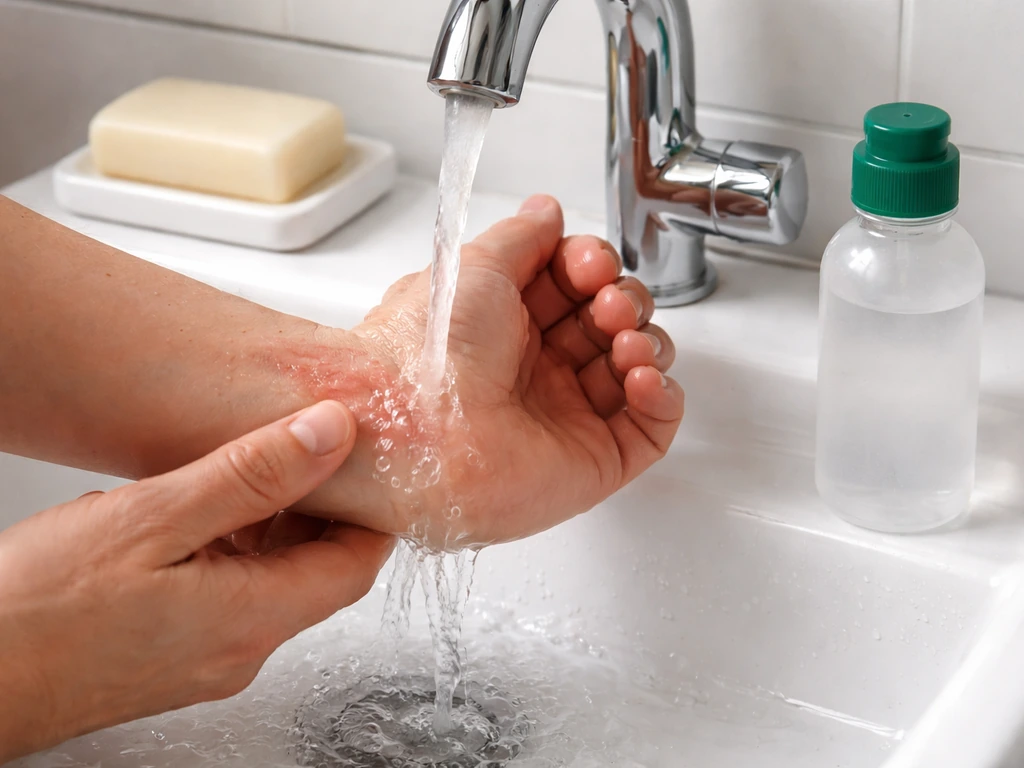
Wash the area immediately with soap and warm water for at least 20 seconds. Do not scrub aggressively if the skin is broken, but do clean it thoroughly. Avoid touching your face, eyes, or mouth before washing. Change your clothing if there is significant contamination, and launder affected items in hot water. For most healthy adults, this is genuinely all you need to do.
Eye splash or contact
Flush your eyes immediately with clean, lukewarm water for at least 10 to 15 minutes. If you wear contact lenses, remove them before flushing if you can do so quickly, or flush over them and remove after. If redness, pain, or blurry vision persists after flushing, see a doctor the same day.
Persistent irritation is more likely than any lasting harm, but if symptoms like blurry vision or pain stick around after flushing, get checked can bird poop make you blind. If your concern is can bird poop make you blind, eye irritation is more common than severe infection, but blurry vision or persistent symptoms after an exposure should be checked by a professional.
Eye exposure to bird droppings is unlikely to cause severe infection in a healthy person, but persistent irritation warrants a professional look.
Accidental ingestion
If you inadvertently ingested a small amount, rinse your mouth thoroughly with water and spit. Drink some water. Do not induce vomiting. Contact Poison Control (1-800-222-1222 in the US) if you are uncertain or if the exposure was significant, especially for a child. Symptoms like nausea, vomiting, or diarrhea appearing within 12 to 48 hours could indicate salmonella and should prompt a call to your doctor.
Inhalation during cleanup
If you accidentally inhaled dust while cleaning dried droppings without protection, move to fresh air immediately. Because it is possible to inhale contaminated dust, cleaning bird poop can be dangerous if you disturb dried droppings without protection is cleaning bird poop dangerous. If you experience coughing, shortness of breath, or chest tightness that does not resolve within a few minutes, call your doctor or urgent care. For healthy people with a brief, minor exposure, symptoms may not appear at all, or may show up 3 to 17 days later as flu-like illness. Make note of the date of exposure so you can accurately report it if you do become unwell.
Safe cleanup: how to deal with bird droppings without making things worse
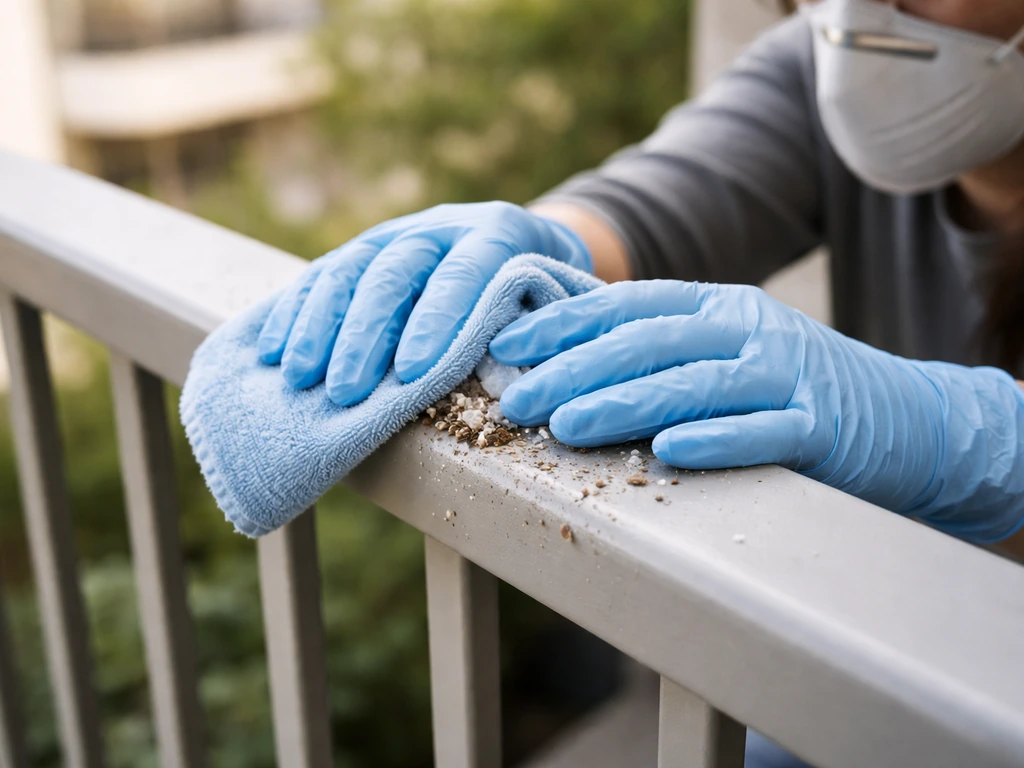
The way you clean bird droppings matters as much as cleaning them at all. Here is the right approach, whether you are dealing with a splatter on your car, a buildup on a balcony, or a mess in a birdcage.
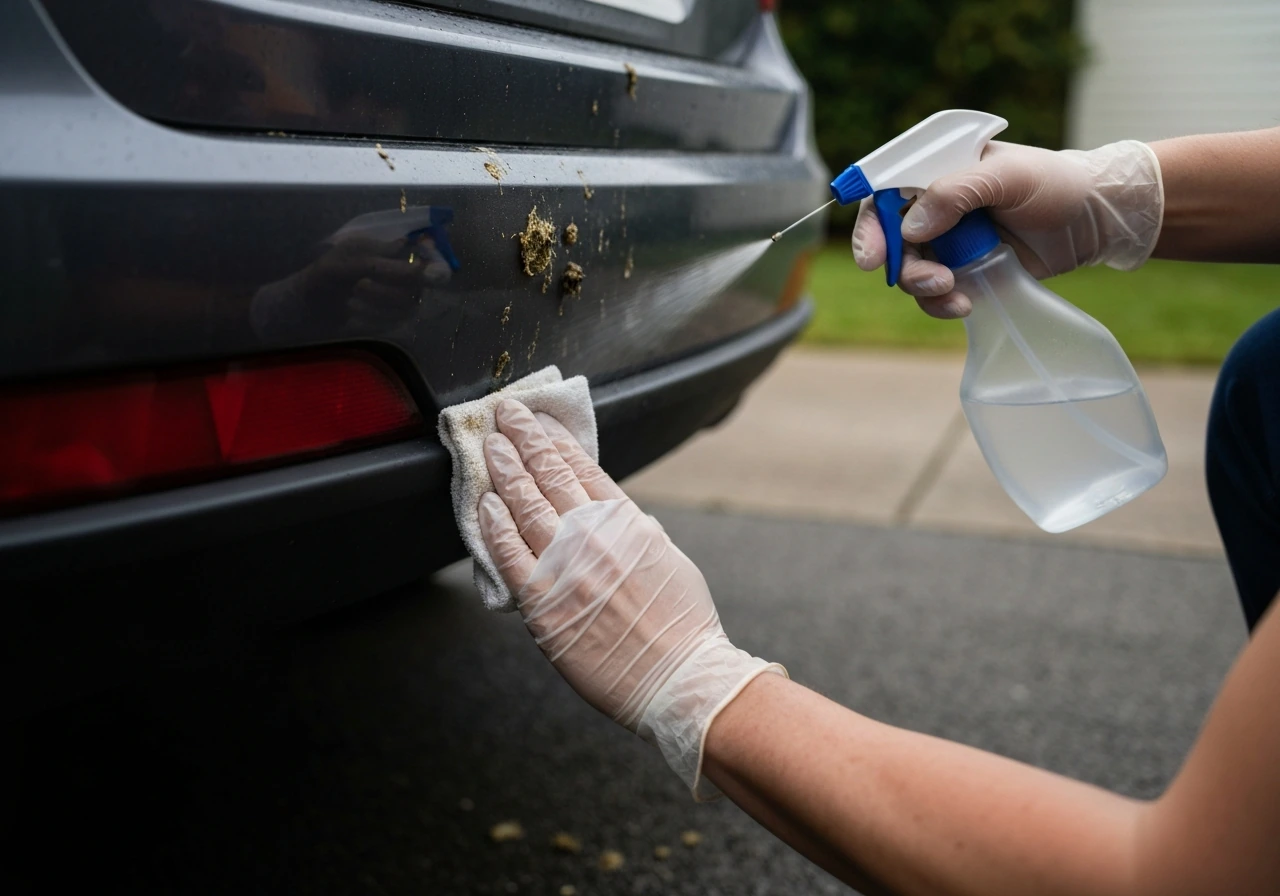
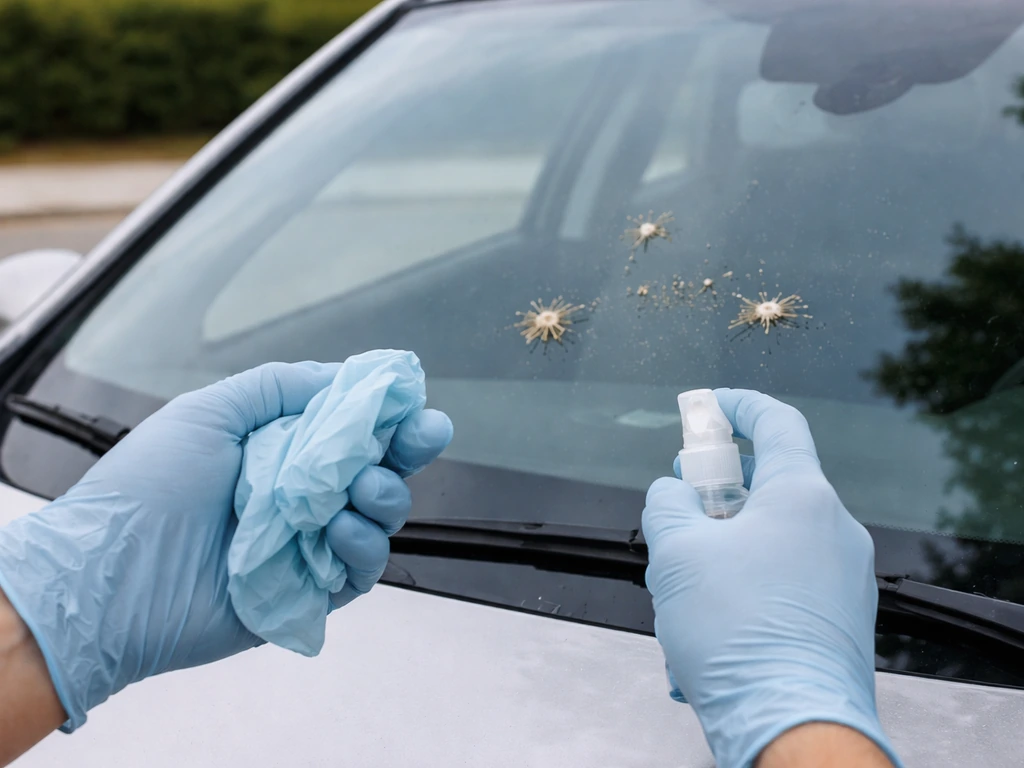
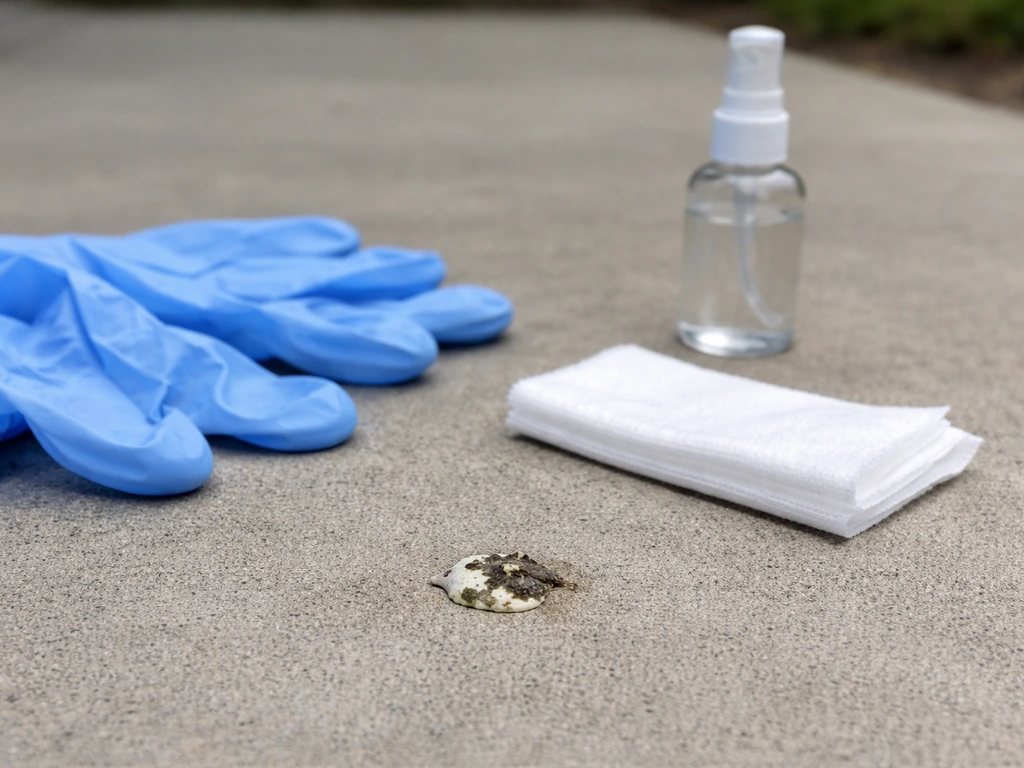
- Gear up first: put on disposable gloves before you touch anything. For larger or dried accumulations, add an N95 or P100 respirator mask and safety glasses or goggles. Old clothes you can launder afterward are a good call.
- Wet the droppings before disturbing them: mist the area with water or a diluted disinfectant spray before you start scraping or wiping. Wet droppings do not aerosolize. This is the single most important step for reducing inhalation risk.
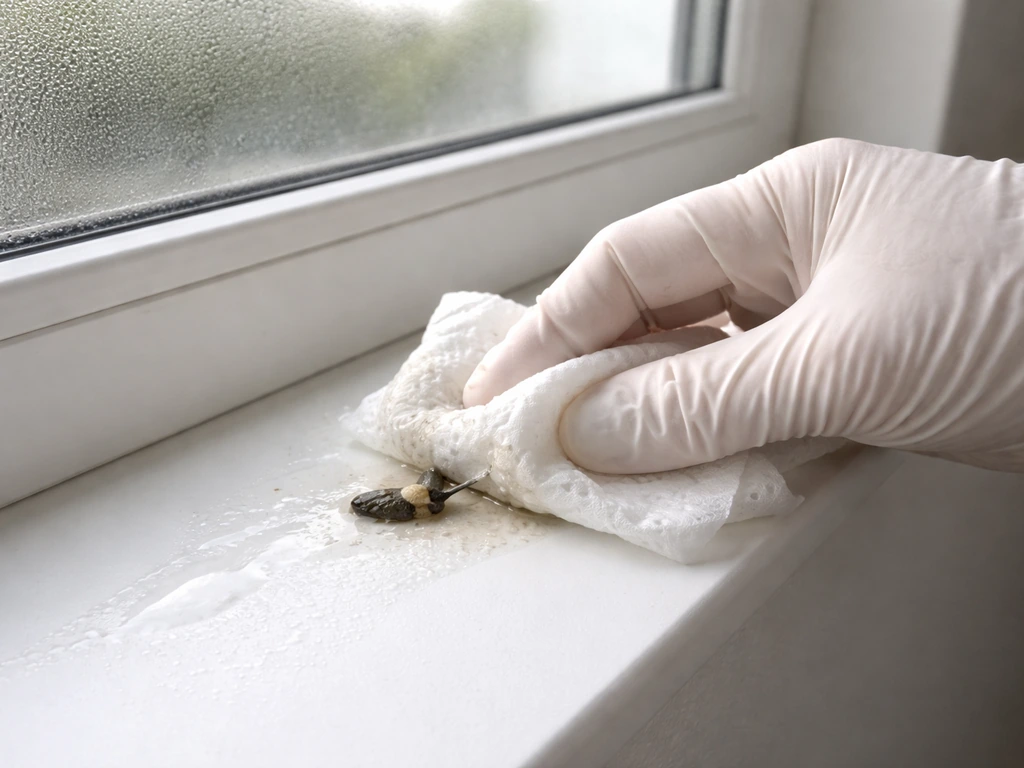
- Wipe or scrape, do not sweep: use paper towels, disposable rags, or a damp mop. Bag waste immediately in a sealed plastic bag. Never dry-sweep or use a leaf blower on bird droppings.
- For large accumulations (more than a square foot of buildup), consider professional hazardous-waste cleanup. The CDC recommends this for heavily contaminated sites. This is not overkill, it is the right call when the volume of material makes safe self-cleanup impractical.
- Disinfect the surface: after removal, apply a household disinfectant or a 1:10 bleach-to-water solution to the surface and let it sit for several minutes before wiping clean.
- Launder contaminated clothing: wash any clothing that had contact with droppings in hot water (at least 140°F / 60°C) with detergent. Wash your hands thoroughly after removing gloves and before touching anything else.
- In enclosed spaces, ventilate the area before starting: open windows and doors, or use a fan to direct airflow away from you. A HEPA-filter vacuum is appropriate for cleaning up dry material in enclosed spaces, but only after the area has been adequately dampened.
Preventing exposure: practical habits that actually help
Prevention is mostly about building a few low-effort habits, particularly if you are a pet bird owner or regularly deal with outdoor bird activity around your home or car.
- Always wash your hands after handling birds, their cages, droppings, or items in their environment. The CDC makes this recommendation specifically for pet bird owners, and it applies to wild bird contact too.
- Do not let bird droppings accumulate. Regular cleaning of balconies, patios, feeders, and bird cages is far easier and safer than occasional deep cleans of large buildups.
- Park away from known roosting spots. Trees, ledges, and wires where birds regularly gather are predictable. Choosing your parking spot accordingly saves your car and reduces your cleanup exposure.
- Wear gloves and a mask whenever you are cleaning up more than a few small spots, especially in enclosed or shaded areas where droppings stay dry for longer.
- Do not eat or drink outdoors in areas with heavy bird activity without checking surfaces first.
- If you have a compromised immune system, talk to your doctor before doing any significant bird dropping cleanup yourself. This is a situation where delegating the task is genuinely the right call.
The good luck thing: where it comes from and what the evidence says
If you have ever been told that getting pooped on by a bird means good luck, you are not alone. The belief shows up across multiple cultures, including Turkish, Russian, and Italian folklore, as well as widely in Western popular culture. Some versions say it is especially lucky if it lands on your head. The origin of this superstition is unclear, though one reasonable theory is that birds targeting you from the sky was simply so random and uncontrollable that it got folded into the broader category of unexpected events that were omen-worthy, and lucky spins are generally more comforting than unlucky ones.
Here is what the evidence actually says: bird poop does not deliver luck in any measurable way. What it does deliver, as covered above, is a low but non-zero risk of pathogen exposure. The cultural belief is harmless and even kind of charming, but it becomes a problem if it makes someone dismiss a messy exposure without washing up. Think of it this way: you can hold the superstition and still wash your hands immediately afterward. Those two things are not mutually exclusive.
The reality is that the "good luck" framing is probably more of a psychological coping mechanism than anything else. Getting pooped on is unpleasant and mildly embarrassing, so reframing it as a gift from the universe is not the worst response. Just do not let the mythology make you skip the soap and water.
When to actually see a doctor
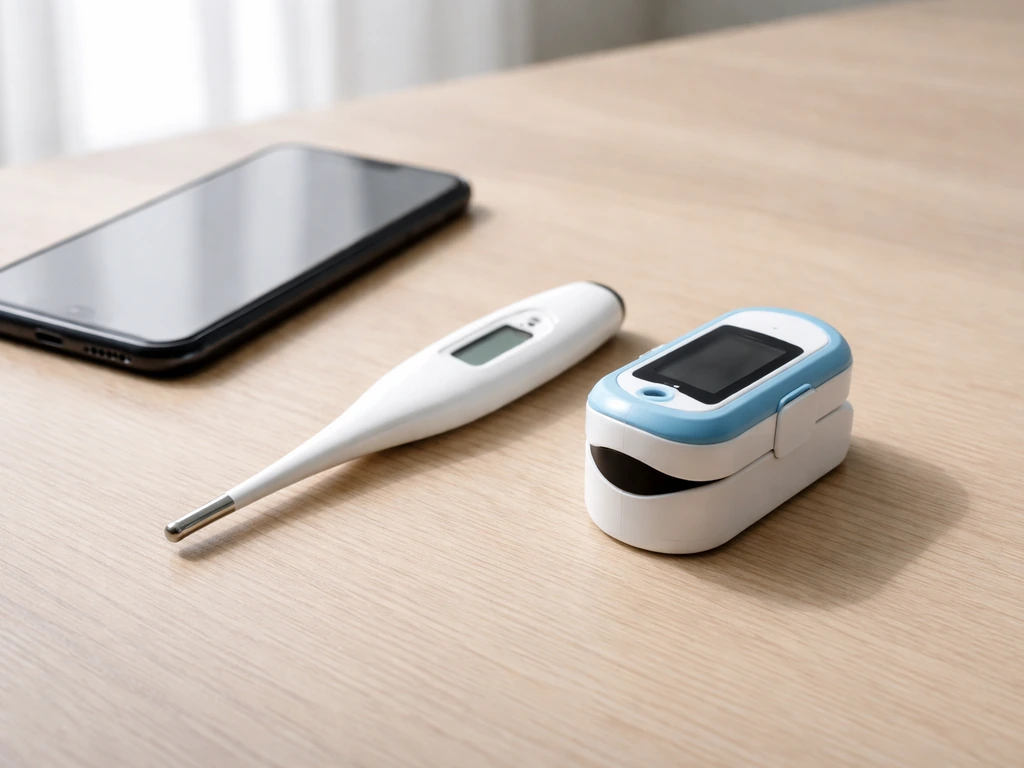
For most healthy adults with typical incidental exposure, no medical visit is needed. But there are specific situations where you should not wait to get checked out.
- Fever, cough, or shortness of breath developing 3 to 17 days after a cleanup job involving dry bird droppings in an enclosed space: this is the window for histoplasmosis symptoms and warrants a call to your doctor.
- Flu-like illness (fever, headache, muscle aches) appearing 5 to 14 days after heavy exposure to bird droppings or a sick bird: psittacosis can look like the flu or cause pneumonia and responds well to antibiotics when caught early.
- Eye pain, significant redness, or vision changes that persist after flushing: see an eye doctor or urgent care the same day.
- Signs of respiratory infection (worsening cough, chest tightness, difficulty breathing) in any context after known bird dropping exposure.
- Nausea, vomiting, or diarrhea within 48 hours of suspected ingestion: contact your doctor or Poison Control.
- Any of the above in a child, an elderly person, or someone who is immunocompromised: these groups face higher severity risk and should have a lower threshold for seeking care.
- If you are unsure whether what you are experiencing is related to your exposure, call your doctor and give them the date and nature of the exposure. They can advise you on whether testing or observation is warranted.
The reassuring reality is that serious illness from routine bird poop contact is uncommon in healthy people. The genuine danger zone involves large accumulations, enclosed spaces, dry disturbance of droppings, and vulnerable immune systems. For everyone else, good hygiene, a little common sense about cleanup technique, and knowing the warning signs to watch for is more than enough to keep you safe. Bird poop is gross, but it is not the silent killer it might feel like in the moment.
FAQ
Should I throw away my clothes if I got bird poop on them once, or is washing enough?
If the droppings are fresh or only lightly spread, washing is usually enough. Remove the item promptly, avoid shaking it (this can aerosolize dried material), and launder on hot water if the fabric allows. If the area is large, the item is heavily contaminated, or the person is immunocompromised, consider double-bagging it until washed and using disposable gloves during handling.
What if the bird poop dried before I noticed it on a balcony or car, is it more dangerous?
Yes, dry droppings are a bigger inhalation risk because disturbing them can create airborne dust. For dry spots, avoid dry sweeping, dry brushing, or vacuuming. Lightly dampen the area first, then clean using wet methods (and respiratory protection if there is significant buildup). If you cannot avoid disturbing a large amount, it is worth delaying cleanup until you can do it properly.
Can bird poop on food or a kitchen surface make me sick even if I wipe it once?
It can, especially if the contamination reached food preparation areas or if you wipe without disinfecting afterward. Clean first to remove visible material, then sanitize the surface, and wash hands before touching utensils, produce, or anything else. If a child ate food that may have been contaminated, or if symptoms like vomiting or diarrhea start within 12 to 48 hours, contact a clinician for guidance.
If bird poop gets on my pet’s fur or in their cage, do I need to worry about me too?
You should worry mostly about cross-contamination during cleaning. Bird droppings can pose inhalation risk when you disturb dry waste, and pathogens can transfer via hands and surfaces. Wear gloves, avoid vacuuming or dry sweeping, clean with wet methods, and wash hands thoroughly afterward. If your pet bird becomes ill (breathing changes, weakness, diarrhea), contact a veterinarian promptly.
I wiped droppings off my skin with a tissue before washing. Is that an emergency?
Usually no, if it was brief and small amount. Tissue wiping can still move organisms around, so wash with soap and warm water for at least 20 seconds as soon as possible and avoid touching your eyes or mouth before washing. Seek medical advice sooner if you have a higher-risk condition (immunocompromise) or if you got material into your eyes.
How long after exposure should I watch for symptoms?
For many infections tied to bird droppings, symptoms typically appear days to weeks after exposure. Histoplasmosis often shows up about 3 to 17 days after inhalation, and psittacosis commonly presents about 5 to 14 days after exposure to contaminated dust. If you develop concerning respiratory symptoms and you remember significant dust disturbance, tell the clinician the exposure date and what was disturbed.
Is it safe to use a regular household vacuum to clean up droppings?
Generally, no for dry droppings, because vacuums can blow dust into the air or stir it up. The safer approach is wet cleaning (dampen first, then wipe) or professional cleanup for large accumulations. If you must use equipment, respiratory protection matters, and disposal or thorough cleaning of vacuum contents may be needed.
What respiratory symptoms are “too serious” after inhaling dust from droppings?
Get medical help urgently if you develop worsening shortness of breath, chest tightness, persistent or severe coughing, or symptoms that do not improve within a few minutes after leaving the area. If you have asthma, COPD, or other lung conditions, have a lower threshold for evaluation because you may respond more strongly to irritation or infection.
Does bird poop exposure mean I am likely to get meningitis or a severe fungal infection?
Not for most people. Severe infections such as cryptococcal meningitis are mainly associated with significant exposure and, most importantly, immunocompromised status. If you are immunosuppressed, have had major buildup exposure, or are uncertain about the amount and how dust was disturbed, discuss your situation with a healthcare professional even if symptoms have not started yet.
I have bird poop in my eye. Should I use eye drops or just flush?
Flush first with clean, lukewarm water or saline for at least 10 to 15 minutes, then reassess. Avoid rubbing. If you wear contacts, remove them if you can quickly, otherwise flush over them and remove afterward. Get same-day care if there is persistent pain, redness, or blurry vision after flushing, because ongoing symptoms may indicate more than simple irritation.