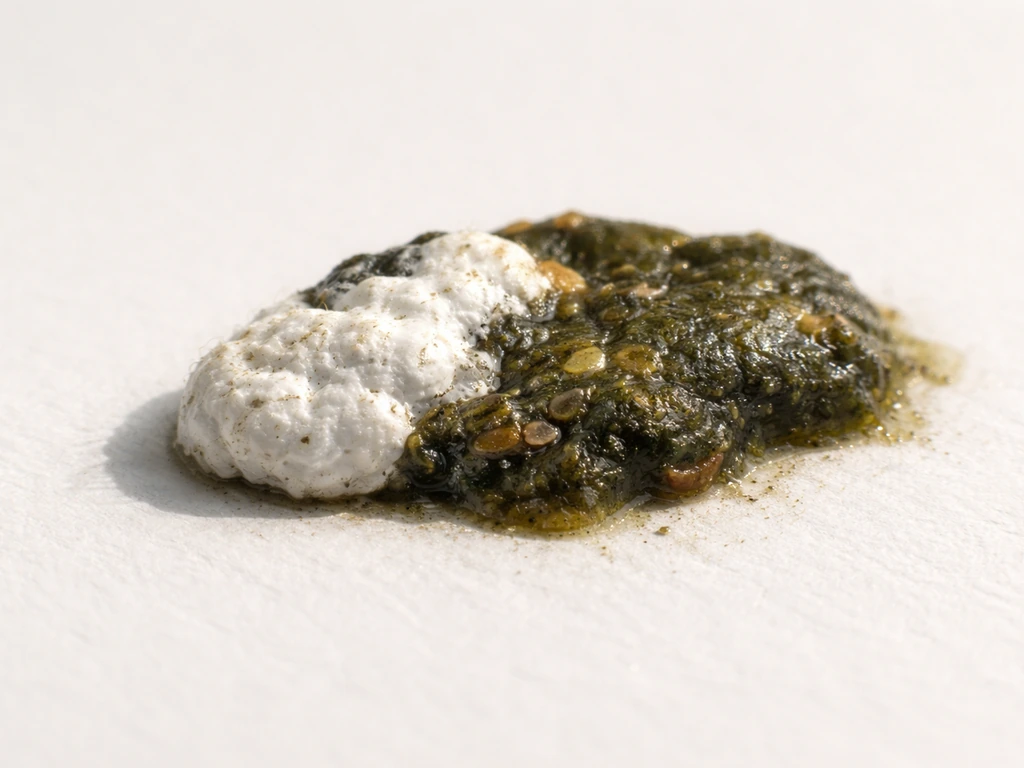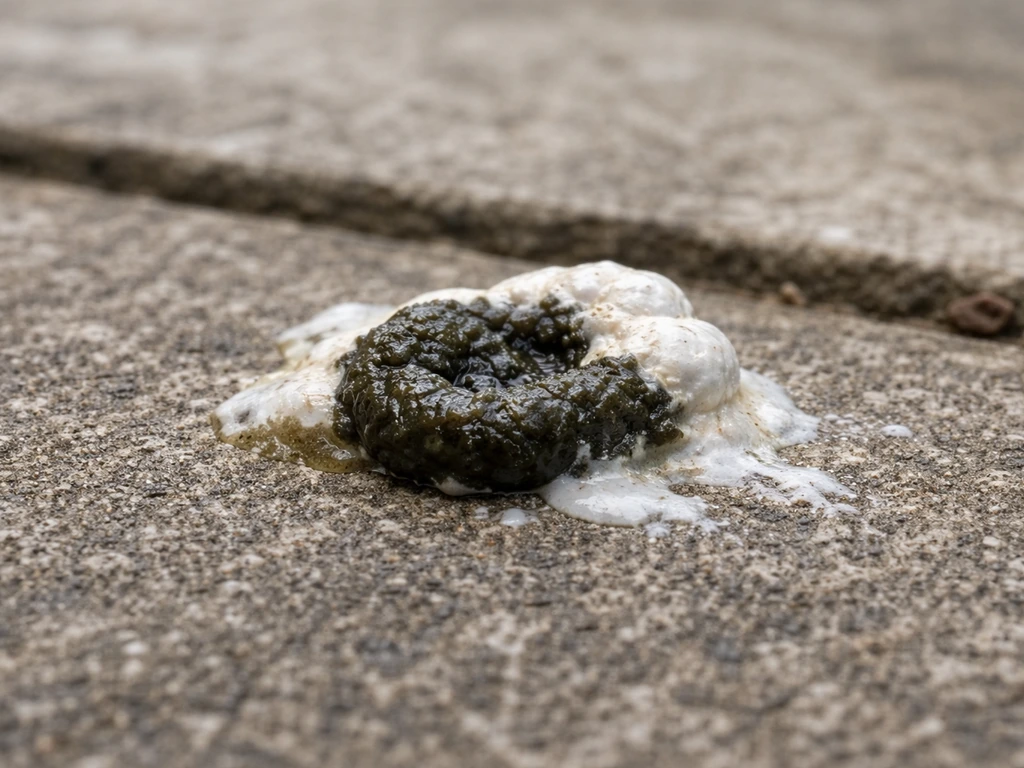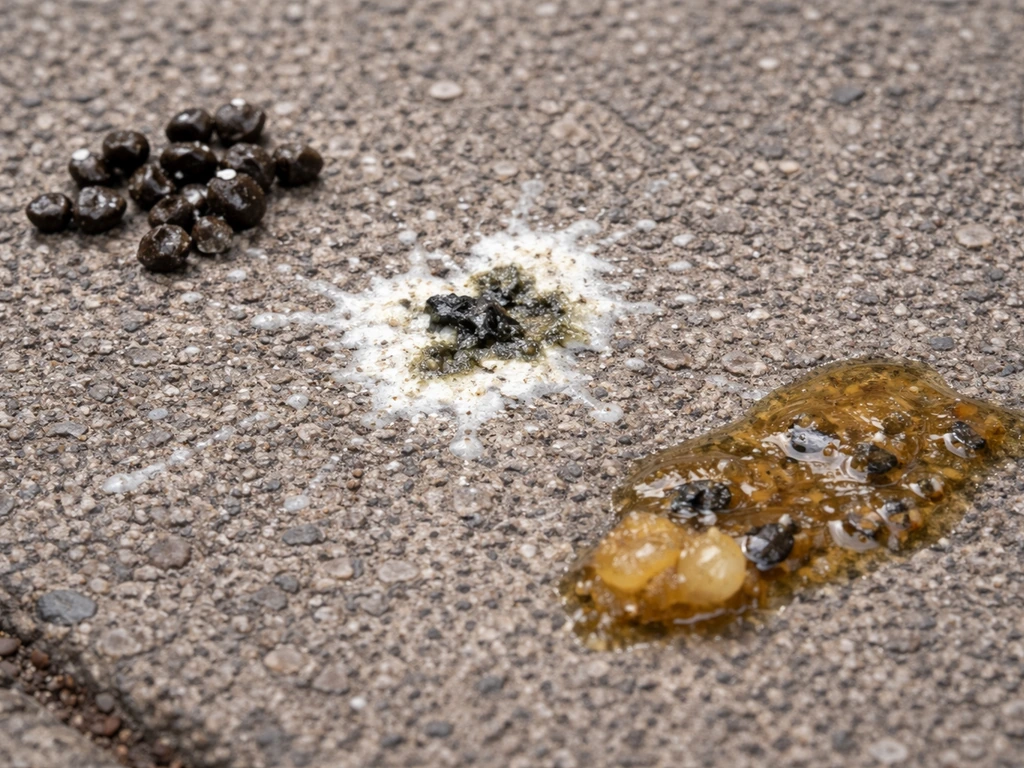
Bird droppings are a mixture of feces and urates (the bird's version of urine), deposited together in one package because birds share a single exit point called the cloaca. The dark, semi-solid part is the digestive waste. The white or chalky part is uric acid, which birds excrete instead of liquid urea like mammals do. Both components land at the same time, which is why a typical dropping has that familiar two-tone look: dark center, white coating.
Bird Droppings Are a Mixture of Feces and Urates: What’s In It

Marcus Fielding
22 May 2026
What bird droppings are actually made of
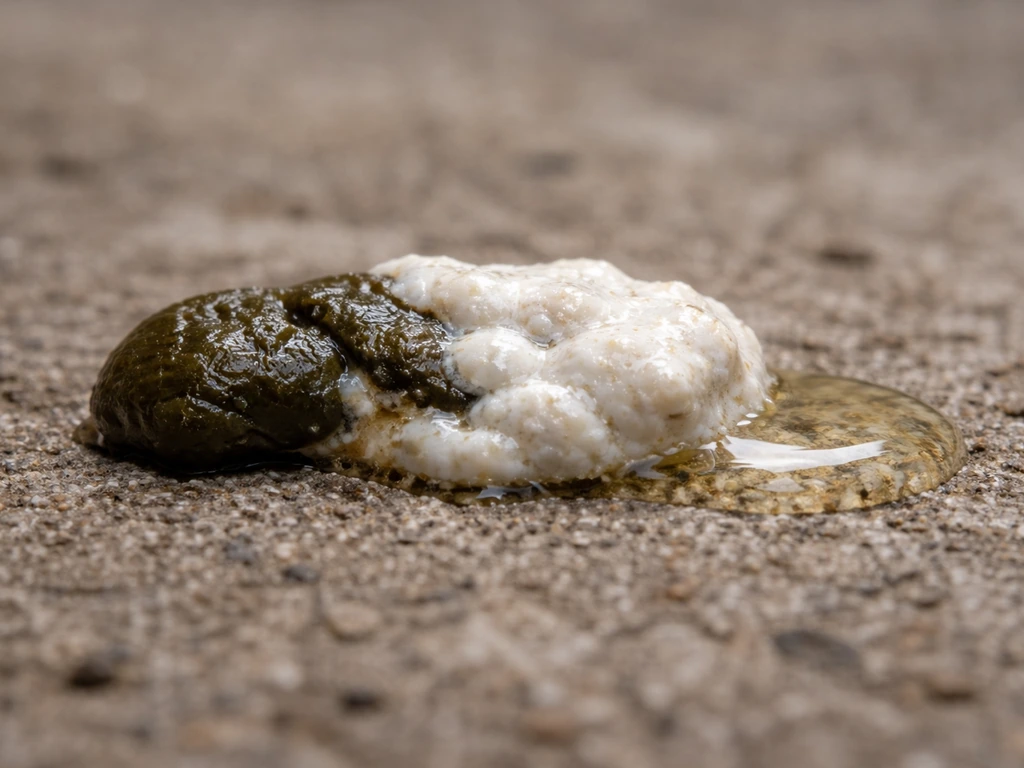
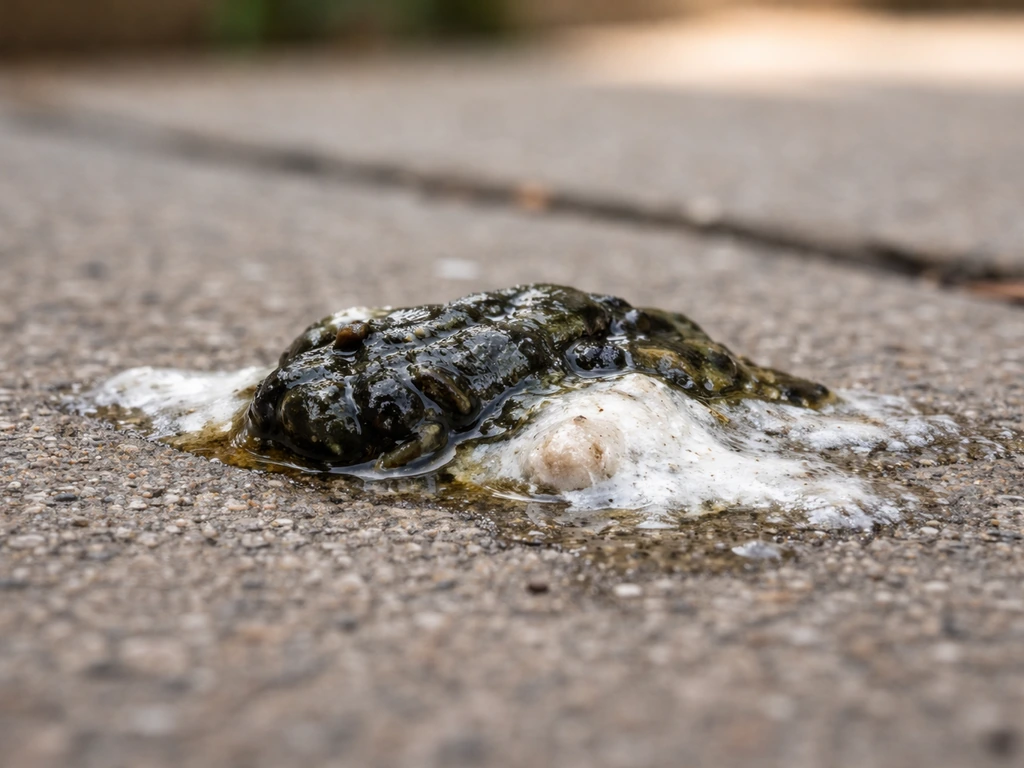
A bird dropping has three distinct components: the fecal portion, the urate portion, and sometimes a small amount of liquid urine. The fecal part is the brown or dark green semi-solid material formed from digested food. The urate portion is the white, chalky paste made mostly of uric acid. The liquid urine part is often barely visible and tends to soak into whatever surface the dropping lands on.
Birds produce uric acid rather than urea (what mammals excrete in liquid urine) because uric acid is far less soluble in water. That means birds can excrete their nitrogenous waste with very little water loss, which is a huge evolutionary advantage, especially for birds in dry climates or birds that fly long distances. The trade-off is that uric acid dries into that stubborn, cement-like white residue that anyone with a car in a tree-lined parking lot knows all too well.
The relative amounts of feces, urates, and liquid urine can shift quite a bit depending on the bird's hydration, diet, and health status. A well-hydrated bird may produce droppings with more watery urine visible around the urate portion. A sick bird may produce droppings that look dramatically different from normal. This is actually how bird owners and vets monitor health: changes in the color, texture, or ratio of components can be an early warning sign.
Why droppings look the way they do
The color of the fecal portion varies a lot by diet. Seed-eating birds tend to produce green feces. Pellet-fed pet birds often produce brown. A bird that has been eating berries can produce strikingly red, pink, or purple droppings that look alarming until you trace it back to the blueberries it just ate. The urate portion is usually off-white, cream, or very pale yellow. If the urates turn bright yellow, green, or lime-colored, that can signal liver issues and warrants a vet visit for pet birds.
The chalky white appearance that most people associate with bird poop on cars, statues, and park benches is almost entirely the dried urate layer. Once uric acid dries, it hardens quickly and bonds to surfaces, which is why bird droppings are so damaging to car paint. The acid etches into clear coat, especially in warm weather when the surface expands slightly and pulls the dried urate deeper into the finish.
Wild birds versus pet birds can also look quite different. Outdoor birds like pigeons, starlings, and gulls tend to produce larger, wetter, and more variable droppings than a small caged parakeet. If you're curious about the broader terminology around bird waste, the naming conventions are covered in more detail in companion articles on what bird droppings are called and what constitutes bird droppings generally. Common naming conventions for bird droppings are often discussed under what bird droppings are called and what counts as bird droppings.
Bird waste is called droppings, which is the common term for the feces, urates, and sometimes liquid urine birds pass bird droppings. If you are trying to answer what is bird droppings, it helps to know what makes up the dark fecal portion and the white urate coating. If you are wondering about the names people use for bird waste, that topic is explained in more detail in the article on what bird droppings are called.
The health risks you actually need to know about
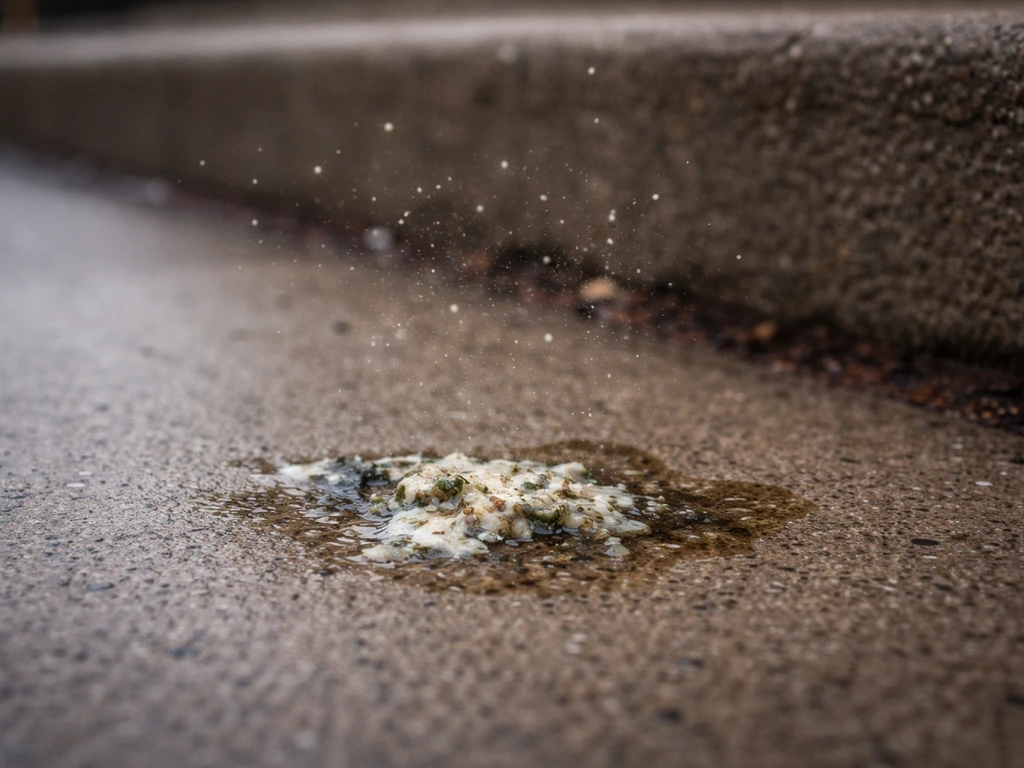
Bird droppings can carry real pathogens. The main risks come from three sources: fungal spores, bacteria, and viruses. The most important thing to understand is that the biggest danger usually isn't touching fresh droppings. It's breathing in dust from dried droppings after they've been disturbed.
Histoplasmosis (fungal)
Histoplasmosis is caused by inhaling Histoplasma spores, a fungus that thrives in soil enriched by bird and bat droppings. The spores are tiny, roughly 1 to 5 micrometers, and get deep into the lungs. Most healthy people who inhale a small number of spores experience no symptoms or something that feels like a mild flu. But in people with weakened immune systems or after heavy exposure, it can cause serious lung disease. The risk spikes when you physically disturb accumulated droppings, like during demolition, attic cleanouts, or digging near roosting sites.
Psittacosis (bacterial)
Psittacosis is a bacterial infection caused by Chlamydia psittaci, carried mainly by parrots, parakeets, cockatiels, and other psittacine birds, though pigeons and other species can carry it too. The CDC is clear on the transmission route: the most common way people get psittacosis is by inhaling dust from dried bird droppings and secretions. When those droppings dry out and crumble, they release tiny airborne particles. This is why dry sweeping a bird cage or blowing dust off a contaminated surface is a bad idea.
Avian influenza (viral)
For most people dealing with a single bird dropping on their windshield or patio, avian influenza (bird flu) is not a realistic everyday concern. It becomes relevant for people who work with poultry or have backyard flocks that may have been exposed. OSHA notes that exposure can occur through inhaling infectious dust or droplets, and through touching contaminated surfaces. The practical takeaway: wash your hands after cleanup, and if you're dealing with a sick or dead bird, take it more seriously than a routine pigeon splatter.
How to clean up bird droppings safely today
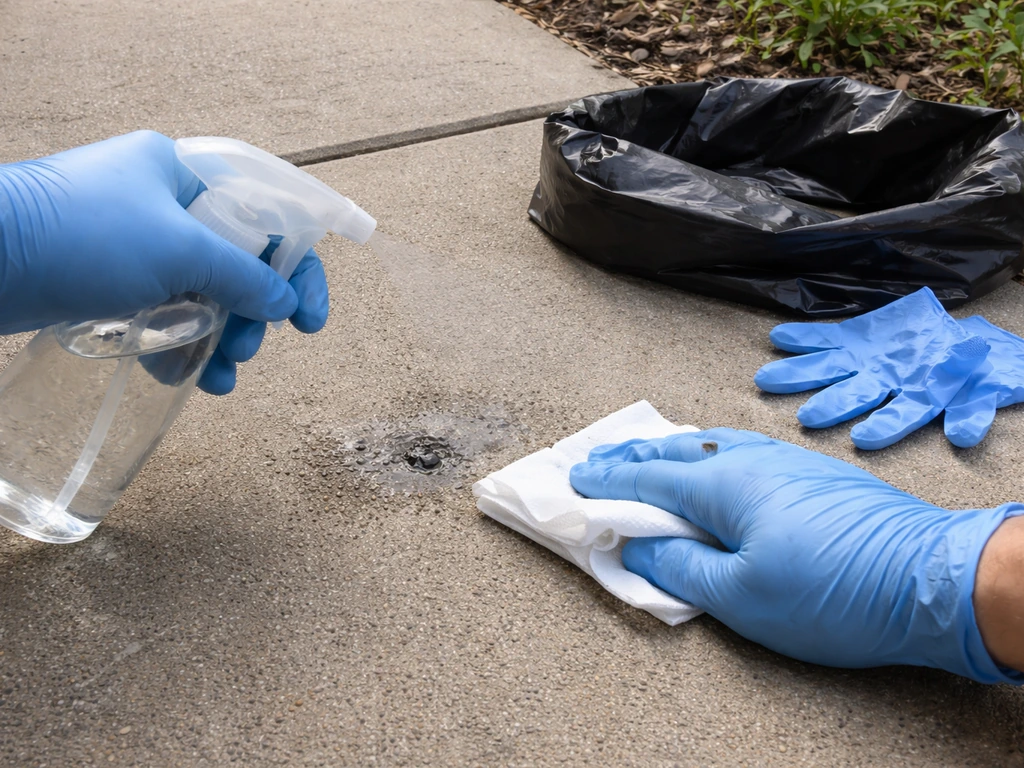
The core principle from public health guidance is simple: keep the material wet while you clean it, and avoid generating any dust or aerosols. Never dry sweep, never vacuum without a HEPA filter, and never use a leaf blower on dried droppings. Here's how to do it right.
- Put on nitrile or disposable gloves before you touch anything. For larger cleanups or enclosed spaces, also wear an N95 respirator and consider disposable shoe covers or coveralls if contamination is heavy.
- Wet the droppings thoroughly with a bleach solution (about 1.5 cups of bleach per gallon of water) or an EPA-registered disinfectant. The material needs to be visibly and completely saturated, not just misted. Let it sit for a few minutes to start breaking down the material and killing pathogens.
- Wipe up the wet material with paper towels or disposable cloths, working from the outside edge inward so you don't spread contamination. Don't scrub aggressively in a way that splashes the material.
- Bag and seal all used paper towels, gloves, and disposable materials in a plastic bag before discarding.
- Clean the surface again with soap and water to remove visible residue, then apply a fresh round of EPA-registered disinfectant. Follow the product's label contact time, which means keeping the surface visibly wet for however long the label specifies (typically 1 to 10 minutes depending on the product).
- Wash your hands thoroughly with soap and water after removing gloves. Wash any clothing that may have been contaminated.
For bird cage cleaning specifically, the CDC recommends wetting cage surfaces with water or a disinfectant before you start cleaning, for exactly the same reason: you don't want to stir up dry particles. This is especially relevant for anyone with pet parrots, cockatiels, or other psittacine birds.
When to call a professional
A single dropping on your car or porch is a one-person, five-minute job. But some situations genuinely call for professional hazardous waste handling, and it's worth knowing where that line is.
- Large accumulations in attics, crawl spaces, or enclosed areas where birds have been roosting for weeks or months
- Any cleanup in a space with poor ventilation where aerosols cannot be controlled
- Active nesting sites where droppings have built up around organic nesting material (which amplifies fungal growth)
- Situations involving immunocompromised individuals who live or work in the affected space
- Any scenario where the volume of material makes full wet-suppression cleanup impractical without specialized equipment
CDC and NIOSH guidance is explicit: in cases involving large amounts of bird or bat droppings, cleanup should be handled by a professional company that specializes in hazardous waste. This isn't excessive caution. It's because disturbing large quantities of accumulated droppings creates a significant histoplasmosis risk that home-grade PPE and technique may not adequately control. Professional crews use industrial-grade HEPA filtration, proper containment, and engineering controls like negative air pressure to keep spores from spreading.
Special situations: pets, kids, cars, and outdoor surfaces
Cars
Bird droppings on car paint should be removed as quickly as possible, ideally within a few hours in warm weather. The uric acid in the dropping actively etches clear coat, and heat accelerates the damage significantly. Soak a cloth or paper towel in warm water and lay it flat over the dropping for 30 to 60 seconds to rehydrate it, then wipe gently. Don't scrub dry droppings directly on paint. For disinfection purposes on a car surface, a diluted solution of car-safe soap followed by a rinse is usually sufficient. The primary concern with cars is paint damage, not disease risk, as long as you're not inhaling dust.
Kids and pets
Dogs will sometimes eat bird droppings, which is disgusting but a real thing that happens. The risk depends on what the birds were carrying, but it can expose dogs to bacterial infections, parasites, and fungal spores. If your dog ate droppings and seems fine, monitor for vomiting, diarrhea, or lethargy over the next day or two and call your vet if symptoms appear. Kids who touch droppings and then touch their mouths are in the same risk category. The fix is straightforward: wash hands thoroughly with soap and water immediately. For outdoor play areas where birds roost heavily, regular hosing down of hard surfaces and keeping sandbox covers on is a reasonable prevention step.
Outdoor surfaces and patios
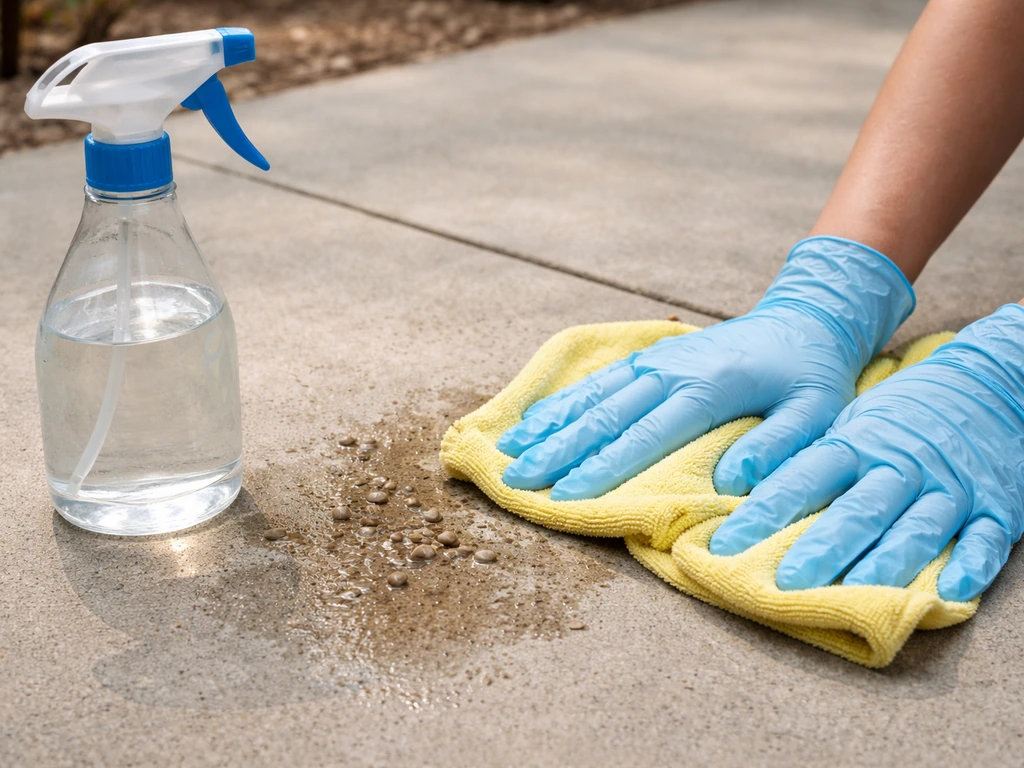
For outdoor concrete, pavers, or wood decking, wet the droppings first, wipe up, then follow with a diluted bleach solution or an EPA-registered outdoor disinfectant. The CDC advises cleaning by washing with soap and water until visible dirt is removed, then disinfecting with an EPA-approved disinfectant with label claims against influenza A viruses, following the manufacturer instructions wet the droppings first, wipe up, then follow with a diluted bleach solution or an EPA-registered outdoor disinfectant.. For large bird-roosting areas on balconies or under eaves, consider physical deterrents like bird spikes, netting, or reflective tape to prevent re-accumulation, since the best long-term strategy according to CDC and NIOSH guidance is simply preventing droppings from building up in the first place.
PPE and disinfectant quick reference
| Situation | Minimum PPE | Disinfectant approach |
|---|---|---|
| Single dropping on car or patio | Disposable gloves | Wet first, wipe with paper towel, soap and water rinse |
| Pet bird cage cleaning | Gloves, N95 mask recommended | Wet surfaces before cleaning, then EPA-registered disinfectant |
| Moderate accumulation outdoors | Gloves, N95 mask | Bleach solution or EPA disinfectant, let sit per contact time |
| Large attic/enclosed space accumulation | Full PPE: coveralls, N95 or better, gloves, shoe covers | Call a professional hazardous waste company |
| Cleanup near sick or dead wild bird | Gloves, N95 mask, avoid touching face | EPA-registered disinfectant labeled for influenza A viruses |
The good luck myth versus real hygiene
Getting pooped on by a bird is widely considered good luck in a surprising number of cultures, from Russian and Turkish folklore to various Western superstitions. The idea seems to be rooted in the sheer randomness and rarity of the event, as the odds of being in the exact wrong spot at the exact wrong time are genuinely low. If you choose to count your next windshield strike as a lucky omen, that's entirely your call.
The part where mythology and public health part ways is in what you do next. The CDC doesn't have a 'you got lucky, no handwashing needed' exemption. Treat the dropping as potential contamination regardless of its symbolic status, wet it before you wipe it, protect yourself with gloves and a mask if it's a big cleanup, and wash your hands when you're done. Good luck and good hygiene are not mutually exclusive. Take the omen, take the win, and then go wash your hands.
FAQ
Bird droppings are a mixture of feces and urates, so why does it sometimes look watery or runny instead of chalky white?
The white part is urates, but the ratio to liquid urine changes with hydration, diet, and bird health. If you see a thin, wet ring around the dropping, that usually means more liquid urine soaked into the surface, which is common with larger birds and fresh droppings on porous materials like soil or unsealed wood.
If I only touched a small, fresh bird dropping, do I still need to worry about pathogens?
The bigger exposure risk is often breathing dust from dried droppings, but you should still treat even a small amount as potentially contaminated. Wet the area before wiping, avoid spreading it with paper towels that you brush off, and wash hands afterward (especially before eating or touching your face).
Can I just wipe bird droppings with a dry paper towel to avoid making a mess?
Dry wiping is more likely to generate dust, especially once the droppings have started drying or hardening. Safer options are to wet the dropping first (warm water works for outdoor surfaces), then remove gently without scrubbing until it loosens.
What should I do if the white urate layer has already hardened on my car or patio?
Rehydrate it before removal. Lay a warm, damp cloth or paper towel over the spot for about 30 to 60 seconds, then wipe gently. Avoid repeated rubbing that can drive the dried urate deeper into coatings or into micro-scratches on outdoor surfaces.
Are bright yellow urates an emergency, or is it something that can wait?
Bright yellow, green, or lime-colored urates can point to liver issues in pet birds. It is not something to ignore, contact an avian veterinarian promptly, especially if the bird also seems less active, has reduced appetite, or the droppings look consistently abnormal over more than one day.
Does the type of bird affect the smell or color of droppings?
Yes. Diet strongly influences the fecal portion color (green with seed diets, brown with pellets, and unusual colors after berries), and larger birds or different diets can change how much liquid urine is visible. Color changes from food are usually harmless, but consistent abnormal ratios or persistent discoloration in a pet bird should be treated as a health signal.
If I have to clean up around a roost or balcony overhang, when should I call a professional instead of handling it myself?
A useful rule is scale and accumulation. If there are large quantities, heavy buildup, or hard-to-access areas that require disturbing dried material (attics, vents, under eaves), professionals with HEPA filtration and containment are safer. If you can avoid creating dust by keeping everything wet and you are dealing with small amounts, DIY can be reasonable.
Is vacuuming ever okay for bird droppings?
Only with caution. A standard vacuum can aerosolize contaminated dust. If you must use power equipment, it needs HEPA filtration and the droppings should be kept wet first; otherwise, stick to wetting, wiping, and proper disposal of contaminated materials.
What should I use to disinfect after cleanup on hard outdoor surfaces?
After you wet and remove the droppings, use a diluted bleach solution or an EPA-registered outdoor disinfectant according to the product label. Avoid mixing bleach with other cleaners, and give the surface enough contact time for disinfection.
What if my dog ate bird droppings, what signs should trigger an immediate vet call?
Watch for vomiting, diarrhea, loss of appetite, lethargy, or any signs of dehydration over the next 24 to 48 hours. If symptoms are severe, if multiple droppings were eaten, or if you suspect the bird was sick, call your veterinarian sooner rather than waiting.