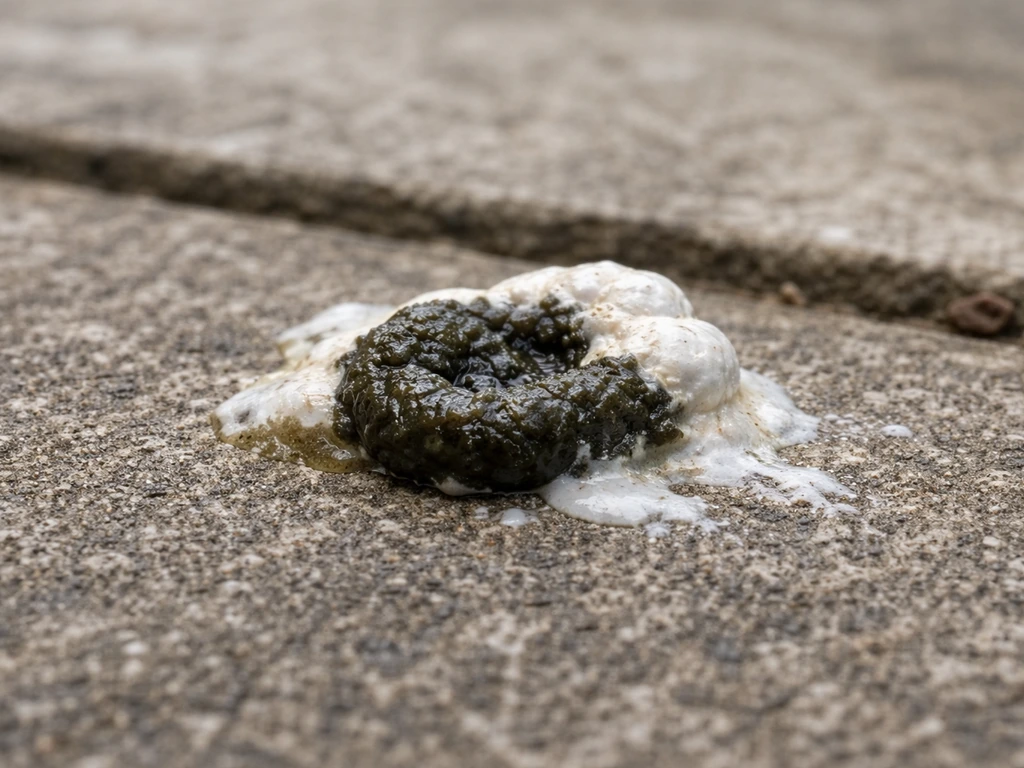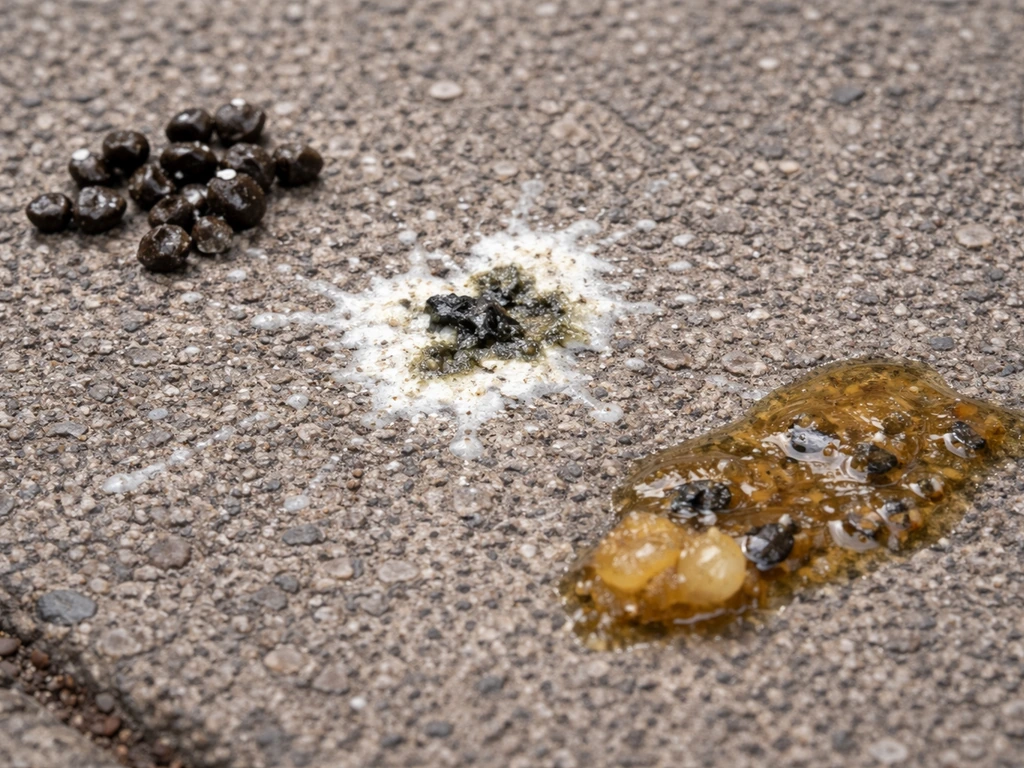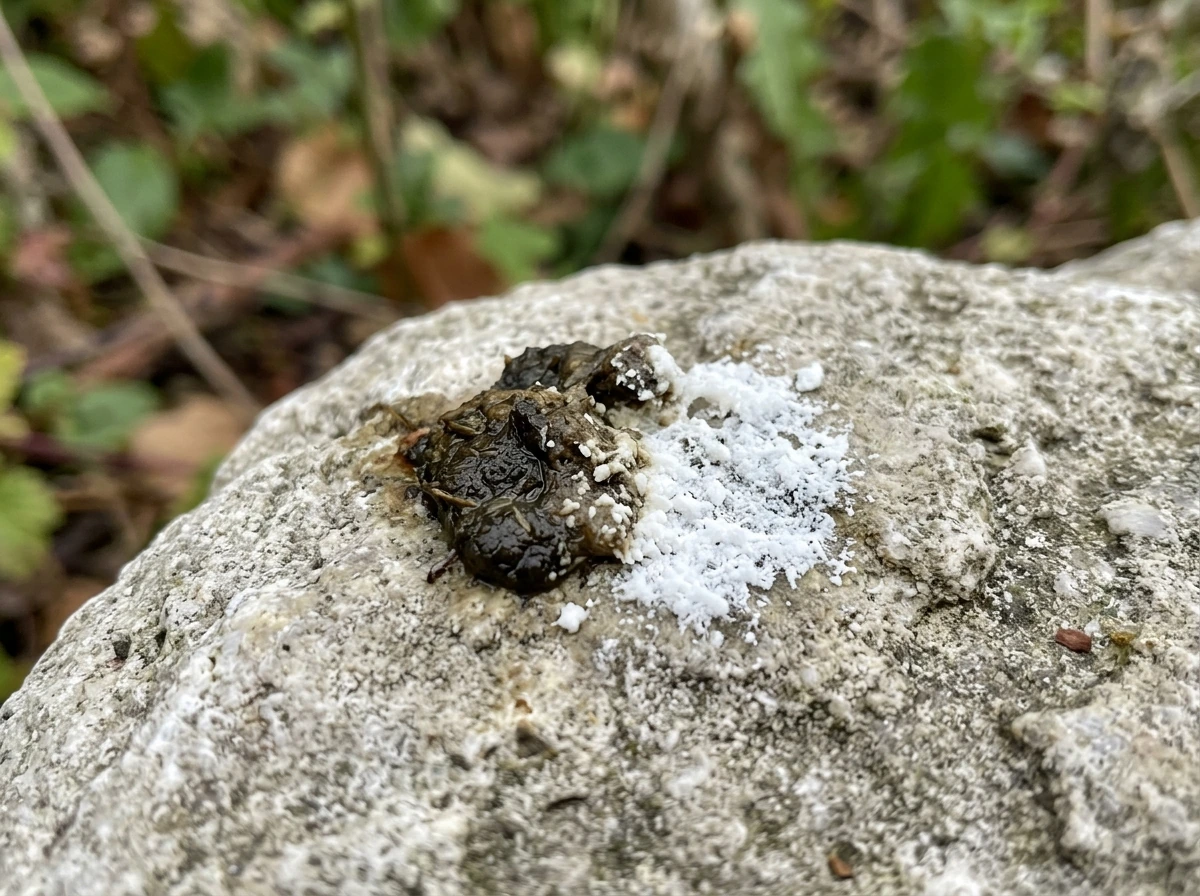
That white stuff in bird poop is almost always urates, which is the bird equivalent of urine, except instead of liquid it comes out as a chalky, off-white, semi-solid paste. Birds don't pee separately the way mammals do. They excrete nitrogenous waste as uric acid, which is far less soluble than urea, so it crystallizes into that white cap you always see sitting on top of or alongside the darker fecal portion of the dropping. It's normal, it's consistent across most bird species, and it explains why bird droppings look so distinctly two-toned.
What Is the White Stuff in Bird Poop and Is It Dangerous?

Marcus Fielding
30 Apr 2026
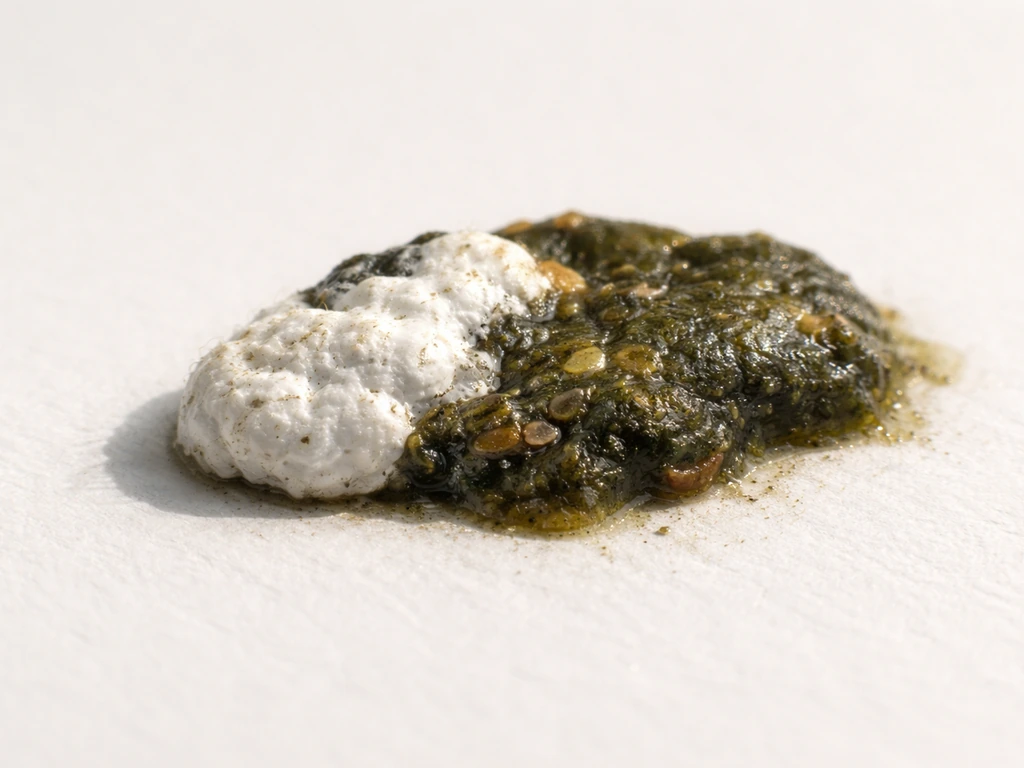
What the white part actually is: urates vs. other possibilities
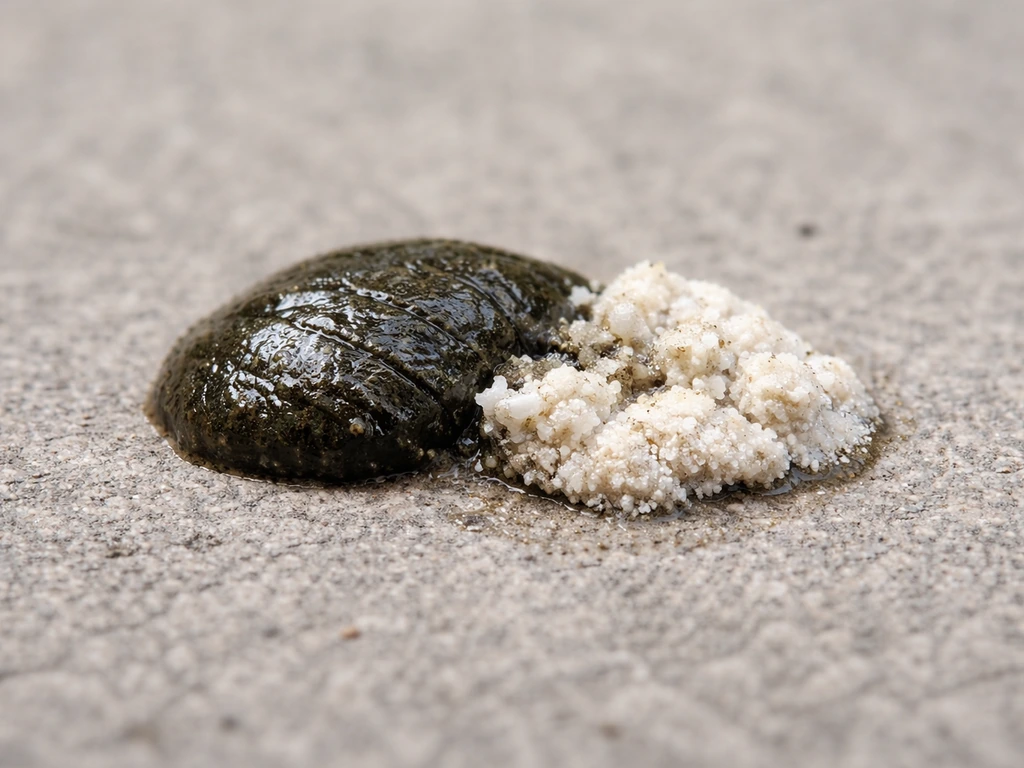
A healthy bird dropping is technically three things at once: dark feces (the digested food waste), urates (the white/cream portion, made of crystallized uric acid), and a small amount of clear liquid urine. The urates are by far the most visually striking part because they're opaque, pale, and often form that distinctive white ring or cap around the rest of the dropping. Uric acid precipitates out of solution rather than staying liquid, which is why birds can conserve water so efficiently, and why your car ends up with what looks like a chalky smear rather than a wet stain.
On rare occasions, what looks like white stuff in droppings might not be urates. While mucus or fungal growth can sometimes mimic white material in droppings, bird droppings are a mixture of feces and urates so the chalky, matte look usually points to uric acid crystals.
Mucus can appear as a slimier, more translucent white coating, and if you're looking at cage substrate for a pet bird, residue from certain foods like rice or corn can also show up pale and clumpy. Fungal growth on old dried droppings is another possibility, especially in humid environments like window ledges or under roof overhangs where droppings accumulate over time. The key difference: urates tend to be matte, chalky, and consistent in color from dropping to dropping.
Mucus is shinier and more irregular. Fungal growth typically appears only on droppings that have been sitting for a long time and often has a slightly fuzzy or powdery texture distinct from the dropping itself.
Reading the clues: what color, texture, and location tell you
Appearance and context together give you a pretty good read on what you're dealing with. Here's a quick breakdown by what you're likely seeing and where.
| What you see | Likely cause | Notes |
|---|---|---|
| Chalky white cap on dark dropping | Normal urates | Standard for most wild and pet birds |
| Bright white, no dark fecal portion | Heavy urate output or diet-related; also check hydration in pet birds | All-white droppings in pet birds can signal kidney issues worth a vet check |
| Yellow or green-tinted urates | Possible infection or liver issue in pet birds | More relevant to birds in your care than wild droppings |
| Slimy, mucus-like white coating | Respiratory secretion or GI mucus | More common in sick birds; seek vet advice for pet birds |
| Fuzzy/powdery white on old dried droppings | Fungal growth on accumulation | Common on old pigeon deposits on ledges or roofs |
| White paste mixed with seeds or grain | Diet residue in urates | Common near bird feeders; usually harmless |
Location matters a lot. Droppings on your car under a tree are almost certainly just normal pigeon or songbird droppings with standard urates. Droppings at a bird feeder with a seedy, pale appearance are often partly undigested food mixed with urates. Droppings inside a cage from a pet parrot or parakeet are worth watching more closely because changes in the white portion can actually signal health problems in the bird itself, things like kidney stress or infection.
Where you'll run into it most
Cars and outdoor surfaces
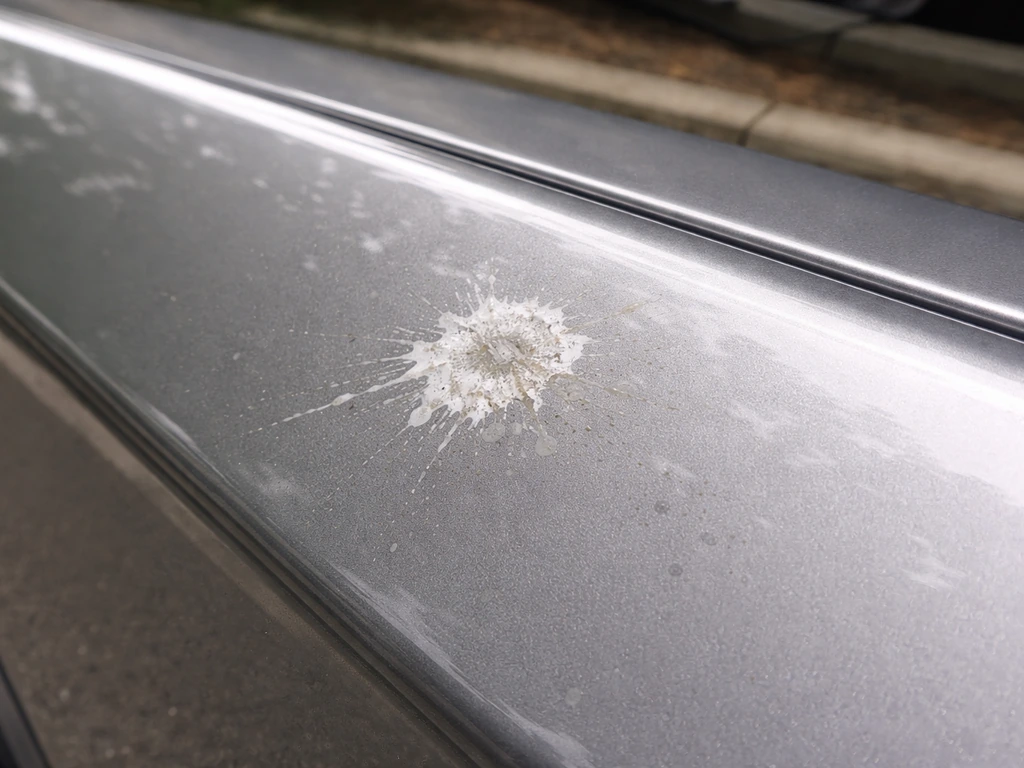
Car paint is probably the most complained-about target for bird droppings, and the chalky white urate portion is a big part of why they're damaging. Uric acid is corrosive, and when it dries and bakes into a paint surface in the sun, it can etch the clear coat within hours. The white chalky residue left after a dropping dries isn't just cosmetic, it's actively working on your finish.
Pigeons and urban ledges
Pigeon droppings are the most common source of accumulated white residue on building ledges, window sills, air conditioning units, and rooftop surfaces. Pigeons are prolific, and their droppings pile up fast. What you often see on these surfaces is layered white-gray crust, which is a mix of old dried urates, dried fecal matter, and yes, sometimes fungal overgrowth on the older deposits.
Bird feeders and backyard setups
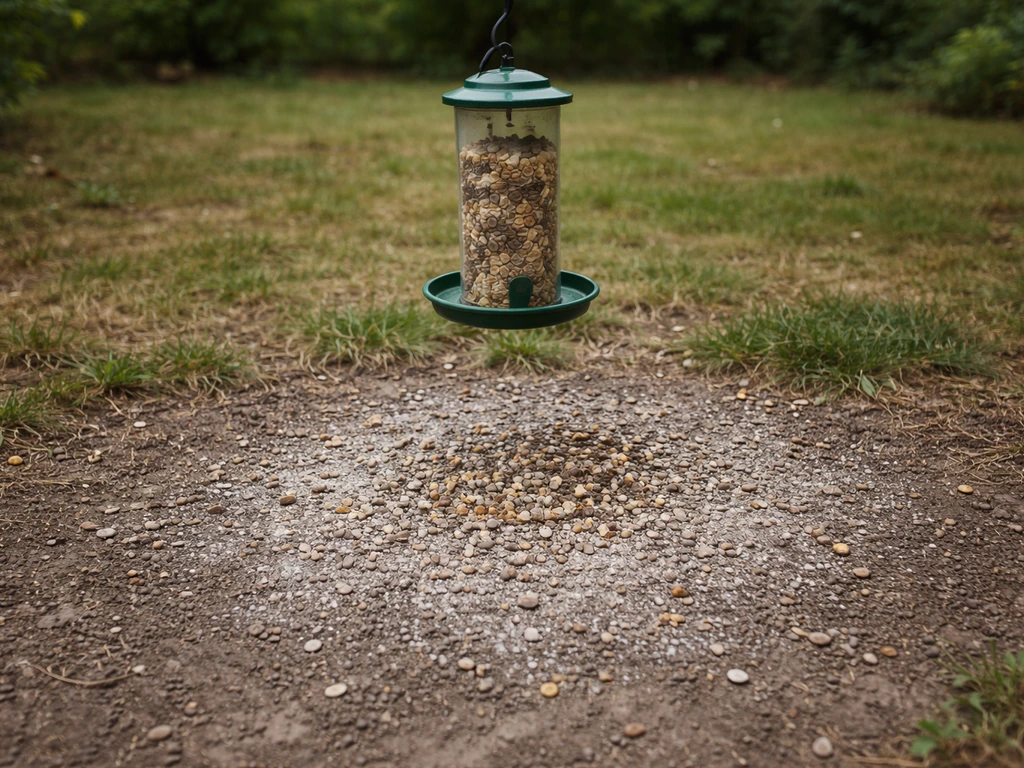
Under and around bird feeders, you get a mix of droppings from many different species, and the white residue there often blends with seed casings and spilled grain. It's a messier picture but chemically the same material. If you have backyard poultry, the volume and pathogen risk goes up compared to wild songbirds visiting a feeder.
Pet birds
If you keep parrots, parakeets, cockatiels, or other cage birds, you'll see the three-part dropping structure clearly and regularly. Normal urates are white to cream-colored. Monitoring the white portion in your pet bird's droppings is actually a useful health check: changes in color (green, yellow) or consistency (watery, absent) can flag problems worth discussing with an avian vet.
Real health risks: what you actually need to worry about
Bird droppings aren't automatically dangerous, but they're not harmless either, and the biggest risk isn't what most people think. Bird waste is called droppings, and the white chalky part is usually urates made from crystallized uric acid Bird droppings. Touching fresh droppings with bare hands is one concern, but the more serious route of exposure is breathing in dust from dried droppings.
The CDC notes that psittacosis often occurs when people breathe in dust containing dried bird secretions or droppings breathing in dust from dried droppings.
Dried droppings can break apart into fine dust, which is why bird droppings can become airborne when you disturb them why bird droppings become airborne. When that chalky white residue dries out and gets disturbed, it becomes airborne. That's when real pathogens can reach your lungs.
Three diseases come up most often in public health guidance around bird droppings:
- Histoplasmosis: a fungal infection caused by Histoplasma, which lives in soil and environments contaminated by bird and bat droppings. You get it by breathing in the spores when droppings are disturbed. Symptoms typically appear 3 to 17 days after exposure and can include fever, cough, and chest pain. Large accumulations of droppings (think old pigeon roosts or attic cleanouts) carry the most risk.
- Psittacosis: a bacterial infection caused by Chlamydia psittaci, usually acquired by breathing dust from dried droppings or respiratory secretions of infected birds. Symptoms typically start 5 to 14 days after exposure and look a lot like flu or pneumonia. It's most associated with pet birds and poultry but can come from wild birds too.
- Salmonella and Campylobacter: these spread via the fecal-oral route, meaning touching droppings and then touching your mouth, food, or food surfaces. Backyard poultry setups carry a particularly well-documented Salmonella risk.
Bird flu (H5N1) is worth mentioning for backyard flock owners specifically. CDC guidance emphasizes avoiding stirring up dust, bird waste, and feathers during cleanup because aerosolization is a real concern in affected flock situations.
How to clean it up safely
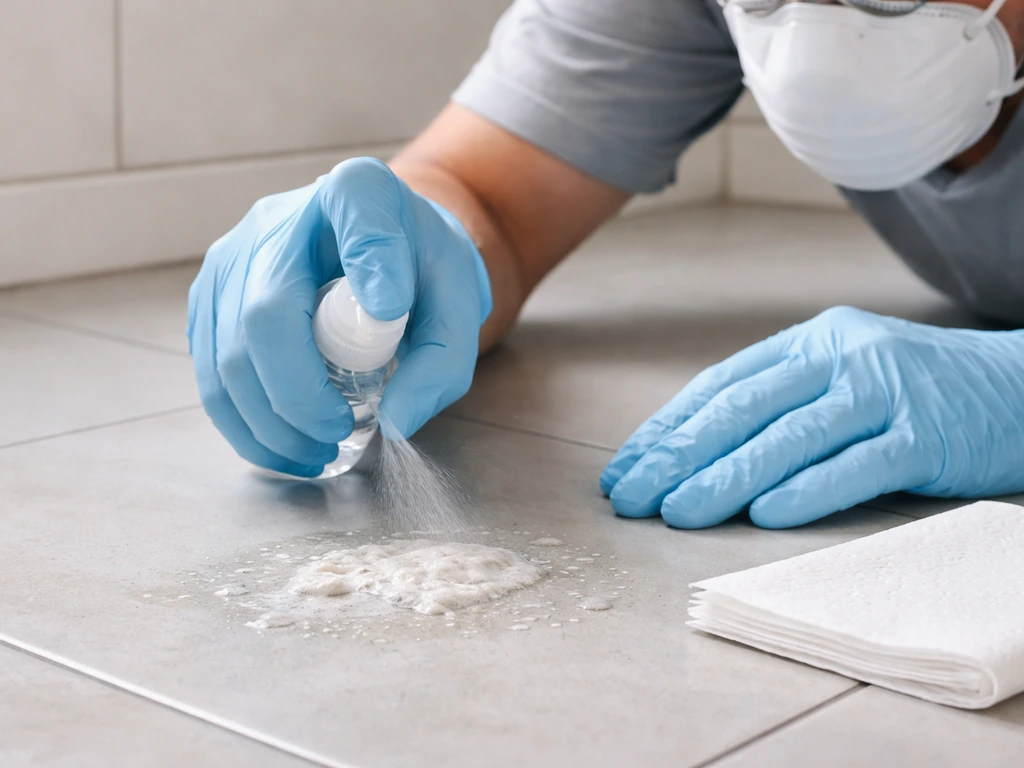
The single most important rule: never dry sweep or vacuum bird droppings. Doing that kicks the chalky white urate dust straight into the air you're breathing. Wet the droppings first, every time. Here's a practical process that aligns with CDC and institutional safety guidance:
- Put on disposable gloves before touching anything. Add an N95 or equivalent mask if you're cleaning up a large accumulation, working in an enclosed space, or dealing with an old pigeon roost or attic deposit.
- Wet the droppings thoroughly before disturbing them. Use a spray bottle with water, or a solution of 1 part bleach to 10 parts water. Let it soak for a few minutes. Adding a small amount of dish soap (surfactant) helps break surface tension and keeps dust suppressed.
- Wipe or scrape up the wetted material using paper towels or disposable cloths. Do not use a dry brush or broom.
- Place used materials directly into a sealed plastic bag and dispose of in the trash.
- Disinfect the surface with a bleach solution or an EPA-registered disinfectant. Follow the product's contact time directions: the surface needs to stay visibly wet for the specified time for disinfection to actually work.
- Wash your hands thoroughly with soap and water after removing gloves, even if you never directly touched the droppings.
For large accumulations, like a pigeon-infested attic or a heavily fouled outdoor area, CDC and public health agencies recommend professional remediation. The aerosolization risk from large volumes of dried droppings is significant, and in enclosed spaces the particulates can travel through ventilation systems to other areas.
Cleaning bird poop off your car
For cars, skip the dry rubbing entirely because that scratches the paint and drives the uric acid in deeper. Soak the spot with water, a detailing spray, or a wet cloth for a minute or two, then gently wipe away. For tougher dried-on spots, a plastic scraper used after soaking works better than elbow grease. Clean it off as soon as you notice it, because the longer uric acid sits on paint, especially in sun, the more damage it does.
When to actually seek medical help
Most brief, casual contact with bird droppings, like a splat on your jacket that you immediately washed off, isn't a medical emergency. But some situations do warrant calling a doctor or urgent care:
- Droppings got directly in your eye: rinse thoroughly with clean water for at least 15 minutes and contact a healthcare provider. Eye exposure is a more direct route for pathogens.
- You inhaled dust from a large amount of dried droppings, especially in an enclosed space: watch for respiratory symptoms over the next 3 to 17 days (fever, cough, chest pain) and tell your doctor about the exposure.
- You develop flu-like symptoms (fever, chills, headache, muscle aches, cough) in the days after handling droppings or cleaning a heavily fouled area: both psittacosis and histoplasmosis present this way, and doctors often don't immediately suspect them without knowing about a bird exposure.
- You developed GI symptoms (nausea, diarrhea, cramps) after working around backyard poultry or a heavily used feeder and didn't wash your hands before eating: Salmonella and Campylobacter are worth considering, especially for children, older adults, or immunocompromised individuals.
- You handled sick or dead birds without PPE: contact your local or state health department for guidance, particularly in areas with active bird flu monitoring.
When you call or visit a healthcare provider, mention specifically that you were exposed to bird droppings and roughly how much and how (touching vs. inhaling dust). That context genuinely changes what they'll consider as a diagnosis.
The good luck myth and other beliefs about bird poop
You've probably heard that getting pooped on by a bird brings good luck. This belief shows up across cultures: in the UK and Russia it's considered a financial windfall omen, in Turkey it's also considered good fortune, and similar ideas exist in other European traditions. The logic, such as it is, seems to be that something so unpleasant and random must be fate trying to balance the scales in your favor.
There's obviously no evidence base for any of this. What's actually happening is a bird relieved itself and you were in the wrong place. The cultural persistence of the good luck belief is genuinely interesting, and if it helps you laugh off a ruined shirt, there's no harm in it. But from a practical standpoint, 'good luck' doesn't clean off uric acid or neutralize pathogens. Wash up promptly and follow the steps above regardless of what folklore says the universe intended.
Another myth worth dispelling: dried white bird droppings are harmless because the pathogens die when the dropping dries out. This is the opposite of true for some of the most relevant organisms. Psittacosis bacteria and Histoplasma spores can survive in dried droppings and are most dangerous precisely because drying makes them airborne. Bird and bat droppings can carry Histoplasma, and symptomatic infection usually presents 3 to 17 days after exposure Histoplasma spores can survive in dried droppings. The chalky white residue that looks inert and harmless is the form of bird waste most likely to aerosolize and reach your lungs when disturbed.
The short version for quick reference
The white stuff is urates: crystallized uric acid that birds excrete instead of liquid urine. It's normal, it's consistent, and it's the chalky, matte-white portion of every bird dropping you'll ever see. It can etch your car paint, and in dried, dusty form it can carry real pathogens if you breathe it in. Wet it before you touch it, wear gloves, blank" rel="noopener noreferrer">wash your hands after, and watch for respiratory or GI symptoms in the days following any significant exposure. For large accumulations, call a professional. For the splat on your windshield, a wet cloth and a few minutes are all you need.
FAQ
How can I tell if the white part is just urates versus food residue from the bird’s diet?
Urate crystals usually look matte and chalky, they stay the same pale white or cream shade from one dropping to the next, and they form a cap or ring. Food residue is more often clumpy, irregular, and may contain mixed textures (seeds, husk-like bits) that change color depending on what the bird ate.
Why does the white residue sometimes look powdery or gray instead of clean white?
When droppings sit for a while, urates plus digested fecal material can oxidize and accumulate grime, which shifts the dried crust toward gray or off-white. If it’s powdery and forms a dust when lightly brushed (even without “dry sweeping”), that usually means it has been dry long enough to aerosolize.
Is it safe to wipe fresh bird droppings off surfaces with a dry paper towel first?
It’s better to avoid any dry wiping on new or dried spots. Dry contact can crumble chalky urate deposits into fine particles. The safer approach is to wet the spot first, then wipe, and discard materials in a sealed bag.
What’s the safest way to clean bird droppings from a windshield or car without spreading residue?
Soak the area with water first, then use a detailing spray or wet cloth and gentle pressure to lift it. After it softens, wipe once or twice and rinse. Avoid rubbing in circles on dried spots, that can both scratch paint and drive uric acid deeper.
Can bird droppings stain or damage car paint even after I clean them?
Yes. Uric acid can etch the clear coat quickly when it dries in sun. If the spot leaves a rough, dull patch or you can feel a slight texture, consider having the area inspected, since polishing or repainting may be needed rather than just re-washing.
How do I handle bird droppings on textured surfaces like stucco, brick mortar, or roof shingles?
Textured surfaces trap crust and make complete removal harder. Soak thoroughly, allow time to loosen, then scrape gently with a plastic tool. Re-soak if needed rather than aggressive dry brushing, because trapped crust can keep shedding dust later.
Is it more dangerous if I inhale dust from dried droppings than if it touches my skin?
Yes. Brief skin contact that you can wash promptly is usually lower risk than inhaling airborne dust created by disturbing dried deposits. The highest concern is aerosolized chalky residue, especially in enclosed spaces like garages or attics.
What symptoms after exposure should prompt medical attention?
Watch for respiratory symptoms such as persistent cough, shortness of breath, fever, or chest tightness, and gastrointestinal symptoms like severe vomiting or diarrhea. If symptoms develop after a significant exposure (large cleanup, enclosed area, or heavy dust), contact a clinician and describe how much exposure you had and whether you inhaled dust.
For a pet bird, should I worry if the white portion changes color or disappears?
Changes can matter. Yellow, green, or unusually watery white areas, or a consistent absence of the typical urate cap structure, can indicate issues related to diet, hydration, or kidney or gastrointestinal stress. If changes persist more than a day or two, or the bird seems ill, contact an avian veterinarian.
When cleaning an indoor area with heavy droppings, should I use a vacuum or pressure washer?
Avoid dry vacuuming. Even wet methods can aerosolize if the droppings are disturbed forcefully. For large indoor accumulations, follow a controlled cleaning approach, use proper PPE, and consider professional remediation rather than trying to “blast” everything in place.
Do guidelines differ for backyard poultry cleanup compared with wild birds?
Yes. With backyard flocks, the exposure risk discussion includes additional disease considerations, including bird flu in certain scenarios. If you have a large amount of droppings, sick birds, or you suspect an outbreak, avoid disturbing dust and treat cleanup as a higher-risk task, including possibly contacting local public health or veterinary authorities.