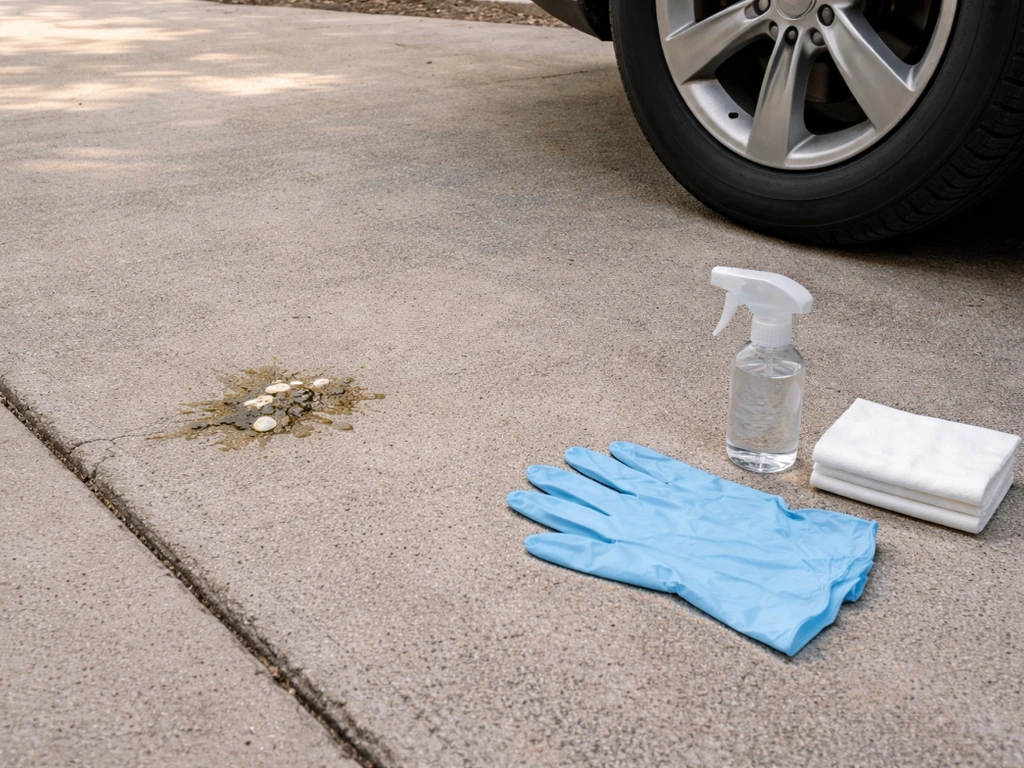
KFC is called "Dirty Bird" in everyday slang because the wordplay is almost too easy: chicken is a bird, and the food is famously greasy and indulgent, so "dirty" just fits. If you are wondering why people link the name to “dirty” and “bird,” that comes down to the everyday association with mess and how slang repurposes familiar words why is chicken called the dirty bird.
Why Is KFC Called Dirty Bird? Real Origin and Safety Tips

Marcus Fielding
28 May 2026
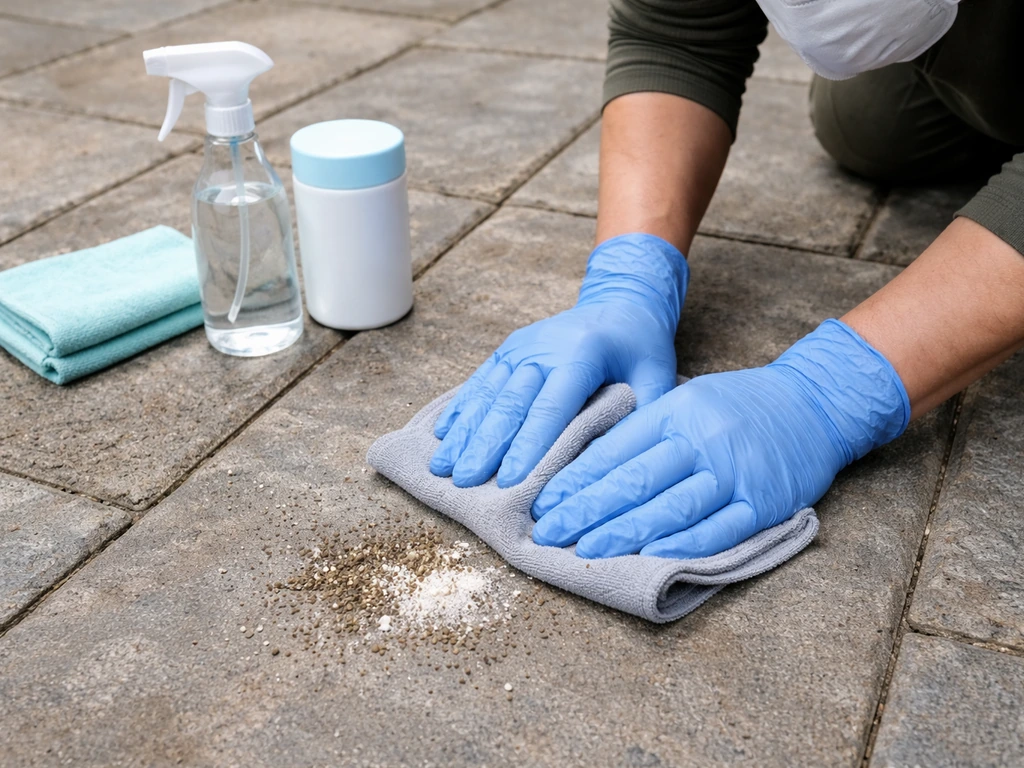
If you came here because you saw the phrase "bird dust" somewhere and want to know what it means, it usually refers to dried droppings mixed with particles that can become airborne what is bird dust. It's a nickname that spread through forums, social media, and regional slang, not something KFC ever put on a billboard.
There's no official corporate endorsement of the name, and despite what some internet rumors suggest, it has nothing to do with actual contamination or food-safety scandals.
What "Dirty Bird" actually means when people say KFC
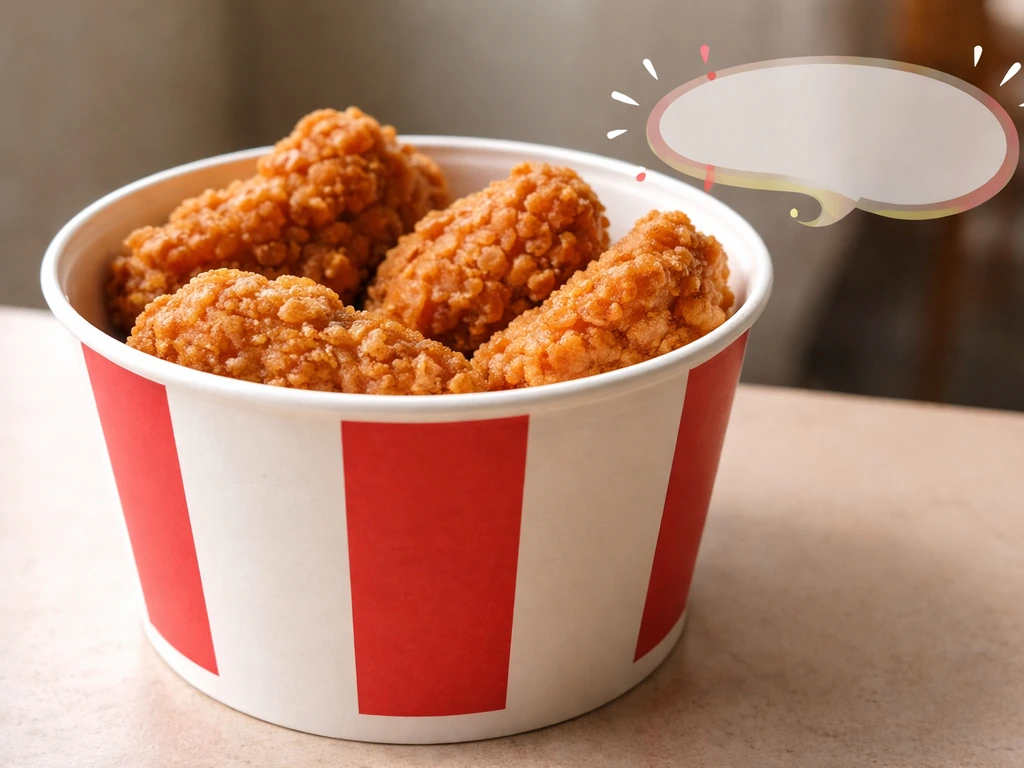
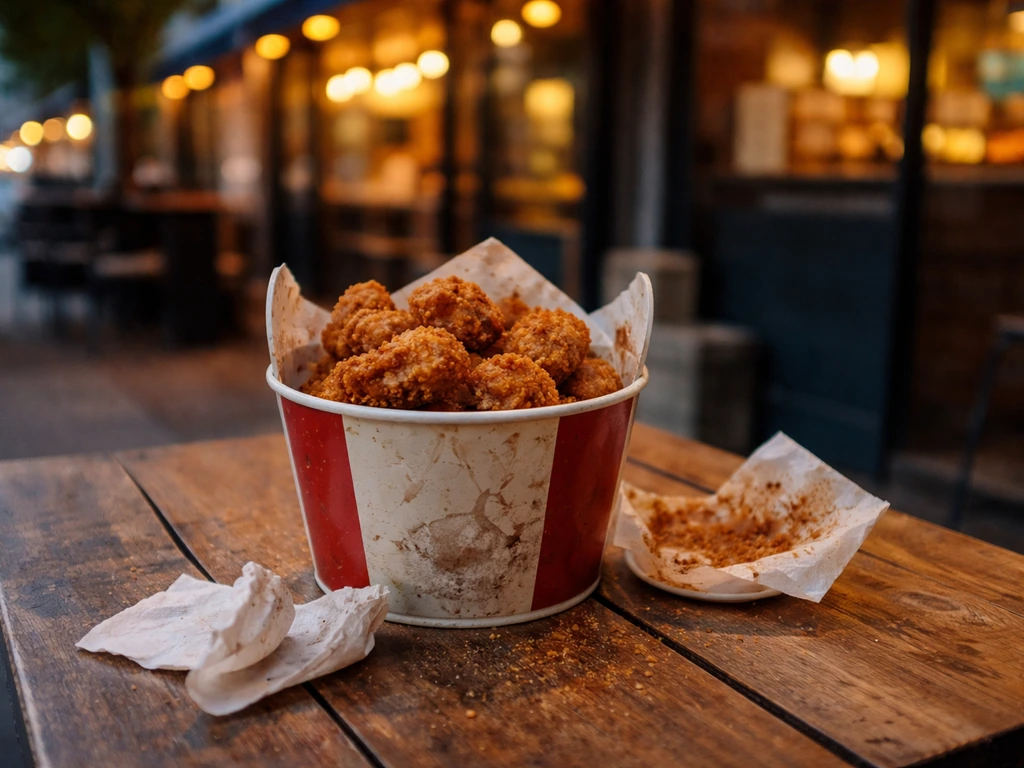
When someone says they're grabbing the "Dirty Bird," they mean KFC, full stop. It's shorthand, the same way people say "Mickey D's" for McDonald's. The phrase leans into the greasy, guilty-pleasure reputation of fried chicken: "bird" because it's chicken, and "dirty" because it's indulgent, messy, and satisfying in a way that feels a little reckless. Urban Dictionary has had entries defining "dirty bird" as KFC since at least October 2008, and a separate entry specifically ties it to KFC usage in the state of Kentucky. It's firmly in the popular-slang category.
Where the nickname came from
There's no single origin moment. "Dirty Bird" grew organically through the kind of wordplay that naturally happens when people talk about food online. Forum threads from the mid-2000s and beyond show people casually dropping it as a KFC synonym, with lines like "Mmmm dirty bird" (AnandTech forums) or "I haven't eaten the Dirty Bird for years" (Whirlpool). By 2017 you had people on general discussion forums noting it as a straight-up family nickname for the restaurant. Reddit threads on the KFC subreddit use it as shorthand without even explaining the reference, which tells you it had already become widely understood.
It also helps that "Dirty Bird" already existed as a cultural phrase with other meanings. The Atlanta Falcons popularized a touchdown dance called the "Dirty Bird" in the late 1990s. Wild Turkey bourbon has gone by the same nickname. So the phrase wasn't coined fresh for KFC; it was borrowed and repurposed, which is exactly how good slang works.
Is it official? How to tell slang from branding
This is purely unofficial slang. No KFC press release, Yum! Brands corporate statement, or official marketing campaign has used "Dirty Bird" as a brand name. Every source that surfaces the phrase ties it back to user-generated content: Urban Dictionary entries, forum posts, social media captions, and memes. If you searched KFC's own newsroom or Yum! Brands investor pages today, you wouldn't find it. That absence matters. The nickname is a consumer invention, not a marketing strategy.
That said, unofficial nicknames can be more culturally sticky than official ones, and "Dirty Bird" is a good example. KFC doesn't need to own it for the name to be genuinely useful as shorthand among people who eat there regularly.
Why "dirty" and "bird" go together in our heads
Outside of the KFC context, "dirty bird" has a pretty specific meaning in everyday life: it's what you think of when a pigeon drops something on your car, or when a flock of starlings moves through your yard. Birds and mess are culturally linked, and bird droppings are the most visible proof of that. The word "dirty" attaches to birds almost automatically in the popular imagination, which is part of why it landed so well as a descriptor for greasy fried chicken. Know Animals similarly explains that blank" rel="noopener noreferrer">“dirty bird” is used as a playful tease or insult with the connotation of something unclean or not pleasant.
It's worth noting that birds as "dirty" is mostly a cultural perception rather than a scientific verdict. Real bird droppings do carry genuine risks in specific situations, but those risks are about aerosolized spores and pathogens from accumulated droppings, not from casual contact. The slang usage exploits the emotional association without any literal connection to feces or contamination. If you are wondering about bird saliva specifically, the details depend on the species and are usually discussed in terms of beak moisture, feeding, and how fluids are transmitted bird droppings.
Does "Dirty Bird" imply KFC is actually contaminated?

No. The nickname is wordplay, not a hygiene report. Some forum threads that use "Dirty Bird" also toss in unverified claims about KFC ingredients, like stories about chicken beaks and feet in the nuggets. Those claims circulate independently of the nickname and have never been substantiated by credible food-safety investigations. The CDC has no guidance connecting "Dirty Bird" to KFC or to any food-safety risk at the restaurant. The phrase is an insult in the affectionate, guilty-pleasure sense, not a literal allegation.
If you're concerned about food safety at any restaurant, the right move is to check the local health department's inspection records, which are public in most places, rather than reading into a slang nickname.
If you're actually worried about bird poop contamination
If your concern shifted from the KFC nickname to a real question about bird droppings, that's a fair pivot and worth addressing directly. If you are wondering about a birdy smell in your breath, that is different from the KFC nickname and is usually about oral bacteria and dry mouth why does your breath smell like bird seed.
Bird saliva can also come up in similar discussions about bird droppings, but its taste depends on the bird and what it has been eating what does bird saliva taste like. If you meant the flavor of real bird droppings, the taste is usually bitter or sour, and it is not something you want to sample. Bird droppings can carry pathogens including Histoplasma (the fungus responsible for histoplasmosis), Cryptococcus, and the bacteria behind psittacosis.
Research on bird saliva also explores possible benefits, but it should never be treated as a substitute for medical advice Bird droppings can carry pathogens. The risk comes mostly from breathing in aerosolized dried droppings, not from skin contact with a fresh dropping. Bird saliva is typically collected using careful sampling methods that include swabs or specialized collection devices, depending on the species and study goals how is bird saliva collected.
How to clean up bird droppings safely
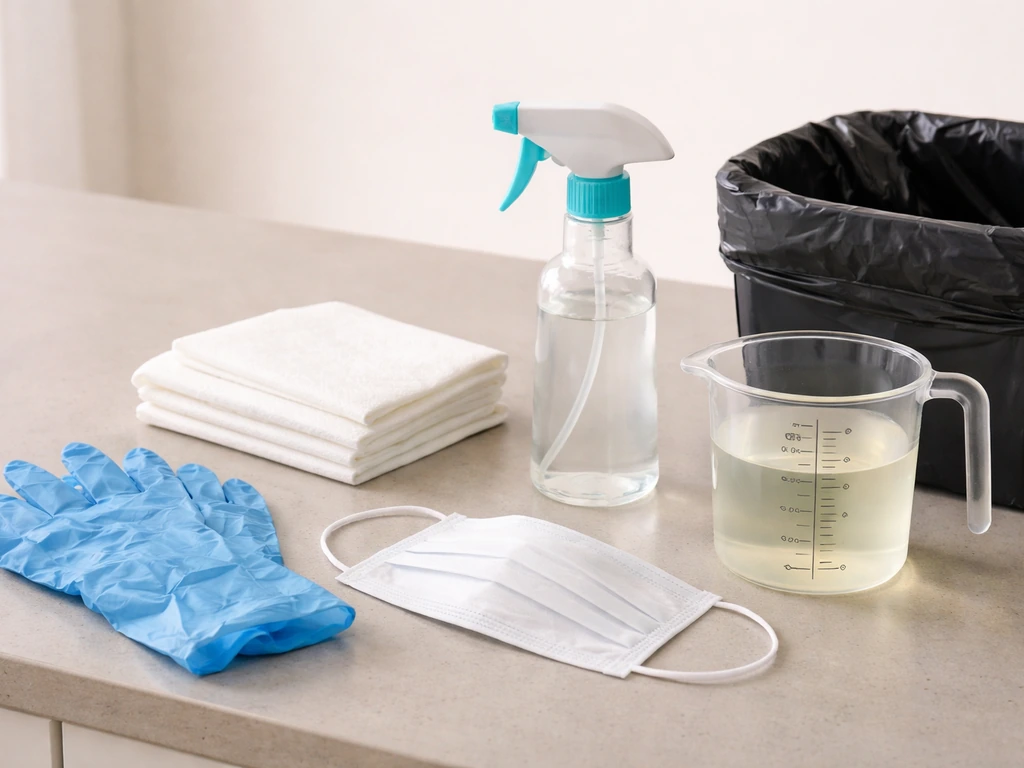
- Don't dry-sweep or use a leaf blower on dried droppings. That's the fastest way to send spores airborne.
- Wet the droppings first with a bleach solution (1 part bleach to 10 parts water) or an EPA-registered disinfectant, and let it soak for several minutes before you touch anything.
- Wear an N95 respirator or a well-fitting mask, disposable gloves, and eye protection, especially when cleaning enclosed or poorly ventilated spaces like attics, barns, or garages.
- Scoop or wipe up the wet material and seal it in a plastic bag before disposal.
- Wash your hands and any exposed skin thoroughly afterward with soap and water.
- Clean and disinfect the surface again after removal.
The CDC recommends this kind of wet-first, PPE-equipped approach for bird-dropping cleanup, particularly for anyone doing work in spaces with accumulated droppings (think roosting sites, not a single dropping on your car). For one or two fresh droppings on a hard outdoor surface, the risk is very low, but the same basic logic applies: wet it, don't scatter it, wash up. CDC advises treating bird droppings in a pool similarly to formed feces and using specific cleanup and disinfection steps treat bird droppings in the pool similarly to formed feces.
When to actually see a doctor after bird dropping exposure
Most brief encounters with bird droppings, whether on your windshield, your shoulder, or a park bench, don't result in illness. The real risk scenarios involve disturbing large accumulations of dried droppings without protection, often in enclosed spaces. Still, it's smart to know what symptoms to watch for.
| Condition | Exposure route | Symptom window | Key symptoms to watch |
|---|---|---|---|
| Histoplasmosis | Inhaling Histoplasma spores from dried droppings | 3 to 17 days after exposure | Fever, cough, chest pain, chills, fatigue, headache |
| Psittacosis | Inhaling aerosolized dried droppings or secretions | 5 to 14 days after exposure | Fever, headache, muscle aches, dry cough |
| Cryptococcosis | Inhaling Cryptococcus from dried pigeon droppings | Variable, weeks to months | Headache, fever, cough (more serious in immunocompromised individuals) |
| Avian influenza (bird flu) | Close contact with infected birds or their waste | Days to a week | Eye redness, respiratory symptoms, shortness of breath, fever |
If you cleaned up a significant accumulation of droppings without proper protection and then develop respiratory symptoms, fever, or chest pain within a few weeks, tell your doctor what happened. That context changes how they investigate. For most healthy adults with a brief low-level exposure, watchful waiting is fine. If you're immunocompromised, pregnant, or work in an occupation with regular bird-dropping exposure, the bar for checking in with a doctor should be lower.
The bottom line on "Dirty Bird" as a KFC nickname: it's affectionate slang with satisfying wordplay, born from the internet and kept alive by people who find it funnier than saying "Kentucky Fried Chicken." There's no health scandal hiding behind it. But the phrase does land in the same mental space as real questions about bird messes and what they might mean for your health, and those questions deserve straight answers too. Bird saliva is different from bird droppings, but it still gets discussed in terms of potential benefits and health effects bird saliva benefits.
FAQ
Is “Dirty Bird” an official KFC name or something KFC promotes?
No, it is informal slang people use, not an official brand name or a phrase tied to KFC marketing. If you see it on a poster or a promotion, it is usually fan-made, regional chatter, or a meme rather than an endorsement.
Who started the “Dirty Bird” nickname for KFC?
There is no single credited creator or one viral moment. It emerged gradually from user-to-user wordplay, then stuck because it was easy to remember and already had other meanings, like the NFL “Dirty Bird” touchdown dance and other “dirty bird” uses in pop culture.
Does “Dirty Bird” mean KFC is unsafe or unsanitary?
In normal usage, no. The phrase is about greasy, indulgent food and the “bird equals chicken” wordplay, not a literal claim about contamination. If someone is using it to imply a safety scandal, treat that as rumor until you see credible reporting or official inspection results for that specific location.
Could “Dirty Bird” refer to something else besides KFC in certain places?
Yes. “Dirty bird” can be used in other contexts, like bird droppings or sports references. If the conversation includes chicken, fried chicken, or restaurant orders, then it is most likely KFC shorthand; without that context, it might not be.
Is the nickname the same everywhere, or does it vary by region?
It varies. Some areas and online communities use it more than others, and some people may prefer “KFC” or “Kentucky Fried Chicken.” However, the meaning “KFC” is widely understood online, especially in comment sections and casual posts.
What is the safest way to check food-safety concerns if I hear this nickname?
Look up your local health department inspection records for the specific restaurant, not just online slang. Inspection results are location-specific, so they answer the only question that matters: what was observed at that restaurant at that time.
If I hear “dirty bird” and I am worried about bird droppings instead of KFC, what should I do differently?
Treat it as a real-world exposure question, not a restaurant-name issue. For any cleanup involving accumulated droppings, wet the area first, avoid sweeping or dry scraping, and use gloves and respiratory protection if it is more than a tiny spot.
If I touched a surface with bird droppings, do I need to worry about getting sick right away?
Usually, casual skin contact with a small amount is low risk. The bigger concern is disturbing dried droppings and breathing in aerosolized particles. Still, wash your hands thoroughly and clean the area promptly, especially if you touched your face afterward.
What symptoms should prompt me to seek medical advice after bird-dropping exposure?
If you develop respiratory symptoms such as cough, fever, or chest pain within weeks after a significant cleanup or heavy exposure, contact a clinician and mention bird-dropping exposure. If you are pregnant, immunocompromised, or have underlying lung conditions, err on the side of earlier medical guidance.
Is there any connection between the KFC nickname and the science of bird droppings or bird saliva?
No direct connection. The nickname is a cultural association and wordplay, while the medical risks and research topics relate to real bird waste and how it can become airborne in certain cleanup scenarios. If your interest is health-related, focus on exposure and cleanup practices, not the restaurant name.