Chicken gets called the "dirty bird" for a few overlapping reasons: the nickname stuck culturally because chickens scratch, peck, and produce a lot of droppings in a small space, making them genuinely messy animals to keep around. In street slang, "dirty bird" also became shorthand for greasy fast-food chicken (think KFC, which has its own "dirty bird" nickname). And then there's the bird-dropping angle that's very real if you keep backyard chickens or deal with wild birds near your home. Droppings from chickens and birds carry bacteria like Salmonella and Campylobacter, plus fungal spores that can cause serious respiratory illness. So the nickname has both a cultural life and a hygiene reality behind it.
Why Is Chicken Called the Dirty Bird and Is It Risky?

Marcus Fielding
22 May 2026
Where the "dirty bird" nickname actually comes from
The phrase "dirty bird" has bounced around English for a long time. Gertrude Stein used it in her 1914 work Tender Buttons, which tells you the expression is at least a century old in common usage. Over time, it picked up multiple meanings depending on context: a slang term for someone with questionable morals, a nickname for certain sports teams, and a name for a dance move. In food culture specifically, Urban Dictionary entries link "dirty bird" directly to KFC and, more broadly, to any greasy fast-food chicken that's loaded with fat. Urban Dictionary entries also use “dirty bird” as slang for fast food chicken, described as “loaded in fat and grease.”. That usage is probably the most common one people bump into today when they search the phrase.
The nickname also comes from simple observation. Chickens are low to the ground, they scratch through dirt and their own waste, and they produce droppings constantly. A backyard flock can make a surprising mess in a very short time. When people say chicken is the dirty bird, they're often drawing on that image of a farm animal that lives in close contact with the ground and its own excrement. It's partly affectionate, partly accurate.
Chicken vs. birds in general: who is the "dirty bird" really?
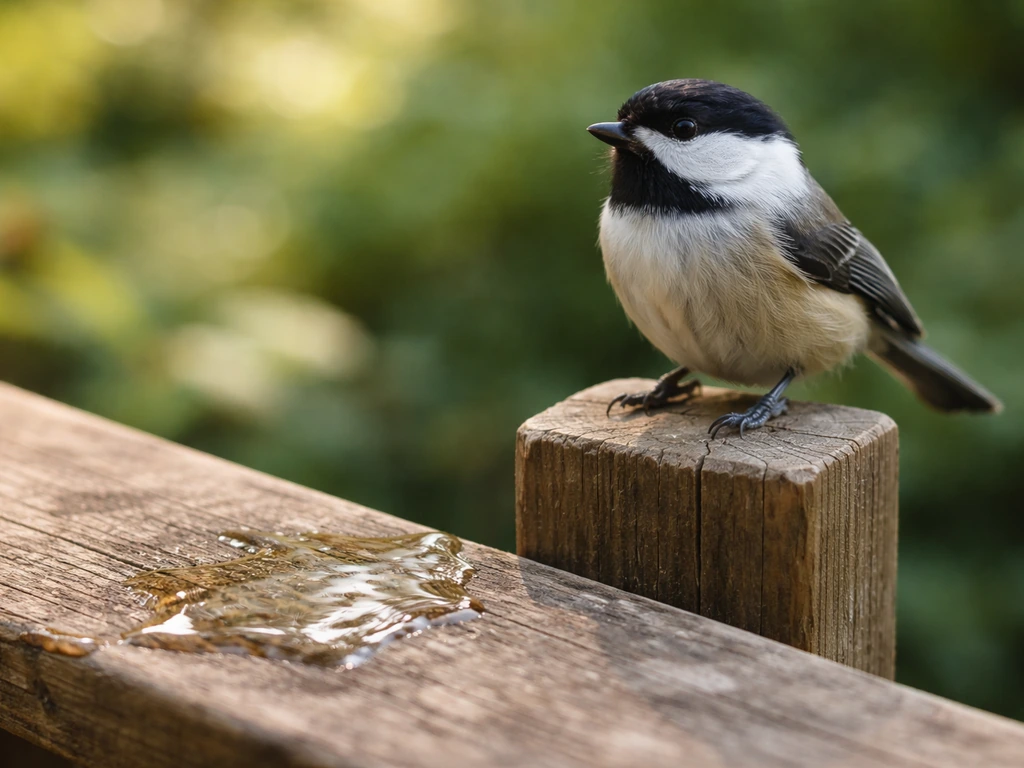
When people say "dirty bird" in the context of droppings and hygiene, they're usually talking about all birds, not just chickens. The nickname just happens to stick to chickens because they're the bird most people interact with directly, whether that's backyard flocks, live poultry markets, or the fried version in a bucket. But from a health and contamination standpoint, wild songbirds, pigeons, starlings, and other species around your yard, feeders, and car are just as relevant. The CDC has flagged Salmonella outbreaks linked to blank" rel="noopener noreferrer">wild songbirds at feeders, noting that droppings and dirt build up quickly and need regular cleaning. So if you're dealing with a car covered in bird poop or a backyard with heavy bird traffic, the species matters less than the fact that it's bird waste. If you are wondering what bird saliva tastes like, the same exposure concerns about bird waste and germs help explain why it's best to avoid tasting or handling it directly.
What's actually in bird and chicken droppings
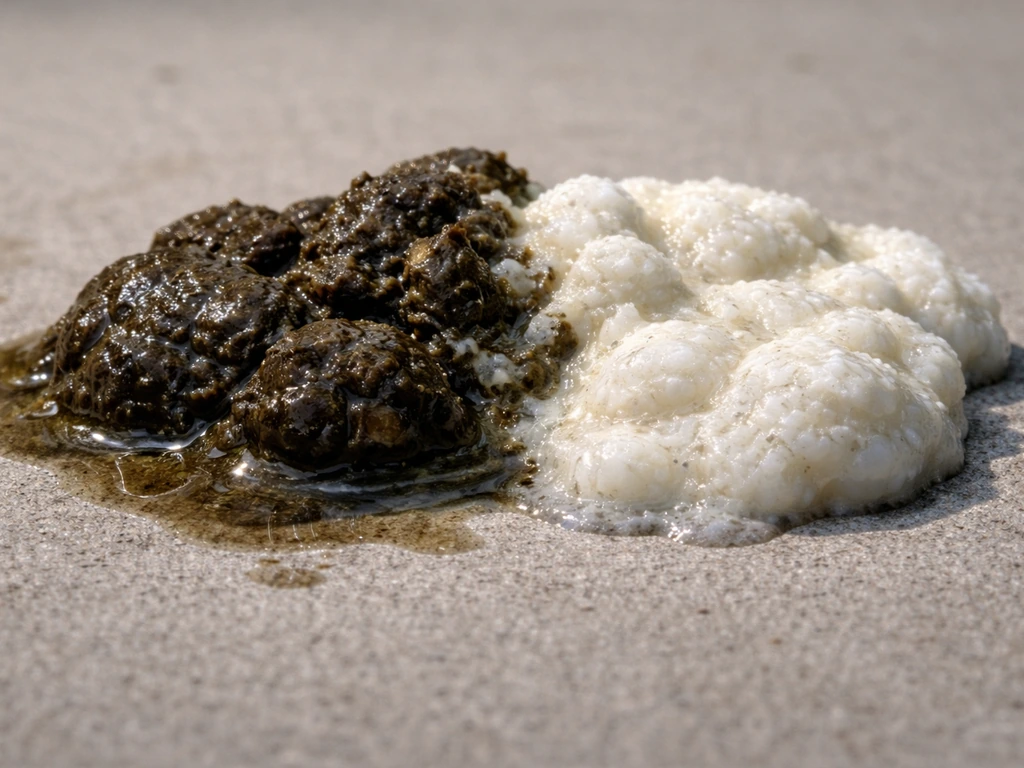
Bird droppings look messy because they essentially are. Birds process urine and feces together through a single opening called the cloaca, which means the white part (uric acid crystals) and the darker solid part come out together in one go. Bird saliva is usually part of the same contamination picture, since droppings and other bird secretions can spread germs around surfaces and feeders. That's why a single dropping can smear across a wide area and leave staining residue on paint, fabric, and concrete. The uric acid is slightly corrosive, which is why bird poop can eat into car paint if you leave it sitting.
Beyond the cosmetic mess, the biological content is the bigger concern. Droppings can carry bacteria including Salmonella and Campylobacter. The CDC points out that even a single drop of contaminated material can carry enough Campylobacter to cause infection. Backyard chicken environments are a known route of exposure because droppings contaminate the soil, the area around nesting boxes, and even eggshells. The soil itself can also harbor Histoplasma capsulatum, a fungus that thrives in soil heavily enriched with bird or bat droppings, and that fungus is what causes histoplasmosis, a respiratory illness that can be serious.
Health risks you should actually take seriously
Most healthy adults who encounter a dropping on their car or get a splash while cleaning a birdfeeder are not going to get seriously ill. But there are real risks worth knowing, especially if you're cleaning up larger accumulations, working around a backyard flock, or dealing with a space that has had heavy bird traffic for a long time.
- Salmonella and Campylobacter: Both bacteria spread through contact with droppings and contaminated surfaces. Symptoms are gastrointestinal (diarrhea, cramps, nausea) and usually appear within one to three days of exposure. Hand washing after any contact with birds or surfaces they've been on is the single most effective prevention step.
- Histoplasmosis: This fungal infection comes from breathing in Histoplasma spores that become airborne when contaminated soil or dried droppings are disturbed. The American Lung Association notes that severe illness is most likely in people with weakened immune systems or underlying lung disease, but healthy people can get sick too. Symptoms typically show up three to seventeen days after exposure, according to the CDC.
- Avian influenza (bird flu): The CDC recommends avoiding unprotected contact with birds and their excretions, including inhalation of dust contaminated with bird secretions. This is especially relevant for backyard flock owners if there's a local outbreak.
- Surface contamination: Droppings on car hoods, outdoor furniture, children's play equipment, and pet water bowls can transfer pathogens through direct touch, so cleaning isn't just cosmetic.
If you've been cleaning up a large accumulation of droppings (a barn, a roosting area under an overhang, an attic with bird activity) and you develop flu-like symptoms in the following two weeks, the Mayo Clinic advises contacting a healthcare provider and mentioning the exposure. That timeline detail matters because doctors don't always ask about environmental exposures.
How to clean up safely: step by step
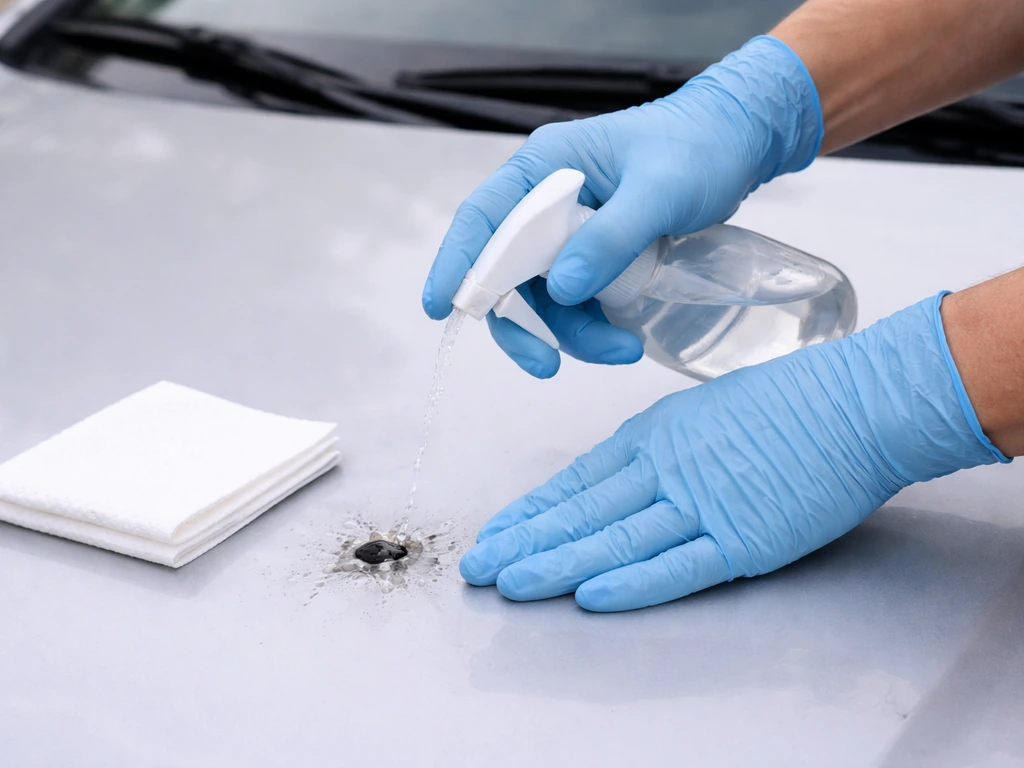
The biggest mistake people make when cleaning bird droppings is sweeping or blowing them dry. Dried droppings turn to dust easily, and that dust carries whatever pathogens were in the material directly into your lungs. The CDC and NIOSH are both explicit about this: avoid shoveling or sweeping dry, dusty contaminated material. Wet it down first. If you also want to understand lab work on birds, you can learn how bird saliva is collected and prepared for testing wet it down first.
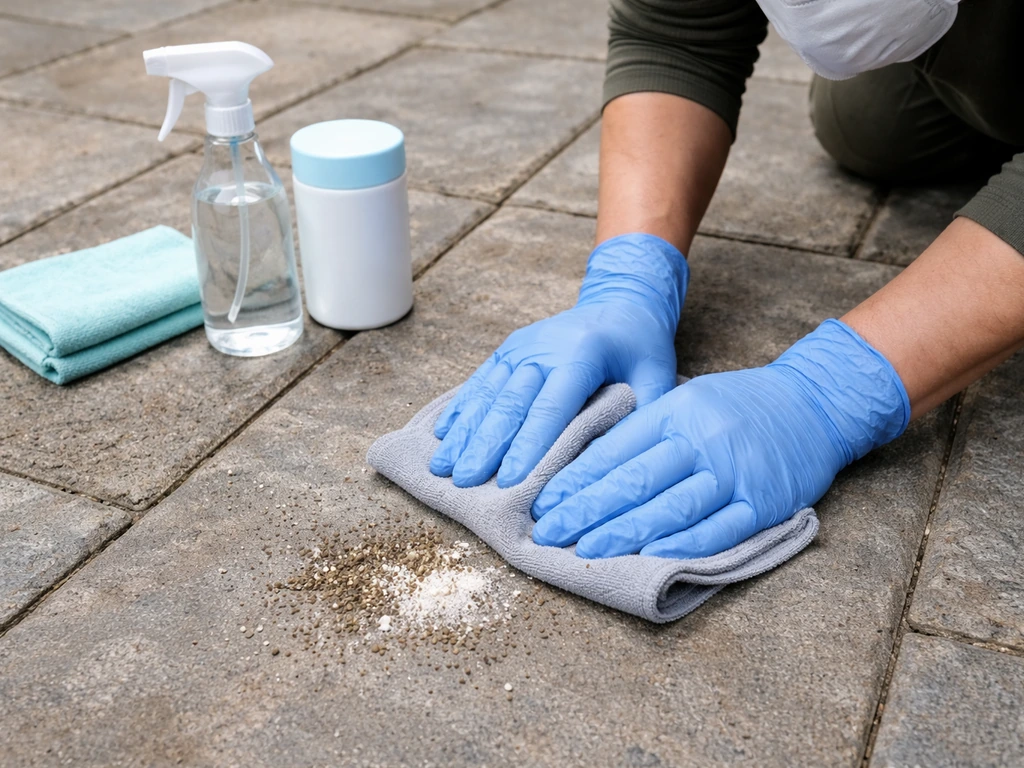
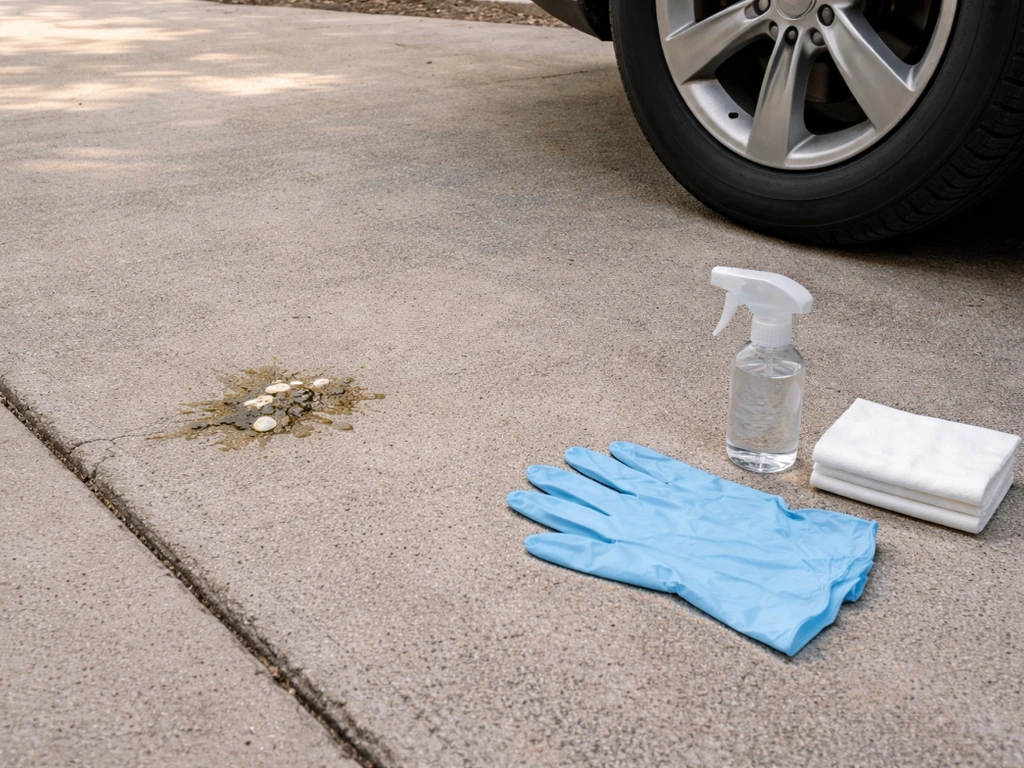
- Put on disposable gloves before you touch anything. For a small splatter on your car or patio, regular nitrile gloves are fine. For larger cleanups or enclosed spaces, add an N95 respirator (or at minimum a well-fitting facemask if an N95 isn't available), as recommended by the CDC for contaminated premises.
- Wet the droppings before disturbing them. Use a spray bottle with water or a dilute disinfectant solution. This suppresses dust and prevents spores from becoming airborne. In areas with heavy accumulations, NIOSH guidance recommends water sprays specifically as a dust suppression technique.
- For cars: soak the area with warm water for a minute before wiping. Use a gentle car-safe cleaner or plain water with a microfiber cloth. Scrubbing a dry dropping with a dry cloth grinds uric acid crystals into the clearcoat, causing scratches.
- For yards, patios, and outdoor furniture: spray with a household disinfectant (a dilute bleach solution of 1 part bleach to 9 parts water works well on hard surfaces), let it sit for a few minutes, then wipe or rinse. For soil contaminated with heavy droppings, reduce disturbance as much as possible.
- For backyard chicken coops and feeders: clean more frequently as droppings and dirt build up. The CDC recommends not picking up droppings with bare hands when cleaning pet bird cages and equipment. Dedicated cleaning tools that stay in the coop area help avoid spreading contamination.
- Bag all waste materials in sealed plastic bags before disposal.
- Wash hands thoroughly with soap and water after removing gloves, even if the gloves seemed intact. Hand hygiene after contact with surfaces contaminated with feces is specifically emphasized in OSHA/CDC occupational guidance.
Protecting pets and kids
Pets and young children are at higher risk because they're closer to the ground and less likely to avoid putting contaminated hands or paws near their faces. Keep dogs away from areas with heavy bird traffic when possible, especially under active roosting spots. If your dog eats a dropping (which they will try to), watch for gastrointestinal symptoms over the following few days. For kids' play areas, regular cleaning of equipment surfaces and a no-shoes-indoors policy go a long way in limiting tracked-in contamination.
Good luck charm vs. actual hygiene: what to believe
There's a long-standing superstition that being hit by bird poop is good luck. It shows up across multiple cultures and the belief is genuinely old and widespread. If you want to hold onto that positive spin in the moment when a seagull scores a direct hit on your jacket, go ahead. The psychological benefit of reframing an unpleasant event as lucky is real.
That said, the hygiene reality doesn't change. The same dropping that's supposedly bringing you fortune also contains uric acid, bacteria, and potentially fungal spores. "Good luck" and "wash your hands immediately" are not mutually exclusive. You can appreciate the cultural folklore and still treat the physical material as something that warrants prompt cleanup. Some people also claim bird saliva has benefits, but those ideas should be evaluated carefully against real evidence bird saliva benefits. The superstition doesn't carry health-protective properties, and it definitely doesn't apply to accumulated droppings in a yard or coop, which should be cleaned up regardless of how much luck they're supposed to represent.
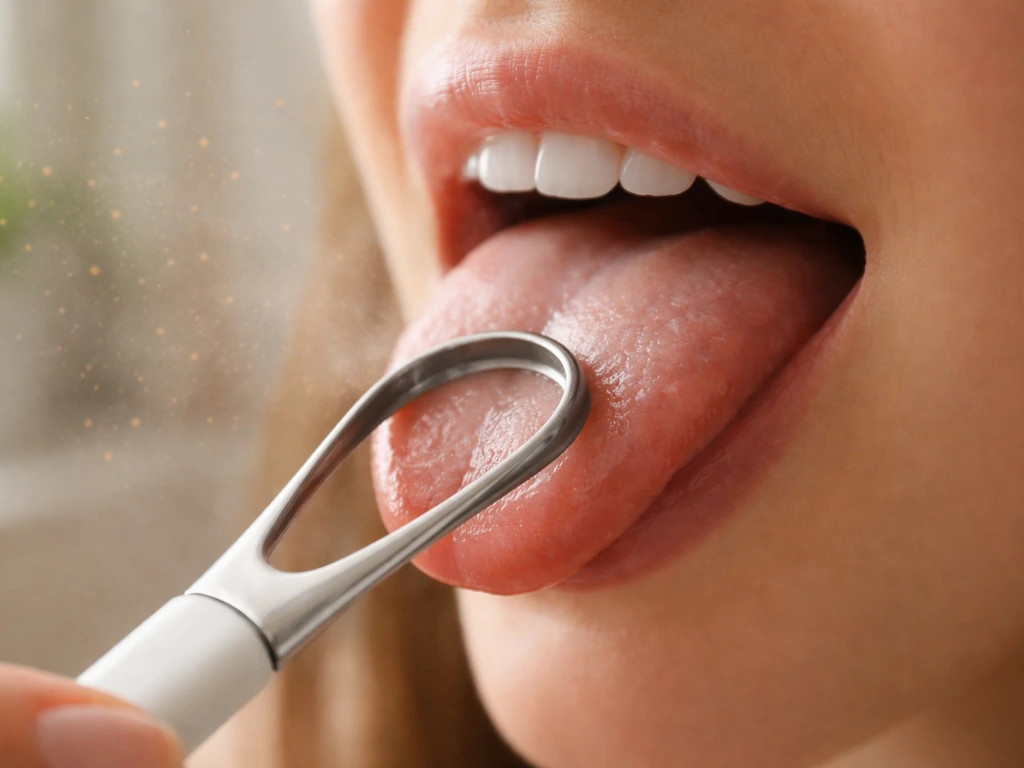
So the honest answer to why chicken is called the dirty bird: it's part cultural slang, part observational truth about how chickens live, and part a reminder that birds in general leave behind material that deserves respect from a hygiene standpoint. The nickname is earned. Clean it up with gloves, wet it before you wipe it, wash your hands after, and move on. Bad-smelling breath can also come from oral bacteria, which is why maintaining good hygiene matters even when the cause seems unrelated to food or birds.
FAQ
Is “dirty bird” a term only for chickens, or does it include other birds too?
In hygiene conversations, it usually applies to bird waste broadly. Chickens are just the most common exposure for many people, but droppings from wild birds near feeders, patios, cars, and roofs can carry similar bacteria and fungal risks.
How long should I wait to clean up a fresh bird poop spot on my car or patio?
You do not need to wait a long time, but you should plan to clean it soon and safely. Fresh droppings can still contain germs, wet it down before wiping, then wash the area and your hands thoroughly (or shower if you got splashed).
What should I do if I accidentally touched bird droppings and it got on my skin or in a cut?
Rinse the area with running water right away and wash with soap. If it went into a cut, scrub gently around it, cover with a clean bandage, and monitor for symptoms. Seek medical advice sooner if you are immunocompromised or the exposure was heavy.
Can I get sick from smelling bird droppings or from being nearby without direct contact?
Yes, indirectly. Dust becomes airborne when dried droppings are disturbed, and that dust can carry pathogens. If you have to clean an accumulation, wet it down first and avoid sweeping, blowing, or dry scraping.
What is the safest way to clean a large accumulation in a coop, barn, or attic?
Use a wetting approach, wear disposable gloves, and consider respiratory protection if there is heavy buildup or dried material. Work in small sections, keep dust down (no dry shoveling), bag waste securely, and disinfect hard surfaces afterward.
Do disinfectants matter, or is wetting and washing enough?
Wetting and good washing are the main steps to prevent dust exposure and remove contamination. Disinfectants can help on hard, nonporous surfaces, but they must be compatible with the surface and used according to label directions and contact time.
Is it safe to clean bird feeders if I only get a small smear on my hands?
Small smears can still transfer germs. Wear gloves, wet and remove residue carefully, clean with detergent, rinse, and wash hands immediately. If you have any immune risk, consider having someone else handle heavy cleaning.
Can pets spread the risk after they step through or eat droppings?
Yes. Dogs can track contaminated material on paws and fur, and eating droppings can lead to gastrointestinal illness for the pet. Wipe paws after walks near bird roosts, keep pets away from active roosting areas, and watch for diarrhea or vomiting.
Are children at higher risk, and what’s the practical way to protect them?
Children are at higher risk mainly due to behavior, close contact, and less consistent hand hygiene. Keep play areas free of fresh or accumulated droppings, enforce a hand-washing routine after outdoor play, and consider a no-shoes-indoors rule for yards with heavy bird traffic.
If I clean bird droppings, what symptoms should prompt me to call a clinician?
If you develop flu-like symptoms within about two weeks after a heavy exposure, contact a healthcare provider and mention the bird waste exposure. Also get prompt advice for breathing problems, persistent fever, severe GI symptoms, or if you are pregnant or immunocompromised.
Why do dried droppings feel like they “blow away,” and why is that dangerous?
Dry droppings turn into fine dust that can be inhaled easily when disturbed. That dust can carry pathogens, so dry sweeping, dry scraping, or leaf-blower style cleaning raises risk more than wet wiping does.
Does the “good luck” idea mean I can ignore hygiene when I get hit by bird poop?
No. Folklore does not reduce contamination. Treat the material as hazardous and wash your hands immediately, especially before touching your face, and clean clothing or surfaces that got splattered.