Birds poop in bird baths because bathing triggers the urge to defecate, the bath environment makes it almost inevitable, and frankly, birds have no reason not to. When a bird hops into your bird bath, splashes around, shakes its tail feathers, and then leaves a little surprise behind, that's completely normal bird behavior.
Why Do Birds Poop in the Bird Bath? Clean-Up and Safety

Marcus Fielding
21 May 2026
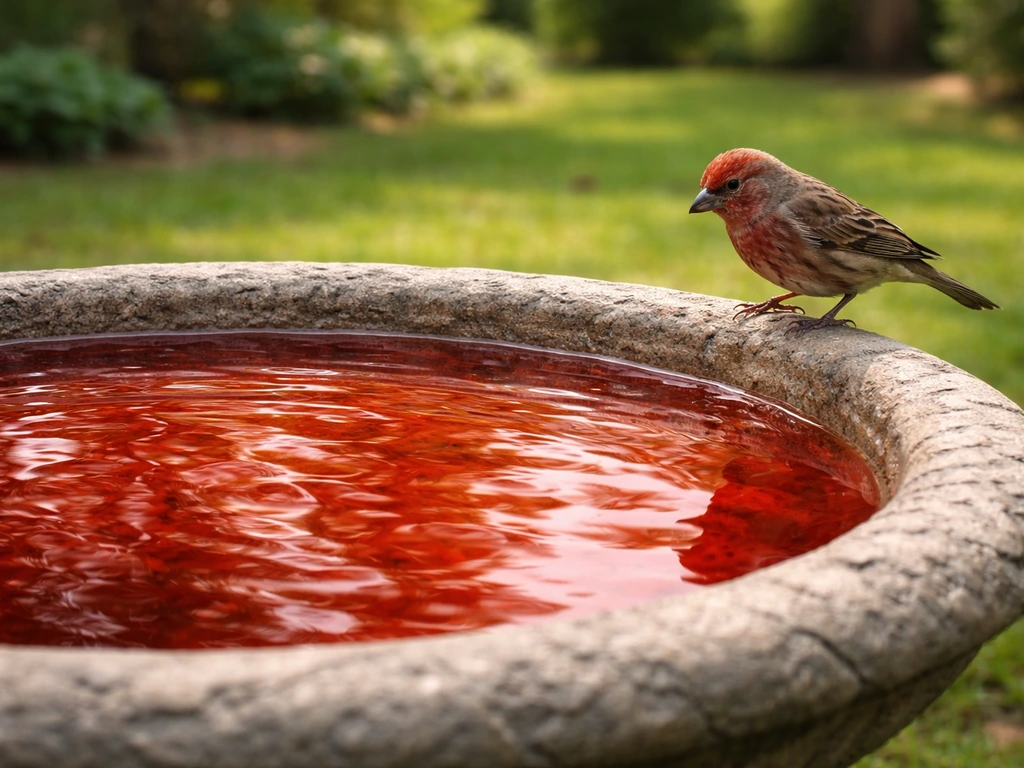
If you are wondering why your bird bath water looks red, the same underlying issue is usually contamination and what needs to be cleaned out quickly why is my bird bath water red. It's not spite, it's not territorial marking directed at you personally, it's just biology meeting opportunity. The good news: it's easy to manage once you understand what's actually happening and what (if anything) you need to worry about.
Why birds are drawn to bird baths in the first place
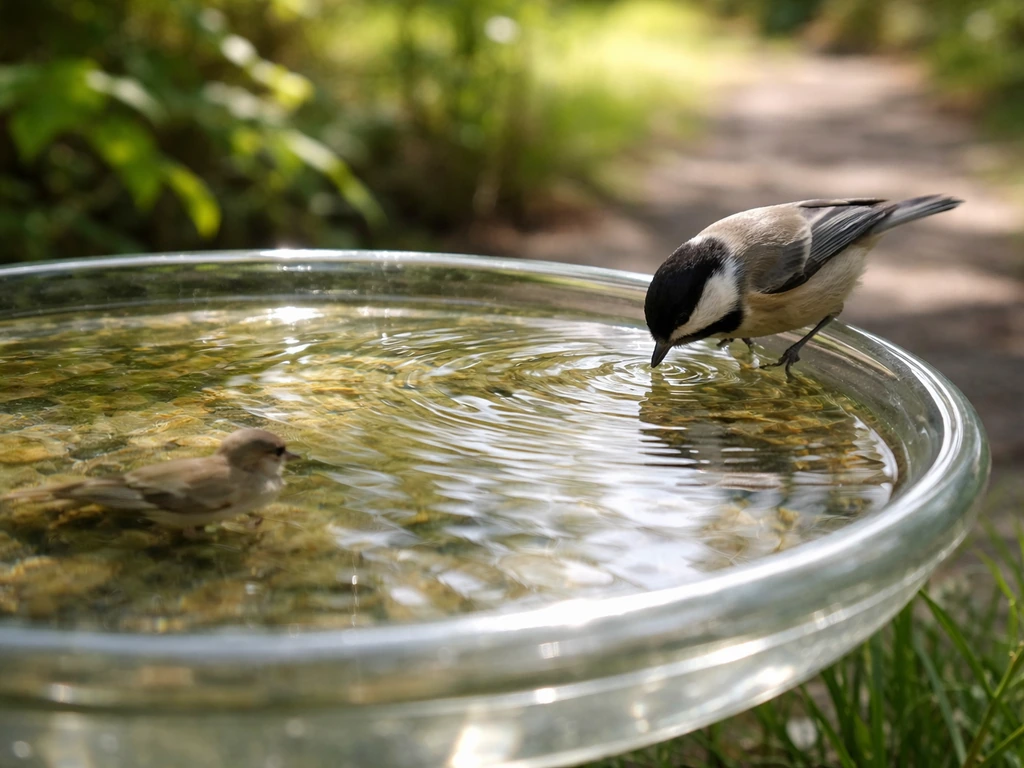
Bird baths are genuinely useful to birds, not just a decorative garden feature. Birds use them for drinking and bathing, and both are serious needs. All About Birds notes that birdbaths give birds fresh water for drinking and opportunities for bathing, and bathing helps keep feathers in good condition [Birds use them for drinking and bathing, and both are serious needs. ](https://www.
allaboutbirds. org/news/attract-birds-with-birdbaths). Feathers are critical infrastructure for a bird: they provide insulation, enable flight, and need constant maintenance to work properly. A bath helps a bird remove dust, parasites, and debris from its plumage, which keeps those feathers performing the way they need to.
So when you set up a bird bath, you're essentially offering a service station that birds actually need, not just a novelty.
Bathing is also about thermoregulation. In hot weather, a quick dip helps birds cool down. In cold weather, clean, properly maintained feathers trap air better and keep birds warmer. Add to that the fact that many species bathe as a social and behavioral routine, and you end up with a spot that attracts a lot of birds, a lot of activity, and, inevitably, a lot of droppings.
Do birds actually poop while bathing, or is it just timing?
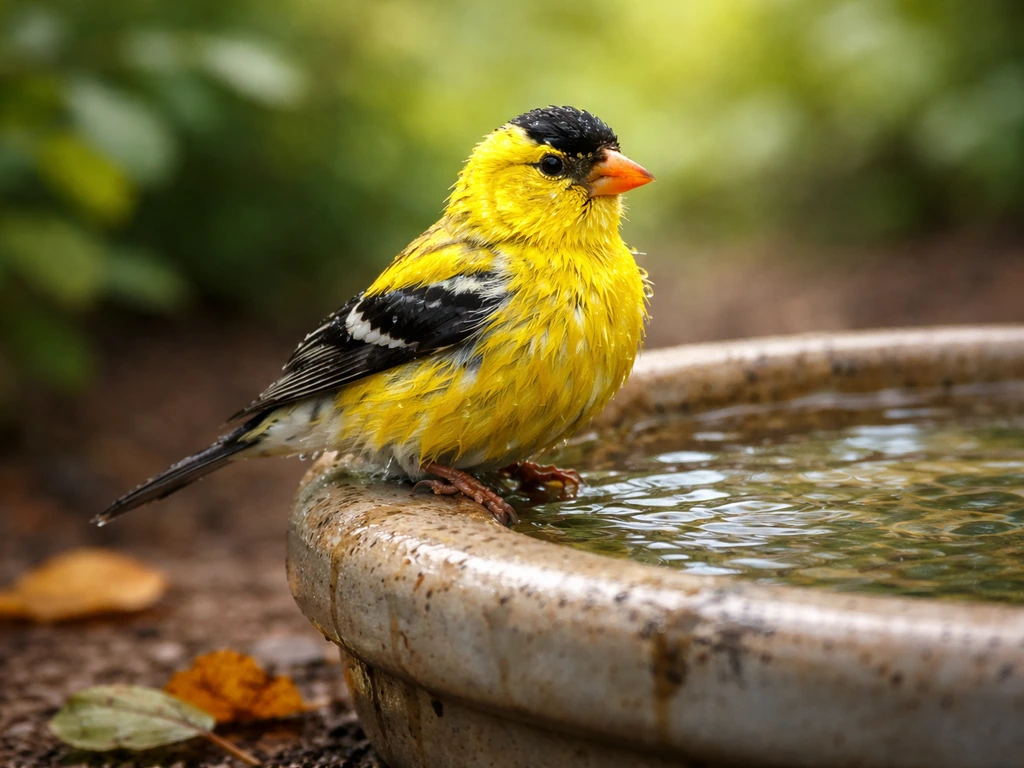
Both, honestly. Some droppings land in the water during the bath itself, and some land on the rim or nearby surfaces right before or after, then get splashed or washed in. A typical bird bathing session is short and vigorous: the bird dips in, splashes water up onto its feathers, shakes furiously, fluffs up, and then starts preening. After bathing, many birds follow with [shaking and fluffing to help expel moisture](https://www.
birdfact. com/bird-behavior/bathing-and-preening/bathing-behaviors) and keep feathers in good condition. That whole sequence can be over in under a minute. During that window, especially in the shaking and transitioning phase, defecation can and does happen.
Research on shorebird behavior has even documented that defecation timing is behaviorally patterned around water contact, meaning it's not random.
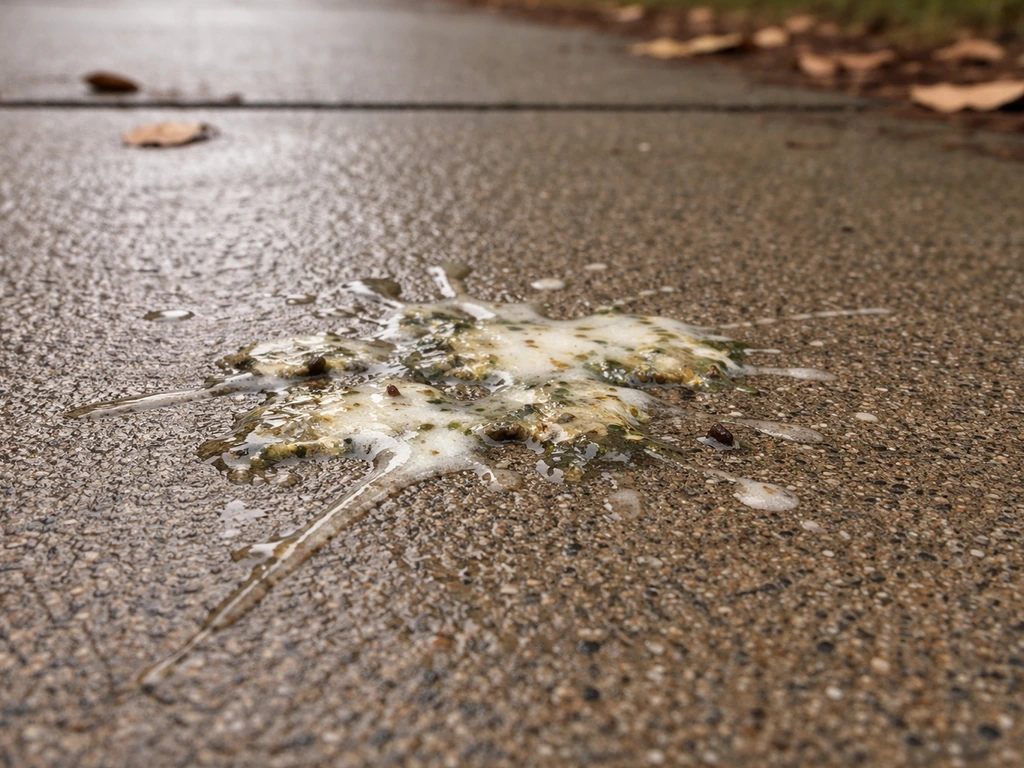
Because birds typically stand on the rim or in very shallow water rather than being fully submerged, droppings that land on the edge easily run or splash back into the basin. If the bird poop ends up looking watery, that same edge splash-back effect can help explain it, which connects to why is my bird poop watery droppings that land on the edge easily run or splash back into the basin.
The splashing itself redistributes everything in the water, including any contamination that's already there. So even if a bird technically "didn't poop in the water," the bath ends up contaminated anyway. If your bird is eating its poop, that can happen when leftover droppings and contaminated surfaces get back into the beak during normal bathing and preening routines poop in the water.
This is why the water can look murky or discolored after a busy morning of bird activity, which connects to the broader question of why bird bath water changes color or consistency, something worth knowing if you're monitoring your bath regularly.
The real reasons droppings keep showing up in your bird bath
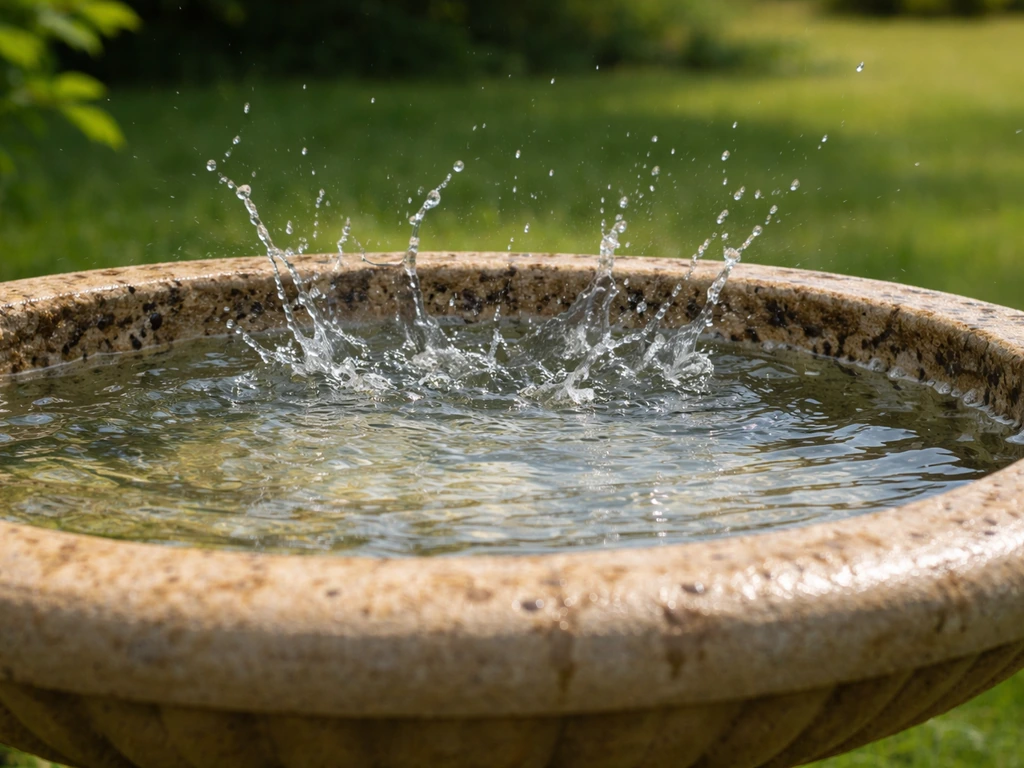
Beyond the basic biology, a few specific factors make bird baths particularly poop-prone:
- Bathing stimulates defecation. Movement, water contact, and the physical activity of splashing can trigger the urge to go, the same way a morning shower works for some people. Birds don't have a separate process for this; it just happens.
- High traffic means more droppings. A popular bird bath with multiple visitors per hour is going to accumulate droppings faster than a quiet one. Busier baths during migration season or in densely birded yards see noticeably more mess.
- The shallow basin catches everything. Unlike a puddle in the yard, a bird bath is a contained bowl. There's nowhere for debris to go, so it concentrates in the water.
- Territorial behavior plays a role too. Some birds return to the same spot repeatedly and may defecate near it as part of their routine presence in an area, though this is a less dominant factor than simple bath-use behavior.
- Timing clusters around mornings. Birds tend to be most active in the early morning, which means a bath that looked clean the night before can be noticeably dirty by 9 a.m.
Health and safety: what's actually in there and who should be careful
Bird droppings can carry pathogens, and it's worth knowing which ones without overreacting. The CDC identifies E. coli, Salmonella, Campylobacter, and Cryptosporidium (Crypto) as germs that bird droppings can contain and that can infect humans. For most healthy adults who are not handling contaminated water directly and who wash their hands, the risk from a backyard bird bath is low. But it's real, and it's not zero.
Crypto deserves a specific mention because it's the toughest one to deal with. It has a hard outer shell that lets it survive in the environment for a long time, and unlike most other pathogens in bird droppings, it can survive for days even in properly chlorinated pool water. Your bird bath has no chlorine at all, so whatever lands in it stays biologically active until you clean the basin. That's a good reason to take maintenance seriously.
Avian influenza is another consideration worth a brief mention, especially for anyone who handles bird baths frequently. The CDC advises avoiding contact with materials contaminated with wild bird saliva, mucus, or feces and recommends wearing disposable gloves when cleaning bird feeders and baths. This applies whether or not there's a known outbreak in your area: it's just a sensible baseline.
Who should take extra precautions:
- People who are immunocompromised, elderly, pregnant, or managing chronic illness should be especially careful about hand hygiene after any contact with bird bath water or surfaces.
- Children who play near bird baths and might touch the water or rim should wash hands immediately afterward.
- Anyone who notices watery or unusually liquid bird droppings in the bath should be aware that the consistency of bird poop can sometimes reflect the bird's health status, though this is hard to assess from a quick look.
- Pet owners whose dogs drink from or play in the bird bath: this is a real exposure risk, especially for Salmonella and Crypto. Try to discourage it or keep the bath elevated and inaccessible to pets.
How to clean your bird bath properly and keep it cleaner longer
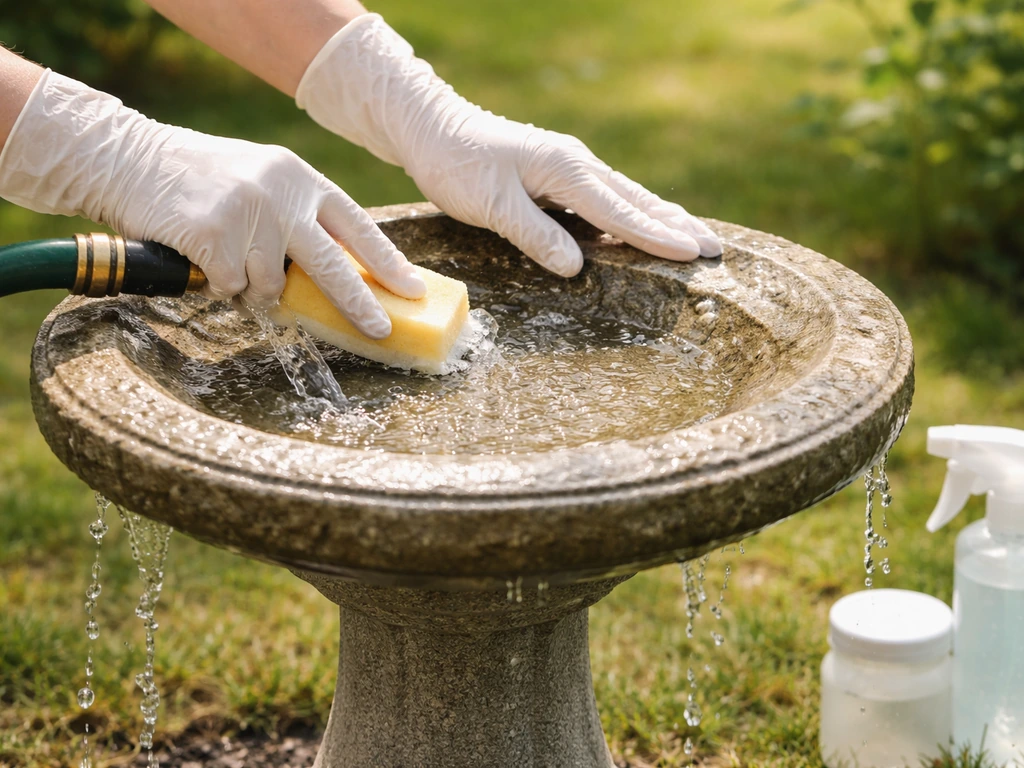
The CDC and state wildlife agencies like Iowa DNR both recommend cleaning and refilling bird baths at least once a week, or immediately when visibly dirty. Weekly is the minimum; if you have a lot of bird traffic, you'll want to do it more often. Here's a straightforward process that actually works:
- Put on disposable gloves before you touch the basin, the rim, or the water. This is non-negotiable per CDC guidance, especially for frequent cleaners.
- Empty the basin completely. Dump the water somewhere that pets and children won't walk through it.
- Scrub the basin with a stiff-bristled brush to remove algae, debris, and dried droppings. Don't skip this step: disinfectant can't penetrate through organic buildup.
- Rinse the basin thoroughly with clean water to remove loosened debris.
- Disinfect with a 10% bleach solution (roughly 1 part household bleach to 9 parts water). Apply it and let it sit for the full contact time, keeping the surface visibly wet. Don't rush this step: EPA guidance is clear that a quick wipe doesn't equal disinfection.
- Rinse again very thoroughly. Birds drink from this water, so any bleach residue is harmful to them. Rinse until you can't detect any chemical smell.
- Refill with fresh, clean water.
- Wash your hands with soap and water for at least 20 seconds even though you wore gloves.
Simple ways to reduce the mess between cleanings
- Place the bird bath in a spot that gets some sun: algae and bacteria grow faster in warm, stagnant, shaded water.
- Add a dripper or small fountain attachment. Moving water stays cleaner longer and is more attractive to birds anyway.
- Use a basin that's easy to tip and rinse: shallow, smooth-surfaced baths are much faster to clean than textured or deep ones.
- Keep the bath away from feeders. Seed hulls and droppings from perching birds near feeders accelerate contamination.
- Skim visible debris every couple of days with a net or gloved hand, especially during heavy-use periods.
What not to do when cleaning a bird bath
A few common mistakes that either harm birds or create a false sense of cleanliness:
- Don't use harsh chemical cleaners, dish soaps, or bleach at full concentration. They leave residues that are toxic to birds and can damage the basin material.
- Don't assume a quick rinse with the garden hose is enough. Rinsing removes visible debris but doesn't disinfect. Pathogens like Crypto stay active until proper disinfection.
- Don't handle the basin or water without gloves, especially if you have cuts or open skin. The risk of ingesting something through hand-to-face contact is real even if it seems small.
- Don't leave dirty water sitting longer than a week, even if it looks okay. Water that appears clear can still be biologically contaminated.
- Don't use the same brush you use for bird bath cleaning on anything else without sanitizing it first.
- Don't empty contaminated water near vegetable gardens, children's play areas, or pet drinking spots.
Myths, good luck, and what the evidence actually says
Bird poop has a long reputation as a lucky omen in many cultures. The idea that a bird pooping on you (or near you, or in your bird bath) brings good luck is documented in folklore archives and is genuinely held by a lot of people. There's something appealing about reframing an inconvenient mess as a sign of good fortune, and honestly, that's a reasonable way to get through an annoying moment.
That said, the superstition and the hygiene advice don't conflict: you can acknowledge the cultural belief and still put on gloves and scrub your bird bath. The luck doesn't require skipping the cleanup. From an evidence standpoint, what bird droppings in your bird bath represent is a normal outcome of normal bird behavior, a manageable hygiene task, and a low but real health risk that's easily controlled with weekly cleaning and basic protective habits.
If you’re wondering what watery bird poop means, it usually points to recent feeding and hydration rather than anything supernatural. The droppings aren't targeted at you, they're not a sign of anything beyond "birds were here and used the bath," and they're absolutely not a reason to stop maintaining your bird bath or to let anxiety override what is a genuinely enjoyable backyard feature.
The real takeaway from a myth-busting perspective: the idea that bird baths are inherently dangerous is as overblown as the idea that bird poop is magically lucky. The truth is in the middle. It's a manageable, normal situation that rewards a bit of consistent attention and basic hygiene, nothing more, nothing less.
FAQ
If birds poop in the bird bath, should I stop using it or remove it completely?
You usually do not need to remove it. Pooping is normal bathing behavior and the practical risk is mainly controlled by regular cleaning, avoiding contact with contaminated water, and washing hands after maintenance. Removing the bath is only typically warranted if you cannot maintain it (for example, if you cannot clean it regularly).
How often should I clean my bird bath if birds are using it every day?
At least once a week is the baseline, but heavy daily use often calls for more frequent cleaning, such as every 2 to 3 days, especially if the water gets murky or has visible residue. If birds congregate around the bath, treat “visibly dirty” as your trigger, not just the calendar.
What’s the safest way to clean a bird bath without spreading germs around my yard?
Use gloves, scrub and dump the basin contents directly into a place that will not splash back (avoid rinsing onto plants where water will run into the bath area), then wash your hands thoroughly. Keep kids and pets away from the area until the basin is refilled and any cleanup water has settled.
Can I use soap or bleach to disinfect my bird bath?
Use products carefully. Soap residue can irritate birds and contaminate the water, and strong disinfectants need complete removal before refilling. If you use any disinfectant, follow the label for safe use and rinsing requirements, then dry or thoroughly rinse until there is no chemical smell or residue.
Why does the water sometimes turn red or look murky after birds bathe?
Color changes are often driven by organic contamination stirred up by splashing (including droppings), algae, and biofilm starting to build on surfaces. Stirring and shaking can temporarily make the water look worse, then it may settle later, which is why frequent basin cleaning matters as much as changing water.
Is it possible for birds to poop and still have the water look “clean”?
Yes. Some droppings land on rims, get splashed, or mix into the water quickly during vigorous shaking, so you may not see obvious solid bits while contamination still spreads. That means “no visible poop” is not the same as “no contamination,” which is why weekly cleaning remains important.
Does watery or runny poop in the bird bath mean my birds are sick?
Runny droppings can happen due to hydration, recent feeding, or stress from temperature changes, and it is not automatically a disease sign. If you also notice repeated lethargy, fluffed posture, loss of appetite, or multiple birds acting unwell, then consider contacting a local wildlife rehabilitator for guidance.
How can I reduce the amount of poop getting into the water?
You cannot fully prevent it, but you can lower splash-back by using a shallower basin design, keeping the water level just deep enough for bathing (not fully deep like a pool), and cleaning promptly after busy periods. Also make sure the rim is not coated with algae or grime, since that buildup increases residue mixing.
Are there specific times of day when birds are more likely to poop in the bath?
Many birds batch bathing and defecation around water contact, so after a burst of bathing activity the contamination can show up quickly. In practice, the biggest cue is how active the bath is at a given time, so inspecting and rinsing sooner after a busy morning can help.
Should I wear a mask or extra protection when cleaning bird baths?
Gloves are the key baseline. A mask is usually optional for small backyard cleaning, but it can be helpful if you are scrubbing dry biofilm, dealing with heavy debris, or creating dust and aerosols while cleaning. If anyone in your household is immunocompromised, follow your clinician’s guidance and be extra strict about avoiding splashes.
What if a bird dies in or near my bird bath, or there’s heavy droppings after a storm?
Treat it as an abnormal situation. Remove and dispose of any bird carcass safely, avoid bare-hand contact, and disinfect the basin and surrounding area thoroughly before refilling. If multiple birds appear sick or you suspect an outbreak, contact local wildlife officials for tailored instructions.