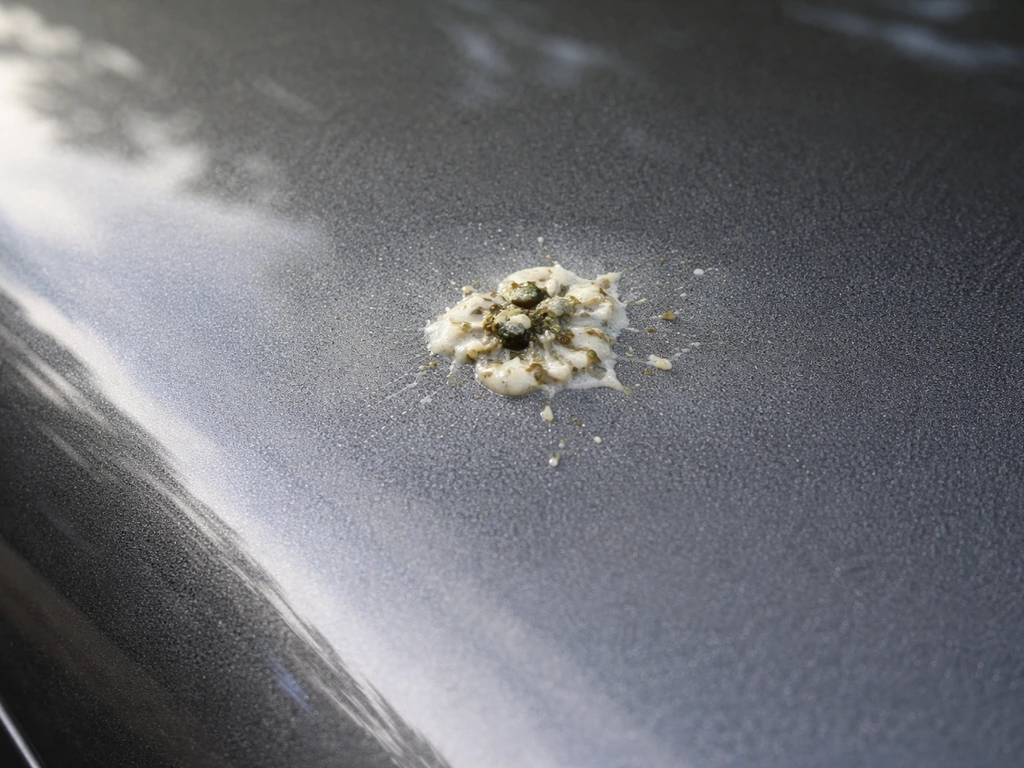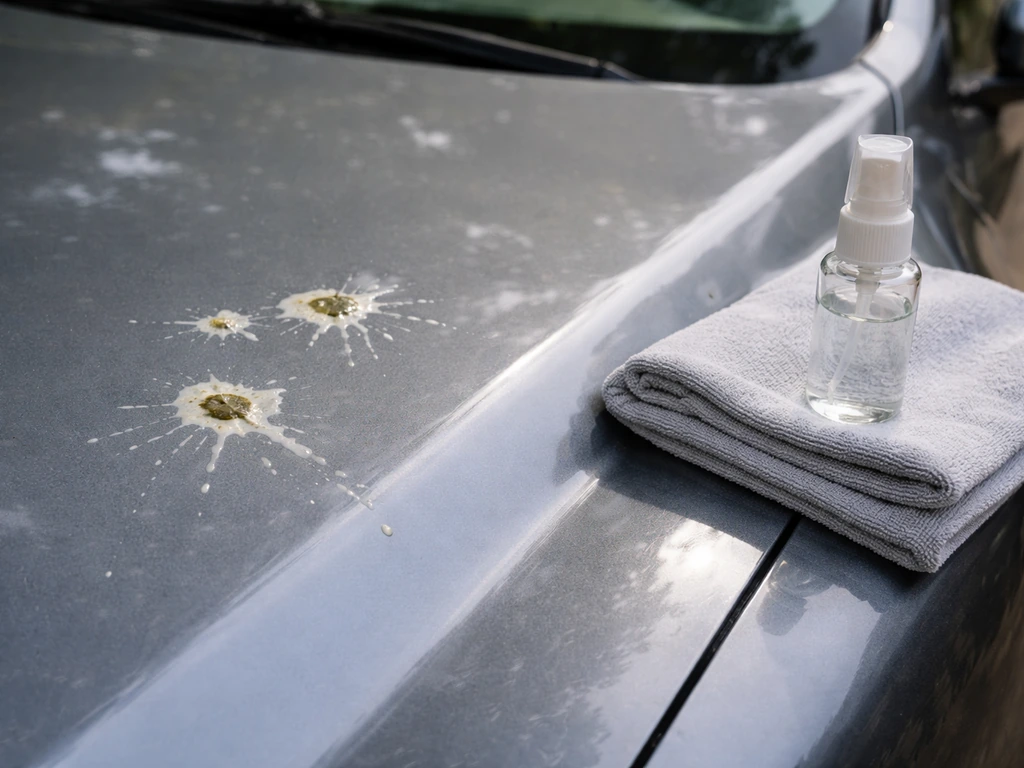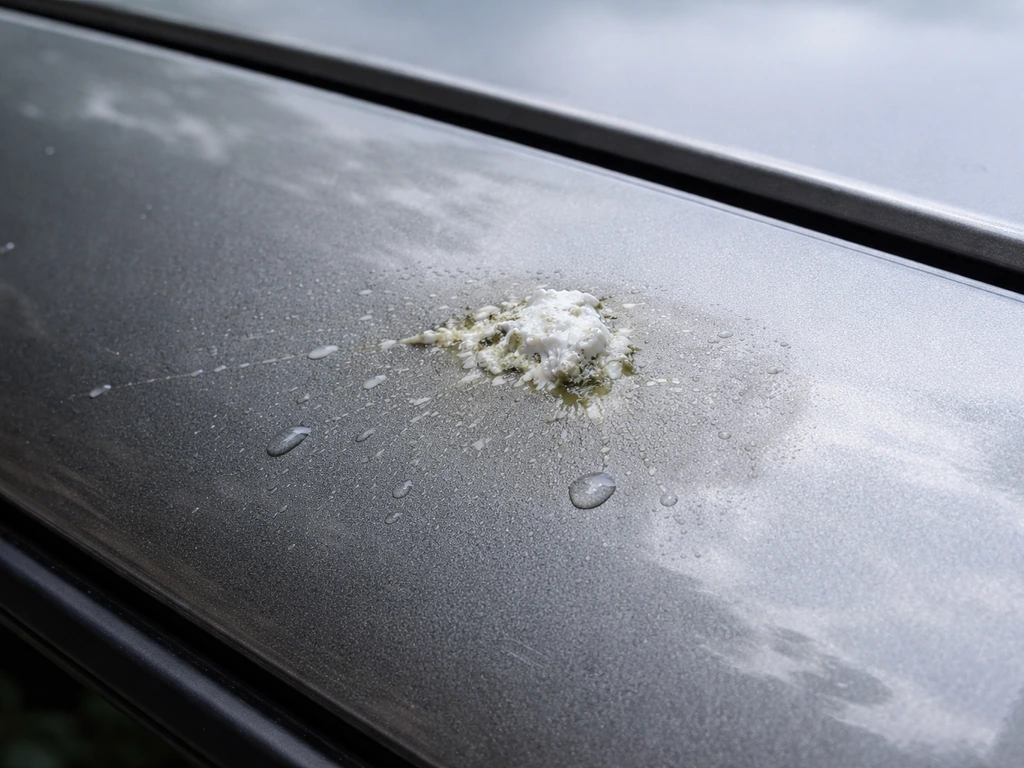
Ceramic coating gives your paint meaningful protection against bird droppings, but it does not make your car immune. A good coating buys you time and makes cleanup far easier, but if you leave a dropping baking on a ceramic-coated hood on a hot afternoon, you can still end up with an etch mark. blank" rel="noopener noreferrer">The coating slows the damage down, it doesn't stop it entirely.
Does Ceramic Coating Protect Against Bird Droppings Damage?

Marcus Fielding
14 May 2026
What ceramic coating actually protects against (and where it falls short)
Ceramic coatings work by creating a hard, chemically resistant layer on top of your clear coat. Most professional-grade products advertise a pH tolerance somewhere between 2 and 13. To put that in context: CarPro CQUARTZ UK 3.0 lists pH 3–13, Ceramic Pro ION covers pH 2–13, and GYEON's Q²R GelCoat and CanCoat EVO both handle pH 2–11. Bird droppings typically sit in the pH 3.5–4.5 range, so on paper, the coating chemistry holds up fine against them.
What the coating is genuinely good at: resisting light chemical exposure, preventing droppings from bonding tightly to the surface, and making the whole mess easier to rinse or wipe away. The hydrophobic surface means liquids bead up rather than soaking in, and dried droppings lift off more cleanly than they would from bare paint or even waxed paint.
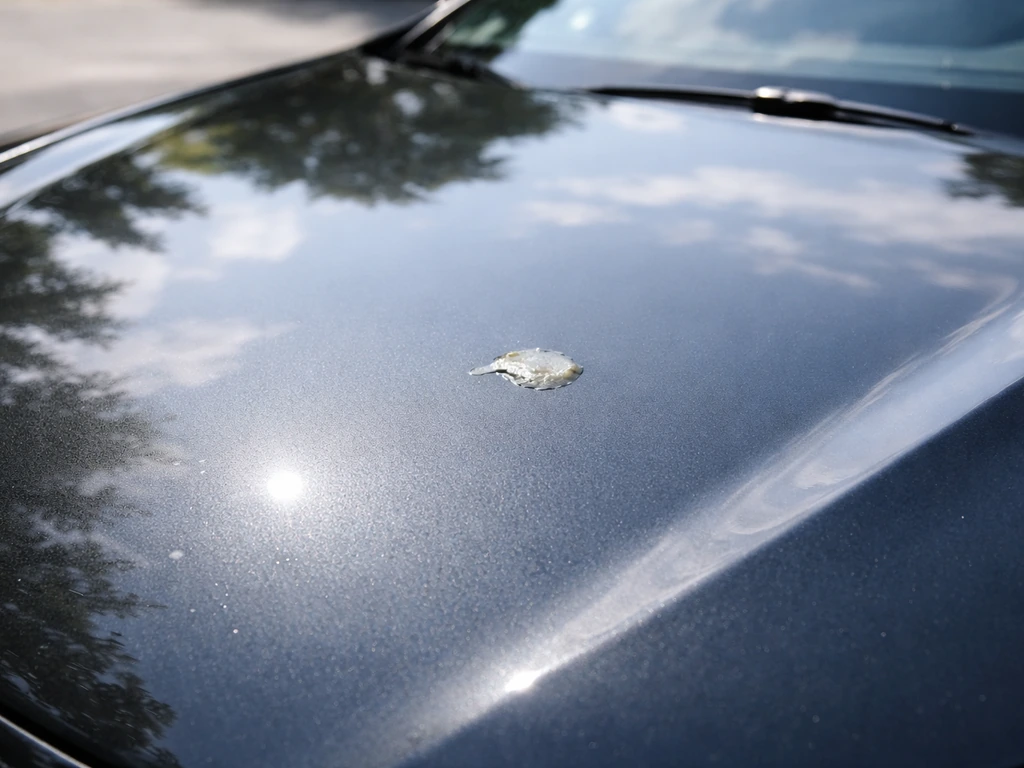
Where it falls short: it is not a force field. When a bird poops on your car, remember that ceramic coating where it falls short is not a force field, so letting it sit too long can still lead to marking. Gtechniq is unusually honest about this on their own FAQ page, stating that their coatings (including Crystal Serum Light and Crystal Serum Ultra) do not completely prevent marking from a bird dropping left on a car for a long period of time. The emphasis there is on 'long period.' The coating's chemical resistance has limits when the exposure is prolonged, especially in heat.
How bird droppings actually damage paint and coated finishes
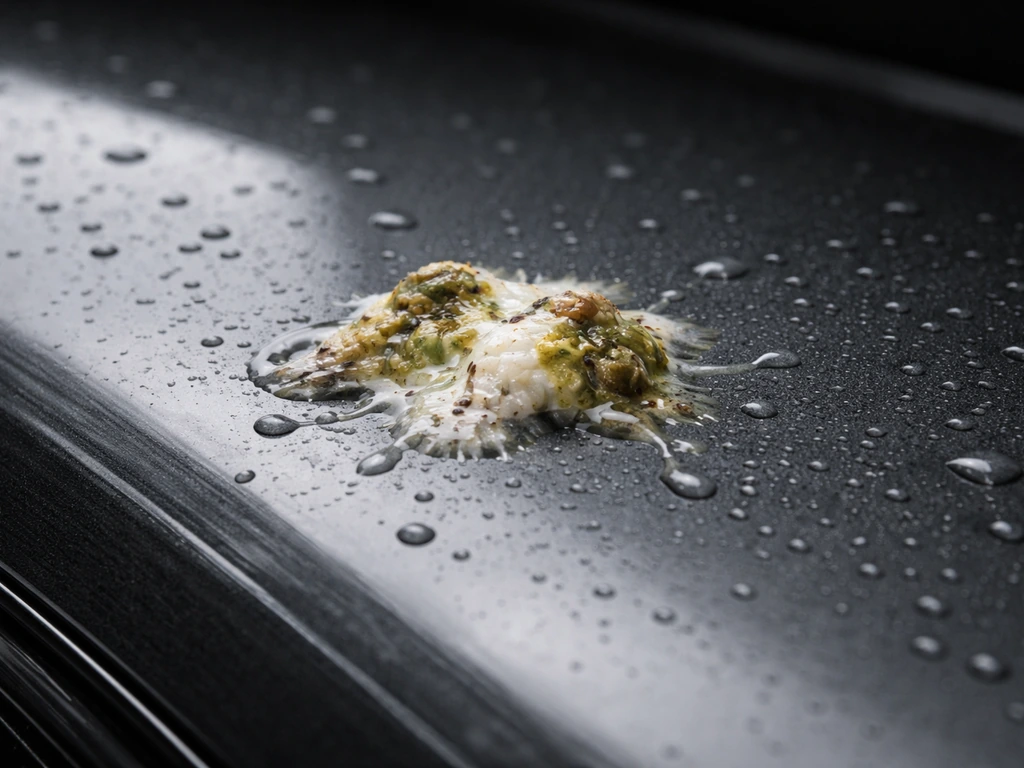
Bird droppings are acidic, but acidity alone isn't the only problem. Bird droppings are acidic, so if they’re left on long enough they can etch or stain even on ceramic-coated paint does bird poop hurt car paint. Fresh droppings contain uric acid, digestive enzymes, and sometimes undigested seed fragments. As the dropping dries, it contracts and hardens, and in doing so it can mechanically grip the surface. When the sun heats the panel, the paint expands underneath while the dried dropping sits rigid on top, which can physically pull the clear coat in ways that leave micro-texturing or etching even after the mess is cleaned off.
This is why timing matters so much. A fresh dropping is just a cleanup job. A dropping that has been sitting through a hot afternoon has had time to chemically interact with the coating and mechanically stress the surface beneath it. Bare paint is most vulnerable, but as GYEON points out, this kind of damage can happen on bare, waxed, and coated paint alike if the exposure is long enough.
Does bird poop damage ceramic coating? The real-world limits
Yes, it can, under the right (wrong) conditions. GYEON states it plainly: if you leave droppings on a coated surface on a hot summer day for many hours, not even a coating will prevent damage entirely. The three factors that determine whether your coating survives are acidity and enzyme concentration of the specific dropping, temperature (heat accelerates the reaction significantly), and how long it sits.
The good news is that even when damage does occur on a coated car, it is usually repairable by polishing rather than requiring a full repaint. Gtechniq makes this point explicitly: the coating may show a mark, but you are more likely to be able to polish it out than if the etching had bitten all the way down into bare paint. The coating essentially sacrifices itself before the paint does, which is exactly the job it is supposed to do.
Frequency matters too. One dropping removed quickly is a non-event on a ceramic-coated car. Regular exposure, say parking under a tree every day without cleaning promptly, will degrade even a high-end coating faster than normal wear would.
How to clean bird droppings off a ceramic-coated car right now
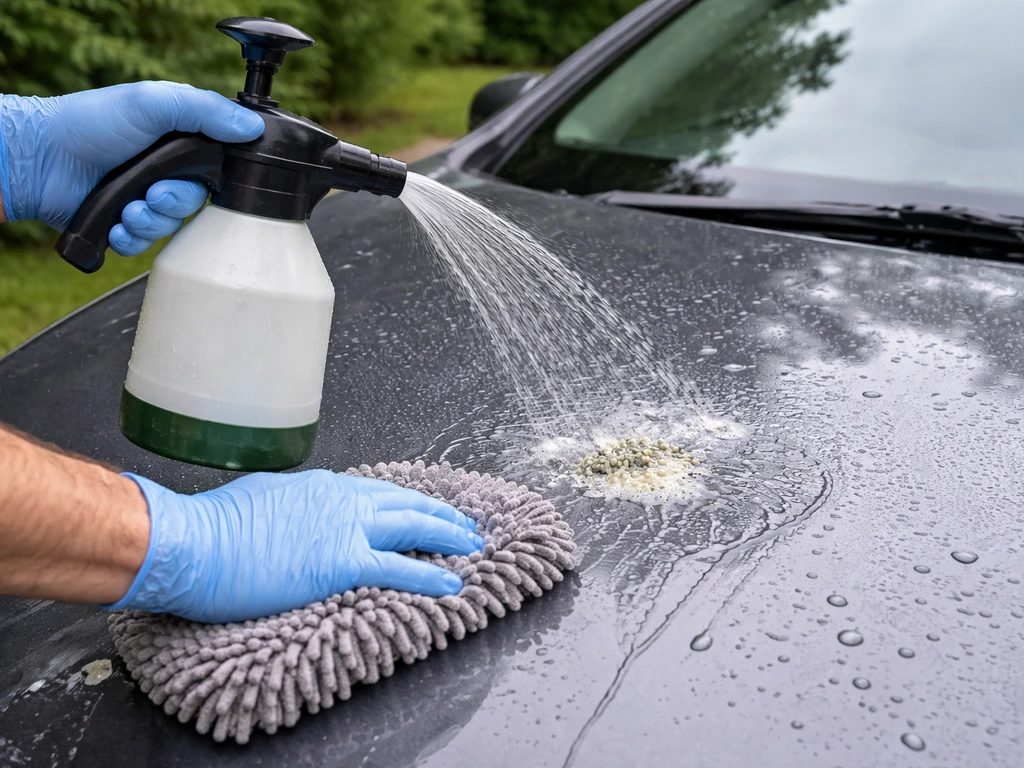
Speed is the single most important variable. Even so, bird poop can be hard to remove if it has dried and bonded to the surface, so quick cleanup matters bird poop has dried and bonded to the surface. If you can deal with it within an hour or two, especially on a warm day, you are almost certainly looking at zero lasting damage to the coating. Here is how to handle it cleanly and safely.
- Soak the dropping first. Do not dry-wipe it. Use a dedicated quick detailer, a pH-neutral car shampoo diluted in water, or a purpose-made bird dropping remover. Spray generously and let it dwell for 30–60 seconds to soften the material.
- Lift, do not scrub. Use a clean microfiber cloth and blot or gently fold the softened dropping away from the surface. Work from the outside of the dropping inward to avoid spreading it.
- Rinse the area with clean water after removal to clear any remaining acidic residue.
- If the dropping is fully dried and hardened, Gtechniq specifically recommends agitating with a medium-stiff brush (not a fingernail or a hard plastic edge) alongside a strong dilution of cleaner. Their W2 Universal Cleaner Concentrate at a 1:2 ratio is the example they give.
- Finish with a light mist of a coating-safe quick detailer and a clean microfiber wipe to restore the hydrophobic layer on that spot.
What to avoid on coated paint
- Dry wiping a hardened dropping with a paper towel or rough cloth, which can scratch the coating
- Household cleaning sprays, which are often too alkaline or too acidic for coated finishes
- Abrasive detailing sprays or anything containing cutting agents unless you are intentionally doing a polish step
- Pressure-washing from close range before soaking, which can force dried material into the surface rather than lifting it
What to do if the dropping already etched or stained the coating
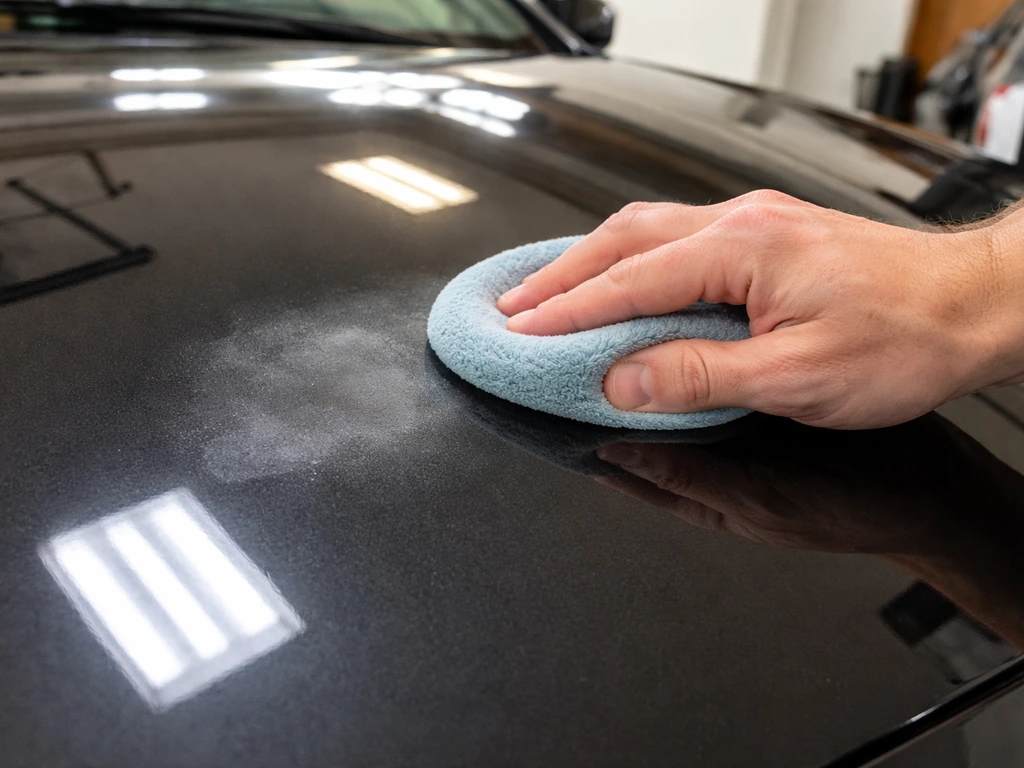
If you notice a dull patch, a cloudy haze, or a faint textured impression where a dropping sat, the coating has likely taken a hit. Before assuming the worst, try a coating-safe polish or light compound on that spot. Because the ceramic layer absorbed the brunt of the damage, the etch is often in the coating itself rather than the clear coat underneath. A machine polisher with a light foam pad and a finishing polish will frequently remove it entirely.
If polishing restores the gloss and clarity, you are done, though that polished area will have thinner coating coverage and may benefit from a spot application of a coating top-up or maintenance spray. Most brands sell spray-on ceramic boosters designed for exactly this situation.
If the etch goes deeper and the dull spot persists after polishing, the damage has reached the clear coat. At that stage you are looking at more aggressive compound work or, in serious cases, a panel respray. This outcome is uncommon on properly maintained coated cars where droppings were simply left too long, but it is not impossible, especially on thinner factory clear coats.
For widespread staining or repeated etching across a large area, a full decontamination wash using a clay bar or iron remover followed by a full repolish and coating reapplication is the proper remediation path. This is a job best left to a detailer if you are not experienced with machine polishing.
Staying safe while you clean up
Bird droppings can carry bacteria, fungi, and occasionally viral pathogens, so basic hygiene during cleanup is worth mentioning. The risk from a quick car surface cleanup is low, but it is not zero, particularly if you are working in an enclosed space or if droppings have accumulated and dried into dust.
- Wear disposable gloves when handling droppings directly, especially in volume
- Avoid touching your face during or after cleanup until you have washed your hands
- If you are cleaning a heavily soiled area and the dried material is creating dust or particles, wearing a simple face mask is a sensible precaution
- Dispose of used microfiber cloths or paper towels in a sealed bag rather than leaving them loose
- Wash your hands thoroughly with soap and water after the job is done
For typical day-to-day bird dropping cleanup on a car, these steps take about 30 extra seconds and cover you adequately. There is no need to treat a single dropping as a hazmat situation, but developing the habit of gloves and handwashing makes sense if you are dealing with it regularly.
The bottom line on ceramic coating and bird droppings
Ceramic coating is genuinely worth having if bird dropping damage is something you worry about. It buys you a meaningful window of time before damage sets in, makes cleanup dramatically easier, and ensures that if damage does occur it is more likely to be in the coating than in the paint underneath. But it is not a pass to ignore droppings indefinitely. On a hot day, a few hours is all it takes to push past what even a quality coating can handle. Clean it fast, use the right products, and the coating will do its job well.
FAQ
If my car has a ceramic coating, is it safe to leave bird droppings on overnight?
Yes, but only if you clean promptly. Ceramic layers slow chemical and bonding effects, however a dropping left for many hours on a hot panel can still etch or leave a haze, even on coated paint.
What’s the wrong way to remove bird droppings from a ceramic-coated car?
You should avoid abrasive “dry wiping.” Dried droppings can act like grit, and wiping first can create micro-scratches that look like etching. First soften with a detail spray or safe APC diluted per the label, then gently remove.
Does temperature change how well ceramic coating protects against bird droppings?
Heat matters more than people expect. On warm and sunny days, reactions and mechanical stress accelerate, so the same dropping that is harmless for a short time can cause a mark if left too long.
Are all bird droppings equally likely to damage ceramic-coated paint?
Not all bird droppings behave the same. Diet, uric acid concentration, and the amount of enzyme residue can vary by bird, which means the “same” cleanup routine may have different results from different droppings.
Can bird droppings stain a ceramic-coated car even if they lift off easily?
Yes, the coating can make removal easier but you can still get a chemical stain or textured impression. If the gloss doesn’t return after gentle cleaning, move to a coating-safe polish rather than assuming it will “wash off.”
What’s a safe step-by-step cleanup routine for bird droppings on ceramic-coated paint?
Start with the least aggressive option: rinse to remove grit, then use a ceramic-safe cleaner or diluted detail spray, microfibre with light pressure, and follow with a rinse. Avoid strong acid or alkaline cleaners unless the product is specifically safe for ceramic coatings.
If I already see a dull spot, can I polish it out on my own?
Often, yes. When etching is mostly in the ceramic layer, a light polish with a finishing polish on a soft pad can restore clarity. However, deeper damage that persists after polishing may require compound work, and worst-case scenarios involve paint correction beyond polishing.
Do I need to top up my ceramic coating after removing a bird dropping and polishing?
If a top booster spray is recommended, apply it after correcting the spot. Polishing can reduce coating thickness locally, so a booster helps re-establish water beading and chemical resistance at that area.
Does repeated exposure to bird droppings degrade ceramic coating faster than normal use?
Make it part of regular maintenance. Frequent exposure under a tree, repeated droppings, or delayed cleanup will build up chemical exposure time, reducing protection faster than normal wear.
Do I need to treat bird droppings as a health hazard when cleaning them off a ceramic-coated car?
No, but don’t ignore hygiene. Bird droppings can carry pathogens, so wear gloves if you’re doing multiple cleanups, avoid spreading dried material, and wash hands after contact. Keep kids and pets away from the area while you clean.
How can I tell whether the damage is shallow enough for a light polish?
Yes. If you notice a cloudy haze, you can usually test with a very light, coating-safe polish on a small hidden area first. If it clears, expand carefully; if it doesn’t, the etch may be deeper and you may need professional correction.