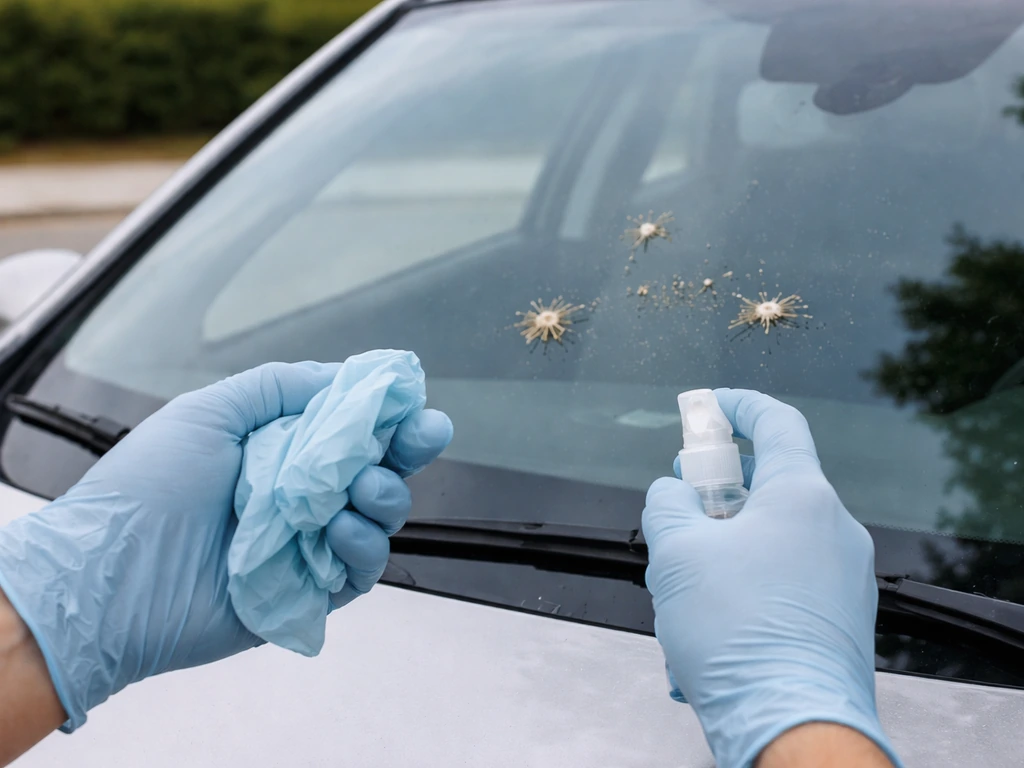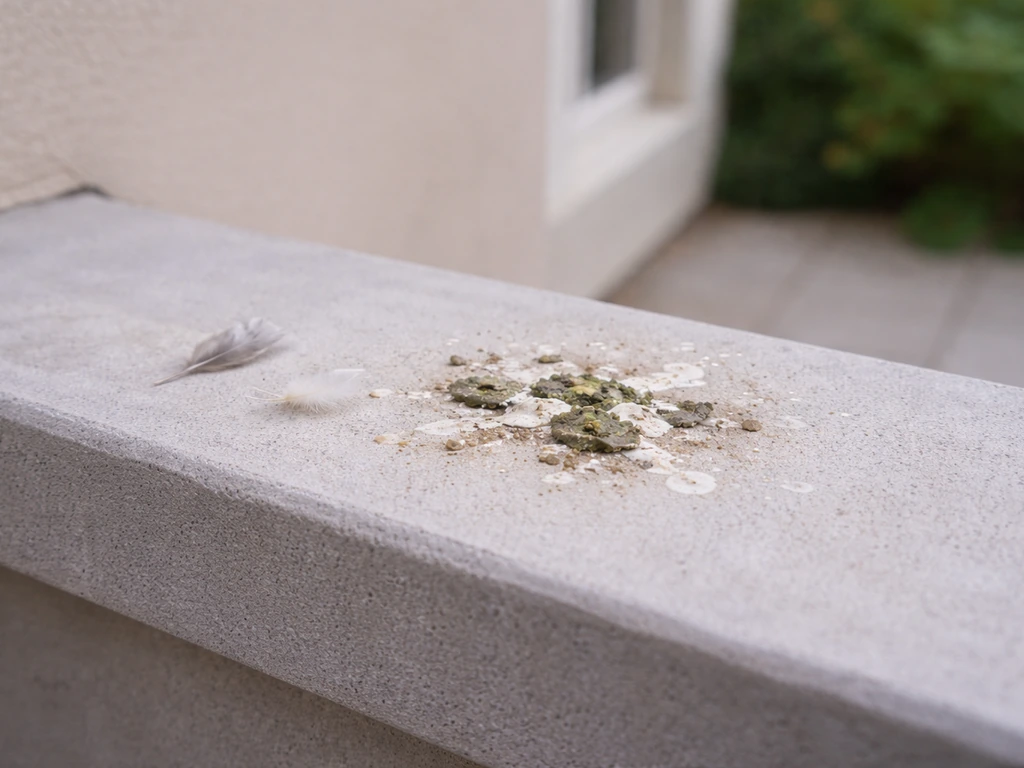
Yes, bird poop can absolutely hurt your car's paint. It is not just a cosmetic annoyance you can wipe off later. The chemistry inside bird droppings makes them genuinely aggressive to automotive clear coat, and if you leave them sitting long enough, you can end up with etched, dulled, or cratered spots that simple washing will not fix. The good news is that the damage is very manageable if you act quickly and clean correctly.
Does Bird Poop Hurt Car Paint? Damage and Cleanup Guide

Marcus Fielding
17 Apr 2026
Can bird poop actually damage car paint?
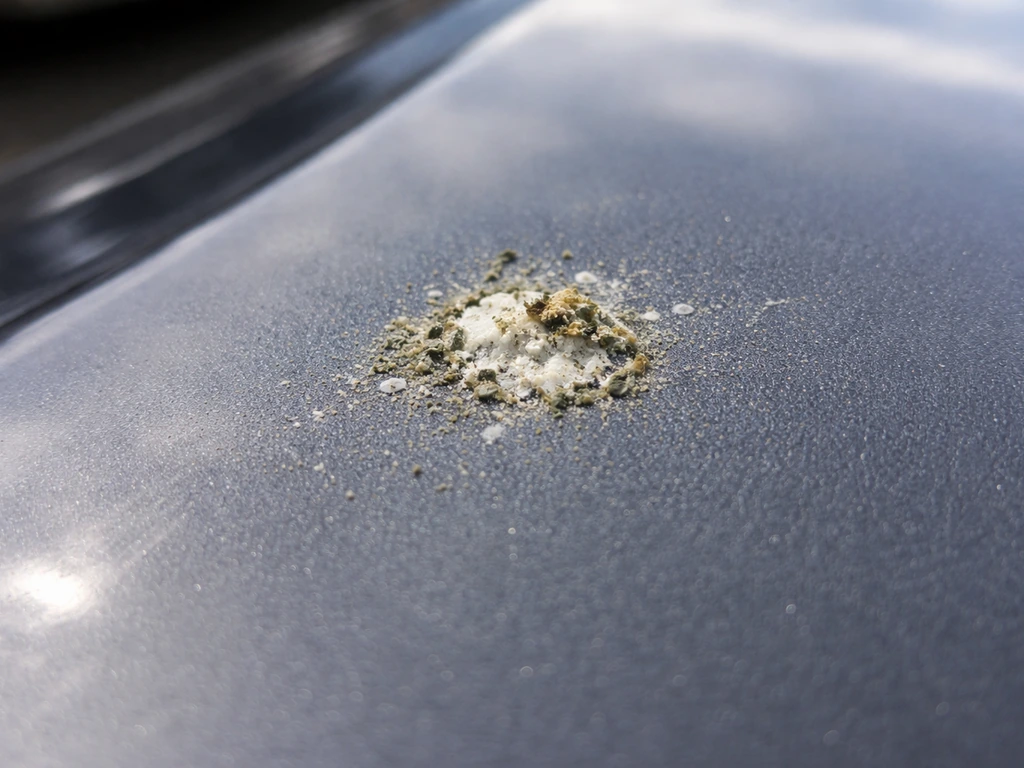
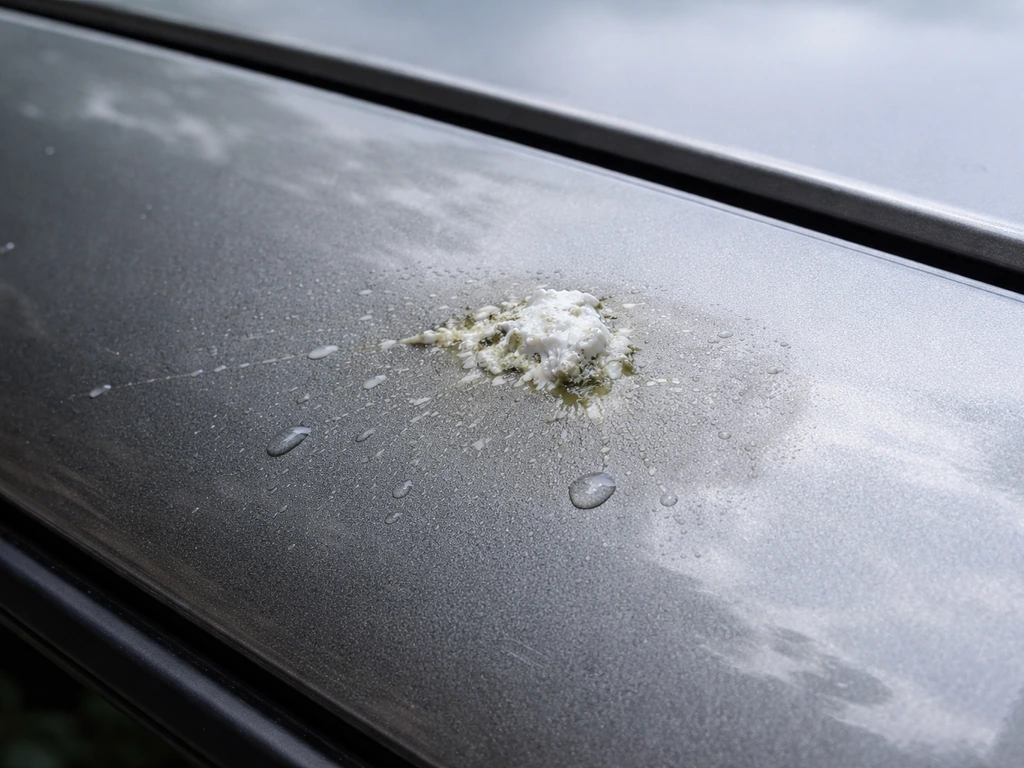
The short answer is yes, but let's be specific about what 'damage' looks like. Bird droppings on a car typically cause one of two things: a topical stain that washes away cleanly, or etching, which is a dull, slightly rough, or cratered mark left behind in the clear coat. Etching is not a stain you can rinse off. It is a chemical change to the surface of the clear coat itself. Light etching looks like a faint dull haze or a watermark-style ring. More severe etching can leave a textured crater you can feel with your fingernail.
Bird poop rarely eats all the way through to the base paint or primer in one sitting. What it attacks first is the clear coat, which is the transparent protective layer sitting on top of your color coat. If the clear coat etches badly enough and goes uncorrected, you lose that protection and the underlying color coat becomes vulnerable. So technically, yes, bird droppings can eventually remove paint, but they do it in stages, starting from the top down.
Why bird droppings are so hard on your finish
The key culprit is uric acid. Birds do not urinate separately the way mammals do. Their kidneys process nitrogen waste into uric acid, which exits the body mixed into their droppings. Uric acid is highly concentrated and sits at a pH of roughly 3 to 4.5, making it significantly acidic. Pour something with that pH onto a polished clear coat and you have a chemical reaction happening on your paint.
On top of the acid, bird droppings often contain grit and small stones that birds swallow deliberately to help grind food in their gizzards. That grit ends up suspended in the dropping, which is why bird poop is doubly dangerous: the acid attacks the clear coat chemically, and the embedded grit can scratch it physically if you are not careful during removal. This is one reason why bird poop is so hard to get off without causing additional damage in the process.
Heat and sunlight speed everything up. When your car sits in the sun, the panel surface can get extremely hot, which causes the clear coat to expand slightly. Some detailing sources describe a process where the softened clear coat essentially molds itself around the shape of the drying dropping, creating a textured imprint even before the acid has fully done its work. This is sometimes called a thermal etch, and it can happen even if the dropping is not extremely acidic.
Fresh vs dried: how quickly does the damage happen?
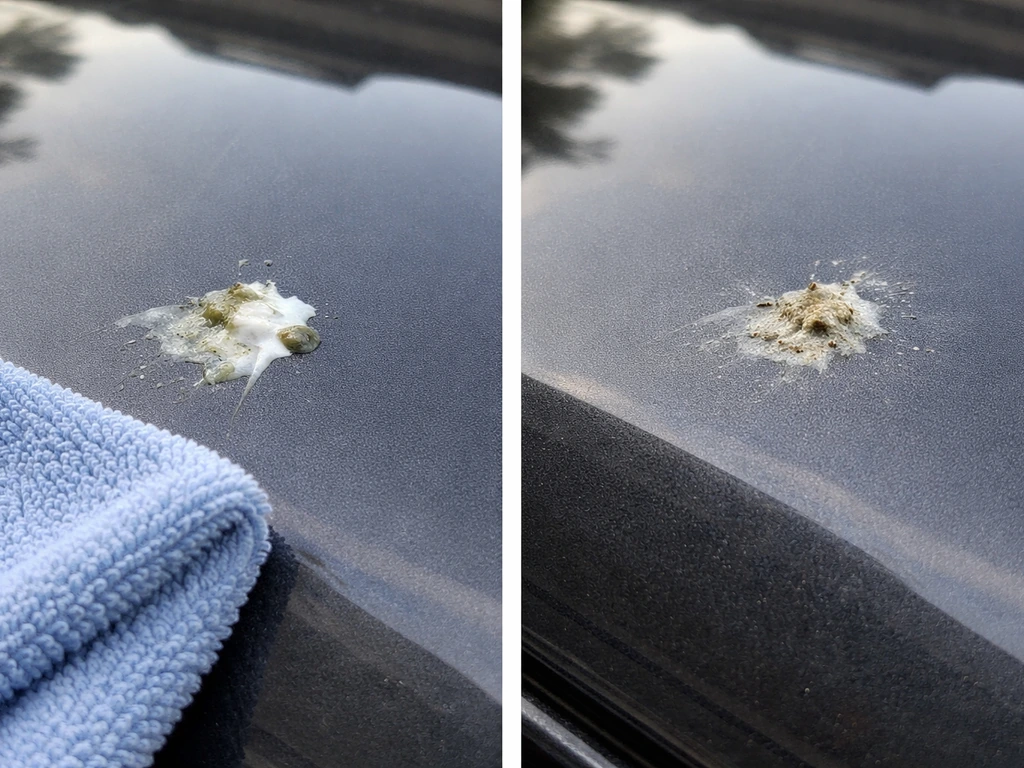
Fresh bird poop is much easier to remove and far less likely to leave permanent marks. The uric acid has not had time to fully react with the clear coat, and the grit is still suspended in a wet, soft medium rather than bonded down like concrete. If you catch it within the first hour or two, a careful clean typically leaves zero trace.
Dried droppings are a different story. Etching can begin within as little as a few hours, especially on a warm or sunny day, and how long it takes for bird poop to damage car paint depends on temperature, sunlight, the specific bird's diet, and how thick the dropping is. Some detailing guidance puts the damage window at 24 to 48 hours as a rough rule of thumb. That is a short window. If you woke up to a fresh splattering and your car has been sitting in the sun all morning, treat it as urgent.
| Situation | Likely Outcome | Urgency |
|---|---|---|
| Fresh, found within 1 to 2 hours | Usually removes clean with no mark | High — clean now |
| Dried, found within 24 hours, car in shade | Possible light stain, low etch risk | Clean today |
| Dried, 24 to 48 hours, car in sun | Probable etching, may need polish | Clean immediately |
| Dried, 48+ hours, hot weather | Likely clear-coat etching, possibly deep | Clean now, assess after |
| Old, baked-on, unknown how long | Etching likely, correction may be needed | Clean carefully, expect polishing |
What to do right now: immediate cleanup
The single most important rule is: do not dry wipe. Dragging a dry cloth across a bird dropping, even a microfiber, drags embedded grit across your clear coat like sandpaper. The first step is always to soften and lubricate the dropping before you touch it with anything.
- Soak the dropping first. Flood the area with plain water, a spray bottle of waterless wash, or a diluted rinseless wash product (products like Optimum No Rinse work well here). Let it dwell for 30 to 60 seconds so the dropping begins to soften.
- Blot, do not wipe. Lay a damp microfiber cloth gently over the soaked area and let it sit for another 30 seconds. Then lift straight up or use very light dabbing pressure. The goal is to lift the material up into the cloth, not drag it across the paint.
- Re-wet and repeat if needed. If residue remains, re-wet and blot again. Multiple gentle passes beat one hard swipe every time.
- Rinse the area thoroughly with clean water once the bulk of the dropping is gone.
- Inspect the spot once dry. Look for any dull haze, ring, or texture change. If the paint looks normal, you are done. If there is a mark, move to the stain and etching correction steps below.
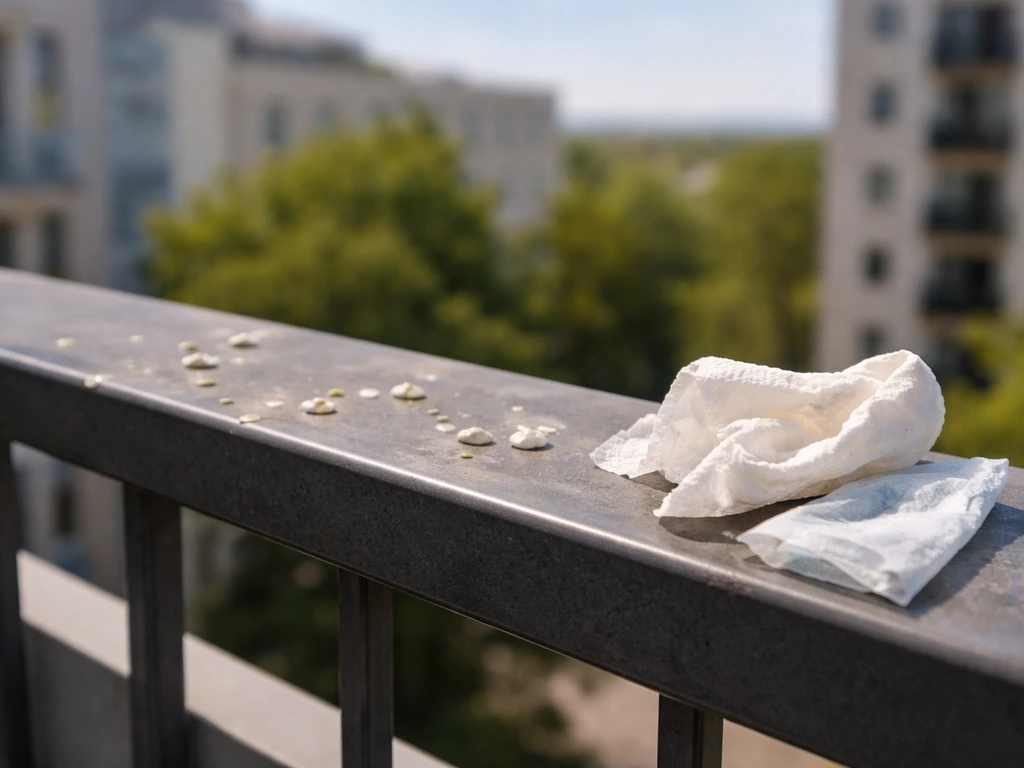
If you are away from home and do not have detailing supplies, even a fast-food napkin dampened with bottled water is better than nothing, as long as you soak first and blot gently. The goal is to stop the acid reaction and remove the grit safely. You can do a proper clean later.
Removing stains and correcting etching
After removing the bulk of the dropping, what you do next depends on what is left behind. This is where you need to assess the actual damage before reaching for anything aggressive.
Light staining with no texture
If the area looks discolored but the surface feels smooth, start with a dedicated car shampoo wash and a clean microfiber mitt. Sometimes residual pigment or water minerals are the only issue, and a proper car wash is enough. Follow up with a quick detailer spray and a clean microfiber for the final wipe.
Bonded residue that won't wash off
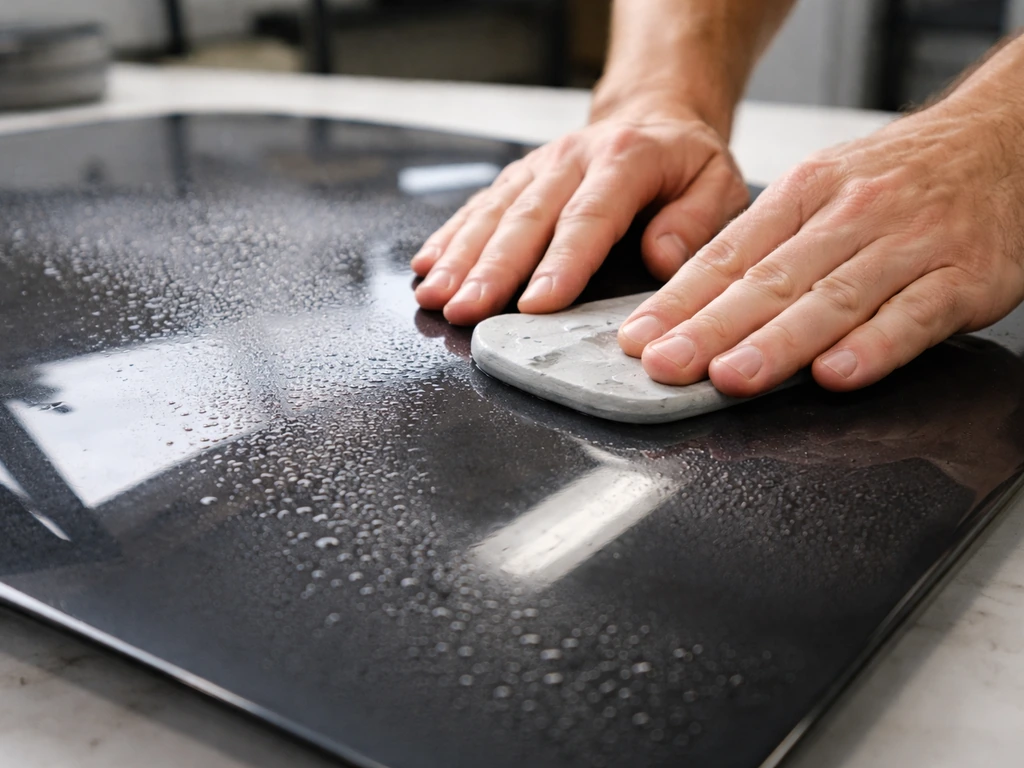
If material is bonded into the surface after washing, a clay bar treatment is the next step. Clay bars mechanically decontaminate the paint surface, lifting bonded contaminants without scratching as long as you use a generous clay lubricant. Work in small sections, fold the clay frequently, and do not let the clay or the surface dry out during the process.
Etching and dull spots
If you can see or feel a dull haze, a ring, or a slight crater after washing and claying, the clear coat has been etched and you need polish or compound. A finishing polish (mild abrasive) works for light etching. More severe etching with noticeable texture requires a cutting compound, which removes a thin layer of clear coat to level down to undamaged material. Work with a dual-action polisher if you have one, or apply by hand in small circular motions with an applicator pad. After polishing, always protect the corrected area with a fresh coat of wax, paint sealant, or a spray ceramic topper, because polishing removes any existing protection.
In rare cases, etching is described as 'fractured,' meaning it has gone too deep for polishing to fully correct without cutting through the clear coat entirely. If the mark is still clearly visible after two rounds of compound, this is the point to take the car to a professional detailer. They can assess whether further wet-sanding or, in the worst case, respray of the panel is needed.
What not to do
- Do not dry wipe. Ever. Bird droppings contain grit that will scratch your clear coat immediately.
- Do not scrub hard, especially on dried droppings. Friction plus grit equals micro-scratches across your finish.
- Do not use household cleaners, glass cleaners, or anything with ammonia or bleach. These can strip wax, attack clear coat, and make the situation worse.
- Do not let it sit. The longer it stays, the deeper the acid reaction goes. Treating it 'later' is a gamble that gets worse with sun and heat.
- Do not use a pressure washer at point-blank range on an already etched or compromised spot, as this can force water under loosened clear coat.
- Do not assume a ceramic coating makes you immune. Coatings help significantly, but droppings can still etch into or through a ceramic layer if left long enough.
It is worth noting that some people wonder whether the frequency of the problem is tied to where they park. If you keep finding your car repeatedly targeted, understanding why there is so much bird poop on your car can help you make smarter parking decisions and reduce how often you are dealing with this.
Staying safe while you clean
Most people clean bird poop off their car with bare hands and think nothing of it, and most of the time that is fine. To reduce risk, the Maine CDC fact sheet recommends washing hands after touching birds or bird droppings and using protective measures such as gloves and masks when handling or cleaning [wash hands after touching birds or bird droppings](https://www1. maine. gov/dhhs/mecdc/sites/maine.
gov. dhhs. mecdc/files/epi/Psittacosis-FS. pdf).
But bird droppings can carry pathogens including psittacosis, histoplasmosis, and various bacteria, so it is worth taking a few basic precautions, especially if you are dealing with a large amount of dried material. The CDC notes that handling birds and related equipment can be associated with infections, including histoplasmosis and psittacosis, and it recommends hygiene like washing your hands after bird contact [bird droppings can carry infections such as histoplasmosis and psittacosis](https://www. cdc. gov/healthy-pets/about/birds.
html).
- Wear disposable gloves. The CDC recommends gloves when handling bird droppings in any context, and it takes two seconds to grab a pair.
- Wet the area before cleaning. Wetting droppings before you disturb them reduces dust and aerosolization, which is how pathogens get inhaled. This is especially important with large amounts of dried, crumbly material.
- Avoid touching your face during cleanup and wash your hands thoroughly afterward, even if you wore gloves.
- If you are dealing with a truly large accumulation (think roosting damage, not a single dropping), consider a disposable mask rated at least N95 to avoid inhaling dust.
- Dispose of used cloths, gloves, and wipes in a sealed bag.
For a single fresh dropping on your car panel, the health risk is low as long as you handle it sensibly. But forming these habits costs nothing and keeps you covered.
Long-term protection: is it worth it?
If bird poop is a recurring problem for you, investing in a protective coating is a smart move. Paint protection film (PPF) is the gold standard, acting as a physical sacrificial barrier that takes the acid hit instead of your clear coat. Ceramic coating and its effectiveness against bird droppings is a more affordable middle ground, adding a slick, chemically resistant layer that buys you more time before etching begins and makes cleanup easier. That said, neither solution is a permanent free pass. Droppings left long enough on a ceramic-coated car can still etch the coating or the clear coat beneath it, and community detailing threads are full of stories from people who discovered that the hard way.
Regular waxing or paint sealant is the minimum baseline. A fresh coat of wax does not stop acid, but it gives the acid something to attack before it reaches your clear coat, and it makes removing droppings noticeably easier. Reapply every three to four months if you park outdoors regularly.
A quick word on the good luck thing
There is a long-standing superstition in many cultures that when a bird poops on your car it is actually a sign of good luck coming your way. If believing that makes the cleanup feel more bearable, absolutely go with it. The chemistry does not care about omens, though. Whether the universe is sending you fortune or not, the uric acid is still working on your clear coat, so treat the superstition as emotional first aid and the cleanup steps above as the real response.
FAQ
If I rinse bird poop off right away, can it still hurt my car paint?
Yes, but the result depends on how it is used. If you rinse first and then wash with a proper car shampoo, it is usually fine for a fresh, small spot. Avoid scrubbing with a dry rag or paper towel, even “quickly,” because the grit can be dragged into the clear coat. If the spot feels rough or leaves a dull haze after rinsing, treat it as potential etching and move to decontamination or polishing.
What should I use to neutralize bird poop on paint?
Do not use household ammonia, bleach, drain cleaner, or acidic cleaners to “neutralize” bird droppings. Mixing cleaners can create new residues, and some products can damage wax, sealants, or certain coatings. The safest approach is water to soak and loosen, then a dedicated car shampoo wash (and if needed, clay or polish). Wear gloves and consider eye protection if you are dealing with heavy splatter.
Can a pressure washer remove bird poop without damaging the clear coat?
It can, especially if the droppings are still wet enough to smear and contain grit. A pressure washer can dislodge the bulk, but if you blast too close or at an angle, you can drive grit into the clear coat and increase marring. Use a wider fan spray, keep distance, and never try to “scrub” with the nozzle. After blasting, follow with a gentle wash to remove any loosened residue.
Should I clay bar or polish right away after removing bird droppings?
After bird poop, hand-washing first is fine, but skip any abrasive “scratch remover” or all-in-one rubbing compound until you confirm what is left behind. If the surface is smooth and only discolored, a shampoo and clean microfiber may be enough. If you feel texture or see a haze or ring, you likely need polishing or compound to level etching, not just a stronger soap.
Does waxing the car prevent bird poop from etching the clear coat?
Not reliably. Wax can make cleanup easier, but it still does not eliminate the acid reaction. If the droppings sit long enough, the acid can etch through the wax layer and affect the clear coat underneath. The difference is usually timing and the ease of removal, so treat delayed cleanup as still risky even on waxed cars.
How do I tell if it is still a stain or if the clear coat is actually etched?
Yes, that can happen. If the spot is still visibly textured or the mark remains after washing and claying, the clear coat may be etched. In that case, rubbing with a compound by hand or machine may be needed, but you should stop after limited attempts (for example, two correction rounds) and reassess. If you get no improvement while increasing haze, the damage may be too deep for polishing to fully correct.
Does bird poop hurt the car’s glass or only the paint?
Avoid windshield wipers or window cleaners as a first response. Bird droppings on glass are different from paint, and the same grit that scratches paint can scratch glass if you wipe dry. Soak the mess off with water, blot gently, then use an appropriate glass cleaner. On paint adjacent areas, protect them and do not drag the droppings across the surface while cleaning glass.
Why do I sometimes see more scratches after cleaning bird poop?
Use a dedicated microfiber and keep it separate from other paint. One practical rule is: rinse the affected area thoroughly before touching it with any cloth, and if you see any embedded grit, do not press the microfiber down. If a piece of grit gets caught in the cloth, it can re-scratch the area. After removal, do a normal wash and inspect under bright light.
Will ceramic coating or PPF stop bird droppings from damaging paint?
If the car is parked outdoors and the droppings keep returning, adding a sacrificial barrier helps. Paint protection film (PPF) is the most protective because it is designed to take abrasion and chemical exposure, but it requires proper installation and coverage. A ceramic coating can buy time by making removal easier and adding resistance, yet it can still be etched if droppings are left for long enough. Neither is a permanent shield, so cleanup timing still matters.
Is it dangerous to clean old, dried bird droppings?
For large amounts, treat it like a hygiene task. Wear disposable gloves, avoid splashing, and bag or contain rags and towels after use. If you remove heavy dried material, consider a mask to reduce dust from grit. For anyone with respiratory sensitivities or immunocompromised status, be extra cautious, wash hands thoroughly, and avoid leaning over the mess during cleanup.