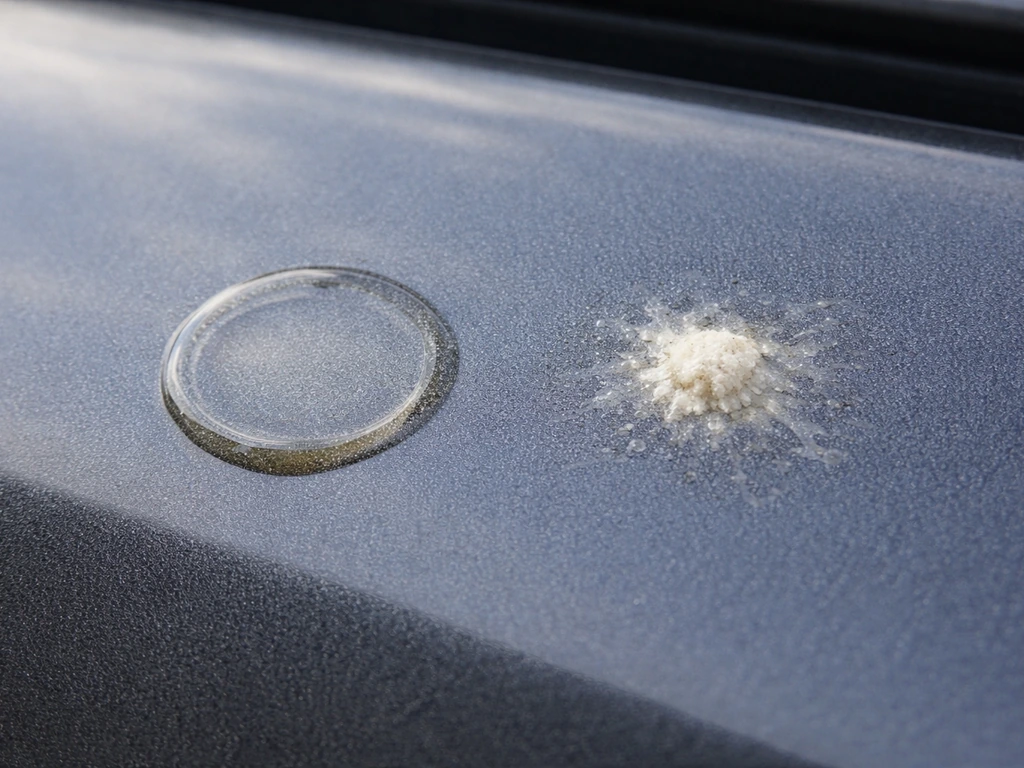
Yes, bird pee is white, but not in the way you might expect. Birds don't produce liquid urine the way mammals do. Instead, they excrete nitrogenous waste as uric acid, which comes out as a white, paste-like or chalky substance. That white stuff you see in bird droppings is essentially their version of urine, just in solid form. So when people ask whether bird pee is white, the answer is yes, and the reason is fascinating biology rather than some quirk of diet or hydration.
Is Bird Pee White? Why It Happens and How to Clean Safely

Marcus Fielding
29 Apr 2026
What that white stuff actually is
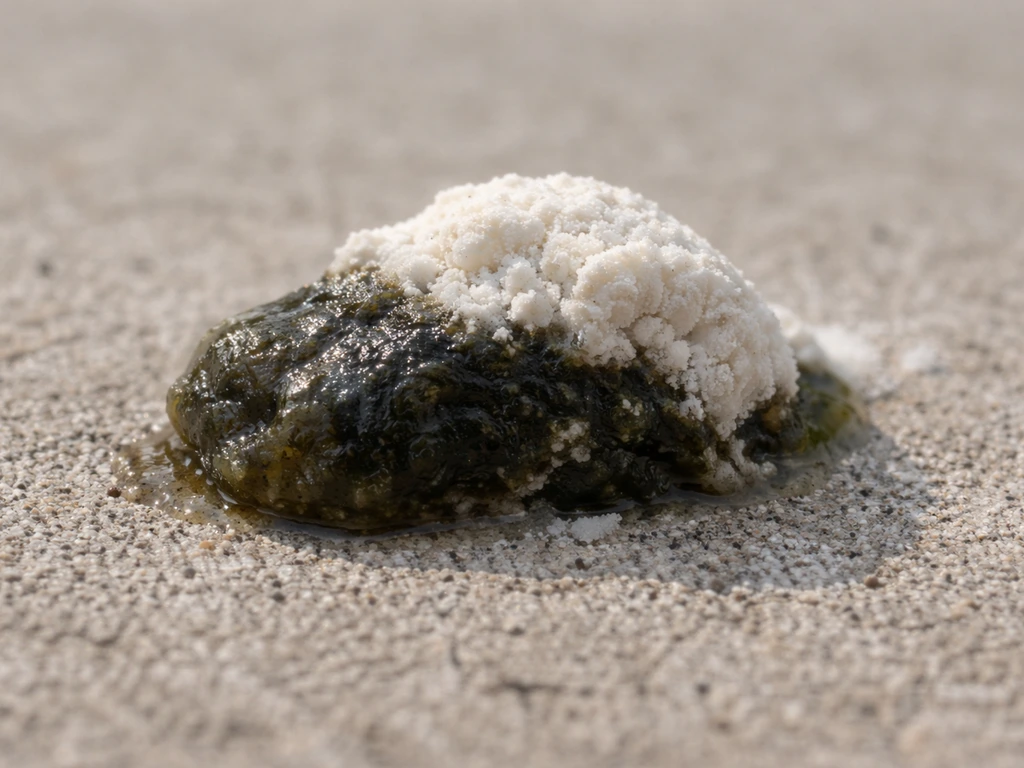
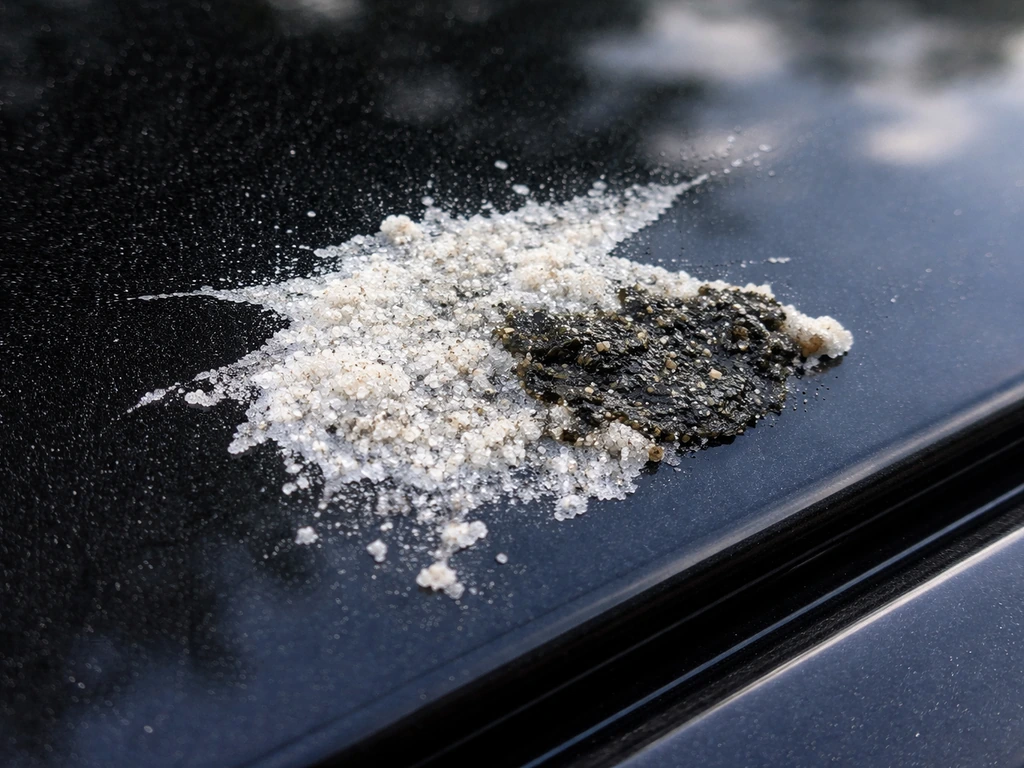
What you're looking at is urates, which are uric acid derivatives. Birds evolved to excrete nitrogen this way because liquid urine is heavy and expensive to carry around, especially if you're flying. According to the Natural History Museum, the thick, paste-like excretion reduces the need to carry a large volume of liquid waste, which is a genuinely clever adaptation. Audubon puts it plainly: birds simply don't produce urine in the mammalian sense. Instead, nitrogenous waste exits as a white paste, mixed in with the darker fecal matter you see in the rest of the dropping. The Merck Veterinary Manual describes the urate component as white, semisolid, and gritty, which matches exactly what you see on your car hood or patio furniture.
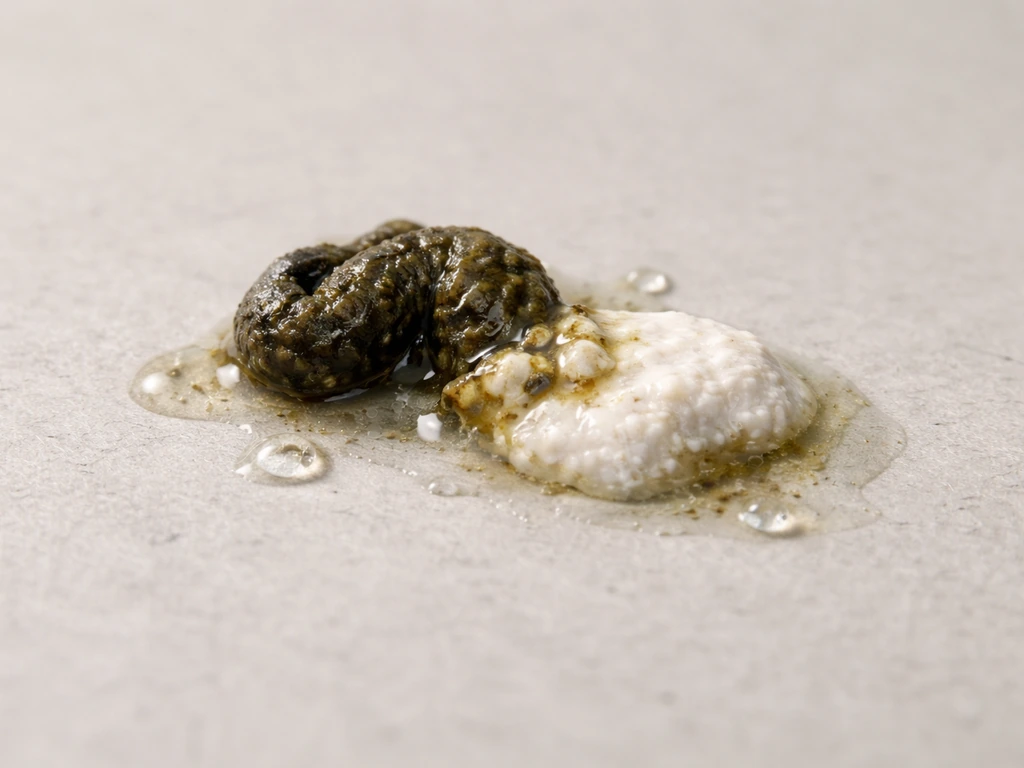
In a healthy pigeon, for example, the dropping typically has three visible parts: a dark greenish-brown fecal core, a white urate cap, and a small amount of clear liquid (actual water). The white cap is composed of uric acid crystals. Some uric acid also dissolves into the clear liquid portion, which gets absorbed into the fecal mass. So the whole dropping is basically urine and feces combined, exiting at the same time through a single opening called the cloaca.
Why the white part looks the way it does: uric acid, concentration, and dehydration
Uric acid doesn't dissolve well in water, so when birds process nitrogenous waste, it crystallizes rather than staying in solution. That's what creates the chalky, white, gritty texture. When a bird is well-hydrated, the white urate portion tends to be softer and more paste-like. When a bird is dehydrated, the urates become drier, more concentrated, and crumblier. You might notice this if you have a pet bird and their droppings start looking more intensely white or chalky than usual. That can be a sign they aren't drinking enough water.
Concentration matters too. In birds with kidney problems, uric acid can actually crystallize inside the body rather than exiting cleanly. Merck describes this as gout, where uric acid deposits collect in tissues when the kidneys aren't properly removing waste. So while white droppings are completely normal, extremely chalky or voluminous white output in a pet bird can occasionally signal something worth a vet visit.
What makes some droppings look more white than others
The amount and intensity of white in bird droppings varies quite a bit depending on several factors. Species plays a big role: larger birds like pigeons, gulls, and raptors tend to produce more noticeable white urate masses than small songbirds. Diet matters too. Birds eating high-protein diets (lots of insects or meat) produce more nitrogenous waste, which means more uric acid and a more prominent white component. Seed-heavy diets tend to produce less dramatic white output.
- Species size: larger birds generally produce more visible white urate material
- Protein intake: high-protein diets (insects, fish, meat) increase uric acid production and white output
- Hydration: dehydrated birds produce drier, chalkier, more concentrated urates
- Age: young birds and chicks may have slightly different dropping composition as their kidneys develop
- Health: kidney disease or gout can cause abnormal urate amounts in pet birds
If you're curious about what bird pee looks like in more detail, or whether there's a clear liquid component involved, those are worth exploring as separate questions. So if the question is specifically whether bird pee is clear, the quick answer is that some clear liquid can be part of the droppings, depending on hydration and how it looks when it dries whether there's a clear liquid component involved. If you want the quick answer, bird pee is usually the chalky white urate portion, not clear liquid what bird pee looks like. The color and consistency of the full dropping, including whether any part appears clear, can tell you quite a bit about what's going on with a bird's health.
Is white bird pee actually harmful?
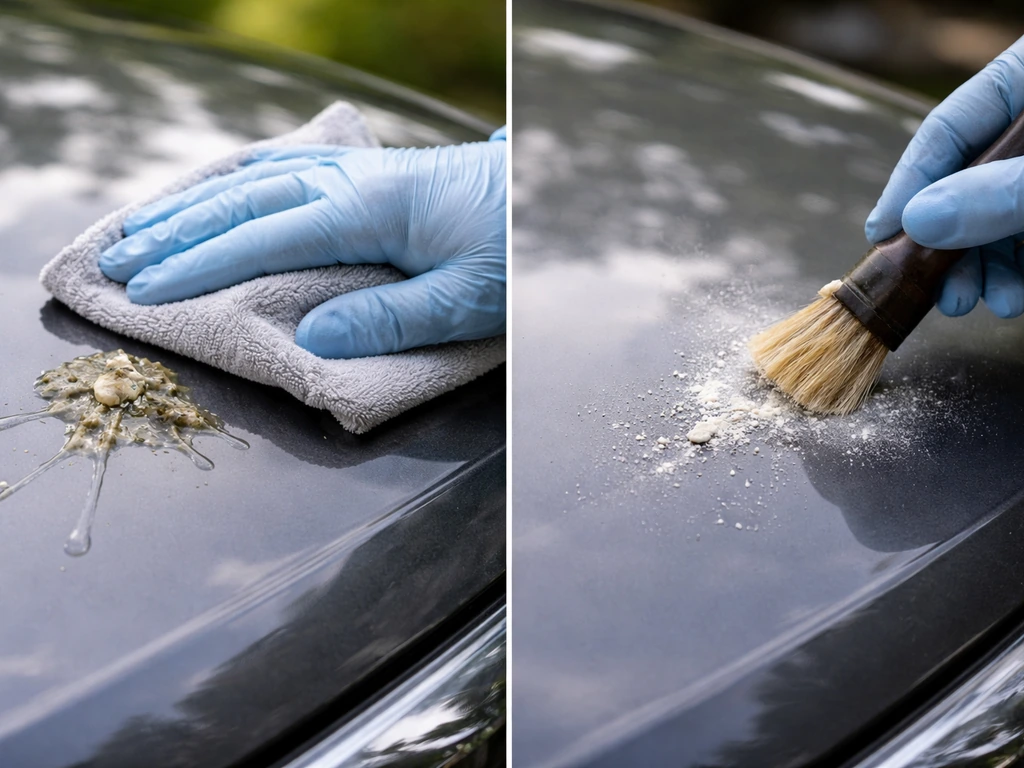
The white urate material on its own isn't chemically toxic to humans in normal outdoor exposure scenarios. You're not going to be poisoned by touching a bird dropping on your car. That said, bird droppings as a whole carry real health risks that shouldn't be brushed off, and the white urate portion is mixed in with fecal matter that can carry pathogens.
The main concern is respiratory. Dried bird droppings, including the chalky white urate crystals, can become airborne when disturbed. CDC/NIOSH notes that disturbing bird or bat droppings can increase histoplasmosis risk and recommends preventing buildup while reducing dust generation and aerosolization during cleanup. Inhaling dust from dried droppings is associated with diseases like histoplasmosis (a fungal infection from Histoplasma capsulatum spores), cryptococcosis, and psittacosis (from Chlamydia psittaci, particularly from parrot-family birds and pigeons). These risks are most serious when you're dealing with large accumulations, like cleaning out a barn, an attic, or a heavily soiled vehicle. Casual contact with a fresh dropping on the sidewalk is a much lower-risk scenario.
A few situations call for extra caution: if you have a compromised immune system, if droppings land on food preparation surfaces or in water, if your pet dog or cat is sniffing or eating dried droppings (which pets love to do, unfortunately), or if you get splashed near your eyes or mouth. Children playing in areas with heavy bird activity also face a higher exposure risk simply because of hand-to-mouth behavior.
How to tell what you're actually looking at
Not every white spot on your car or deck is bird urate. Here's a practical way to distinguish bird dropping residue from other white marks.
| Substance | Appearance | Texture | Smell | Location clues |
|---|---|---|---|---|
| Bird urates (white cap) | Chalky white, often circular or splattered | Gritty, semisolid when fresh; crumbly when dry | Mild, slightly ammonia-like | Often on cars, benches, ledges near roosting spots |
| Full bird dropping | White cap with dark brown/green center | Mixed: soft center, chalky white edge | More noticeable fecal odor | Same as above; darker center is the key tell |
| Dried tree sap | Yellowish-white, sticky residue | Tacky even when dry | Sweet or piney | Directly under trees, usually in droplet patterns |
| Calcium/mineral deposits | White streaks or rings | Smooth, hard | No odor | Near gutters, water runoff, drains |
| Mold or lichen | White to gray patches | Powdery or encrusted | Musty | On stationary outdoor surfaces, grows over time |
If you see a white-centered spot with a darker ring or center, it's almost certainly a bird dropping with the urate cap and fecal core both present. A pure white spot with no darker material and a gritty texture is likely just the urate portion, possibly because the fecal part washed away or the bird was eating a low-fiber diet. Either way, treat it as potentially contaminated and don't touch it with bare hands.
How to clean it up safely right now
The single most important rule: don't dry-scrub or scrape dried bird droppings without wetting them first. Dry scraping aerosolizes the material, and that's exactly how you inhale fungal spores or bacterial particles. Wet it down first, always.
For your car
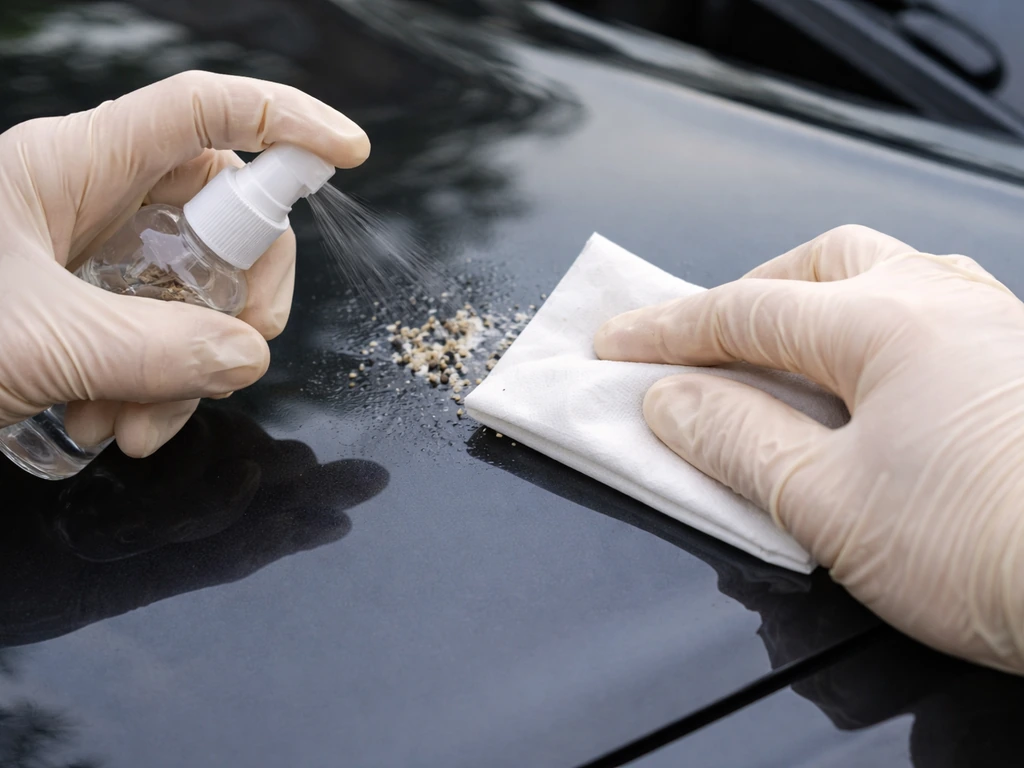
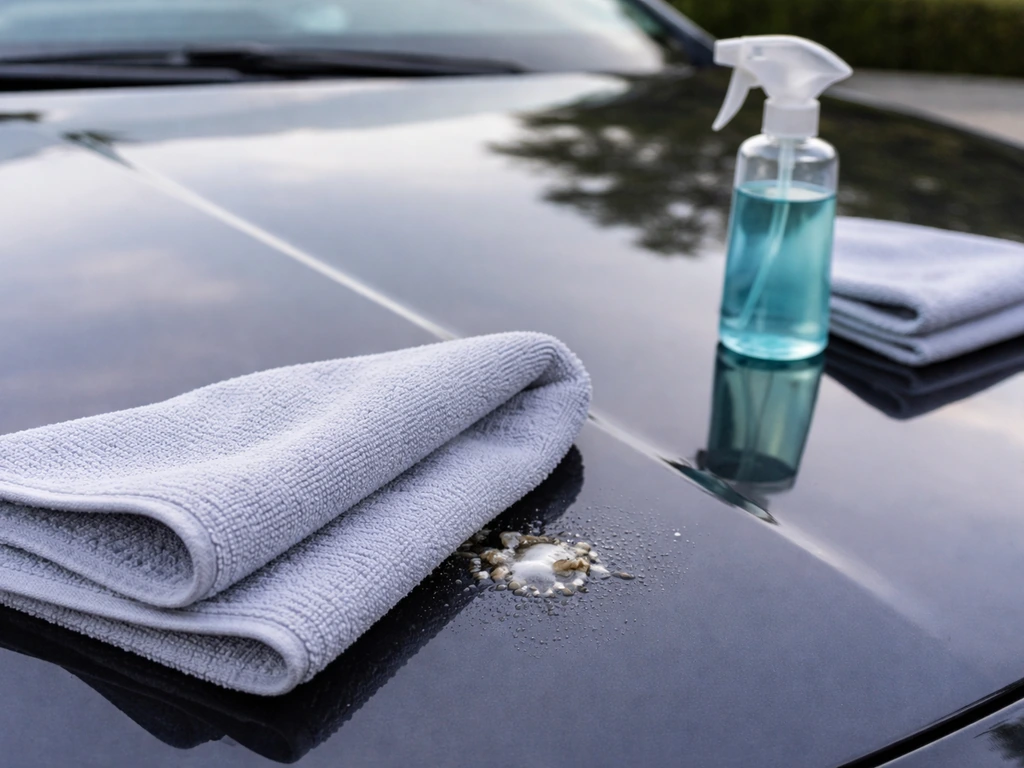
Bird droppings are mildly acidic, and uric acid is particularly harsh on car paint. The longer it sits, the more it etches into the clear coat, especially in warm weather. Act within a few hours if you can. Soak the dropping with a wet cloth, a spray bottle of water, or a dedicated car detailing spray for 30 to 60 seconds. Then gently wipe away with a microfiber cloth, no scrubbing. Rinse with clean water and dry. For older, dried-on spots, a product like Meguiar's Quick Detailer or a diluted solution of car wash soap works well to loosen the material before wiping. Avoid harsh household cleaners like bleach or ammonia on paint, as these can strip wax and damage the finish.
For patios, furniture, and outdoor surfaces
Put on disposable gloves before you start. Wet the droppings thoroughly with water or a diluted disinfectant spray. Let it soak for a minute, then wipe with paper towels or disposable cloths rather than your good cleaning rags. For porous surfaces like concrete or wood, a scrub brush and a diluted bleach solution (about 1 part bleach to 9 parts water) is effective. Rinse thoroughly afterward. Bag and discard the paper towels immediately.
For large accumulations (attics, sheds, heavy roosting areas)
This is where real respiratory precautions matter. Wear an N95 respirator (not just a dust mask), gloves, and eye protection. Wet the area down thoroughly before any disturbance. If the accumulation is significant, for example several inches deep or spread across a large area, consider hiring a professional wildlife remediation service. This isn't overcaution; deep dried droppings from pigeons or starlings are a genuine histoplasmosis risk in enclosed spaces.
How to stop birds from targeting your car and home
Prevention is honestly easier than cleanup, and there are a handful of reliably effective strategies.
- Park away from trees, power lines, and ledges where birds roost, especially at dawn and dusk when they're most active
- Use a car cover if you regularly park in a high-bird area, this is the most complete protection available
- Install bird spikes, wire, or anti-perch gel on ledges, gutters, and windowsills around your home to eliminate roosting spots
- Use reflective deterrents like mirror tape, old CDs, or commercial flash tape near gardens and patios to discourage landing
- Try an ultrasonic bird deterrent device in enclosed areas like garages or balconies, results vary but some people find them effective
- Remove food sources: don't leave pet food outdoors, cover compost bins, and bring in bird feeders if you want to reduce traffic near a specific area
- Trim back overhanging branches above driveways and parking areas
No method works perfectly for every species or situation. Pigeons and starlings are notably persistent, and if a roost is established, you may need to combine two or three deterrent methods. The goal is to make a spot uncomfortable enough that birds choose elsewhere, not necessarily to eliminate birds from your property entirely.
A quick note on the good luck thing
You've probably heard the saying that getting hit by bird poop is good luck. It's a genuinely widespread belief across many cultures, and honestly, it's a charming way to cope with an annoying situation. Whether you buy into it is entirely your call. What I'd say is: feel free to enjoy the superstition, but still clean it up promptly. Luck or not, uric acid doesn't care about folklore, and your car's clear coat definitely doesn't.
FAQ
Is bird pee white because the bird is dehydrated?
Dehydration can make the white urate portion look drier and more chalky, but the white color is normal in healthy birds because uric acid is excreted as urates. The more reliable sign is texture and volume, if it becomes unusually thick, crusty, or frequent alongside reduced droppings or lethargy, consider a vet check for a pet bird.
Does white bird droppings mean the bird has kidney disease or gout?
No. A white urate cap is common, and intensity varies by species, diet, and hydration. Kidney problems are more likely when you see persistent, extreme changes (very large white output, reduced or absent dark fecal portion, straining, or swelling). For pet birds, schedule a vet visit if the change lasts more than a day or two or comes with symptoms.
What if the dropping is completely white or almost all white?
That can happen if most of the darker fecal part washed away, if the bird’s diet is low fiber, or if hydration is different. Still treat it as contaminated, and look for other signs on nearby surfaces (fresh dark cores, repeated spots). If it’s on a pet cage, monitor frequency and consistency closely and contact a vet if it persists.
Is the clear liquid part of droppings ever urine?
In birds, the droppings typically include a clear water component plus the white urate crystals mixed with fecal material, all leaving together through the cloaca. So the clear liquid can be present, but it’s not “separate liquid urine” like mammals; it’s part of the mixed excretion.
Can I tell if a white mark on my car is bird residue just by color?
Color helps, but texture and pattern are more useful. Bird residue often leaves a gritty feel and may show a darker center or ring when fully intact. If the mark feels smooth and comes off easily like paint transfer, it may be something else. When in doubt, assume it’s contaminated and avoid dry scraping.
Is it safe to pressure-wash dried bird droppings?
Not usually. High pressure can atomize residue, increasing what you breathe in. Better approach is to thoroughly wet it first, let it soak, then wipe or use gentle rinsing. If you must use a sprayer, keep pressure low and wear an N95 and eye protection.
How long should I wait after wetting before wiping?
A short soak of about a minute is a good baseline. For older, baked-on spots, extend wetting and use a loosening step, like a diluted car wash solution, before wiping. The goal is to soften urates without scrubbing or disturbing dry crusts.
Can I use bleach on outdoor surfaces?
Bleach can work on porous surfaces when diluted properly, but it can damage finishes and can be unsafe to mix or apply incorrectly. Also, bleach does not replace wetting and respiratory protection. If you have painted surfaces, sealants, or car clear coat, stick to car-safe cleaners or car wash soap products rather than household bleach.
What should I do if droppings get in my eyes or mouth?
Rinse immediately with clean running water. For eyes, flush continuously for several minutes and remove contact lenses if applicable. Then monitor for irritation and seek medical advice if symptoms persist. If the splash was heavy or from enclosed, heavily soiled areas, it’s worth calling a clinician sooner.
Is it safe for pets to lick areas where birds have landed?
Generally no. Pets can pick up droppings residue, and dogs especially can end up sniffing or eating dried crust. Clean promptly using gloves and wipe up thoroughly, then keep pets away until the area is fully cleaned and dry.