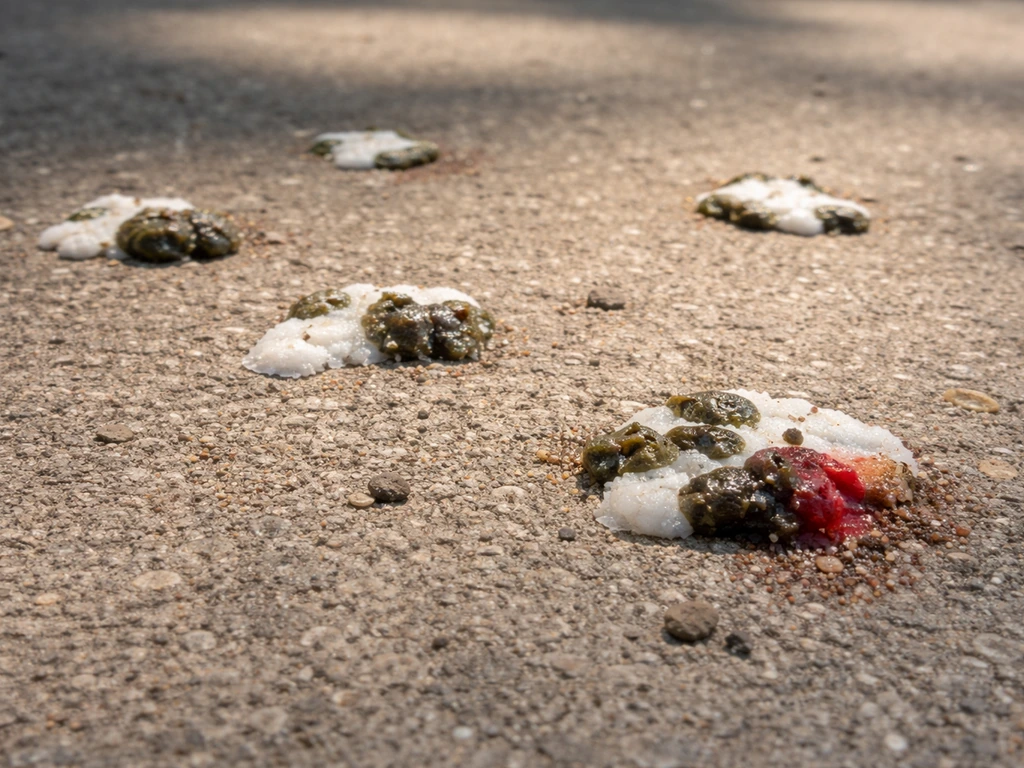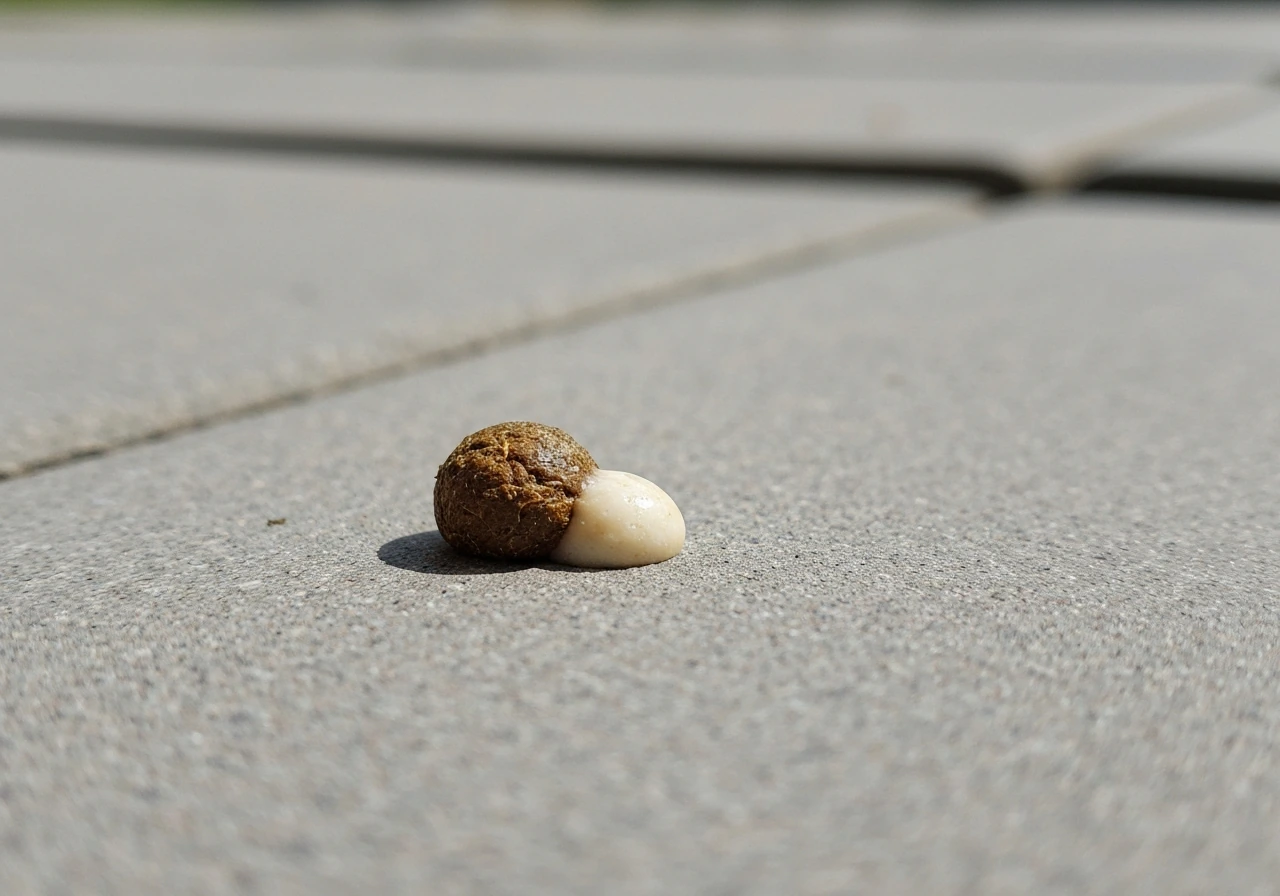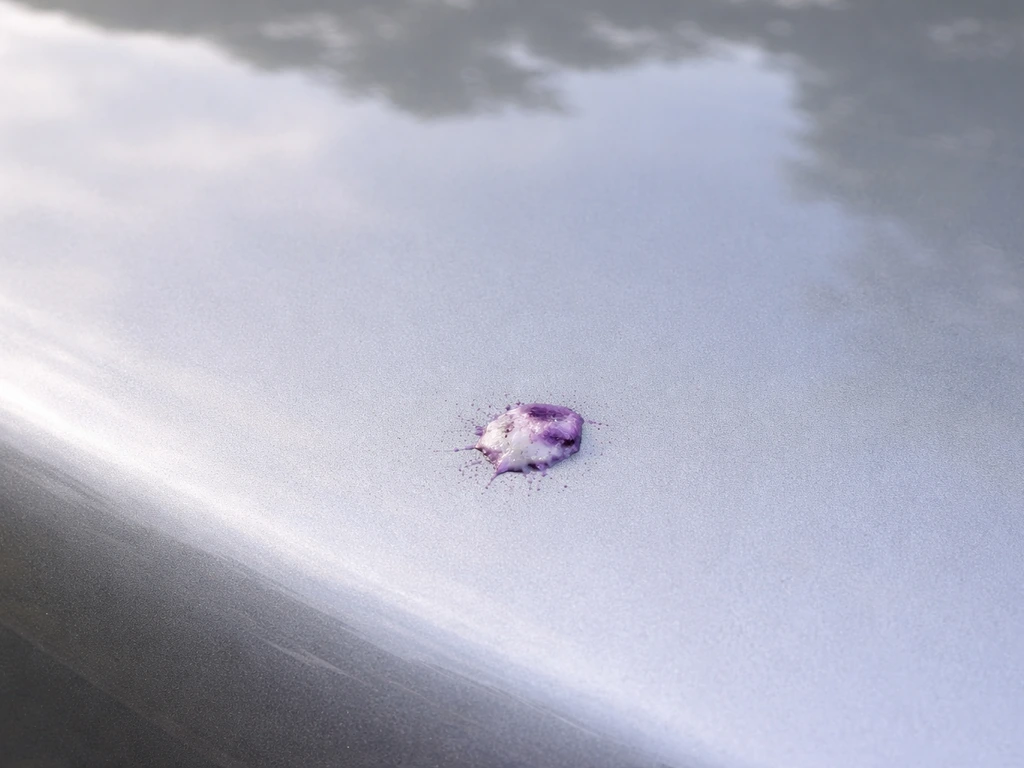
Yes, bird poop can absolutely look clear or nearly transparent, and it's more common than most people realize. What you're most likely seeing isn't the fecal part of the dropping at all. It's the liquid urine component, which is genuinely clear and watery, and it pools around or beneath the white chalky urate portion and darker fecal matter. So technically, clear liquid is a normal part of every bird dropping. Whether what you spotted qualifies as "clear droppings" depends on what's actually there.
Can Bird Poop Be Clear? What It Means and What to Do

Marcus Fielding
3 May 2026
What "clear" usually is in a bird dropping
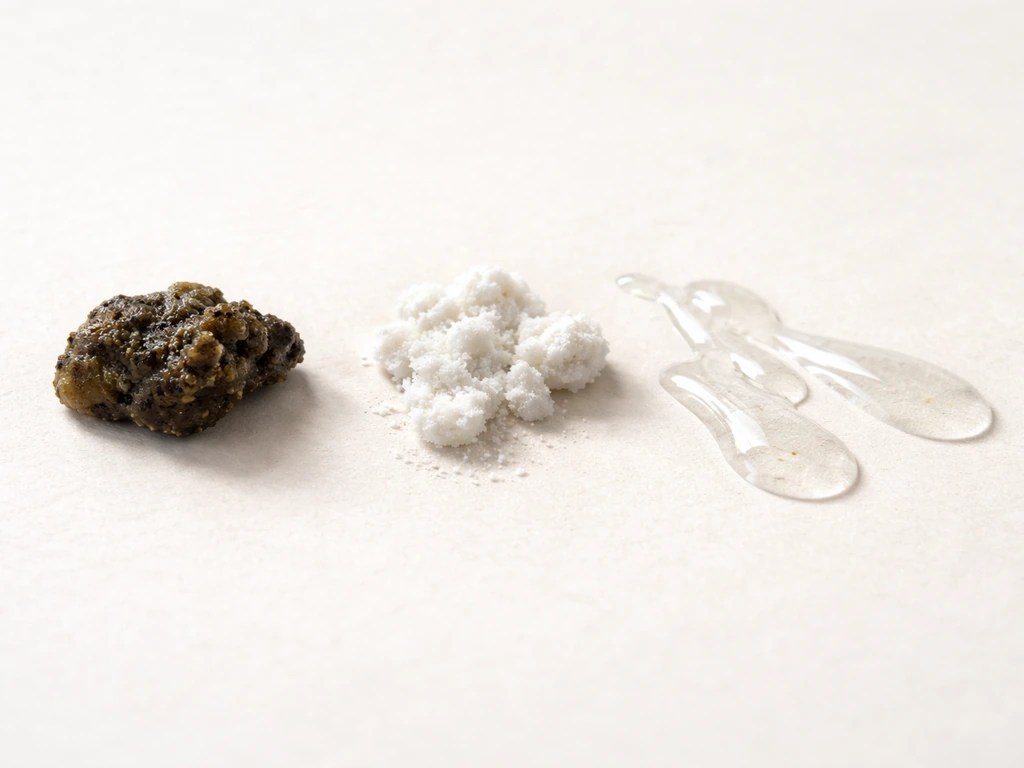
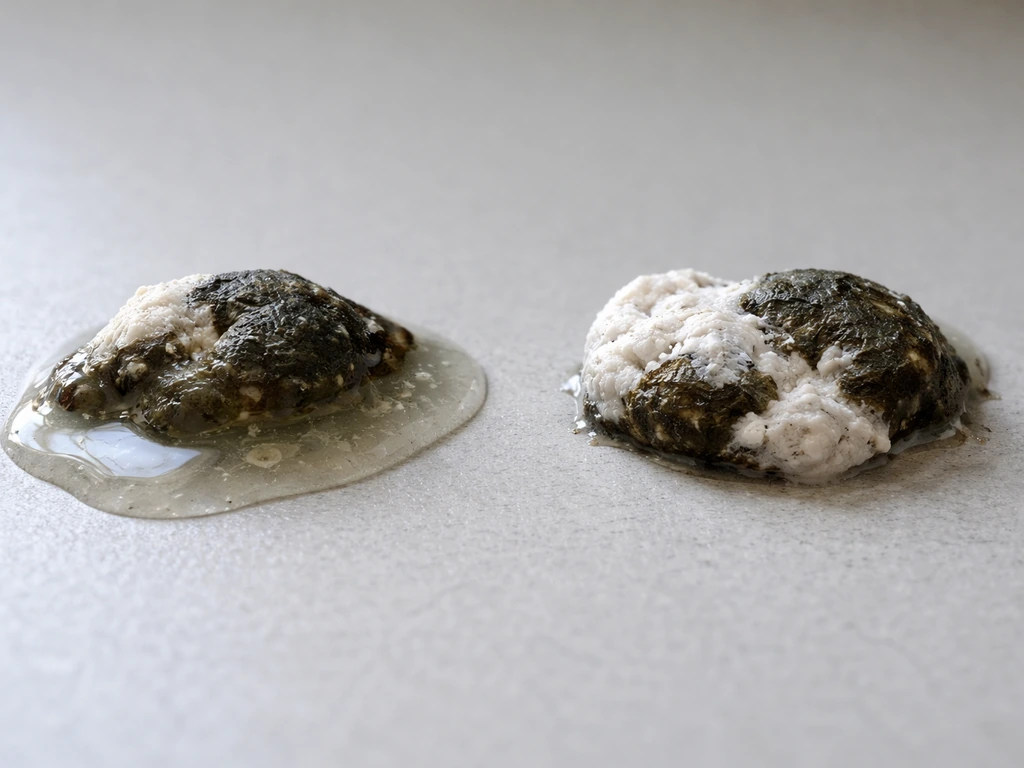
A normal bird dropping is made of three distinct parts, all expelled together through the cloaca. There's the fecal portion (the dark or greenish solid bit), the urates (that chalky white or off-white paste, made from uric acid crystals), and the urine component, which is the clear, watery liquid. That last part is why fresh droppings often look wet, spread out on surfaces, or seem almost invisible until the rest dries. When a bird is very well hydrated, the urine portion can be abundant enough that it runs several inches away from the rest of the dropping, leaving what looks like a clear watery smear with nothing else nearby.
What people describe as "clear bird poop" is almost always one of two things: either a heavy urine component from a well-hydrated bird, or a mucus-like clear discharge that can occasionally occur with illness. The normal version dries and disappears quickly, which is why you sometimes only find the white urate residue after the fact. The abnormal version tends to be more viscous, may appear alongside other signs of illness in the bird, and can persist on surfaces differently.
What clear or transparent droppings can mean
Most of the time, a lot of clear liquid in a dropping just means the bird drank well recently. Diet plays a huge role too. Birds eating high-moisture foods like fresh fruit will produce much wetter droppings overall. Stress can also increase the watery component, which is why birds at feeders or in unfamiliar environments sometimes leave unusually wet spots.
When clear discharge in a dropping is genuinely abnormal, it's usually associated with the bird being unwell. Signs to watch for if you keep pet birds include an increase in the overall wetness of droppings without a dietary change, droppings that are almost entirely liquid with little or no solid fecal matter, or a mucoid (slimy, stringy) texture rather than just watery. Merck's veterinary manual notes that changes in droppings including diarrhea can accompany a range of digestive problems in birds, and a vet is the right person to figure out whether what you're seeing is normal variation or something more serious. If it's a wild bird leaving droppings on your patio, you won't get that data, but it doesn't change your cleanup approach.
To put it plainly: clear liquid alongside white and dark matter is normal bird poop doing its thing. Mostly or entirely clear droppings with no other components, especially if they look mucus-like, lean toward abnormal. Either way, the health risk framework for dealing with it stays the same.
Is it actually bird droppings, or something else?
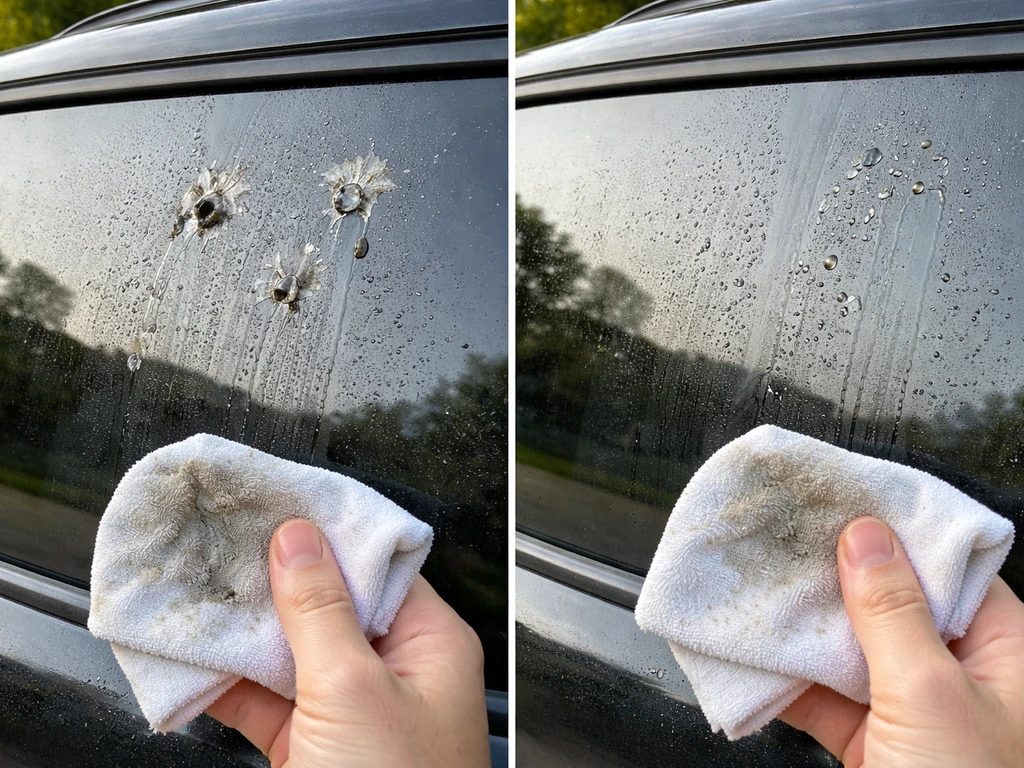
Clear spots on cars, windows, and patio furniture get misidentified constantly. Before you assume it's bird poop, it's worth a quick check. Morning condensation, water from AC drip lines, and leaf drip (from plants releasing water or honeydew secreted by aphids and scale insects) all leave clear wet spots that can look like dilute droppings. Snail and slug trails are clear to silvery and leave a distinctive dried film. Spider webs covered in dew can pool into clear droplets. And yes, some insects leave clear or translucent excrement that ends up on car paint and windows.
The tell with bird droppings, even very watery ones, is that there's almost always at least a trace of white urate residue once the liquid evaporates. Pure, dried-clear-with-no-residue is more likely to be condensation, insect honeydew, or sap. If you find the spot while it's still wet and there's genuinely no white or dark component anywhere nearby, it's probably not bird poop. If there's any chalky white ring or speck, it almost certainly is.
Health risks: does "clear" change anything?
Honest answer: not really. The appearance of bird droppings, whether white, dark, greenish, watery, or clear, doesn't reliably tell you whether they carry pathogens. Color, including red, does not reliably indicate whether bird droppings carry pathogens, so focus on safe cleanup and hygiene instead red bird droppings. The genuine health risks from bird droppings come from a few specific routes, and none of them depend on the color or clarity you see.
The big three worth knowing about are histoplasmosis, psittacosis, and Salmonella. Histoplasmosis is a fungal infection caused by breathing in Histoplasma spores that grow in soil enriched by bird and bat droppings. The CDC is clear that fresh droppings on sidewalks and windowsills are low risk compared to large, accumulated deposits, especially dry ones that get disturbed and release dust. [Psittacosis is a bacterial infection most commonly passed by breathing in dried dust from bird secretions and droppings](https://www.
cdc. gov/psittacosis/about/index. html), and it's more relevant to people who handle birds frequently or work in environments with heavy bird exposure. Salmonella is usually a hand-to-mouth risk: touching a contaminated surface (feeder, birdbath, droppings) and then touching your face without washing your hands first.
Avian influenza follows a similar inhalation and contact route, particularly in people who handle poultry or contaminated materials.
The practical takeaway is that a single fresh dropping, clear or otherwise, landing on your arm while you're sitting outside is a very different situation from shoveling out a barn full of accumulated dry droppings. The risk scales with quantity, dryness (dry droppings aerosolize more readily), and whether you're putting your hands near your face without washing them. Clear or watery droppings don't introduce new pathogens or eliminate existing ones. Treat them the same way you'd treat any bird dropping.
What to do right now: skin contact and surface cleanup
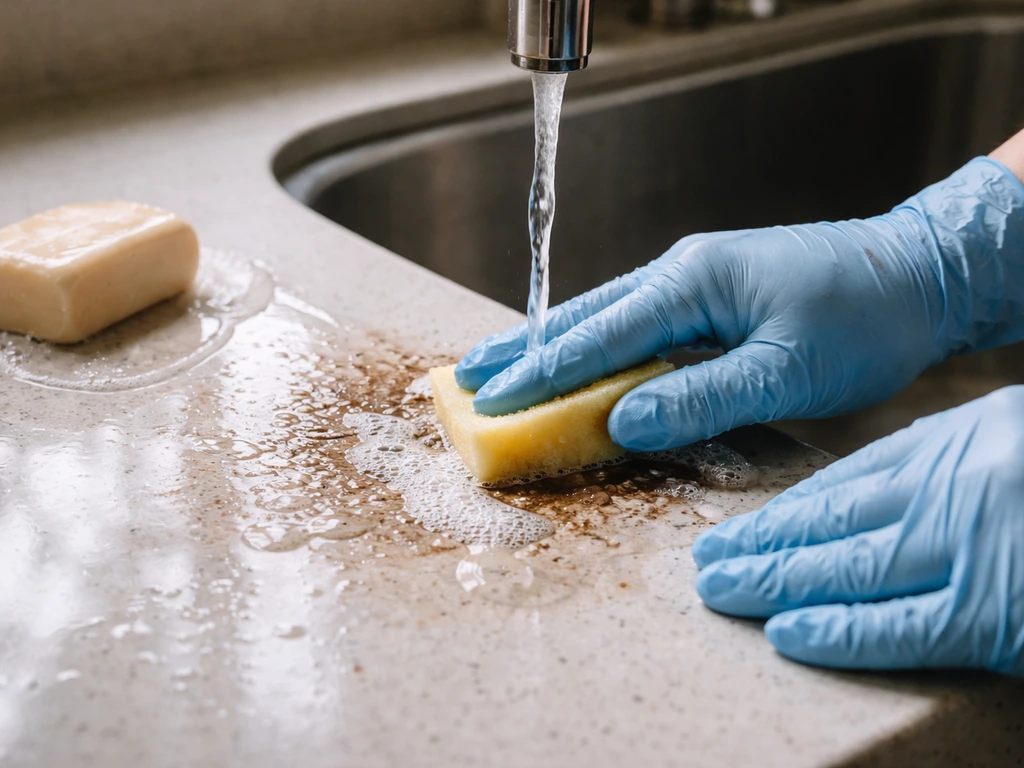
If it landed on your skin
Wash it off promptly with soap and water. That's genuinely the most important step. The Salmonella transmission route the CDC highlights is hands-to-mouth, so washing before you touch your face, phone, food, or anything else you'll later put near your mouth covers the main risk. You don't need to scrub aggressively or use anything special. Soap and water, done thoroughly, is the standard recommendation. If you don't have immediate access to soap and water, hand sanitizer is a reasonable bridge until you can wash properly. Avoid touching your eyes, nose, or mouth in the meantime.
Cleaning droppings off surfaces
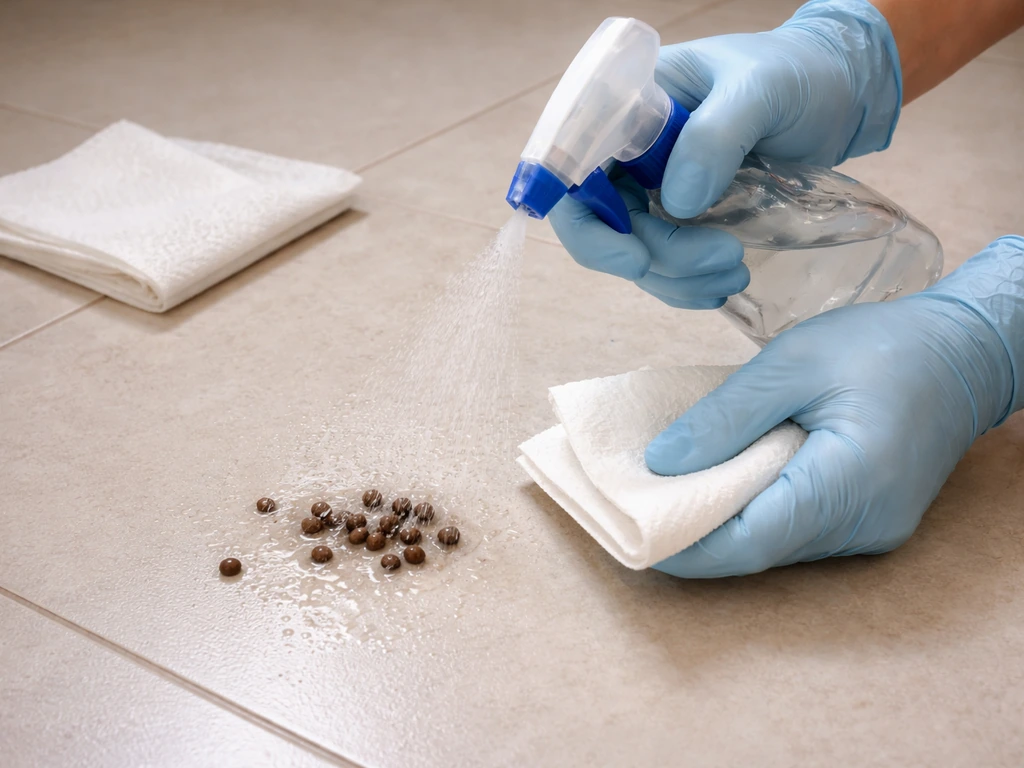
The single most important rule from the CDC and NIOSH: don't sweep or vacuum dry bird droppings. Dry material aerosolizes and that's when inhalation risk goes up. Wet the droppings first. A spray bottle with a diluted bleach solution (roughly 1 part bleach to 9 parts water) or an EPA-registered disinfectant works well.
When using an EPA-registered disinfectant, read and understand the product label to confirm it is approved for the intended use site and use pattern. Let it soak for a minute, then wipe up with paper towels and bag them.
For car paint, skip the bleach and use a wet paper towel or car-safe spray first, since undiluted bleach can strip paint and sealant. The CDC's guidance for bird flu cleanup specifies cleaning with soap and water to remove visible material first, then disinfecting with an EPA-approved disinfectant per label instructions.
- Put on disposable gloves before starting, especially if dealing with more than a spot or two.
- Wet the droppings thoroughly with a disinfectant spray or diluted bleach solution. Don't skip this step.
- Let the solution sit for at least 30 to 60 seconds to work.
- Wipe up with paper towels and seal them in a plastic bag before disposal.
- Wash your gloved hands before removing the gloves (this keeps the outside of the gloves from contaminating your hands as you take them off).
- Wash your hands with soap and water after removing gloves.
- If you cleaned a bird feeder or bath, the Iowa DNR recommends a regular schedule using a 10% bleach solution and cleaning up spilled seed below feeders, which is also a dropping accumulation zone.
For larger accumulations, like under a roosting spot where droppings have built up over time, the CDC recommends considering professional hazardous-waste removal. At minimum, wear a properly fitted N95 respirator (not just a dust mask), gloves, and eye protection before disturbing any dry accumulation. The USDA also notes that rinsing is important after washing, since cleaner residues can inactivate some disinfectants if you apply them without rinsing first.
Preventing exposure around feeders and roosting spots
If birds regularly visit your yard, patio, or car, a few consistent habits cut your exposure risk significantly without requiring you to give up the birds.
- Clean feeders and birdbaths regularly with a 10% bleach solution (1 part bleach, 9 parts water), rinse well, and let dry before refilling. Monthly is a reasonable minimum; more often during busy seasons.
- Move feeders away from areas where you sit, eat, or park your car. A few feet of distance makes a real difference for splatter and dust.
- Sweep up spilled seed under feeders frequently, since it draws birds down to ground level where droppings accumulate densely.
- If you have a roosting spot under an eave or on a ledge, install physical deterrents (bird spikes, netting) before a large accumulation builds up rather than after.
- Always wash hands after handling feeders, cleaning up droppings, or handling a bird.
- If you have pet birds, wet surfaces before cleaning the cage or cage area rather than sweeping or blowing dry debris around.
One more thing worth mentioning: there's a long-running cultural belief that getting pooped on by a bird is good luck, documented in folklore collections going back centuries. It's a charming way to reframe an unpleasant experience, and if it helps you feel better about finding clear bird droppings on your freshly washed car, by all means use it. Just wash your hands first.
How this fits with other bird dropping colors
Clear is on one end of the spectrum for bird droppings, essentially the liquid fraction with little or no pigment. The white component (urates) is the most recognized part of any dropping and tends to dominate what stays behind after the clear liquid evaporates. Diet and health can shift droppings toward brown, purple, red, or green in ways that each tell their own story about what the bird has been eating or how it's feeling.
If you are seeing purple in bird droppings, the cause is usually diet, medication, or another color-shift rather than the droppings being “spoiled. ”. Clear, watery droppings are less alarming than most of those other colors precisely because they represent the normal liquid component rather than an unusual pigment. If you're trying to interpret an unusual dropping color rather than just a watery one, the same basic hygiene rules apply regardless of what shade you're dealing with.
FAQ
How can I tell if the clear spot on my patio or car is actually bird poop versus something else?
If it truly is clear liquid only, check for residue after it dries. Bird urine often leaves a faint white urate ring, speck, or chalky edge even if the main part looked transparent when wet. If there is absolutely no white or dark material anywhere nearby, it is more likely condensation, honeydew, sap, or insect waste.
Does clear bird poop mean it is safe or carries less health risk?
Fresh droppings are handled the same way whether they are clear, yellow, green, or white. The main goal is preventing hand-to-mouth contamination, so rinse or wipe first, then wash hands with soap and water. Do not rely on “it looked clear, so it must be harmless.”
My pet bird’s droppings look mostly clear and watery. When should I call a vet?
If you have a pet bird and you notice droppings that are almost entirely liquid with little or no solid part, monitor for consistency over 24 to 48 hours and look for other signs like reduced appetite, puffed posture, lethargy, fluffed feathers, or changes in calling. That combination, not color, is what should trigger a vet call.
What does mucus-like clear discharge mean compared with normal clear urine?
If the clear discharge is thick, stringy, mucus-like, or appears with frequent repeated “wet” episodes, treat it as potentially abnormal. Normal urine should be watery and mostly accompanied by at least some urate and fecal material once it dries.
Can I sweep or vacuum clear bird droppings to clean faster?
Avoid aerosolizing it. Do not dry-sweep, and do not vacuum until the droppings have been wetted and cleaned. If you have to vacuum (for example, indoors with a removable mat), first wet, wipe, and bag the waste, then clean the area afterward.
What should I do if clear bird poop gets on my skin, clothes, or in my eyes?
If you get it on skin, rinse promptly, then wash with soap and water. For small splashes to clothing, remove the item and wash normally. For eyes, nose, or mouth contact, rinse with clean water right away and seek medical advice if irritation persists.
What is the safest disinfecting approach for cars and glass if the droppings look clear?
For vehicles and windows, undiluted bleach can damage paint and sealants. Use a wet paper towel first to lift material, then clean with a car-safe soap or an appropriate cleaner, and disinfect only if needed using a product appropriate for the surface and label instructions.
How should cleanup change when there is an accumulation under a roosting spot?
If you are dealing with a long-term buildup under a roosting area, don’t just “wipe and move on.” Prevent disturbance of dry areas, wet the material before cleanup, wear a properly fitted N95, gloves, and eye protection, and consider professional cleanup if the deposit is large or dusty.
If I do not have soap and water, is hand sanitizer enough after removing bird droppings?
Hand sanitizer helps only as a temporary bridge. It does not reliably remove material that is still on hands, and it is less effective if hands are visibly soiled. Wash with soap and water as soon as possible after cleaning.
Do I need to rinse after using diluted bleach or a disinfectant on a bird-dropping site?
Once you start disinfecting, follow with the rinsing step if the area can be rinsed, since residues can interfere with disinfectant performance. For outdoor hard surfaces, rinse after the recommended dwell time when the label or situation calls for it.