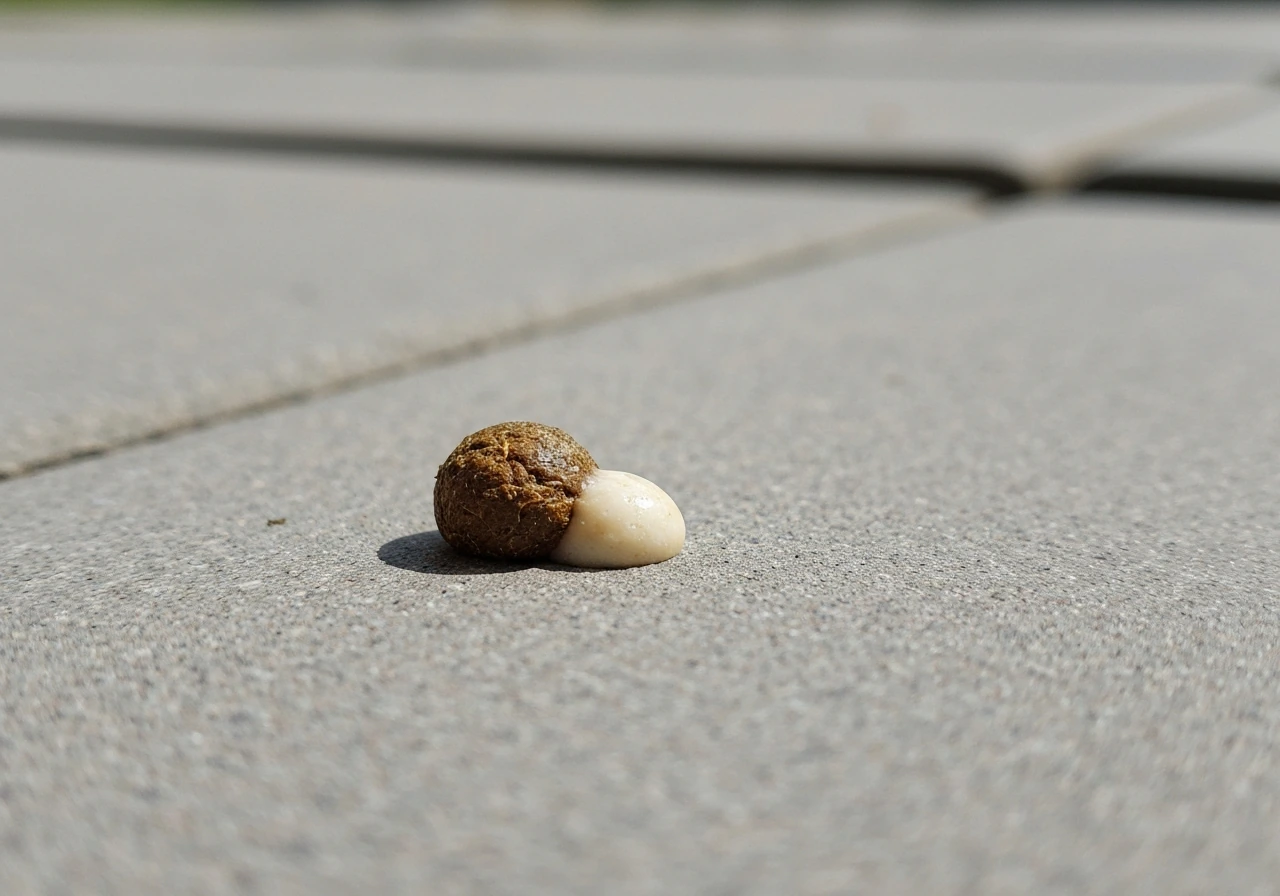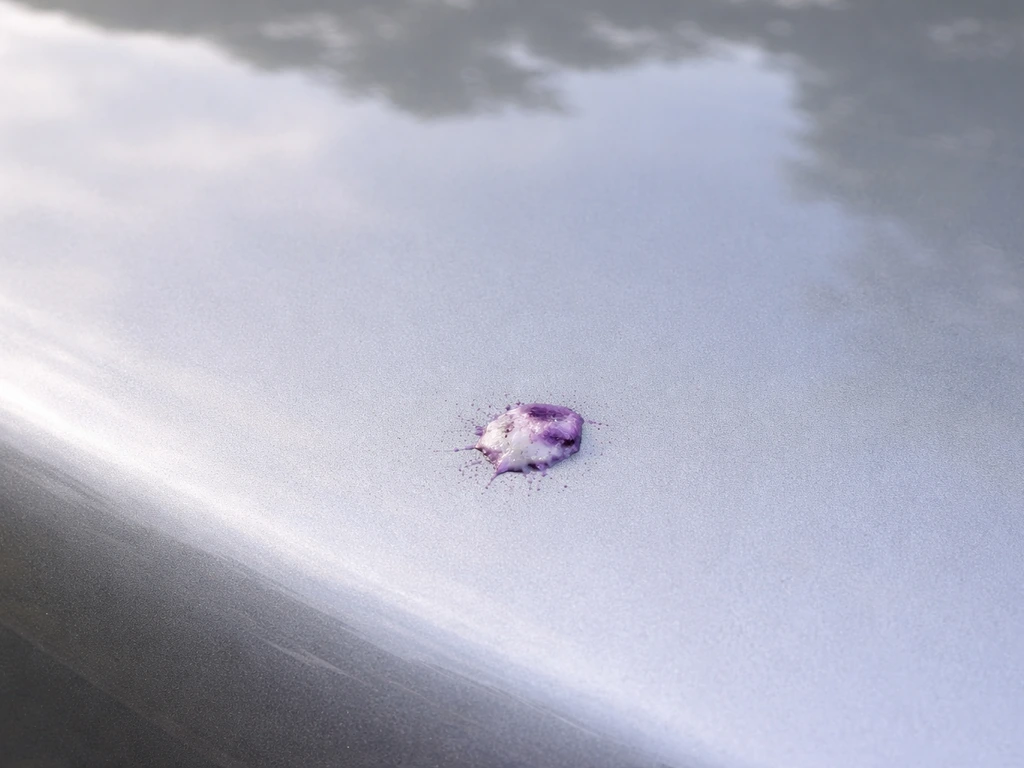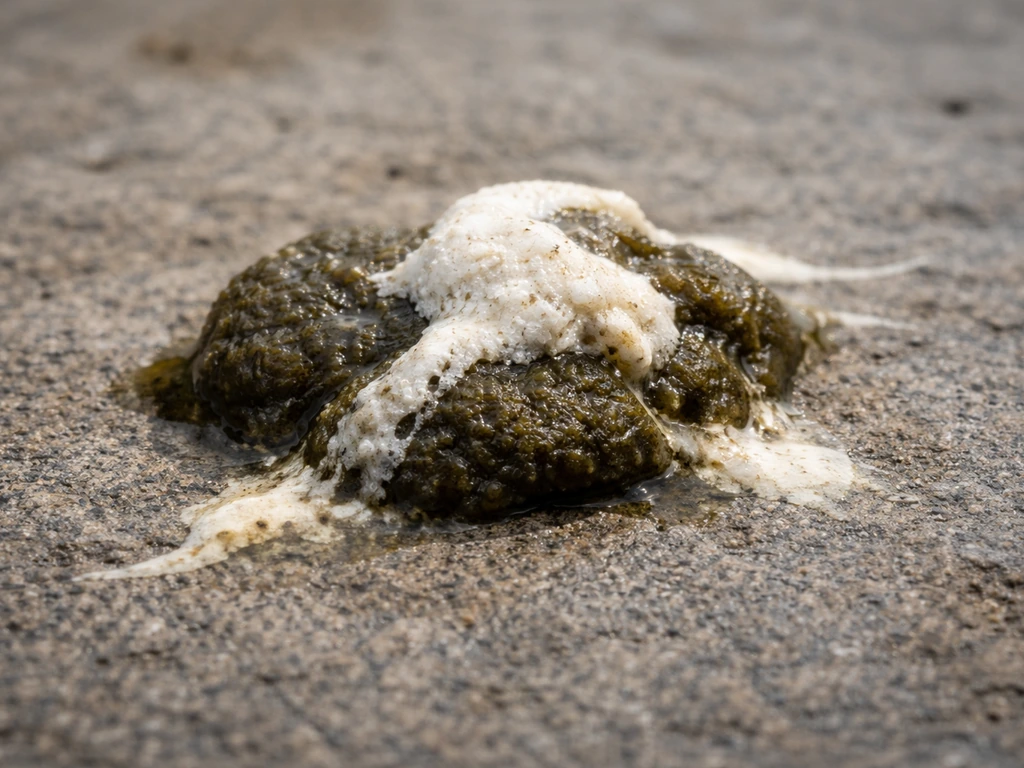
Yes, bird poop can absolutely be red, and it doesn't automatically mean something is wrong. The most common reason is diet: berries, red fruits, and certain pigment-rich insects can turn droppings red or pink for a day or two. But red droppings can also signal blood, which is a different situation entirely and worth taking seriously if the color sticks around or shows up alongside other warning signs.
Can Bird Poop Be Red? Causes, Safety, and What to Do

Marcus Fielding
1 May 2026
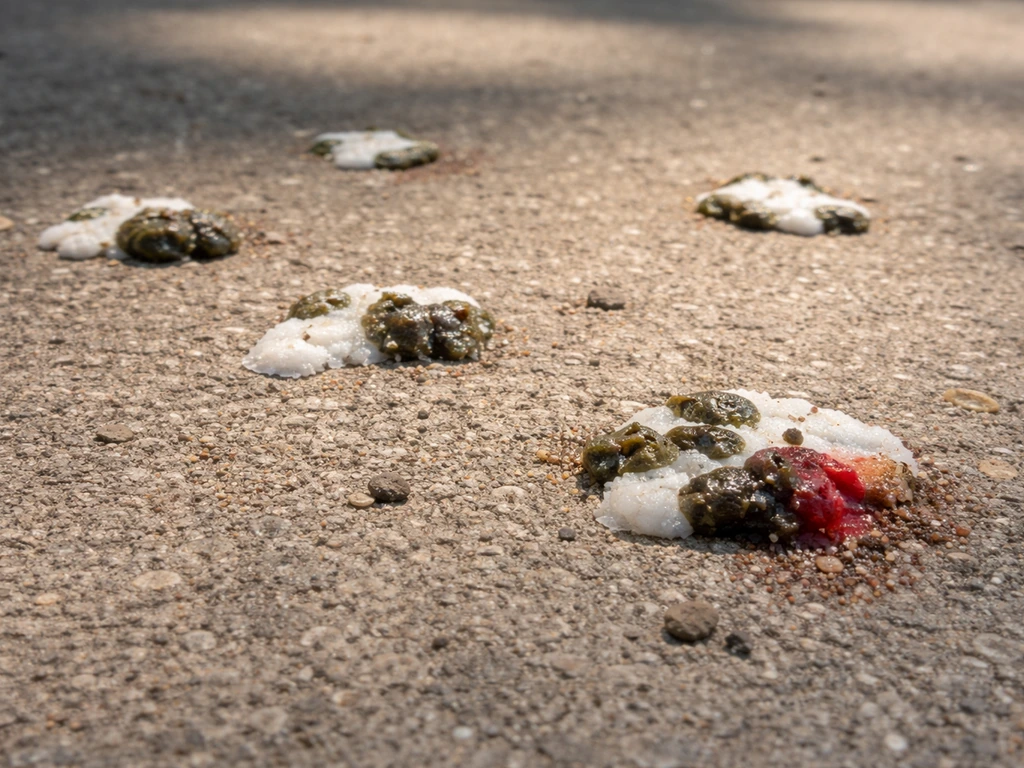
How bird poop gets red in the first place
Bird droppings are actually three things mixed together: the solid feces, liquid urine, and a white or cream-colored paste called urates (the bird's version of concentrated uric acid). Any one of those three components can pick up a red or pink tint, and the cause matters a lot for figuring out what's going on.
Diet and pigments
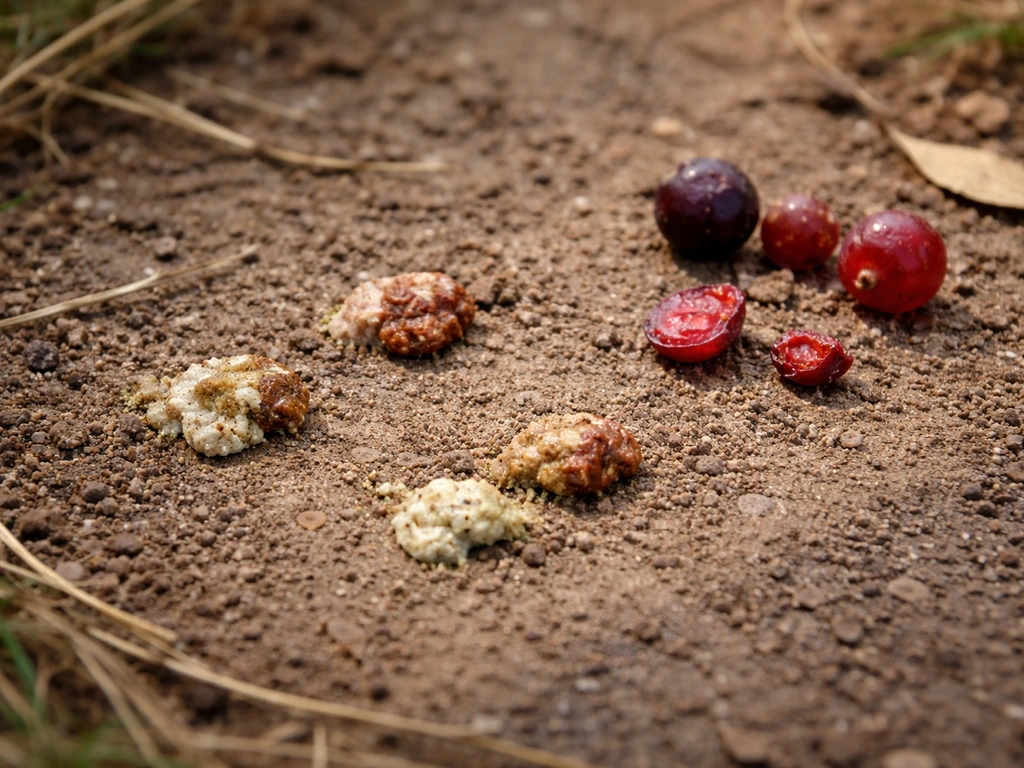
This is the most innocent explanation and by far the most common for wild birds. When a bird eats berries, cherries, red grapes, pomegranate, certain beetles, or other pigment-heavy foods, those plant or insect pigments pass straight through into the feces and sometimes into the urates too. The result can look alarming but is temporary. If you fed your parrot strawberries yesterday or you have a mulberry tree in the yard that the local robins have been hitting hard, that's almost certainly what you're seeing. The red tint usually clears up within 24 to 48 hours once the bird moves on to other food.
Blood
Blood in or around bird droppings is a legitimate concern. It can show up in the fecal portion (the darker solid part) or in the urates, where hemoglobin or denatured hemoglobin causes a pink to red discoloration. Potential causes include internal bleeding, intestinal infection, egg binding in female birds, a swallowed sharp object, or injury to the digestive or urinary tract. Red or black coloration in the feces specifically is associated with bleeding somewhere in the digestive system. If there's no obvious dietary explanation and the red coloring is persistent or intense, blood is the working assumption until proven otherwise.
Parasites
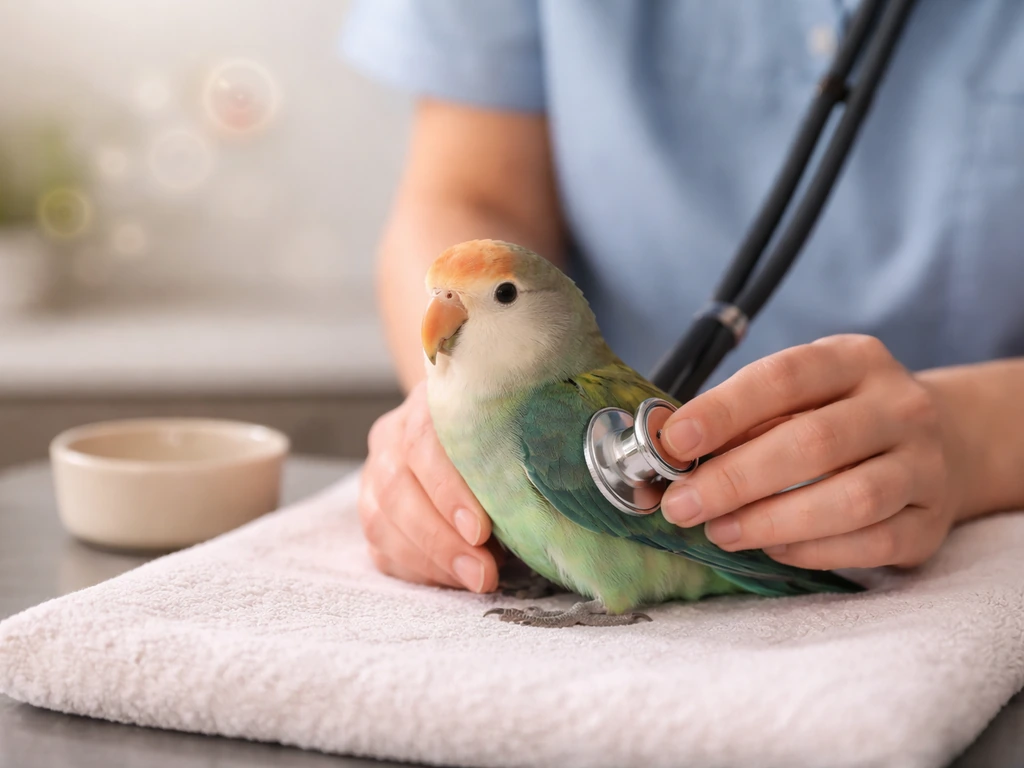
Avian coccidiosis, caused by intestinal protozoa called Eimeria, can produce bloody droppings in birds under heavy infection. Merck Veterinary Manual describes coccidiosis in poultry as a protozoal disease caused by Eimeria that can lead to diarrhea, weight loss, and decreased production coccidiosis is a protozoal disease (Eimeria) that causes diarrhea, weight loss, and decreased production. In severe cases you may see bright blood or orange mucus mixed into the feces. Infected birds typically look depressed, have ruffled feathers, and lose weight. This is more commonly seen in backyard chickens and poultry flocks, but it can affect wild and pet birds too.
Medications and other factors
Certain medications and supplements can also shift dropping color. If your pet bird is on any treatment, that's worth flagging to your vet when describing the color change. Drying can deepen or concentrate colors as well, so a fresh dropping that looked brownish-red may look darker and more intensely colored once it dries on your car hood or patio.
Common real-world causes of red bird droppings
Here's how the main causes tend to show up in everyday situations:
- Mulberry trees, holly bushes, pyracantha, or any berry-producing plant nearby: robins, cedar waxwings, starlings, and mockingbirds go absolutely wild for these, and the droppings turn red or purple-red for days during berry season.
- A pet bird that just ate beets, berries, cherries, or red peppers: the color shows up in the next few droppings and fades quickly.
- A backyard chicken flock showing bloody diarrhea with ruffled feathers and reduced activity: coccidiosis should be near the top of your list.
- A pet parrot or softbill with persistent red urates and no recent berry-heavy feeding: this warrants a vet call, as red urates can indicate renal disease or internal bleeding.
- A single unusual splatter on your car or patio with no repeat occurrences: almost certainly a bird that ate something red recently, nothing to worry about.
When red droppings are a health risk for you, your pets, or the bird
For the bird itself
If a pet bird or backyard flock bird is producing red droppings without an obvious dietary cause, treat it as a potential medical issue. Watch for accompanying signs: lethargy, puffed or ruffled feathers, reduced appetite, straining, or unusual posture. Any of those alongside red droppings means a vet visit today, not tomorrow. Persistent red urates in particular, without a berry or red-food explanation, can point to kidney disease or internal bleeding and shouldn't be waited out.
For people
Bird droppings in general carry real disease risks regardless of color. Psittacosis, caused by Chlamydia psittaci bacteria, can infect people who breathe in dust from dried bird secretions or droppings. Even birds that look healthy can shed the bacteria. Histoplasmosis is a fungal infection that becomes a risk when contaminated droppings are disturbed and spores become airborne, especially in large accumulations. The color of the droppings doesn't change these risks. The risk is in the disturbance and the dust, which is why how you clean matters as much as what you're cleaning.
For dogs and cats
Pets that sniff, lick, or eat bird droppings can pick up intestinal parasites, bacteria, or fungal spores. If your dog got into a pile of droppings in the yard and you're seeing unusual stool or lethargy a few days later, mention the exposure to your vet. This applies whether the droppings looked normal or red.
What to do right now: safe cleanup and handling
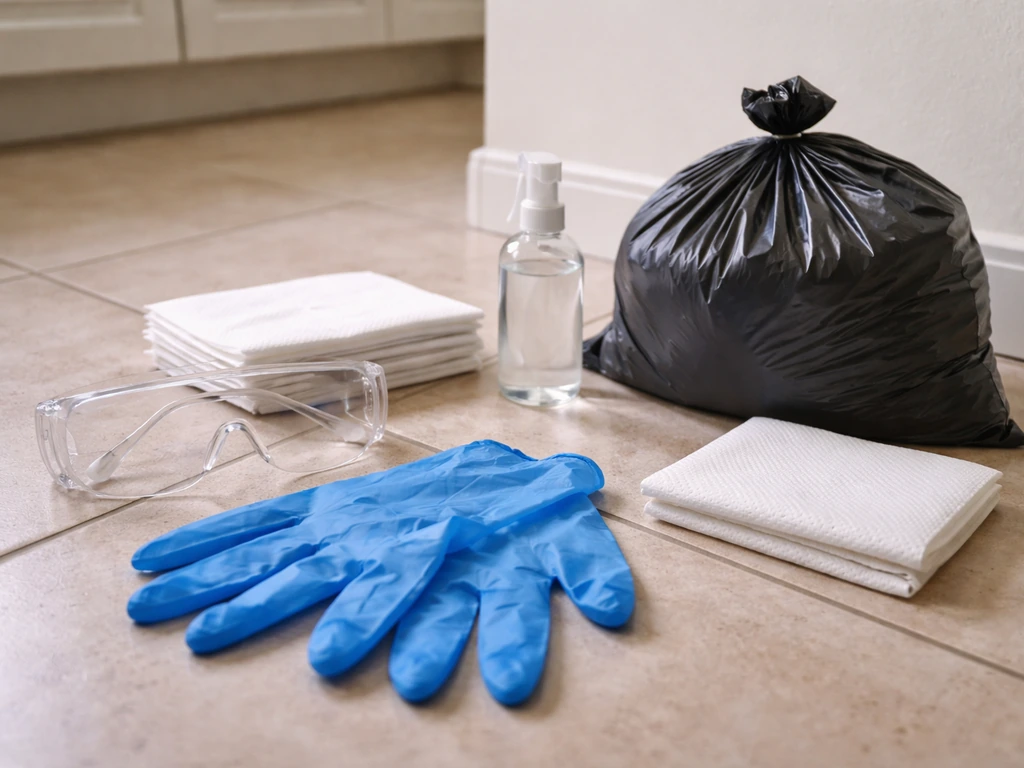
The single most important rule before you clean anything: do not dry-scrub or sweep dried droppings. That kicks particles into the air and puts you directly at risk for inhaling pathogens. Here's the right way to handle it:
- Put on disposable gloves before touching anything. Add eye protection if you're dealing with a larger mess or working in an enclosed space like a garage or attic.
- Wet the droppings thoroughly with water or a disinfectant spray before any physical contact. This binds the particles and prevents aerosolization.
- Use disposable paper towels or a dedicated scraper to lift the softened material. Don't use your bare hands at any point.
- Double-bag everything in plastic bags and seal before putting in the trash.
- Clean and disinfect the surface with an appropriate cleaner. For cars, a car-safe disinfectant or soap solution works. For patios and concrete, diluted bleach or a commercial outdoor cleaner is fine.
- Wash your hands thoroughly with soap and water for at least 20 seconds even if you wore gloves.
- If you're dealing with a large accumulation (like a roost site), the CDC recommends professional hazardous-waste cleaning rather than DIY.
If you had direct skin contact with fresh droppings, wash the area with soap and water immediately. If you think you inhaled dust from dry droppings, especially from a large amount, note it and watch for respiratory symptoms like fever, cough, or chest tightness over the next couple of weeks. Those symptoms after known exposure warrant a doctor visit.
Figuring out the source: a quick troubleshooting checklist
Running through these questions quickly will usually tell you whether you're looking at a harmless diet situation or something that needs more attention:
- What bird left it, and what has it been eating? Check for nearby berry-producing plants, recent feedings, or fruit trees in season. If there's a clear red-food source, diet is the likely explanation.
- Is this a one-time occurrence or is it happening repeatedly? A single red dropping after berry season is very different from a pet bird producing red droppings every day for a week.
- Is the bird acting normally? Active, alert, eating, and producing otherwise normal droppings is reassuring. Lethargic, fluffed up, not eating, or straining strongly suggests illness.
- Are the red droppings fresh or dried? Fresh red droppings can be evaluated for the specific component affected (feces vs urates). Dried droppings that have darkened may look redder or browner than they were originally.
- For pet birds: when was the last feeding, and what was in it? Red pigment foods show up in the next one to three droppings and then clear.
- For backyard poultry: are multiple birds affected? Coccidiosis spreads through a flock, so several birds showing bloody droppings at once is a strong signal for a parasitic cause.
- Are there other symptoms alongside the red droppings? Weight loss, ruffled feathers, visible blood on the vent area, or straining all escalate the situation from 'watch and wait' to 'call the vet now.'
Preventing future messes (and reducing your risk)
You can't stop birds entirely, but you can make your car, patio, and yard less of a target and reduce exposure risk at the same time:
- Park away from trees, power lines, and rooftops where birds perch. If you have no choice, a car cover is genuinely one of the simplest solutions.
- Trim or relocate berry-producing plants away from areas where droppings would be a problem. If you love your mulberry tree, just accept that June is going to be messy.
- For outdoor eating areas, reflective tape, predator decoys, and wind-activated deterrents can reduce perching nearby.
- Clean bird feeders and baths regularly to avoid building up droppings that create concentrated contamination zones.
- For pet birds, clean cages at least daily. The CDC specifically recommends wetting the cage surface before cleaning to avoid aerosolizing dried material. Never clean bare-handed.
- For backyard poultry, keeping the coop dry and avoiding overcrowding are the best defenses against coccidiosis, since the parasite spreads through contaminated feces in wet conditions.
The good luck myth vs what the evidence actually says
There's a widespread belief that being hit by bird poop is good luck, and it shows up across multiple cultures. It's even documented in folklore archives as a genuine piece of cultural storytelling. The idea seems to draw on the rarity and randomness of the event, the same logic as finding a four-leaf clover. It's a fun belief, and if it helps you feel better after your fresh shirt takes a hit, that's a perfectly fine way to reframe a bad moment.
That said, there is zero scientific evidence that bird poop alters your fortune in any direction. And the superstition applies to a direct hit on a person, not to finding red or unusual droppings on your car hood or patio. From a practical standpoint, the color of the droppings and any luck symbolism are completely unrelated to whether the mess poses a health risk. Red droppings from a diet cause are harmless once cleaned. Red droppings from a sick bird could contain pathogens regardless of what any folklore says about fortune. Clean it safely either way.
If you're curious about what other colors bird droppings can turn, purple (from similar berry pigments), brown, and even completely clear droppings all have their own causes worth understanding, since color is one of the most useful quick indicators of what a bird has been eating or how it's doing health-wise.
The bottom line
Red bird droppings are most often the result of a berry-heavy diet and will clear up on their own. Brown bird droppings can also happen when a bird's diet includes certain foods or when droppings dry and darken. If you're wondering what color bird poop can be besides red, this guide also covers other possible colors and what they usually mean.
But if the red color persists without a dietary explanation, if it's coming from a bird that also seems unwell, or if it's recurring in a pet or flock animal, it's a signal worth acting on. Clean any droppings safely regardless of color (wet first, gloves always, no dry sweeping), check for other symptoms in the bird, and call a vet if the pattern doesn't resolve in a day or two after ruling out a food cause.
CDC’s MMWR notes that wetting carcasses and using engineering and protective approaches can help prevent aerosolization of infectious particles during handling and cleaning wetting first, gloves always, no dry sweeping.
Most of the time you'll land on the boring answer: a robin found the holly bush. But it's worth the two-minute checklist to make sure.
FAQ
How can I tell if red droppings are from diet pigments or actual blood?
Red and pink are sometimes caused by pigment from food, but true blood is more likely when the bird is not acting normal, the red tone looks streaky or consistently dark red, or you notice red in the solid fecal portion or repeatedly in the urates. If you can’t identify a recent berry or red-food exposure, treat it as medical until a vet rules it out.
If red bird poop is from food, how long should it take to go away?
If the red color is from diet, it typically fades within 24 to 48 hours after the bird stops eating the pigment-rich foods. If it lasts longer than two days, keeps recurring, or appears in the same bird repeatedly, that’s a stronger reason to call a vet rather than waiting.
When should I take my pet bird or backyard flock to a vet if droppings are red?
If there is any chance of blood, do not wait for the bird to “flush it out.” Schedule a veterinary exam the same day when you also see lethargy, ruffled feathers, straining, reduced appetite, tail bobbing, or weakness, because these can point to internal injury, infection, or egg-laying problems that worsen quickly.
What’s the safest way to clean red bird droppings to reduce disease risk?
For cleaning, the safest approach is to keep droppings wet, avoid dry sweeping or scraping, and use disposable gloves. After wet removal, disinfect the surface and wash hands thoroughly. This reduces airborne particles, which is what matters for infection risk, not whether the droppings looked red or normal.
What should I do if I had skin contact or I breathed in dust from dried droppings?
If you touched droppings, wash skin with soap and water right away. If you think you inhaled dust from dried droppings (especially from an accumulation), monitor for respiratory symptoms like fever, cough, or chest tightness over the next couple of weeks and seek medical care if symptoms show up, especially for people with asthma, immunosuppression, or recent exposure in a small area.
What other signs should I look for besides color when checking a pet bird?
If your bird’s cage has red urates or blood-like discoloration, check for potential dietary triggers first, but also look for straining, swollen abdomen, reduced water intake, changes in droppings size, or behaviors like repeated sitting on the bottom of the cage. Those additional clues help your vet decide whether it’s gastrointestinal versus urinary or reproductive.
Can medications or supplements make bird poop look red?
Yes, some medications, including certain antibiotics or supplements, can affect how droppings look or how colors deepen after drying. If your pet is on any treatment, note the medication name and start date, and tell the vet when you report the color change.
If it might be coccidiosis, what symptoms along with red droppings are most concerning?
Be extra cautious with coccidiosis-like illness signs. Red or bloody droppings plus depression, fluffed feathers, weight loss, or slowed movement suggests a higher likelihood of intestinal infection, and prompt treatment matters. Backyard chicken and poultry flocks are common, but the pattern can occur in other birds too.
My dog ate bird droppings and now seems sick, does it matter if the droppings were red?
For pets, the risk is not only from red color. If a dog or cat ate or licked droppings and then develops abnormal stool, vomiting, fever, or lethargy a few days later, contact your vet and mention the exposure to bird droppings, since parasites or pathogens can be involved.
Does superstition about bird poop and luck mean red droppings are safer?
Folklore about luck doesn’t change health risk. The practical decision is based on whether the bird’s droppings are from a likely diet trigger and whether the bird or surrounding area shows evidence of illness risk, since pathogens can be present even when droppings don’t look abnormal.