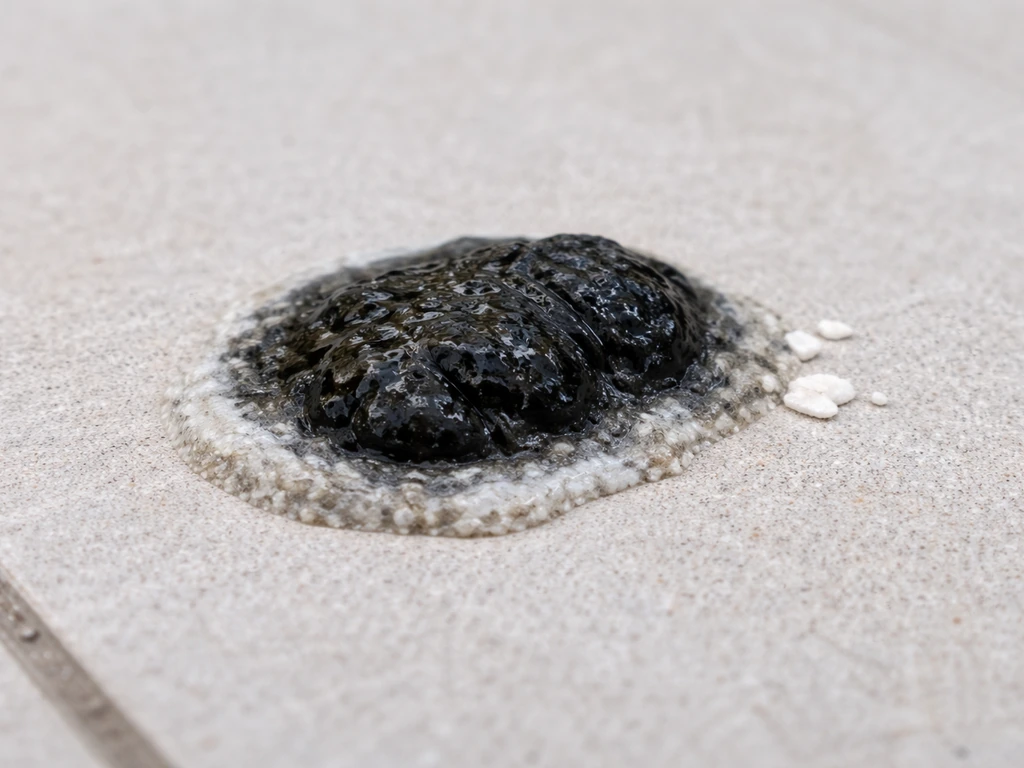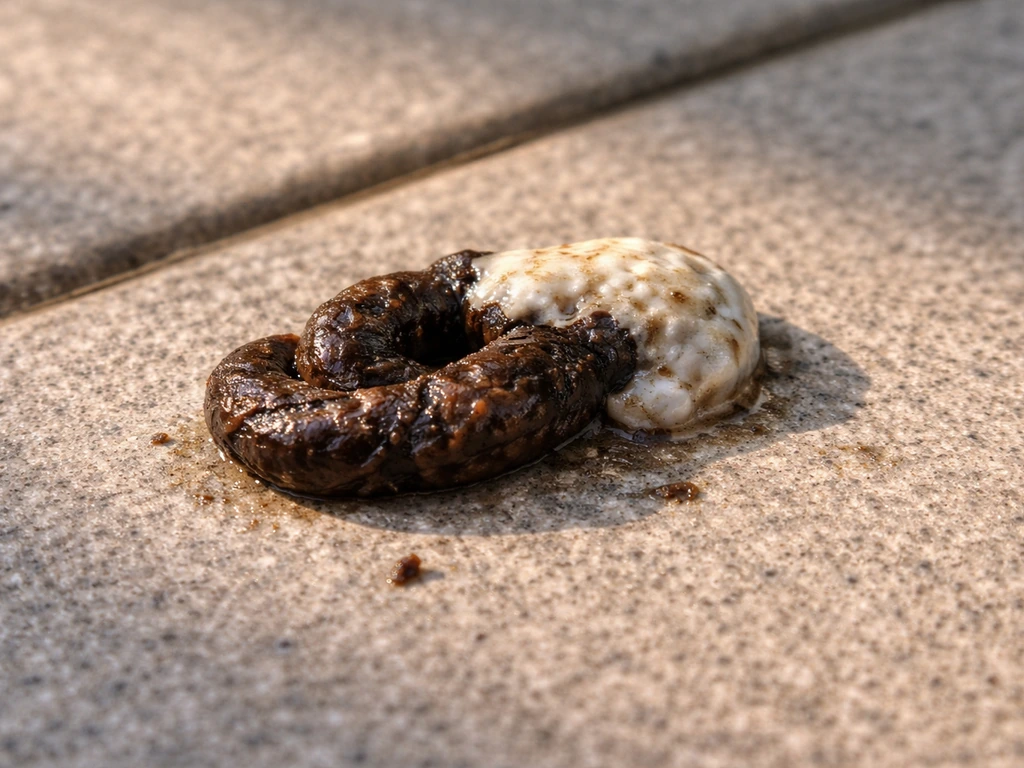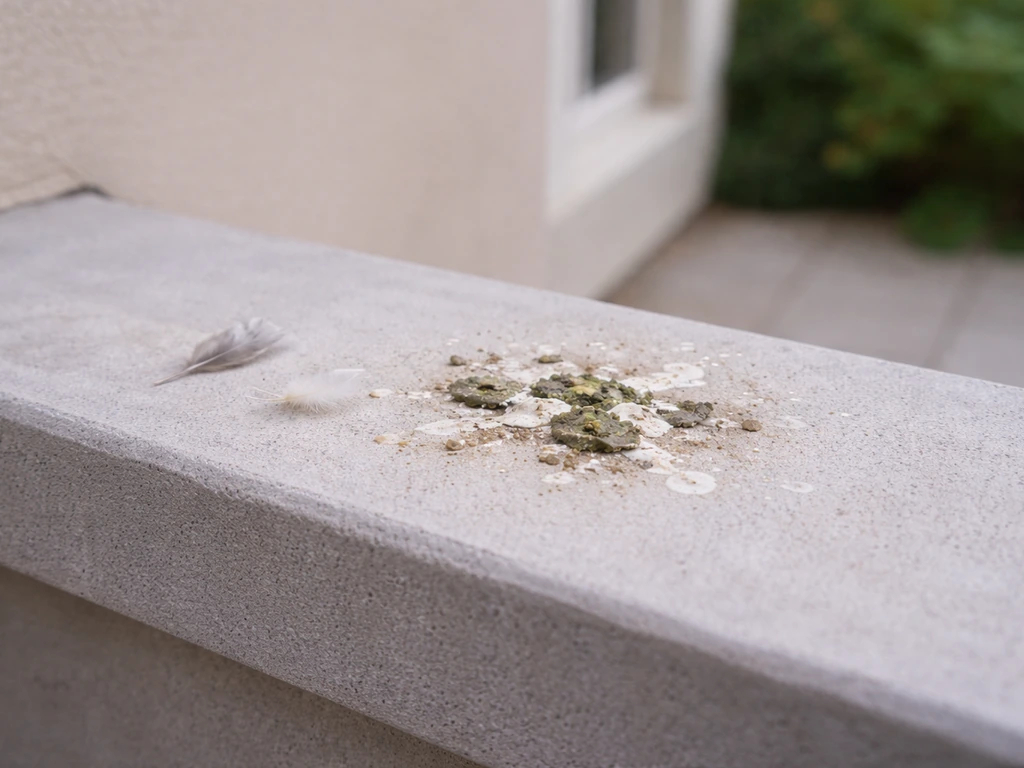
Yes, bird poop can absolutely be orange, and most of the time it is not a red flag. The color usually comes down to what the bird has been eating, whether it is a pet bird on colored pellets or a wild bird that has been gorging on berries and fruit. That said, orange droppings can occasionally point to something worth paying attention to, especially if you own birds or are cleaning up a large accumulation. Here is how to read what you are seeing and what to do about it.
Can Bird Poop Be Orange? Causes, Safety, and Cleanup Tips

Marcus Fielding
29 May 2026
Why bird poop can look orange
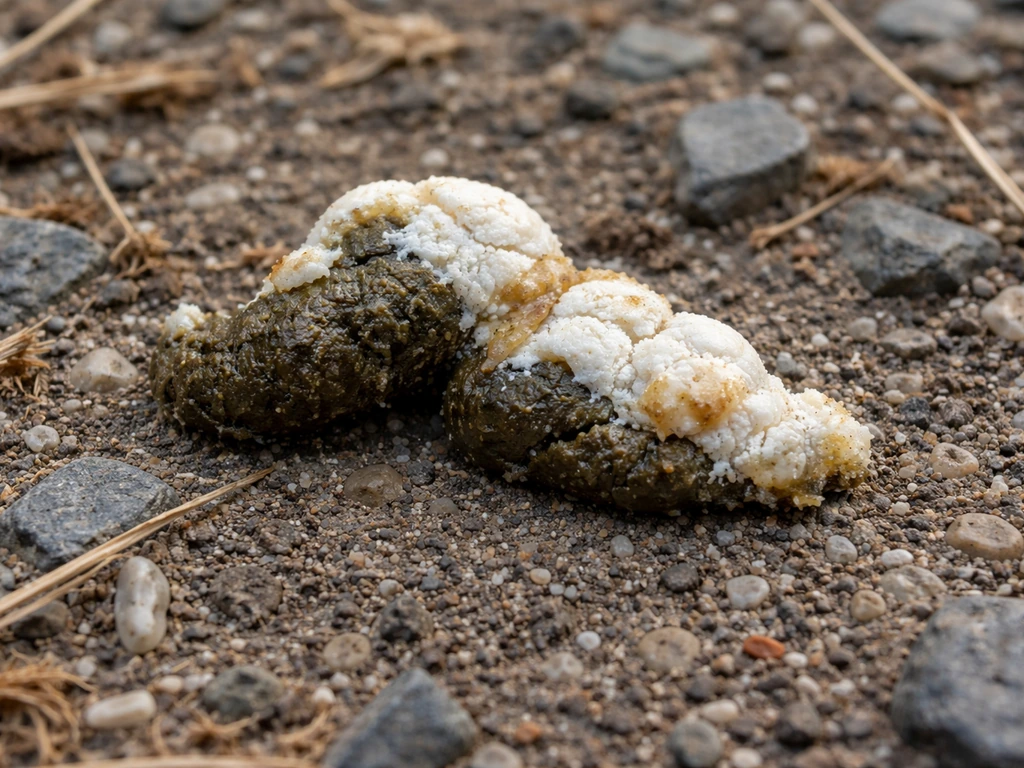
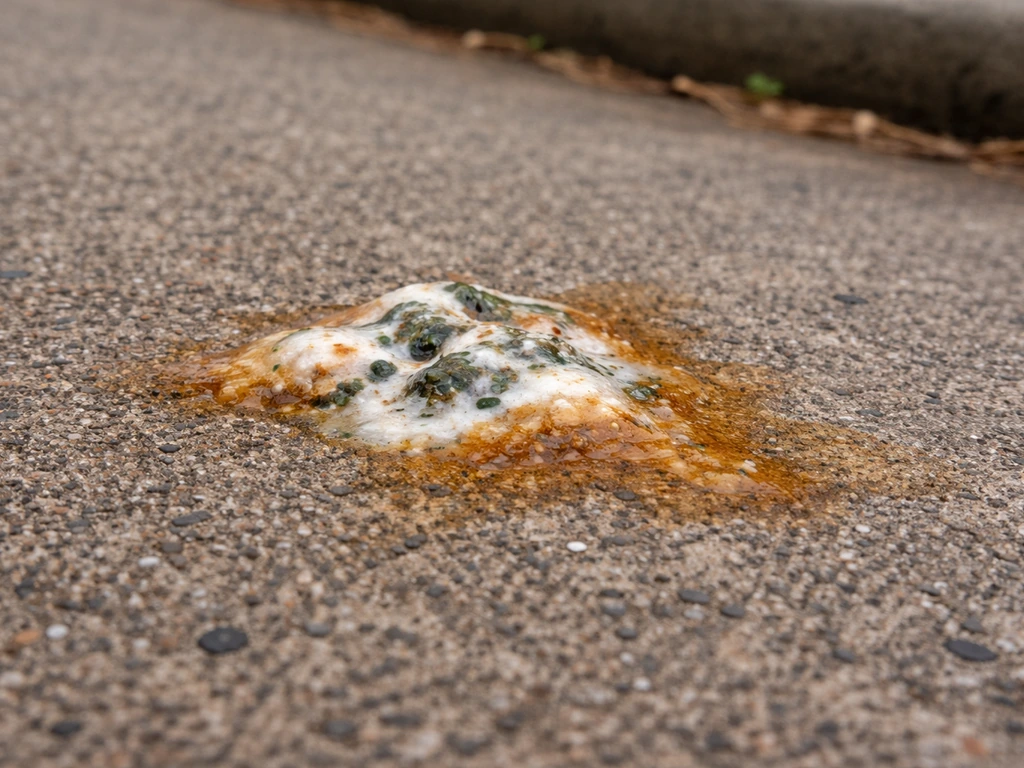
Bird droppings are actually made up of two or three distinct components. The dark or colored fecal part comes from digested food moving through the gut. The white or chalky part is uric acid (urates), which is how birds excrete nitrogenous waste instead of urinating separately the way mammals do. When those urates pick up pigments from food or bile, or when the fecal portion is loaded with colorful compounds from diet, the whole dropping can shift into orange, yellow, red, or pink territory. Orange specifically tends to appear when pigmented foods mix with the bile-influenced fecal component, or when orange-dyed pellets pass mostly unaltered into the droppings.
Wild birds that feed heavily on orange or red-fleshed fruits, such as persimmons, rose hips, or certain berries, will often produce droppings that lean orange, rust, or reddish-brown. The same goes for birds feeding on insects with pigmented exoskeletons. In captive or pet birds, this is even more predictable: if your parrot or cockatiel is on brightly colored commercial pellets, those dyes go straight through the digestive system and show up in the dropping.
Diet and bile: the two main color drivers
Diet is the single biggest reason you will see unusual colors in bird droppings. Pigmented feed, colored pellets, and fruit all transfer their hues directly to the fecal portion of the dropping. VCA Animal Hospitals specifically notes that birds on red or orange pellets routinely produce red- or orange-colored feces, and Petco's own guidance confirms that a recent diet change can cause droppings to look orange. This is genuinely just dye passing through the system and is not a health concern in itself.
Bile is the other key factor. Bile is produced by the liver to aid digestion, and changes in how much bile is present, how concentrated it is, or what else it mixes with in the gut can shift the color of the fecal component anywhere from normal brown-green through yellow and into orange. This is why liver disease can sometimes change dropping color, though that path more often leads to bright yellow or lime-green urates rather than pure orange. Still, if a bird is producing consistently orange droppings and has not had any obvious dietary change, the liver connection is worth keeping in mind.
Uric acid itself is white, but when it is stained by bile pigments or food compounds it can shift to a cream, yellow, or faintly orange tinge. In practice this means you sometimes see an orange-tinged white blob rather than a clearly colored fecal portion, which can be confusing. Both scenarios (colored feces or tinted urates) are usually diet-related.
Orange vs. other colors: what is normal and what is not
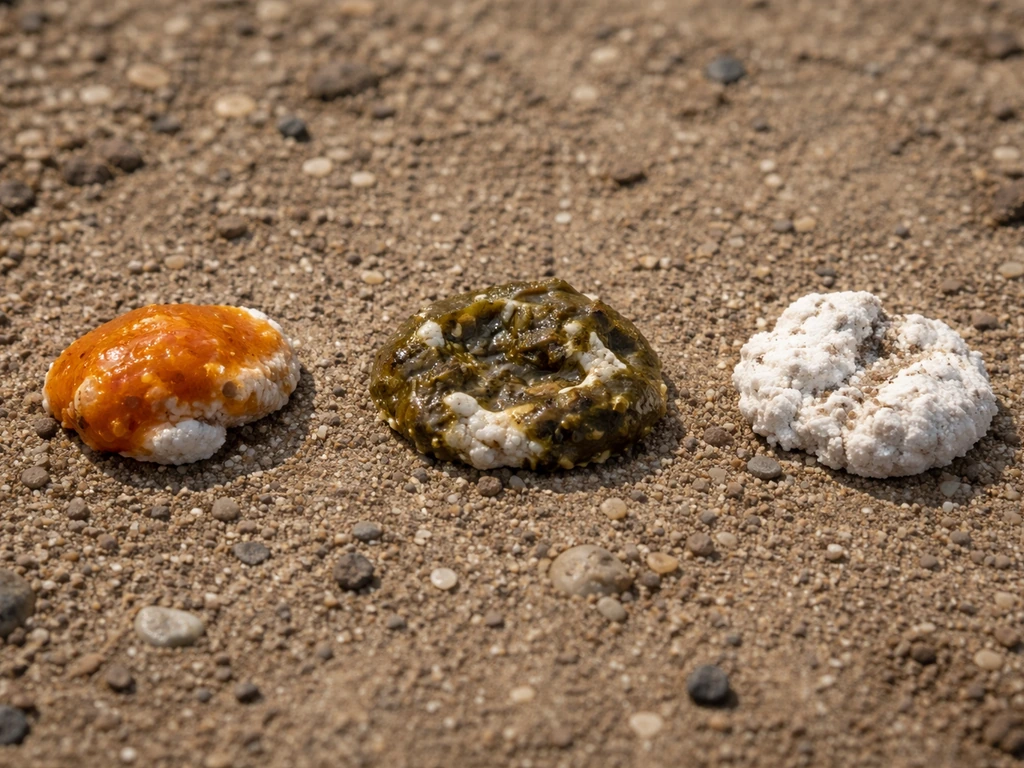
Context matters a lot when you are trying to decide whether an unusual dropping color is fine or concerning. Here is a quick comparison of what different colors typically mean:
| Color | Likely Cause | Concern Level |
|---|---|---|
| Green/brown | Normal digestion and bile, typical diet | None if consistent |
| White/chalky | Normal uric acid (urates) | None |
| Orange or rust | Pigmented diet, colored pellets, fruit, mild bile shift | Low — monitor for dietary cause |
| Bright yellow urates | Possible liver disease or infection | Moderate — worth a vet check |
| Red or pink feces | Berries, beets, or blood in stool (hematochezia) | Low to high — depends on context |
| Sulfur yellow, watery | Histomoniasis or other intestinal disease (poultry) | High — vet attention needed |
| Black tarry feces | Upper GI bleed, certain foods like blueberries | High if no obvious food source |
| Mucus-streaked or bloody | Coccidiosis or other gut infection | High — prompt vet evaluation |
Orange landing in the low-to-moderate zone means you should ask yourself first: did this bird eat something orange or red recently? If the answer is obviously yes, relax. If the bird has not had a dietary change, the droppings have been consistently orange for more than a day or two, and the bird also seems lethargic, has lost weight, or is not eating normally, then it warrants a vet visit. For more on what could cause black bird droppings, check the likely causes and when it might mean a vet visit black bird poop. For wild bird droppings on your property, you generally cannot trace the diet, so treat orange the same as any other color: clean it up safely and move on.
It is worth noting that orange is not one of the classic warning colors the way bright yellow urates or blood-streaked feces are. Red or pink droppings, which have their own causes (including berry-heavy diets in wild birds), can sometimes look orange-ish in certain lighting, so keep that in mind when comparing what you see to descriptions online. Pink bird poop can be diet-related too, since pigments from berries or other foods can tint the droppings Red or pink droppings.
Real health risks from bird droppings (regardless of color)
Here is the honest truth: the color of bird droppings tells you almost nothing about whether they are a disease risk. Fresh or dried droppings from any bird can carry pathogens, and orange poop is no more or less dangerous than brown or white poop from a health-risk standpoint. What matters is the accumulation, the dryness, and how you handle it.
The diseases most associated with bird droppings are histoplasmosis and cryptococcosis (both fungal infections that thrive in accumulated droppings) and psittacosis, a bacterial infection caused by Chlamydia psittaci. The CDC notes that psittacosis is most commonly acquired by breathing in dust from dried bird droppings or secretions, and that symptoms are similar to other respiratory illnesses. Histoplasmosis, tracked by the CDC's NIOSH division, is particularly tied to disturbing dry accumulations of droppings, especially in enclosed or poorly ventilated spaces like attics, barns, and old roosting sites.
On top of those, Salmonella and Campylobacter can both be shed in bird feces. The Pennsylvania Game Commission confirms Salmonella spreads through direct contact with infected birds or by ingesting food or water contaminated with their feces. Campylobacter is shed in feces by many bird species, and the New York State DOH notes that while anyone can get campylobacteriosis, young children, elderly people, and anyone with a compromised immune system faces a higher risk of severe illness.
Coccidiosis is another parasitic concern worth mentioning, especially for backyard poultry keepers. Birds become infected by ingesting oocysts from contaminated feed, water, soil, or droppings. Clinical signs can include watery diarrhea (sometimes with blood or mucus), lethargy, weight loss, and loss of appetite. This is a bird health issue, not typically a human one, but it is another reason to take unusual droppings seriously in a flock setting.
Who needs to be most careful
- People with weakened immune systems (HIV, cancer treatment, organ transplant recipients)
- Young children and elderly individuals
- Pregnant people (particularly around psittacosis risk)
- Backyard chicken and poultry keepers doing routine coop cleaning
- Workers who regularly deal with bird accumulations (HVAC, roofing, attic remediation)
- Pet bird owners who handle enclosures daily without PPE
How to clean up orange bird poop the right way
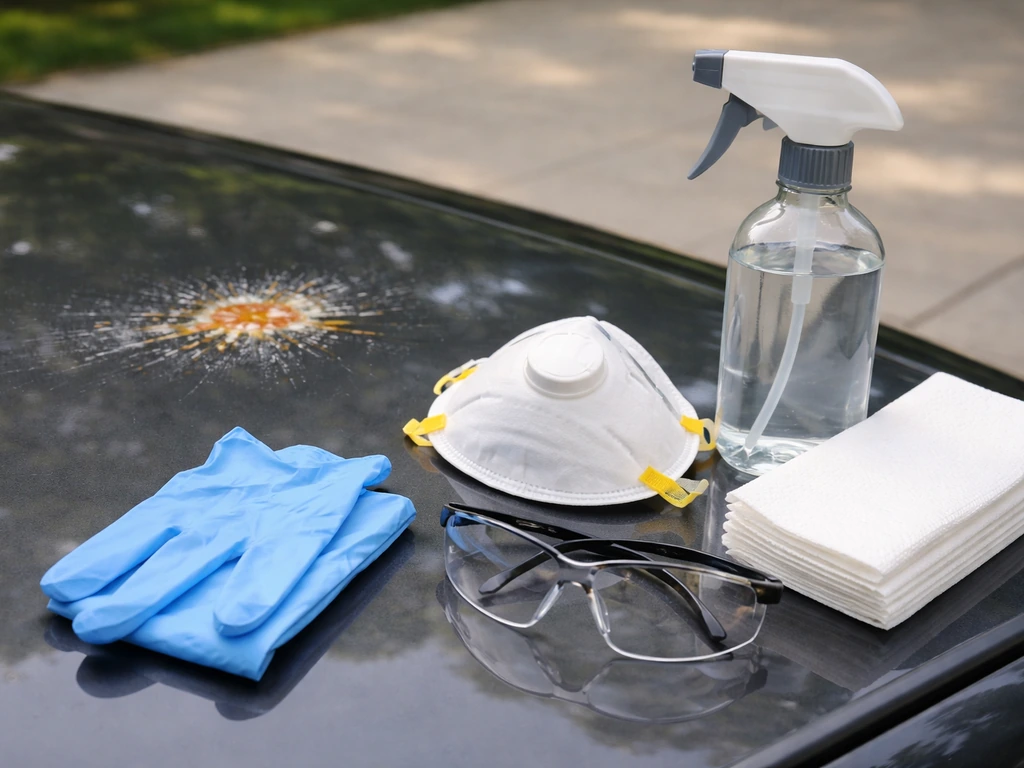
The most important rule of bird dropping cleanup is simple: never sweep or scrape dry droppings. When droppings dry out, they become dusty and aerosolize easily. That dust is exactly what carries histoplasmosis spores and psittacosis bacteria into your lungs. Washington State University's environmental health guidance is clear that only wet cleaning methods should be used, meaning you soak the droppings with a disinfectant solution before touching them. The CDC's NIOSH histoplasmosis guidance says the same thing: spray and wet the material rather than sweeping or shoveling dry dusty waste.
Cleaning bird poop off a car or hard patio surface
- Put on disposable gloves. If you are dealing with a large amount or are in an enclosed space, add an N95 respirator and safety glasses.
- Saturate the droppings thoroughly with a disinfectant spray or dilute bleach solution (one tablespoon of bleach per quart of water works). Let it soak for at least 2 to 3 minutes.
- Wipe up with disposable paper towels or rags you can throw away. Do not rub aggressively on painted car surfaces, since the uric acid is mildly corrosive and rubbing dry can scratch clear coat.
- Rinse the surface with clean water.
- Bag all used materials in a sealed plastic bag and dispose in regular trash.
- Wash hands thoroughly with soap and water immediately after removing gloves. OSHA emphasizes hand hygiene after any contact with droppings and before eating, drinking, or touching your face.
Cleaning droppings off fabric, wood, or porous surfaces
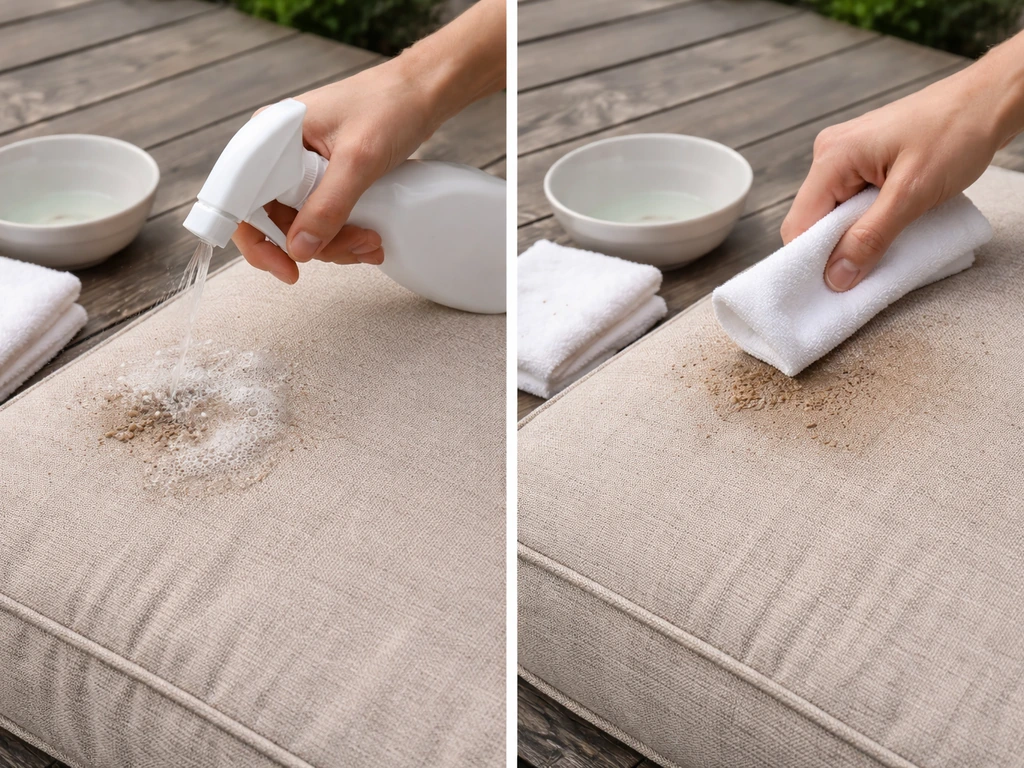
Porous surfaces like unsealed wood decking, fabric awnings, or outdoor furniture cushions are trickier because the droppings can seep in. Soak the area with your disinfectant solution just like above, then scrub with a stiff brush. For fabric, a follow-up wash in hot water (above 140 degrees Fahrenheit) and detergent will handle residual contamination. Unsealed wood that has had heavy bird traffic over time should ideally be sealed or replaced if the contamination is deep.
Dealing with indoor accumulations (attics, sheds, garages)
This is where you need to treat it seriously. Enclosed spaces with months or years of accumulated droppings can have significant fungal loads. An N95 respirator is not optional here, it is important. Wet everything down before disturbing it, work with good ventilation, and bag everything in heavy-duty plastic bags. For large accumulations (a significant bat or bird colony has been roosting), stop and call a professional remediation company rather than doing it yourself.
If a pet bird or indoor bird has orange droppings
For a pet bird, the first thing to do is look at what it has been eating in the past 24 to 48 hours. If you recently switched pellets, gave it a new fruit, or offered anything with orange or red coloring, that is your answer. Remove the new food, monitor the droppings for the next day or two, and if they return to normal then you have found the culprit. Petco's guidance specifically calls out this scenario.
If there is no obvious dietary reason for the color change, or if the bird is showing other symptoms (fluffed feathers, sitting at the bottom of the cage, not eating, unusual weight loss, labored breathing, or changes in voice), make a vet appointment soon rather than waiting. Avian vets can run a basic fecal analysis to check for parasites or infection. Keep the bird warm and minimize stress while you wait for the appointment.
For cleanup of a pet bird cage or enclosure with orange droppings, use the same wet-cleaning approach. Avoid using bleach directly on surfaces your bird will contact; instead use an avian-safe disinfectant (look for products labeled safe for bird enclosures) or dilute white vinegar as a milder alternative. Rinse thoroughly and allow to dry before returning the bird. Always wash your hands after handling cage materials, and do not let children play near bird enclosures without supervision and hand washing afterward.
If a person has had direct contact with droppings
Skin contact: wash the area immediately and thoroughly with soap and warm water for at least 20 seconds. This is usually sufficient for brief skin exposure. If droppings got in the eyes, flush with clean water for 10 to 15 minutes and contact a healthcare provider.
Inhalation: if someone has been sweeping or disturbing dry droppings without a mask in an enclosed space and develops respiratory symptoms (cough, fever, chest tightness) within one to three weeks, mention the exposure to a doctor. Symptoms of psittacosis and histoplasmosis can look like flu or pneumonia, so telling the doctor about the bird exposure helps get the right diagnosis quickly.
The good luck myth vs. what the evidence actually says
The idea that being hit by bird poop brings good luck is old, widespread, and genuinely fun. Versions of this belief show up across Russian, Turkish, and various Western European folk traditions, often tied to the rarity and surprise of the event. There is even a loose logic to it: if something mildly unpleasant happens and nothing worse follows, we tend to remember the luck rather than the mess. Orange bird poop landing on you is probably not more or less lucky than white, for what it is worth.
What the evidence does say is more straightforward: bird droppings are a fecal material that can carry pathogens, and the color has nothing to do with the risk level. Believing the poop was lucky does not hurt anyone, but skipping hand washing because of that belief absolutely can. Enjoy the folklore, clean up the mess. Both things are completely compatible.
When to call a professional and how to prevent repeat visits
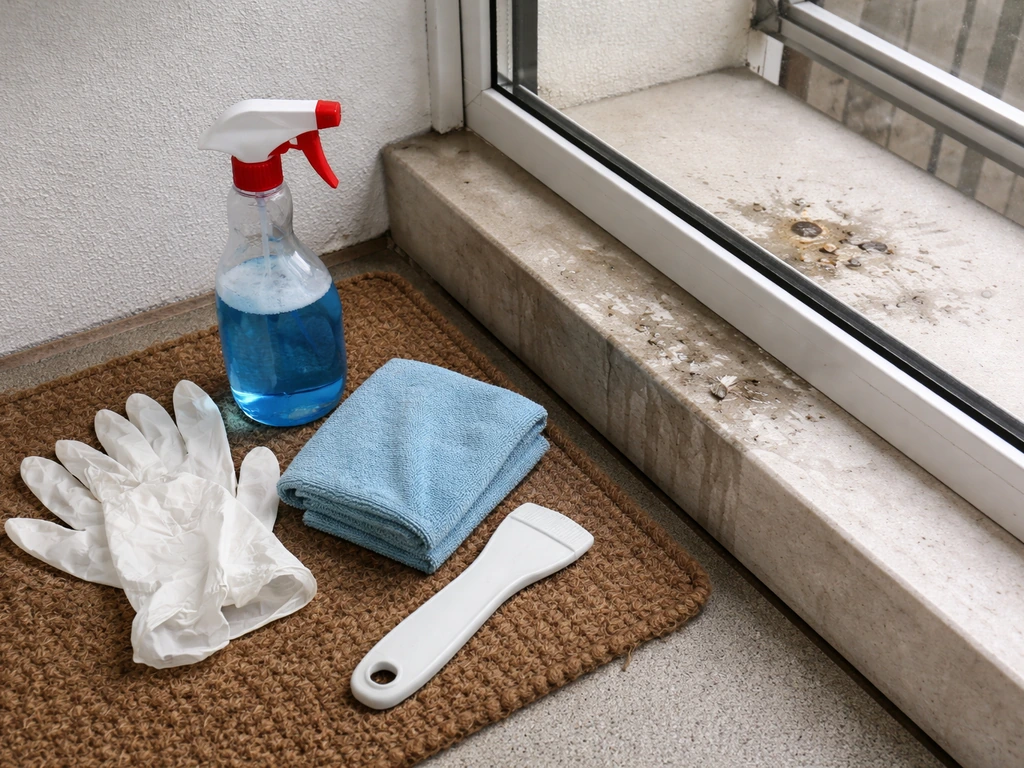
Most single-bird encounters on your car or patio need nothing more than the wet-wipe-rinse-wash routine described above. But there are clear situations where calling a pest control or wildlife remediation professional is the right move:
- There is a roosting or nesting colony (pigeons, starlings, gulls, or bats) leaving ongoing accumulations on your property
- Droppings have built up in an enclosed space like an attic, crawlspace, or HVAC unit over months or years
- You or someone else has been significantly exposed to a large disturbed accumulation and has symptoms
- Protected bird species are involved and you need to know what removal methods are legally permitted
- The surface or material damaged by acidic droppings (roof membranes, HVAC components, painted surfaces) needs assessment
For prevention, physical deterrents are the most reliable long-term solution. Bird spikes on ledges, wire mesh over eaves and vents, and reflective tape or decoy predators (like owl silhouettes) all reduce roosting. Removing food sources matters too: open compost, accessible garbage, pet food left outside, and bird feeders near your car or patio all attract birds. If you have a feeder and want to keep it, simply relocate it well away from surfaces you care about keeping clean.
If you want to identify what species left the orange droppings, look at the size of the dropping and where it landed. Large splatter patterns on the ground under trees point to medium to large birds (crows, starlings, waxwings) that may have been feasting on nearby fruit. Small, neat droppings on window sills or car mirrors suggest smaller passerines. The orange color itself, especially in late summer and fall, is a pretty strong signal that something nearby is fruiting and the local birds are taking full advantage of it.
FAQ
Can orange bird poop be from an illness in the bird, or is it usually diet-only?
Most orange droppings are diet or pigment passing through the gut (colored pellets, berries, orange-red fruit). It becomes more concerning when the bird has no dietary changes and the orange color is persistent for more than a day or two, especially if you also notice lethargy, fluffed feathers, weight loss, reduced appetite, labored breathing, or voice changes.
If I just saw one orange dropping, do I need to worry or is it likely random?
One isolated dropping is usually not actionable. In that case, focus on hygiene and context, for example where it landed and whether nearby fruiting plants or a feeder could explain the color. Watch trends over 24 to 48 hours, particularly for pet birds.
Can orange droppings happen after I change my pet bird’s pellets or introduce new foods?
Yes. Orange or rust-colored droppings commonly follow a switch to red or orange pellets, colored commercial diets, or a new fruit. Remove the new item and monitor the droppings for the next day or two to see if color normalizes.
Does orange bird poop mean the droppings are more dangerous than brown or white?
No. Color does not reliably predict infection risk. The key risks come from pathogen exposure and from how much dried droppings you disturb, especially in enclosed or dusty spaces.
Is it safe to wipe fresh orange bird poop with a dry paper towel?
Avoid dry wiping on anything that could be dust-prone, especially if it has started to dry. The safest approach is wetting first (spray or soak with an appropriate disinfectant solution), then wipe or rinse, to reduce aerosolized particles.
What should I do if bird poop is on a car windshield or paint, and I cannot wet it thoroughly?
Pre-wet as much as possible with water and a cleaner before you touch it, then wipe gently with clean, absorbent cloths. Wash the area afterward, because repeated rubbing with dried residue can scratch surfaces and spread material around.
Can orange poop from wild birds indicate liver disease?
Not reliably. For wild birds, you typically cannot confirm whether diet changed, and orange color is often from pigmented food. A liver problem is more relevant for a pet bird you can observe closely and whose diet history you know.
If orange urates look like an orange blob instead of a fecal shape, what does that mean?
It usually means stained urates. Uric acid is white, but bile pigments or food compounds can tint it, making the droppings look like an orange-tinged white section. This is still commonly diet-related if the bird otherwise seems well.
How long should I monitor a pet bird before I call the vet if droppings stay orange?
If there is no obvious dietary reason and the droppings remain orange beyond about one to two days, or if symptoms appear, call for an appointment promptly. Waiting longer is not recommended when there are signs like fluffed feathers, inactivity, not eating, weight loss, or breathing changes.
What is the correct way to clean up large accumulations of orange droppings in a barn, attic, or enclosed space?
Treat it as high-risk for inhalation. Wet everything down before disturbing it, use an N95 respirator, ensure ventilation, and bag waste in heavy-duty plastic. For extensive roosting or colony-level buildup, contact a remediation professional instead of DIY cleanup.
Should I use bleach to disinfect after cleaning bird droppings from a pet bird cage?
Avoid applying bleach directly to surfaces your bird will contact. Use an avian-safe disinfectant labeled safe for bird enclosures, or a milder alternative such as dilute white vinegar, then rinse thoroughly and let it dry fully before returning the bird.
Can children or pets get sick from orange bird droppings on outdoor furniture or floors?
Yes, any bird droppings can carry pathogens, so assume risk regardless of color. Keep children away until the area is wet-cleaned and washed, and prevent pets from licking surfaces that were contaminated.
What symptoms in a person should trigger medical attention after exposure to disturbed dried bird droppings?
If someone disturbed dried droppings in an enclosed space without proper protection and later develops respiratory symptoms like cough, fever, or chest tightness within about one to three weeks, they should seek medical advice and mention the bird exposure.
Citations
Birds excrete nitrogenous waste mainly as uric acid (urates), which deposits as the white component of droppings, while the darker fecal portion reflects digestion and diet.
https://www.britannica.com/story/why-is-bird-poop-white
CDC notes psittacosis (Chlamydia psittaci) is acquired most commonly by breathing in dust containing dried bird secretions or droppings.
https://www.cdc.gov/psittacosis/about/index.html
CDC advises treating bird-dropping contamination as a fecal incident (formed human feces approach) and points to CDC’s Fecal Incident Response Recommendations for decontamination steps.
https://www.cdc.gov/healthy-swimming/response/responding-to-birds-in-and-around-the-pool.html
WSU’s guidance says only wet cleaning methods are recommended (e.g., thoroughly soaking droppings with a disinfectant solution) to avoid creating dust/aerosol during cleanup.
https://ehs.wsu.edu/ehs-training/factsheets/factsheet-bird-and-bat-waste/
CDC advises wearing PPE, avoiding stirring up dust/waste/feathers during cleaning of contaminated premises, and using an N95 respirator if available to reduce inhalation risk.
https://www.cdc.gov/bird-flu/caring/
OSHA emphasizes hand hygiene after contact with infected/exposed poultry and after contact with surfaces contaminated with bird mucus/saliva/feces, and prior to eating, drinking, smoking, or bathroom use.
https://www.osha.gov/avian-flu/control-prevention
WSU lists diseases associated with bird/bat droppings including cryptococcosis and histoplasmosis (fungi) and psittacosis (bacteria).
https://ehs.wsu.edu/ehs-training/factsheets/factsheet-bird-and-bat-waste/
CDC (NIOSH) states the best way to prevent histoplasmosis exposure is to prevent droppings from accumulating and to avoid disturbing dry material; it specifically recommends spraying/wetting rather than shoveling or sweeping dry, dusty material to prevent aerosolization.
https://www.cdc.gov/niosh/histoplasmosis/prevention/elimination-and-engineering-controls.html
VCA notes birds consuming colored pellets may have red- or orange-colored feces, meaning diet changes (including pigmented feed) can shift droppings color.
https://vcahospitals.com/know-your-pet/birds-abnormal-droppings
Petco states that a recent diet change can lead to orange-looking droppings, reflecting that feed composition/pigments can alter fecal color.
https://www.petco.com/content/content-hub/home/questions/01/42/669145.html
The shelter animal guidance notes some foods can cause feces to become red/pink/purple (e.g., berries), and that droppings color/consistency/volume can fluctuate with diet.
https://www.avianwelfare.org/shelters/pdf/NBD_shelters_symptoms_of_illness.pdf
That same guidance states yellow or bright green urates can indicate liver disease or infection, tying specific urate color changes to health risk.
https://www.avianwelfare.org/shelters/pdf/NBD_shelters_symptoms_of_illness.pdf
The document describes coccidiosis as a disease transmitted via ingestion of oocysts in contaminated feed/water/soil/droppings, and notes coccidia live in the bird’s intestine/caecum and pass out through droppings.
https://nt.gov.au/_media/docs/business-and-industry/agriculture/moving-livestock-to-nt/poultry-and-pigeons/infectious-diseases.pdf
Merck lists clinical signs of coccidiosis as including diarrhea (with or without mucus), hematochezia, lethargy, weight loss, vomiting, abdominal pain signs, pallor, and anorexia.
https://www.merckvetmanual.com/digestive-system/coccidiosis/overview-of-coccidiosis-in-animals
The coccidiosis fact sheet states birds become infected when they ingest oocysts in contaminated feed, water, soil, or droppings.
https://healthybirds.info/wp-content/uploads/2025/10/WSFC_FactSheet_Coccidiosis.pdf
PoultryMed describes sulfur-yellow droppings as one of the recognizable signs of histomoniasis (blackhead) in turkeys.
https://www.poultrymed.ca/main/safeguarding-turkey-flocks-a-practical-guide-to-managing-histomoniasis-blackhead/
Histomoniasis in poultry is caused by Histomonas meleagridis and is associated with sulfur-yellow diarrhea and cyanosis of the head in birds (reflecting bile/intestinal disease effects).
https://en.wikipedia.org/wiki/Histomoniasis
Merck explains coccidiosis signs relate to destruction of intestinal epithelium, which helps explain why droppings can become watery/mucus-containing/bloody during illness.
https://www.merckvetmanual.com/digestive-system/coccidiosis/overview-of-coccidiosis-in-animals
CDC states symptoms are similar to other respiratory illnesses and that dust/aerosol from dried droppings is a primary exposure route.
https://www.cdc.gov/psittacosis/about/index.html
Cleveland Clinic notes psittacosis comes from close contact with infected birds and breathing in dust contaminated with dried bird droppings/respiratory fluids, and can cause respiratory infection symptoms plus loose droppings/diarrhea.
https://my.clevelandclinic.org/health/diseases/25023-psittacosis
Pennsylvania’s wildlife health page states Salmonella spreads via direct contact with infected birds or by ingestion of food/water contaminated with feces from infected birds.
https://www.pa.gov/agencies/pgc/wildlife/wildlife-health/wildlife-diseases/salmonellosis.html
Virginia Tech’s fact sheet states Campylobacter is shed in feces by many mammals and birds, and that human infections most often arise from ingesting contaminated food (including poultry).
https://www.research.vt.edu/iacuc/training/faqs/campylobacter.html
New York State DOH reports that anyone can get campylobacteriosis but young children, elderly, and people with weakened immune systems have increased risk for severe disease.
https://www.health.ny.gov/diseases/communicable/campylobacteriosis/fact_sheet.htm
WSU highlights that people may be exposed when material is disturbed or when dust is created, reinforcing that cleanup technique determines inhalation risk.
https://ehs.wsu.edu/ehs-training/factsheets/factsheet-bird-and-bat-waste/
NSC’s Data Sheet 750 is specifically titled for cleaning bird droppings and provides a procedural cleanup approach (used as a basis for evidence-based steps in some occupational safety contexts).
https://www.nsc.org/getmedia/d41a4973-540d-4418-a5ad-be18132bdb5b/cleaning-bird-droppings.pdf.aspx
Wisconsin DHS guidance states surgical masks/dust masks may be worn when splash/dust could enter the mouth/nose, and a respirator (N95 or higher) may be worn when there’s potential for airborne particles/infectious organisms (e.g., from contaminated droppings).
https://www.dhs.wisconsin.gov/environmental/ppe.htm