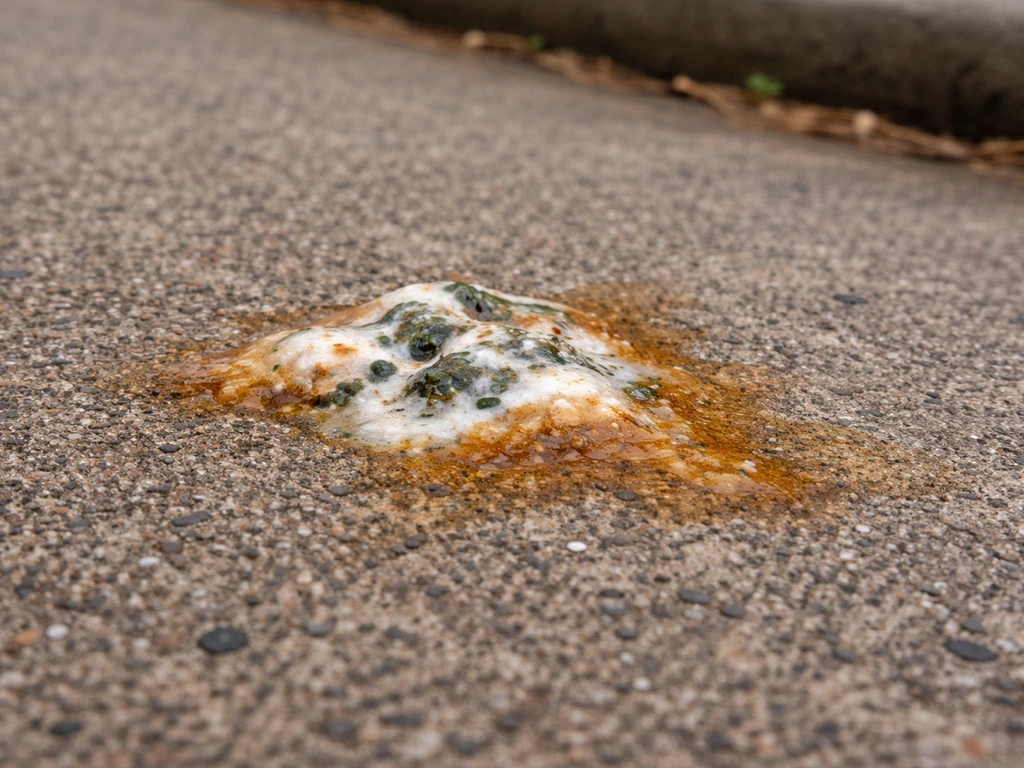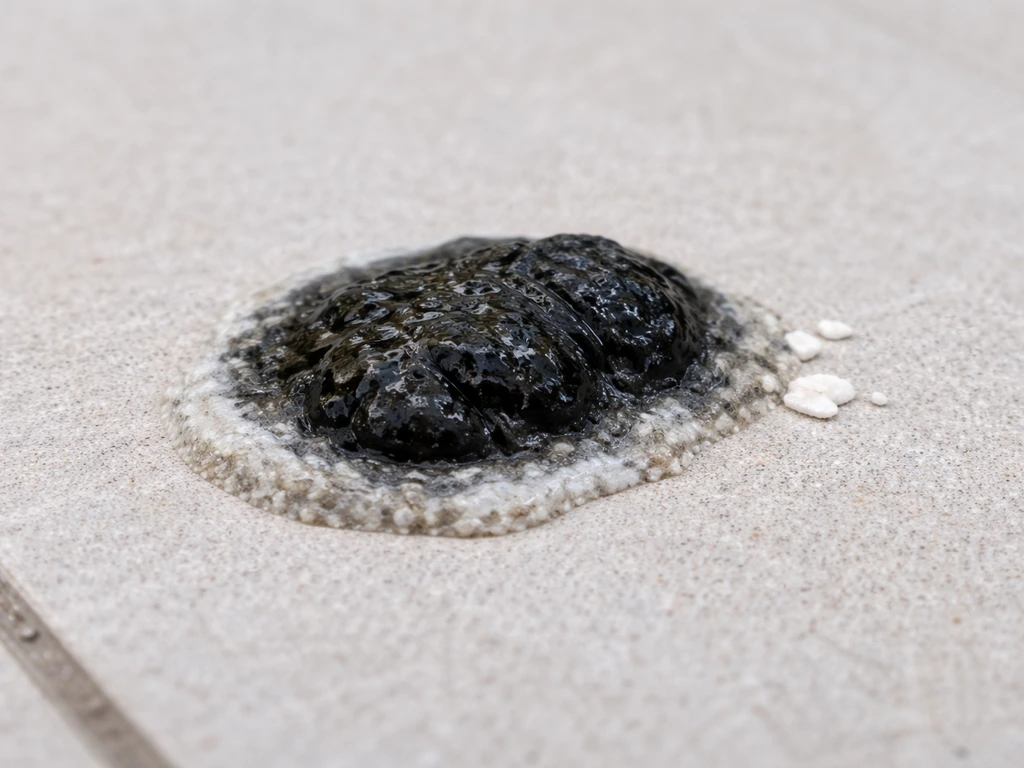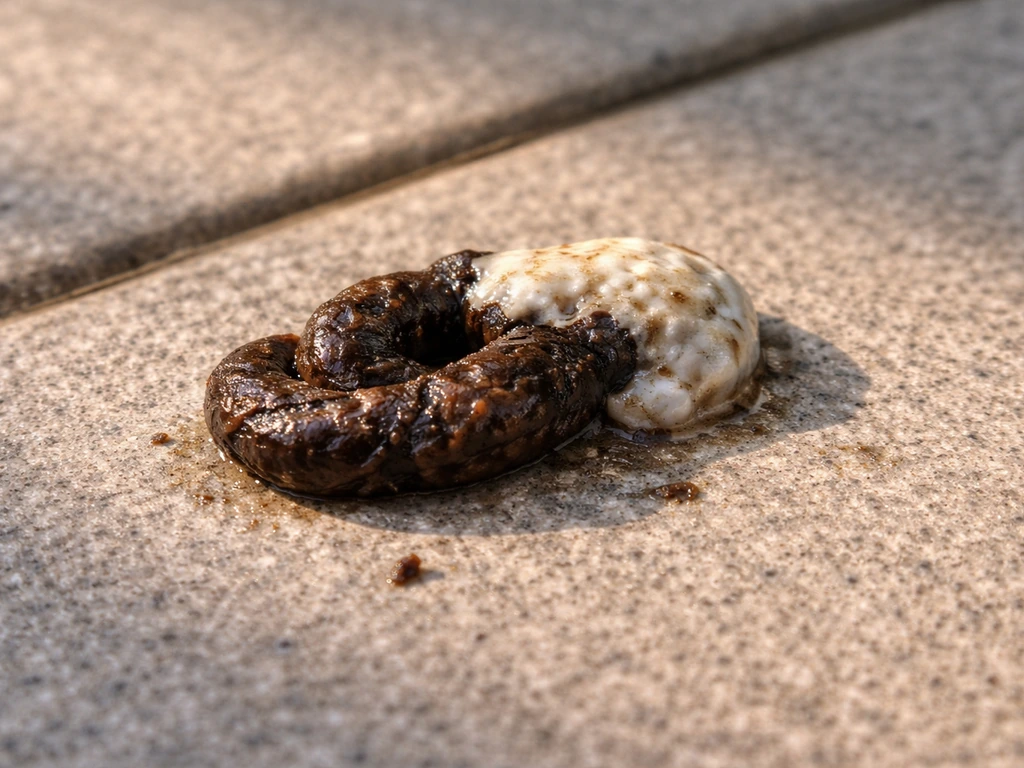
Black bird poop is almost always caused by what the bird ate. Dark berries, black cherries, blueberries, mulberries, and even certain seeds can turn droppings a deep brown-black that looks alarming but is completely harmless. If you have a pet bird and the color goes back to normal within 24 hours after a diet change, you can relax. If it persists past 24 hours, or if the poop looks tarry, smells unusually foul, or is paired with a sick-looking bird, that is when you need to take it seriously.
Why Is Bird Poop Black? Causes, When to Worry, Cleanup Tips

Marcus Fielding
30 May 2026
What black bird poop usually means
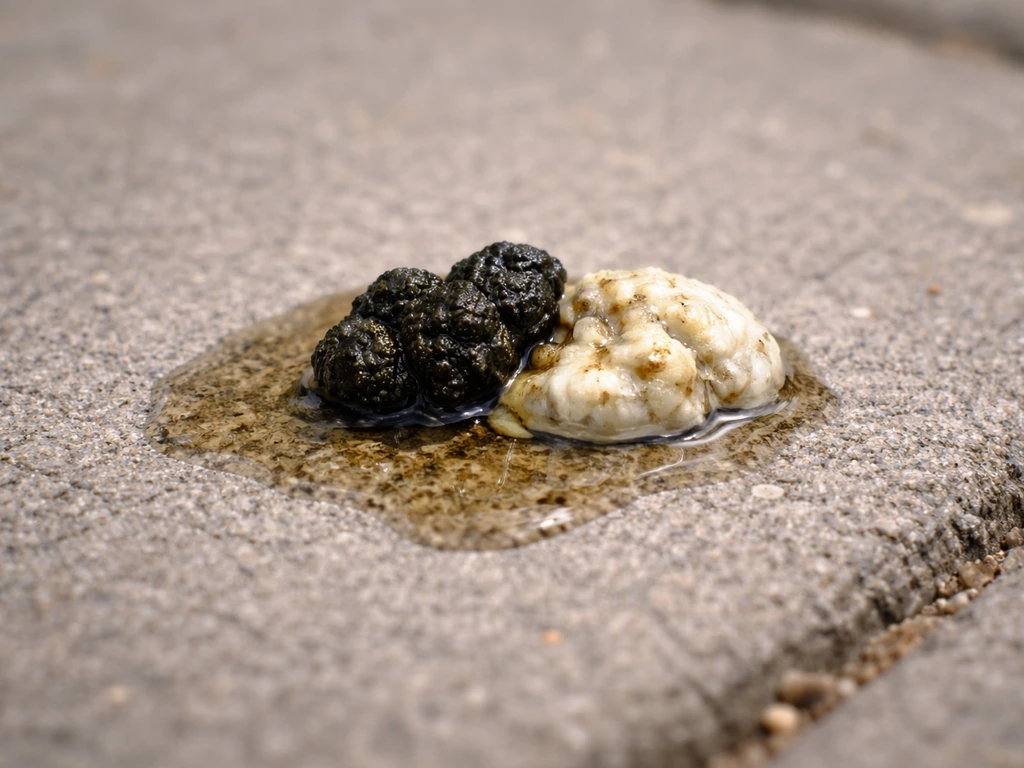
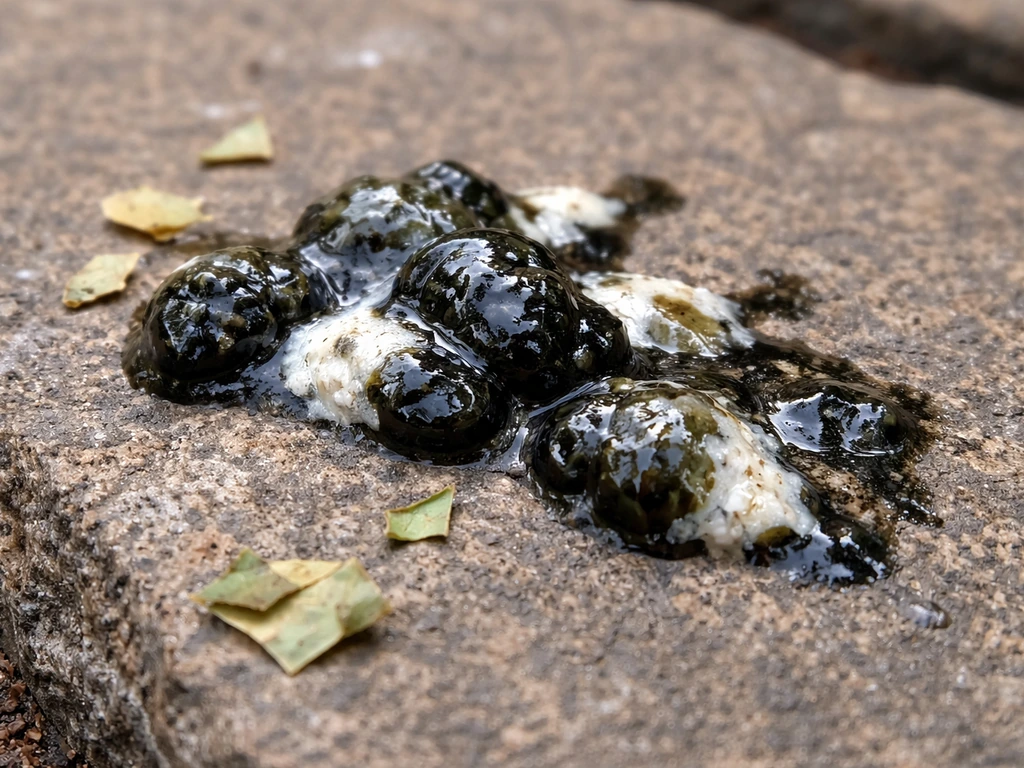
blank" rel="noopener noreferrer">Normal bird droppings have three distinct parts: the dark fecal component, the white or beige semisolid urates, and a small amount of clear liquid urine. When you see something that looks almost entirely black, the most common explanation is that the fecal portion has darkened due to diet, and the urate cap is still visible as a white or off-white blob on top. That combination is a reassuring sign. The dark color is usually just pigment from food passing through a digestive system that, honestly, works pretty fast.
Wild birds are especially prone to producing dark droppings because their diets shift constantly with the seasons. A flock of starlings or cedar waxwings that has been gorging on ripe mulberries or wild cherries will leave behind droppings so dark they look black, and they will stain your car or patio accordingly. The same logic applies to pet birds given dark-pigmented treats. None of this is a health problem; it is just digestion doing its job.
Diet and digestion: how food and timing change the color
The connection between what a bird eats and what comes out is more direct than in most mammals because birds digest food quickly. Pigments from dark fruits, iron-rich pellets, charcoal-based supplements, and even some leafy greens can all shift the fecal portion toward very dark brown or black within a few hours of eating. Blueberries, blackberries, elderberries, and dark cherries are the most common culprits. If you changed your pet bird's diet recently or gave it a new treat, that is almost certainly the explanation.
Water intake and stress also matter a lot. A bird that is stressed, for example from a vet visit, a new environment, or a change in household routine, may produce droppings that look very different from its normal baseline: wetter, darker, or more frequent. According to Purdue University's College of Veterinary Medicine, color, consistency, and quantity of droppings can change regularly based on diet, water intake, and even the bird's mood. So a one-time dark dropping after an exciting or stressful event is not automatically a red flag.
| Likely Cause | What the Poop Looks Like | Cause for Concern? |
|---|---|---|
| Dark berries or fruit | Dark brown to black fecal part, white urates still visible | No, watch for 24 hours |
| Iron-rich pellets or supplements | Consistently dark brown-black droppings | No, if behavior is normal |
| Stress or excitement | Darker, wetter droppings, short-lived | No, if it resolves quickly |
| Digested blood (melena) | Green-black, tarry, sticky, foul smell | Yes, see a vet promptly |
| GI infection or parasites | Dark, watery, or bloody with no diet explanation | Yes, vet visit needed |
| Charcoal or activated charcoal | Very dark to black, but normal texture | No, if intentionally given |
Signs something might actually be wrong
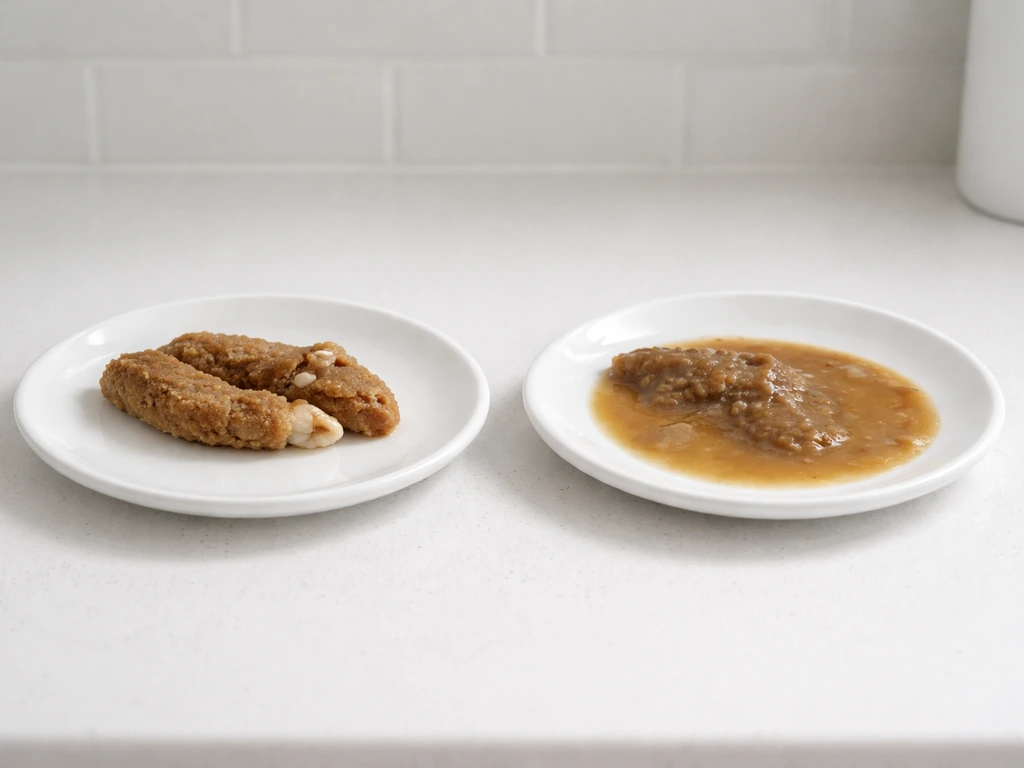
The appearance details matter a lot here. Diet-related dark poop tends to look normal in texture, have a distinct white urate portion, and not smell dramatically different from the bird's usual droppings. The kind of black poop that signals a real problem looks and smells different. Melena, which is the veterinary term for digested blood in stool, is described as green-black, tarry, and sticky, with a particularly foul odor. That tarry texture is the key distinction because digested blood changes the consistency of the stool in a way that dark berry pigment does not.
You should also look at the urate portion. Healthy urates are white, semisolid, and slightly gritty. If the urates have turned yellow, lime green, or are absent entirely, that points to a liver problem or infection rather than simple diet variation. Watery droppings with dark coloring and no solid structure, especially if they have a strong ammonia or rotten smell, are worth taking seriously regardless of what the bird has been eating.
- Tarry, sticky texture that is different from normal stool consistency
- Strong, unusually foul odor that is not explained by a recent diet change
- No visible white urate component, or urates that are yellow or green
- Very watery or unformed dark droppings lasting more than a few hours
- Black droppings combined with a lethargic, puffed-up, or not-eating bird
- Bright red mixed in with the dark coloring (fresh blood rather than digested)
- No dietary explanation for the color change
Pet bird vs wild bird: when should you actually worry?
If it is your pet bird
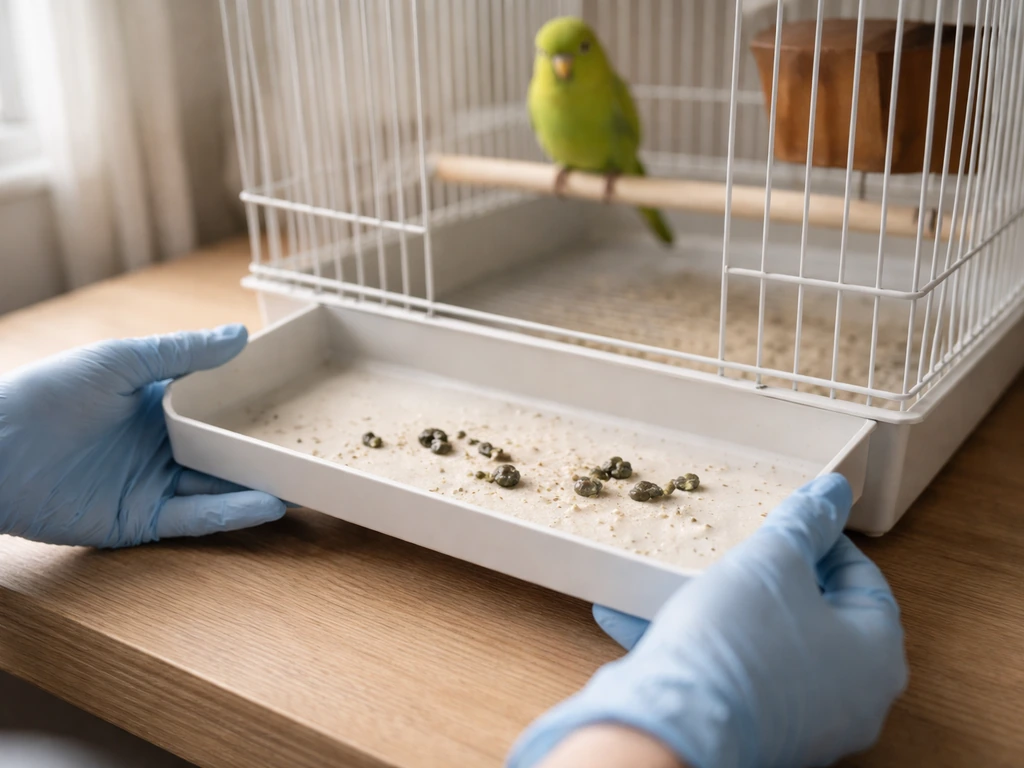
You have the advantage of knowing exactly what your bird has eaten and what its normal droppings look like. Compare the dark dropping against its baseline. If you changed the diet, gave a dark fruit treat, or the bird had a stressful day, wait and watch. VCA Animal Hospitals is clear on the timeline: if abnormal droppings persist for more than 24 hours, get the bird to a vet. Do not wait a week to see if things improve. Birds hide illness very well, and by the time they are visibly sick, they can decline quickly. Black tarry droppings in a pet bird that has not eaten dark food should be treated as an emergency, not a wait-and-see situation.
If it is a wild bird
If you are finding dark or black droppings on your car, patio, or windowsill, the bird's health is not really something you can manage directly. What you are dealing with is a cleanup and exposure problem. Wild birds eating seasonal fruit will reliably produce dark droppings during berry season, and this is completely normal. If you find a sick or dead wild bird nearby (and the droppings seem to match), report it to your local wildlife authority and do not handle the bird with bare hands. For the droppings themselves, the concern shifts from the bird's health to your own.
Health risks and disease transmission: what is actually worth worrying about
Bird droppings, regardless of color, carry genuine health risks that are worth knowing without catastrophizing. The main concerns are Histoplasma capsulatum (a fungus that grows in accumulated droppings and causes histoplasmosis when inhaled), Cryptococcus neoformans (another fungal pathogen found in pigeon droppings specifically), Chlamydia psittaci (the bacterium behind psittacosis, primarily from parrot-family birds), and Salmonella. These pathogens are most dangerous when droppings dry out and become airborne as dust or aerosol, which is exactly what happens when you sweep or blow dry droppings without protection.
The color of the droppings does not change the pathogen risk in any meaningful way. Black droppings from berry-eating birds are not more or less dangerous than white-tipped droppings from the same bird. The risk comes from volume, dryness, and your exposure route. A single fresh dropping on your car roof is a very different situation from a roost site with years of accumulated dry droppings. If you have a large accumulation to deal with, treat it as a hazardous cleanup, not a quick sweep job.
How to clean and handle black bird droppings safely right now
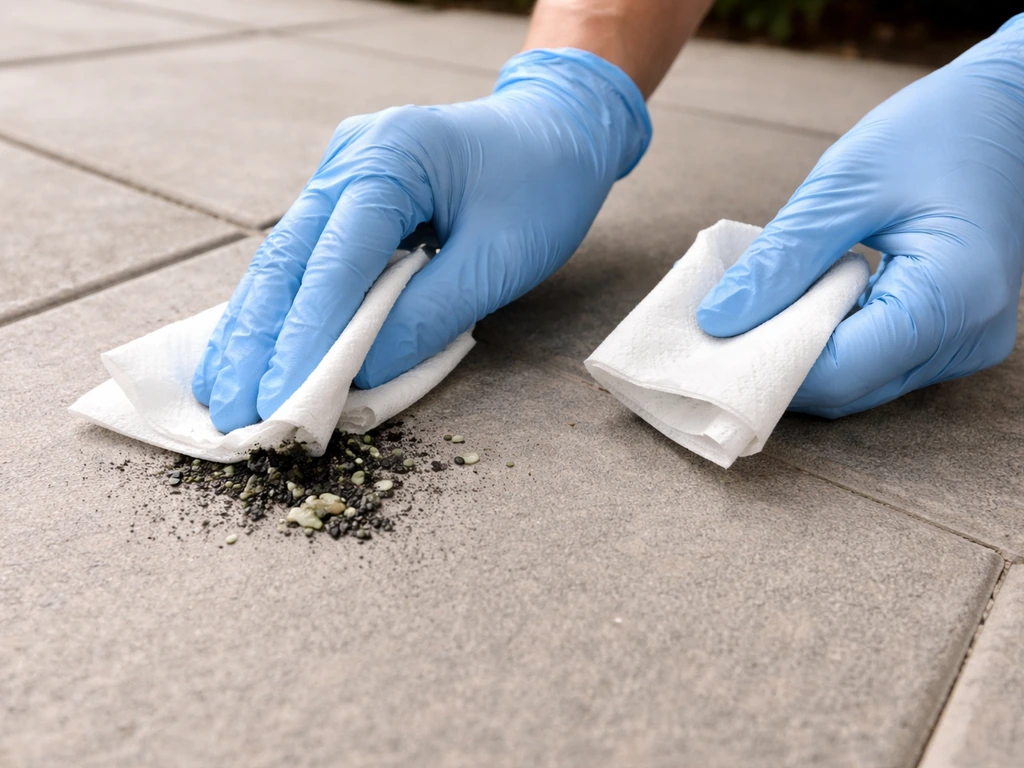
The single most important rule is: do not dry-sweep or use a leaf blower on bird droppings. Dry disturbance creates aerosols that you then breathe in, which is how most exposure-related infections happen. Wet the droppings first with water or a diluted disinfectant spray, let it soak for a minute or two, then wipe or scoop it up. This keeps the material from becoming airborne.
- Put on disposable gloves and, for larger cleanups or enclosed spaces, an N95 respirator mask.
- Wet the droppings thoroughly with water or a 10% bleach solution before touching or scraping anything.
- Use paper towels or disposable cloths to wipe up the material. Do not use your household sponge.
- Double-bag all materials in plastic bags and seal before disposal.
- Disinfect the surface with a diluted bleach solution or an EPA-registered disinfectant and let it air dry.
- Wash your hands thoroughly with soap and water even if you were wearing gloves.
- For car paint, use a bird-dropping-specific remover or plain water to loosen dried droppings before wiping, since dry scraping can scratch the clear coat.
For pet bird cages, daily spot-cleaning with a damp cloth and weekly full disinfection is the standard. If you notice black or tarry droppings in the cage tray, photograph them and take the photo with you to the vet visit so the vet can assess what they looked like before cleanup. For anyone who has handled bird droppings and develops flu-like symptoms, a respiratory cough, or fever within a few days to two weeks, mention the bird exposure to a doctor. Most infections are mild and treatable, but early diagnosis matters.
The good luck myth vs the reality on the ground
In many cultures, being pooped on by a bird is considered good luck, and black or unusually dark droppings sometimes get an extra layer of symbolic meaning attached to them. Russian, Turkish, and Italian folklore all have versions of the bird-poop-as-fortune tradition. It is a fun way to reframe an annoying moment, and there is no harm in appreciating the symbolism while you reach for the paper towels.
That said, the superstition is not a substitute for actually checking whether something is wrong. If your pet bird is producing black tarry droppings, no amount of good luck framing changes the fact that a vet call is the right next step. The folklore works well as a coping mechanism for the car-poop situation; it does not work as a diagnostic tool. Think of it as something that belongs alongside the cleanup routine, not instead of it.
If you are curious about other unusual dropping colors, the same principles apply across the board. If you are seeing pink bird poop, it is usually a sign that blood is involved or that the droppings have been colored by something the bird ate. Brown droppings, pink droppings, and orange droppings each have their own mix of dietary and health explanations, and in most cases the diet connection is the first thing to rule out before assuming something is wrong. Brown droppings are usually related to diet as well, so it helps to look at what the bird ate and whether the color returns to normal after a day. Black is just the end of the same spectrum, and it follows the same logic: check the diet first, check the texture and smell second, and watch the 24-hour window before deciding whether a vet or doctor needs to be involved.
FAQ
Can bird poop look black even if the bird did not eat dark berries or cherries?
Yes, it can, if the bird had other pigment-heavy foods like charcoal-based supplements, iron-rich pellets, or certain leafy greens, or if it is stressed and drinking less water. If the urates are still present and white or beige and the droppings return to normal within 24 hours, it is usually diet or stress-related. If the droppings are tarry, smell unusually foul, or the black color persists beyond a day, treat it as a health issue.
How can I tell tarry black poop from normal dark droppings quickly?
The easiest quick check is texture and odor. Normal diet-related dark droppings look more like the bird’s usual stool shape and usually include a distinct white or beige urate portion on top. Melena typically looks green-black and sticky or tarry, and the smell is notably worse than usual. If it feels unusually thick or gummy and the odor is dramatically different, that points away from food pigment.
What if my pet bird’s urates are missing or are a different color?
Missing urates (or urates turning yellow, lime green, or absent) is more concerning than dark fecal pigment alone. The urate portion is part of the droppings system, so changes there can indicate infection or liver issues. Take this more seriously, especially if the bird is also puffed up, quiet, breathing differently, or eating less.
Is one black dropping enough to require a vet visit?
Often, no. A single abnormal dropping, especially after a new treat or a stressful event, can be reasonable to monitor. The decision point is persistence and appearance: if black/tarry droppings continue past 24 hours, or if texture and smell do not match the bird’s normal baseline, contact an avian vet promptly rather than waiting.
Does black bird poop mean a higher risk of infection than other colors?
Color alone does not meaningfully change infection risk. The risk is driven by how much dried droppings are present, how dusty they become, and how likely you are to inhale aerosolized particles when cleaning. If you have an accumulation in a roost site, treat it as higher risk even if the droppings are dark, and avoid dry sweeping.
What is the safest way to clean droppings from a patio or car without increasing exposure?
First, avoid disturbing dried droppings. Wet the droppings with water or a diluted disinfectant spray, let it soak briefly, then wipe or scoop. Use gloves and, ideally, a well-fitting mask if you are dealing with any amount that could become aerosolized. Do not hose directly into nearby soil or drains if you cannot contain the runoff.
Should I disinfect the area after cleaning wild bird droppings?
It depends on how heavy the contamination is and whether it is a high-touch surface. For small spots on hard surfaces, thorough wet cleanup is usually enough, then wipe with an appropriate disinfectant. For larger accumulations, especially on porous surfaces, you may need more time and repeated cleaning, and it can be wise to consult local guidance on safe disposal and re-cleaning schedules.
How long should I watch my pet bird after a diet change?
A practical guideline is the 24-hour window. If the droppings normalize within a day after the diet change, and the bird looks normal, it is typically not a problem. If it persists beyond 24 hours, or if the droppings look tarry, smell unusually bad, or the bird seems unwell, contact an avian vet and bring photos if possible.
What should I do if I handled bird droppings and develop symptoms later?
Monitor for respiratory or flu-like symptoms over the following days to about two weeks, such as cough, fever, or breathing issues. If symptoms show up, tell a healthcare provider about the bird droppings exposure. If symptoms are severe (trouble breathing, high fever, worsening cough), seek urgent care rather than waiting.
Do I need PPE for small amounts of fresh droppings indoors?
For very small, fresh spots, gloves and careful wet cleanup are usually sufficient, but indoor exposure is still important. If there is any chance the material has dried, or if you cannot avoid disturbing dust, use a mask and eye protection. The key mistake is dry wiping, brushing, or sweeping, because that can aerosolize particles you then inhale.