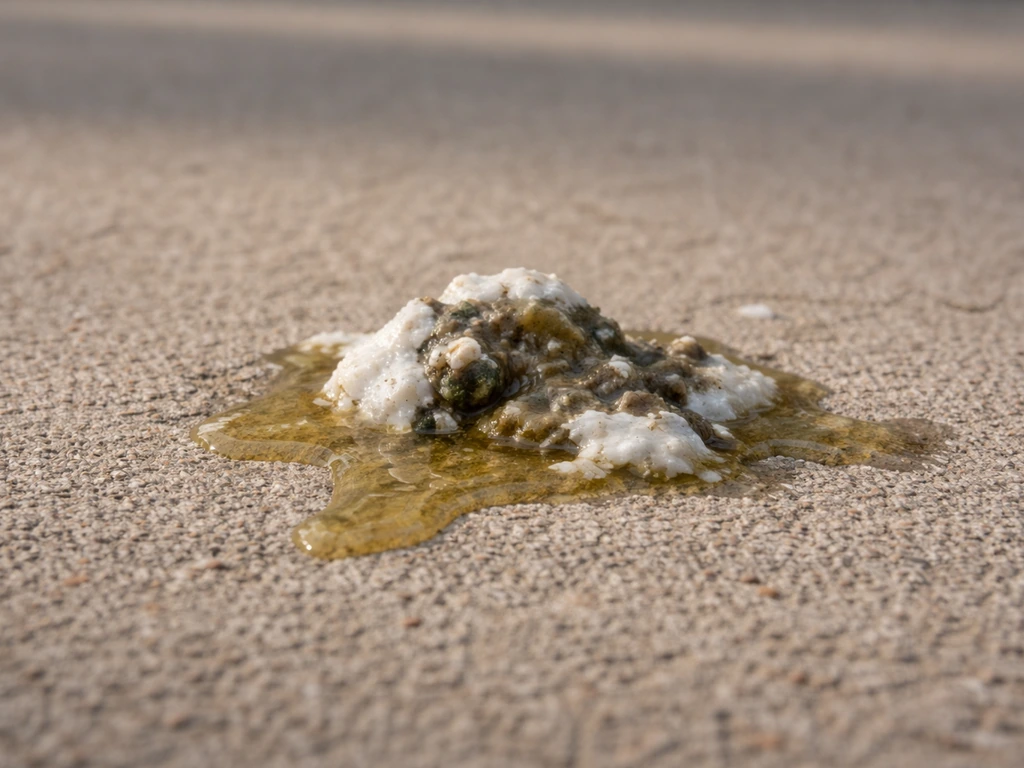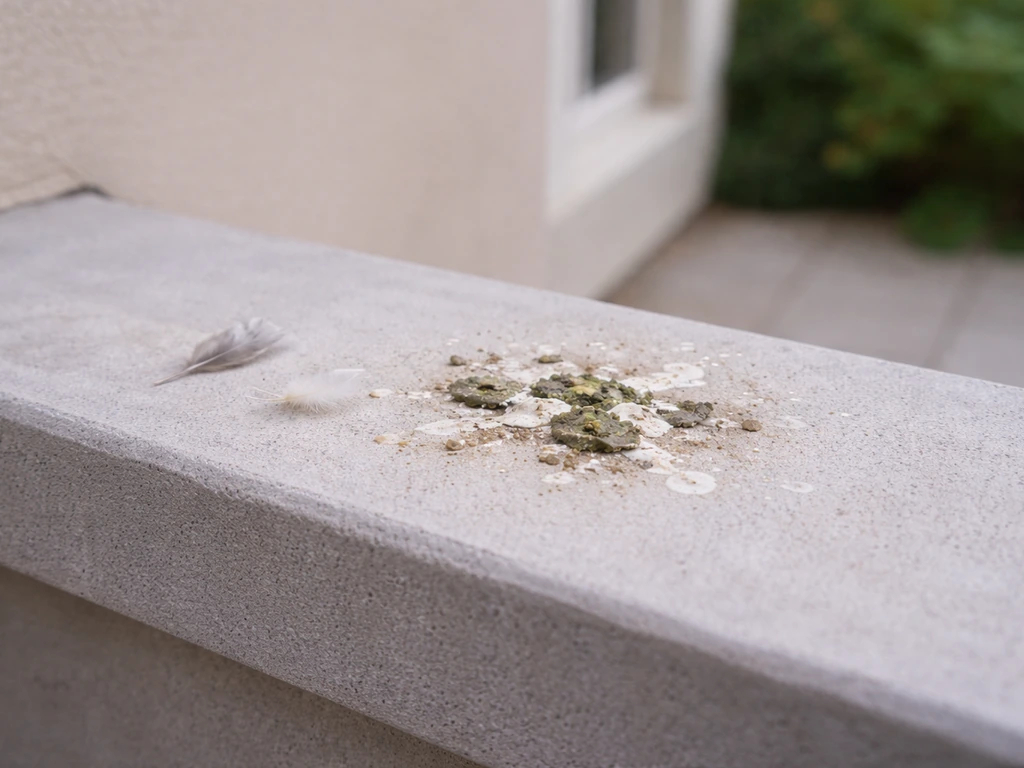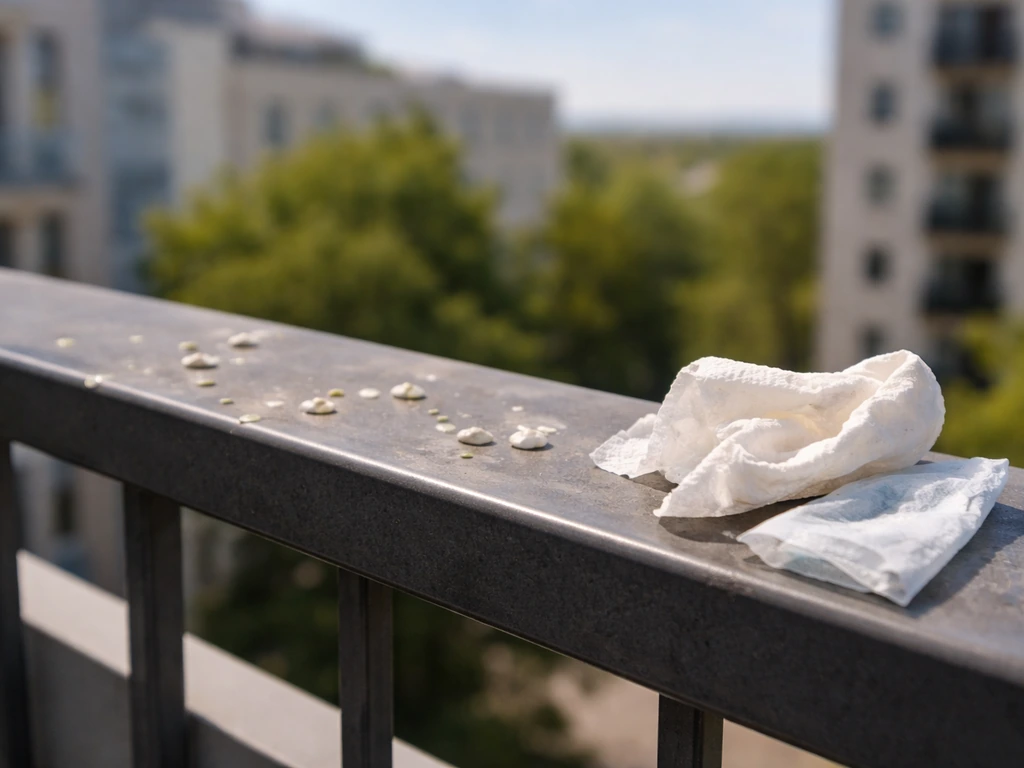
Yes, bird poop can absolutely be green, and in most cases it is completely normal. The fecal portion of a bird's droppings is naturally green or brown depending on diet, bile pigments, and how the three components (feces, urine, and urates) mix together. If you are instead wondering what red bird poop mean, the meaning can depend on whether it looks bloody or just stained by something the bird ate what does red bird poop mean. If you are looking at a green splat on your car, patio, or inside a cage, there is a good chance it is nothing to worry about. That said, context matters: the shade of green, what the bird has been eating, and whether other symptoms are present can shift it from "totally fine" to "worth paying attention to."
Is Bird Poop Green? Causes, Risks, and Safe Cleanup

Marcus Fielding
7 May 2026
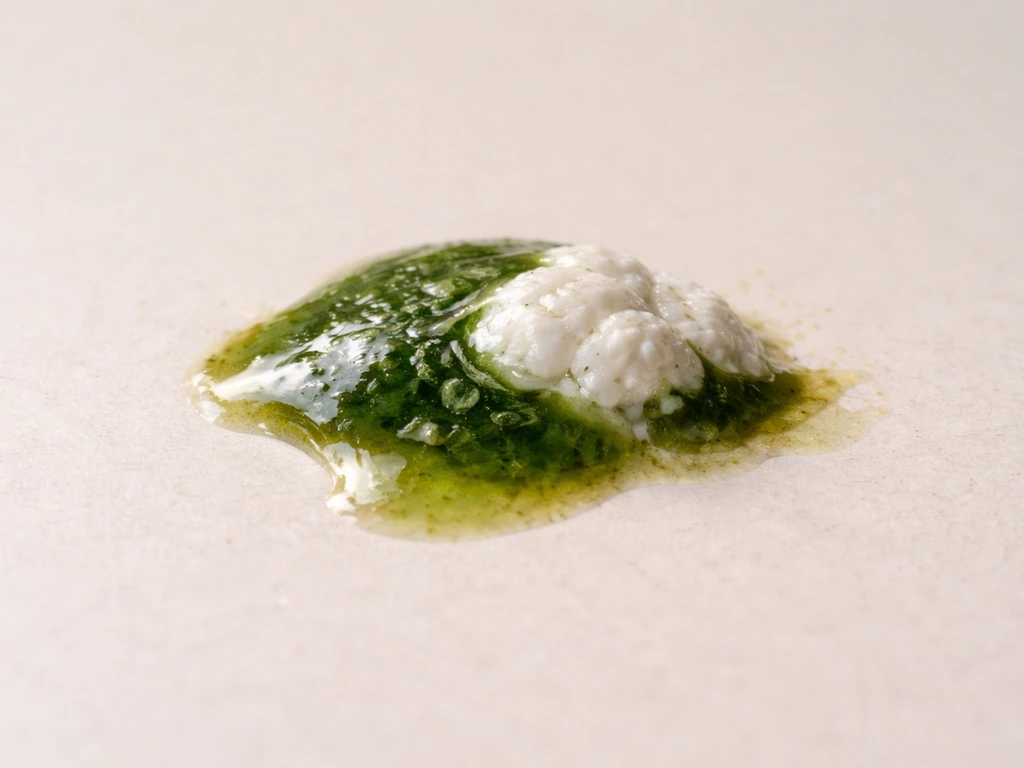
Can bird poop be green? Normal vs. unusual at a glance
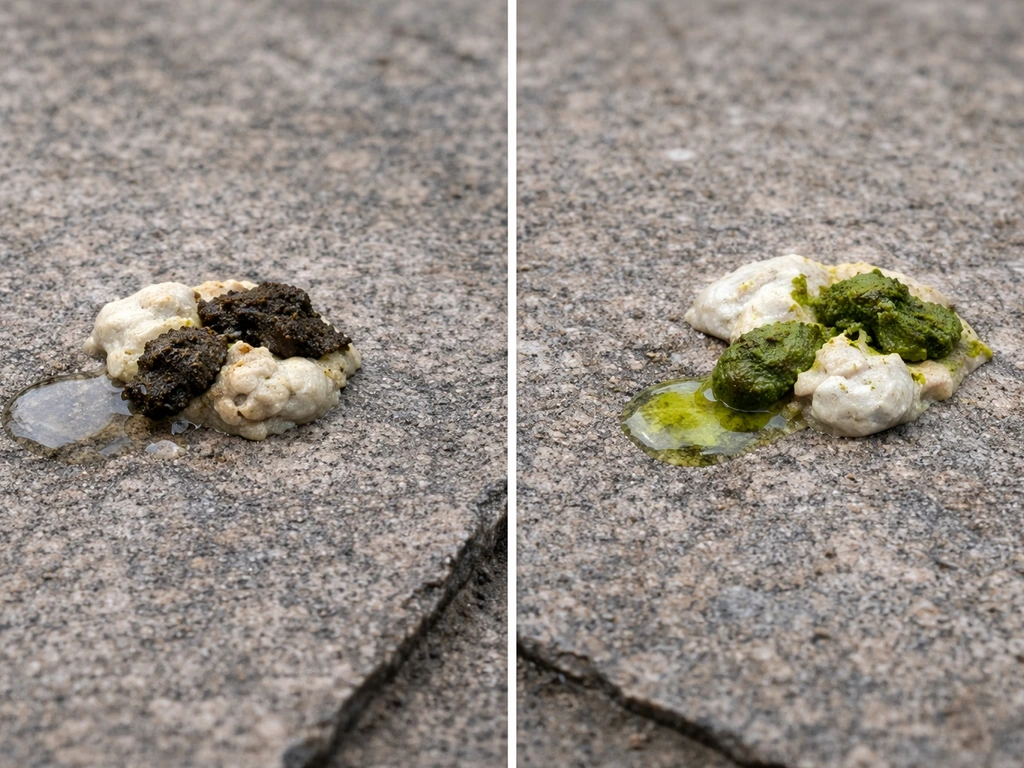
Bird droppings are made up of three distinct parts: the dark fecal component (actual digested waste), a clear or watery urine portion, and the chalky white or off-white urates (crystals of uric acid). When you see a "bird dropping" you are usually seeing all three mixed together on whatever surface they landed on. The fecal portion, according to veterinary husbandry guidelines from Purdue University's College of Veterinary Medicine, should normally be green or brown. So a green-tinted dropping is not a red flag on its own.
The tricky part is distinguishing a normal green from an unusual one. Here is a quick breakdown:
| What you see | Likely meaning |
|---|---|
| Olive or dark green fecal portion, white urates, clear urine | Normal, healthy bird dropping |
| Bright or lime green throughout | Strong pigment from diet (berries, greens, pellets) |
| Yellow-green, watery, little or no urates | Possible bile influence, stress, or illness — worth monitoring |
| Green with a foul smell and unusual texture | Could indicate infection or GI upset — warrants attention |
| Solid green with no white urate component | May signal dehydration or kidney issue in pet birds |
For wild bird droppings you find on your car or yard, you rarely know the bird's health history, so the more useful question is whether the color poses any risk to you during cleanup, which we will cover below.
Why bird droppings look green: diet, bile, and urates
The most common reason is diet. Birds that eat a lot of leafy greens, green vegetables, grass seeds, or pigment-rich fruits pass those pigments straight through. A parrot that just had a big meal of broccoli and spinach is going to produce noticeably green droppings. Same goes for wild birds eating berries, algae, or certain insects. The pigment contribution from food is usually the simplest explanation.
Bile is the second factor. Like in most vertebrates, bile produced in a bird's liver plays a role in digestion, and bile pigments can contribute a yellow-green color to GI contents. This is normal physiology, not a sign of disease. It is the same basic reason human vomit sometimes looks greenish when bile is involved. In birds with faster digestive transit times, this bile-influenced color can show up more prominently in fresh droppings.
Urates also play a role. While urates are usually white to off-white, their appearance can shift when food pigments or other substances are present at the same time. Avian clinical pathology references note that urate and urine appearance can be influenced by concurrent ingestion of pigment-containing foods, which means even the chalky portion of the dropping can take on a greenish tint when diet is involved.
Why your bird's poop is green specifically
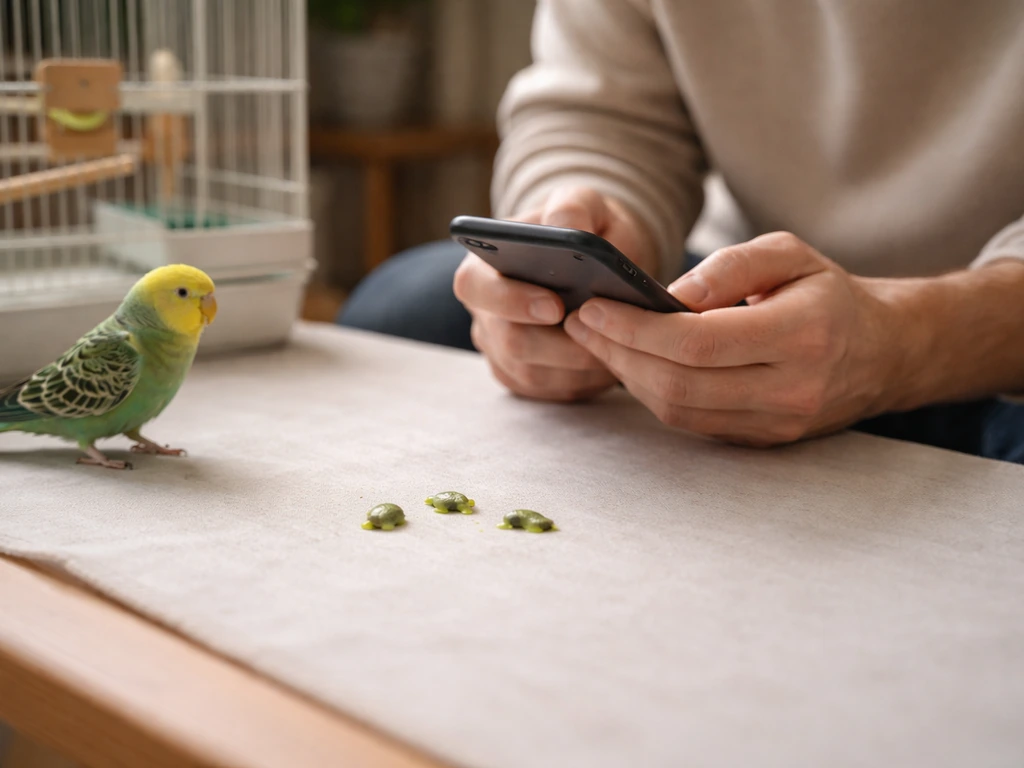
If you are a pet bird owner trying to troubleshoot, the answer usually comes down to three things: species, recent diet, and timing.
Species differences
Some birds produce greener droppings than others as a baseline. Parrots and other psittacines (cockatiels, budgies, macaws, African greys) tend to have naturally greenish fecal portions because of their vegetable-heavy diets and digestive chemistry. Pigeons and doves tend toward darker, grayer-brown droppings. Songbirds that eat insects can have droppings that range from black to dark green. Knowing what is normal for your species is genuinely the first step.
What they ate recently
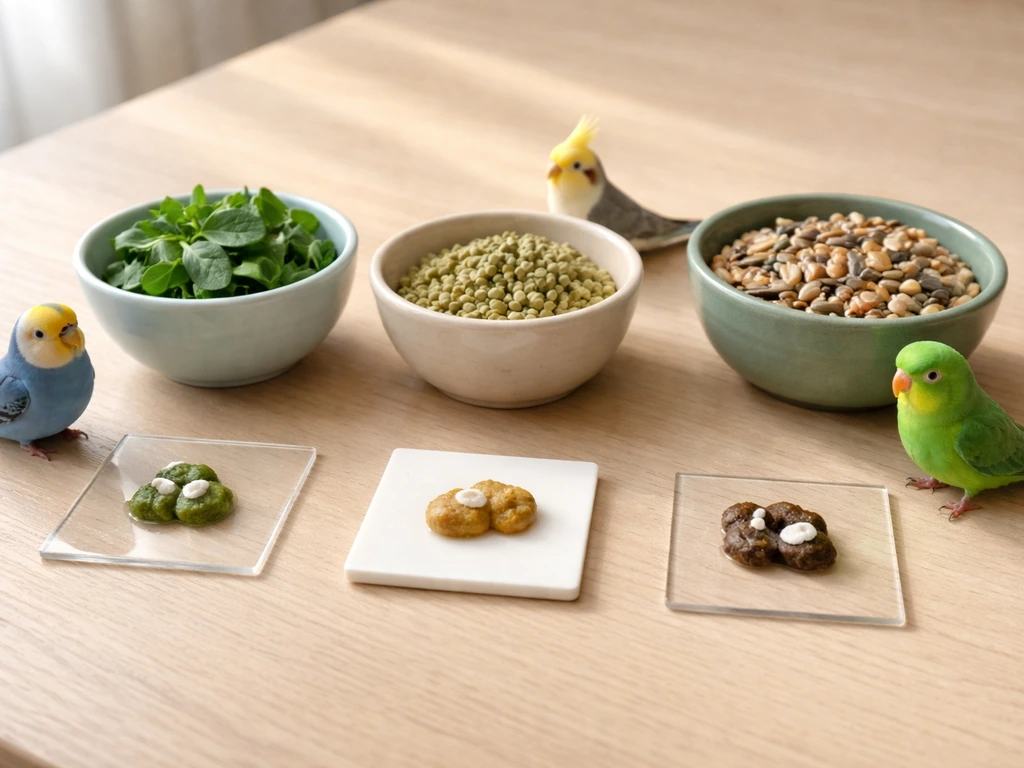
Bird digestion is fast. What a bird eats can show up in its droppings within hours. If your parrot had kale, spinach, or a green pellet formula this morning and now has noticeably green droppings, you have your answer. If you switched their food recently, that is almost certainly the cause. The same logic applies to wild birds: a starling that has been eating grass seeds or mulberries will drop differently than one eating suet.
Timing and stress
Stress can cause birds to produce looser, more bile-influenced droppings that look more yellow-green and watery. If your pet bird was recently handled a lot, moved to a new environment, or had a vet visit, temporary green and watery droppings can follow. This is called stress-induced diarrhea and usually resolves within 24 to 48 hours. If it does not, or if the bird shows other signs of illness (fluffed feathers, lethargy, loss of appetite), that is when you call an avian vet.
It is worth noting that bright green droppings with no white urate component at all can sometimes indicate the bird is not eating enough, since bile-stained feces without food residue can look intensely green. This is one case where "more green" is not better.
Is green bird poop dangerous? Health risks explained
The color green by itself does not make bird droppings more or less dangerous. The real health risk from any bird dropping, regardless of color, comes from the pathogens that can be present in dried or aerosolized fecal matter. Here is what is actually worth knowing:
- Histoplasmosis: A fungal infection caused by Histoplasma capsulatum, which grows in soil enriched by bird (and bat) droppings. Inhaling spores from disturbed, dried droppings is the main risk, especially in areas with large roosting populations.
- Psittacosis (Chlamydiosis): Caused by Chlamydia psittaci, this bacterial infection is most associated with parrots and poultry but can be transmitted via dried droppings from many bird species. It causes flu-like symptoms and responds to antibiotics.
- Salmonella: Wild birds, especially those congregating at feeders, can carry Salmonella. Droppings contaminating surfaces, water, or food are the typical transmission route.
- Cryptococcosis: A fungal disease associated particularly with pigeon droppings. Risk is low for healthy adults but elevated for immunocompromised individuals.
- E. coli and Campylobacter: These bacteria can be present in bird feces and cause gastrointestinal illness if droppings contaminate food or water sources.
For most healthy adults, a brief, casual encounter with bird droppings (a splash on your car, a single dropping on your hand that you wash off promptly) carries very low risk. For a quick answer to what it means, green bird poop is most often tied to diet pigments or normal bile chemistry what green bird poop means. The risk goes up when droppings are allowed to dry and are then disturbed without protection, when you are dealing with a large accumulation, or when you are immunocompromised. Pet bird owners should be aware that even healthy-looking birds can be carriers of Chlamydia psittaci, which is a reason to practice good hand hygiene and avoid face-to-beak contact.
Green droppings that suggest illness in the bird (bright, watery, bile-heavy, with behavioral changes) are a signal to handle with extra caution, since a sick bird is more likely to be shedding pathogens at higher loads. But color alone is not a reliable indicator of pathogen presence.
What to do right now: safe cleanup steps
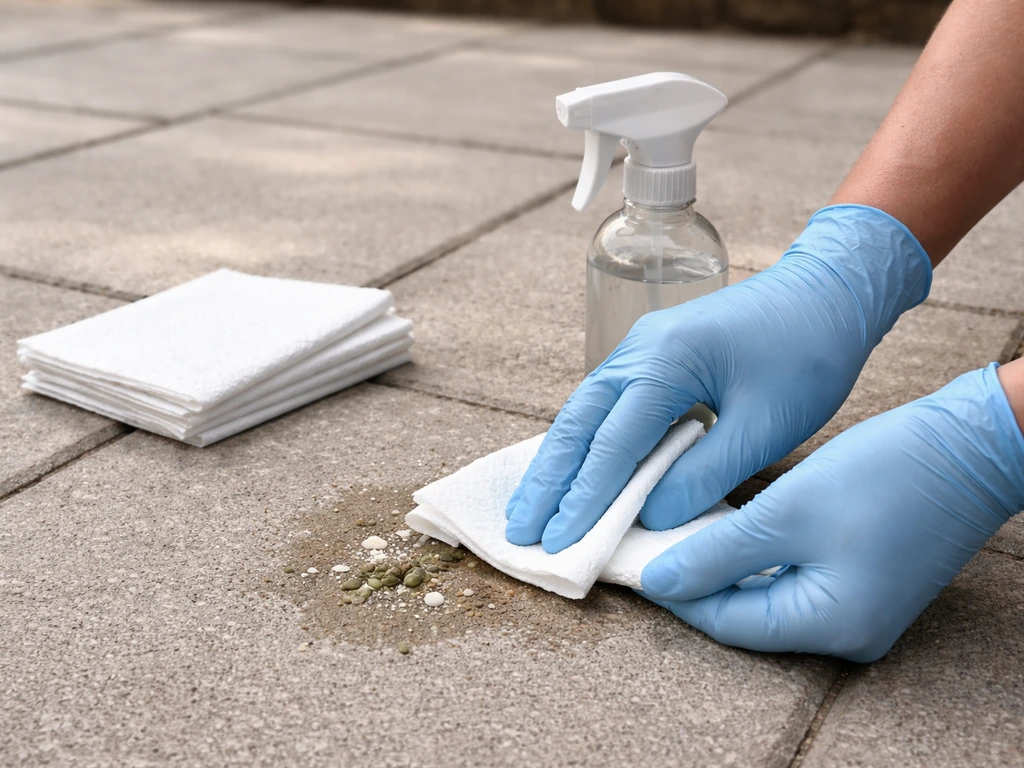
Whether it is on your car, your patio, or inside a bird cage, the cleanup process follows the same basic principles: do not dry-brush it, do not let it aerosolize, and protect yourself.
- Gear up before you touch anything: Disposable gloves are the minimum. For larger accumulations or enclosed spaces, add an N95 mask and eye protection.
- Wet it down first: Spray the droppings with water or a diluted disinfectant solution before doing anything else. This prevents the dried material from becoming airborne when disturbed. This is the single most important step.
- Wipe or scoop, do not sweep dry: Use damp paper towels or disposable rags to lift the material. For larger areas, a damp mop works. Never dry sweep or use a leaf blower on bird droppings.
- Disinfect the surface: After removing the bulk of the material, apply a disinfectant appropriate for the surface (a 1:10 bleach-to-water solution works on most hard surfaces; for car paint, use a dedicated enzymatic cleaner to avoid paint damage).
- Bag and bin it: Seal used wipes, gloves, and materials in a plastic bag before disposing in the trash.
- Wash your hands thoroughly: Soap and water for at least 20 seconds. Do not touch your face, eyes, or mouth during the process.
What not to do
- Do not dry scrub or sweep dried droppings without wetting them first.
- Do not use compressed air or leaf blowers near bird dropping accumulations.
- Do not handle droppings without gloves, especially if you have cuts or open skin.
- Do not let children or pets near fresh or dried droppings during cleanup.
- Do not ignore a large accumulation — extensive buildup (attics, ledges, HVAC vents) may require professional remediation.
When to seek medical advice
Most incidental exposures do not require a doctor visit. Seek medical attention if you develop flu-like symptoms (fever, chills, cough, muscle aches) within 1 to 3 weeks of significant exposure to bird droppings, particularly in an enclosed space or after disturbing a large accumulation. Also seek care if you have a compromised immune system and had any notable exposure, or if a pet bird owner in your household develops respiratory symptoms after handling a sick bird. Tell your doctor about the bird exposure specifically, as it will help them consider the right diagnoses quickly.
How to reduce exposure going forward
Prevention is much easier than cleanup, and a few consistent habits go a long way whether you are a pet owner or just someone dealing with wild birds around your home or car.
For pet bird owners
- Clean cage liners daily and do a full cage wipe-down at least weekly using a bird-safe disinfectant.
- Always wash hands before and after handling your bird or cleaning the cage.
- Schedule regular avian vet checkups, which should include fecal screening for common pathogens.
- Watch your bird's droppings as part of routine health monitoring. Changes in color, consistency, or volume that persist beyond 24 to 48 hours warrant a vet call.
- Keep cage placement away from kitchen food prep areas to prevent contamination.
For car and property owners dealing with wild birds
- Use a car cover if you regularly park under trees or near roosting spots.
- Remove bird feeders or relocate them away from driveways, patios, and high-traffic areas to discourage concentrated roosting nearby.
- Install bird spikes or netting on ledges, gutters, and HVAC units where birds tend to accumulate.
- Trim back tree branches that hang directly over frequently used parking or seating areas.
- Clean up droppings promptly — the longer they sit, the more they dry, harden, and become an aerosolization risk (and the worse they are for car paint).
Green bird poop, in the vast majority of cases, is just a bird doing its thing after eating something pigment-rich or as a byproduct of normal bile chemistry. It becomes something worth acting on when it is persistent, accompanied by illness signs in a pet bird, or when you are dealing with a volume of droppings large enough to create genuine inhalation risk. For those situations, the steps above have you covered. And if you are curious about other colors, yellow droppings raise their own questions worth exploring, particularly when it comes to specific species and what those colors signal about diet and health. If you are trying to interpret red bird poop, the meaning can depend on what the bird ate, whether there is blood in the droppings, and the timing of when the color appeared. If you are wondering what yellow bird poop means, it usually comes down to diet, bile, and how long the dropping has been exposed to air yellow droppings. Yellow droppings can come from factors like diet and stress, and the exact cause can depend on the bird species. If you are wondering whether yellow bird poop is cause for concern, it helps to look at diet, hydration, and any other symptoms too yellow droppings.
FAQ
If my bird’s poop is green, does that automatically mean my bird is sick?
Sometimes green droppings can look especially vivid if the bird recently ate leafy greens, green pellets, algae, or certain berries. If the dropping is green but the bird is otherwise alert and eating normally, diet pigment is the most likely cause. If it is bright green and very watery for more than 48 hours, pair the color with other signs (fluffed feathers, lethargy, appetite change) before assuming diet.
Can bird droppings be dangerous even if they are only green?
Yes, color can be misleading. A bird can shed pathogens even when droppings look normal, and a green tint can be purely bile or diet-related. Focus on whether droppings are accompanied by illness signs, and on reducing exposure during cleanup (wet down first, avoid disturbing dried droppings).
What does it mean if the droppings are bright green but there is little or no white urate?
If the dropping is fresh and still contains distinct white urate, that points more toward normal mixed components. If it is intensely bright green with little or no white urate, that can sometimes suggest the bird is not taking in enough or that bile-stained feces dominate. In that case, check hydration and diet consistency, and contact an avian vet if it continues.
When should green droppings in a pet bird be checked by a vet?
If your pet bird’s droppings stay green beyond diet changes or last longer than 2 days while also becoming looser, that is a better trigger for veterinary advice than the color by itself. Persistent green and watery droppings, weight loss, reduced appetite, or changes in behavior should be treated as a health concern rather than “temporary digestion.”
How much green bird poop exposure is “enough” to worry about symptoms?
For wild birds on cars or patios, one or two small droppings usually do not require medical evaluation as long as you clean promptly and avoid aerosolizing dry material. The higher concern is disturbing a large buildup, especially in an enclosed space. If you are immunocompromised, you should be extra cautious even after minor cleanup and consider discussing any symptoms promptly with a clinician.
How can I interpret green droppings when I do not know what bird it came from?
If you do not know the bird species, you can still use a practical approach: compare with your usual pattern (what does your bird produce most days?), track recent foods (greens, pellets, treats), and note timing (hours after meals). For wild birds, the key is exposure during cleanup, not trying to diagnose by color alone.
What is the safest way to clean green bird poop off a car, patio, or inside a cage?
Do not dry-brush or scrape dry droppings, since that increases aerosol and dust. Instead, wear gloves, wet the area first, then remove with paper towels or a disposable cloth, and clean with an appropriate disinfectant after removal. If the droppings are inside a cage or on a perch, remove bird-safe items carefully to reduce dust.
What should I do immediately if I get green bird poop on myself?
If you get droppings on your skin or clothing, rinse skin with soap and water, change clothes, and launder contaminated items. Avoid touching your face until after washing your hands. If droppings splashed into your eyes or you have any respiratory irritation after heavy cleanup, treat it as an exposure event and seek medical advice.
Can stress make bird poop green even if the diet did not change?
Stress can lead to looser, more bile-influenced droppings, and it can happen after moving cages, new handling routines, visitors, or vet visits. If the bird returns to baseline within 24 to 48 hours, it often settles. If it keeps trending worse or the bird looks unwell, stress is not the only explanation.
Does the risk change if the green poop is fresh compared with dried on surfaces?
The main decision aid is whether droppings are fresh versus dried. Fresh droppings are less likely to become airborne than dried material that you disturb. Still, if you are dealing with a large accumulation, a balcony or enclosed garage, or you must scrub, use respiratory protection and eye protection and treat it as higher risk even if the color looks “normal.”