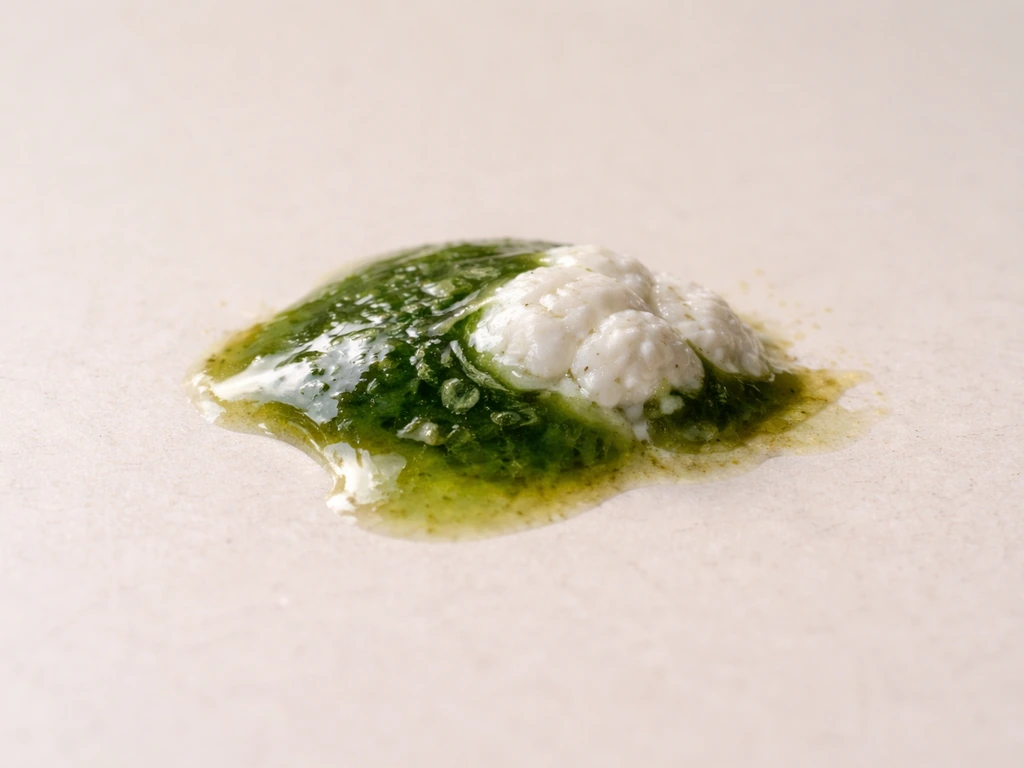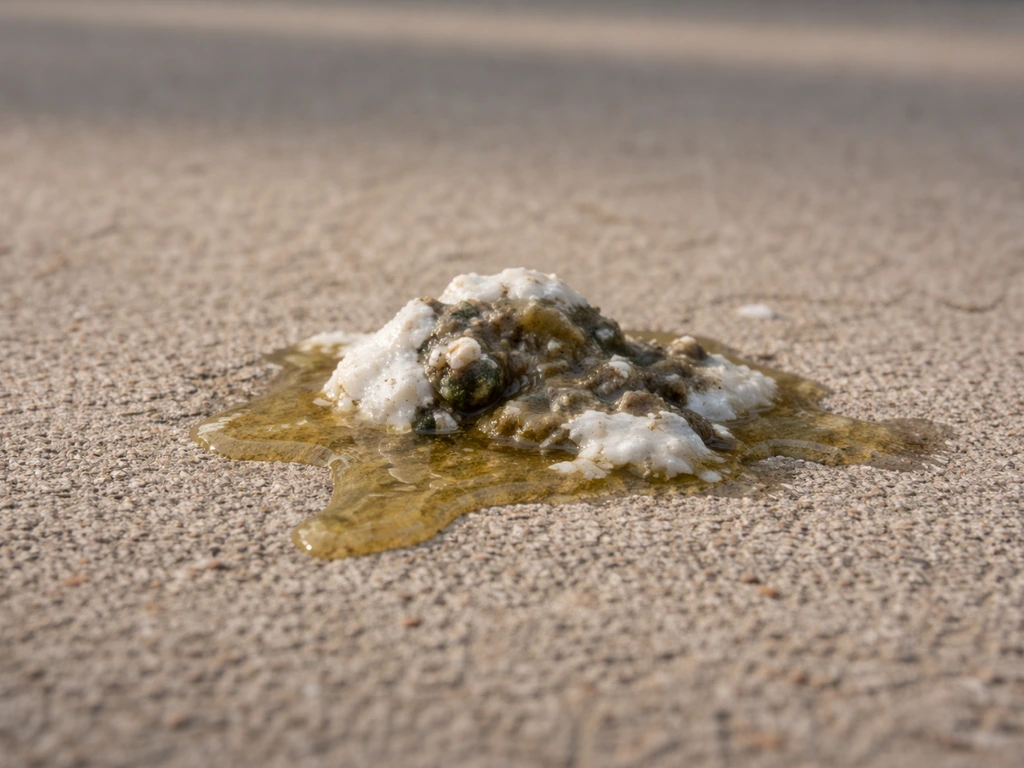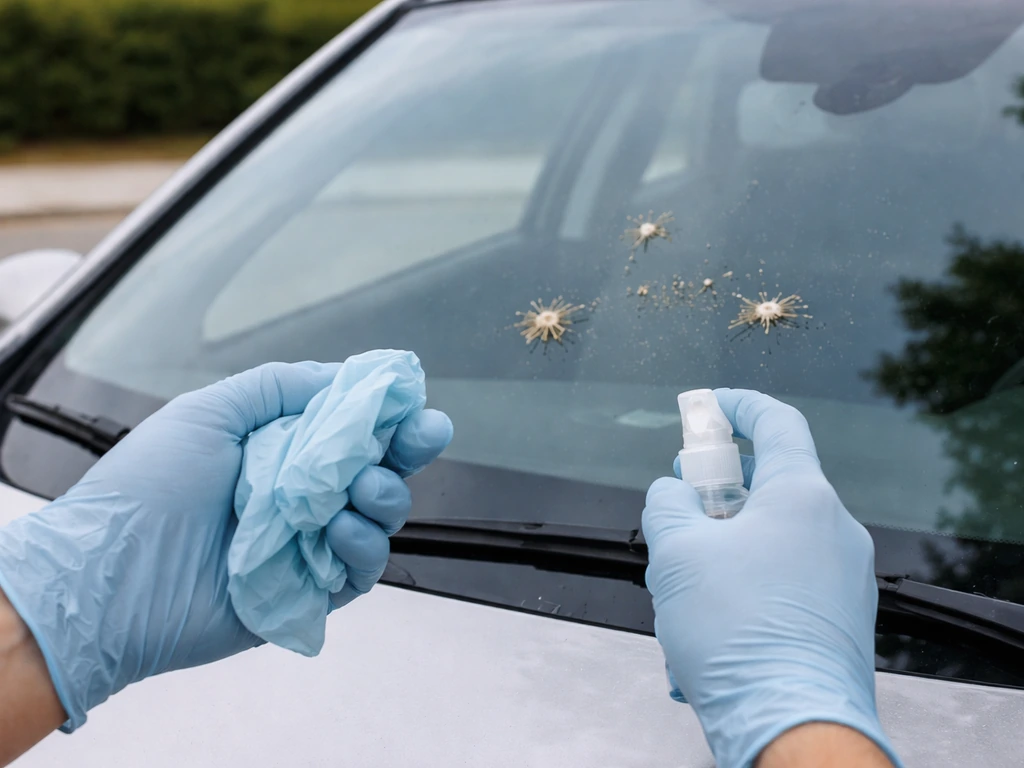
Red or rust-colored bird poop almost always comes down to diet. Birds that have been eating red berries, cherries, pyracantha, pokeweed, or other deeply pigmented fruits will pass droppings with noticeable red, pink, or brownish-red tinting. If you are wondering which bird has yellow droppings, the key is matching the color to what that bird is eating and how its droppings look overall which bird has yellow poop. That's the most common explanation by far.
What Does Red Bird Poop Mean? Causes, Safety, Next Steps

Marcus Fielding
29 May 2026
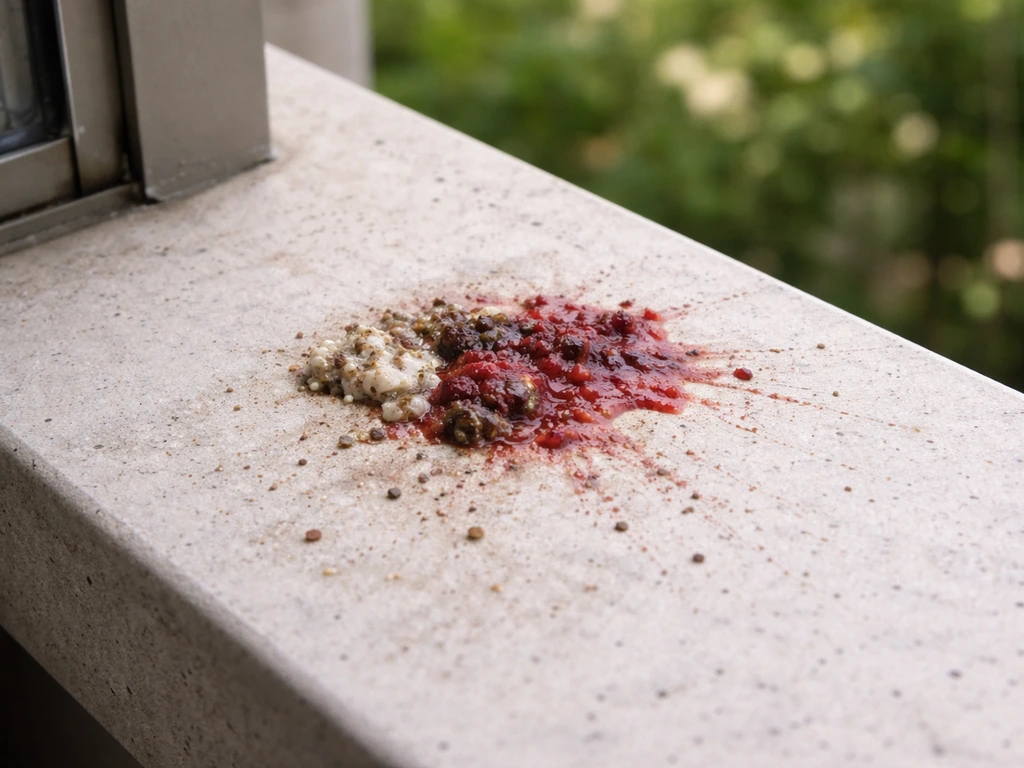
But red coloring can also signal blood, especially if the bird's diet hasn't changed or if the color shows up alongside other signs of illness. Knowing which scenario you're dealing with changes everything about what you do next. Red bird poop can mean different things depending on whether the color comes from diet pigments or from blood red bird poop meaning.
Why bird poop looks red in the first place
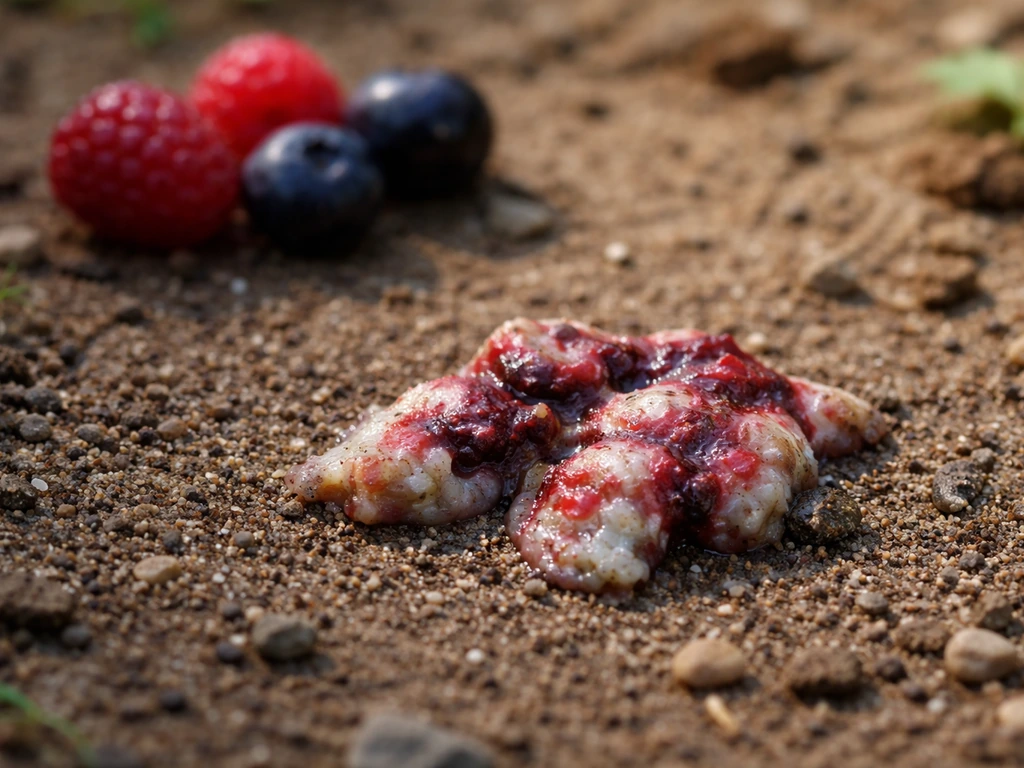
Birds are remarkably efficient at passing pigments from food straight through their digestive systems. The same biological mechanism that causes some birds' feathers to turn redder when they eat certain berries also tints their droppings. Pigments like rhodoxanthin, found in red and orange berries, can pass through the gut and color the fecal portion of a dropping in shades ranging from pinkish to rust to dark red-brown. This is completely normal and harmless.
Common dietary culprits behind red-tinged droppings include:
- Red and purple berries (pokeweed, holly, hawthorn, pyracantha, mulberries, elderberries)
- Cherries, strawberries, and other red stone or soft fruits
- Red-pigmented pet bird foods, pellets, or treats
- Beets and red-fleshed vegetables in a pet bird's diet
- Pomegranate seeds or hibiscus flowers given as enrichment
Beyond diet, physical substrate or cage bedding can occasionally stain a dropping after it lands, making it look red when the original dropping was perfectly normal. If you see a reddish smear rather than a red dropping with its usual three-component structure (dark fecal portion, white urate cap, and clear liquid urine), that staining explanation is worth considering before panicking. AkoVet describes the white urate cap as covering part of the droppings, which helps you distinguish white urates from red coloration that may indicate blood or staining three-component structure (dark fecal portion, white urate cap, and clear liquid urine).
Red tinting vs. actual blood: how to tell the difference
This is the question that actually matters. The visual clues aren't perfect, but they're useful enough to help you decide how quickly to act.
Bright red streaks or spotting in droppings, particularly when the color is vivid and fresh-looking, suggest blood originating from the lower digestive tract or the cloaca. This is called lower-GI or cloacal bleeding, and it tends to look like the red you'd expect from fresh blood. Darker, tarry, almost black-brown droppings point to digested blood from higher up in the gastrointestinal tract, a condition called melena, which generally means a more serious problem. Diet-related red, by contrast, is usually more uniform throughout the fecal mass, not streaky or clotted, and it often has a purple, orange, or brownish cast rather than true red.
| Feature | Diet-related tinting | Possible blood |
|---|---|---|
| Color shade | Pink, orange-red, rust, purple-red | Bright red or very dark/tarry brown-black |
| Distribution | Uniform throughout the dropping | Streaky, clotted, or spotty |
| Onset | Appeared after eating red/purple foods | No recent diet change |
| Other symptoms | Bird looks, acts, and eats normally | Lethargy, straining, fluffed feathers, weight loss |
| Duration | Clears up in 24–48 hrs after diet change | Persists or worsens over time |
| Urates affected? | Urate cap usually stays white/cream | Urates may appear pink or discolored too |
If your bird is a pet and you can rule out any recent red-food exposure, treat unexplained red in the droppings as blood until proven otherwise. Wild bird droppings on your car or patio are harder to evaluate for blood specifically, but the same dietary logic applies: if there are berry-producing plants nearby, that's almost certainly the source.
Health risks from bird droppings and does red color change the risk?
Bird droppings in general carry real health risks that have nothing to do with color. The main concerns are histoplasmosis, psittacosis, and avian influenza. Histoplasmosis is a fungal infection you get by inhaling spores from soil or surfaces contaminated with accumulated bird or bat droppings, and risk goes up when you disturb or stir up dried waste. Psittacosis is a bacterial infection caused by Chlamydia psittaci, shed in the feces, dried secretions, and dander of infected birds, with pet bird owners, veterinarians, and pet shop workers at higher risk. Avian influenza is a lower-probability concern for most people but is taken seriously enough that the CDC and OSHA both issue specific cleanup guidance for it.
Red coloring itself doesn't make a dropping more infectious. The pathogens that make bird poop hazardous are present regardless of color. That said, if you're dealing with what might be blood from a sick bird (especially a wild bird that died nearby), it's reasonable to be more careful simply because a diseased bird may have shed more pathogens into its waste. The safe-cleanup principles below apply to all bird droppings, red or not.
How to safely clean up red bird poop
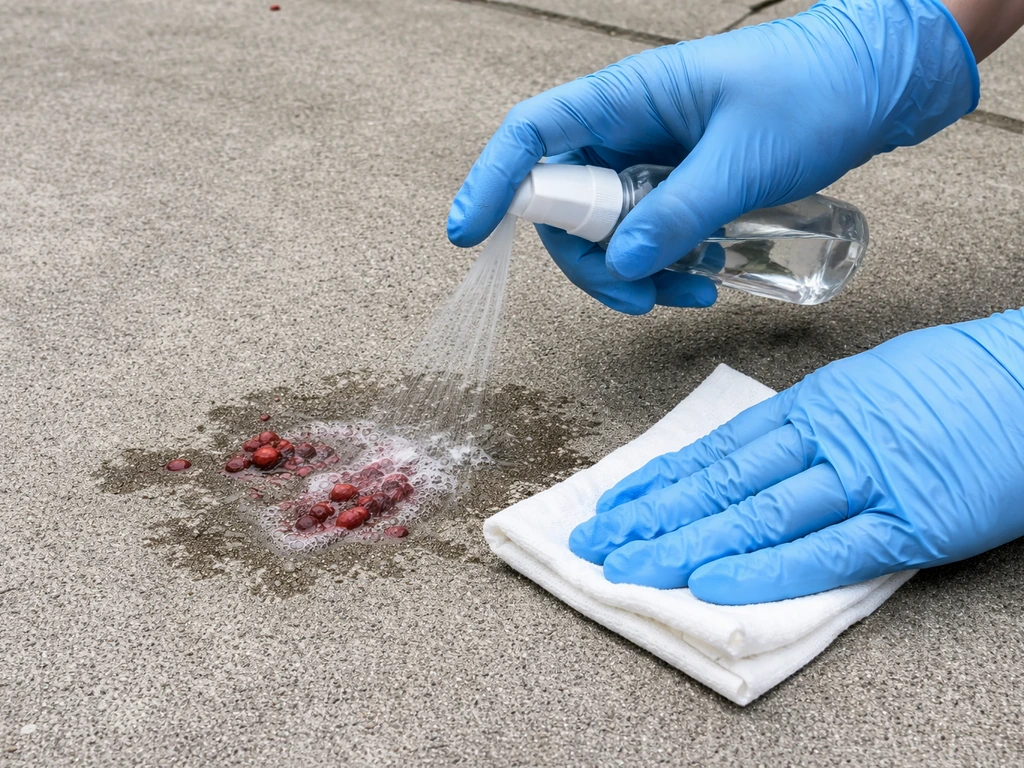
The single most important rule is: never dry-sweep or blow bird droppings. Dried droppings aerosolize easily, and that's how you inhale fungal spores or bacteria. Always wet the droppings first, and keep them wet throughout the process.
What you need before you start
- Disposable nitrile or rubber gloves
- An N95 or P100 respirator (or at minimum a well-fitted dust mask) for larger accumulations
- Safety goggles if there's any splash risk
- An EPA-registered disinfectant with label claims for avian influenza, OR a fresh bleach solution (roughly 1 part bleach to 9 parts water)
- Paper towels or disposable rags
- A sealed plastic bag for disposal
Cleaning patios, decks, and outdoor surfaces
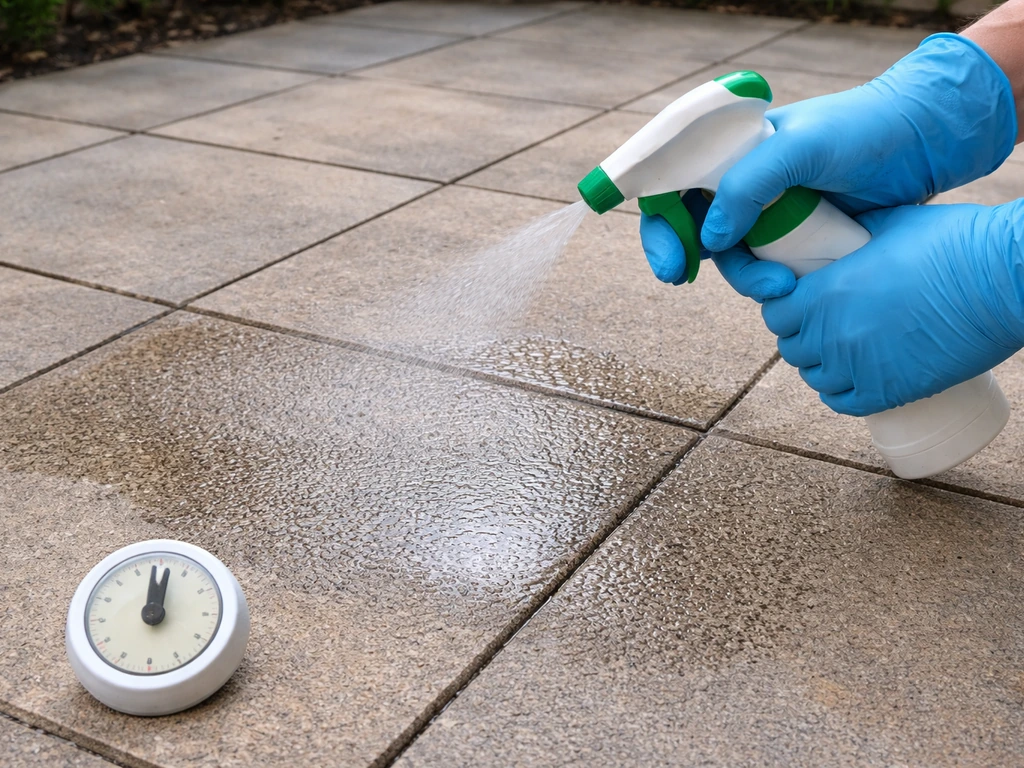
Spray the droppings thoroughly with your disinfectant solution until they are visibly wet, then let it sit for 15 to 20 minutes before touching anything. After soaking, wipe or mop up the material with a disposable cloth or paper towel. Bag the waste, seal it, and put it in your regular trash. Disinfect the surface again with a fresh application of your cleaning solution. When you're done, remove your gloves carefully (peel them off inside-out) and wash your bare hands immediately with soap and water for at least 20 seconds.
Cleaning your car
For car paint, skip the bleach and use a commercial EPA-registered disinfectant spray or a gentle car-safe cleaner. Soak the dropping first to soften it rather than scraping it dry, which can scratch paint and also sends particles airborne. Wipe off with a microfiber cloth using gentle dabbing pressure rather than rubbing. Rinse the area with water afterward. Don't let acidic droppings (red-berry poop can be particularly pigment-heavy) sit on paint any longer than necessary, as bird waste is corrosive.
Cleaning inside the home or near a pet bird's cage
For indoor cleanup, wet the dropping thoroughly, wipe it up with a disposable cloth, and disinfect the surface beneath. Avoid vigorous scrubbing motions that can aerosolize fine particles. If you're cleaning a pet bird's cage and the droppings look abnormal, keep the soiled materials for your vet to look at if needed, and clean the cage with an avian-safe disinfectant (diluted bleach works, but rinse thoroughly before letting your bird back in contact with any surface).
Keeping birds away without causing harm
If you're dealing with repeated deposits from wild birds on your car, patio, or windowsill, there are effective deterrents that don't hurt the birds or create legal problems (most wild birds are federally protected in the US).
- Reflective tape, holographic bird scare tape, or predator-eye balloons hung near problem perching spots
- Physical barriers: bird spikes on ledges and railings (humane, just uncomfortable for landing)
- Netting over garden areas or car parking spots where birds like to roost
- Motion-activated sprinklers near bird-heavy zones
- Removing berry-producing plants from areas directly over patios or vehicles, which also removes the dietary source of red-pigmented droppings
- Not leaving food or standing water out, which attracts birds to linger
Avoid chemical repellents that can be toxic to birds or other wildlife, and never use glue traps, poisons, or anything that could harm or kill the birds themselves. Beyond the ethical issues, it's illegal under the Migratory Bird Treaty Act for most species.
When to actually worry and who to call
For wild birds, red droppings on your property are very rarely a reason to call anyone. If you find a dead or visibly sick wild bird near where the droppings appeared, contact your local animal control or state wildlife agency rather than handling it yourself.
For pet birds, the threshold for calling a vet is much lower. Birds are prey animals by instinct, which means they hide illness until they can't anymore. By the time a bird looks sick, it often already is seriously sick. Take red or blood-tinged droppings seriously in a pet bird, especially if they appear alongside any of the following:
- Lethargy, sitting at the bottom of the cage, or difficulty perching
- Fluffed feathers and closed eyes when awake
- Straining or tail-bobbing that suggests difficulty passing droppings
- Loss of appetite or weight loss
- Regurgitation (distinct from normal crop regurgitation in some species)
- Swollen abdomen, which can suggest egg binding in female birds
- Any active bleeding from the vent/cloaca area
Egg binding specifically can cause bloody droppings alongside straining and weakness, and it's a veterinary emergency. So is suspected ingestion of a foreign object or lead exposure, both of which can produce bloody or dark droppings. If you're seeing bright red blood and any behavioral change at all, call an avian vet the same day. Don't wait to see if it clears up.
For your own health after exposure: if you've cleaned up a large accumulation of bird droppings without proper PPE and develop flu-like symptoms, chest tightness, or respiratory issues within a few weeks, mention the exposure to your doctor. Histoplasmosis can take days to weeks to cause symptoms, and it's easy to connect the dots yourself but worth flagging to a healthcare provider.
The superstition angle: what does red bird poop 'mean' culturally?
If you're here partly because you've heard there's a meaning behind being hit by bird poop, here's the short version: across many cultures, bird poop landing on you is considered a sign of good luck and incoming wealth. The logic, such as it is, seems to be that the odds are low enough that it must mean something when it happens. Some folklore traditions extend this to unusual colors, with rare or striking droppings supposedly carrying stronger omens.
Practically speaking, there's no evidence that red droppings carry any special spiritual significance beyond what regular bird poop is said to bring. If it makes you feel better to interpret a pigeon's berry-stained deposit on your windshield as the universe flagging a lucky day, that's a perfectly reasonable way to start the morning. Just clean it up promptly regardless, because the luck-to-paint-damage ratio on bird poop is not favorable. The cultural belief is fun folklore; the cleanup is non-negotiable.
The more interesting color-coding question is what other unusual tints in bird droppings actually mean. Green bird poop usually points to a diet-related pigment or sometimes to digestive changes, so it helps to look at what your bird has been eating and whether there are other symptoms. Yellow and green droppings come with their own dietary and health explanations, and distinguishing normal color variation from illness signs follows similar logic to what's described here for red. Yellow and green droppings come with their own dietary and health explanations. The pattern is consistent: diet change first, then health concern if diet doesn't explain it.
FAQ
How can I tell if red bird poop is just staining from berries versus real blood?
Look for the droppings’ structure. Diet pigment usually colors the fecal portion fairly uniformly, while blood is more likely to appear as bright red streaks, fresh-looking spotting, or darker, tarry material. Also check whether the red looks like a smear on the surface beneath (stain) rather than a complete dropping with its usual components.
What if I saw red bird poop once, but my bird later has normal droppings again?
If your pet bird had no red-food exposure and the next deposits look normal, monitor closely rather than ignoring it. Still contact an avian vet promptly if the episode repeats, if droppings look clotted or streaky, or if any behavior changes occur (fluffed posture, weakness, appetite drop, straining).
Does red bird poop always mean blood, especially for wild birds?
Not always. Many wild birds eat deeply pigmented berries and pass the pigments through their gut, which can look pink, rust, brownish-red, or darker red-brown. Red is much more concerning when it is vivid and fresh-looking, appears as streaks or spotting, or occurs alongside a sick bird nearby.
Can bedding, paper, or a surface make a normal dropping look red?
Yes. A reddish smear after contact with bedding, mulch, or certain pigments can trick you. If you can, compare the color on the surface versus the dropping itself, and note whether you can still see a typical dropping shape and internal parts.
Is it safe to clean up red bird poop the same way as normal bird poop?
Yes, the core safety steps are the same. Red color itself does not increase infectious risk, but you should still avoid drying the waste, wet it first, keep it wet during cleanup, and disinfect afterward. This reduces exposure to pathogens from bird droppings regardless of color.
What should I do if the droppings are on a car windshield or painted metal?
Soak first to soften, then gently dab with a microfiber cloth instead of scraping or aggressive rubbing. Avoid leaving corrosive acidic droppings on the surface longer than necessary, and after wiping, rinse with water. For disinfection, use a car-safe, appropriate product rather than bleach on paint.
Should I keep the droppings for my avian vet if they look abnormal?
Often yes. If it is your pet bird and the droppings look red-tinged without a clear dietary explanation, saving some of the material in a clean bag can help the vet decide on next tests. Also bring details like timing, diet changes, and any other symptoms.
When is it an emergency to call an avian vet for red or blood-tinged droppings?
Call the same day if the red looks like blood (bright red streaking or fresh spotting) or if it comes with any behavioral change. Treat as urgent if there is straining and weakness (possible egg binding), suspected foreign object ingestion, or possible lead exposure, since those can require immediate care.
What if I cleaned a lot of bird droppings without proper PPE and now I feel sick?
If you develop flu-like symptoms or respiratory issues within the next few weeks, contact a healthcare provider and mention the exposure. Histoplasmosis symptoms can take days to weeks to appear, so reporting the droppings cleanup matters even if you used only basic cleaning.
Is there any meaning to red bird poop in folklore that changes what I should do?
No. Even if a culture treats unusual bird poop colors as omens, it does not replace practical safety and cleanup. Red may still be diet pigment or potentially blood, so the non-negotiable part is prompt, careful cleanup.