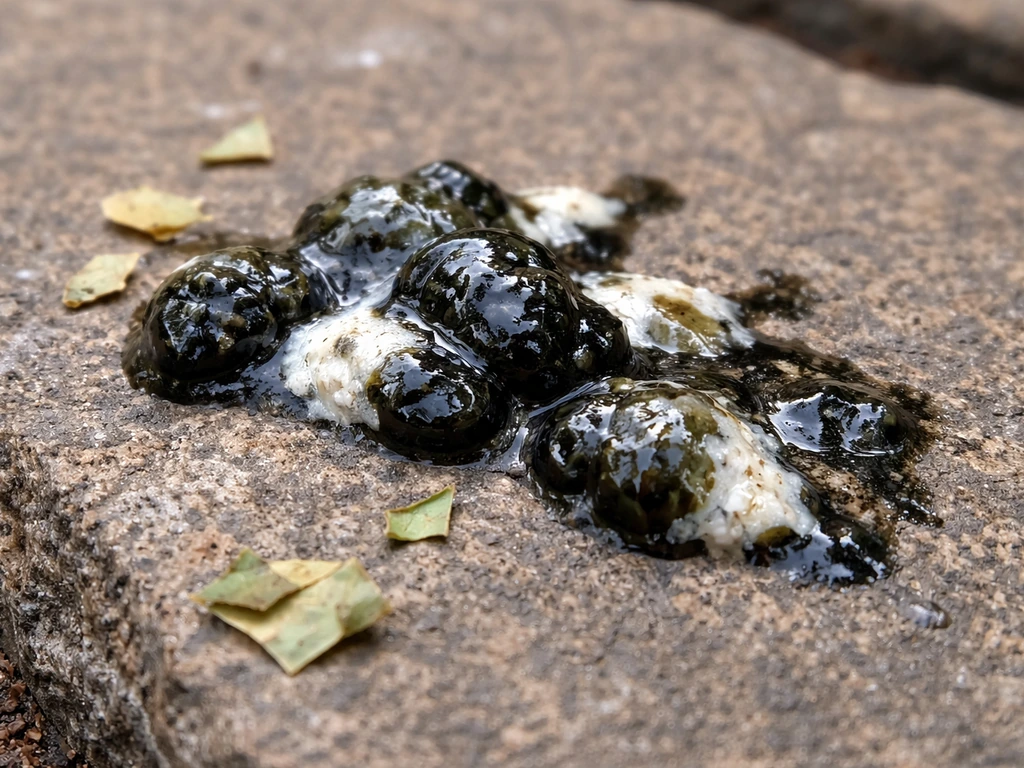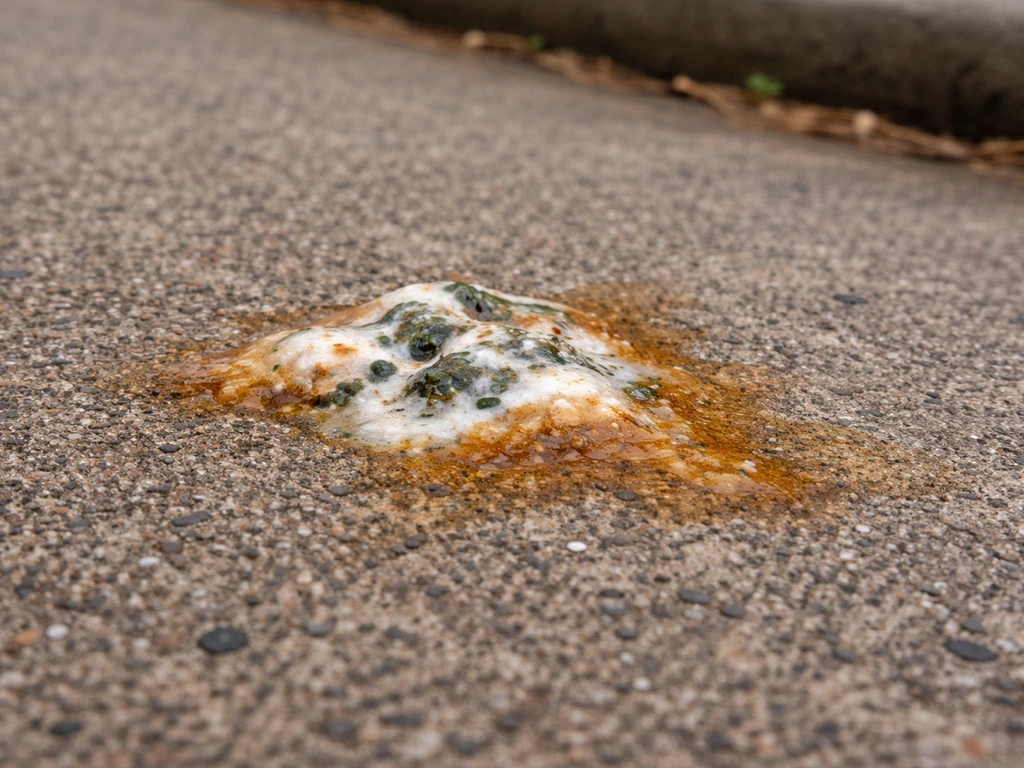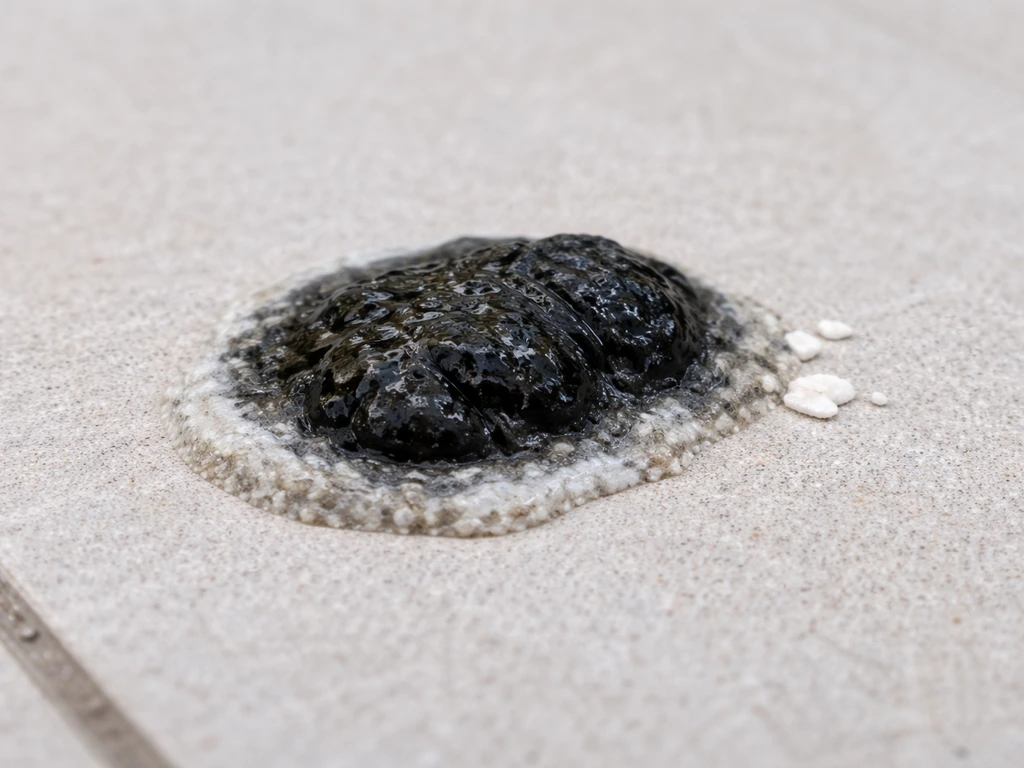
Pink bird poop is almost always caused by what the bird ate, berries, red or purple fruits, beets, or even artificially dyed food can turn droppings anywhere from pale rose to deep magenta. That's the boring, harmless explanation, and it covers the vast majority of cases. The one you actually need to rule out is blood, which can show up in droppings when a bird is injured or ill. Telling the two apart is straightforward once you know what to look for, and the cleanup process is the same either way: gloves on, don't dry-brush it, and don't skip the mask.
Why Is Bird Poop Pink? Causes, Risks, and What to Do

Marcus Fielding
15 Jun 2026
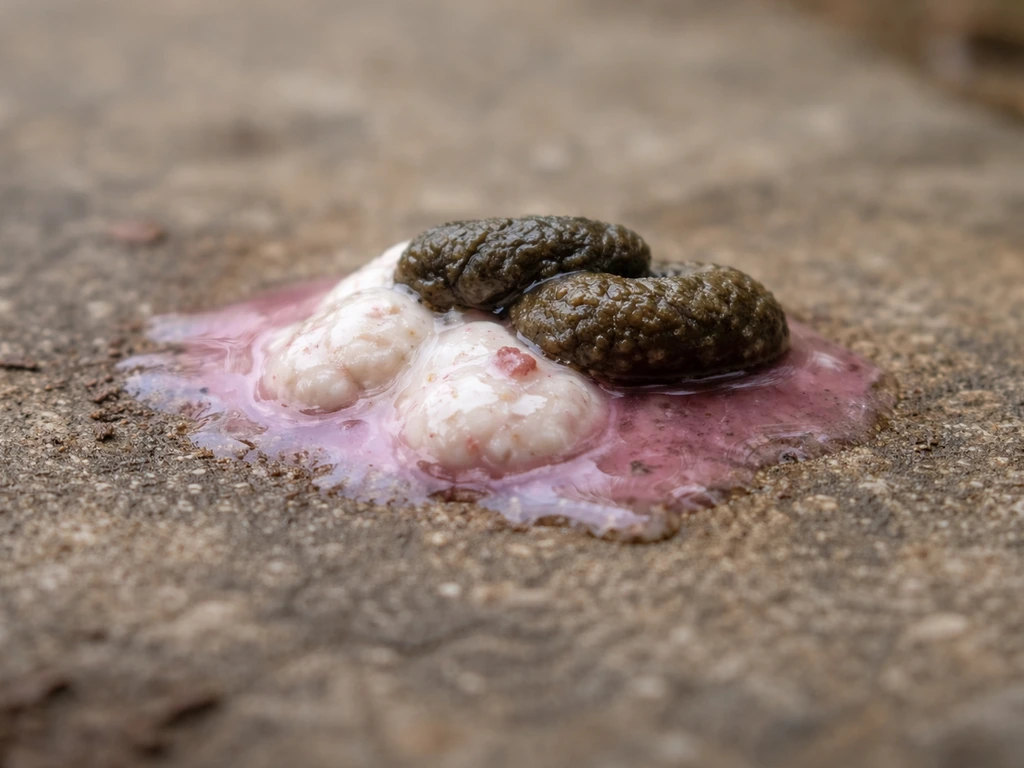
What pink bird poop usually means
Bird droppings have three parts: the white or cream urates (the kidney waste), the dark fecal matter from digestion, and the liquid urine. Any of those components can pick up color from pigments in food. When a bird eats a lot of red or purple berries, the pigments pass straight through and tint the fecal portion pink or red. Porphyrins and carotenoids, natural pigments found in many fruits, seeds, and even some insects, can also shift the color. So when you see pink, the bird's recent menu is almost always the culprit.
Blood is the other possibility, and it matters more. Blood in bird droppings (called hematochezia or melena depending on where in the digestive tract it originates) usually signals internal injury, infection, or illness in the bird. That doesn't automatically make the dropping dangerous to you, but it does change how you should think about it. A bird sick enough to have blood in its stool is more likely to be shedding other pathogens too.
Common reasons droppings go pink in the first place
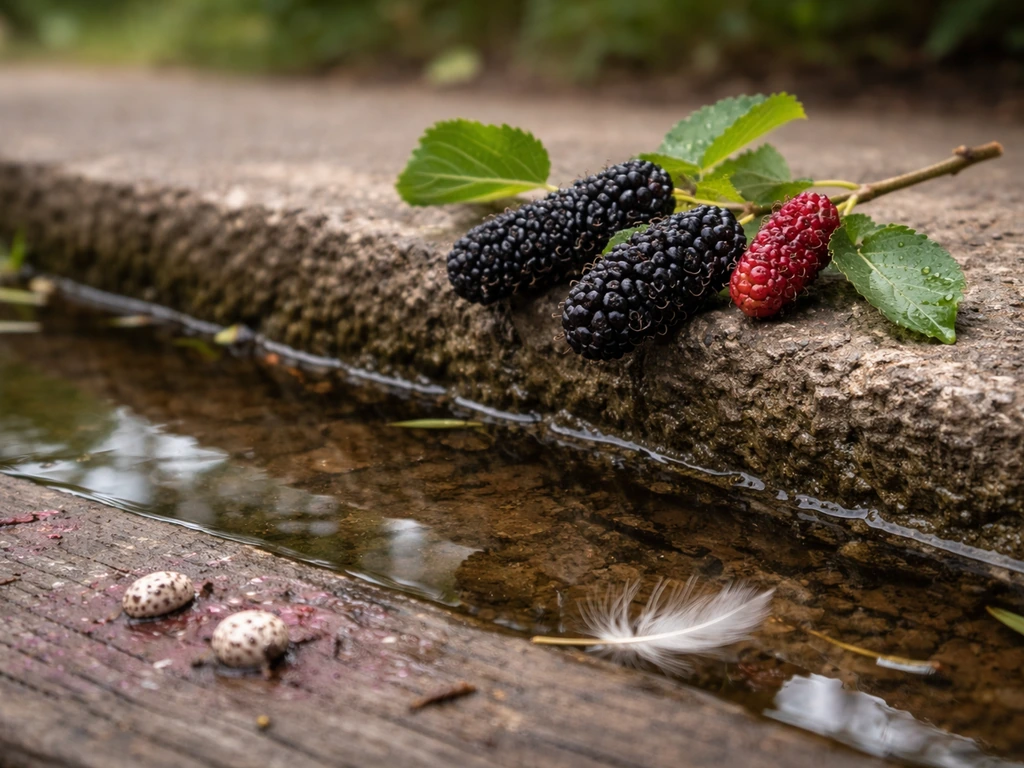
Diet is by far the biggest driver. Robins, cedar waxwings, starlings, and many other birds go heavy on berries in late summer and fall, mulberries, pokeweed, holly, and pyracantha berries are repeat offenders. If you find pink droppings on your car or patio in August or September, look up: there's probably a berry-heavy tree nearby. Pigeons and other urban birds sometimes eat discarded food with artificial dyes, which can produce surprisingly vivid pink or red splatters that look alarming but are completely benign.
Seasonal patterns matter. The berry-eating cycle is why pink bird poop is more common in late summer and autumn in most of North America and Europe. You may also notice it after ornamental trees like crabapples drop fruit that birds gorge on. If the droppings cluster under a specific tree or feeding area, diet is almost certainly the answer. Pet birds fed beets, red peppers, strawberries, or colored pellets can produce pink droppings regularly with no health concern at all.
How to tell food pigment from blood
You don't need a lab to make a reasonable judgment call here. A few visual checks get you most of the way there.
| Feature | Food pigment (harmless) | Blood (warrants attention) |
|---|---|---|
| Color distribution | Evenly tinted throughout the fecal portion | Streaks, spots, or bright red patches within or around the dropping |
| Shade | Consistent pink, magenta, or purplish-red | Bright or dark red, sometimes with a brownish tinge if older |
| Texture clues | Normal dropping shape and consistency | May look wetter or more irregular; dark tarry center possible if blood is from upper GI |
| Surrounding residue | Berry skin fragments, seed remnants nearby | No food remnants; possibly other signs of illness in the area |
| Pattern | Multiple droppings all similarly colored | One or a few droppings look different from others nearby |
| Context | Fruit trees, berry bushes, bird feeder nearby | No obvious food source; bird appeared weak or injured |
If you're dealing with droppings from a pet bird and you see bright red streaks or the bird seems lethargic, not eating, or fluffed up, call an avian vet the same day. For wild bird droppings on your property, blood in the stool doesn't create a direct emergency for you, but it's worth cleaning up promptly and being a bit more careful with PPE than you would otherwise.
Is pink bird poop more dangerous than regular bird poop?
Mostly no, but the standard risks that apply to all bird droppings still apply here, and a couple of them are worth taking seriously. The main hazard with any bird droppings isn't the color; it's what's living in them. Bird and bat droppings can harbor blank" rel="noopener noreferrer">Histoplasma, the fungus responsible for histoplasmosis, which you get by inhaling spores. The CDC is clear that the risk goes up when droppings accumulate in large quantities and get disturbed, which is exactly what happens if you dry-sweep or blow-dry a soiled area. Psittacosis (parrot fever) is another concern, especially with pet birds, and it also spreads through breathing in dried secretions or droppings. CDC notes that the most common way psittacosis spreads to people is by breathing in dust containing dried bird secretions or droppings, especially from pet bird situations blank" rel="noopener noreferrer">Psittacosis (parrot fever) is another concern.
Pink droppings from a sick bird could theoretically carry a higher pathogen load, but in practical terms the protective steps are identical. The color alone doesn't make droppings more infectious. Where it does matter: if you found a dead or visibly sick wild bird near the droppings, or if you have a pet bird that is showing symptoms, elevate your caution level. Keep kids and pets away from the area until it's cleaned, and don't handle the area without gloves and a mask.
It's also worth noting that pink or red droppings aren't unique, you'll find similar questions come up around black or brown droppings, where diet and illness can also shift the color. If you are trying to narrow down color surprises like "can bird poop be orange," the same diet vs blood comparison applies similar questions come up around black or brown droppings. Black or brown bird droppings can also happen when diet or digestion changes the pigments, and blood is the main health-related concern to rule out black or brown droppings. If you are wondering what bird poops black, the context is different, but the same diet and health factors that affect pink droppings can change darker shades too black or brown droppings. If you're wondering what bird poops brown, the likely causes are similar, since diet and illness can both shift the droppings' color black or brown droppings. The decision-making framework is essentially the same across colors: look at context first, then the visual details.
How to clean pink droppings safely today
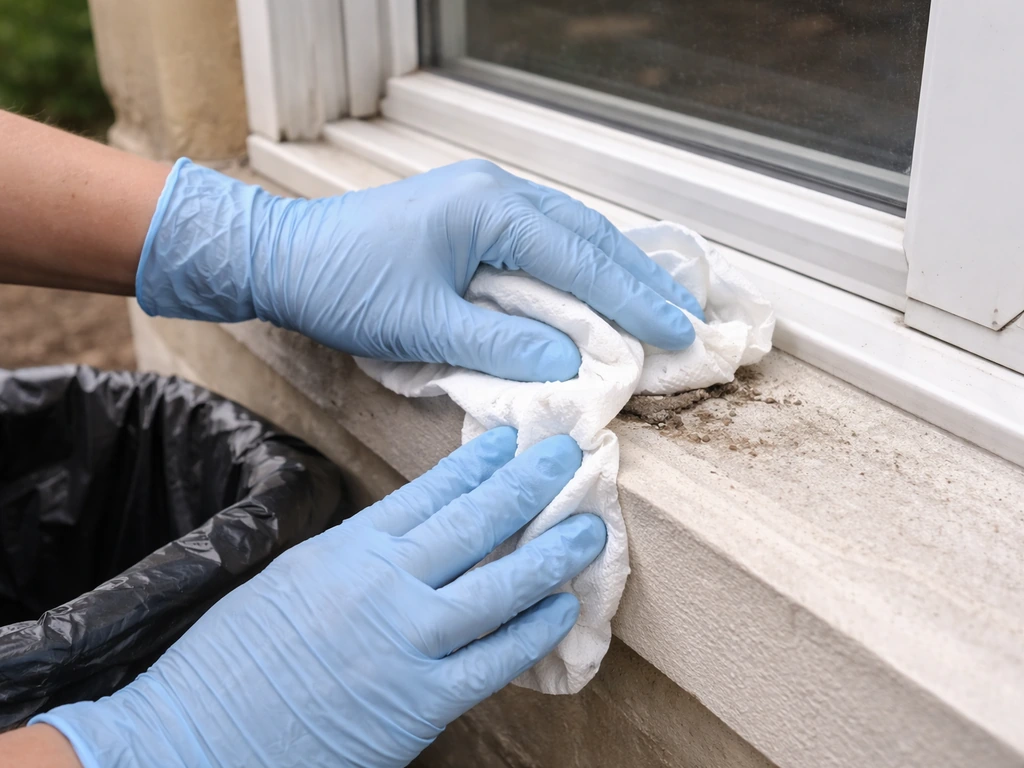
The most important rule: never dry-brush, sweep, or blow dry bird droppings. Aerosolizing dried droppings is exactly how histoplasmosis and psittacosis spores get into your lungs. Wet the area first, every time.
- Put on disposable nitrile or rubber gloves before touching anything. If the droppings are dried or you're cleaning an enclosed or poorly ventilated area, add an N95 respirator and eye protection.
- Wet the droppings thoroughly with water or a diluted household disinfectant spray (a 1:10 bleach-to-water solution works well). Let it soak for a minute or two to soften and suppress dust.
- Wipe or scrape the material into a sealable plastic bag using paper towels or disposable cloths. Do not reuse the cloths.
- For car paint: use a gentle stream of water first to loosen the dropping, then blot (don't scrub) with a damp microfiber cloth to avoid scratching. Bird poop is acidic and can etch clear coat, so removing it the same day matters.
- Disinfect the surface with an appropriate cleaner for the material (diluted bleach on concrete, car-safe detailer on paintwork, enzymatic cleaner on fabric or wood).
- Seal the waste bag and dispose of it in an outdoor bin.
- Wash your hands thoroughly with soap and water for at least 20 seconds even if you wore gloves.
- Wash any clothing that made contact with droppings separately in hot water.
If you're dealing with a large accumulation, say, under a roost site or on a roof, this is when CDC and NIOSH guidance on histoplasmosis becomes very relevant. Large deposits should be handled as a controlled cleanup: wet the material down heavily, use a respirator rated at least N95, wear disposable coveralls, and consider hiring a professional cleaning service for anything beyond a small patch.
What to do if you got it on you
Skin contact
Wash the area immediately with soap and water. Bird droppings on intact skin are low risk for most healthy adults, but you don't want to leave it sitting there. If you have a cut or open wound that was exposed, wash it thoroughly and consider calling your doctor or a nurse advice line to ask whether any follow-up is needed based on your health history.
Eye contact
Flush the eye with clean, lukewarm water for at least 10 to 15 minutes. Remove contact lenses before flushing if you can do so quickly. If irritation, redness, or pain continues after flushing, get evaluated by a medical professional the same day, this is not the moment to wait and see.
Inhalation

If you disturbed a dry accumulation without respiratory protection and inhaled dust, move to fresh air immediately. Most single short-term exposures in outdoor settings don't cause illness in healthy adults. However, if you develop flu-like symptoms, fever, chills, muscle aches, dry cough, within a week or two, tell your doctor what happened. Histoplasmosis can look like flu and is treatable when caught early. Don't dismiss those symptoms as a coincidence.
Accidental ingestion
This is rare but it happens, usually through hand-to-mouth contact during cleanup. Rinse your mouth with water and wash your hands. For small accidental exposure in a healthy adult, the risk is low, but if you're immunocompromised, pregnant, or caring for a young child who may have ingested droppings, contact a healthcare provider or poison control line (in the US: 1-800-222-1222) for guidance.
When to get medical help
- Respiratory symptoms (cough, shortness of breath, chest tightness) that develop within days of exposure, especially if the droppings were in an enclosed space
- Fever or flu-like illness within 2 weeks of a significant inhalation exposure
- Eye symptoms that don't resolve after thorough flushing
- You are immunocompromised, pregnant, elderly, or have a lung condition — seek advice proactively rather than waiting for symptoms
- A pet bird that was the source of the droppings is showing signs of illness (psittacosis risk is real in that scenario)
The good luck thing, what to actually make of it
There's a widespread folk belief that being hit by bird droppings is good luck, and some people extend this to specific colors, pink in particular sometimes gets framed as especially auspicious. The origin of the luck belief varies by culture but commonly relates to the sheer improbability of being hit, which gets reframed as a sign that fortune is paying attention to you. It's a classic example of turning an unpleasant surprise into something meaningful, which is a very human thing to do.
Is pink specifically luckier? There's no credible cultural tradition that consistently ties pink bird droppings to a different level of luck than any other color. If someone told you that, they likely invented it or extrapolated from the general bird-poop-luck belief. The pink color almost always just means a bird ate berries, which is genuinely mundane.
That said, if the superstition gives you a moment of levity when you're looking at a hot pink smear on your freshly washed car, that's a perfectly reasonable use of folklore. Just don't let the good-luck framing make you skip the gloves during cleanup. Lucky or not, the pathogens don't care about the symbolism.
FAQ
How can I tell pink poop from blood without a lab?
Look for pattern and context. Diet-related pink usually appears uniformly in droppings after berry season, often alongside normal-appearing urates and no other obvious illness signs in the area. Blood is more concerning when you see bright red streaking, dark tarry-looking droppings, or you also notice a sick or injured bird nearby (lethargy, fluffed posture, reduced eating).
Does pink bird poop mean the bird is sick?
Not usually. Most pink droppings come from pigments in berries or dyed food, especially late summer and fall. The color alone does not confirm illness, you need additional clues like a visibly unwell pet bird or blood-like appearance rather than a uniform pigment shift from food.
Why does the poop look pink even if the bird didn’t eat berries near my house?
Birds can travel to feed, and pigments can pass through quickly. If there are berry trees, ornamental fruiting plants, or dropped fruit in the broader area, birds may eat elsewhere and then leave pink droppings under your car, balcony, or yard after returning to roost or nest.
Can artificial dyes from human food cause pink droppings?
Yes. Urban birds often eat discarded dyed snacks, candy, or pellets with coloring. The result can be very vivid pink or red splatters that look alarming but are typically not tied to disease if the surrounding droppings otherwise look typical and the bird is not showing illness.
What if pink droppings appear in the same spot every day under a roost?
That points more toward consistent diet and repeated bird use than toward an acute health problem. Still, a recurring location means accumulation risk increases, so focus on controlled cleanup with heavy wetting, proper respiratory protection, and avoiding any disturbance that would aerosolize dust.
Is it safe to hose off fresh pink droppings?
Fresh material is generally lower risk than dried dust, but you should still wet it first and avoid splashing into your eyes or face. Use gloves, keep people and pets away, and clean nearby surfaces after hosing to prevent lingering residue from drying.
What PPE should I use for small vs large areas?
For a small patch, gloves plus a mask are still a good baseline, and the key step is wetting before cleanup. For larger deposits or areas that could create airborne dust, use a respirator rated at least N95, wear disposable coveralls if available, and consider professional cleaning beyond a small spot.
Do pink droppings increase the risk of histoplasmosis or psittacosis?
Color alone does not. The risk relates to how much dried material exists and how much dust or dried secretions you disturb. Pink droppings can still be managed using the same aerosol-prevention approach, wetting and avoiding dry sweeping.
What should I do if I got bird poop on my skin or clothes?
Wash the exposed area right away with soap and water, and change or launder clothing if it is visibly soiled. If you have an open cut or wound that was exposed, wash thoroughly and consider getting medical advice based on your health history.
What if bird poop splashes into my eyes?
Flush with clean lukewarm water for at least 10 to 15 minutes. If irritation, redness, or pain continues after flushing, get evaluated the same day. If you wear contact lenses, remove them quickly if you can do so during the first part of rinsing.
I disturbed dried droppings without a mask and breathed dust. When should I worry?
Go to fresh air immediately after realizing it. In most healthy people outdoors, a single short exposure does not cause illness, but if you develop flu-like symptoms, fever, chills, muscle aches, or a dry cough within one to two weeks, contact a clinician and describe the exposure so histoplasmosis can be considered.
Can my pet get sick from pink bird poop on the ground?
Yes, primarily through contact and ingestion rather than through color. Keep your pet away until the area is cleaned, prevent hand-to-mouth contact during cleanup, and wash your hands after handling or cleaning the site, especially if you are immunocompromised.
Should I call a vet if I see pink droppings in my pet bird?
Call promptly if you also see behavioral or physical symptoms such as lethargy, fluffed posture, not eating, or obvious blood-like streaking. If the droppings are pink but your bird is otherwise normal and the change matches diet changes (for example beets or red/purple foods), it may be less urgent, but persistent or worsening changes still merit veterinary guidance.
Can bird poop ever be pink for reasons other than diet or blood?
Color shifts are most often diet pigments, but there can be other illness-related changes that do not show up as obvious blood. The practical decision rule is to treat blood-like appearance and concurrent illness signs as the trigger to escalate care, and otherwise use diet and seasonal context to guide the risk level for cleanup.
Is it ever okay to use a dry broom or shovel if the poop is only a little?
No. Even small amounts can create dust if the material is dried. The safer approach is always wetting the area first, cleaning with gloves, and bagging waste rather than dry-brushing, sweeping, or blowing.