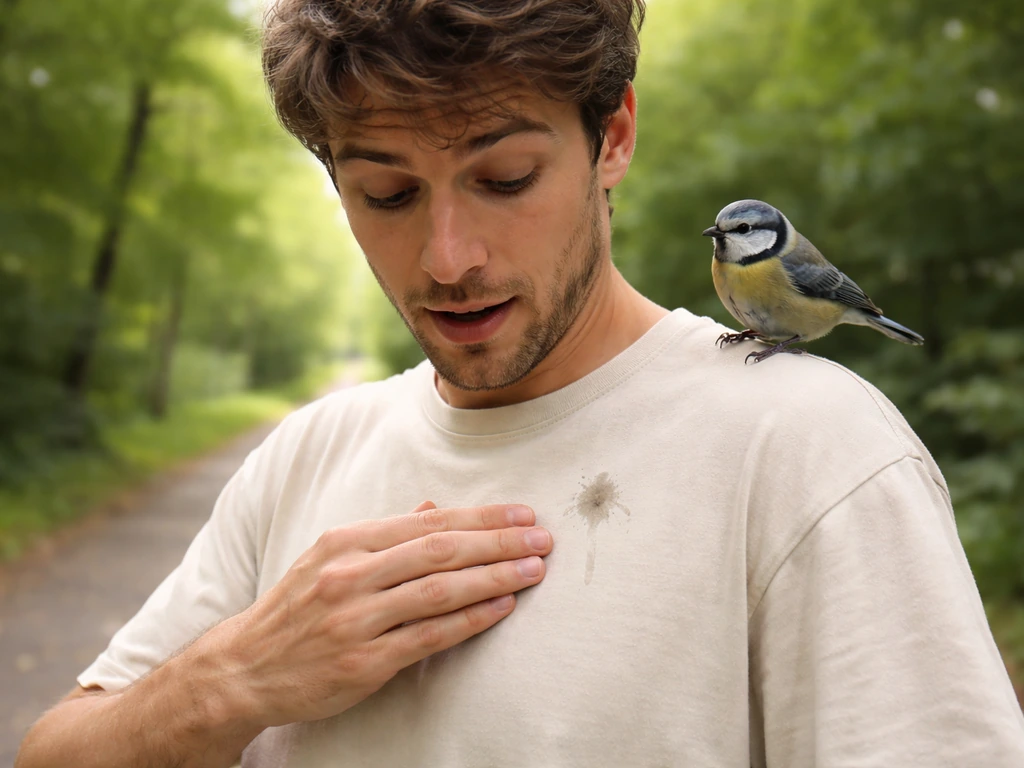
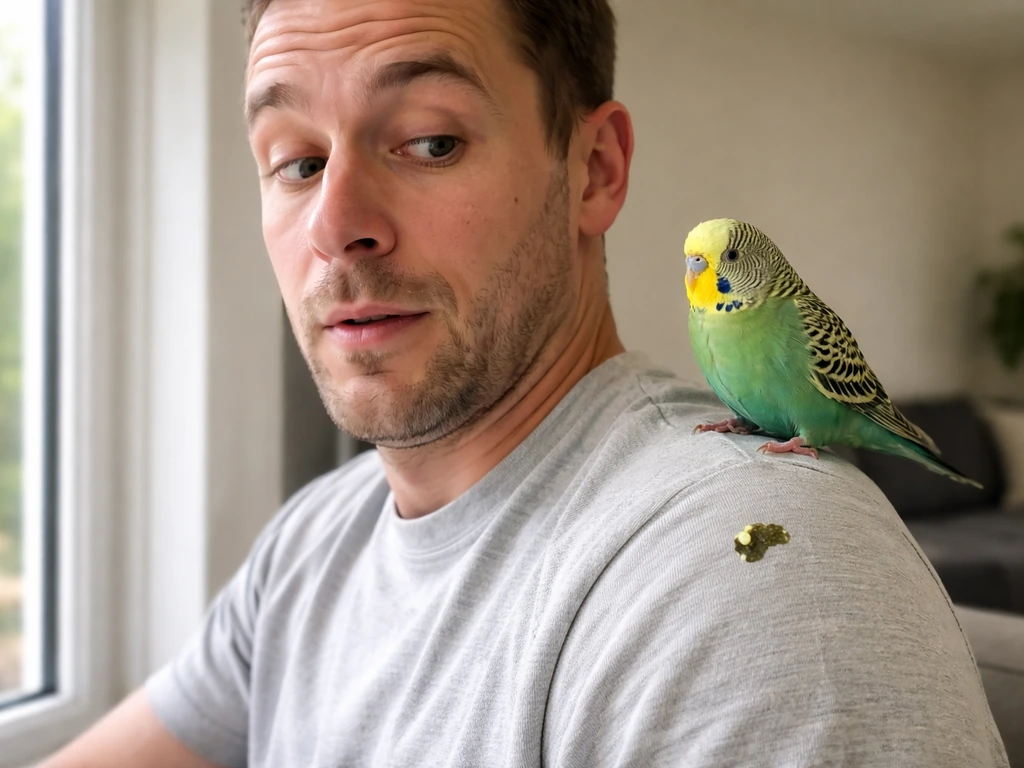
Your pet bird poops on you mostly because you are its favorite perch. Birds go frequently, they can't hold it indefinitely, and when they're sitting on you, you're the most convenient landing spot. But there's more nuance than that: excitement, stress, bonding behavior, handling timing, and even diet all play a role in how often it happens and whether you can do something about it today.
Why Does My Bird Poop on Me? Causes and What to Do

Marcus Fielding
16 May 2026
Why your pet bird keeps pooping on you
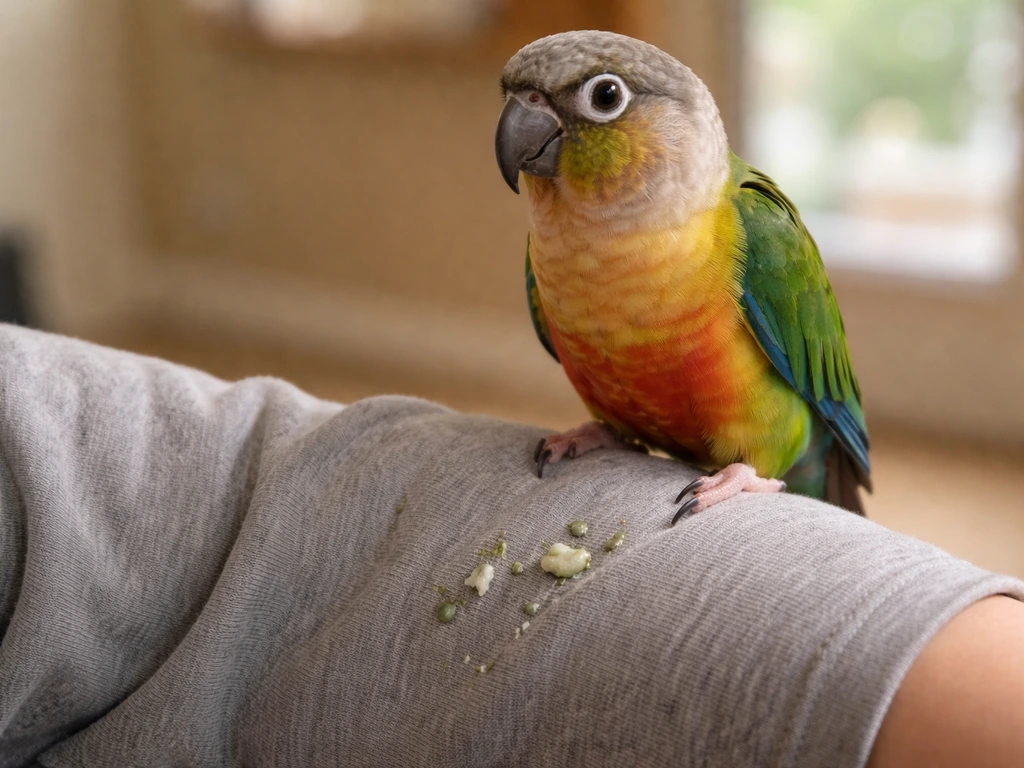
Birds have fast metabolisms and small digestive systems, which means they poop a lot, sometimes every 10 to 30 minutes depending on size and diet. When your bird is perched on your shoulder, hand, or lap, it isn't being spiteful or marking you. It's just doing what birds do, on whatever surface they happen to be sitting on. That said, a few specific behavioral patterns explain why some birds seem to poop on their owners more consistently than others.
- You're the favorite perch: Birds naturally concentrate droppings under their preferred resting spots. If you're the spot they choose most often, you'll get the most droppings. This is a sign of comfort and trust, not disrespect.
- Excitement and stimulation: When your bird gets excited during playtime, social interaction, or when you first take it out of the cage, its digestive system speeds up. More activity equals more frequent elimination.
- Stress response: An anxious or overstimulated bird will also go more often. A new environment, a loud noise, an unfamiliar person, or rough handling can all trigger stress-related frequency increases.
- Attention-seeking behavior: Some birds learn that pooping on you gets a reaction. If you've consistently responded with a big response (even a frustrated one), the bird may repeat the behavior for the interaction.
- Handling timing: If your bird has been in its cage for a while and you pick it up right away, it's likely due for a bathroom break. Taking it out without letting it go first is asking for trouble.
- Shoulder vs. hand perching: Shoulder perching gives your bird a stable, warm, elevated spot with less supervision from you, which means less chance you'll notice pre-poop body language and redirect it.
Reading your bird's body language before it goes
One of the most useful things you can learn is what your bird looks like right before it poops. Most parrots and many other pet bird species give clear physical cues: they step back a few paces, crouch slightly, and raise their tail. That three-part sequence is your warning window. If you can catch it and redirect your bird to a perch or cage bar in that moment, you'll intercept a lot of the problem before it reaches your shirt.
Beyond that pre-poop posture, the rest of your bird's body language tells you whether it's excited or stressed, which helps you understand why it's going so frequently in the first place.
| Body Language Signal | What It Usually Means | What to Do |
|---|---|---|
| Tail raise, crouching, stepping back | About to poop | Move bird to perch or cage immediately |
| Feathers fluffed, eyes bright, chattering | Excited and stimulated | Normal interaction, just watch for poop cues |
| Wings drooping, eyes half-closed | Tired, overheated, or unwell | Return bird to cage, check temperature, monitor closely |
| Feathers sleeked flat, hissing, leaning away | Stressed or over-threshold | Back off, give space, end the session |
| Biting, rolling onto back, claws extended | Extreme defensive state | Stop handling immediately, give the bird a break |
Learning the difference between an excited bird and a stressed bird matters because the response is different. An excited bird just needs more frequent bathroom breaks and better timing on your part. A stressed bird needs less handling, a quieter environment, and possibly a visit to the vet if stress signals are persistent. Mickaboo’s Reading Bird Body Language describes extreme defensive states where birds may roll onto their backs with claws extended and beak open to bite an extreme threat posture where a bird rolls onto its back with claws extended and beak open. Stress also changes the look of droppings (more watery, different color), which brings us to diet and health below.
Practical ways to reduce poop-on-you incidents
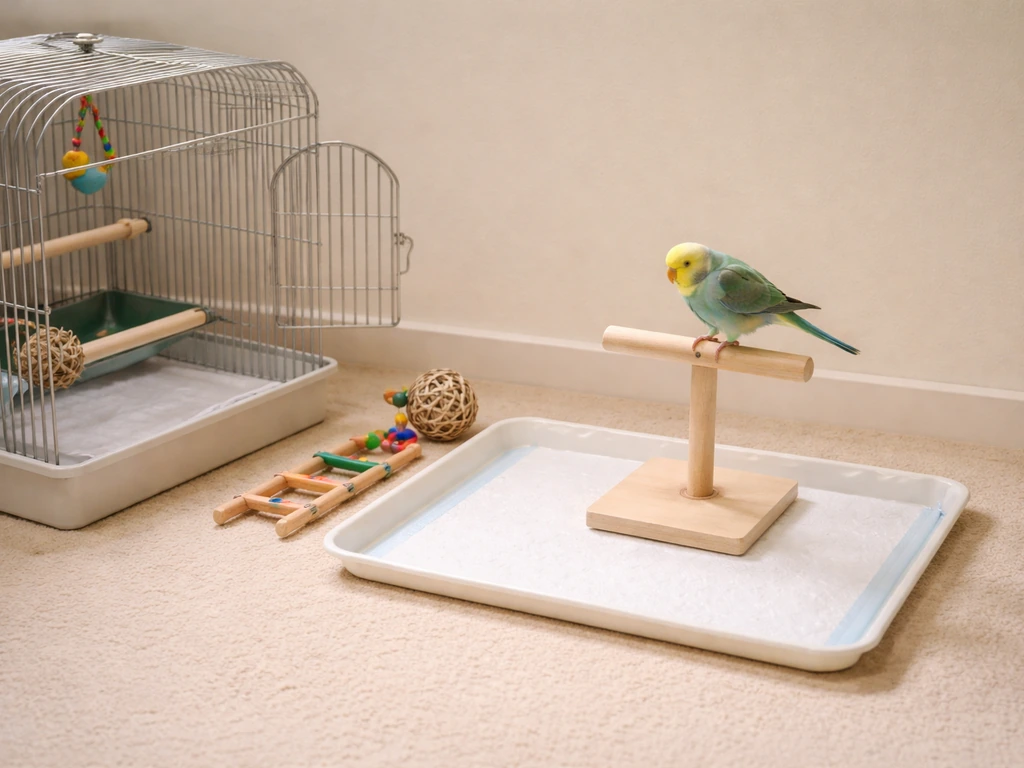
You can't train a bird to never poop, but you absolutely can train it to go at better times and in better places. This is genuinely achievable with consistency, and it starts with two things: timing and positive reinforcement.
Timing and routine changes
Before you take your bird out of its cage, let it perch on the cage bars or a nearby stand and wait a few minutes. Birds tend to go right after waking up and after meals. If you make it a habit to wait out that initial bathroom break before handling begins, you'll start every session with a cleaner baseline. If your bird has been sitting on you for 20 to 30 minutes, proactively move it back to its perch or cage before the poop cues even start.
Hand vs. shoulder perching
Experts at Best Friends Animal Society recommend teaching birds to perch on your hand rather than your shoulder. Experts at Best Friends Animal Society recommend teaching birds to perch on your hand rather than your shoulder, which can help you manage what to do if a bird poops on your hair instead your shoulder. The reasoning is practical: from your hand, you can see the bird's body language, catch the pre-poop crouch, and redirect.
From your shoulder, you have almost no visibility and no real control. Teaching a solid step-up onto the hand using positive reinforcement (a food reward when the bird puts weight onto your palm) is the foundation of everything else. Work up from getting the bird to approach your hand, to leaning its weight onto one foot, to a reliable full step-up.
Target training for better control
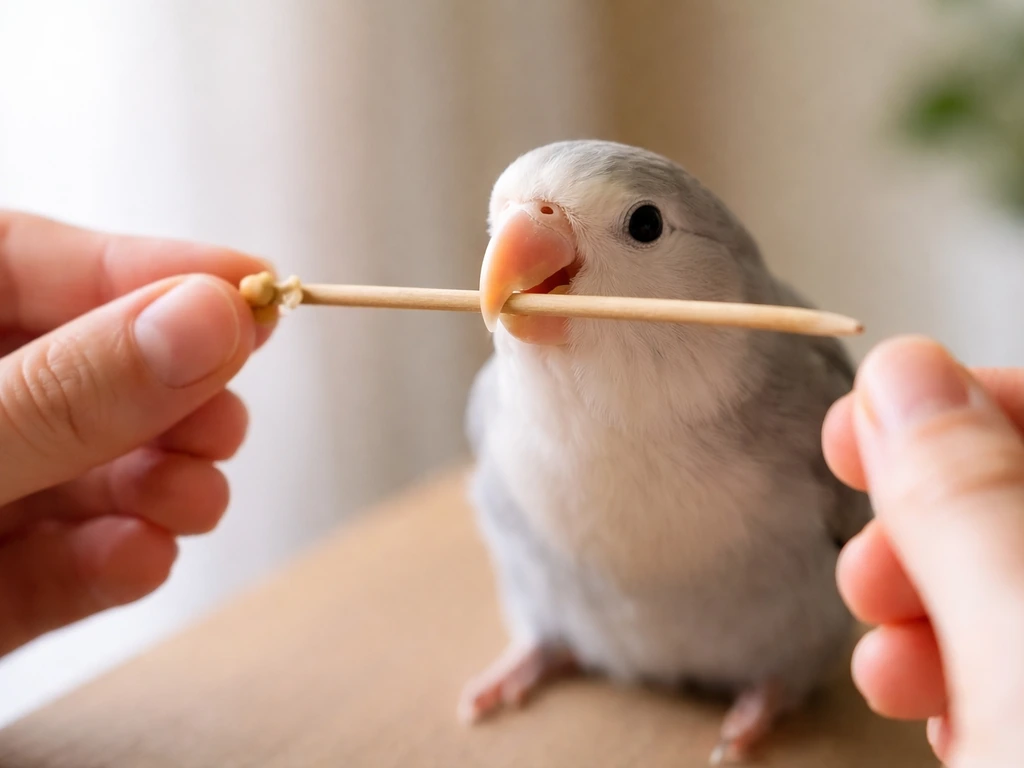
Target training, where you teach your bird to touch a stick or specific object on cue using a click-and-reward approach, gives you a way to direct your bird's movement precisely. Once a bird understands targeting, you can guide it off your body and onto a perch with a simple cue rather than physically moving it. This reduces stress for the bird (no grabbing) and gives you more control over where it is when the bathroom urge hits. Keep training sessions short and stop if you see stress signals like leaning away or feather sleeking.
Don't accidentally reinforce the behavior
If your reaction to getting pooped on is loud, dramatic, or involves a lot of movement and attention, your bird may associate pooping on you with an interesting response. Keep your reaction calm and neutral. Move the bird, clean up matter-of-factly, and move on. Consistency in your non-reaction goes further than you'd expect.
Is bird poop actually dangerous to you?
For most healthy adults, casual contact with bird droppings on skin or clothing is a low-level risk, but it's not zero risk and it's worth taking seriously. The main concern with pet bird droppings is psittacosis, also called parrot fever, a bacterial infection caused by Chlamydia psittaci. The CDC notes that humans can acquire it by breathing in dried bird droppings or discharge from infected birds, not typically from fresh droppings landing on skin, but the risk is real enough to warrant proper hygiene every time.
If exposed, most people who develop symptoms do so within 5 to 14 days, and those symptoms can include fever, headache, and cough. Many infections are mild or even asymptomatic, but some cases are more serious. The bacteria can infect many types of birds, not just parrots, so this applies whether you have a cockatiel, a conure, a budgie, or a larger parrot.
The practical takeaway: wash your hands thoroughly every time you handle your bird or come into contact with droppings. Don't touch your face before washing. This is the single most effective thing you can do to protect yourself.
What to do right now if your bird just pooped on you
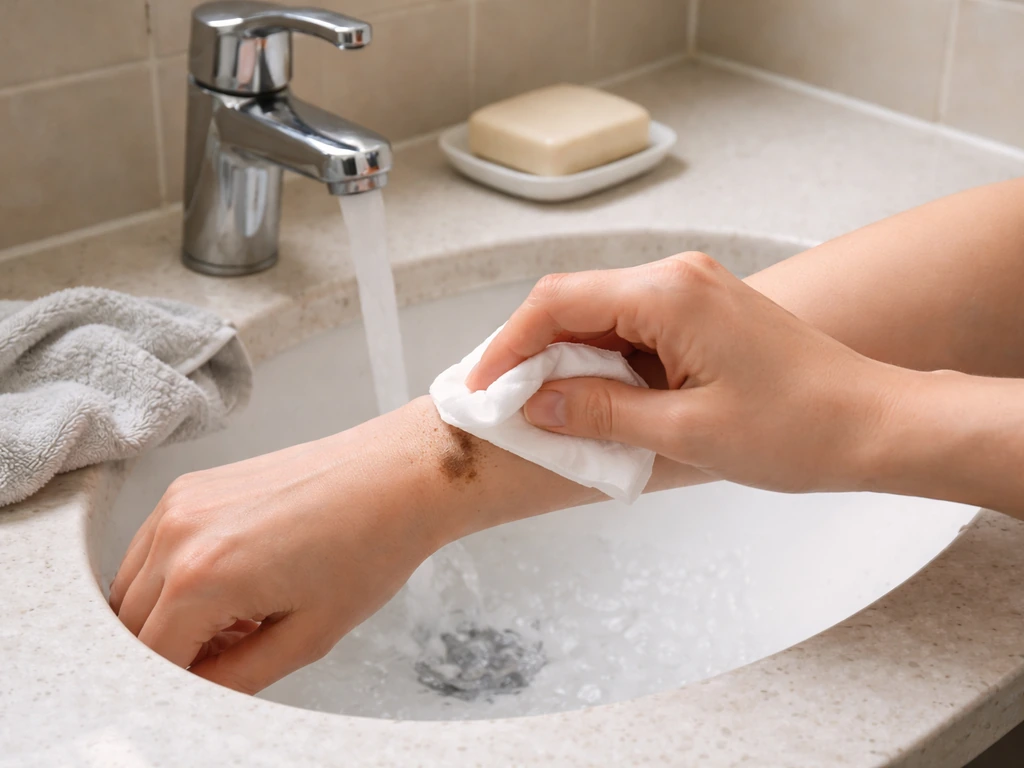
On your skin
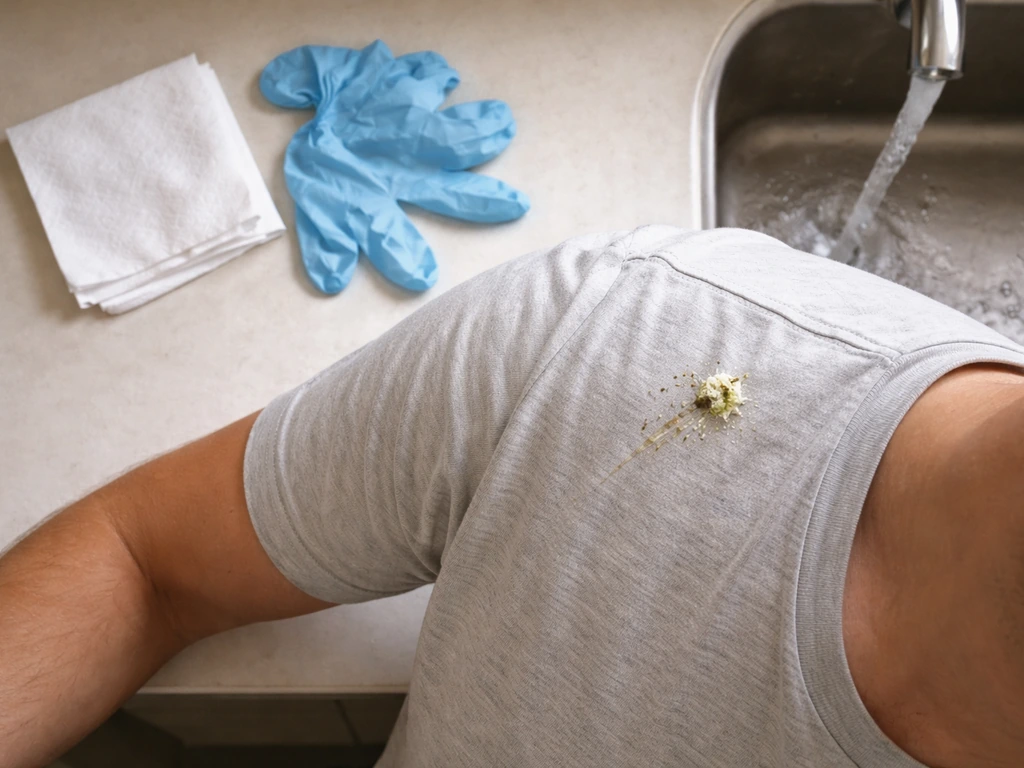
- Remove the dropping with a tissue or damp cloth without rubbing it in or creating dust.
- Wash the area thoroughly with soap and running water for at least 20 seconds.
- Avoid touching your face, eyes, or mouth before washing.
- If droppings got near your eyes, rinse with clean water for several minutes.
- No need to panic or use harsh antiseptics for typical skin contact, but do wash promptly.
On your clothing
- Let fresh droppings dry slightly before removing, then lift them off rather than rubbing them in.
- Treat the stain with cold water, not hot (heat sets bird droppings into fabric).
- Pre-treat with an enzyme-based laundry cleaner and wash as normal.
- Wash your hands after handling soiled clothing.
When cleaning your bird's cage
This is where inhalation risk is highest. The CDC recommends wetting cage surfaces and dried droppings with water or a disinfectant before wiping them down, which keeps dust and aerosolized particles from becoming airborne. Don't pick up droppings with bare hands. If you're cleaning regularly and your bird appears healthy, the risk is low, but building this habit protects you over the long term.
Diet, hydration, and health checks that affect poop frequency
What your bird eats directly affects how often it goes and what those droppings look like. Seed-heavy diets tend to produce firmer, more compact stools. Diets with a lot of fruit and vegetables produce softer, wetter droppings that can seem more frequent. A sudden change in diet can change color and consistency within a day or two, which is normal. The important thing is learning what your bird's normal looks like, because any meaningful deviation from that baseline can signal a health issue.
Normal bird droppings have three parts: the solid fecal portion, the white or cream-colored urate component, and a liquid urine portion. Stress and mood changes can alter all three. A stressed bird may produce more watery droppings; a dehydrated bird may have very little liquid component. If your bird's droppings change in color, frequency, volume, or consistency and stay that way for more than 24 hours, that's worth a veterinary visit. VCA Animal Hospitals puts it plainly: once you know what normal looks like for your bird, anything different that persists is abnormal and needs attention.
Practically speaking, if your bird seems to be pooping on you more than usual, consider whether anything in its routine has changed: new food, less water access, a stressful event, more or less handling time. These environmental factors often explain sudden changes in frequency without any underlying illness.
The good luck thing, and what's actually going on
There's a long-standing belief across many cultures that being pooped on by a bird brings good luck. It's a charming idea, and there's a whole interesting thread of superstition and symbolism around what it means when a bird poops on you, including whether the species, timing, or location of the dropping changes the meaning. If you're wondering about what are the chances of a bird pooping on you, the odds depend a lot on where the bird is in its routine and how often it needs to go. If you're curious about that angle, it's genuinely interesting folklore.
But when it comes to your pet bird pooping on you specifically, the honest answer is that luck has nothing to do with it. Your bird isn't sending a cosmic signal. It's responding to its own biological rhythms, the warmth and safety of your body, its current excitement or stress level, and the habits you've built together over time. The causes are entirely knowable and, more importantly, mostly manageable.
So take the lucky omen with a smile if it helps, then wash your hands and start working on the step-up command. That combination will serve you better than either one alone.
FAQ
How can I tell if my bird is about to poop versus just shifting or settling?
Watch for a brief setup sequence, tail lift or raised posture, a slight crouch, and stepping back a pace. If the bird only adjusts feathers or changes footing without tail or crouch signals, it is usually settling rather than imminent. Timing matters, if you learn your bird’s specific window, you can redirect before the dropping happens.
My bird poops on me even when I try to wait after meals. What should I check first?
Look for other routine triggers, such as waking up on your shoulder, the first minutes of training, or excitement when you approach. Many birds go after transitions (onto a new perch, after you open the cage, during play sessions). If frequency spikes around those moments, shift to “quiet warm-up” on a perch before handling and build bathroom breaks into the routine.
Can I train my bird to poop in a specific place like a litter tray?
You can encourage targeted toileting, but it will not be perfectly reliable because birds release frequently. The practical approach is to identify consistent “go times” (after waking, after meals) and place a tray or preferred perch there with calm behavior and positive reinforcement. Treat it as location learning, not total prevention.
Does poop on my shoulder mean my bird is stressed or mad at me?
Not necessarily. Shoulder contact can simply be the warm, safe perch your bird prefers, and it can make you the most convenient surface when the urge hits. Stress is more likely when you also see avoidance, leaning away during handling, puffed or flattened posture, or watery droppings that persist beyond a day.
How should I clean up if my bird poops on my clothes or bed sheets?
For laundry, pre-rinse with cool water to remove the material, then wash on a normal cycle with detergent, heat drying if the fabric allows. For surfaces, first wet the area to reduce dust, wipe with a suitable cleaner, then wash your hands afterward. Avoid dry wiping, it can aerosolize dried material.
Is it safe to keep letting my bird perch on my hand if they poop a lot anyway?
It can be safer because you can see and redirect sooner, but hygiene still matters. Use a consistent routine, keep a towel or bird-safe mat nearby to reduce contamination, and wash hands after every session. If you wear face-adjacent items like scarves or hoods, treat them like high-risk contact zones and remove before handling.
What droppings changes are “normal” after diet changes, and what is not?
Color and softness can change within a day or two after switching foods, especially when increasing fruits and vegetables. What is not normal is a persistent change beyond about 24 hours or a marked shift that includes very watery output, drastic frequency increase, straining, blood, or changes that don’t match the new diet. When in doubt, a vet exam is the safest next step.
My bird’s droppings look watery sometimes, but the bird seems otherwise fine. When should I worry?
Warming factors can matter, such as stress, recent excitement, or not drinking enough. Worry more if watery droppings last more than a day, come with reduced appetite, weight loss, lethargy, fluffed posture, or straining. If only occasional and tied to a clear event, monitor closely and adjust routine before escalating.
What should I do if my bird associates my reaction with attention and poops more to get it?
Treat it like a cue to reduce stimulation. Stay calm, pause movement, gently redirect to a perch, clean up without talking or rushing, then resume the planned session. Reinforce the behavior you want, for example calm stepping onto the hand, rather than rewarding the “poop moment” with attention.
Do I need to worry about psittacosis if the poop is fresh and right on my skin?
Risk from fresh droppings landing on skin is generally lower than risk from inhaling dried material particles during cleanup, but you should still practice good hygiene. Wash hands thoroughly after contact, avoid touching your face until you clean up, and when cleaning, wet down dried droppings first to prevent dust from becoming airborne.
How often should I clean the cage and surfaces to reduce both odor and health risk?
A good baseline is daily spot cleaning of droppings and wet areas, plus more thorough cleaning on a regular schedule based on your bird’s mess level. The key is to prevent dried buildup in corners and on bars, because that is what turns into airborne dust. If your bird is sensitive, stick to consistent routines and avoid strong fumes.