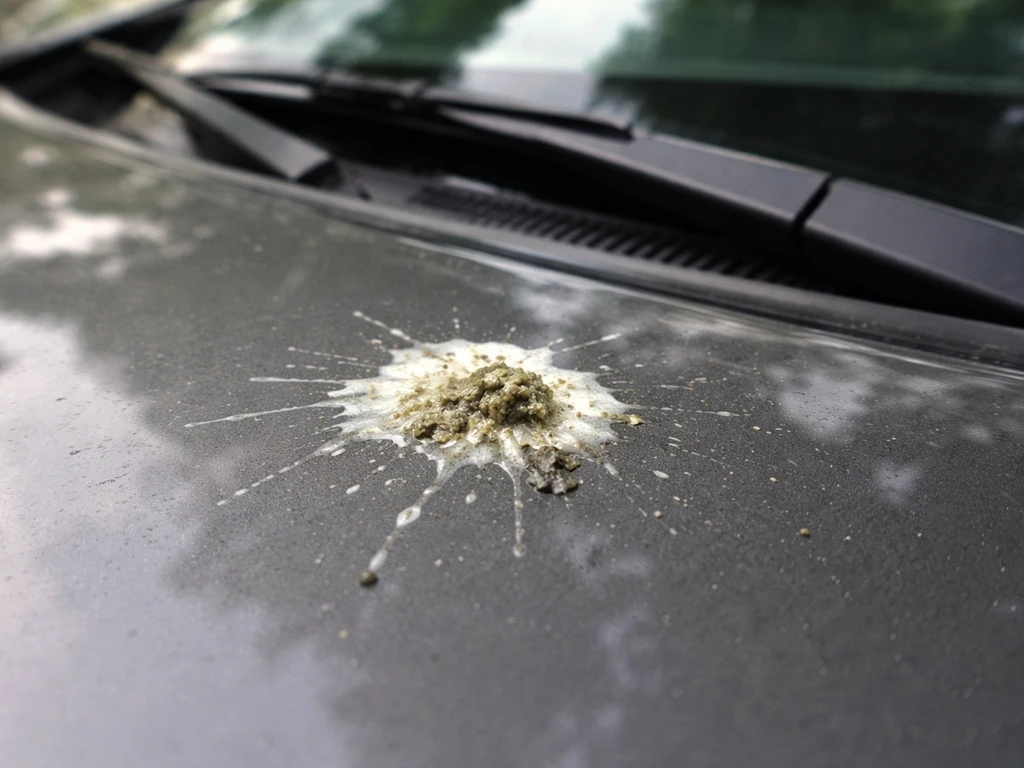
Most pet birds poop roughly every 20 to 30 minutes throughout the day. If you are trying to minimize cleanup, it helps to know which pet bird poops the least compared with other common species what pet bird poops the least. That works out to somewhere between 30 and 50 times per day for a typical small-to-medium pet bird like a budgie, cockatiel, or conure. Wild birds follow a similar pattern but their frequency varies more widely depending on species, body size, and diet. So if you're trying to figure out whether your bird is "normal" or bracing yourself for how often a crow is going to visit your car, that 20-to-30-minute window is your baseline.
How Many Times Does a Bird Poop a Day?

Marcus Fielding
6 May 2026
Typical poop frequency by bird type
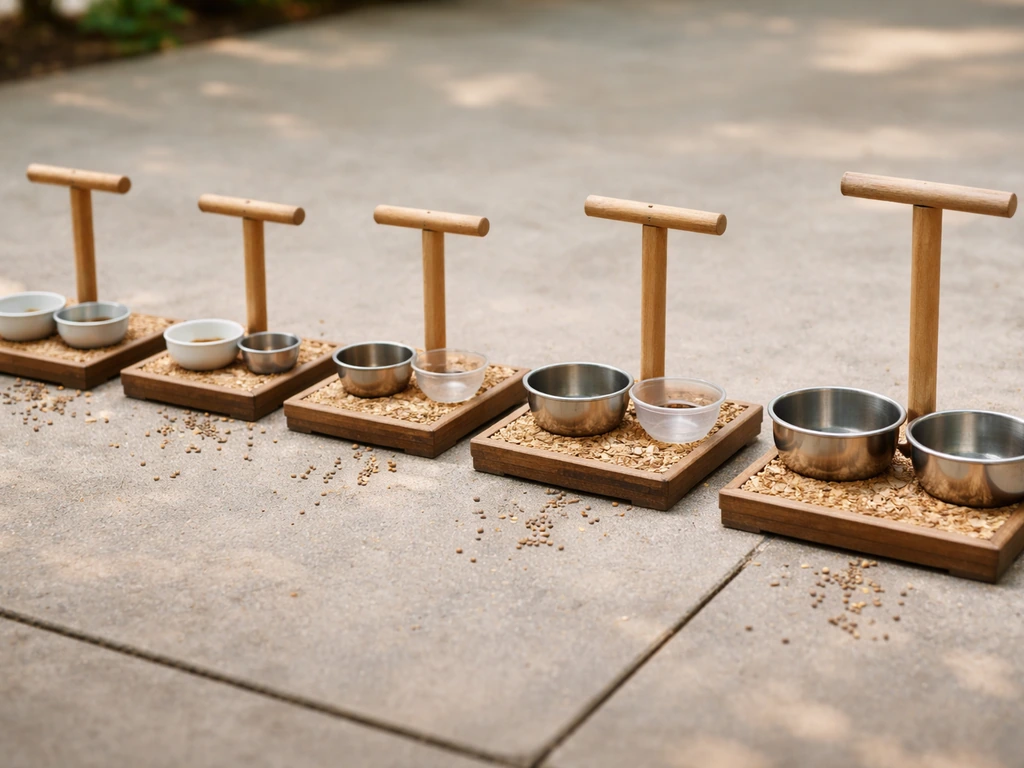
Bird size is the fastest shortcut for estimating poop frequency. Smaller birds have faster metabolisms, which means food moves through them quickly and droppings come out often. Larger birds digest more slowly and produce fewer but larger droppings.
| Bird Type | Approximate Size | Estimated Poops Per Day | Notes |
|---|---|---|---|
| Budgie / Parakeet | Small | 40–50+ | Fast metabolism, tiny frequent droppings |
| Cockatiel | Small-Medium | 30–50 | Very common pet bird; droppings easy to track |
| Conure | Medium | 25–40 | Active birds; frequency increases with activity |
| African Grey / Amazon | Large | 20–30 | Larger, less frequent droppings |
| Macaw / Cockatoo | Very Large | 15–25 | Less frequent, but droppings are substantial |
| Pigeon / Dove (wild) | Medium | 20–30 | Urban birds; diet-dependent variation |
| Crow / Jay (wild) | Medium | 25–40 | Highly varied diet affects output |
| Seagull (wild) | Medium-Large | 15–25 | Fish-heavy diets produce watery droppings |
| Hummingbird | Tiny | Up to 60+ | Extremely fast metabolism; almost constant |
These are estimates, not lab measurements. Real-world frequency shifts depending on what and how much the bird ate, how hydrated it is, and how active it's been. A pet bird that had a big fruit meal will drop more watery droppings for a few hours. A pigeon that just ate a pile of bread crusts from a park bench is about to make someone's car a project.
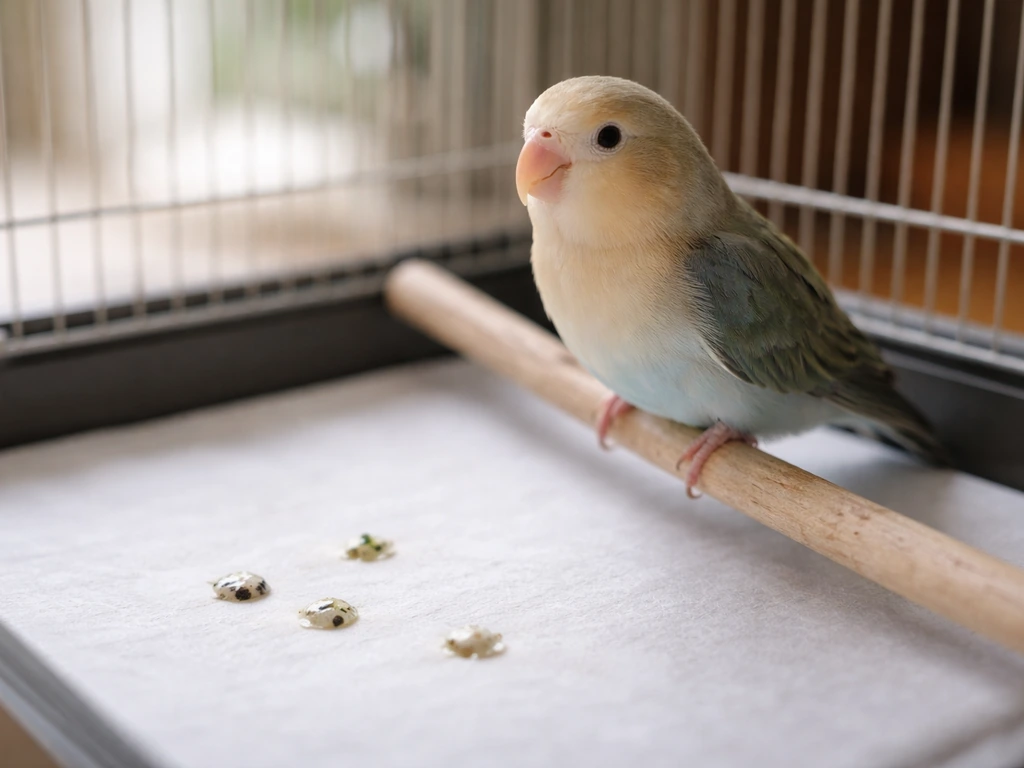
It's also worth knowing that what looks like one "dropping" is actually three things combined: feces (the solid green or brown part), urates (the white or cream-colored chalky portion), and urine (a small amount of clear liquid). Veterinary resources frame it this way specifically because changes in any of those three components can signal different health issues. A dropping that looks all white is heavy on urates. One that's mostly watery is heavy on urine. Knowing what's normal for your bird's usual mix makes it much easier to spot when something's off.
What affects how often a bird poops
Frequency isn't fixed. Several everyday factors push it up or down, and most of them are completely normal.
- Diet: High-water-content foods like fruits and vegetables increase droppings frequency and make them looser and more liquid. Seeds and pellets produce firmer, more compact droppings at a steadier pace.
- Hydration: A well-hydrated bird produces more urine in each dropping. On a hot day or after a bath, expect wetter droppings than usual.
- Activity level: Active, excited birds poop more. Flight, play, and social interaction all speed digestion and push things along.
- Age: Baby and juvenile birds poop constantly, sometimes every few minutes. Their digestive systems are working overtime to support rapid growth.
- Stress: Stressed birds can either increase droppings frequency or, in some cases, hold droppings longer than usual. Avian vets note that birds under stress or those trained to hold droppings deviate significantly from the baseline 20-to-30-minute pattern.
- Time of day: Many birds have a larger, accumulated dropping first thing in the morning after holding it through sleep. This is normal.
- Species-specific physiology: Some species naturally produce drier, more formed droppings (like many parrots); others like lories produce very wet, projectile droppings due to their nectar-based diet.
Signs that a bird's droppings frequency is abnormal
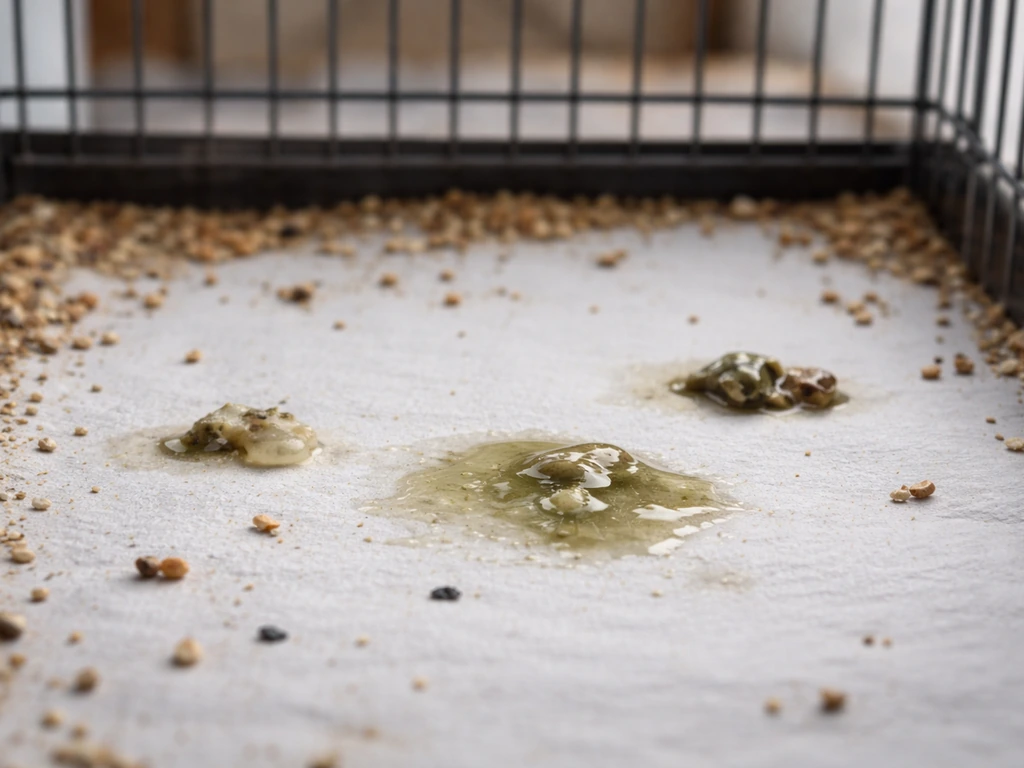
The most useful thing you can do as a bird owner is know your bird's personal baseline. Once you know roughly how often they go and what those droppings typically look like, changes become obvious fast. If you are wondering whether a bird can control their poop or intentionally hold it, that is not something you can reliably manage like a schedule, so use your bird's baseline droppings and look for signs of abnormal frequency.
Too few droppings is a red flag. If your bird has gone several hours without a dropping and isn't sleeping or in an obvious holding situation, that can indicate a blockage, severe dehydration, or illness. If your bird has gone several hours without a dropping and isn't sleeping or in an obvious holding situation, that can indicate a blockage, severe dehydration, or illness what bird doesn doesn’t poop. Similarly, a sudden spike in frequency, especially if paired with straining or discomfort, isn't just a "busy digestive day" situation. Watch closely.
- Fewer than usual droppings over a full day (especially if the bird seems lethargic or is not eating)
- No droppings for 4 or more hours in an awake, active bird
- Droppings dramatically larger or smaller than usual without a clear dietary reason
- Straining or tail-bobbing when trying to defecate
- Droppings stuck to the vent (cloaca) area, known as "pasting"
- Sudden change from solid to completely liquid with no diet change
- Blood visible in the dropping
Any of these warrant a call to an avian vet, not a wait-and-see approach. Birds are prey animals and hide illness well. By the time symptoms are obvious, problems can be advanced.
How to tell healthy vs concerning droppings
A healthy dropping has three visible parts: a formed green or brown fecal component, a white or cream urate section, and a small amount of clear urine. The proportions vary by diet but the basic structure stays consistent for a given bird on a consistent diet. Purdue University’s veterinary guidance notes that caged-bird droppings include fecal material plus uric acid or urate (“whitewash”) and urine (“water”), and that the color, consistency, and amount of each component can vary with diet, water intake, and stress The proportions vary by diet but the basic structure stays consistent for a given bird on a consistent diet.. Here's a quick breakdown of what changes in each component can mean.
| Component | Normal Appearance | Concerning Change | Possible Cause |
|---|---|---|---|
| Feces | Green to brown, formed | Black/tarry, red, or bright yellow-green | Internal bleeding, infection, liver disease |
| Urates | White or cream, chalky | Yellow, green, or orange | Liver or kidney stress, infection |
| Urine | Clear, minimal | Excessive or discolored | High fruit intake (often fine), diabetes, infection |
| Overall volume | Consistent with diet | Dramatic increase or decrease | Dietary change, illness, dehydration |
| Odor | Mild and unremarkable | Strong, foul, or unusual | Infection, dietary issue, GI disturbance |
| Consistency | Firm feces, soft urates | All liquid, foamy, or mucousy | Infection, parasites, organ disease |
One watery dropping after your bird drinks a lot of water is nothing to worry about. A pattern of consistently abnormal droppings over 24 hours or more is worth a vet conversation. Photograph a few droppings on a light-colored surface before you go in, it genuinely helps the vet.
Health risks and hygiene when you're dealing with droppings
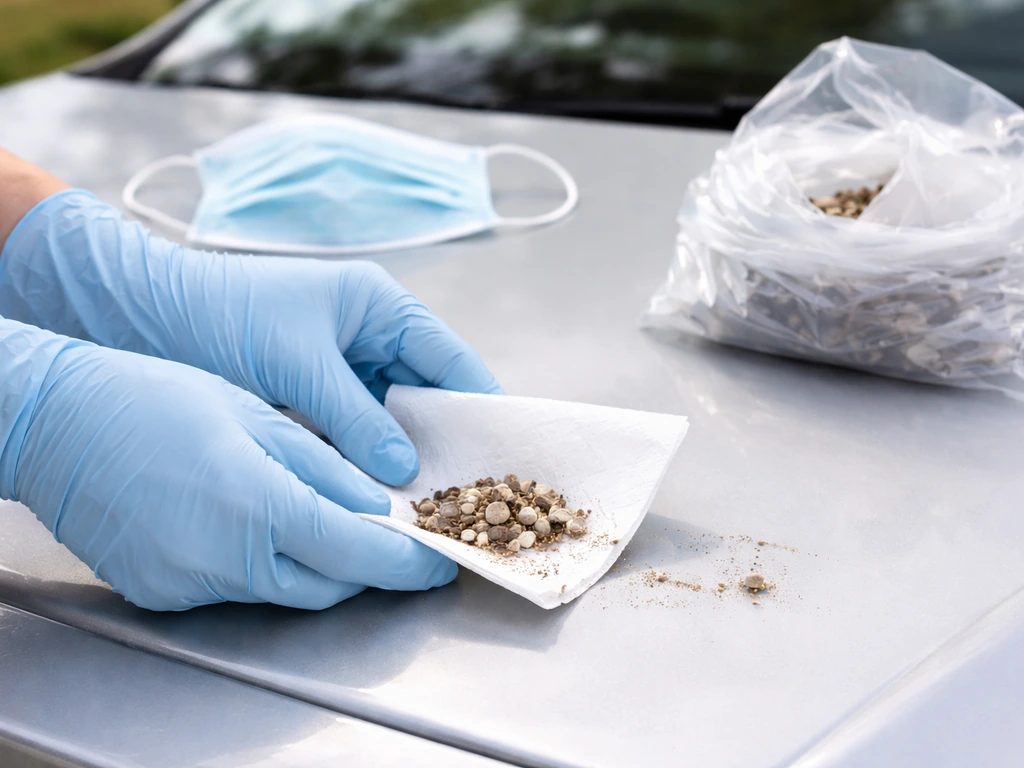
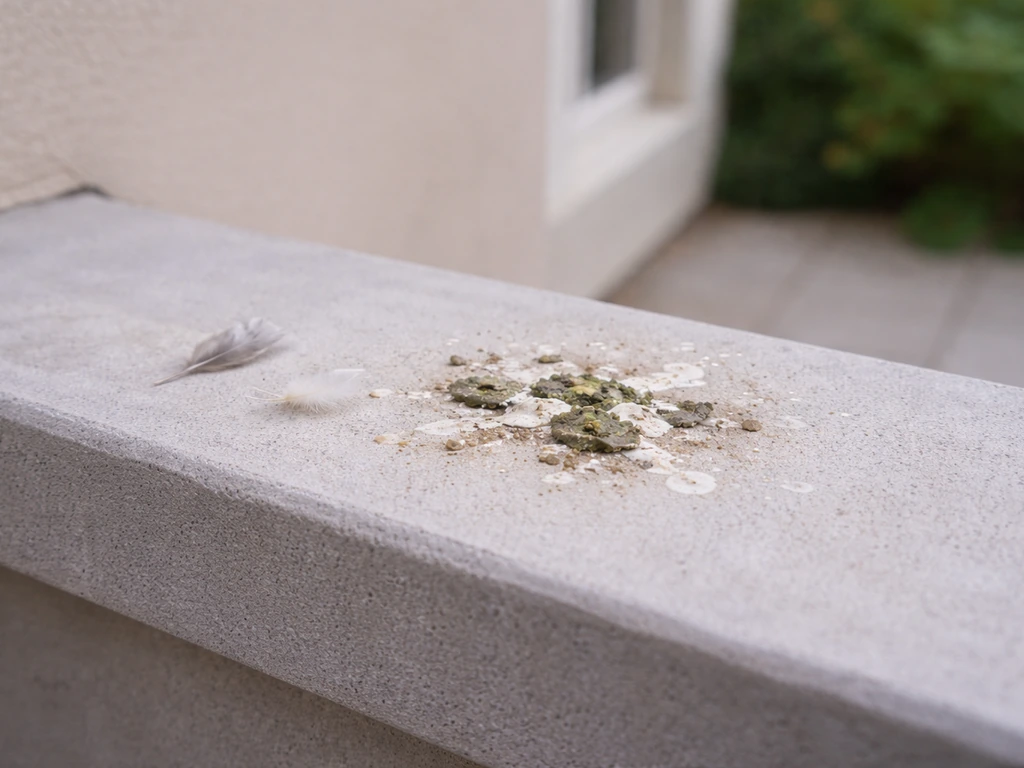
Bird droppings can carry real pathogens, so this isn't a section to skip whether you're a pet bird owner or someone who just found a mess on your car or deck. The most commonly cited concerns are Histoplasma capsulatum (a fungus found in accumulated droppings, particularly from pigeons and starlings), Chlamydia psittaci (causes psittacosis, primarily from parrots and pigeons), Salmonella, and Cryptococcus neoformans. None of these are reasons to panic, but they are reasons to handle droppings with some basic care rather than bare hands and a dry paper towel.
The risk is highest when droppings are dry and disturbed, because that's when fungal spores and dried bacteria become airborne. Fresh droppings from a healthy pet bird that you're cleaning up immediately are low risk. Accumulated dried droppings from wild birds under a roost or ledge, especially indoors or in an enclosed space, are a different situation and require more precaution.
- Wear gloves when cleaning up any bird droppings, especially accumulated or dried ones
- Wet the area before wiping or scrubbing to prevent dried material from becoming airborne
- Wear a mask or respirator for cleaning up large amounts of wild bird droppings, particularly in enclosed spaces
- Wash hands thoroughly with soap and water after any contact, even if gloved
- Avoid touching your face during cleanup
- Keep immunocompromised individuals, pregnant people, and young children away from cleanup of accumulated wild bird droppings
- For pet birds, wash cage liners and trays regularly rather than letting droppings accumulate
If you have a pet bird and you're concerned about exposure for household members, the practical risk from a single healthy bird's fresh droppings is very low with normal hygiene. The concern scales up with quantity, dryness, and whether the source is wild birds with unknown health status.
Cleanup and prevention tips to reduce mess and exposure
If you own a pet bird, building a simple routine beats deep-cleaning marathons. Line cage trays with paper (newspaper or parchment paper works well) and swap it daily or every other day depending on your bird's output. Given the frequency range of 30 to 50 droppings a day for a small bird, letting it go more than two days is a lot of buildup. For larger birds producing fewer but bigger droppings, daily spot-cleaning is still a good habit.
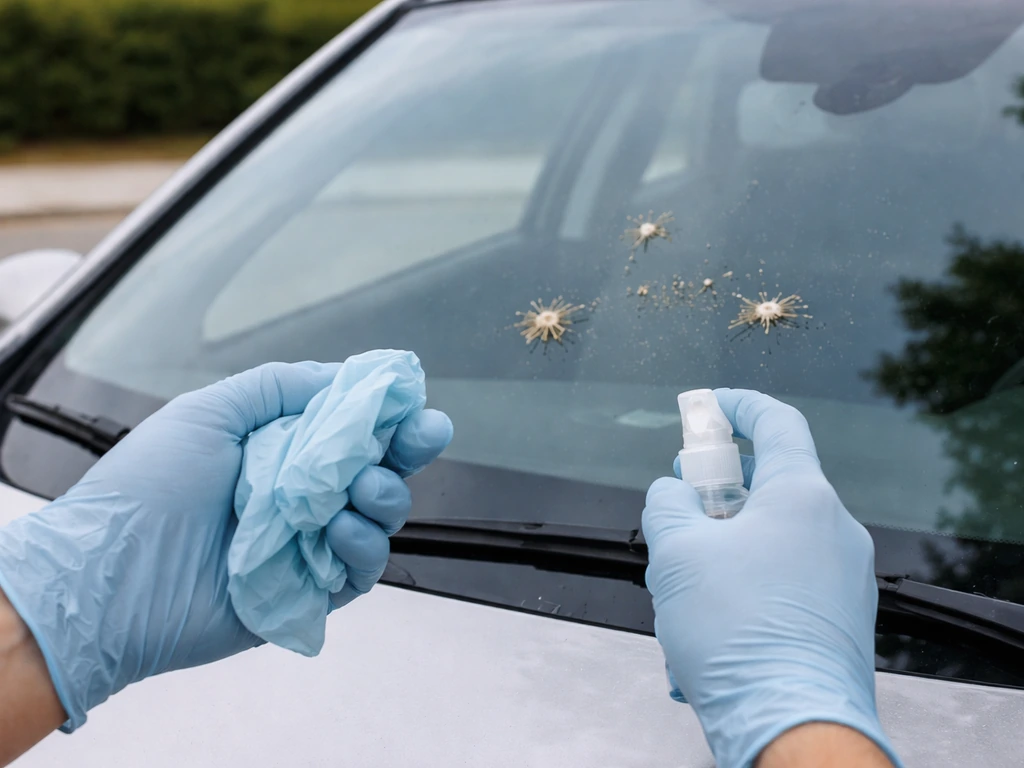
For wild bird messes on cars, patios, or outdoor furniture, the main trick is not letting it sit. Bird nests can look messy, but learning why that specific nesting mess is different can also help you understand what you might be seeing why bird nests aren't covered in poop. Bird dropping acids start etching car paint within 48 hours in warm weather, and dried droppings are significantly harder to remove than fresh ones. Keeping a microfiber cloth and a small spray bottle of water in your car for quick removal is genuinely useful if you park near trees, wires, or any surface where birds congregate.
- Wet the dropping thoroughly before attempting to wipe. Never scrub dry droppings on any surface, especially car paint.
- Use a pH-neutral cleaner or plain water for surfaces. Avoid harsh alkaline cleaners that can interact with uric acid and make staining worse.
- For stubborn dried spots on cars, a dedicated bird dropping remover spray (available at auto stores) is worth having. Let it soak for 30 to 60 seconds before wiping.
- Apply a car wax or paint sealant regularly. It makes droppings easier to remove and adds a layer of protection against etching.
- Use physical deterrents for repeat offenders: reflective tape, bird spikes on ledges, or moving your parking spot away from tree branches and power lines where birds roost.
- For outdoor furniture, covers are the simplest solution if birds are consistently targeting the area.
- Inside, if a pet bird is out of the cage regularly, keep a landing perch near their favorite spots and train them to return to it. Some birds can also be trained to hold droppings for short periods, which helps during out-of-cage time.
If you're curious about which birds produce the most droppings overall, or which pet birds tend to be lower-maintenance in the mess department, those are worth exploring separately since species differences can be significant enough to influence both pet choice and how you approach wild bird management around your property. The frequency question you came in with is really just the starting point for understanding what's normal, what to watch for, and how to stay on top of it practically. If you're also wondering what bird poops the most, species, diet, and body size are usually the biggest drivers.
FAQ
Can a pet bird intentionally hold its poop, and is it normal if it seems less frequent?
Yes, but you should not expect it to be perfectly controllable. Birds typically pass droppings in frequent intervals, and holding can be risky if it turns into dehydration or a blockage. If your bird suddenly drops less than usual and is not sleeping more than normal, treat it as a potential health issue rather than “waiting it out.”
How can I tell if my bird’s poop frequency is truly abnormal, not just a one-day change?
Use the 20 to 30 minute baseline as a starting point, but compare to your bird’s own routine. Track droppings (or at least approximate counts) for 2 to 3 days on the same diet and activity level, then look for changes that persist across multiple hours or the full next day. One odd day after a different meal can happen.
Why does my bird sometimes poop more watery droppings right after eating or drinking?
Yes, hydration and diet can change the look and the amount of liquid. After lots of drinking, you might see more watery urine-like content, and after a big fruit meal you may notice looser droppings for a few hours. If the overall three-part structure is maintained but proportions shift briefly, that is often less concerning than a sustained change.
Is counting droppings enough, or should I monitor what the droppings look like too?
“Three-part” droppings matter more than the count alone. If the fecal portion, urates, and urine proportions shift for more than a day, that is more informative than just how many droppings you see. For example, consistently heavy urates (very white, chalky) or consistently very watery droppings can indicate an ongoing issue.
My bird has gone a few hours without droppings. When should I stop waiting and call the vet?
If your bird goes several hours without producing a dropping and it is not sleeping or in an obvious holding situation, contact an avian vet. Birds can hide illness, and bowel obstructions are a time-sensitive risk. Do not rely on a “maybe it will pass” approach if the slowdown is sudden.
My bird is pooping more often and seems uncomfortable. How do I know if it’s more than normal digestion?
A single straining episode or a brief increase in output can happen after diet changes, stress, or activity. What pushes it toward “get help” is straining plus discomfort, continued high frequency, or any change that lasts beyond the next day. Photograph droppings during the change so the vet can assess the pattern.
How worried should I be about germs when cleaning bird droppings, especially if it’s indoors?
For fresh pet-bird droppings cleaned promptly, household risk is generally low with normal hygiene. Avoid bare hands, wash up after cleaning, and prevent dried buildup. The risk rises when droppings are dry and disturbed (sweeping or vacuuming can aerosolize particles), and for accumulated indoor wild-bird droppings.
What’s the safest way to clean dried bird droppings from a room or enclosed area?
Yes. If droppings are dried and disturbed, avoid dry wiping, sweeping, or shaking. Mist with water first, then clean and discard materials, and wash hands thoroughly. Ventilate the area when cleaning enclosed spaces with accumulated mess.
Do different foods make a bird poop more, and how should I adjust my expectations?
If you feed a bird foods that change stool volume (for example, more fruit, or more bread-like foods for pigeons), you may see changes in frequency and fluidity. Keep diet and treats consistent for at least a couple days when you are trying to establish baseline poop counts.
What routine works best for minimizing mess without letting droppings pile up?
Start by setting up a simple routine you can maintain, not an intensive deep-clean schedule. Line the cage tray with paper and replace daily or every other day based on output, then spot-clean larger-bird droppings between full tray changes. If you regularly let buildup go beyond two days for smaller birds, cleanup becomes harder and hygiene can drop.
What’s the best way to prevent outdoor bird droppings from damaging my car or patio furniture?
For wild bird droppings on cars or outdoor surfaces, address them quickly. Dropping acids can start etching paint within about 48 hours in warm weather, and dried droppings are much tougher to remove. Keep a microfiber cloth and a small water bottle handy for quick removal after you park near birds.