Every bird poops. There is no species that skips this step. What actually happens when someone asks this question is that they're dealing with a real situation: birds nearby but no obvious droppings, or droppings turning up somewhere unexpected. The answer isn't a magic no-poop bird. It's usually a matter of where the bird is roosting, how it behaves, and where the waste is actually landing. Once you understand that, you can figure out which bird is involved, assess any health risk, and take practical steps today.
What Bird Doesn’t Poop? Why Droppings Seem Missing

Marcus Fielding
13 May 2026
Birds that poop very little or hide their droppings well
No bird truly skips producing waste. Biologically, birds excrete nitrogenous waste as uric acid (the white chalky part of a dropping) alongside a dark fecal portion and sometimes a liquid component. Diet, hydration, and stress all affect the volume, consistency, and color of what they produce. A bird on a low-volume diet may produce droppings that are small, pale, or nearly transparent, which are easy to miss on light-colored surfaces.
That said, some birds come closer to the 'no visible droppings at my location' experience than others. Seabirds like the streaked shearwater have been directly observed defecating only while in flight, at intervals of several minutes. That means their droppings scatter across open water or land in transit, never building up on a specific perch or roost surface. If a seabird or gull is hanging around your dock or boat but you can't find where it's pooping, this behavior is exactly why. The droppings are literally falling somewhere else, mid-flight.
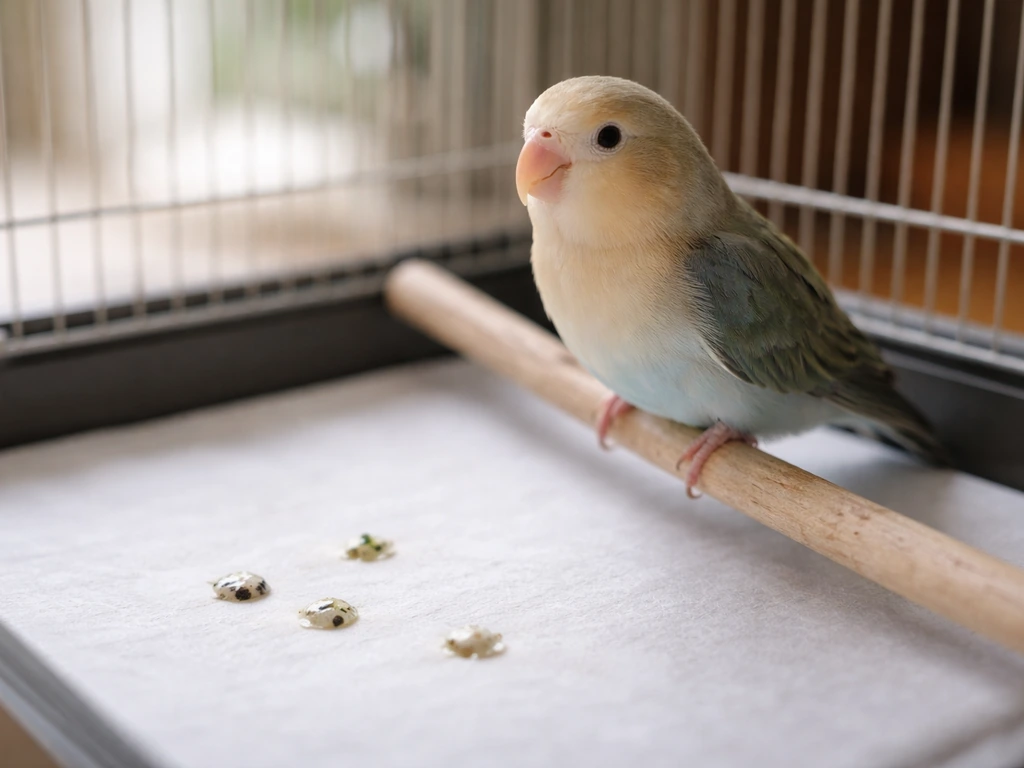
For pet birds, smaller species like finches and canaries produce noticeably less waste in total volume than larger parrots or cockatiels, though they still poop frequently. If you're trying to figure out which pet bird leaves the least mess, that's worth exploring as its own topic, since frequency, cage setup, and species all play in together. That’s exactly what the question “what pet bird poops the least” is getting at, since the biggest driver is how small the bird is and how often it needs to relieve itself which pet bird leaves the least mess. If you're wondering how many times does a bird poop a day, the exact number varies by species, diet, and how often they eat.
Why birds can seem like they 'don't poop' near you
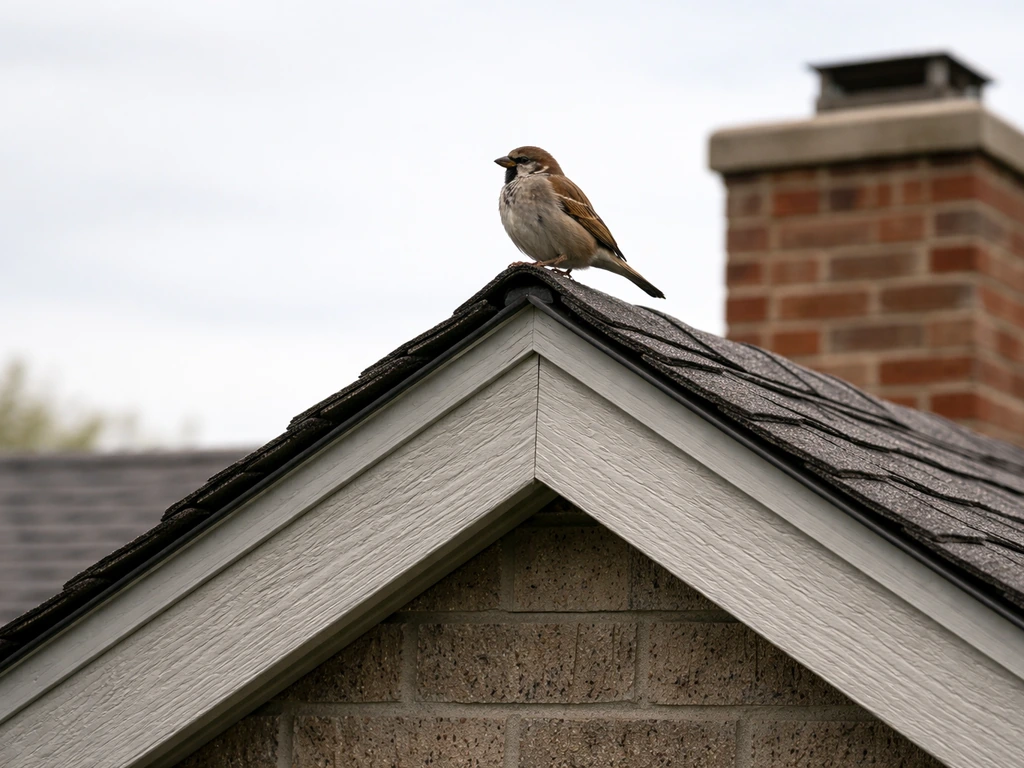
Birds don't have the same voluntary control over defecation that mammals do. So while birds do not consciously choose to poop less near you, their location and timing can make it seem like they can control their poop voluntary control over defecation. They go when they go, which is frequently. What creates the illusion of a poop-free bird is almost always behavior or location, not biology.
- High perching: A bird roosting on a roof peak, chimney top, or tall tree canopy is dropping waste straight down from a height. By the time it hits the ground, it may be diluted by rain, spread by wind, or landing somewhere you're not looking.
- In-flight defecation: As with shearwaters, some birds reliably go while airborne. Droppings can travel several feet horizontally before landing, especially in wind.
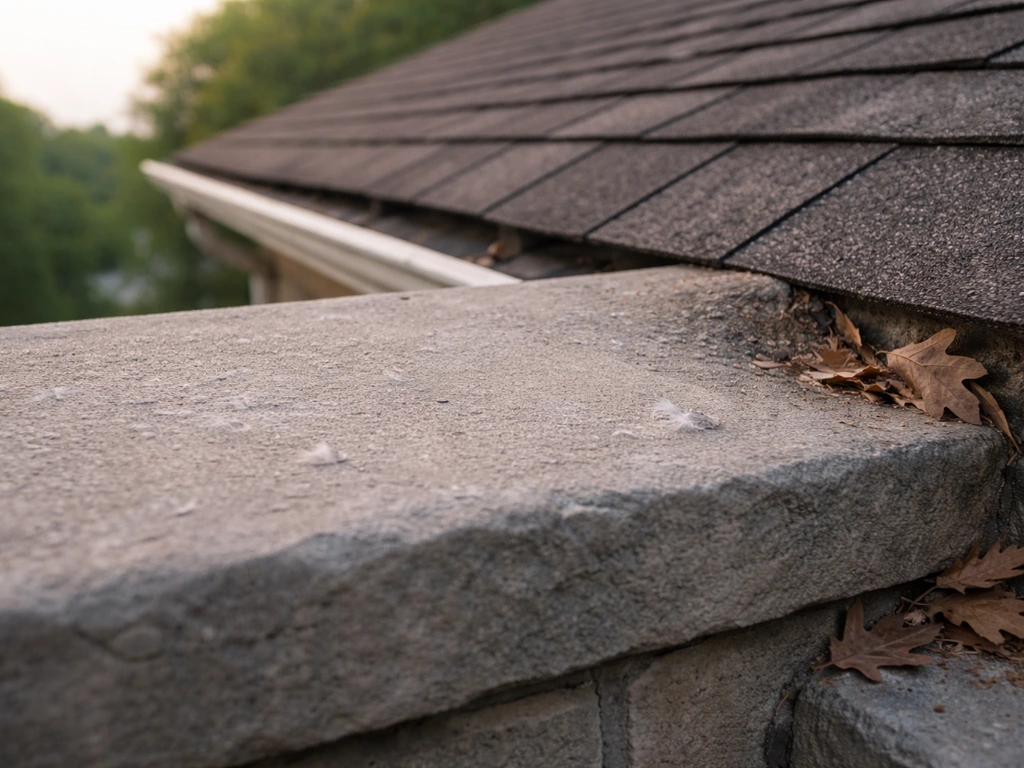
- Roosting in cavities or dense cover: Birds nesting or roosting inside gutters, wall voids, or thick ivy direct their waste in ways that concentrate it in hidden spots, not on obvious surfaces.
- Fecal sacs in nesting species: Many songbirds (robins, sparrows, warblers) produce fecal sacs during the nesting period. Parent birds carry these away from the nest and drop them at a distance, which is actually why bird nests tend not to be covered in droppings. The waste is actively removed.
- Diet-related invisibility: Fruit-heavy diets produce pale, watery droppings that dry quickly and blend into surfaces. You might be seeing droppings and not registering them.
Common reasons you're not finding droppings where you expect them
If you know a bird is around but can't find evidence, work through these possibilities before assuming the bird is defecation-free.
- You're checking the wrong surface. Look directly below the roost point, not at the roost itself. Droppings fall straight down, so check the ground, ledge, or surface underneath the perch.
- Rain cleaned it. A single overnight rain can wash away a day's worth of droppings from a windowsill or car roof completely.
- The bird isn't roosting where you think it is. Birds often perch in one spot and roost in another. The mess shows up at the sleep/rest site, not necessarily where you see the bird during the day.
- The substrate absorbs or camouflages droppings. Gravel, bark mulch, and rough concrete can make droppings nearly invisible until they accumulate significantly.
- Someone else cleaned it. If you share a building or parking area, routine cleaning may be removing evidence before you notice it.
Health and safety basics even when droppings seem absent
Here's the part that matters most practically: even if you can't see droppings, a roost that's been active for weeks or months can create real health risk. The diseases most associated with bird droppings (histoplasmosis, psittacosis, and avian influenza) aren't just a problem when droppings are fresh and visible. The NYC Department of Health similarly lists histoplasmosis and psittacosis as health risks linked to pigeon droppings and recommends avoiding dust and using protective measures during cleanup. Dried droppings that have been ground into dust, settled into soil, or accumulated in a cavity are often more dangerous because they become airborne when disturbed.
The New York City Department of Health notes that routine wiping of a fresh dropping from a windowsill carries minimal risk for most healthy people. The serious risk profile goes up when there's an established roost, accumulation over months or years, or when droppings are dry and disturbed. The Illinois Department of Public Health specifically highlights multi-year roosts as the highest-risk scenario because disease organisms build up in the nitrogen-rich material.
The core safety rule from the CDC and NIOSH is consistent across histoplasmosis, psittacosis, and avian influenza guidance: never dry-sweep or vacuum bird droppings. Always wet the material first with water or a water-disinfectant mix before cleaning, which prevents aerosolization. Use an N95 respirator or better when there's any chance of dust, and wear gloves. A diluted bleach solution (roughly 1 part bleach to 9 parts water) works well for disinfecting hard surfaces after you've removed the material. Stay upwind of the area while you work.
How to actually identify the bird or roost
Rather than guessing based on what you think you see (or don't see), use physical evidence to narrow it down. This matters because the deterrence and cleanup approach varies depending on whether you're dealing with pigeons on a rooftop versus starlings in a wall cavity versus seagulls near a marina.
Start with the droppings themselves
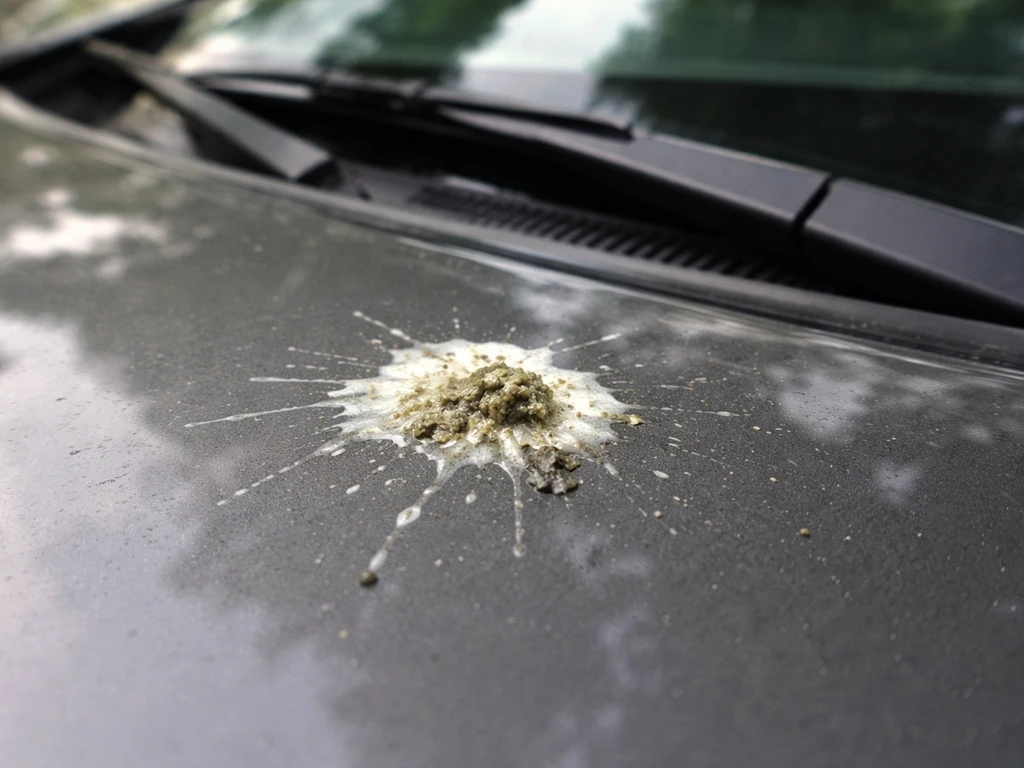
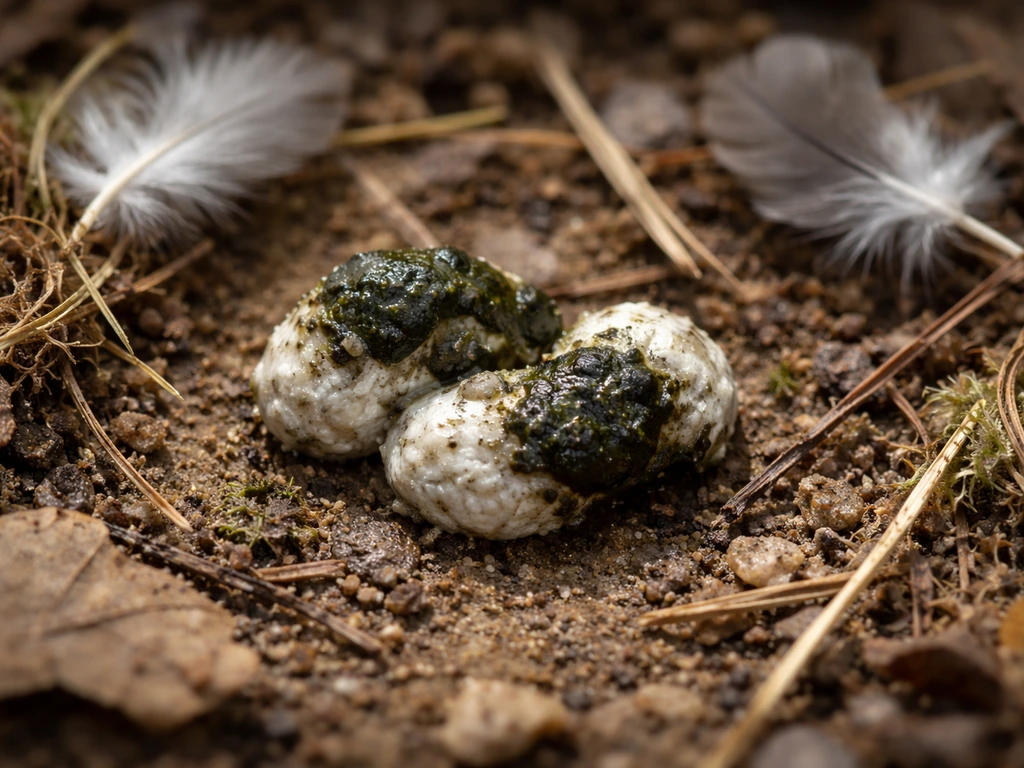
Bird droppings have a recognizable two-tone look: a dark central fecal portion and a white to cream-colored chalky urate cap. Britannica notes that birds excrete nitrogenous waste as uric acid, which forms the white chalky urate portion seen in droppings a white to cream-colored chalky urate cap. If you're not sure whether something is bird poop or something else, that pattern is your clearest identifier. The size of the dropping gives you a rough estimate of the bird's size. Pigeon droppings are roughly the size of a grape skin when spread; smaller passerine droppings are much smaller, often just a speck.
Use timing and flight patterns
Watch the area at dawn and dusk, which are peak movement times for most roosting species. Note which direction birds arrive from and depart toward. If droppings appear overnight but the area seems clear during the day, you're dealing with a roosting bird, not a daytime feeder. If droppings appear during the day in a pattern, the bird is probably perching there regularly.
Look for secondary evidence
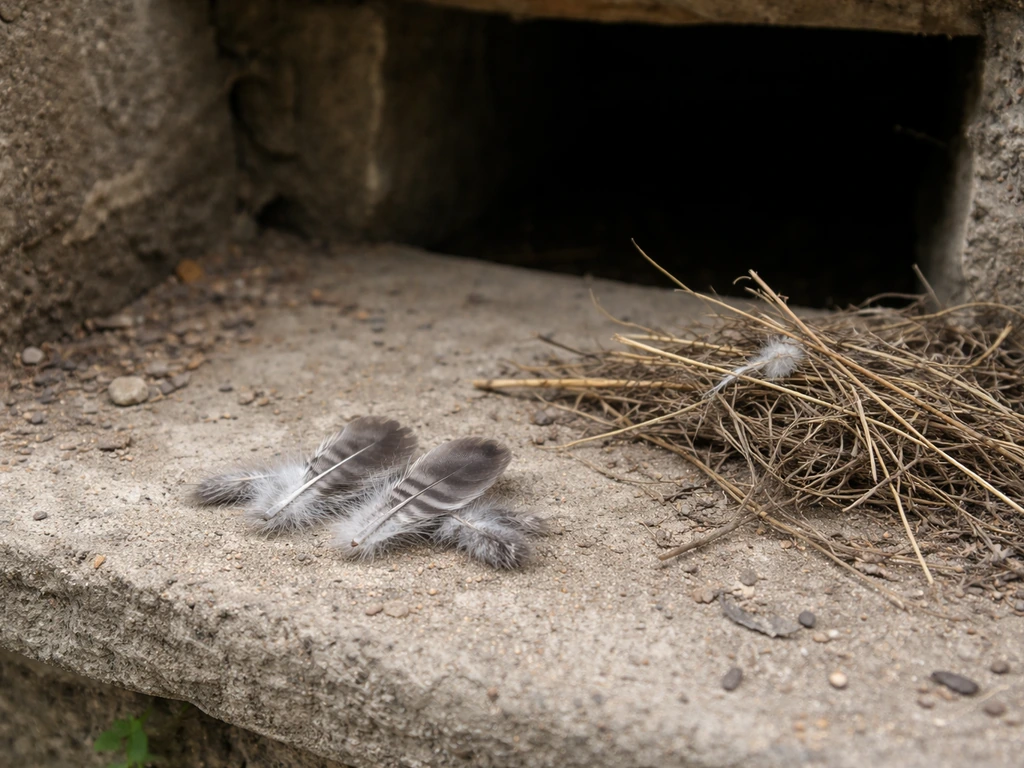
- Feathers near the site indicate species and give you something to photograph for identification
- Nest material (twigs, grass, synthetic fibers) points to an active nesting pair rather than a casual percher
- Smear marks or feather grease on ledges and surfaces show repeated contact points
- Sound at night (cooing, rustling, chirping) helps narrow down species when visual identification is difficult
Practical next steps you can take today
Cleaning safely
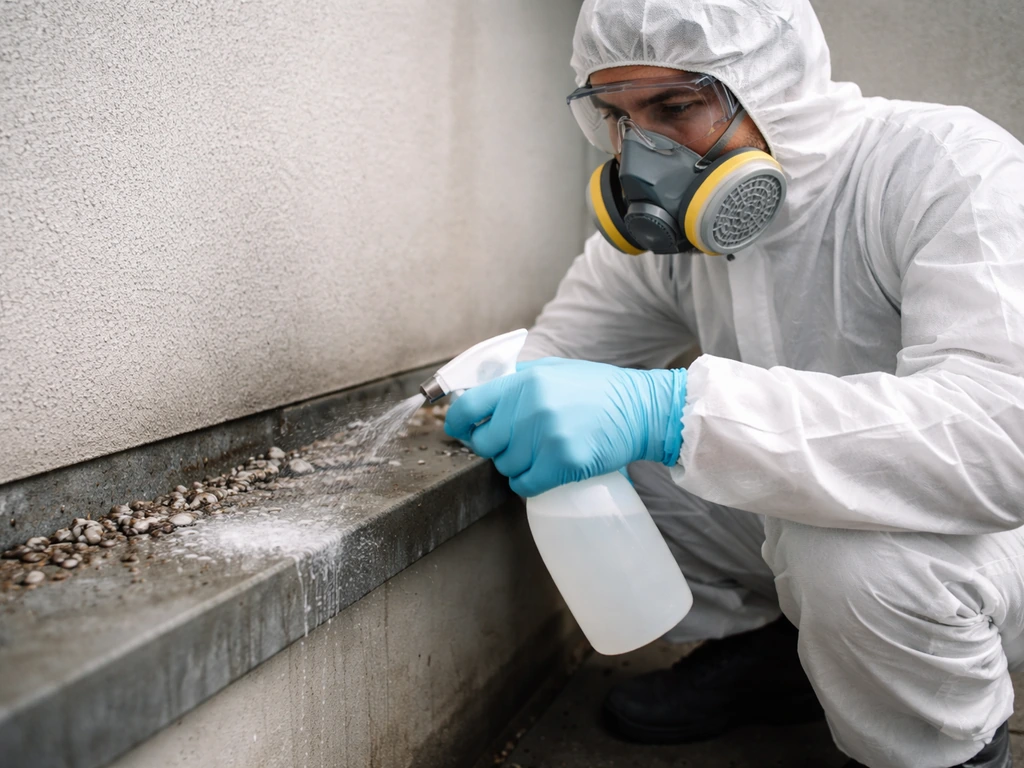
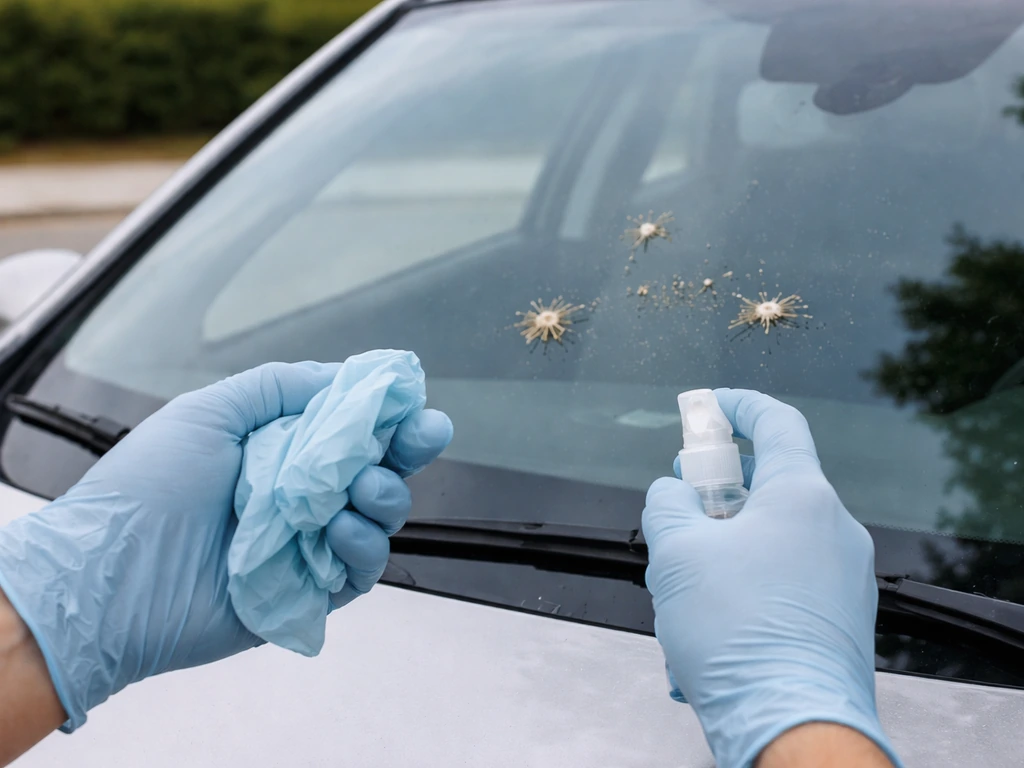
Wet the droppings first. Use a spray bottle with soapy water or a water-bleach mix and saturate the material so it can't become dust. Wait a few minutes, then wipe or scoop with disposable materials. Bag and seal everything before disposal. Disinfect the surface with bleach solution and let it air dry. Wash your hands thoroughly afterward. For anything larger than a casual cleanup (meaning more than a handful of droppings, or a confined space like an attic or wall cavity), wear an N95 respirator and disposable gloves as a minimum.
Deterrence options
Physical exclusion is the most reliable long-term solution. Bird spikes on ledges and railings prevent perching without harming birds. Bird netting works well for larger areas like roof eaves, balconies, and open warehouse spaces. Slope barriers (angled surfaces on ledges) remove the flat perching spot entirely. These need to be installed correctly to work: gaps in netting or incorrect spike spacing just push the bird a foot to the left. The right solution depends on the species, the surface, and the architecture, so take measurements and match the product to your specific situation.
When to call a professional
Call a pest management professional or wildlife removal service if you're dealing with any of these: an established roost that's been active for more than a few weeks, droppings in a confined or enclosed space like an attic or crawl space, a protected species (many songbirds and raptors fall under federal and state protections that restrict what you can do yourself), or a volume of material that would require dry removal to address. Large accumulations can contain significant concentrations of Histoplasma capsulatum spores, and disturbing them without professional controls is genuinely risky. This is not a situation to push through with a broom and a dust mask.
| Situation | Immediate action | When to escalate |
|---|---|---|
| Single fresh dropping on a surface | Wet, wipe, disinfect | No escalation needed for most healthy adults |
| Recurring droppings on car or ledge | Clean safely, add deterrent (spikes or netting) | If bird appears protected or deterrents fail after two weeks |
| Droppings in a closed space (attic, eave) | Do not disturb; wear N95 before entering | Call a professional for assessment and removal |
| Active roost with large accumulation | Do not disturb | Professional cleanup required |
| No visible droppings but birds present | Check surfaces below perch, check after rain | If you suspect a hidden cavity roost, get a professional inspection |
The bottom line is that 'no droppings' is almost always a location or timing problem, not a special bird. Once you find where the waste is actually going, you have something real to work with. Whether that's a seagull pooping mid-flight over your parking spot, a robin carrying fecal sacs away from a nest in your hedge, or a pigeon roosting in your gutters after dark, the response is the same: identify the roost, clean safely, exclude the bird physically, and get professional help if the situation has been going on long enough to create a real accumulation.
FAQ
If I never see droppings where the bird is landing, does that mean it is not pooping?
Not necessarily. Some birds release waste away from the main perch (for example, seabirds can drop droppings while in flight), and others produce very small droppings on light surfaces that people miss. Look for timing patterns (dawn and dusk arrivals), and check nearby vertical surfaces or areas below the likely flight path.
What bird poop looks most like it, and how can I tell it apart from other messes?
Bird droppings often show a two-part pattern, a dark fecal center with a chalky white or cream urate cap. If what you are seeing is uniform and wet, or it lacks that chalk cap, it could be something else like sap, fertilizer residue, or insect frass, so match shape and timing before assuming it is bird waste.
Can a bird poop less because it is sick or stressed?
Illness can change droppings, sometimes making them looser, smaller, larger, or different in color, but it does not remove the need for excretion. For pet birds, sudden changes plus fluffed posture, lethargy, or not eating are reasons to contact an avian vet rather than trying to interpret the “amount” as the only clue.
Is it safe to hose down droppings without wearing protection?
Hosing can reduce airborne dust, but it does not replace protection when you are dealing with a long-term roost or dry, disturbed material. Use at least gloves and an N95 (or better) if there is any chance the material is dry, and avoid aggressive scrubbing that can aerosolize particles.
How do I clean droppings on different surfaces without damaging them?
Bleach solutions are effective for hard, nonporous surfaces, but they can discolor stone, corrode metals, or damage painted finishes. Test a small hidden area first, rinse after disinfection when appropriate for the material, and for cars and windows use a safer cleaner compatible with the surface rather than a strong bleach mix.
When should I stop DIY cleaning and call a professional?
Call sooner if the accumulation is in an enclosed or inaccessible area (attic, wall cavity, crawl space), if the area has been active for weeks or months, or if the cleanup would require disturbing a large, dry layer. Also call if you suspect a protected species, because exclusion and handling rules can restrict what you can do.
Do “small birds” always mean less health risk?
Smaller birds often produce less total waste, but risk is driven by accumulation and how dry material becomes airborne, not only by bird size. A small roost that has dried over time in a confined space can still create a meaningful exposure risk when you clean.
What is the quickest way to identify where the waste is coming from?
Track movement at dawn and dusk, note approach and departure directions, then check beneath likely perching or flight drop zones. If you can safely observe, you can sometimes pinpoint the active roost by watching where the birds consistently gather before roosting overnight.
Will bird spikes or netting work on every kind of ledge?
They work best when installed to remove or block the exact perch spot, and small gaps can fail the barrier. For netting, ensure tight edge sealing, and for spikes, use spacing matched to the target bird so the bird cannot land between points.
How often should I clean if birds keep coming back?
Clean promptly after you confirm the active roost, because waste dries and accumulates quickly in frequently used areas. Then focus on exclusion so the roost is not re-established, otherwise droppings will return even if you cleaned thoroughly the first time.