Bird poop is very unlikely to kill a healthy adult dog. That said, it can absolutely make a dog sick, and in rare cases involving large amounts, a compromised immune system, or an unlucky pathogen, the consequences can get serious. If your dog just licked or ate some bird droppings, the realistic outcome is probably nothing, or maybe a bout of diarrhea. But there are specific situations where you should call a vet, and it helps to know what those are before you find yourself googling in a panic.
Can Bird Poop Kill a Dog? Risks, Symptoms, and What to Do

Marcus Fielding
30 Apr 2026
The honest risk level: can it actually kill a dog?
Fatalities from bird poop exposure in dogs are rare to the point where most vets never see one. The more realistic risk is illness, not death. The gap between 'can hurt' and 'can kill' is important here. A healthy adult dog who sniffs or licks a small amount of fresh droppings is in a very different situation from a puppy, elderly dog, or immunocompromised dog who ingests a large amount of dried, fungus-contaminated droppings. Risk scales with the dog's baseline health, the amount ingested, and what's actually living in those particular droppings.
The bottom line: worry less about death, worry more about infection. Treat the exposure, monitor for symptoms, and know when to call for help.
How bird droppings can hurt dogs: contact vs. ingestion
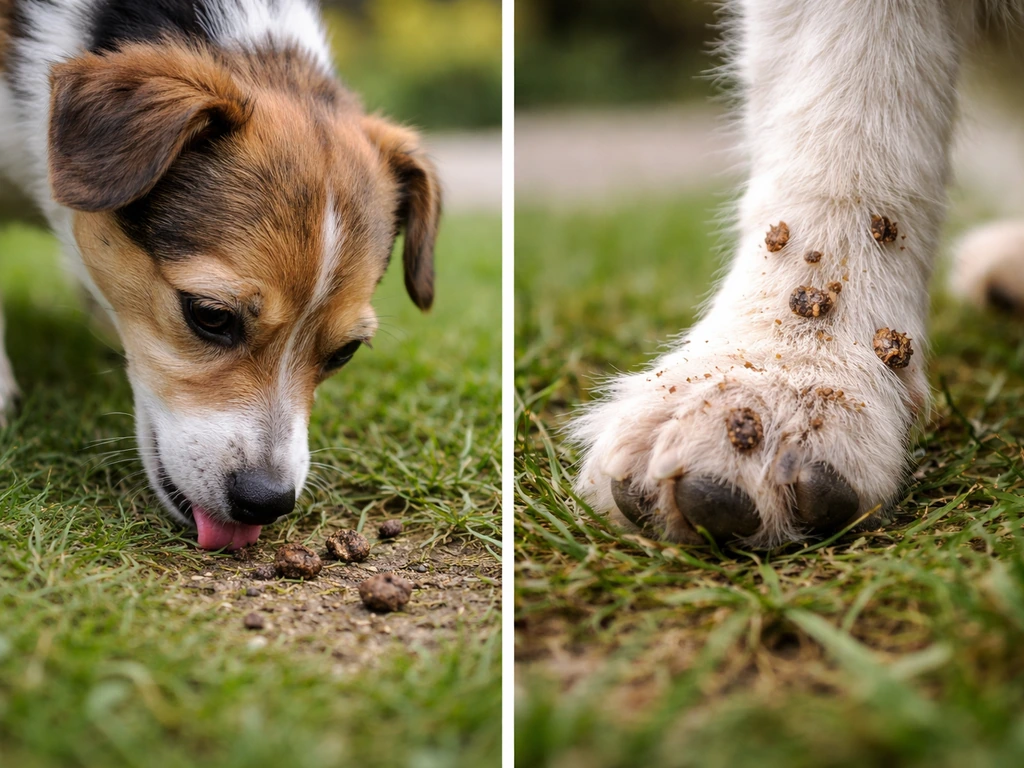
There are a few ways a dog can actually be exposed, and they carry different levels of risk.
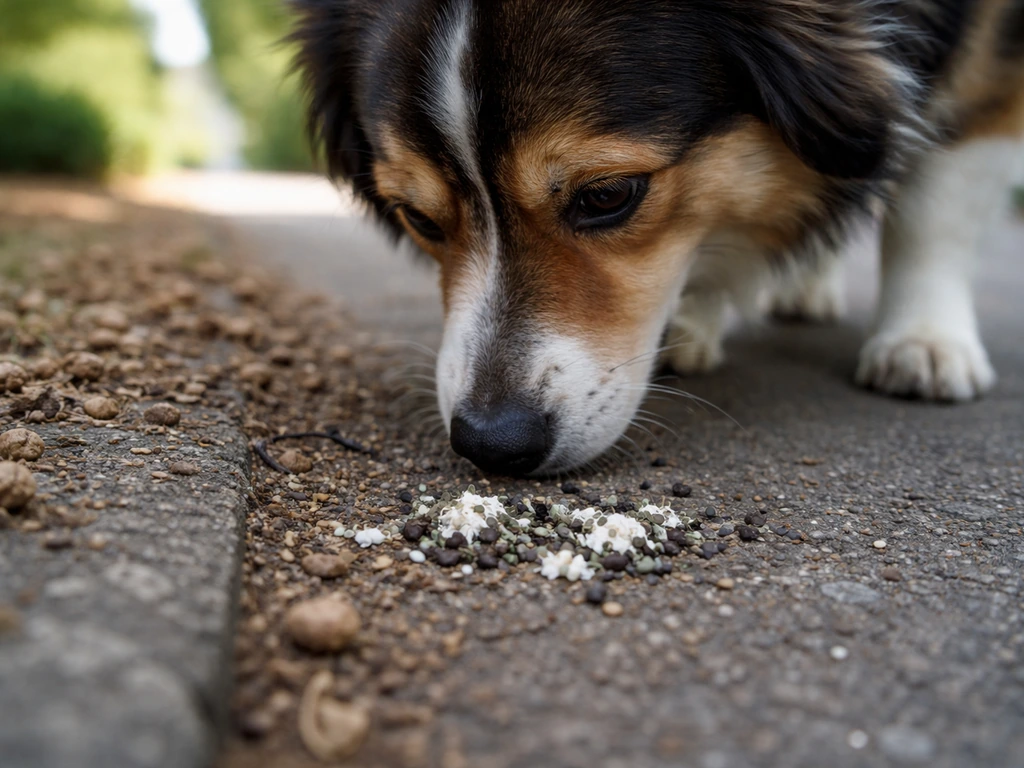
- Direct licking or ingestion: The highest-risk route. A dog who mouths or eats droppings gets a direct dose of whatever bacteria, parasites, or fungi were in them. This is especially concerning with dried droppings, which can carry Histoplasma spores and concentrated Salmonella.
- Contaminated paws: A dog walks through droppings, then later licks their paws during grooming. This is a slow, indirect exposure route but it happens constantly without owners noticing.
- Sniffing dried droppings: Dried droppings can release fine dust particles into the air. While dogs aren't as likely as humans to inhale significant quantities this way, heavy contamination areas (think under a roosting spot) do carry some inhalation risk.
- Skin and coat contact: Droppings landing on or smeared into the coat generally pose low risk, but they can cause localized irritation from ammonia, and paw licking after rolling in them brings the ingestion risk back into play.
Dogs who scavenge or roll in droppings are at higher exposure risk than dogs who simply walk past a stained surface. If your dog is a known droppings-eater or roller, it's worth having a conversation with your vet about their baseline gut health and whether routine parasite screening makes sense.
What's actually in bird poop that matters
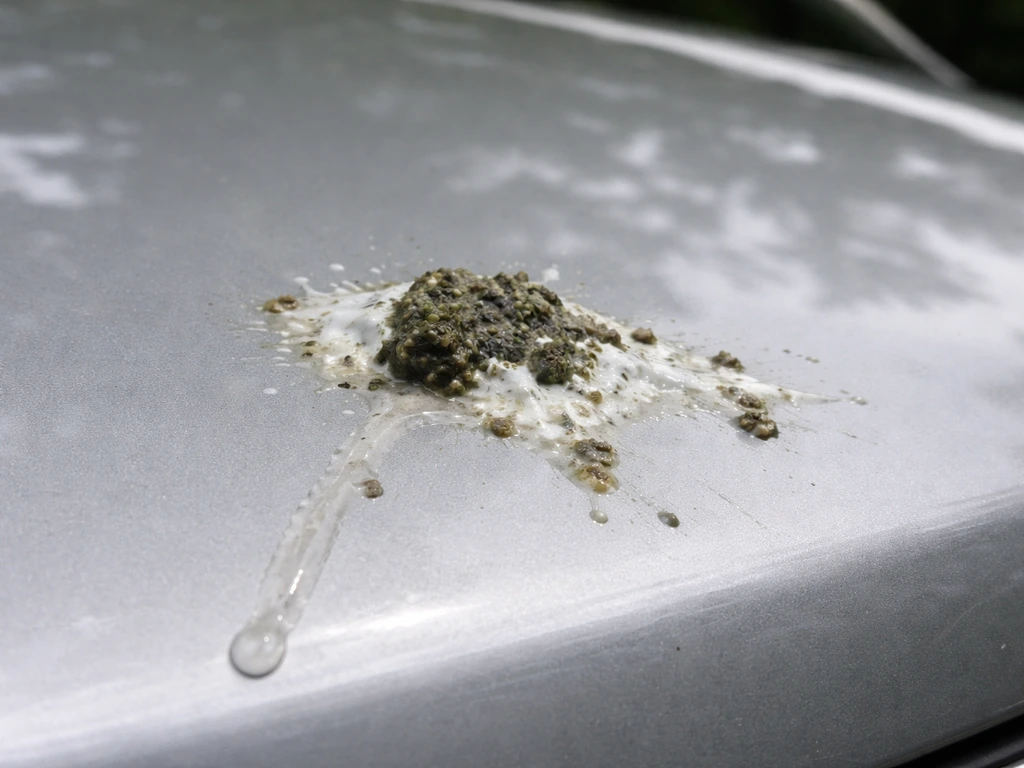
Bird droppings are a concentrated mix of urine and feces from the same exit point, which means they pack in whatever the bird was shedding. The relevant hazards for dogs fall into a few categories.
Bacteria
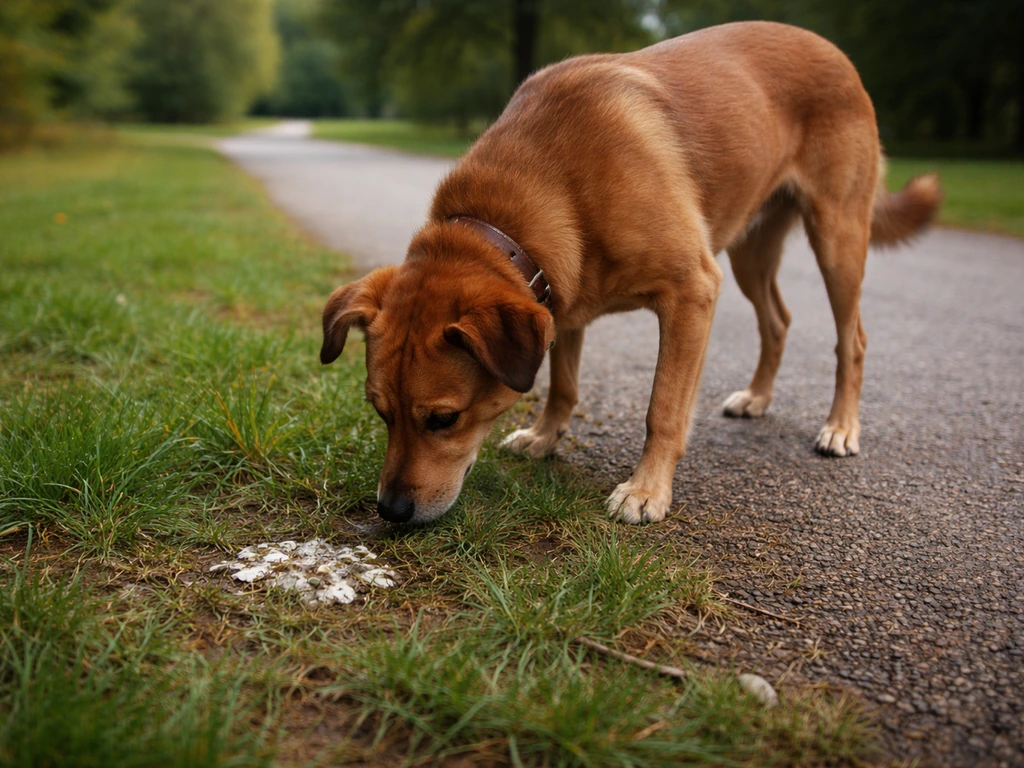
Salmonella is the big one. Wild birds shed Salmonella in their droppings, and a bird can be shedding actively without looking sick at all. Subclinical carriers that silently shed bacteria are far more common than birds showing obvious illness, which is why you can't judge a dropping by the bird that left it. In dogs, Salmonella can cause vomiting, diarrhea, fever, and lethargy. It usually resolves, but puppies and older dogs can get hit harder.
Parasites
Cryptosporidium oocysts are infective the moment they leave the bird and enter the environment. In a healthy adult dog, finding Cryptosporidium in stool is often considered a temporary finding with no major consequence. But in puppies, elderly dogs, or dogs already dealing with illness, the same exposure can cause significant diarrhea and dehydration. Coccidiosis is another concern, particularly in younger dogs, where it can cause severe watery diarrhea and abdominal distress.
Fungi
Histoplasma capsulatum is a fungus that grows in soil enriched by bird and bat droppings. It is not actually in fresh droppings, but it thrives in the ground beneath long-standing roosting sites. Dogs who dig or sniff around under large roosts can disturb contaminated soil and inhale spores. The disease takes weeks to develop, sometimes 1 to 2 months after exposure, making it harder to connect the dots. Risk increases with prolonged or heavy exposure. It is uncommon but real, and it's one reason heavily contaminated areas should be treated seriously.
Chlamydia psittaci (psittacosis)
This one matters more for humans than dogs. Psittacosis spreads primarily through inhaling dust from dried droppings or secretions from infected birds. Dogs are not a primary concern for this pathogen the way people and birds are, but it's worth knowing because you and your dog can be exposed to the same contaminated area at the same time.
Ammonia and physical irritants
Fresh droppings contain ammonia, which can irritate mucous membranes and the GI tract on contact. It is not dangerous in small amounts, but ingesting a large quantity could cause immediate discomfort, drooling, and GI upset even before any infection takes hold.
Symptoms to watch for after exposure
Most dogs won't show any symptoms at all. But if something is going to develop, here's the typical timeline and what to look for.
| Symptom | What it might indicate | When it typically appears |
|---|---|---|
| Vomiting or diarrhea | Salmonella, Cryptosporidium, GI irritation | Within 6–48 hours |
| Lethargy or weakness | Systemic infection, dehydration | Within 24–72 hours |
| Fever (warm ears, nose, shivering) | Bacterial infection | Within 24–48 hours |
| Loss of appetite | GI upset, early infection | Within 24–48 hours |
| Bloody stool | Severe Salmonella, coccidiosis | Within 24–72 hours |
| Coughing or labored breathing | Histoplasmosis (rare, heavy exposure) | Weeks after exposure |
| Sudden collapse or seizures | Severe systemic illness | Variable — seek emergency care immediately |
If your dog is young, elderly, or already dealing with a health condition, keep a closer eye than you would for a healthy adult dog. The same exposure that causes mild stomach upset in a robust 3-year-old Lab can hit a puppy or an immunocompromised dog much harder.
What to do right now
Here's the practical immediate response if your dog has just had contact with bird droppings.
- Stop further exposure: Get your dog away from the area. If they're still sniffing or licking, redirect them firmly and move on.
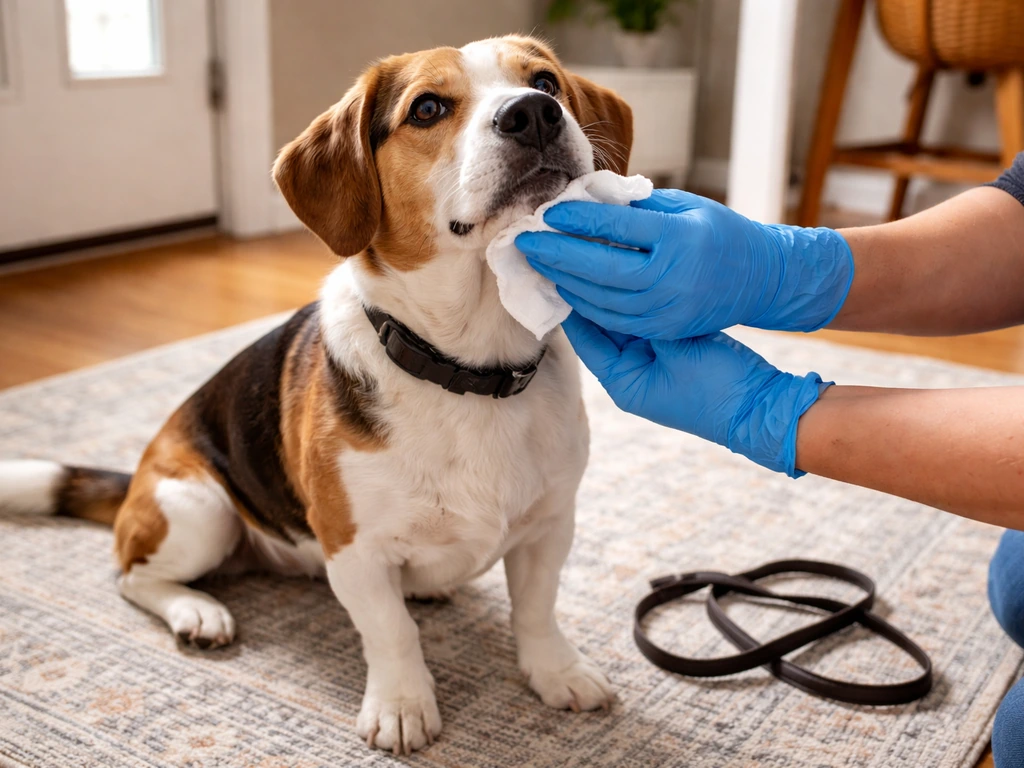
- Rinse the mouth and paws: Use tepid (not hot) water to rinse your dog's mouth for 15 to 20 minutes if they ingested or chewed droppings, particularly if there was any chemical irritant concern. Rinse paws thoroughly if they walked through droppings.
- Prevent licking: Put a cone or distract your dog to prevent them from licking their paws or coat while you clean up. Self-grooming after paw contact is a sneaky second-exposure route.
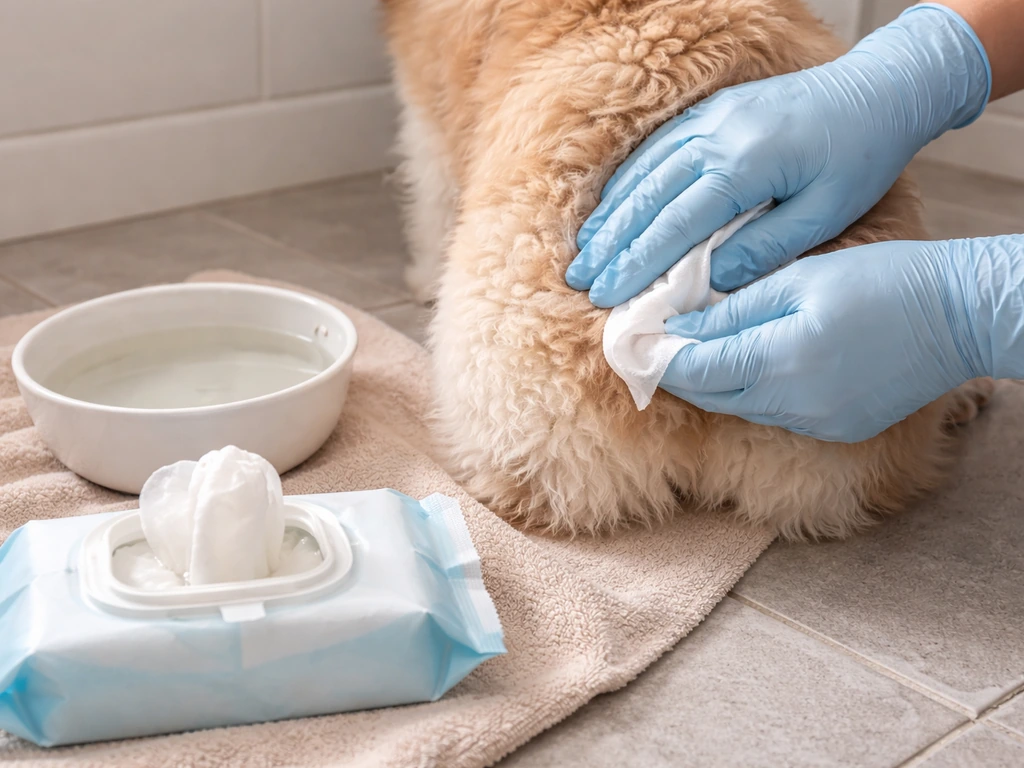
- Wash the affected area: If droppings are on your dog's coat, use dog shampoo and rinse thoroughly. Don't use household disinfectants directly on your dog, as fumes and residues can cause their own harm.
- Wash your own hands: You can pick up the same pathogens through handling your dog after exposure. Soap and water for at least 20 seconds.
- Note the details: Roughly how much did they ingest? Was it fresh or dried? This information will help if you call the vet.
- Monitor for the next 48–72 hours: Watch for vomiting, diarrhea, lethargy, or appetite changes.
In the vast majority of cases, this is where the story ends. If you are wondering whether is bird poop toxic to dogs, the short answer is that it rarely causes death but can still lead to infections and GI illness. A quick rinse, some monitoring, and nothing happens. But knowing when to escalate matters.
When to call the vet vs. go to emergency
Call your regular vet (or the ASPCA Animal Poison Control Center at 888-426-4435, which operates 24 hours) if your dog ingested a significant amount of droppings, if your dog is a puppy, senior, pregnant, or already has a health condition, if symptoms develop within 24 to 48 hours, or if you're unsure and feeling anxious. Calling early is always better than waiting and watching while things get worse.
Go to an emergency vet clinic immediately if your dog collapses or is unresponsive, if there is blood in the vomit or stool (more than trace amounts), if your dog is seizing, or if symptoms are escalating rapidly and you can't reach your regular vet. Severe systemic infection can move fast in small or immunocompromised dogs. Do not wait to see if they 'sleep it off' when those warning signs are present.
Prevention, safe cleanup, and that good luck myth
If you share outdoor space with birds (feeders, roosting spots, ponds), there are practical steps to reduce your dog's ongoing exposure.
- Keep your dog away from heavy accumulation zones: Under bird feeders, roosting ledges, or park areas with large flocks. These aren't casual patches; they're concentrated pathogen zones.
- Clean up droppings regularly: Don't let them accumulate. The longer droppings sit, the drier they get, the more concentrated any pathogens become, and the more likely fungal contamination becomes in the soil beneath.
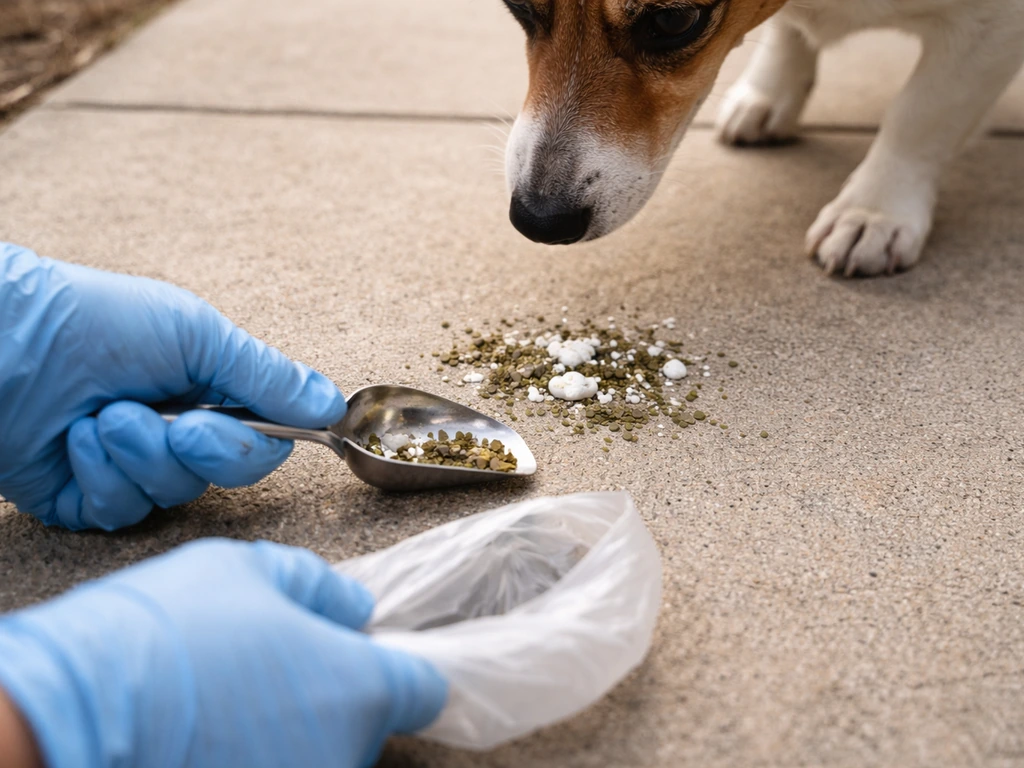
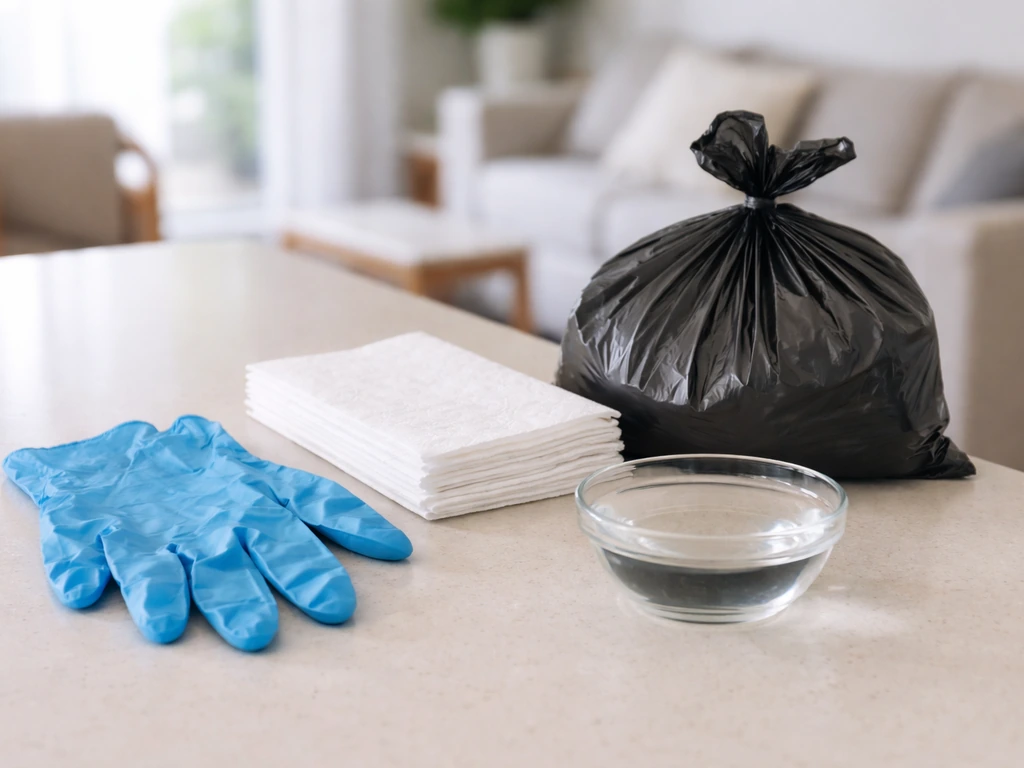
- Wet droppings before sweeping: Dry sweeping kicks up dust and spores. Mist the area lightly with water or a diluted disinfectant before cleaning to reduce aerosolization. CDC guidelines on histoplasmosis specifically emphasize dust control during cleanup.
- Use gloves and wash hands thoroughly after any cleanup: C. psittaci is susceptible to many common disinfectants, so a proper cleaning approach works. The risk is really about cutting corners.
- Keep pets out of the room while you disinfect: Cleaning product fumes can harm pets even during routine household cleaning. Let the area dry and air out before letting your dog back in.
- Consider bird feeder placement: Relocate feeders away from areas where your dog spends time. Droppings accumulate heavily directly below feeders.
One more thing worth addressing: the cultural belief that bird poop landing on you (or your dog) is good luck. It is a genuinely widespread superstition across many cultures, and there's something almost sweet about reframing a gross moment as fortunate. For humans, a quick laugh and wash-up is the appropriate response. For your dog, skip the moment of celebration and go straight to the rinse and monitor protocol above. Good luck or not, the bacteria don't care about the folklore.
If your dog seems to actively seek out bird droppings, whether eating them or rolling in them, that behavior is worth understanding on its own terms. There are specific reasons dogs are drawn to droppings, and knowing them can help you redirect or manage the habit before the next encounter with a pigeon-heavy park bench. Understanding why dogs eat bird poop can help you spot risk, manage the behavior, and decide when veterinary advice is worth it dogs are drawn to droppings.
FAQ
If my dog only licked a small amount, when should I stop monitoring and call the vet anyway?
It depends on timing and severity. If symptoms start within about 24 to 48 hours, or if you notice repeated vomiting or watery diarrhea, contact your vet even if you think the amount was small. If your dog is a puppy, senior, pregnant, or immunocompromised, lower the threshold for calling.
Is fresh bird poop safer than dried poop, or are both equally risky?
Fresh droppings are more likely to irritate and cause mild GI upset, while dried, heavy contamination under roosts is more about longer-term infection risk. When you see areas that look repeatedly “used” by birds, treat the whole site as higher risk, especially if your dog digs or sniffs in the soil.
What should I do at home if symptoms like vomiting or diarrhea show up?
If your dog vomits once but is acting normal, offer small amounts of water and bland food only if your vet says it is appropriate, then monitor closely. Do not give anti-diarrhea or human infection medicines without vet guidance, because some can worsen the situation or mask severity.
Should I worry more about contamination on fur or around the mouth, versus ingestion?
Rinse matters, but it is not the same as “washing away infection risk” from within. Rinse fur thoroughly to remove material, but treat ingestion as the bigger concern, and watch the mouth and GI system for signs. If droppings got into the eyes, rinse with sterile saline or clean water and call your vet if redness, squinting, or discharge continues.
If my dog gets sick after bird poop exposure, can my dog pass the infection to other pets?
Yes, dogs can shed infectious organisms in stool after exposure. That means clean up promptly, bag stool, and wash your hands and any contaminated surfaces with detergent. If your dog becomes ill, keep them away from other dogs, especially puppies or seniors.
My dog sometimes eats droppings. Does that change how urgently I should seek vet advice after bird poop exposure?
Dogs that scavenge or eat droppings are at higher risk because ingestion delivers a larger dose than incidental contact. If this is a pattern, ask your vet about deworming or fecal testing plans, and consider behavioral management like leash training and muzzle use only with proper fit and gradual conditioning.
Does stepping on or walking past bird droppings count as an exposure that needs treatment?
Bird droppings on sidewalks or grass are common, so a “stain” alone usually does not require treatment. The higher-risk situations are clear ingestion, rolling, large quantities, and prolonged exposure to heavily used roosting areas where soil may be contaminated.
What are the key risk factors that make this more than a “watch and wait” situation?
Run a mental checklist: age (puppy or senior), baseline health (immune issues), amount (even “one mouthful” can matter), and speed of symptoms. The fastest escalation triggers are blood in vomit or stool, collapsing or unresponsiveness, seizures, or rapid worsening.
If I can’t get through to my vet, should I call poison control or go straight to the ER?
If you cannot reach your regular vet promptly and your dog is showing warning signs, go directly to emergency care. Poison control can help with triage questions, but it does not replace an in-person exam when a dog is actively worsening or showing severe signs.
How do I tell mild GI upset from something that is actually serious?
If you see blood, the presence of fever, dehydration (tacky gums, sunken eyes, poor skin elasticity), repeated lethargy, or symptoms that are escalating rather than tapering, seek care. A single mild change, like a brief soft stool, may be reasonable to monitor if your dog remains bright and hydrated.