No, eating bird poop is not safe under any normal circumstance. Bird droppings can carry bacteria, fungi, parasites, and viruses that cause real illness in humans, and there is no reliable way to tell whether a particular dropping is "clean" just by looking at it. If you swallowed some accidentally, the risk depends on the amount and your general health, but you should rinse your mouth, drink water, wash your hands thoroughly, and watch for symptoms over the next few days. For most healthy adults a tiny accidental exposure will likely pass without incident, but that is luck, not safety.
Can You Eat Bird Poop? Risks and What to Do Now

Marcus Fielding
14 May 2026
Is there ever a safe way to eat bird poop?
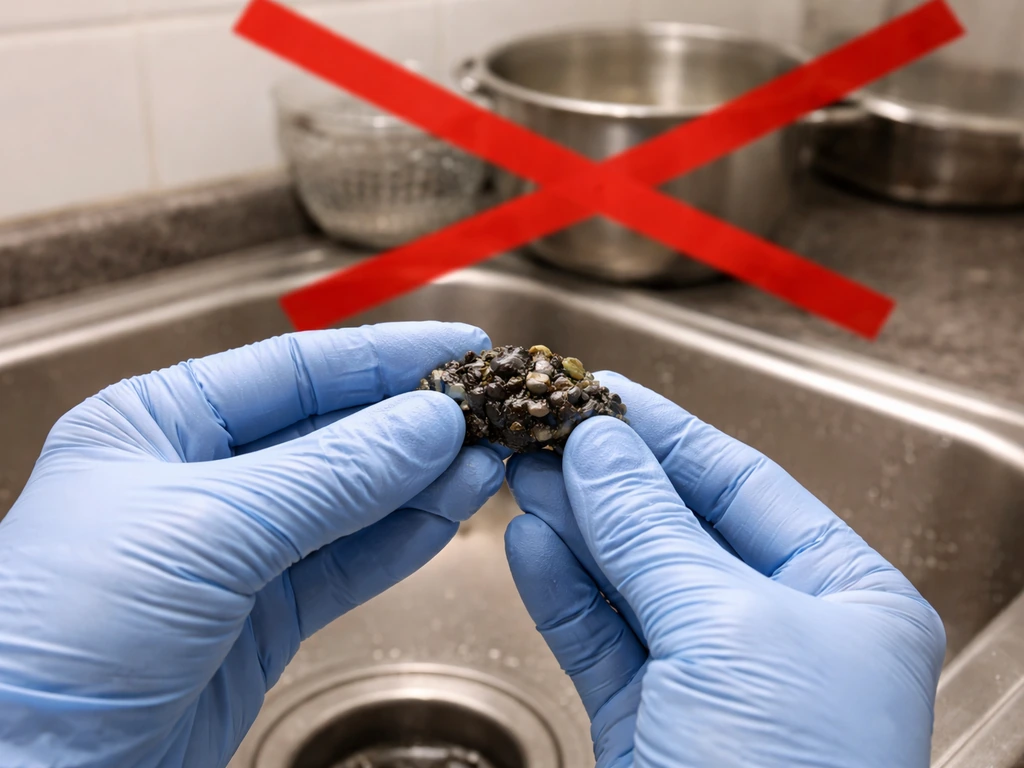
The honest answer is no. There is no preparation method, no species of bird, and no "freshness" window that makes bird droppings safe to eat. Unlike some animal-derived products that go through processing or cooking to eliminate pathogens, bird droppings are waste material that concentrates whatever bacteria, fungi, parasites, and viral particles were present in the bird's gut, respiratory tract, and environment. A bird that looks perfectly healthy can still shed Salmonella, Campylobacter, or Chlamydophila psittaci in its droppings without showing any signs of illness. Cooking or heat could theoretically destroy some pathogens, but nobody is recommending that as an approach, and the presence of fungal spores like Histoplasma capsulatum would still pose a risk in disturbed or aerosolized material.
What's actually in bird droppings
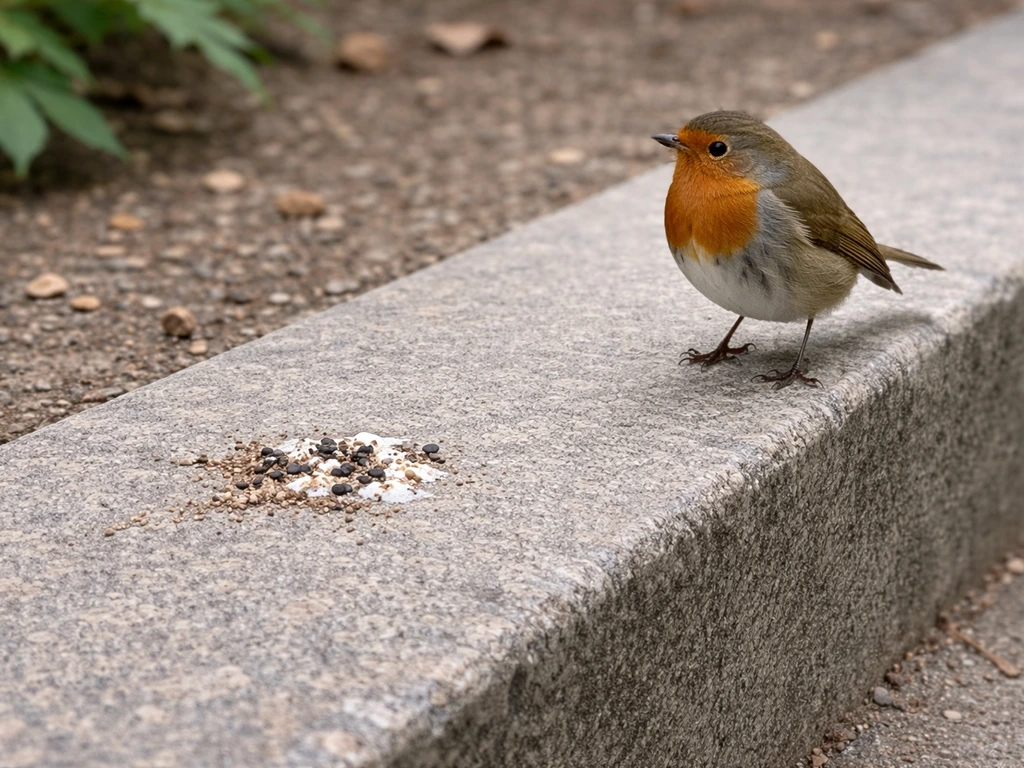
Bird droppings are a combined package: they include both feces and uric acid (birds don't urinate separately the way mammals do). That white or cream-colored paste is the uric acid portion, and the darker center is the fecal material. Together they contain digestive enzymes, gut bacteria, partially digested food material, and whatever pathogens the bird is carrying. When the dropping dries out, it becomes a fine powder that can be disturbed by air movement, cleaning, or handling.
How long germs survive in droppings depends on temperature, humidity, and surface type. Salmonella can survive in dried bird feces for weeks under cool, dry conditions. Histoplasma capsulatum, the fungus linked to histoplasmosis, can persist in soil enriched by bird or bat droppings for years. Chlamydophila psittaci, which causes psittacosis, can remain infectious in dried droppings for months. Campylobacter is somewhat more fragile but still survives long enough to cause transmission through contaminated surfaces or food.
The real health risks and who's most vulnerable

The pathogens in bird droppings cause a range of illnesses, from mild stomach upset to serious systemic disease. Here are the main ones worth knowing about:
- Salmonellosis: caused by Salmonella bacteria, produces diarrhea, cramps, fever, and vomiting typically within 6 to 48 hours of exposure. Most healthy adults recover in 4 to 7 days without antibiotics, but severe cases can require hospitalization.
- Campylobacteriosis: another bacterial infection causing diarrhea (sometimes bloody), cramping, and fever. Onset is usually 2 to 5 days after exposure.
- Psittacosis (parrot fever): caused by Chlamydophila psittaci, most commonly transmitted by inhaling dust from dried droppings or respiratory secretions of infected birds. Symptoms include fever, headache, muscle aches, and sometimes pneumonia. It is treatable with antibiotics if caught.
- Histoplasmosis: caused by inhaling spores of the fungus Histoplasma capsulatum, which thrives in soil or material enriched by bird or bat droppings. Most healthy people have mild or no symptoms, but it can cause serious lung disease in high-risk groups.
- Cryptosporidiosis and other parasites: Crypto and some intestinal parasites shed by birds can infect humans via the fecal-oral route, causing watery diarrhea and stomach cramps.
- E. coli and other enteric bacteria: various strains can be present and cause gastrointestinal illness.
Most healthy adults who have a minor, accidental exposure will not develop serious illness, but certain groups face meaningfully higher risk. Young children (especially toddlers who touch everything and then put their hands in their mouths), pregnant people, older adults, and anyone who is immunocompromised (due to illness, medication, or chemotherapy) are at greater risk for severe outcomes from the same pathogens. People with open cuts or wounds that come into contact with droppings also face elevated risk of infection through that entry point.
If you already swallowed some: what to do right now
Stay calm, but do take it seriously. A tiny accidental amount (a splatter that hit your open mouth, for example) is different from eating a large quantity, and your immediate response matters.
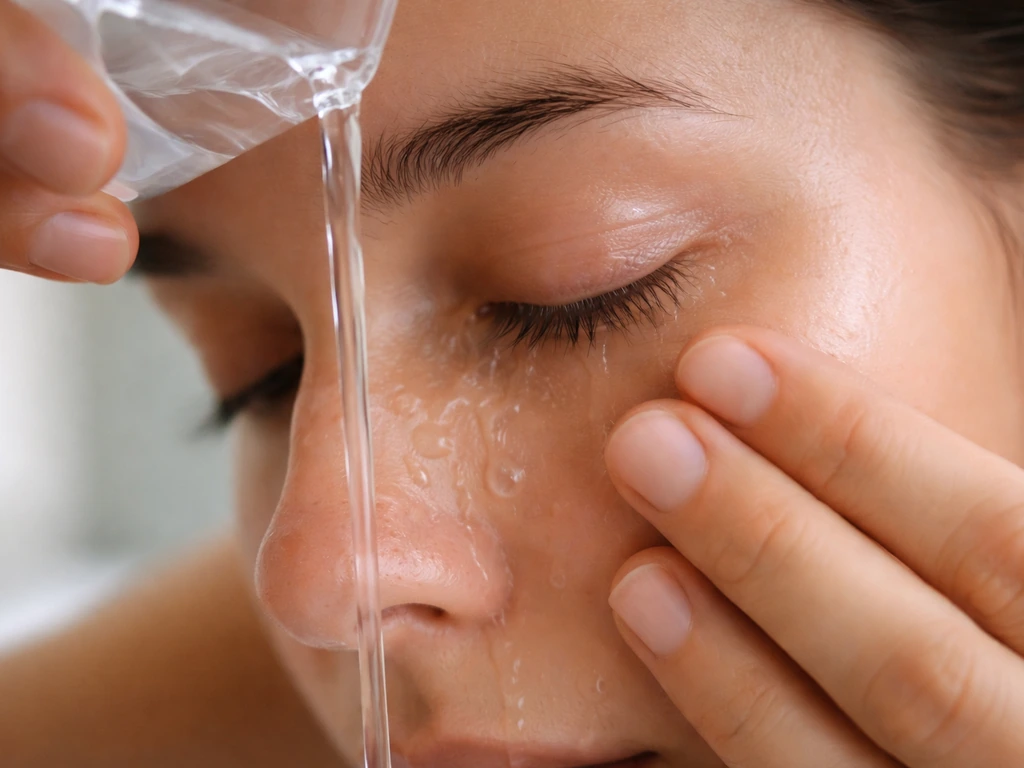
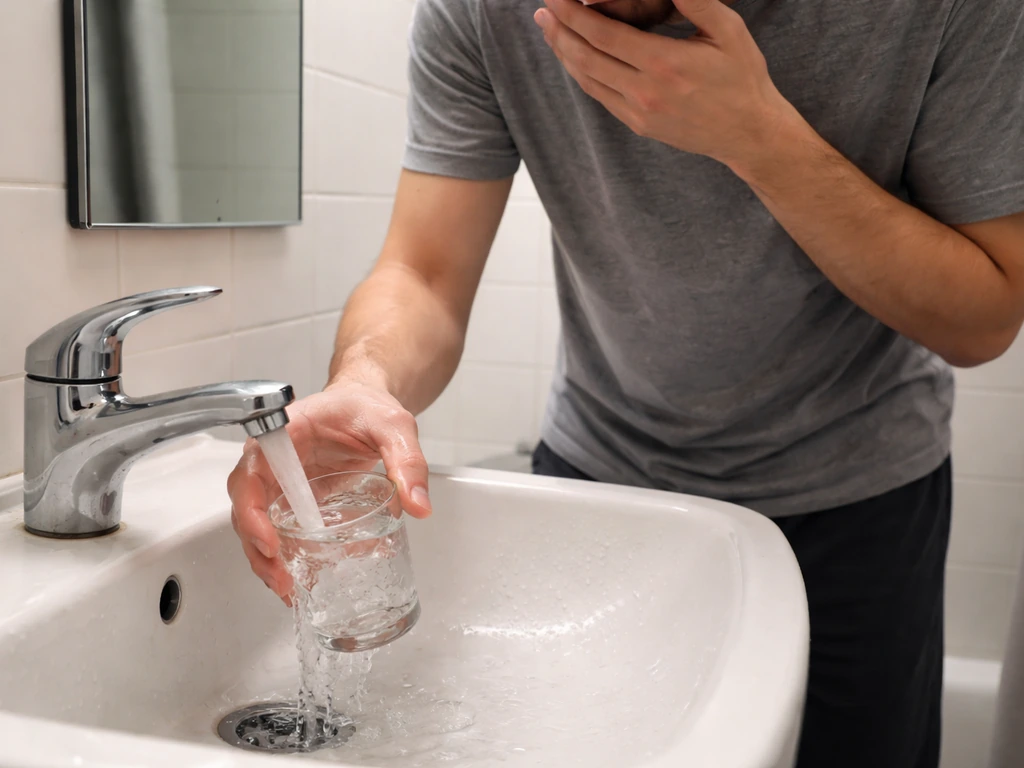
- Rinse your mouth thoroughly with clean water. Spit it out rather than swallowing more.
- Drink a glass of water to dilute what was swallowed.
- Wash your hands and face with soap and water for at least 20 seconds.
- Do not induce vomiting unless instructed by a medical professional or poison control.
- Note roughly how much was ingested and from what type of bird if you know it.
- Monitor yourself for symptoms: nausea, vomiting, diarrhea, fever, headache, or muscle aches.
- If you are in a higher-risk group (pregnant, immunocompromised, elderly, young child), call your doctor or a health line now rather than waiting for symptoms.
For most healthy adults, symptoms that develop are likely to appear within a few hours to a few days. Call a doctor if you develop a fever above 101.5°F (38.6°C), bloody diarrhea, persistent vomiting that prevents you from keeping liquids down, signs of dehydration, difficulty breathing, or any symptoms that feel severe or are getting worse. Don't dismiss a worsening respiratory situation, especially if the exposure involved dried droppings (the inhaled route is actually a more common transmission path for psittacosis and histoplasmosis than oral ingestion).
This connects to a related concern you might be wondering about: what happens if bird poop gets directly in your mouth, such as from a low-flying bird or a fan blowing dust. The concern and the response steps are essentially the same, and your overall health and the amount of exposure are the two biggest factors in what happens next.
When it's on your hands, food, or surfaces
These near-miss scenarios are the most common, and the hygiene steps are straightforward. If bird poop lands on your hands, wash them immediately with soap and water. Don't touch your face, eyes, or mouth before washing. You generally should not assume bird poop will cause pink eye, but it can spread germs to your eyes if you touch them before washing. The CDC specifically recommends washing hands after touching birds, their droppings, or anything in their environment, and that guidance applies whether you have pet birds or just shooed a pigeon off your lunch table.
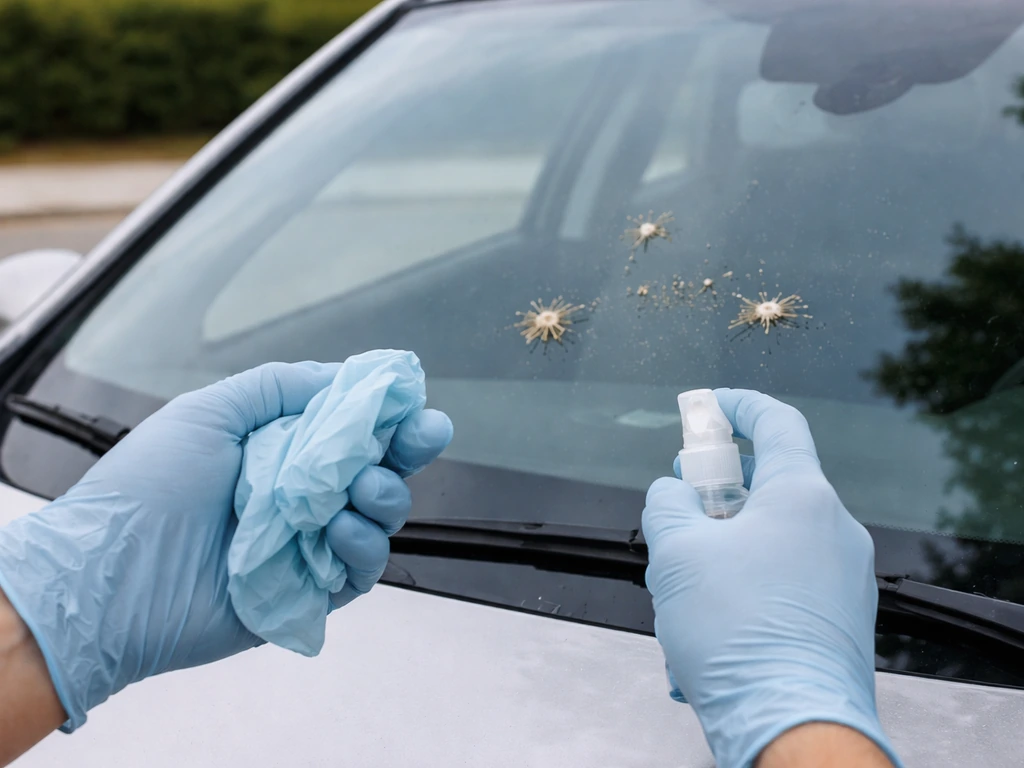
If droppings land on food that was uncovered (say, a piece of fruit at a picnic or food on a plate), the safest move is to throw the food away. The surface of the food has been directly contaminated, and rinsing under water won't reliably remove all pathogens. If droppings landed on the packaging or a container (not the food itself), clean the container thoroughly with a disinfectant wipe or soapy water before opening it, then wash your hands again. For surfaces like tables, countertops, or car hoods, use a disinfectant cleaner after removing the bulk of the material.
Cleaning up droppings safely: gloves, masks, and technique
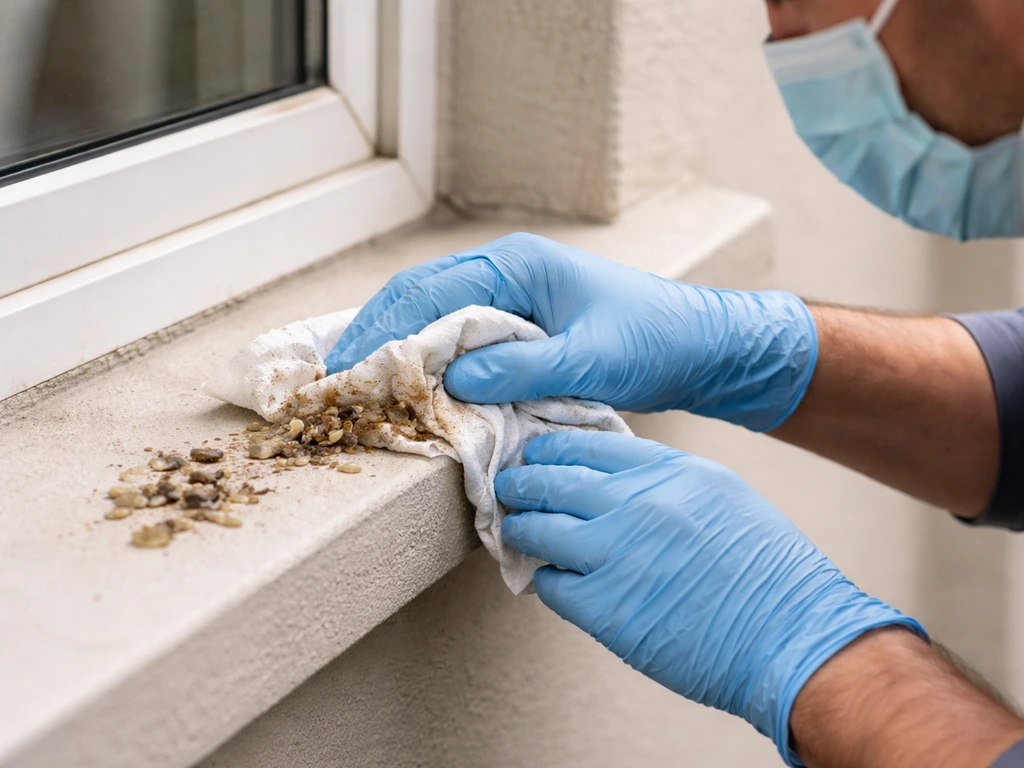
This is where a lot of people make the risk worse without realizing it. Dry sweeping or vacuuming dried droppings sends fine particles into the air where they can be inhaled, and inhalation is actually the main route for some of the most serious infections. The CDC specifically advises against dry sweeping or vacuuming droppings for exactly this reason.
Here is how to clean bird droppings properly and reduce your exposure risk:
- Wear disposable gloves before touching droppings or contaminated surfaces.
- If there is a significant accumulation of dried droppings (a bird roost, a heavily used perch, a shed or attic with birds nesting), wear an N95 respirator mask to avoid inhaling aerosolized particles.
- Wet the droppings first with water or a diluted disinfectant solution before trying to remove them. Adding a small amount of dish soap (a surfactant) helps suppress dust. This is consistent with guidance from CDC and NIOSH for managing droppings accumulation in occupational settings.
- Wipe or scoop up the wetted material using paper towels or a disposable cloth, then place it directly in a sealed bag for disposal.
- Disinfect the surface afterward with an EPA-registered disinfectant or a dilute bleach solution (1 tablespoon of bleach per gallon of water).
- Dispose of gloves and any disposable cleaning material in a sealed bag.
- Wash your hands thoroughly with soap and water for at least 20 seconds even after removing gloves.
For large accumulations, like cleaning out a roost or attic, the risk of histoplasmosis from aerosolized spores is significant enough that professional remediation services are worth considering, especially for anyone in a higher-risk health group. The CDC explains that histoplasmosis risk can increase from activities that disturb soil containing bird or bat droppings because histoplasmosis is caused by breathing in Histoplasma spores present in the environment. Preventing droppings from building up in the first place (keeping bird areas clean, not allowing large roosts near air intakes) is the most effective long-term strategy.
The good luck belief vs. what the science actually says
The idea that being hit by bird poop brings good luck is surprisingly widespread across many cultures. In parts of Russia, Turkey, and across Western Europe, being pooped on by a bird is considered a fortunate omen, possibly because it is statistically rare and the surprise of it is kind of hard to be angry about. Some trace the symbolism to the idea that nature "chose" you in that moment, or simply that surviving an unpleasant surprise is a good sign.
Respecting a bit of folklore doesn't mean ignoring the biology. Getting hit by bird poop does not confer any actual health benefit, and the pathogens in the droppings don't care about luck. The cultural story is charming, but the practical response is still the same: clean it off promptly, wash your hands, and don't let it get near your mouth. You can absolutely smile about the "good luck" while also being sensible about hygiene. The two are not mutually exclusive.
One thing that is genuinely worth knowing: accidental bird dropping exposure is extremely common and the vast majority of healthy adults who experience it, whether a splatter to the face or residue on their hands, do not get sick. That is not because it is safe, it is because immune systems and basic hygiene do a lot of heavy lifting. The goal is to keep the odds in your favor, not to panic over every pigeon encounter.
FAQ
If I already swallowed a tiny amount, should I induce vomiting or take activated charcoal?
No. Do not induce vomiting, and do not take activated charcoal unless a clinician specifically tells you to. For a small accidental amount, focus on rinsing your mouth, drinking water, and monitoring for symptoms over the next few days, especially fever, persistent vomiting, diarrhea, or breathing trouble.
What symptoms would suggest inhaling dried bird droppings is the problem, not just oral exposure?
Watch for new respiratory symptoms like cough, shortness of breath, chest discomfort, or worsening breathing over the first several days after exposure. If the droppings were dry and dust/aerosol was stirred up (such as by cleaning, sweeping, or a fan), these breathing symptoms are more concerning.
Does it matter if the bird poop was fresh, or if it dried before I was exposed?
Freshness does not make it safe. Drying can actually increase the risk of inhalation because droppings can become a fine powder that gets into the air when disturbed. Germ survival also varies, with some pathogens remaining infectious for months to years under the right conditions.
Can I get sick from touching a surface with bird poop and then touching my mouth later?
Yes. The main danger is transferring germs from contaminated hands to your eyes, nose, or mouth. If you touched droppings or contaminated items, wash hands promptly with soap and water before touching your face or eating.
Is it okay to remove bird poop by wiping it off with a wet paper towel and moving on?
Wiping alone may leave residue and spread contamination. For hands and small items, thorough washing is best. For surfaces, remove bulk material first, then use an appropriate disinfectant cleaner, and finally wash your hands again to avoid re-contaminating yourself.
If bird droppings get on clothes, do I need to throw them away or can I wash them?
You can wash them. Handle the clothing carefully to avoid shaking off dried material, then launder separately if possible. Use hot water when the fabric allows, and dry completely. After handling, wash your hands thoroughly.
I found bird droppings on my kitchen counter, what is the safest order to clean it?
Remove bulk droppings first using paper towels or disposable wipes. Avoid sweeping or dry vacuuming. Then clean the area with soap and water, follow with a disinfectant cleaner suitable for the surface, and wash your hands after you are done.
Should I disinfect everything near where the bird landed, like my car interior or window ledge?
Target cleaning to what was directly contaminated and nearby high-touch areas. If droppings were dry and could have been aerosolized by airflow (car vents, fans), consider cleaning surrounding vents, grilles, and nearby surfaces, then wash your hands after.
What if the droppings landed on a cut on my skin, or on an area with broken skin?
Treat it as higher risk. Rinse promptly with running water and wash with soap, then cover the wound with a clean dressing. Contact a clinician if redness, warmth, swelling, worsening pain, pus, fever, or red streaks develop, since skin infections can progress.
Are children or pregnant people allowed to be around a contaminated area while it is being cleaned?
It is better to keep higher-risk people away during cleanup, especially for dry buildup where dust could be inhaled. If you must clean, improve ventilation, avoid aerosolizing the material, wear protective gear if appropriate, and ensure hand hygiene is strict before anyone resumes contact with the area.
Should I call a doctor just because I got splattered, even if I feel fine?
Often no, but call if you develop warning signs. Seek medical advice if you have significant splatter to the face, symptoms like fever, bloody diarrhea, persistent vomiting, dehydration, or any breathing difficulty. If you are immunocompromised, pregnant, or the exposure involved dried dust, a clinician may want to guide you earlier.
Does bird poop from wild birds carry different risks than poop from pet birds?
The general risk categories overlap, but pet birds can shed specific pathogens depending on species and health status, and wild birds can add other environmental organisms. Either way, the safe response is the same: avoid contact with your mouth, wash hands, and do not disturb dried droppings in a way that creates airborne dust.