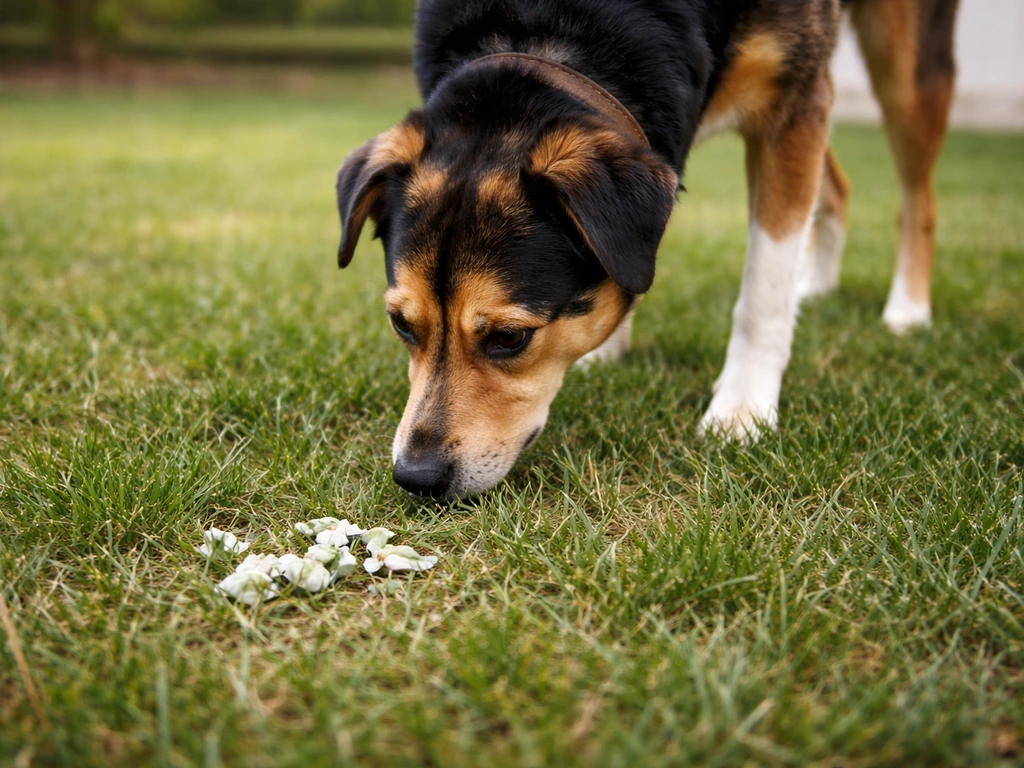
If your dog just ate bird poop and is now having diarrhea, the most likely scenario is mild GI irritation that clears up on its own within 24 to 48 hours. Keep your dog hydrated, watch for red-flag symptoms, and do not give human anti-diarrhea medications like Imodium or Pepto-Bismol without talking to a vet first. Most healthy adult dogs bounce back fine. But there are specific warning signs that mean you should call the vet today, and a handful of situations where you need to go right now. Here is exactly how to assess where your dog falls.
Dog Ate Bird Poop Now Has Diarrhea: What to Do Today

Marcus Fielding
12 May 2026
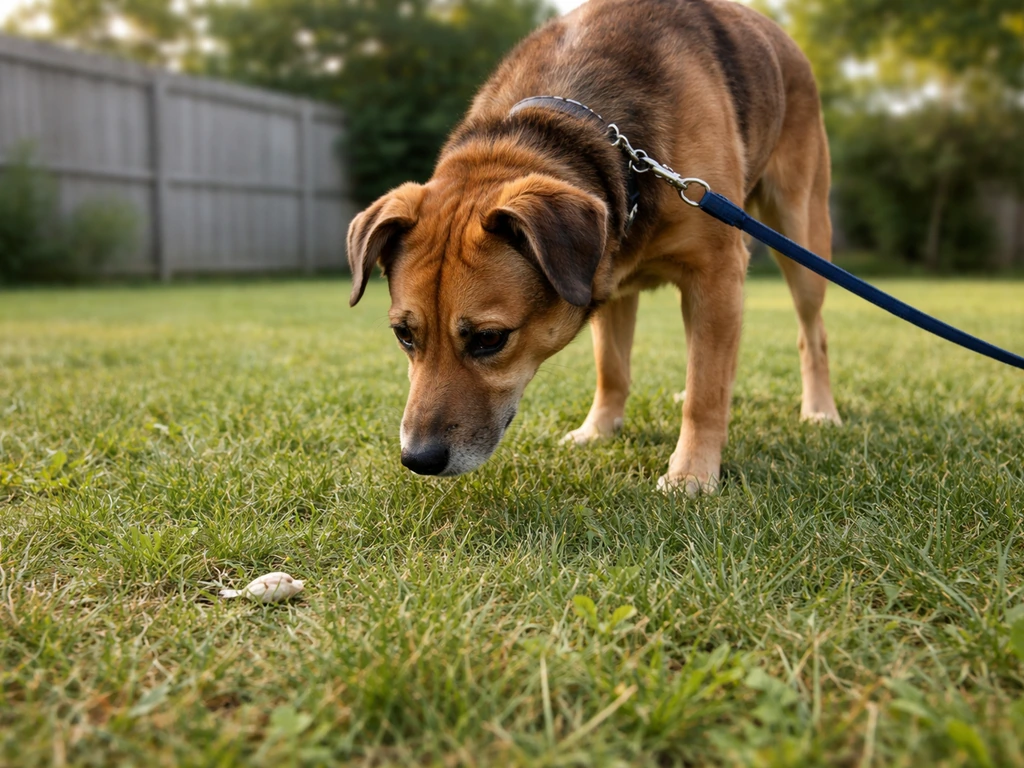
What to do in the next hour
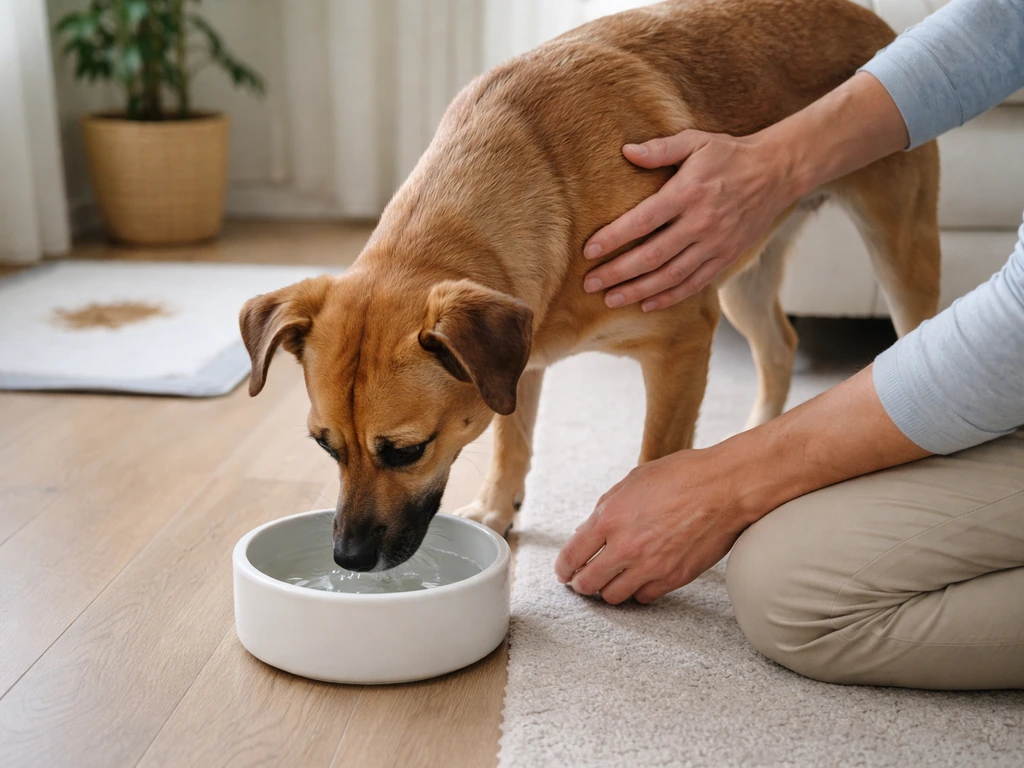
First, stay calm and do a quick assessment. Think about how much bird poop your dog ate. A quick lick of a dropping on the sidewalk is very different from a dog that found a concentrated pile under a roosting spot and went to town. The more they consumed, the higher the risk of a meaningful pathogen load or intestinal irritation.
Next, do a fast body check. Is your dog acting basically normal despite the loose stool? Drinking water, sniffing around, wagging their tail? Or are they lethargic, hunched over, or clearly uncomfortable? Behavior right now tells you a lot. A dog that had one or two bouts of diarrhea but is otherwise acting like themselves is very different from a dog that is dull, glassy-eyed, and uninterested in anything.
- Note the time the dog ate the droppings and when diarrhea started.
- Check the stool: color, consistency, any blood or dark tarry appearance, or visible mucus.
- Offer fresh water immediately and make sure your dog can access it freely.
- If diarrhea has happened once or twice and your dog seems alert and comfortable, you can monitor at home for now.
- Do not give any human medications yet. No Imodium, no Pepto-Bismol.
- If you can, collect a small stool sample in a clean bag or container and refrigerate it. If you end up at the vet, they will want this.
That last point about the stool sample is one vets genuinely appreciate. It lets them run a fecal float or antigen test right away instead of waiting for a fresh sample at the clinic.
What bird poop actually contains and why it upsets dog stomachs
Bird droppings are a mix of feces and urine (birds combine both into one deposit), along with whatever pathogens the bird happened to be carrying. On a basic level, the foreign bacteria from another animal's gut is enough to give a dog loose stools, the same way a person might get an upset stomach eating something unfamiliar. That kind of simple GI irritation is the most common outcome and usually resolves quickly. In rare cases, bird droppings exposure can contribute to parvo risk, especially for unvaccinated dogs or puppies. If you are wondering whether can dogs eat bird poop, the short answer is no, and it is best to prevent access and monitor your dog closely.
The more serious concern is what specific pathogens might be present. Bird droppings can contain a range of bacteria, parasites, and viruses depending on the bird species and where it lives. Pigeons, gulls, and starlings are common urban birds that congregate in large numbers and can carry higher loads of pathogens simply because of flock density. Here is what could realistically be in those droppings:
- Giardia: A parasitic protozoan that can infect dogs. After exposure, it takes 4 to 16 days for an infection to establish and for cysts to appear in your dog's stool. Symptoms include loose, greasy, foul-smelling diarrhea.
- Cryptosporidium: Another protozoan parasite. In general, symptoms from cryptosporidiosis begin around 2 to 10 days after exposure and can cause diarrhea lasting days to weeks.
- Salmonella and Campylobacter: Bacteria that can cause GI illness in dogs and potentially be passed to people in the household.
- Canine parvovirus: Bird poop itself does not carry parvovirus, but contaminated ground near infected dog feces can. CPV is shed in infected dog feces and can survive on surfaces. If a bird walked through infected feces and your dog ate that dropping, there is a theoretical risk, though the more likely CPV exposure route is direct contact with infected dogs or their feces.
- Chlamydia psittaci (psittacosis): More of a concern with parrot-family birds, but worth knowing about. This one is primarily a respiratory illness, not a GI one.
- Histoplasma capsulatum: A fungal organism that grows in soil enriched by bird droppings, particularly in certain geographic regions. More of a concern with chronic exposure or digging in contaminated soil.
Most one-time exposures to bird droppings result in nothing worse than a day of loose stools. The pathogens listed above become more relevant when a dog has repeated exposures, a compromised immune system, or ate a very large amount. Still, it is worth knowing the incubation windows so you understand what to watch for in the days ahead, not just today.
Reading the diarrhea: what's mild and what's a red flag
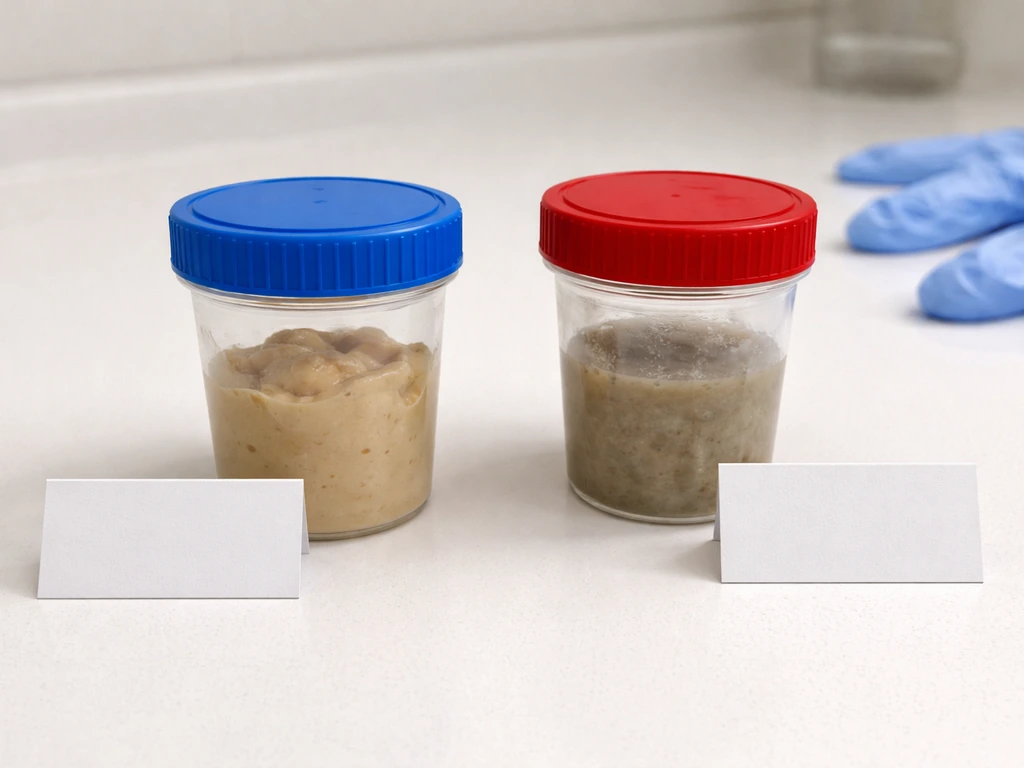
Not all diarrhea is equal. Here is how to think about what you are seeing: Learn the common dogs eating bird poop symptoms and the warning signs that mean you should call the vet.
| What you see | What it likely means | Action |
|---|---|---|
| Soft or loose stools, 1 to 3 times, dog acting normal | Mild GI irritation, likely resolves on its own | Monitor at home, bland diet, water |
| Watery diarrhea, 4+ times in a few hours | Higher fluid loss, risk of dehydration increasing | Call vet for guidance today |
| Blood or dark tarry appearance in stool | Possible intestinal bleeding or serious infection | Call vet or go to urgent care now |
| Mucus in stool with straining | Large intestine irritation or colitis | Monitor closely; call vet if persists past 24 hours |
| Diarrhea plus vomiting | Greater dehydration risk, possible systemic illness | Call vet same day |
| Diarrhea plus lethargy or weakness | Dog is affected systemically, not just GI | Go to vet or emergency clinic now |
| Foul-smelling, uncontrollable diarrhea | Possible infectious cause, significant irritation | Seek veterinary care promptly |
Dehydration is the primary danger with diarrhea, especially if vomiting is also happening. The American Kennel Club also emphasizes that dehydration can make dogs ill, which is why continuing vomiting or diarrhea and signs like depression or age extremes (under 16 weeks or senior) warrant a veterinary visit. You can do a quick check at home: gently pinch the skin on the back of your dog's neck or between the shoulder blades and let it go. In a well-hydrated dog, it snaps back immediately. If it stays tented or returns slowly, your dog is already dehydrated. Also check the gums: they should be pink and moist. Dry, tacky, or pale gums are a sign you need to get to the vet now. Sunken or dull-looking eyes are another serious dehydration marker.
When to call the vet and when to go right now
This is the most important decision you will make today, so here it is clearly:
Go to an emergency vet now if
- There is blood in the stool (bright red or black and tarry)
- Your dog is lethargic, weak, or unresponsive
- Gums are pale, white, bluish, or very dry and tacky
- Skin turgor test shows clear dehydration (skin stays tented)
- Your dog has been vomiting repeatedly AND has diarrhea
- Your dog is a puppy and not fully vaccinated (parvovirus risk is real and serious)
- Diarrhea is continuous and uncontrollable for more than a couple of hours
- Your dog seems to be in pain or is trembling
Call your regular vet today if
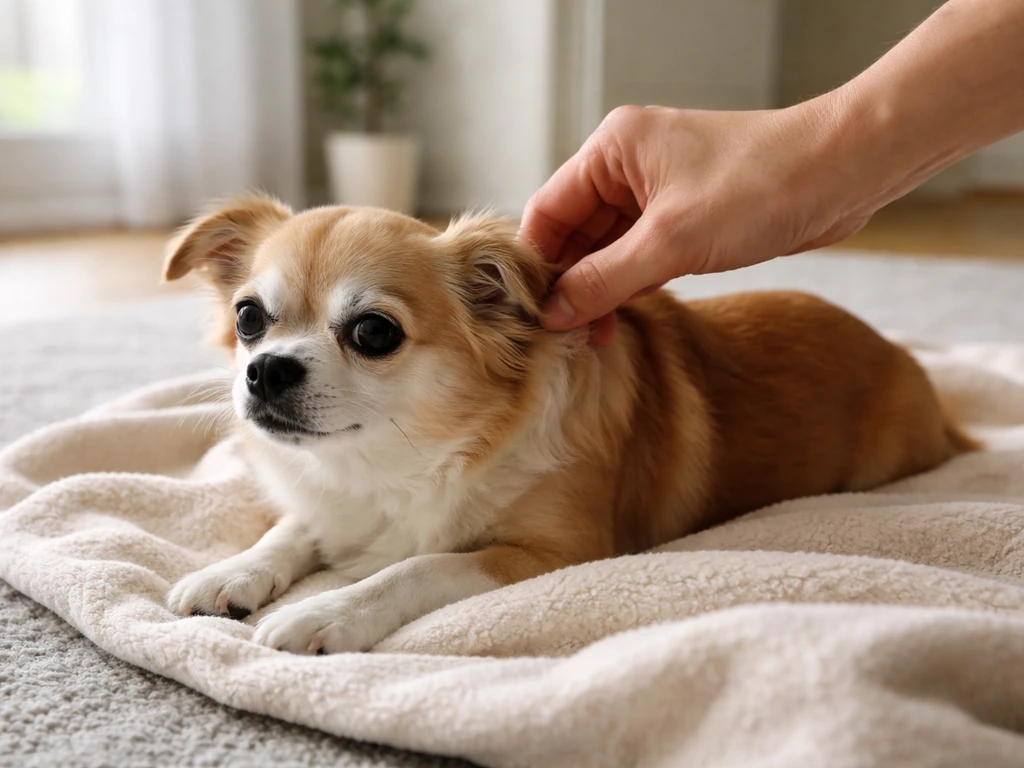
- Diarrhea continues beyond 24 hours with no improvement
- Your dog stops eating or drinking
- Mucus in stool persists or increases
- Your dog is acting subdued or less interested than usual
- Your dog is elderly, very young, or has a known health condition
You can monitor at home if
- Diarrhea has happened once or twice and your dog is alert and active
- No blood, no vomiting, no lethargy
- Your dog is drinking water
- Your dog is fully vaccinated and otherwise healthy
When you call the vet, be ready to tell them: how much bird poop you think your dog ate, what species of bird (if you know), when the diarrhea started, how many times it has happened, what the stool looks like, and any other symptoms. That information helps them triage the call properly.
Home care: what to do while you monitor
If your dog is in the monitor-at-home category, here is what to actually do. Water is the top priority. Keep a fresh bowl available at all times and encourage your dog to drink. Do not restrict water.
For food, a brief partial fast can help settle an irritated gut. You do not need to go a full 12 hours without food unless your dog is also vomiting, but switching to a bland diet for 48 hours gives the GI tract a chance to recover. Boiled plain chicken (no skin, no seasoning) and plain white rice is the classic recommendation. Keep portions smaller than normal and offer it in two or three small meals rather than one large one. Once stools start firming up, you can gradually mix their regular food back in over a day or two.
Skip the treats, chews, and any high-fat foods during recovery. These are harder to digest and can prolong GI upset. Also skip anything dairy-based.
Do not give Imodium (loperamide) or Pepto-Bismol without a vet's direction. This is not just a cautious disclaimer. Imodium works by slowing gut motility, which is actually counterproductive when the cause of diarrhea is an infectious agent like bacteria or parasites. Slowing things down means pathogens and their toxins stay in the gut longer. Certain dog breeds with MDR1 gene mutations (like Collies and Australian Shepherds) are particularly sensitive to loperamide and can have serious neurological reactions. Pepto-Bismol contains bismuth subsalicylate, which is related to aspirin and can cause issues in some dogs. Both of these can interfere with other medications. The bottom line: skip them unless a vet specifically tells you otherwise.
What the vet will likely do
If you do bring your dog in, here is what to expect so there are no surprises.
The vet will start with a physical exam, checking hydration status, abdominal feel, temperature, heart rate, and overall condition. If you brought a stool sample, they will run a fecal float (centrifugation technique to look for parasite eggs or protozoan cysts) and possibly a fecal antigen test for Giardia. It is worth knowing that a single fecal test can miss Giardia because cysts are shed intermittently. A negative result does not always rule it out, and vets sometimes test multiple samples or use PCR panels for more sensitive detection.
If parvovirus is a concern (especially in unvaccinated dogs, puppies, or dogs showing severe symptoms), the vet will likely run an in-house parvovirus antigen test. One diagnostic note: early in the course of a parvo infection, fecal tests can sometimes give false negatives because viral shedding is still building up. If the suspicion is high, the vet may treat based on clinical signs regardless.
For treatment, if your dog is dehydrated, IV or subcutaneous fluids are the first priority. Electrolyte imbalances from diarrhea and vomiting can become dangerous quickly, and fluids are often the most important intervention. From there, treatment depends on what the tests show:
- Giardia: Typically treated with metronidazole (Flagyl) or fenbendazole, or both together. The infection generally clears in 5 to 8 days with appropriate treatment.
- Bacterial infection: Antibiotics if indicated based on culture or clinical presentation. Not every case of diarrhea needs antibiotics, and vets are appropriately cautious about over-prescribing.
- General GI support: Probiotics, gut-protectant medications like sucralfate or kaolin-pectin products, and a bland diet recommendation.
- Parvovirus: There is no antiviral drug. Treatment is intensive supportive care: IV fluids, anti-nausea medications, nutritional support, and careful monitoring. This is why vaccination matters so much.
- Parasites: If worm eggs or other parasites are found, appropriate deworming medication will be prescribed.
Prescription anti-diarrheal medications may be used by the vet in specific situations, but that decision belongs to them. The vet will weigh whether slowing GI transit is safe given the suspected cause, something you cannot assess at home without knowing what is causing the diarrhea.
How to stop this from happening again
Dogs are opportunistic sniffers and scavengers, and bird droppings on the ground are basically invisible to us but highly interesting to a dog's nose. Dogs may eat bird poop because they are scavengers, but that can introduce bacteria and parasites that irritate the stomach. Some dogs may be drawn to bird droppings, which is why it helps to understand the risks when they eat bird poop. Snails can also be a worry because they may carry parasites in some environments, which is another reason to keep your dog away from droppings and other contaminated surfaces bird droppings. Prevention is mostly about management and some environmental cleanup.
On walks
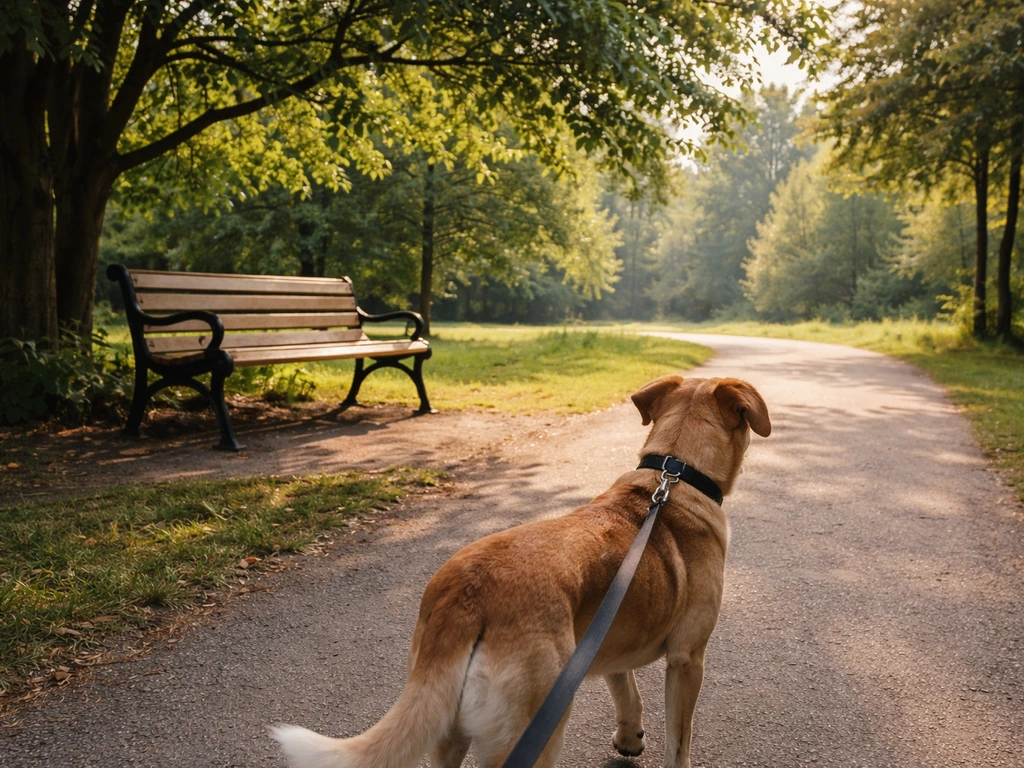
- Keep your dog on a leash in areas where birds congregate, like park benches, statues, dumpsters, and areas under trees where birds roost.
- Train a solid 'leave it' command. It takes consistent practice but genuinely pays off.
- Be particularly vigilant in areas under large flocks of starlings, pigeons, or gulls. The ground under roosting spots can have concentrated droppings.
- Avoid letting your dog sniff and lick the ground near bird feeders or bird baths where droppings accumulate.
In your yard
- If birds are roosting in your yard, consider deterrents like reflective tape, bird spikes on fences or ledges, or motion-activated sprinklers.
- Move bird feeders to an area your dog cannot access, or reconsider them entirely if your dog has a habit of eating droppings.
- Hose down hardscaped areas (patios, walkways) regularly to dilute and remove accumulated droppings before your dog's next outing.
- Do not compost in areas your dog can access, as bird droppings mixed into compost are a concentrated source of potential pathogens.
Safe cleanup for you
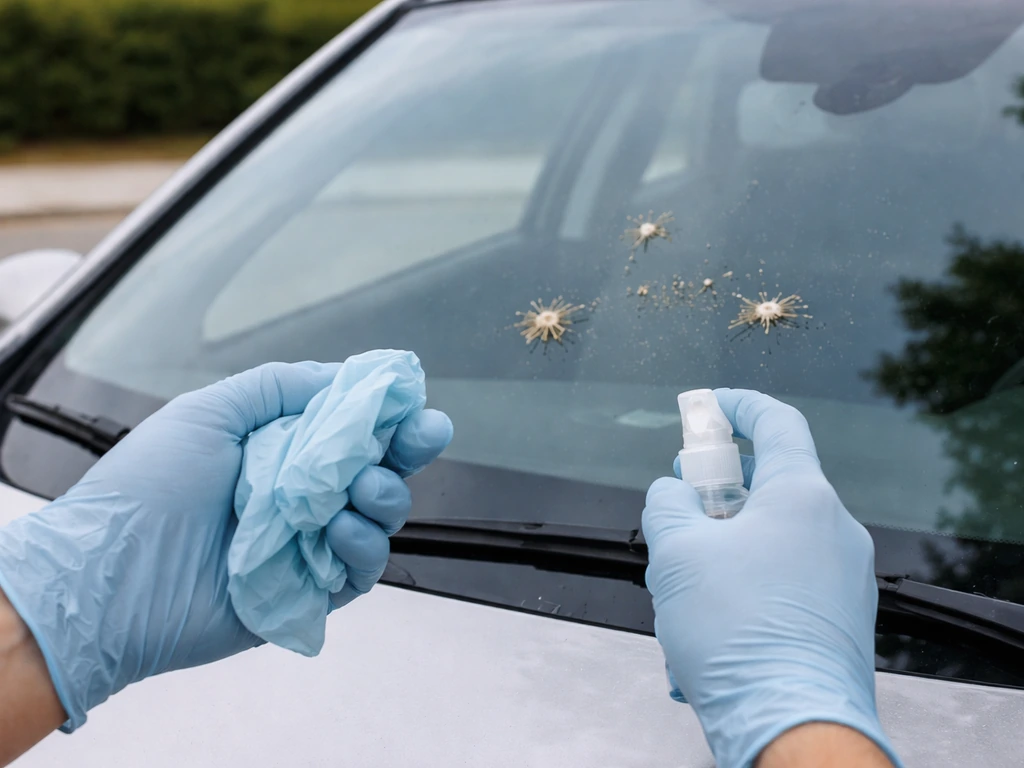
When you are cleaning up bird droppings in your yard or handling anything that might be contaminated, use gloves. Do not pick up droppings with bare hands. Dampen dry droppings before sweeping or scrubbing to avoid inhaling particulate matter (dried droppings can release fungal spores like Histoplasma). Wash your hands thoroughly after cleanup and before handling your dog's food or water dishes. This protects both you and your dog from cross-contamination.
It is also worth staying current on your dog's vaccines and annual fecal parasite screenings. Vaccination covers parvovirus, which is the most serious potential concern connected to fecal exposure, and routine fecal checks can catch Giardia or intestinal parasites early before they cause serious symptoms. If your dog has a habit of eating things they should not, discussing this with your vet at a regular visit can surface management strategies you might not have considered. Dogs that regularly eat bird droppings are also worth monitoring for Giardia specifically, since repeated exposure raises the odds of eventual infection.
If you want to go deeper on any of the specific health risks touched on here, related topics worth knowing about include whether dogs can get Giardia from bird poop, what parvo transmission from bird poop looks like in practice, and what symptoms to watch for more broadly when dogs eat bird droppings. Each of those deserves its own careful look, especially if your dog is a repeat offender in the droppings-eating department.
FAQ
How do I tell if this diarrhea is likely to resolve at home or if it needs a vet today?
If there is any blood in the stool, your dog seems to have pain when you touch their belly, or they have diarrhea plus repeated vomiting, treat it as urgent and call the vet right away. These combinations raise concern for conditions that do not resolve with hydration alone, even if your dog is otherwise responsive.
What if my dog only has diarrhea once or twice, but seems a bit off?
Do not rely on “one episode” as reassurance. A dog can still become dehydrated after only a few watery stools, especially if they are small, young, or not drinking well. Use the skin tent and gum moisture checks, and monitor stool volume, not just frequency.
Can I give probiotics or home remedies to help diarrhea after eating bird poop?
Avoid starting probiotics, activated charcoal, garlic, or herbal anti-diarrhea products unless your vet okays them. Some supplements can worsen GI upset or interfere with treatments if an infection or parasite is actually present.
What should I do if my dog will not drink water or keeps vomiting?
If you suspect dehydration, offer small amounts of water frequently, or use an electrolyte solution formulated for dogs if your vet recommends it. If your dog vomits when you try to drink, stop offering larger volumes and seek vet advice instead of pushing fluids through the nausea.
Should I collect a stool sample, and does timing matter for tests like Giardia?
Yes, you should collect a fresh stool sample if you can do so safely, and note when it was produced. For Giardia testing, bring what you have even if it is mixed or slightly formed, and expect the vet may recommend multiple samples because shedding can be intermittent.
Does waiting 24 to 48 hours apply to puppies, older dogs, or immune-compromised dogs?
If your dog is a puppy, unvaccinated, has immune problems, or has had repeated droppings exposure, the threshold to call the vet should be lower. These factors increase the chance that diarrhea is not just irritation, so waiting for 48 hours is not ideal.
How do I reintroduce normal food after the diarrhea improves?
If you are using a bland diet, keep the serving size smaller than usual and avoid suddenly returning to the full regular meal. Mix back gradually over 24 to 48 hours, and stop the plan if stool worsens or vomiting starts.
What if my dog keeps finding bird droppings in the yard or on walks?
Clean up promptly and supervise closely for the next few days. If your dog has recurring access to droppings, they may keep getting reinfected or repeatedly irritated, which can turn a brief episode into ongoing diarrhea.
My dog ate the droppings, but I also noticed it got on their fur. Do I need to clean anything differently?
Immediately prevent access to any droppings, and do not try to “treat the poop” by rinsing it off your dog’s mouth. If droppings or contaminated material got on fur near the anus or paws, wipe or rinse gently with pet-safe shampoo or water, then wash your hands to prevent cross-contamination.
How can I tell whether the diarrhea is from bird poop or something else my dog might have been exposed to?
If your dog has frequent diarrhea and you are unsure whether it is from the bird droppings or another cause, consider recent diet changes, scavenging of other animals or carcasses, new medications, and exposure to sick dogs. Tell the vet about any other exposures because management and testing may change.