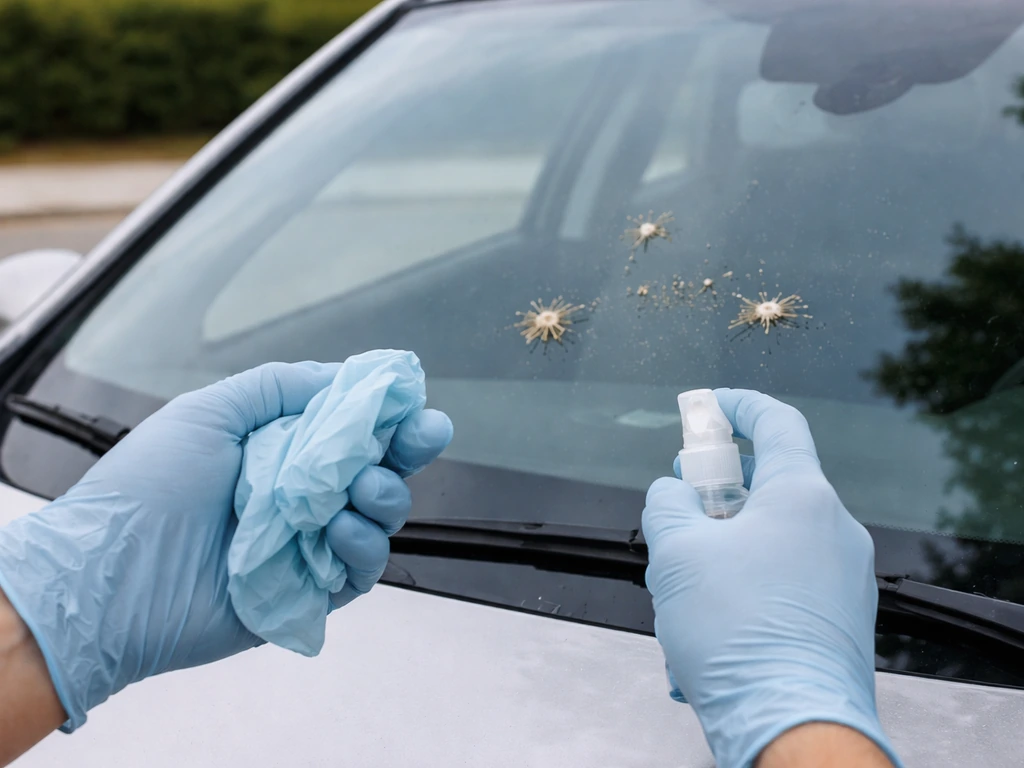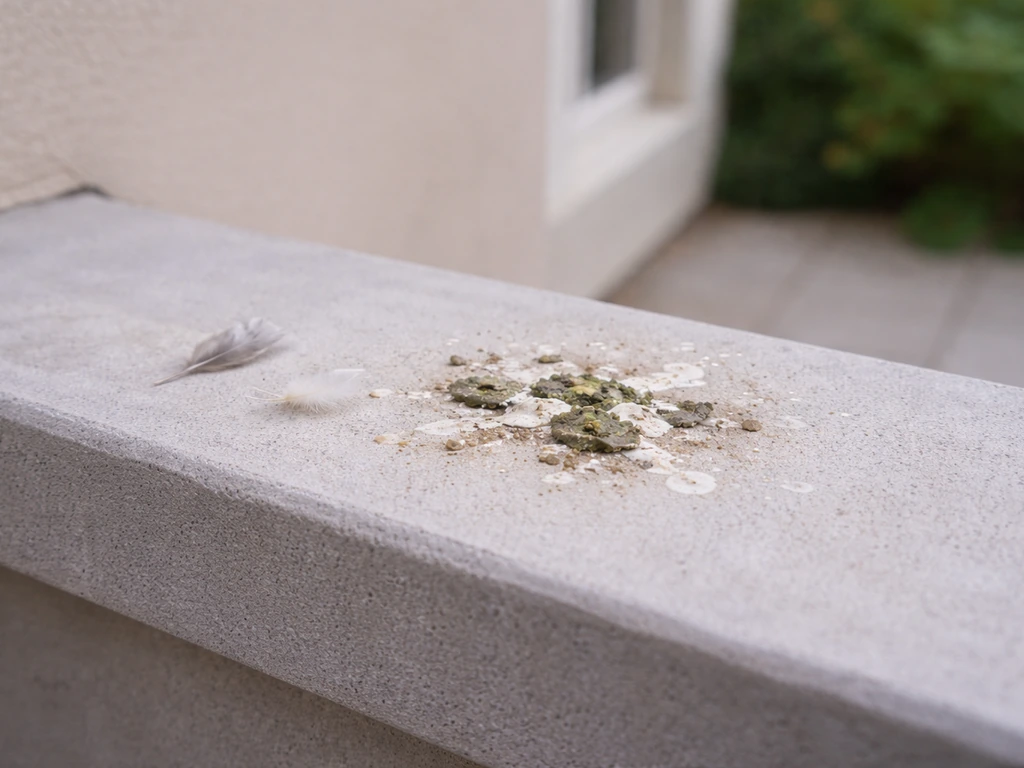
Yes, dogs can technically get Giardia from bird poop, but it is not the most likely route. Bird droppings can carry Giardia cysts if an infected bird passes them, and a dog that sniffs, licks, or eats those droppings could ingest those cysts. That said, birds are far more common carriers of other pathogens than they are a major Giardia source for dogs. The much bigger risks for canine giardiasis are contaminated puddles and standing water, contact with infected dog feces, or shared spaces where cysts linger in damp soil. So if your dog just ate some bird droppings, giardia is worth knowing about, but it is not the first thing to panic over. If you are also thinking about other backyard animals that might get into bird droppings, see do rats eat bird poop as a related consideration.
Can Dogs Get Giardia From Bird Poop? Risk and Next Steps

How Giardia actually spreads in dogs
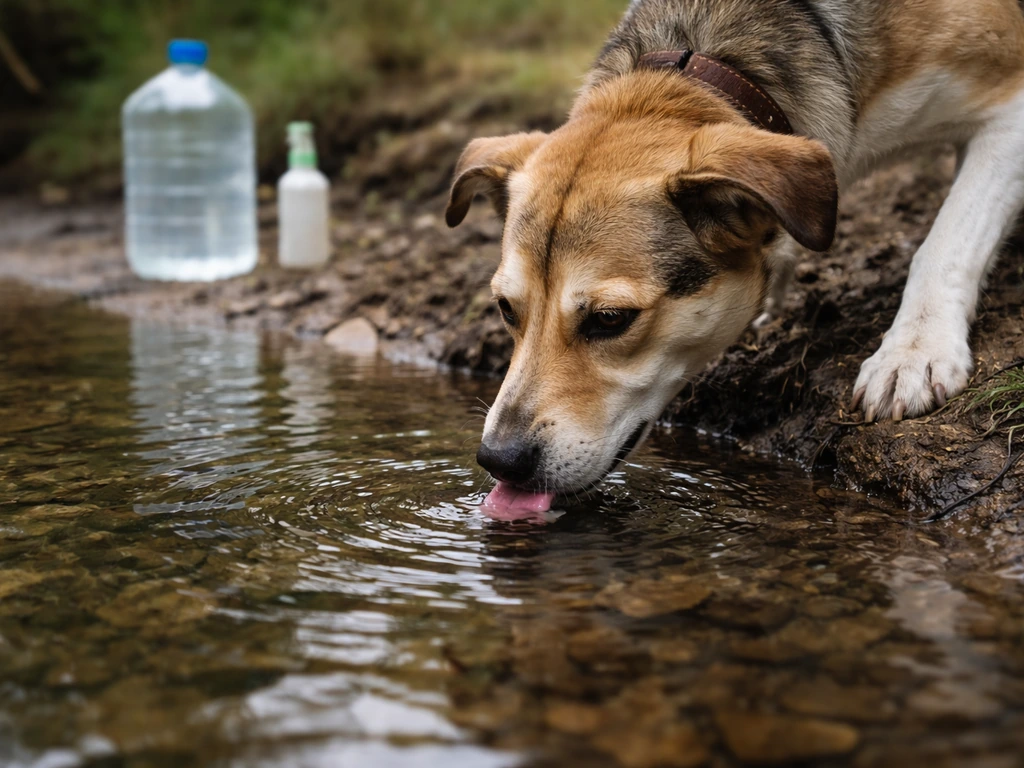
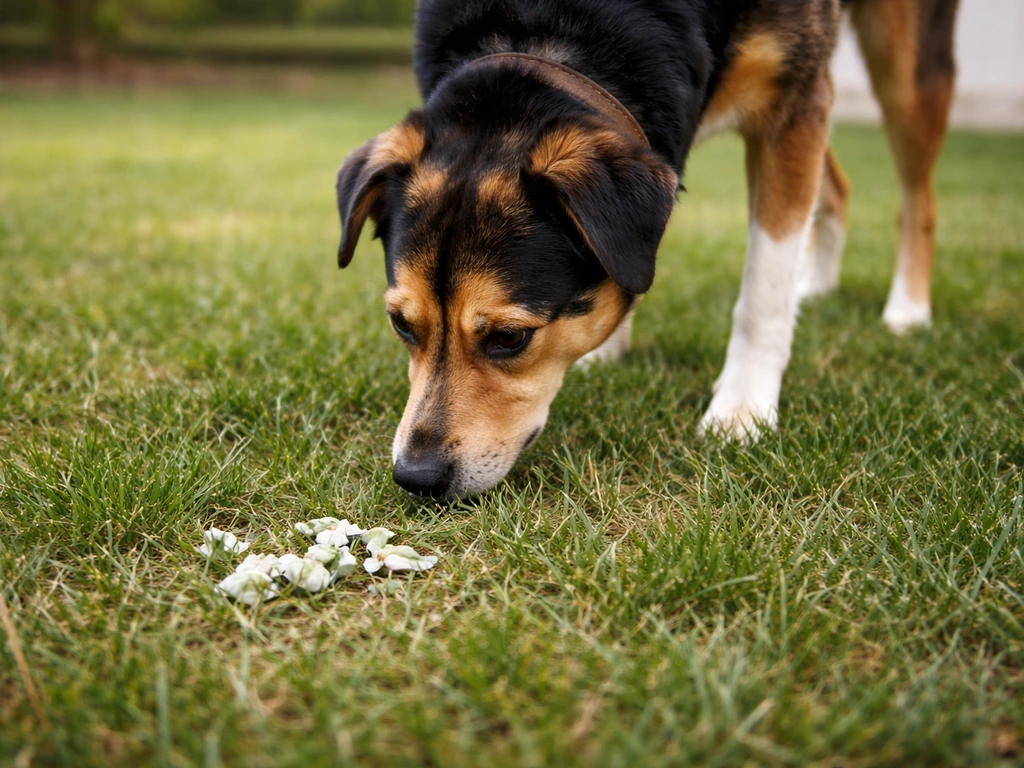
Giardia duodenalis is a microscopic intestinal parasite that spreads almost entirely through the fecal-oral route. An infected animal sheds Giardia cysts in its feces, those cysts land in the environment, and then another animal swallows them. That is the whole cycle. What makes it especially tricky is that the cysts are immediately infective the moment they are passed, the infectious dose is very low (a dog does not need to swallow a lot of them to get infected), and the cysts survive for weeks or even months in damp, cool conditions. A muddy yard, a shared dog park puddle, or a patch of wet grass where an infected dog defecated can stay risky for a long time.
The main exposure routes for dogs are drinking from contaminated water sources (streams, puddles, birdbaths, standing water after rain), direct contact with infected dog feces, and sniffing or licking contaminated ground. Multi-dog households, kennels, and dog parks are classic hotspots. Incubation typically runs 5 to 14 days in dogs, so if your dog got into something suspicious, watch for symptoms in the one-to-two-week window that follows.
Bird poop vs other routes: what is realistic
Here is the honest picture. Birds can carry Giardia, but Giardia duodenalis has different genetic assemblages (essentially subtypes), and some are relatively host-specific while others infect a broader range of species. The assemblages that commonly infect dogs are different from those most often found in birds, which means even if a dog eats droppings from a bird shedding Giardia, the specific strain may not set up a successful infection in a dog. This does not mean the risk is zero, just that it is genuinely lower than the risk from dog-to-dog fecal contact or contaminated water.
What bird poop is more reliably risky for dogs comes down to other pathogens entirely: Campylobacter, Salmonella, and Cryptosporidium are all more commonly associated with bird droppings than Giardia is. If your dog is eating bird poop regularly, those are actually bigger concerns. There is a whole separate conversation about dogs eating bird poop and the symptoms that can follow, including diarrhea and vomiting that may look a lot like giardiasis but have a different cause entirely. Because “dogs eating bird poop” can lead to different illnesses, watching for symptoms like diarrhea and vomiting is the key first step dogs eating bird poop and the symptoms.
| Exposure Route | Giardia Risk for Dogs | Notes |
|---|---|---|
| Contaminated puddles/standing water | High | Most common real-world source |
| Contact with infected dog feces | High | Direct fecal-oral transmission |
| Shared dog park or kennel surfaces | Moderate to High | Cysts persist for months in damp conditions |
| Bird droppings | Low to Moderate | Possible but strain host-specificity reduces risk |
| Eating grass or soil in contaminated areas | Moderate | Depends on whether cysts are present in environment |
Signs of Giardia in dogs
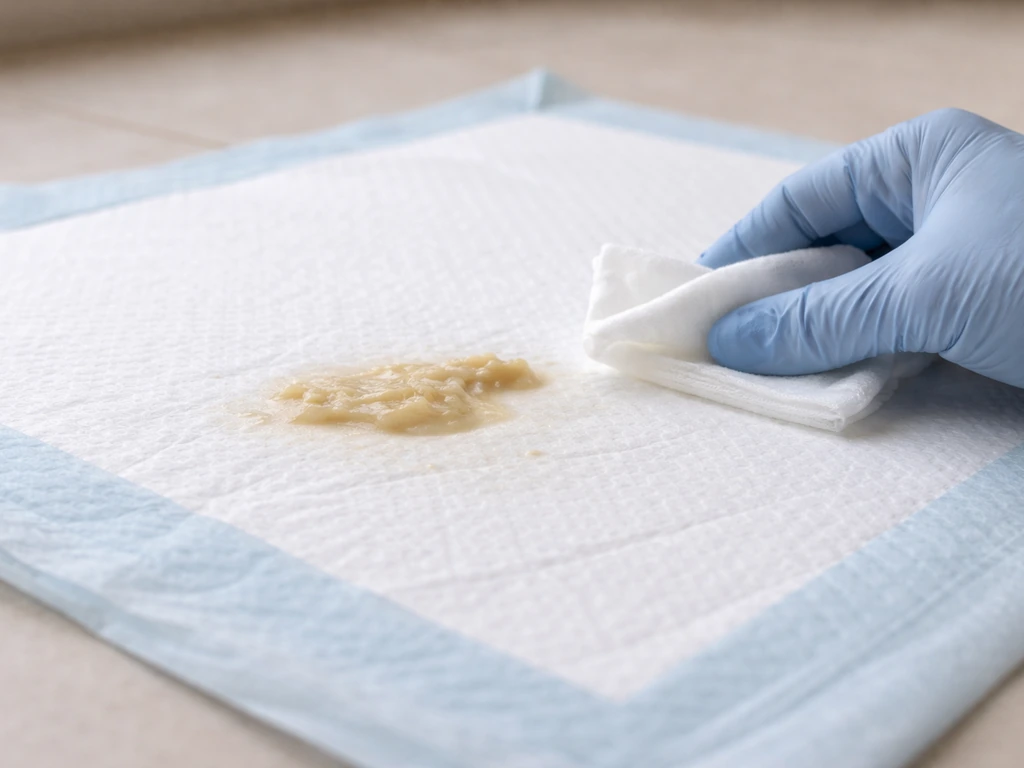
The most common sign is soft, greasy, or watery diarrhea that may come and go rather than being constant. It often has a distinctly foul smell and can look pale or slightly yellowish. Some dogs vomit as well. In puppies and young dogs, weight loss and failure to thrive can be notable, and the diarrhea can be more severe. Many adult dogs with Giardia show only mild symptoms or none at all, which is part of why the parasite spreads so efficiently. They shed cysts without looking sick.
- Soft, greasy, or watery diarrhea (often intermittent rather than constant)
- Pale or yellowish stool with a strong odor
- Increased gas or bloating
- Mild vomiting
- Weight loss or poor condition, especially in puppies
- Lethargy in more severe cases
Symptoms typically appear 5 to 14 days after exposure. If your dog got into bird droppings and then develops loose stools about a week later, Giardia is worth mentioning to your vet, though it is equally possible the diarrhea is from Campylobacter, Salmonella, or even just dietary indiscretion from eating something it should not have. This overlaps with the broader question of whether do fish eat bird poop, since both involve fecal contact routes and pathogen exposure bird droppings. If your dog ate bird poop and then develops diarrhea, contact your veterinarian so they can distinguish Giardia from other more common causes bird droppings.
Diagnosis and treatment: what the vet will do
Diagnosing Giardia is not as straightforward as people expect. Because dogs shed cysts intermittently, a single fecal sample can come back negative even in an infected dog. The standard approach is collecting multiple samples on alternating days (usually up to three) for testing. Your vet may run a fecal flotation using zinc sulfate solution, a Giardia ELISA antigen test, or a combination panel that also screens for Cryptosporidium. PCR testing for parasite DNA is available at some referral labs and is more sensitive, but it is not always necessary for a routine suspected case.
One important caveat: ELISA and PCR tests can stay positive for weeks after a dog has cleared the infection. So a positive result after treatment does not automatically mean the dog is still infected or that treatment failed. Your vet will interpret results alongside how your dog is actually feeling.
Treatment usually involves one of two medications. Fenbendazole (50 mg/kg once daily for 3 to 5 days) is often considered the first-line drug and is well tolerated by most dogs. Metronidazole (25 mg/kg twice daily for 5 days) is the other main option and is FDA-approved for use in dogs. In persistent or severe cases, vets sometimes use both together. During treatment, bathing the dog (especially the rear end) helps remove cysts from the coat and reduces the chance of reinfection from self-grooming.
Stopping reinfection: cleanup, disinfection, and managing bird-heavy yards
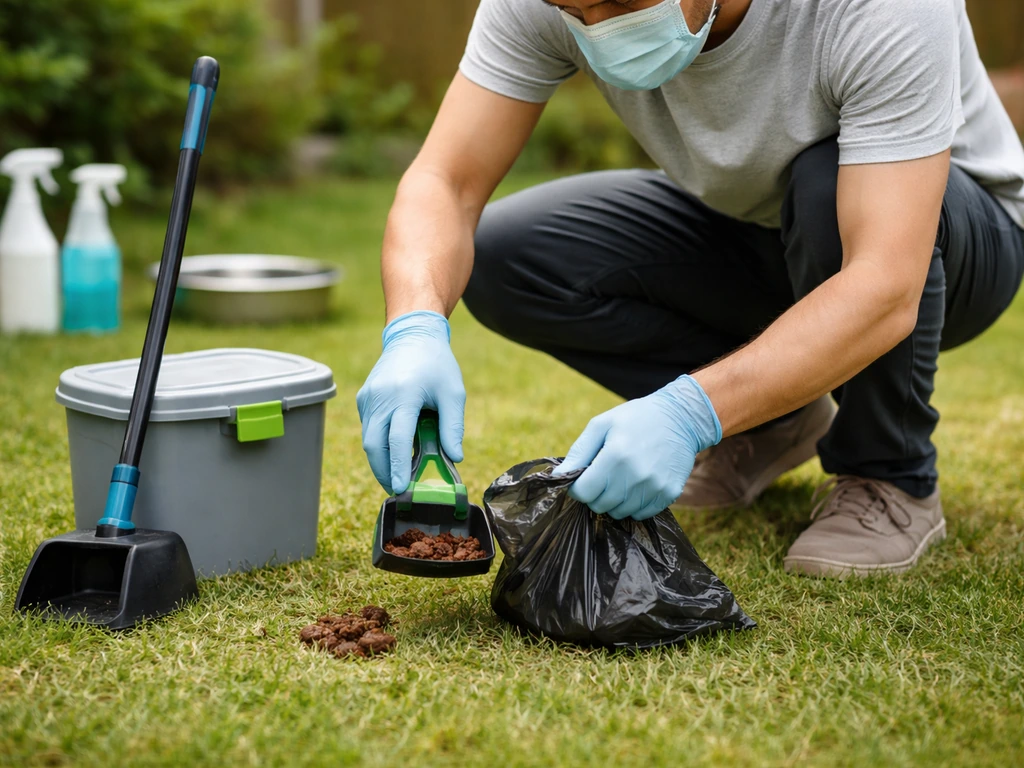
This is the part most people skip, and it is why Giardia so often comes back. Treating the dog without cleaning up the environment is like bailing a boat without plugging the hole. Giardia cysts can survive for several weeks to months in damp, cool conditions, so anything the dog has touched, slept on, or defecated near is a potential re-exposure source.
- Pick up and dispose of all feces in the yard immediately and consistently, including any bird droppings you can access.
- Wash the dog's bedding, blankets, and soft toys in hot water and dry them on high heat. Cysts are destroyed by drying and heat.
- Clean food and water bowls daily with soap and hot water.
- Rinse hard surfaces (kennels, crates, outdoor furniture) with diluted quaternary ammonium disinfectant or steam-clean if possible. Note that standard household bleach at normal dilutions is not reliably effective against Giardia cysts, and no disinfectant is formally registered to kill them, so physical removal and drying are your most reliable tools.
- Keep your dog away from standing water, puddles, and birdbaths until treatment is complete.
- Wash your own hands thoroughly after handling the dog, cleaning up feces, or working in the yard.
If you have a yard with heavy bird traffic, the practical approach is regular poop removal (yes, bird poop included where accessible), keeping the lawn dry when possible, and discouraging your dog from sniffing or licking areas where birds congregate. You do not need to sterilize your whole yard, just reduce your dog's fecal-oral exposure opportunities as much as you reasonably can.
When to call the vet right away and home-care basics
Most cases of Giardia in adult dogs are manageable and not emergencies, but there are situations where you need to call your vet today rather than waiting to see how things develop.
- The dog is a puppy, a senior, or has a known immune condition (these dogs can deteriorate faster)
- Diarrhea is severe, bloody, or has been going on for more than 24 to 48 hours without improvement
- The dog is vomiting repeatedly and cannot keep water down
- Signs of dehydration appear: dry or tacky gums, skin that stays tented when gently pinched, sunken eyes, or extreme lethargy
- Your dog seems very weak, disoriented, or is not responding normally
- Symptoms started after contact with wild animal feces, bird droppings, or unknown outdoor exposures and are worsening quickly
For home care while you wait for a vet appointment or during treatment, the priorities are simple. Keep your dog hydrated by making sure fresh water is always available. Do not fast your dog unnecessarily unless your vet advises it. A bland diet of plain boiled chicken and white rice can help settle the gut while diarrhea is active. Do not give human anti-diarrheal medications like loperamide (Imodium) without explicit vet guidance, as these can be harmful in some dogs. Restrict your dog from interacting with other dogs or shared outdoor spaces during the diarrhea phase to avoid spreading anything further.
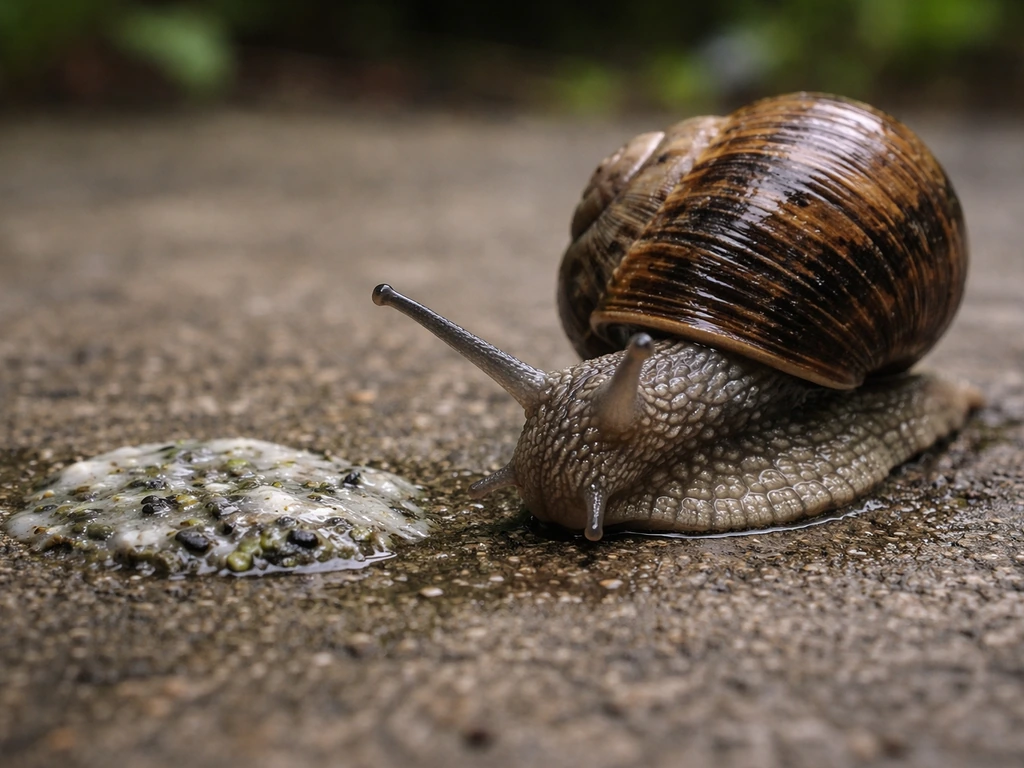
If you caught your dog eating bird poop today and there are no symptoms yet, there is no reason to rush to the emergency vet. While Giardia is the main topic here, dogs can also catch other infections associated with bird droppings, so keep an eye on symptoms. Snails can also pick up pathogens from contaminated environments, and that can be relevant if your dog eats them or comes into contact with their slime snails eat bird poop. Clean up the area, monitor closely for the next two weeks, keep things clean, and call your regular vet if soft stools or vomiting show up. That is the right-sized response for the actual risk level involved.
FAQ
If my dog only sniffed bird poop once, should I treat it as an urgent Giardia exposure?
Bird droppings are one possible exposure source, but if your dog mainly drinks from puddles, birdbaths, or puddles after rain, that is usually a more realistic Giardia risk. If the droppings were a one-time sniff or lick, the probability is lower than ongoing contact with contaminated water or shared dog-activity areas.
How soon after bird droppings exposure would Giardia symptoms show up?
If you see diarrhea start within 5 to 14 days after the exposure, that timing fits Giardia, but it does not confirm it. Your vet will typically consider other causes that can also cause loose, smelly stools, like Campylobacter and Salmonella, and may recommend stool testing if symptoms persist or worsen.
Can a single negative fecal test rule out Giardia in my dog?
Yes, stool testing can be misleading early or even during illness because cysts are shed intermittently. That is why vets often request multiple stool samples collected on alternating days rather than relying on a single negative result.
My dog tested positive again after finishing treatment, does that always mean treatment failed?
If your dog improves with treatment but later tests positive again, it can mean leftover DNA or antigen rather than active infection. Ask your vet how they interpret the test in the context of symptom resolution, and whether repeat testing is necessary for your specific case.
Can I use Imodium or other anti-diarrheals at home if I suspect Giardia?
Wait on anti-diarrhea drugs like loperamide unless your vet specifically tells you to use them, because they can worsen certain infections or make it harder for your dog to clear the gut. Instead, focus on hydration, a bland diet as recommended, and scheduling vet guidance, especially if vomiting is present.
What warning signs mean I should call the vet immediately, not just monitor?
Puppies, small dogs, older dogs, and dogs already dealing with dehydration are higher risk, because diarrhea can escalate quickly. If you notice lethargy, repeated vomiting, bloody stool, or signs of dehydration, call your vet promptly rather than waiting for the full two-week monitoring window.
Why does Giardia often come back even after my dog takes medication?
Even after treating Giardia, cysts on the dog’s coat and in immediate surroundings can lead to reinfection. Bathing the rear end during treatment helps reduce self-grooming reinoculation, and routine removal of contaminated feces is the practical environmental step.
Should I separate my dog from other dogs at home while Giardia is suspected?
During the diarrhea phase, avoid dog-to-dog contact at parks or in shared yards, and prevent your dog from licking other dogs’ faces or areas contaminated with feces. If you have multiple pets, follow your vet’s hygiene plan for shared spaces and clean up promptly.
Does vomiting or weight loss make Giardia less likely or more concerning?
Yes. If your dog ate bird droppings and also has vomiting, weight loss, or severe dehydration, the differential expands beyond Giardia. Those patterns make it more important to rule out other pathogens and other causes of acute gastroenteritis.
How long can Giardia remain in the environment around our yard?
Cyst survival depends on moisture and temperature, not just time. Damp, cool conditions are where Giardia tends to persist longer, so areas that stay wet, muddy, or frequently stepped on by pets can carry risk longer than dry, sunny spots.