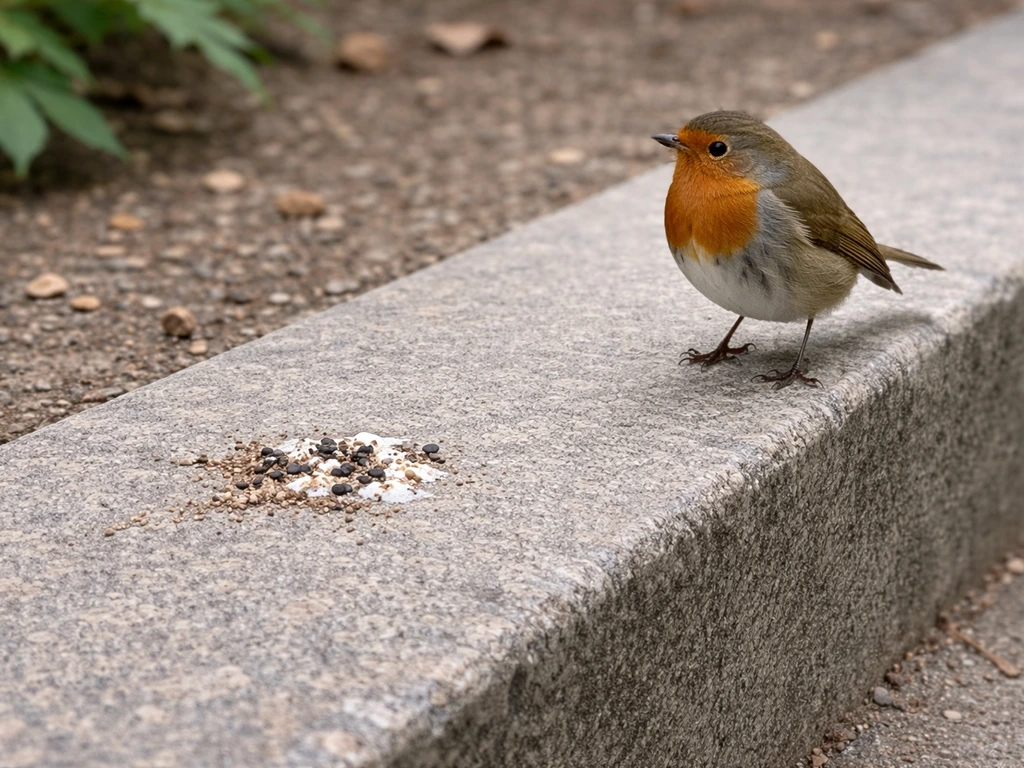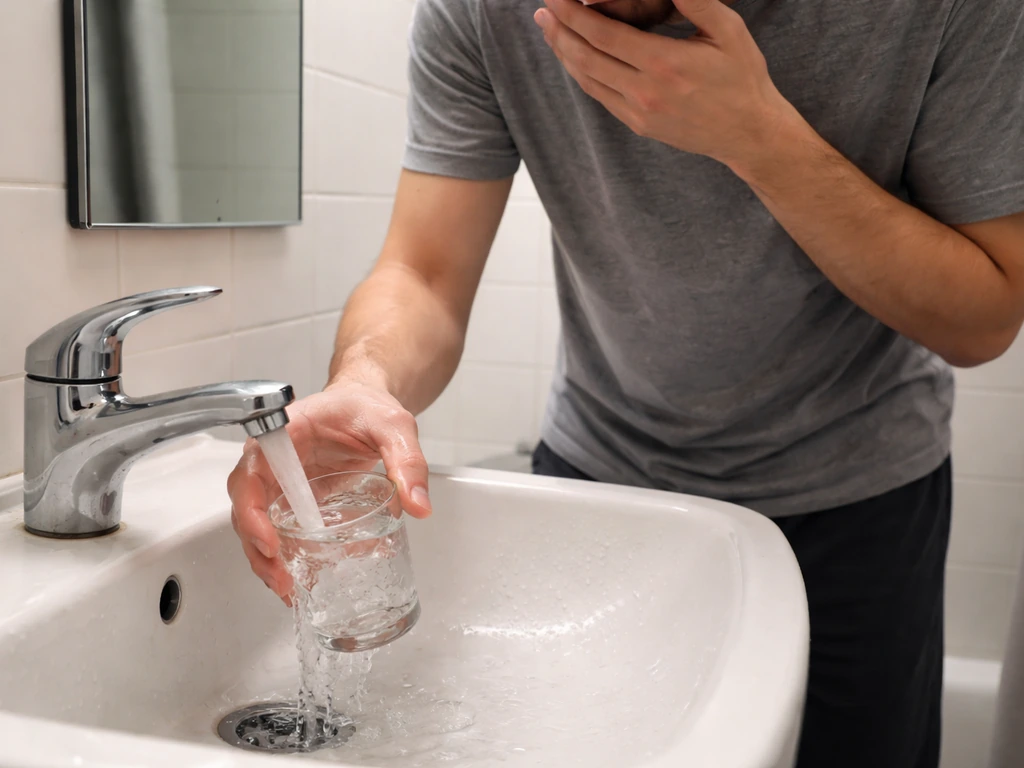
Touching bird poop with bare hands is genuinely unpleasant, but for most healthy adults it is not a medical emergency. The realistic risk from a brief skin contact is low, as long as you wash your hands properly with soap and water right away. The bigger concern is not what touched your skin, but what you touch next before you clean up, because that is how germs actually spread from droppings to your mouth, eyes, or food. What happens if you get bird poop in your mouth usually comes down to whether any germs from the droppings were swallowed, so washing your hands and avoiding touching your face right away matters germs spread from droppings to your mouth.
What Happens If You Touch Bird Poop and What to Do

Marcus Fielding
16 May 2026
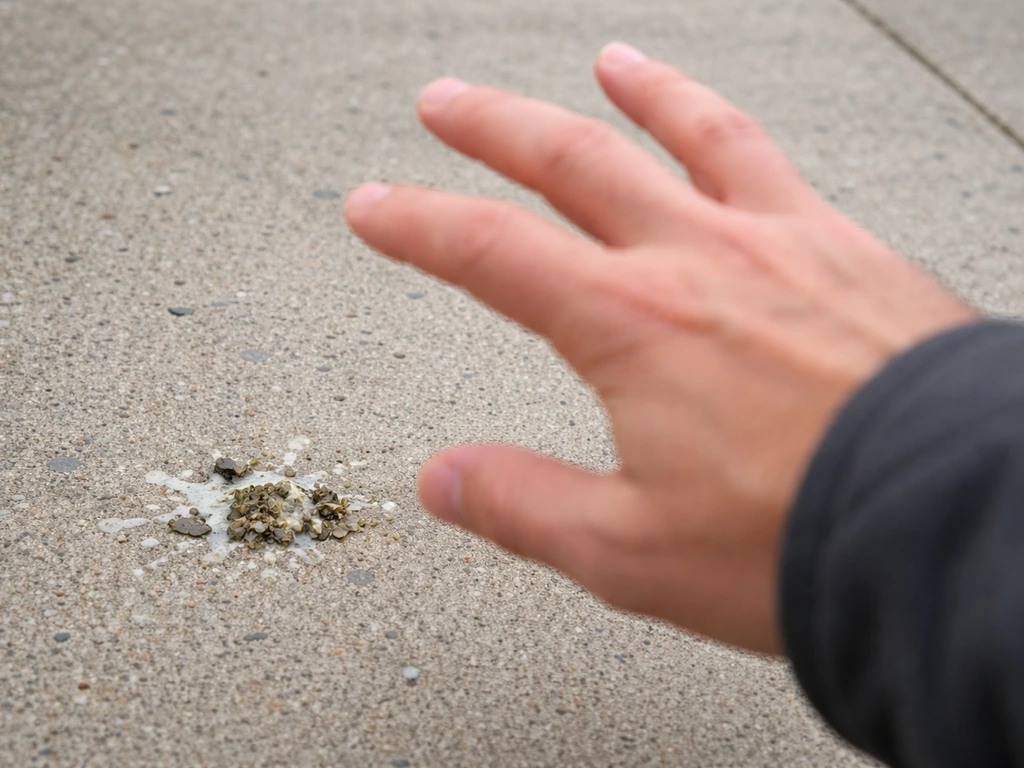
What touching bird poop can actually do to you
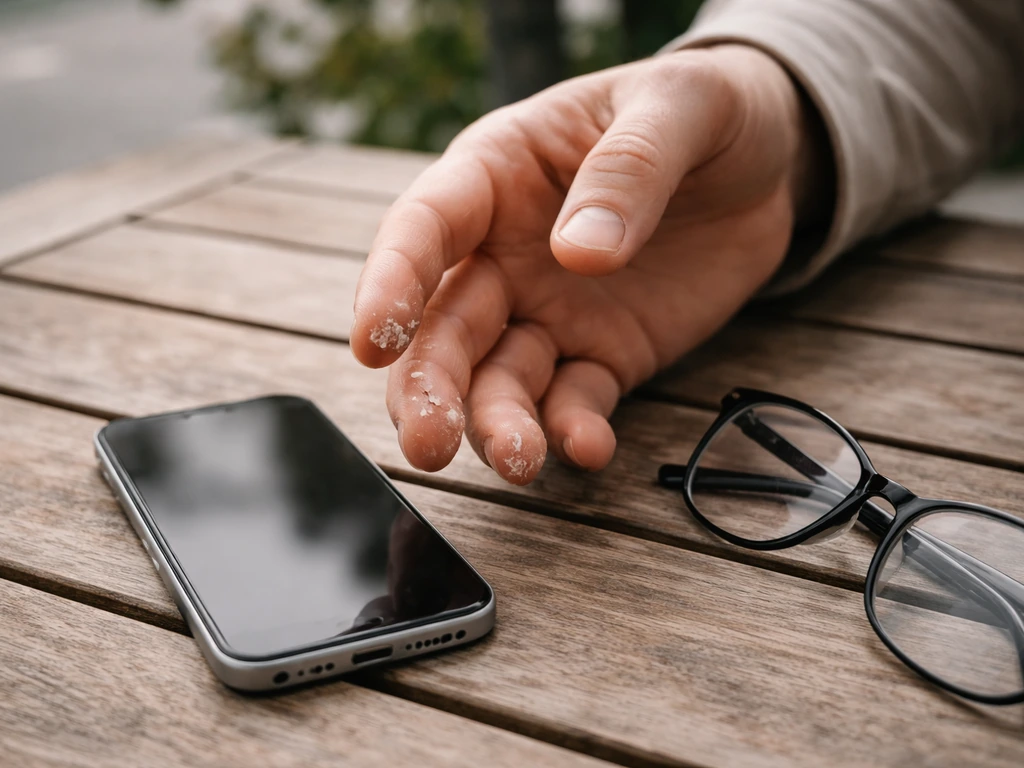
Bird droppings can carry a range of pathogens, but the risk depends heavily on what you do after contact. The most common concerns are bacteria like Salmonella, Campylobacter, and E. coli, all of which cause stomach illness if they make it to your mouth. There is also Chlamydia psittaci, the bacterium behind psittacosis (also called parrot fever), which is transmitted mainly through inhaling dried, dusty droppings rather than skin contact. Fungal organisms like Histoplasma capsulatum and Cryptococcus neoformans live in aged or accumulated droppings and again pose risk mostly through airborne dust, not a simple touch. On the skin itself, fresh bird poop is slightly acidic and can cause minor irritation or redness, particularly on sensitive skin or if left sitting for a while, but it does not absorb through healthy intact skin in a meaningful way.
The realistic bottom line: a single, brief touch to intact skin followed by good handwashing carries very little risk of causing illness. The scenarios that actually lead to problems involve inhaling dust from dried droppings, rubbing your eyes or eating without washing hands, or having an open wound that contacts the material directly. If bird poop germs get into your mouth, such as from eating or touching your lips with unwashed hands, the main concern becomes stomach illness mouth exposure. If you are wondering, can you eat bird poop, the answer is no, because ingestion greatly increases the risk of illness. If you actually eat bird poop, the concern is infection risk from pathogens getting into your mouth and causing stomach illness eating without washing hands.
What to do right now, step by step
Your hands and skin
Do not touch your face, phone, or anything else before you wash up. The CDC recommends washing with soap and running water, and that is really the gold standard here. Scrub for at least 20 seconds, get under your nails and between your fingers, and rinse thoroughly. If soap and water are not immediately available, an alcohol-based hand sanitizer with at least 60 percent alcohol will hold you over, but let it dry completely before you wipe it off. Once you get to a sink, go ahead and wash properly with soap anyway.
- Do not rub the area or spread it further before washing.
- Rinse under running water first to remove bulk material.
- Lather with soap and scrub all surfaces of your hands for 20 seconds.
- Rinse well and dry with a clean towel or paper towel.
- If a cut or broken skin was involved, rinse it thoroughly under running water, then clean and cover it.
Clothes and shoes
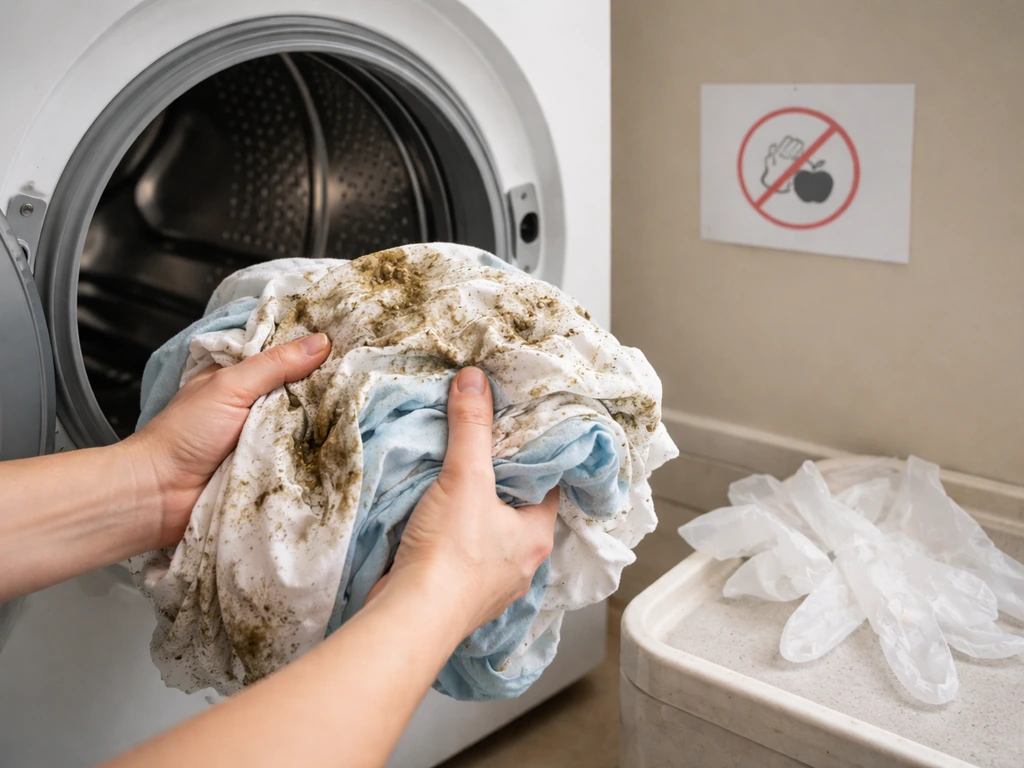
Clothes that have been splattered should go straight into the washing machine on the hottest cycle the fabric allows. Do not sit on furniture or handle food before changing. Shoes are trickier since most people do not machine wash them, so wipe off the material with a damp paper towel (wear gloves or use the towel as a barrier), then scrub with a brush, soap, and water. Let them air dry. Dispose of the paper towel in a sealed bag rather than leaving it loose in the bin.
Cleaning bird poop off surfaces safely (car, patio, home)
Whether it is your car hood, patio furniture, or a garden wall, the key rule is: wet it before you touch it or disturb it. Dried bird droppings can turn to dust when you scrape or sweep them, and that dust is where the real respiratory risk sits. Never vacuum or dry-sweep accumulated droppings without first soaking them.
- Wear disposable gloves before you start.
- Wet the droppings thoroughly with water, a diluted disinfectant spray, or a mixture of 1 part household bleach to 10 parts water (roughly 1.5 cups bleach per gallon of water).
- Let the solution soak in for a few minutes to loosen and kill pathogens.
- Wipe or scrape into a sealed plastic bag or disposable paper towels.
- Clean the surface again with soap and water or an appropriate cleaner.
- Apply disinfectant and allow it to sit long enough to actually work, which for most household disinfectants means following the contact time listed on the label.
- Dispose of gloves and materials in a sealed bag, then wash your hands.
For cars specifically, fresh droppings are easier to remove and less risky to handle than dried ones. Bird poop is acidic and can etch clear coat if left sitting, so most car owners have extra motivation to clean it off quickly. A damp microfiber cloth and a gentle car-safe cleaner does the job well. Avoid harsh abrasives that scratch the paint, and wash the cloth afterward rather than reusing it.
Symptoms to watch for and when they might appear

If you washed your hands promptly and did not ingest anything, the chance of developing symptoms is very low. That said, it helps to know what to look for over the days following exposure.
| Possible illness | How it spreads from droppings | Symptoms | Onset after exposure |
|---|---|---|---|
| Salmonellosis | Hand-to-mouth after touching droppings | Diarrhea, stomach cramps, fever, nausea | 6 hours to 6 days |
| Campylobacteriosis | Hand-to-mouth or contaminated food/water | Diarrhea (often bloody), cramping, fever | 2 to 5 days |
| Psittacosis (parrot fever) | Inhaling dust from dried droppings | Fever, chills, headache, dry cough, muscle aches | 5 to 14 days |
| Histoplasmosis | Inhaling fungal spores from accumulated droppings | Flu-like symptoms, cough, chest pain (often mild) | 3 to 17 days |
| Skin irritation | Direct contact, especially prolonged | Redness, mild rash, itching at contact site | Within hours |
Most healthy adults who have a brief skin contact with bird droppings will not develop any of these. The diseases that do appear most often involve ingestion or inhalation, which is why the cleanup and handwashing steps matter so much. If you do end up touching bird droppings and then rubbing your eyes, that is when eye symptoms like pink eye are more likely. Skin irritation from a small splash is the most likely outcome if anything, and it typically resolves on its own.
Who needs to be more careful
For most people, touching bird poop accidentally is just gross, not dangerous. But a few groups genuinely face higher risk and should pay closer attention after any exposure.
- Children: Young kids are more likely to touch their faces or mouths before washing, and their immune systems are still developing. Supervise cleanup, wash their hands immediately and thoroughly, and watch for any GI symptoms over the following days.
- Immunocompromised individuals: People undergoing chemotherapy, living with HIV, taking immunosuppressant drugs, or dealing with chronic illness are more vulnerable to opportunistic infections that healthy adults easily fight off. Consult a doctor sooner rather than later if exposure occurred.
- Pregnant people: Some infections, including Chlamydia psittaci, carry risks during pregnancy. When in doubt, call your OB or midwife for guidance after any significant exposure.
- People with open cuts or wounds: Intact skin is a solid barrier, but an open wound changes the equation. Rinse the wound thoroughly under running water, clean and cover it, and consider calling a healthcare provider if the wound was directly contaminated.
- Pet owners: If your pet (especially a dog) rolled in or ate bird droppings, treat their paws and coat accordingly and watch for signs of illness in the pet as well. The same bacteria that affect humans can affect dogs.
Red flags: when to call a doctor or poison control
A quick skin touch followed by handwashing does not typically warrant a medical call. But certain situations should prompt you to reach out to a healthcare provider or poison control (1-800-222-1222 in the US) sooner rather than later.
- You ingested bird droppings, even a small amount, whether by touching your mouth or eating before washing your hands. Related concerns around ingestion are worth taking seriously.
- Bird poop made direct contact with your eyes and you are experiencing redness, irritation, or discharge that does not resolve quickly after rinsing.
- You have an open wound that was directly exposed to droppings, especially if you were near wild birds or pigeons.
- You develop a fever, chills, or significant GI symptoms (diarrhea, vomiting, cramping) within 2 weeks of exposure.
- You develop a persistent dry cough, chest tightness, or flu-like illness after cleaning up a large accumulation of dried droppings.
- You are immunocompromised, pregnant, or caring for a young infant and had any contact beyond a simple skin splash.
- Symptoms in a child worsen or do not improve within 24 to 48 hours.
When in doubt, calling your doctor's nurse line or poison control costs you nothing and can give you peace of mind quickly. Healthcare providers would much rather field a quick question than see someone wait too long.
The good luck myth vs. what actually matters
You have almost certainly heard that bird poop landing on you is good luck. This belief shows up across many cultures, from Eastern European folklore to certain traditions in Turkey and the UK, and the general idea is that something so random and surprising must be carrying a message from the universe. Some people genuinely take comfort in the belief, and there is nothing wrong with that. But as a practical safety matter, believing the universe blessed you does not change the microbiology happening on your hand, so the handwashing step is non-negotiable regardless of how you interpret the omen.
The more dangerous myth is on the other side: that bird poop is inherently and acutely toxic, that a single touch will make you seriously ill, or that you need to rush to the emergency room after a splash. That kind of fear is not backed by evidence either. For the vast majority of healthy people, the appropriate response is calm, practical, and takes about two minutes: wash your hands, clean the area, and get on with your day. The risks are real but manageable, and understanding them clearly is a lot more useful than either superstition or panic.
FAQ
What should I do if bird poop touched my skin and I only noticed later, after I already touched my phone or keys?
Treat it like a contact chain. Stop touching your face, wash your hands with soap and water, then wipe high-touch items you handled right after the splash (phone screen, steering wheel, door handles). If you cannot wash immediately, sanitize hands first, then clean items once you get to a sink. The goal is to prevent germs moving from your hands to your mouth or eyes.
Does touching bird poop on a minor cut or scrape change what I should do?
Yes. If the droppings contacted an open wound, rinse the area with running water right away and wash with soap. Avoid closing the wound with ointments before cleaning, since you want to remove contamination first. If the wound is large, deep, or you cannot fully clean it, call a clinician for guidance.
Is it okay to use hand sanitizer instead of washing if I am not near a sink?
Sanitizer can reduce germs but it is not a full substitute for soap and water when you might have visible contamination. If the droppings are still on your skin, rinse first and then sanitize, and once you can, wash with soap for at least 20 seconds and clean under nails.
What if the bird poop got in my eye, or I rubbed my eye afterward before washing?
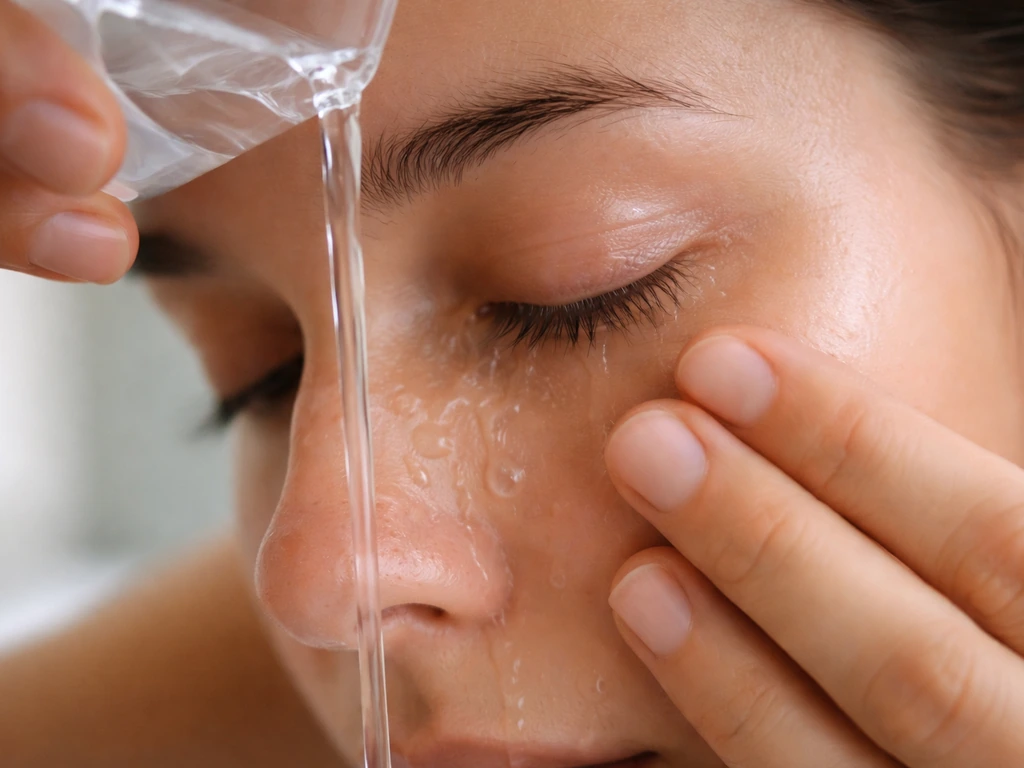
Rinse the eye with clean running water or sterile saline for several minutes, keep the eye open during rinsing, and avoid further rubbing. Seek medical advice urgently if you have persistent pain, worsening redness, vision changes, or light sensitivity. Quick rinsing matters most because it reduces exposure before germs spread through tears and hand contact.
Can my pet get sick if it licks or steps in bird droppings and then licks its paws?
It is possible, especially if your pet ingests contaminated material. Prevent licking by wiping paws with a damp cloth (gloves helpful), then wash your hands. If your pet develops vomiting, diarrhea, lethargy, or unusual breathing after exposure, contact a veterinarian and mention the likely droppings exposure.
What symptoms should make me more concerned in the days after accidental contact?
For skin-only contact, most issues are minor irritation and resolve quickly. More concern symptoms are gastrointestinal illness (vomiting, diarrhea, fever, stomach cramps) or eye symptoms (significant redness, discharge, pain, blurred vision) that start after exposure, especially if you might have swallowed germs or contaminated your eye. If symptoms are severe, prolonged, or involve high fever, seek medical care.
Should I worry about birds that roost near my porch or window if I do not touch the poop?
The main added risk is inhaling dust from dried droppings when areas are disturbed, especially during sweeping, scraping, or vacuuming. If you need to clean, wet the droppings first, use a damp method, and avoid dry-sweeping. For frequent accumulation, consider professional cleaning or wearing appropriate respiratory protection.
Is vacuuming or dry-sweeping bird poop ever safe?
Not recommended for dried accumulations. Dry methods can aerosolize particles that you can breathe in. Wet the droppings before cleaning and use a damp cloth or wet mop, then dispose of materials safely (sealed bag for paper towels) and wash hands afterward.
What is the best way to clean bird poop off shoes or car surfaces without spreading it?
For shoes, remove visible material first using a damp paper towel or cloth as a barrier, then wash with soap and water, and let it air dry. For cars, use a damp microfiber cloth and a car-safe cleaner, avoid harsh abrasives that scratch, then wash the cloth afterward and do not carry contamination indoors. Always keep the area wet while removing, so it does not become dust.
If I accidentally ate with unwashed hands right after touching bird poop, do I need to go to urgent care?
Often you do not, but monitor closely. Watch for stomach illness over the next few days (diarrhea, cramps, fever, vomiting). Seek prompt medical advice if you develop severe symptoms, signs of dehydration, bloody stool, or symptoms lasting more than a couple of days, and especially if you are pregnant, immunocompromised, or caring for a small child.
Does warm or hot water matter more than technique when washing hands?
Technique matters more than temperature. Use soap and running water, scrub for at least 20 seconds, get under nails and between fingers, then rinse thoroughly. Hot water can be comfortable, but it does not replace the time spent scrubbing and cleaning under fingernails.