Bird poop is genuinely dangerous in some situations and pretty harmless in others. In rare cases, severe exposure to infected, dried droppings can be life-threatening, which is why people ask whether can bird poop kill you. If a pigeon just decorated your shoulder, you're almost certainly fine after washing up. But if you've been scraping dried droppings off an old roost, breathing in that dust, or you've got a weakened immune system, the risk is real and worth taking seriously. If you want to know whether can bird poop make you sick after exposure, the key is whether it involves dried droppings or airborne dust. But the same airborne dust and dry-dropping issue also raises the question of whether can bird poop make you blind bird poop make you sick. The danger comes less from the poop itself landing on your skin and more from what's living inside it, especially when it dries out and becomes airborne.
Is Bird Poop Dangerous to Humans? Risks and Cleanup Steps

What's actually in bird droppings
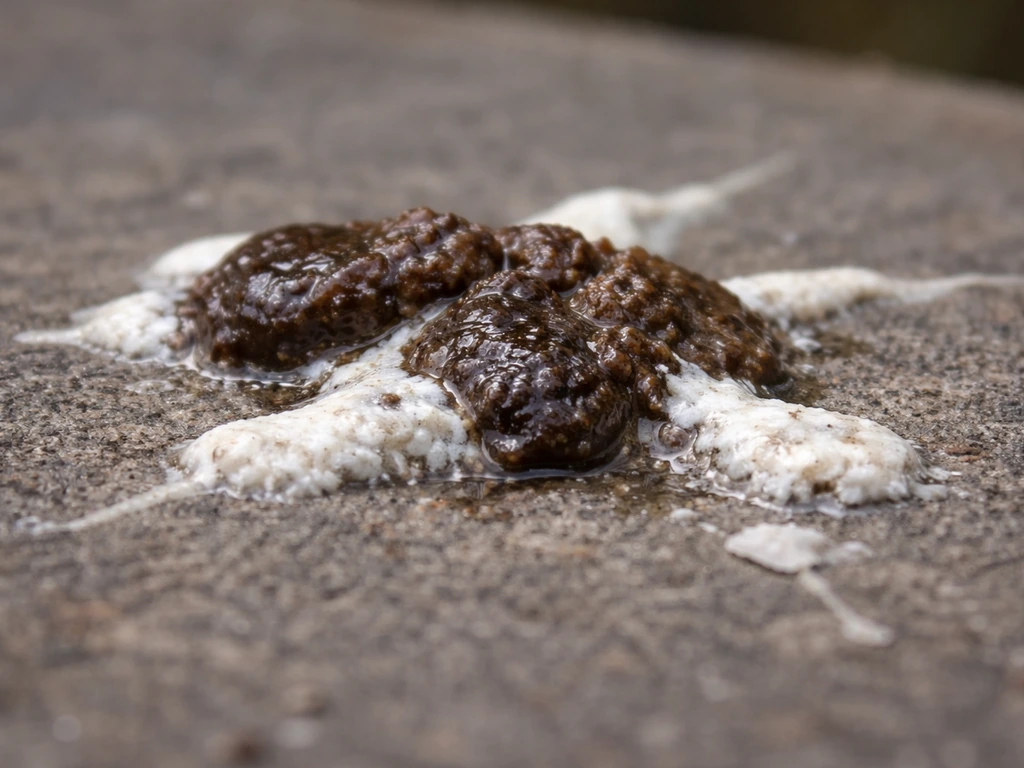
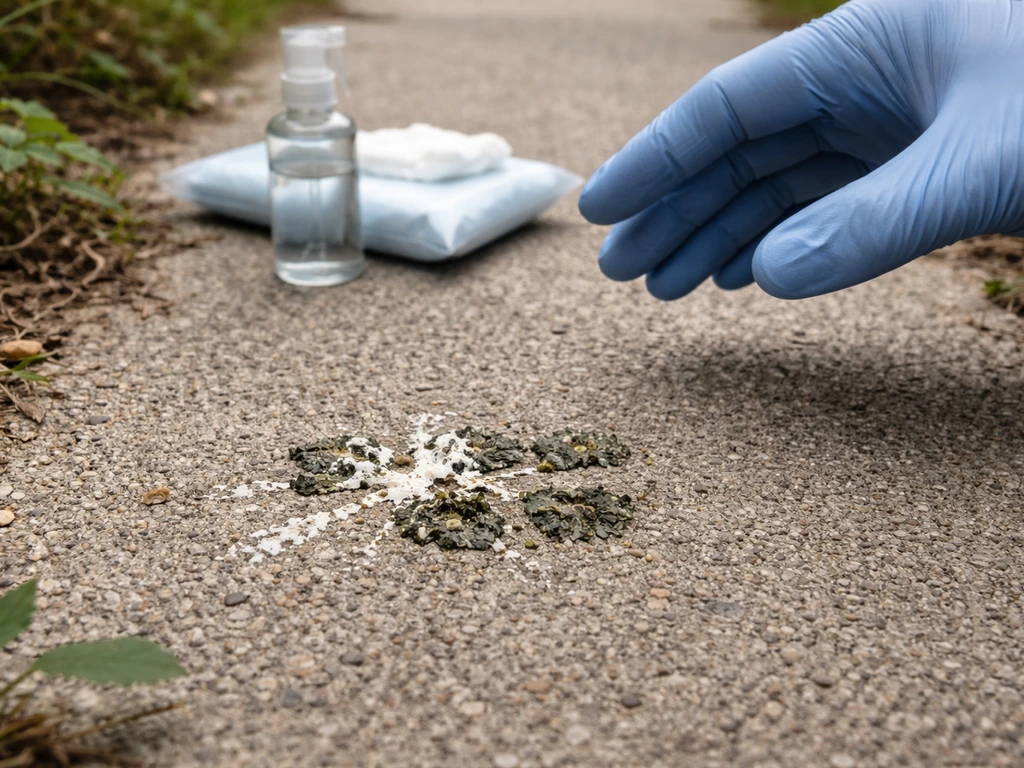
Bird droppings are a mix of fecal matter and uric acid (the white part), and they can carry a surprising list of pathogens. The big ones that health agencies flag are: Histoplasma capsulatum, a fungus whose spores thrive in dried droppings and cause a lung infection called histoplasmosis; Cryptococcus neoformans, another fungus found in bird droppings (especially pigeons) that can cause serious illness in immunocompromised people; Chlamydia psittaci, the bacterium behind psittacosis, a respiratory illness you can catch by breathing in dust from infected birds' dried droppings; and Salmonella, which has been linked to wild songbirds and can cause the classic food-poisoning-style illness if it gets into your mouth.
On top of pathogens, dried droppings can contain allergens and irritants that trigger respiratory symptoms even without infection. Old roost sites also sometimes harbor mites and parasites, though those tend to die off quickly once birds leave. The important takeaway is that fresh poop on your jacket is a different situation from a dried, crumbling accumulation in an attic or under a bridge.
How exposure actually happens
Most people think the danger is touching bird poop and then touching a wound or something. That matters, but inhalation is the exposure route that public health agencies worry about most. Here's how the three main routes break down:
- Inhalation: Dried droppings crumble into fine dust that carries fungal spores and bacteria. Sweeping, scraping, or disturbing a large accumulation without a mask can send those particles straight into your lungs. This is the primary route for histoplasmosis and psittacosis.
- Skin contact: Direct touch is generally low risk for healthy adults, but it's still a vector for Salmonella if you then touch your mouth without washing your hands. Fresh droppings landing on intact skin are unlikely to cause infection on their own.
- Eye and mouth contact: Getting droppings in your eyes or accidentally ingesting material is a more direct route for infection. The CDC specifically advises avoiding touching your eyes, mouth, or nose after any contact with bird feces, especially if the birds are known or suspected to be sick.
Health risks and symptoms to watch for
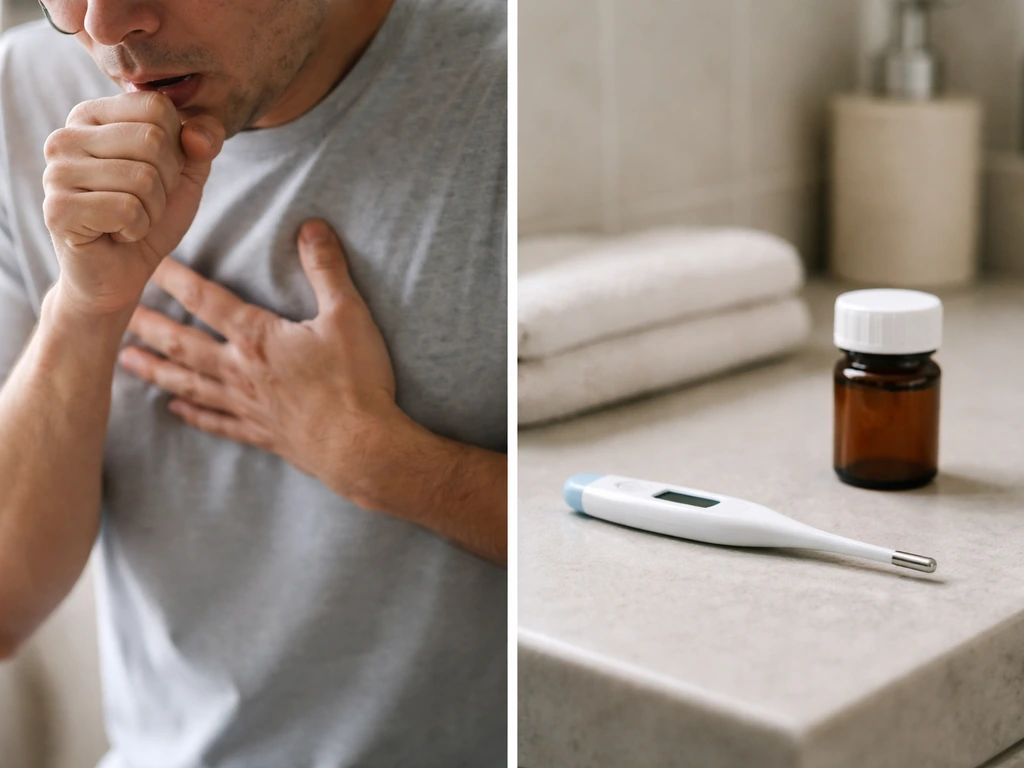
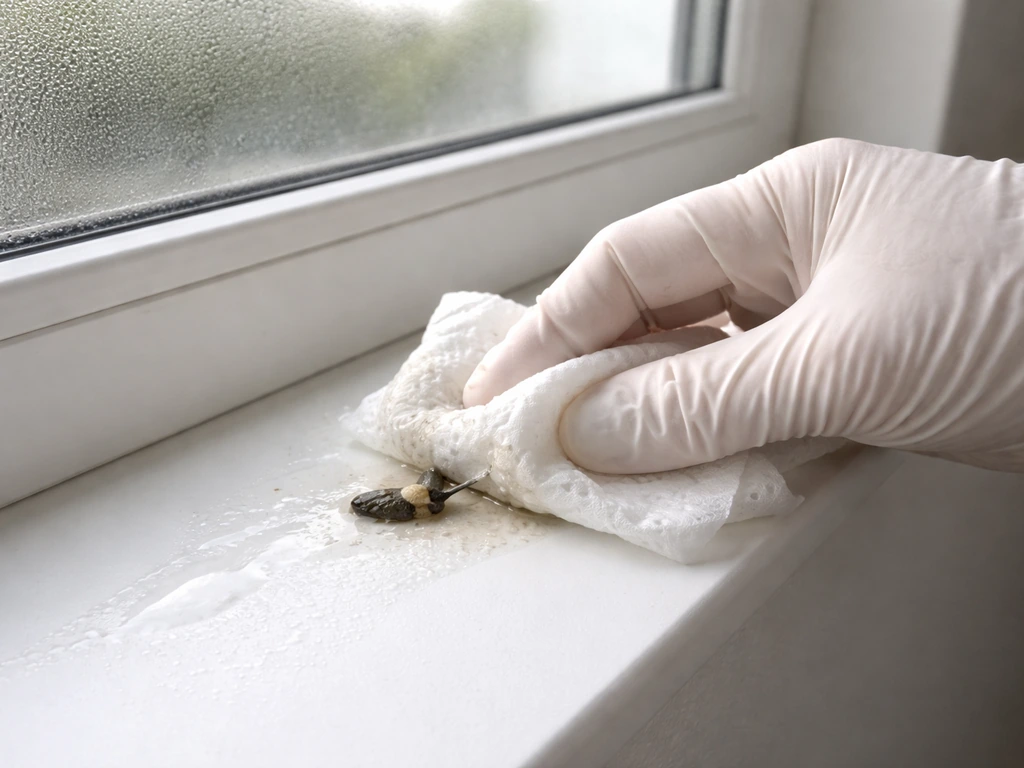
For most healthy adults, a one-off low-level exposure like a bird dropping landing on you or cleaning a small patch off a windowsill is genuinely low risk. The NYC Department of Health is pretty direct about this: routine cleaning of droppings on a windowsill does not pose a serious health risk to most people. But that's not the whole story, and the Illinois Department of Public Health makes an important point: health risks from bird and bat droppings are sometimes exaggerated, but old and dry droppings can still be a significant source of infection, particularly during cleanup.
If you've had any meaningful exposure, especially involving dust or dried material, here's what you're watching for and when the symptoms typically show up:
| Illness | Cause | Typical Symptoms | When Symptoms Appear |
|---|---|---|---|
| Histoplasmosis | Histoplasma fungal spores inhaled from dried droppings | Flu-like illness, dry cough, fatigue, chest discomfort; mild cases often have no symptoms at all | 3 to 17 days after exposure |
| Psittacosis | Chlamydia psittaci inhaled from dried droppings of infected birds | Upper respiratory infection, fever, headache, dry cough, muscle aches | 5 to 14 days after exposure |
| Salmonella | Fecal-oral contact with contaminated droppings | Diarrhea, fever, stomach cramps | 6 hours to 6 days after exposure |
| Cryptococcosis | Cryptococcus fungus inhaled from pigeon droppings | Respiratory symptoms; can affect the brain in immunocompromised individuals | Variable; often weeks |
One thing worth noting: bird flu (avian influenza) comes up a lot in conversations about bird poop danger. The CDC has stated that no human bird flu infections have been reported from proper handling of poultry droppings. The risk is tied to improper handling and contact with sick or infected birds, not routine exposure. Still, if you're around backyard poultry that are confirmed or suspected sick, treat their droppings with extra caution.
What to do right now if you've been exposed
If you've just touched bird droppings, the immediate steps are straightforward and effective. Don't overthink it, but don't skip them either.
- Wash your hands thoroughly with soap and water for at least 20 seconds. Do this before touching your face, food, or anything else.
- If droppings landed on your skin (arm, face, etc.), wash the area with soap and water. No need for antiseptic unless there's a cut or broken skin involved.
- If it got in your eyes, rinse them immediately with clean running water for several minutes. If irritation or redness continues, see a doctor.
- If you accidentally ingested some (it happens, especially with kids), rinse your mouth out and drink some water. Watch for Salmonella symptoms over the next week.
- If you inhaled dust from dried droppings, move to fresh air immediately. Note how much exposure you had. A brief whiff is different from spending an hour scraping a roost without a mask.
- Remove and wash any clothing that had significant contact with droppings. Use your regular laundry detergent and wash at a warm temperature.
Cleaning bird poop off cars, decks, and surfaces safely
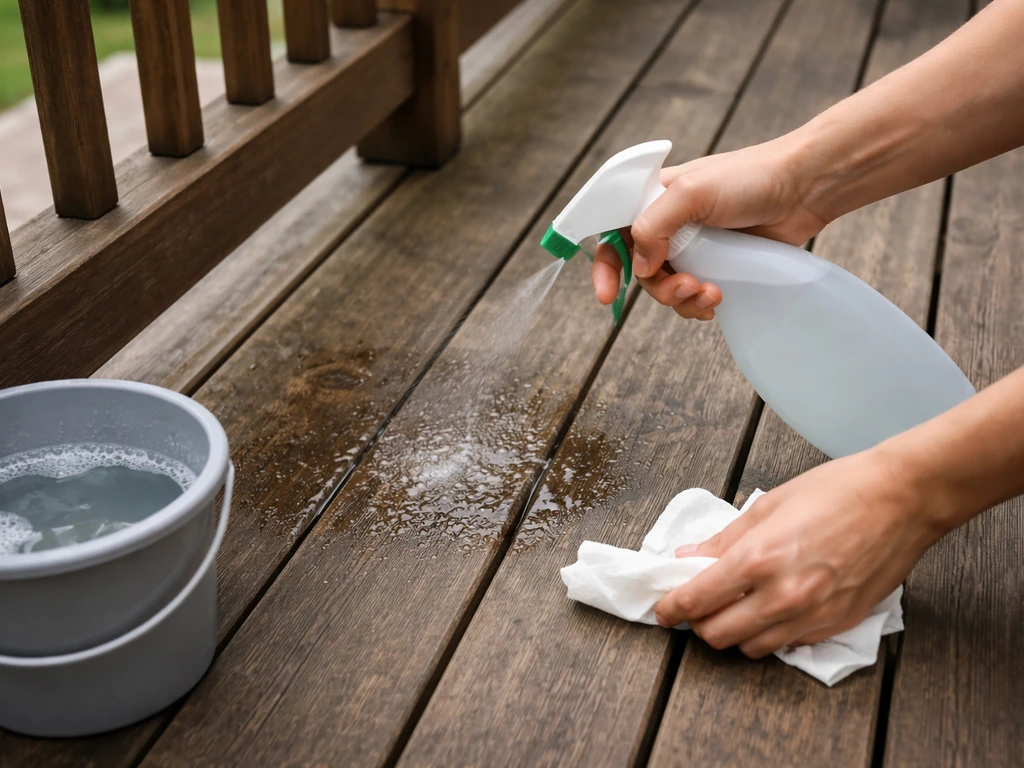
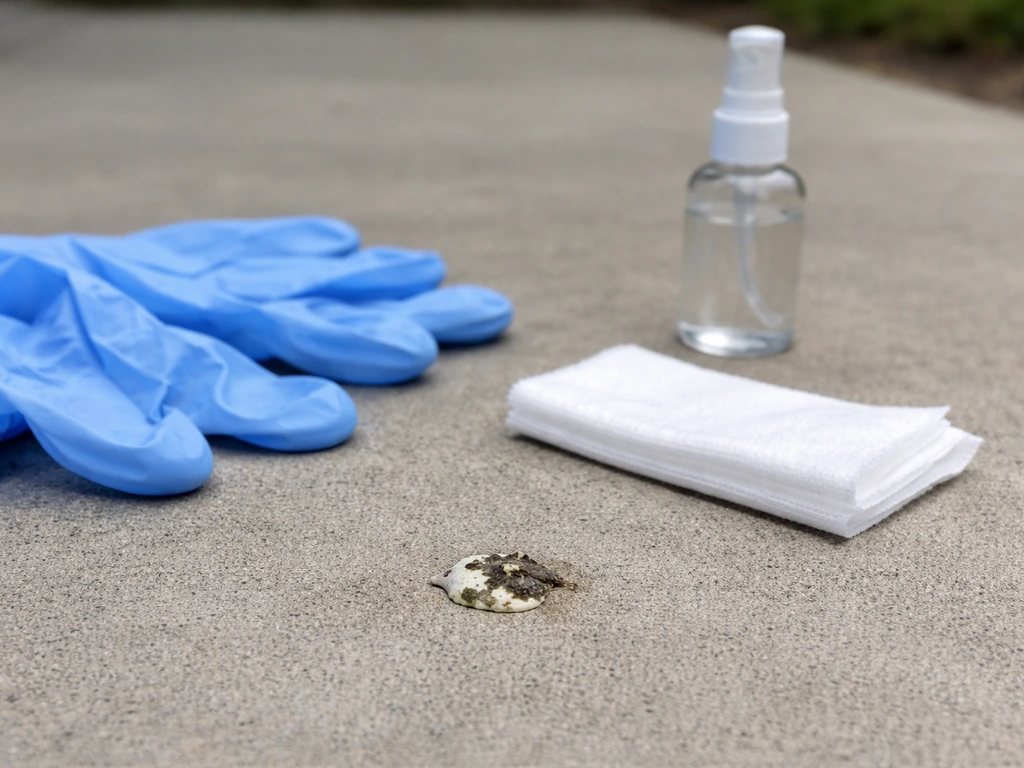
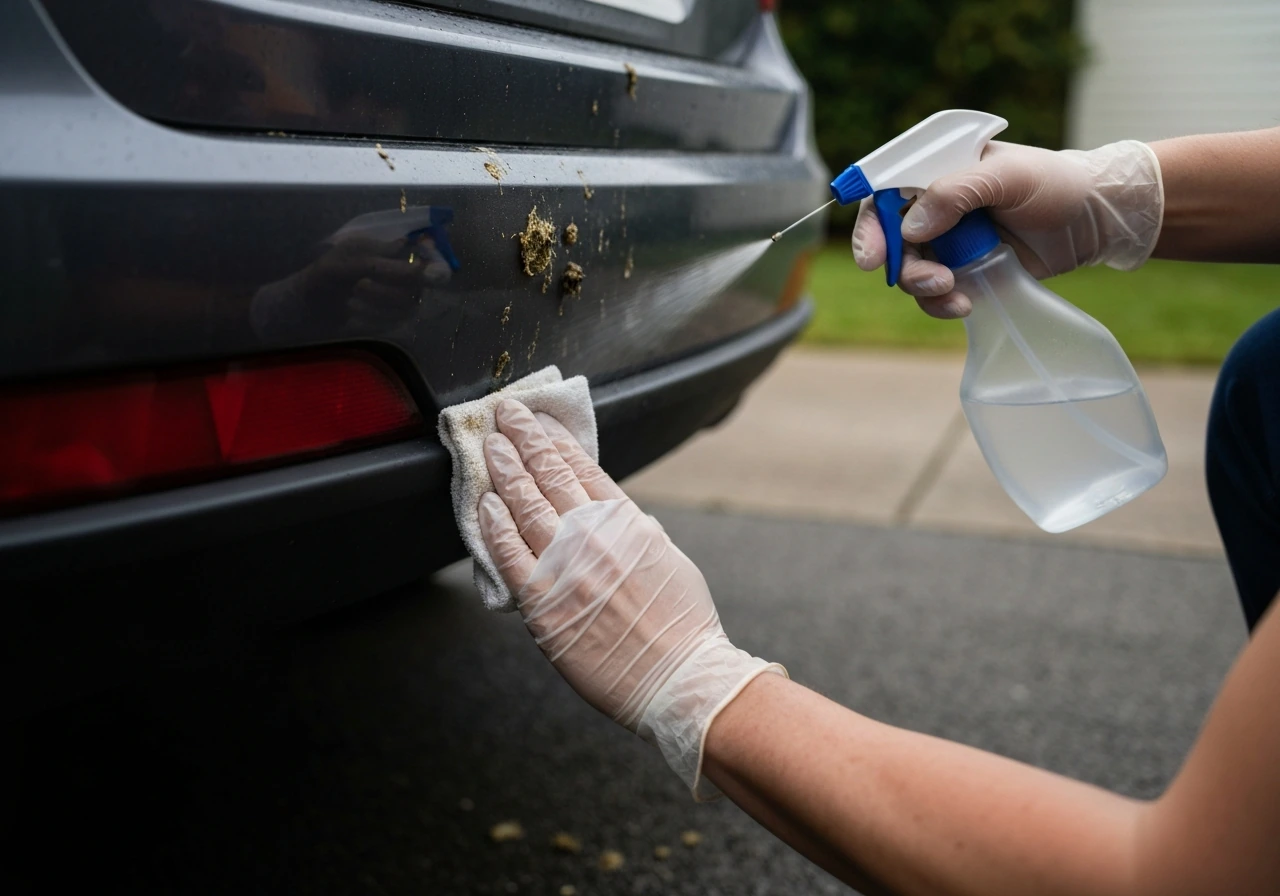
The single most important rule for cleaning bird droppings is: never dry-sweep or dry-scrape them. That's exactly how you aerosolize fungal spores and bacteria into the air you're breathing. Always wet the area first. For small patches like a few spots on your car or a window ledge, this is simple: spray it with water, let it soak for a minute, then wipe with a disposable cloth or paper towel. Bag the cloth and throw it away.
For larger cleanups, like a balcony, a shed roof, or anything involving significant accumulation, step up your precautions. The Southern Nevada Health District recommends using a bleach solution applied with a spray bottle or mop, keeping the area wet throughout the process, reapplying the solution, and maintaining that wet contact for at least 10 minutes before cleaning up. Keeping the surface wet the entire time is what prevents dust from going airborne and what gives the disinfectant time to actually work. The EPA's guidance on disinfectant products is consistent with this: the surface needs to stay visibly wet for the full contact time listed on the product label to meet its kill claims.
For any significant cleanup, wear disposable rubber gloves and a properly fitted respirator or N95 mask. A basic dust mask or a cloth over your face is not sufficient protection against fungal spores. After cleaning, wash your hands thoroughly even if you wore gloves, bag all disposable materials, and clean any reusable tools with disinfectant. If you're cleaning an enclosed space like an attic with heavy accumulation, the CDC and NIOSH say that in some cases you should hire a professional hazardous waste company rather than attempting it yourself.
When to call a doctor, and who needs to be extra careful
For a healthy adult with minimal exposure, you're watching and waiting. See a doctor if you develop any respiratory symptoms, fever, persistent cough, or flu-like illness in the days or weeks after significant exposure to bird droppings or their dust. The CDC notes that most people develop signs and symptoms within about 5 to 14 days after exposure to Chlamydia psittaci (psittacosis). The Illinois Department of Public Health specifically advises contacting a healthcare provider if symptoms develop after contact with bird or bat droppings. Tell your doctor about the exposure so they can consider histoplasmosis or psittacosis, which are sometimes missed because they look like regular flu or pneumonia.
Some groups need to be extra cautious and shouldn't be doing cleanup at all if there's any meaningful amount of droppings involved:
- People with HIV/AIDS or any other condition that weakens the immune system
- Anyone currently on chemotherapy or immunosuppressive medications
- Cancer patients, especially those undergoing active treatment
- People with chronic lung disease, as the respiratory challenge from Histoplasma or Cryptococcus can be more severe
- Young children, who are more likely to touch surfaces and then touch their faces
- Pregnant women, who should avoid large-scale droppings cleanup as a precaution
NYC Health is unambiguous on this: if you have a compromised immune system, do not clean up droppings yourself. Get someone else to do it, or hire a professional. The risk-benefit calculation just doesn't make sense for this group when the exposure could trigger a serious systemic fungal or bacterial infection.
Pets are worth a mention too. Dogs especially will sniff and lick anything, and ingesting bird droppings is a real route of Salmonella exposure for them. If your dog has been rooting around in an area with bird droppings and then develops vomiting, diarrhea, or lethargy, call your vet and mention the potential exposure.
The luck thing, and where the real myth is
You've probably heard that bird poop landing on you is good luck. It's a widespread belief across many cultures, and honestly it's a useful psychological reframe for an unpleasant moment. The real myth isn't the good luck superstition though; it's the opposite extreme: the idea that any contact with bird droppings is automatically dangerous and will make you seriously ill. Health authorities are consistent on this. blank" rel="noopener noreferrer">The IDPH explicitly says risks are often exaggerated, and the NYC Department of Health confirms that routine small-scale contact is not a serious health risk for most people. The actual danger is specific: large amounts, dried dust, enclosed spaces, no protective gear, or a compromised immune system. Routine contact without those factors is much less of a health event than a lot of online content suggests.
So if you want to explore just how dirty bird droppings actually are, or whether cleaning them up carries its own specific risks, or the more extreme scenarios around serious illness, those are all genuinely interesting angles that go deeper on what's covered here. The core answer stays the same though: wash your hands, don't breathe the dust, and take bigger exposures seriously.
FAQ
Is bird poop dangerous to humans if it only got on my clothes and not my skin?
Usually the risk is low for most healthy people, but you still want to avoid handling it dry. Treat it like a contamination problem, change or bag the clothing promptly, wet the spot before removing it, then launder normally. If the droppings were dried and you had to shake or brush them off, assume you may have inhaled dust and watch for respiratory symptoms.
What if I already dry-swept or wiped a dried bird-dropping area before I knew it was risky?
Don’t panic, but shift to safer cleanup now. Wet the area thoroughly before continuing, ventilate the space, and consider leaving the area for a short time while aerosols settle. If you develop cough, fever, or flu-like illness after a significant cleanup, contact a clinician and mention possible exposure to dried droppings and dust.
Can bird poop danger happen from touching a surface that bird droppings were on days ago?
The main hazard comes from disturbed dried material becoming airborne, so risk is much lower if it has been undisturbed. If you need to clean it later, don’t dry-scrape. Wet first, clean with a disinfectant appropriate for the label contact time, and wear at least gloves and respiratory protection for dusty work.
Is it safe to clean bird droppings with just soap and water?
For small fresh spots, soap and water plus good handwashing is often adequate for removing residue. For dried or larger accumulations, soap alone does not address airborne pathogens and spores. In those cases, follow wetting and disinfectant contact-time steps so the surface stays visibly wet long enough to meet the product’s stated kill time.
Do I need a respirator for a couple of fresh drops on a patio?
If it is genuinely fresh, minimal, and you can clean without creating dust, the exposure is typically low. You can usually manage by wetting first and wiping up carefully. If the area is dried, crumbling, or you anticipate scraping, use a properly fitted respirator or N95, because dust disturbance is what public health guidance focuses on.
How long after exposure should I monitor for symptoms?
For respiratory infections linked to inhaling dried droppings dust, symptoms can appear over days to weeks, not just immediately. If you had meaningful dust exposure and develop fever, persistent cough, shortness of breath, or worsening fatigue within the following days to weeks, seek medical advice and describe the exposure.
What should I tell my doctor if I’m worried about bird poop infection?
Include the type of exposure (fresh vs dried), where it happened (attic, roost area, windowsill), whether you cleaned or stirred dust, and whether it involved pigeons or other birds. This helps clinicians consider conditions like histoplasmosis or psittacosis, which can resemble common flu or pneumonia.
Are bird droppings dangerous to pregnant people or people on immune-suppressing medications?
Pregnancy itself is not automatically a reason to avoid all cleanup, but immune-suppressed individuals should not do it themselves. If you are on chemotherapy, transplant meds, high-dose steroids, or you have a known immune disorder, follow the “do not clean yourself” approach, use professional help, and avoid exposure during cleanup.
Is bird poop dangerous for children if they play outside where birds land?
Single incidental contact is usually low risk, but the higher-risk scenario is allowing children to touch, smear, or put contaminated hands in their mouths after droppings have been dried and disturbed. Focus on preventing hand-to-mouth behavior, cleaning small spots with wet wipe methods, and supervising cleanup so dust is not stirred.
Can bird droppings spread infection to others in the household?
In most cases, risk to other people is tied to shared exposure to airborne dust from disturbed dried droppings. The droppings themselves generally do not spread disease person-to-person in routine household settings. Still, if you cleaned a dusty area, ensure good ventilation, bag disposables, and wash hands and reusable tools thoroughly to prevent carryover contamination.
Is bird poop from backyard birds or pigeons treated differently than wild birds?
Backyard poultry adds another consideration, because avian influenza risk is associated with contact with sick or infected birds, not routine droppings handling. If a bird is visibly ill, lethargic, or found dead, treat droppings as higher risk, avoid cleanup yourself, and consider contacting local animal health guidance. For otherwise healthy birds, the same “avoid dust, wet first” principles still apply.
What’s the safest approach if bird droppings are in an enclosed area like an attic?
If there is heavy accumulation in an enclosed space, professional cleanup is often the safer choice because ventilation is limited and dust can linger. Before any attempt, don’t dry-scrape, isolate the area if possible, and avoid using fans that blow dust into other parts of the home. If you must do it yourself for a small amount, use appropriate respiratory protection and keep surfaces wet throughout.
How do I protect my pets when cleaning bird droppings?
Keep pets away from the area during cleanup and until all residue is fully removed and surfaces are dry to the touch. Dogs can ingest droppings and develop gastrointestinal symptoms, so prevent access, and after any incident of suspected licking or chewing, call your vet and mention possible Salmonella exposure.