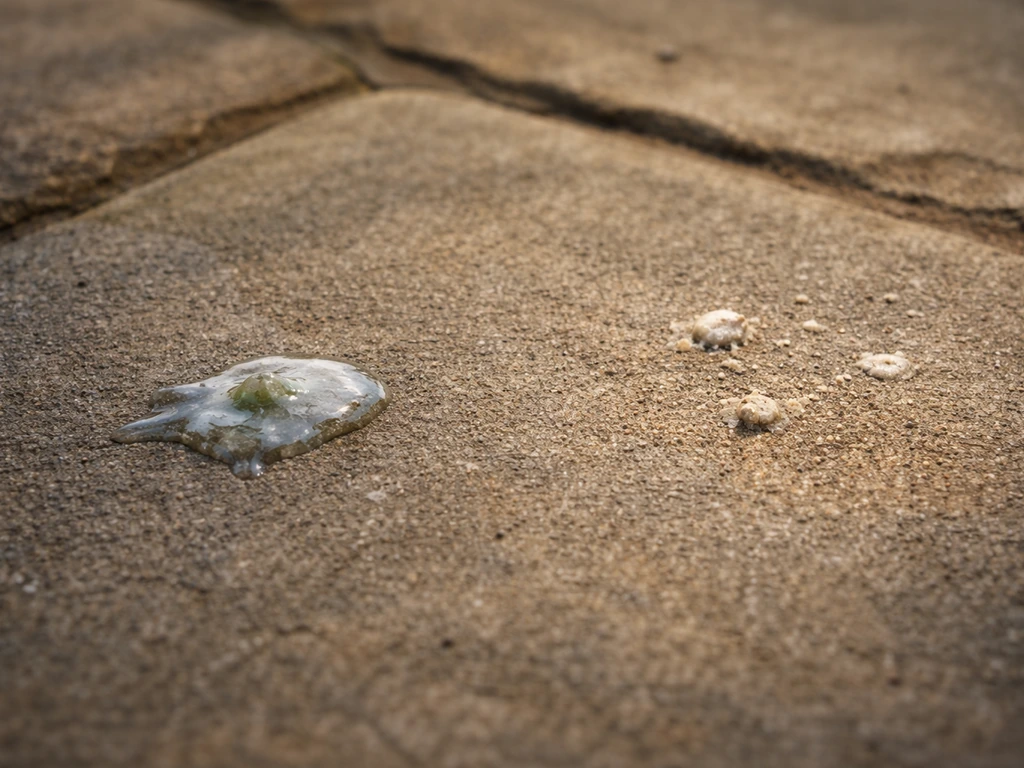
Bird saliva on its own is mostly bland and watery, but what people actually report tasting is almost never pure saliva. If you're wondering what bird spit tastes like in real life, it's usually diluted by whatever the bird recently ate rather than tasting like plain saliva bird saliva. It's usually a mix of saliva with whatever the bird has been eating, regurgitated crop contents, dried residue from feathers or surfaces, or material that's close to droppings. Most people who've had contact with a pet parrot's beak describe something faintly seed-like, slightly sour, or just vaguely unpleasant. If you ever wonder, “why does your breath smell like bird seed,” it usually comes from seed-like residues and bacteria left around the beak after birds eat and regurgitate. The taste varies a lot by species, diet, and what exactly you came into contact with. More importantly: yes, there are real health risks you should know about, and there are clear steps to take right away if saliva or related bird material got in your mouth.
What Does Bird Saliva Taste Like and Is It Risky?

Why people end up asking this question
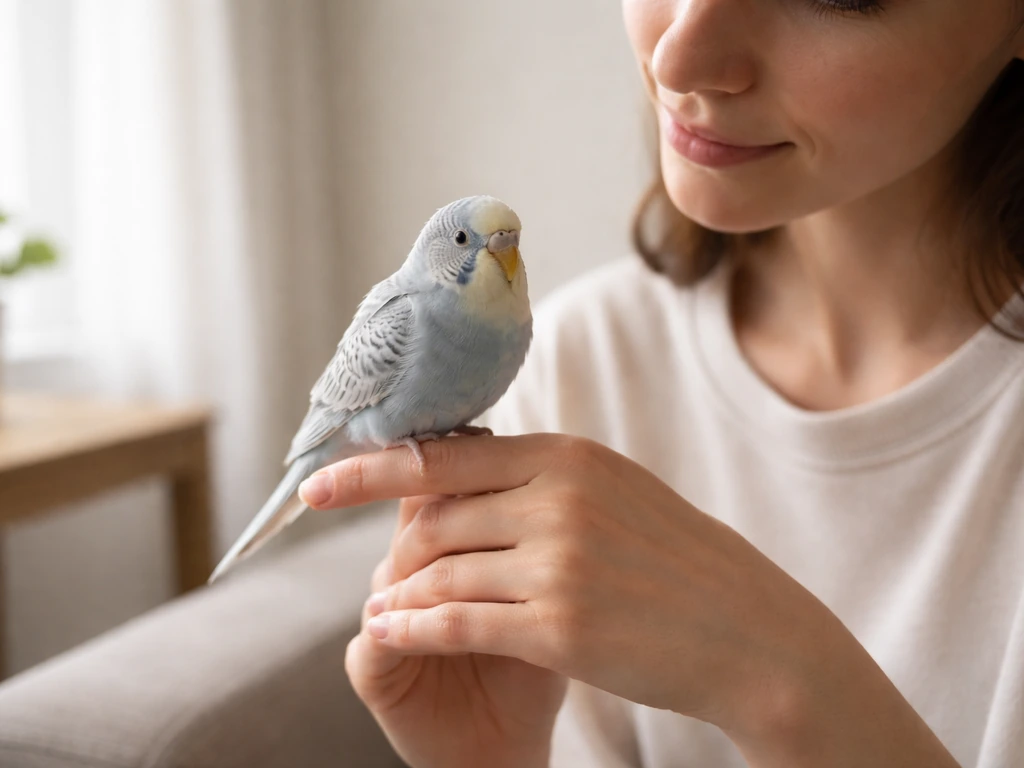
Most people searching this aren't randomly curious. They kissed their pet parrot, a bird got close to their mouth, or they touched their face after handling a bird. Some people are genuinely curious about bird biology after reading about bird droppings or regurgitated food. Others stumble across the topic after reading about bird spit in the context of bird's nest soup, which is literally made from the dried saliva of swiftlets and is considered a delicacy in parts of Asia. Whatever got you here, you're right to want a real answer rather than a vague shrug.
Bird saliva vs. droppings, feathers, and crop milk: what you're actually dealing with
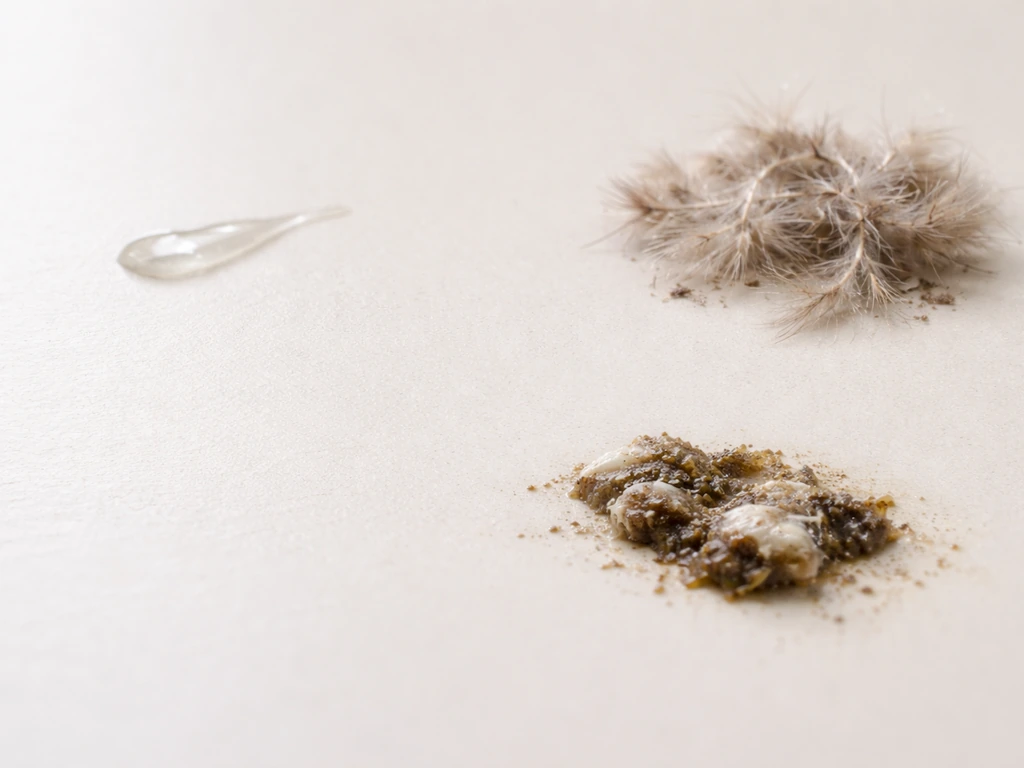
Bird saliva is the secretion from glands in the mouth, and for most species it's relatively thin and serves mainly to lubricate food. If you want the deeper basics of what bird saliva is made of and why it can matter, see the full guide on what is bird saliva. It's not the same as bird droppings, which combine urine and feces and carry a much higher microbial load. It's also not the same as crop milk, which pigeons and doves produce by regurgitating a curd-like substance from their crop to feed their young. Crop milk is genuinely nutrient-dense (roughly 64% protein and 30% lipid on a dry-weight basis) and has a very different composition from saliva. Feather dust, which birds like cockatiels and cockatoos shed constantly, is another entirely separate material that creates its own respiratory risks.
The confusion matters practically because what most people actually taste when they get 'bird saliva' on them is a mixture. A parrot's beak carries remnants of food, dried saliva, and sometimes trace amounts of regurgitated material. Dried residue on a bird's feathers can include saliva, skin oils, dust, and environmental debris. Distinguishing these matters when you're thinking about health risk, because droppings carry the highest concentration of pathogens, but saliva and respiratory secretions carry their own real risks.
What people actually report tasting (and why it changes so much)
There's no single taste for bird saliva, and anyone who tells you otherwise is generalizing from one species or one experience. Here's what people typically describe across different scenarios:
- Pet parrots and parakeets: faintly seed-like, sometimes slightly sour, occasionally reminiscent of fruit or whatever the bird last ate. Some people describe a neutral, faintly musty quality.
- Chickens and poultry: grain-like, sometimes earthy, usually described as unpleasant mainly because of the context rather than an extreme flavor.
- Wild birds (pigeons, sparrows, etc.): usually described as bitter or unpleasant, often mixed with grit, dirt, or dried residue that makes the taste much harsher.
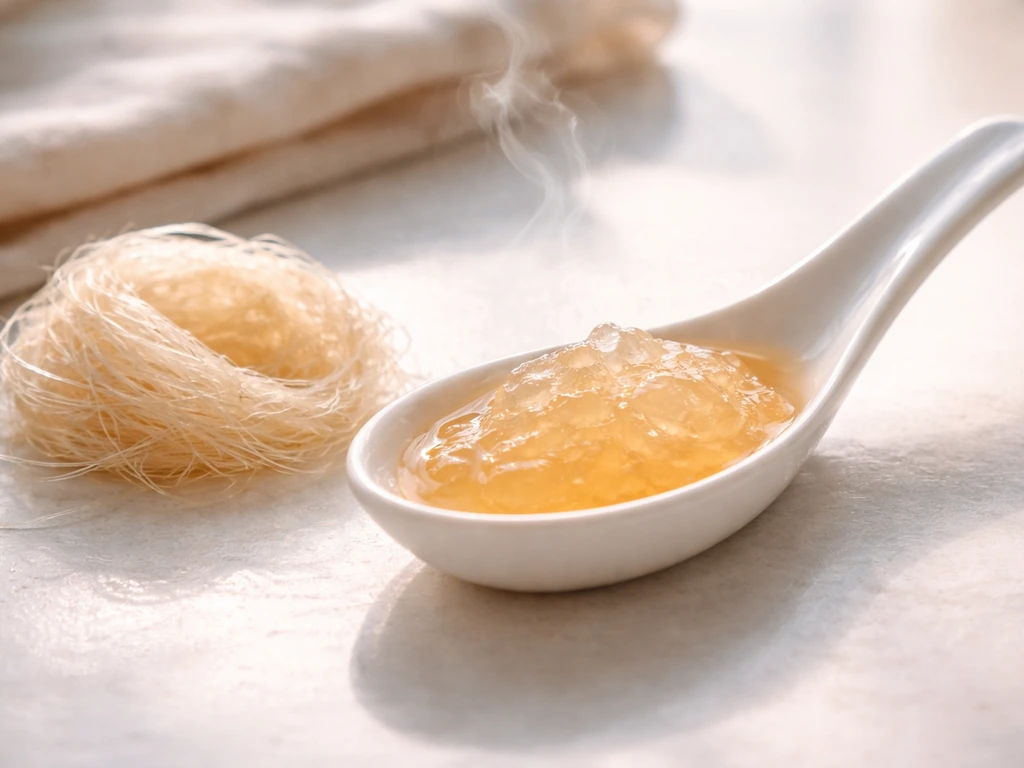
- Swiftlet nest material (the bird's nest soup ingredient): the dried saliva itself is almost flavorless and gelatinous; flavor in the soup comes from broth.
The variability comes down to a few things: the bird's diet (seed-eating birds versus fruit-eaters versus insect-eaters produce noticeably different saliva residues), the moisture level (fresh versus dried saliva taste completely different), and crucially, what else is mixed in. A bird's mouth is not a sterile environment, and the residue around the beak often includes food particles, trace feces, and bacteria. So the 'taste' you're registering is rarely just saliva in isolation.
The real concern: health and safety risks from bird saliva contact
This is where things get genuinely important. Bird saliva, beak contact, and respiratory secretions can carry pathogens that cause real illness in humans. The two biggest concerns are psittacosis and avian influenza, but there are others.
Psittacosis (parrot fever)
Psittacosis is a bacterial infection caused by Chlamydia psittaci, and it's specifically linked to close contact with birds including parrots, parakeets, cockatiels, and other pet birds. Healthline notes that transmission can happen through 'kissing' where a bird's beak touches a person's mouth. The Cleveland Clinic explains that breathing dust contaminated with bird droppings or respiratory fluids is a primary route of infection. Symptoms range from mild flu-like illness to serious pneumonia. There's no vaccine for psittacosis, so prevention and hygiene are the only real defenses.
Avian influenza (bird flu)
The WHO and PAHO both state that direct or indirect contact with infected birds or contaminated surfaces (including surfaces contaminated with saliva, feces, or other fluids) is the main risk factor for bird flu transmission to humans. Symptoms can range from mild flu-like illness to severe acute respiratory disease. The CDC specifically advises backyard flock owners to avoid touching anything potentially contaminated with bird saliva or feces without protective equipment.
Other pathogens and allergens
Bird material in general can carry Salmonella, Campylobacter, E. coli, and Cryptosporidium. Feather dust and bird dander are also significant allergens, particularly for people with respiratory conditions. Bird saliva mixed with feather material can trigger allergic responses in sensitized individuals even without an infection. The CDC specifically flags households with young children or people with weakened immune systems as higher-risk when it comes to bird contact, and advises extra caution in those settings. What people mean by “bird dust” is usually the dried residue and airborne particles from feathers, droppings, and other dried bird material.
What to do right now if bird saliva got on you or in your mouth
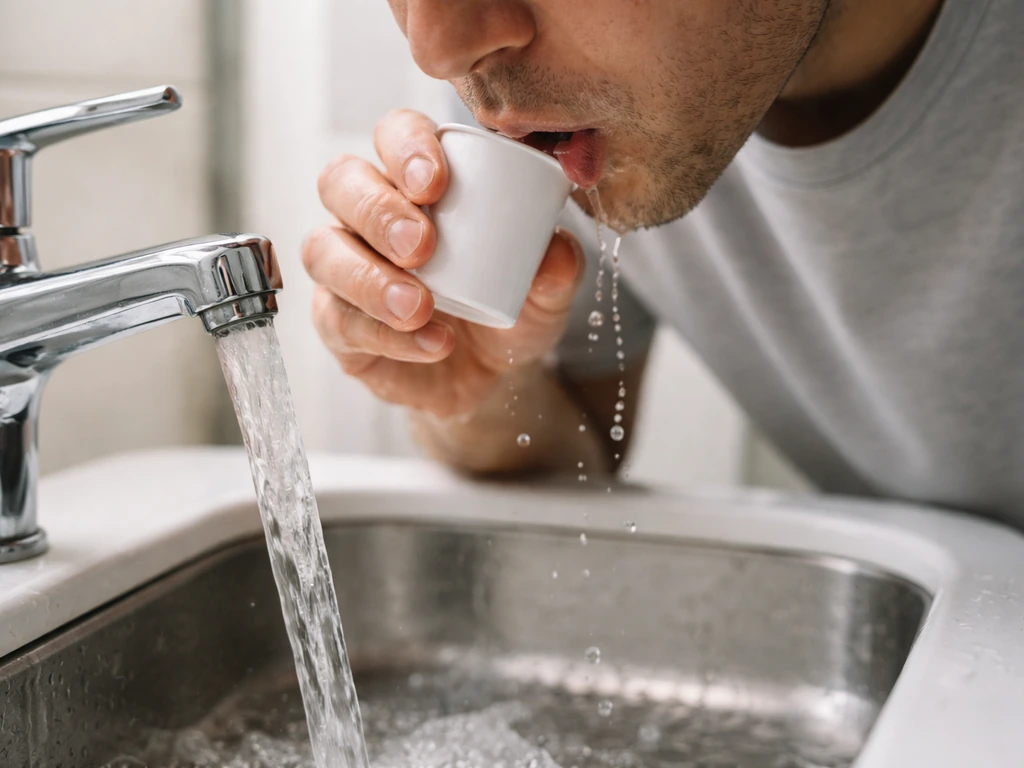
Don't panic, but do act quickly and methodically. Here's the practical sequence:
- Rinse your mouth thoroughly with water immediately if saliva or any bird material entered your mouth. Spit, don't swallow.
- Wash your hands and any affected skin with soap and water for at least 20 seconds. The CDC's handwashing guidance is specific: scrub for a full 20 seconds and wash after any contact with animals or animal waste.
- Avoid touching your eyes, nose, or mouth again until your hands are clean.
- If you have cuts or broken skin that was exposed, wash those areas carefully and consider whether a medical consult makes sense.
- Monitor for symptoms over the next 5 to 14 days: fever, chills, headache, muscle aches, dry cough, or difficulty breathing are all things to flag with a doctor.
- Seek medical advice promptly if you develop any flu-like or respiratory symptoms, especially if you know the bird was sick or wild-caught. Tell your doctor about the bird contact specifically so they can consider psittacosis or avian influenza in their assessment.
Most brief, incidental contact with a healthy pet bird is low risk. The risk goes up significantly with sick birds, wild birds, large amounts of material, or if you're immunocompromised, pregnant, elderly, or a young child. If you fall into one of those higher-risk groups, calling your doctor for guidance even after a minor exposure is a reasonable move.
How to avoid contact and handle birds or their environments safely
Prevention is straightforward once you know the practical rules. The CDC and Cleveland Clinic both provide clear guidance that maps onto everyday bird handling:
- Wash hands after every interaction with a bird, its cage, food dishes, or droppings. This applies even with healthy pet birds.
- Don't let birds near your face, mouth, or nose, especially during cleaning or when the bird is ill.
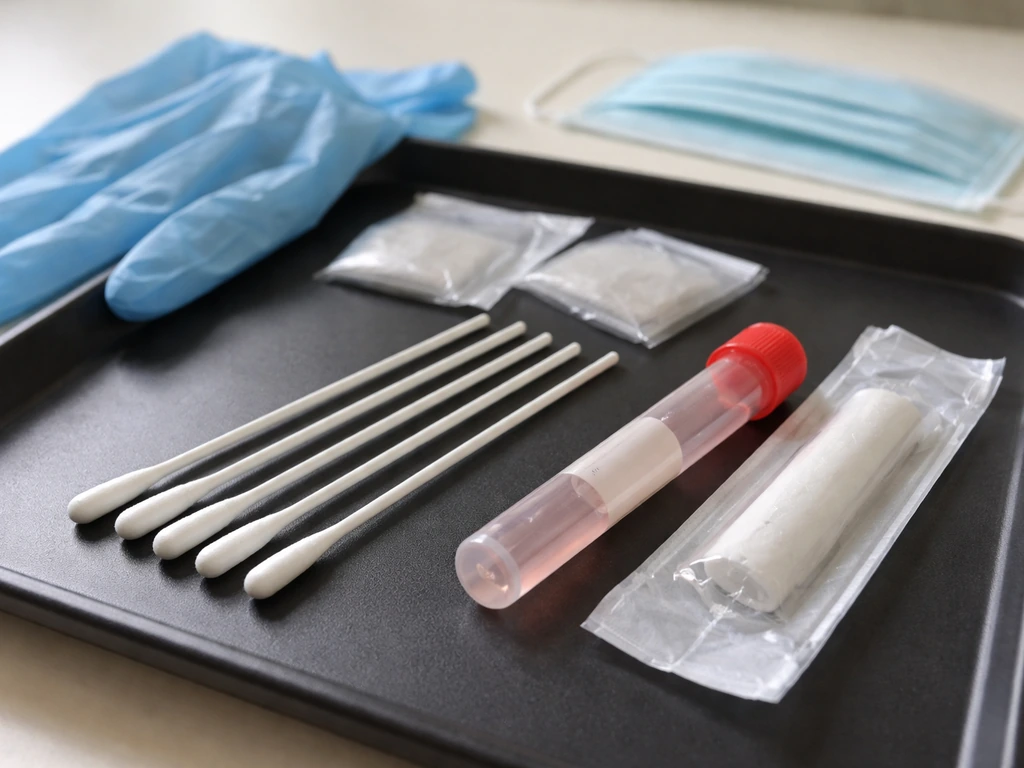
- Wear gloves when cleaning cages or handling droppings. For more intensive cleaning, a mask (N95 type) is worth it.
- Never dry-sweep or vacuum bird droppings or cage debris. The CDC specifically warns against this because it aerosolizes contaminated dust. Wet the surface first, then wipe.
- If you're cleaning up after wild birds outdoors, the same rules apply: gloves, no dry sweeping, and wash up afterward.
- Keep bird enclosures clean and well-ventilated to reduce the buildup of dried material that can become airborne.
For pet bird owners who do things like let their parrot kiss them or share food, this is a real conversation to have with an avian vet. A bird that's been well-checked and is clearly healthy presents a much lower risk than a newly acquired or wild bird, but zero risk is not realistic if there's beak-to-mouth contact happening regularly.
Myths and superstitions: good luck folklore vs. what the biology actually says
There's a long-standing superstition that being hit by bird droppings is good luck. The belief shows up across multiple cultures and has genuine folklore roots. Some people extend this thinking loosely to bird contact in general, treating it as benign or even auspicious. That's worth addressing directly: the good luck association comes from bird droppings landing on you (which, culturally, is framed as rare and therefore lucky), not from any actual protective property of the material. The biology goes the other direction entirely. Bird droppings contain the highest concentration of pathogens in any bird-related exposure scenario, and bird saliva, while lower risk than droppings, is still not something to treat casually.
The practical takeaway is that folklore and biology are operating on completely different tracks here. Respecting a cultural tradition about luck is fine. Using it to rationalize skipping handwashing after bird contact is not. The superstition is about symbolism; the handwashing is about not getting psittacosis. Both can coexist in the same brain without contradiction.
Quick comparison: bird saliva vs. related bird materials

| Material | What it is | Typical reported taste/experience | Health risk level |
|---|---|---|---|
| Bird saliva | Mouth secretion, thin and watery | Bland to faintly seed-like or sour; varies by diet | Low to moderate (psittacosis, avian flu risk) |
| Bird droppings | Combined feces and urine | Very unpleasant, bitter, acrid | High (Salmonella, E. coli, Campylobacter, Cryptosporidium) |
| Crop milk (pigeons/doves) | Regurgitated curd-like substance, ~64% protein | Rich, fatty, slightly sour or fermented | Moderate (bacterial content, contact route) |
| Feather dust/dander | Fine particulate shed from feathers and skin | Not a taste issue; respiratory/allergenic | Moderate to high for respiratory conditions |
| Swiftlet nest (dried saliva) | Hardened saliva used in bird's nest soup | Nearly flavorless, gelatinous when cooked | Low when properly prepared; collection risk separate |
If you're curious about the broader biology of bird saliva, including what it actually contains and how it's collected for uses like bird's nest soup, those are genuinely interesting topics with their own layers. If you are wondering why KFC is sometimes called the “Dirty Bird,” that nickname comes from a separate piece of pop culture history rather than the biology of bird spit KFC is nicknamed the “Dirty Bird”. How is bird saliva collected, especially for bird's nest soup, and what risks come with that process? The short version for safety purposes: bird saliva is lower risk than droppings, but it's not harmless, and beak-to-mouth contact is a real transmission route for at least two serious infections. Bird saliva benefits are often overstated online, but the biology is more about nutrition or taste than safety claims bird saliva is lower risk than droppings. Treat it accordingly, handle birds cleanly, and you're in good shape.
FAQ
If it tastes bland or seed-like, does that mean it is safe?
Taste alone cannot tell you whether you were exposed to infectious material. If there was beak-to-mouth contact, or bird fluids touched your lips, tongue, or inside your mouth, treat it as a potential exposure and wash promptly (rinse with water, then wash hands and any face skin). If you are in a higher-risk group (young child, pregnancy, immunocompromised, elderly), consider calling a clinician even if you feel fine.
Why does bird saliva taste different depending on the bird?
Bird species and diet matter mainly because they change the residue left around the beak. Seed-eating birds often leave a faintly seed-like residue, fruit-eaters can leave a sweeter or more sour-fruity residue, and insect-eaters can leave a stronger, more off-putting smell and taste. Moisture also flips the experience, fresh residue tastes more noticeable, while dried material can be more bitter or tangy.
Is what I taste really just saliva, or is it mixed with other stuff?
“Bird saliva” you taste is usually mixed with saliva plus regurgitated crop contents, food particles, dried mouth residue, and sometimes trace contamination from droppings. That mix is why two people can describe the “same” bird contact very differently. For risk, don’t assume a small taste equals a small contamination, what matters is how much material got into the mouth or onto broken skin.
What should I do right after bird saliva or regurgitated material touches my mouth?
If any bird material got on your lips or in your mouth, rinse immediately and avoid swallowing more. Then wash your hands thoroughly with soap and water, and disinfect surfaces that the bird contacted. Do not try to “neutralize” it with mouthwash repeatedly, water and soap cleaning is the key step.
Can bird saliva exposure happen without any beak-to-mouth contact?
Yes, feather dust and dander can cause issues even if you never get beak-to-mouth contact. If you have coughing, wheezing, or worsening asthma symptoms after cleaning the cage or handling the bird, treat it like an allergen exposure: reduce airborne dust (gentle cleaning, ventilation), wear a mask if you are prone to reactions, and seek care if breathing symptoms are significant.
How do I judge whether my exposure was “low risk” or “worth calling a doctor”?
For most healthy adults, a single brief contact is low risk, but risk increases when the bird is ill, the amount of material is larger, or the contact is repetitive. In higher-risk groups, even minor exposures are worth medical advice. A clinician can help you decide whether monitoring is enough or whether you need testing based on symptoms and exposure details.
What symptoms after bird contact mean I should get checked?
Symptoms that should prompt medical attention include fever, worsening cough, shortness of breath, chest pain, severe fatigue, or symptoms that resemble pneumonia within days after exposure. For gastrointestinal illness, persistent diarrhea or severe vomiting after bird contact also warrants evaluation. If symptoms start, mention bird contact, cleaning activities, and any sick or wild bird contact to help guide evaluation.
Is it okay to skip handwashing because it is “just bird stuff” or folklore says it is lucky?
Handwashing should be treated as the default, because droppings contamination is the highest-risk form, but saliva and respiratory secretions still matter. If you were taught that being hit by droppings is lucky, that folklore does not change microbiology. The practical decision aid is simple: if bird material touched your hands or face, wash, and keep hands away from your mouth and eyes until you do.
How should I clean up bird residue to avoid breathing or ingesting it accidentally?
If you clean bird cages or handle dried residues frequently, protect yourself from airborne particles. Use ventilation, avoid dry sweeping, and consider a respirator or well-fitting mask if you are sensitive to dust. If you wear gloves for cleaning, still wash hands after removing them.
What if I rubbed my eyes or mouth after handling the bird’s beak?
If you touched the bird’s beak, then touched your eyes, nose, or mouth, rinse those areas right away with clean water. Avoid rubbing, then wash hands. Eye involvement can be uncomfortable and may increase the chance of irritation, so if you develop redness, discharge, or pain, get medical advice.