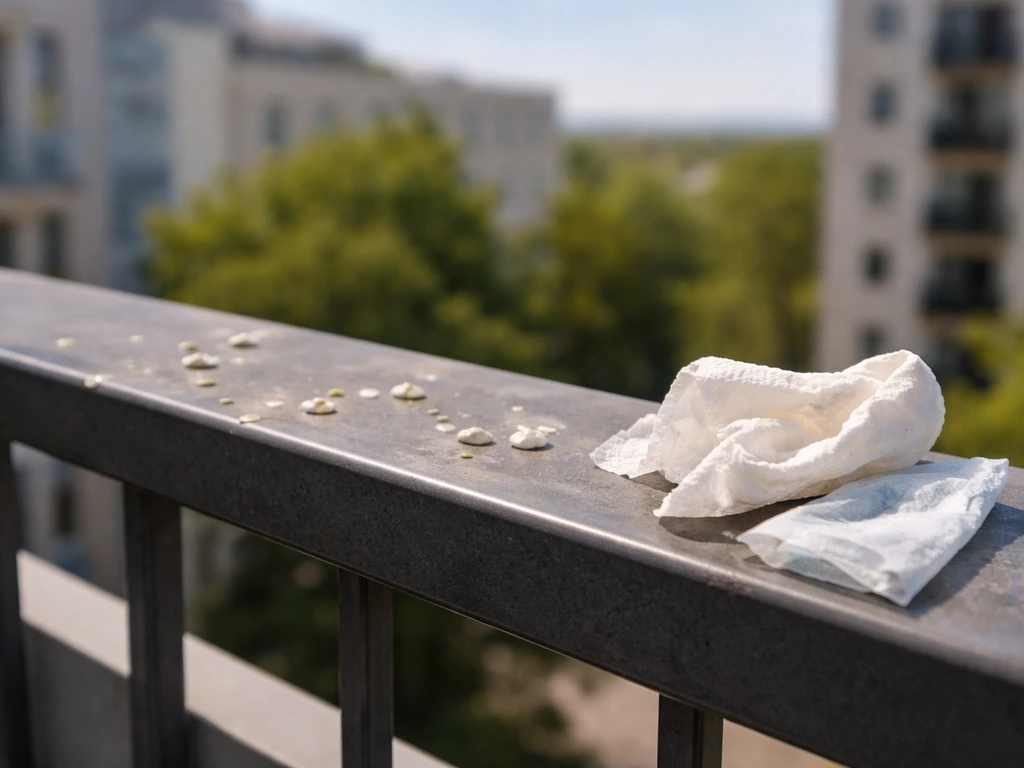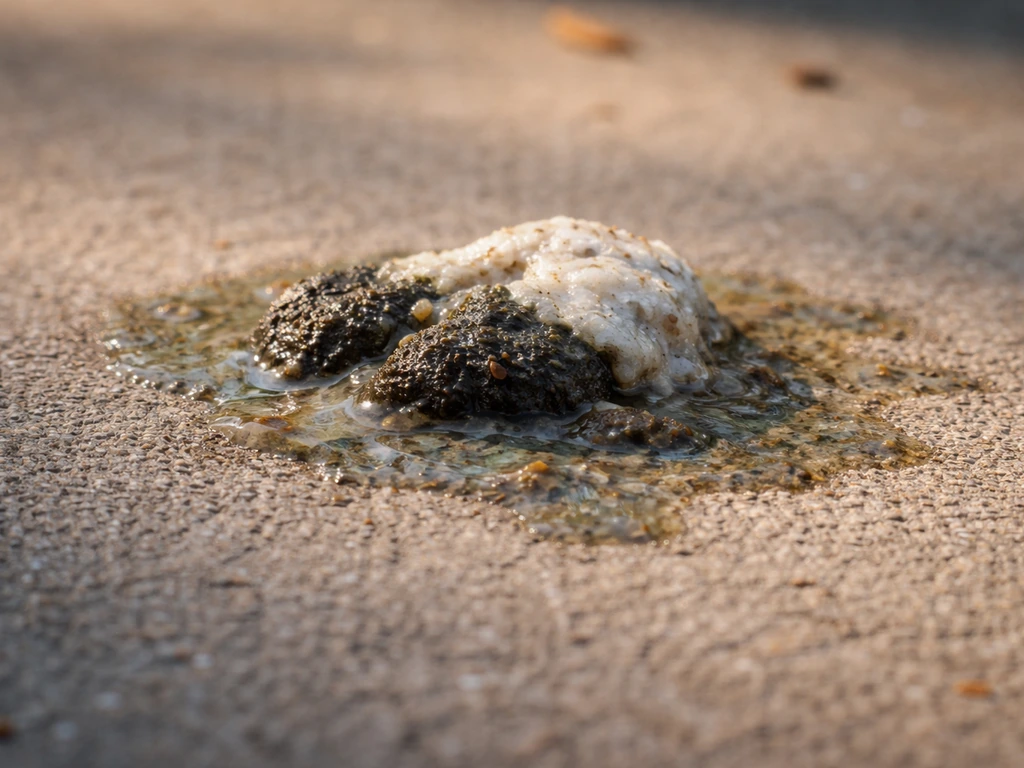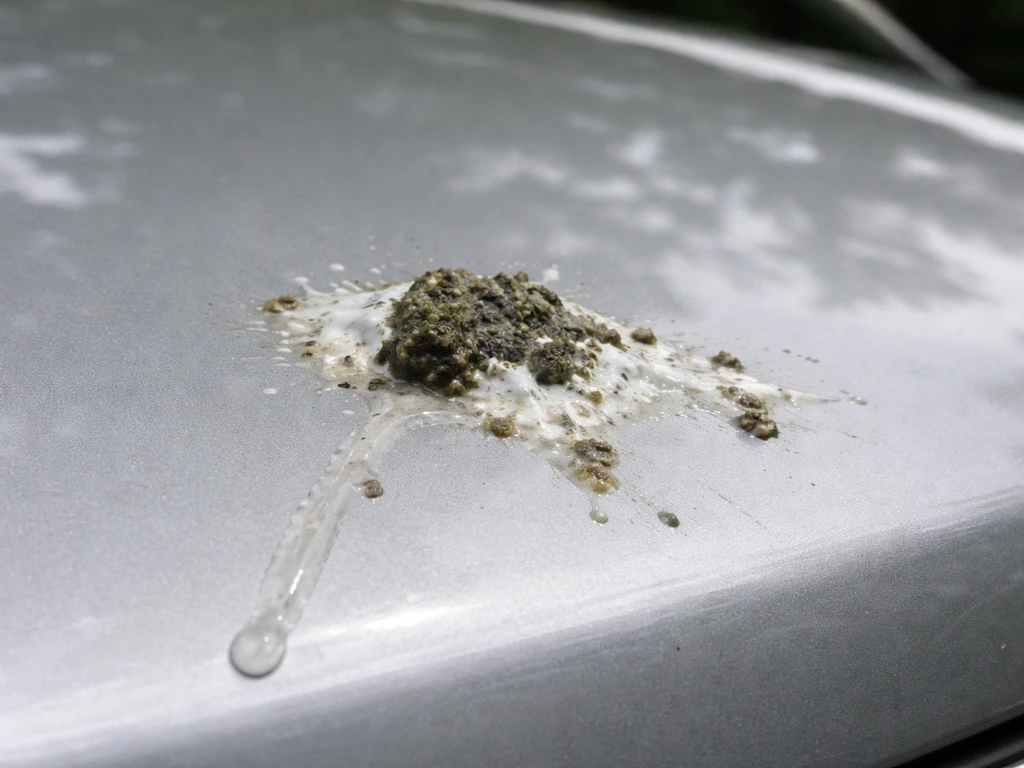
Bird guano is bird droppings, plain and simple. blank" rel="noopener noreferrer">The word comes from the Quechua word "wanu" (meaning dung or fertilizer), passed through Spanish into English sometime in the early 1600s. In everyday use, guano and bird poop mean the same thing, though "guano" carries a slightly more formal or historical weight, especially when talking about large deposits used as fertilizer. What makes it a little more complicated than plain feces is that birds don't have separate systems for solid waste and liquid waste. What lands on your car, roof, or shoulder is actually a mix of fecal matter and urine in one tidy (or not so tidy) package.
What Is Bird Guano? Health Risks and Safe Cleanup Steps

Marcus Fielding
17 May 2026
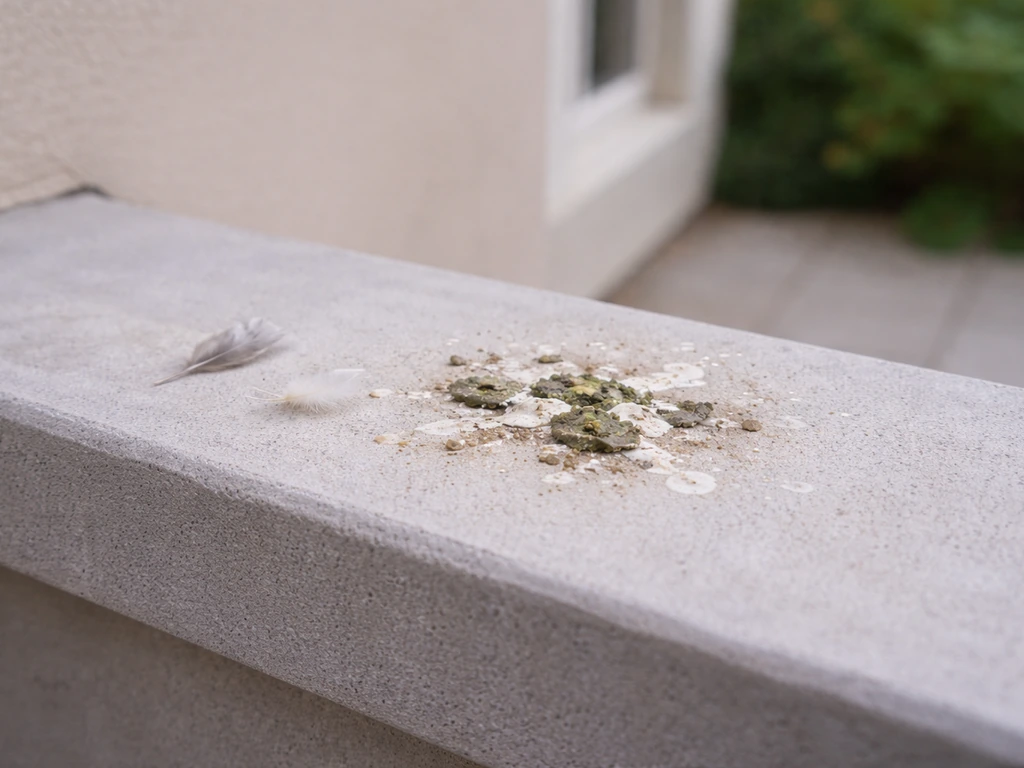
What bird guano actually contains
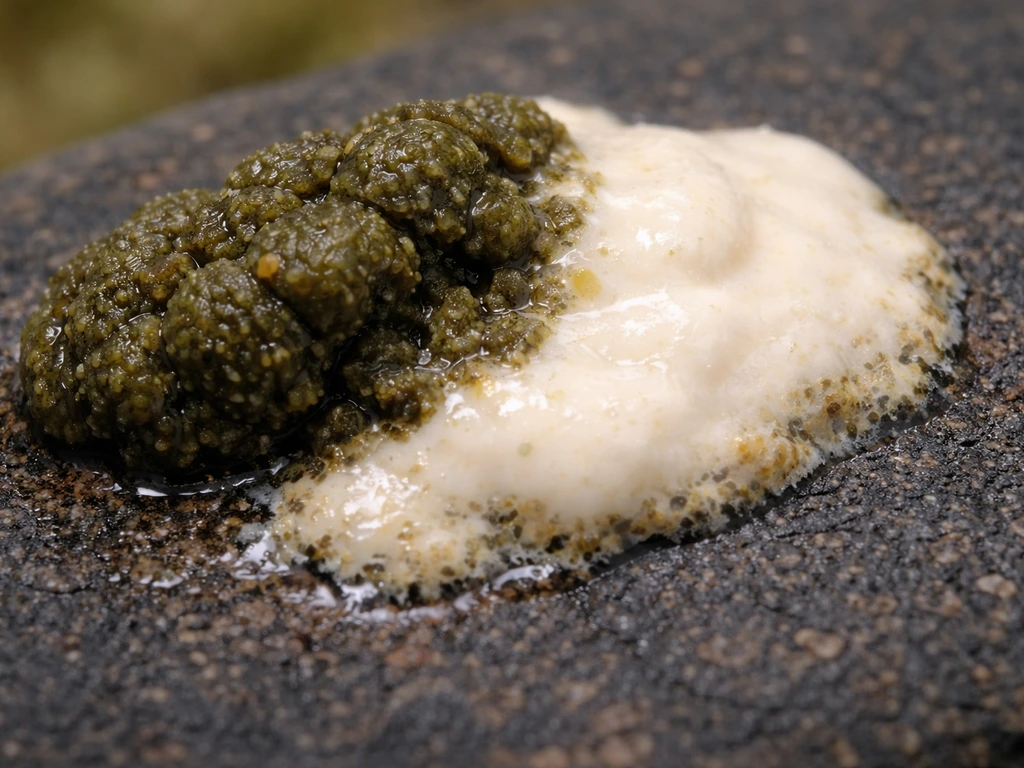
Bird guano is a mix of three components: feces (the dark or greenish solid portion), urates (the white or creamy paste, which is the bird equivalent of urine), and sometimes undigested food material like seeds, berries, or insect parts. Because birds process nitrogen differently from mammals, their "urine" is excreted as uric acid rather than liquid urea, which is why you almost always see that white chalky paste alongside the darker solid. The ratio of those components shifts depending on what the bird has been eating and how hydrated it is. A berry-fed bird will leave a purplish-red stain; a fish-eating seabird leaves something far more pungent and oily.
Beyond the basics, guano can contain bacteria, fungi, and parasites. The specific cocktail depends on the bird species, its diet, and its environment. That's relevant not just for science trivia but for your health and your property, which we'll get into shortly.
How it looks, smells, and varies by bird
Fresh guano is usually a combination of dark green or brown (the fecal portion) and white (the urate portion). It's moist, sticky, and bonds aggressively to porous surfaces like concrete, wood, and paint. As it dries, the urate portion turns chalky and powdery, and the whole mass hardens into something that can actually etch car paint and damage roof materials if left long enough. The smell varies widely: smaller songbird droppings are relatively mild, while seabird colonies and pigeon roosts produce a sharp, ammonia-heavy odor that you can smell from a distance.
Different birds produce noticeably different guano. Pigeons and starlings, the most common urban offenders, leave frequent medium-sized deposits that accumulate fast on window ledges and rooflines. Seagulls produce larger, wetter, often more pungent droppings because of their high-protein fish diet. Smaller birds like sparrows and finches leave tiny droppings that are easy to miss individually but can cover a surface quickly in numbers. Large birds like geese produce thick, grass-green tubular droppings that are voluminous enough to be a genuine slip hazard on sidewalks and boat docks.
The real health risks (and what's actually exaggerated)
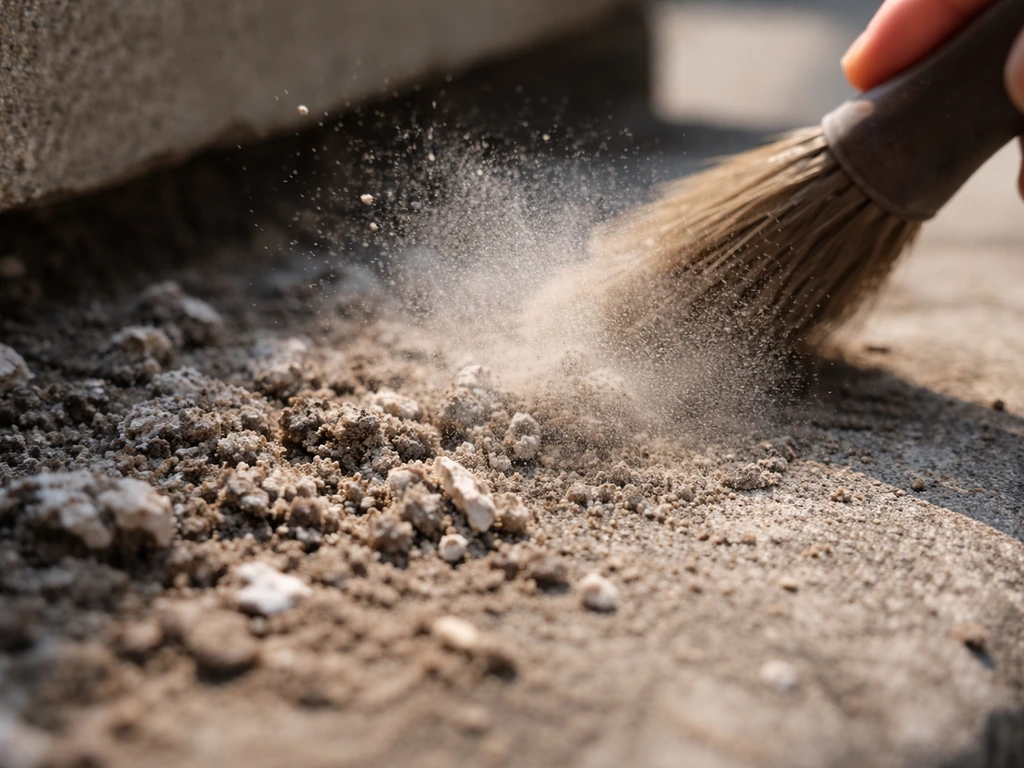
The biggest legitimate health concern with bird guano isn't touching it, it's breathing it in. When dried droppings are disturbed, they can release fine dust containing fungal spores, bacteria, and other pathogens. The one you should know about is Histoplasma capsulatum, the fungus responsible for histoplasmosis. The CDC is clear that breathing in Histoplasma spores found in soil or material contaminated with bird or bat droppings is the primary exposure route. Most healthy people exposed to low levels won't get sick, but people with weakened immune systems, respiratory conditions, or heavy exposure (think: cleaning out a decade-old pigeon roost without a respirator) face real risk of a respiratory illness that can range from flu-like symptoms to serious lung infection.
Other genuine concerns include Cryptococcus (another fungal pathogen associated with pigeon droppings), Salmonella, and E. coli from contact with contaminated surfaces. Psittacosis, a bacterial infection caused by Chlamydia psittaci, is a risk primarily from pet birds or wild parrots rather than from random pigeon guano on your patio. So: the risks are real, but they're context-dependent. A single bird dropping on your windshield is not a medical emergency. A large, long-accumulated roost of pigeons in your attic that you're about to clean without protection? That's where you need to take it seriously.
| Health Risk | Main Exposure Route | Who's Most at Risk | Risk Level (Typical Exposure) |
|---|---|---|---|
| Histoplasmosis (Histoplasma fungus) | Inhaling dust from dried droppings | Immunocompromised, heavy occupational exposure | Low for casual contact, moderate-high for large cleanups |
| Cryptococcosis (Cryptococcus fungus) | Inhaling aerosols/dust from pigeon droppings | Immunocompromised individuals | Low for healthy adults |
| Salmonella / E. coli | Hand-to-mouth after surface contact | Anyone, especially children | Low with basic hand hygiene |
| Psittacosis (Chlamydia psittaci) | Direct contact or inhaling dust from infected birds | Pet bird owners, poultry workers | Very low from wild street birds |
| Skin/eye irritation | Direct contact with fresh guano | Anyone | Mild, manageable |
What to do if you get bird guano on your skin, eyes, or breathe it in
If guano lands on your skin, don't panic. Wash the area thoroughly with soap and warm water for at least 20 seconds. Avoid touching your face before washing. This handles the vast majority of casual skin contact situations without any further steps needed.
Eye exposure is more urgent. If guano or dust from dried droppings gets into your eyes, flush them immediately with clean, lukewarm water for 10 to 15 minutes. Hold your eyelids open and let the water run over the surface of the eye. If redness, pain, or blurry vision persists after flushing, contact a doctor or go to urgent care. Don't rub your eyes first, that spreads the material further.
If you accidentally inhale a significant amount of dust while disturbing dried droppings (no mask, enclosed space, large deposit), monitor yourself over the next few days for respiratory symptoms: persistent cough, fever, fatigue, or chest pain. These could indicate histoplasmosis or another respiratory infection. A one-time brief exposure in a healthy adult usually doesn't require treatment, but if symptoms develop within two weeks, tell your doctor about the exposure. They need that context to make the right call.
- Skin contact: Wash with soap and water for at least 20 seconds. Done.
- Eye contact: Flush with clean water for 10 to 15 minutes. See a doctor if irritation continues.
- Inhalation of dust: Leave the area, get fresh air. Monitor for flu-like symptoms over the next 1 to 2 weeks.
- Swallowed (especially a concern with children): Rinse mouth, drink water, call Poison Control or your pediatrician if concerned.
- Any ongoing symptoms (fever, cough, chest tightness): See a doctor and mention the guano exposure.
How to clean bird guano safely (roofs, patios, cars, and more)
The golden rule of guano cleanup is: never dry-brush or dry-sweep it. That's how you aerosolize the particles you don't want in your lungs. Always wet the droppings first to bind the dust before you remove them.
Roofs and gutters
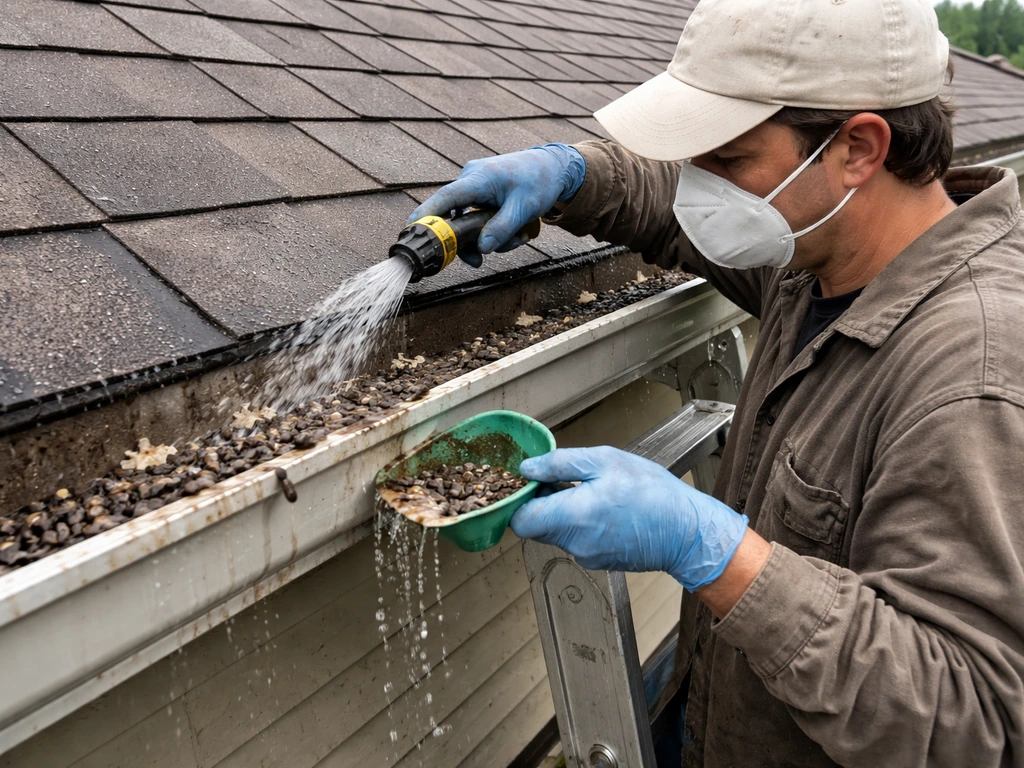
For heavy accumulation on roofs or in gutters (common with pigeons or seagulls), wear an N95 respirator, disposable gloves, and old clothes you can bag afterward. Wet the guano thoroughly with a garden hose or spray bottle before scooping or scrubbing. A diluted bleach solution (about 1 part bleach to 9 parts water) or an enzyme-based cleaner will help disinfect the surface. The CDC and NIOSH both emphasize that preventing accumulation in the first place is the best strategy, so once you've cleaned up, think about bird deterrents like spikes, netting, or decoys to stop the problem from recurring.
Patios, balconies, and sidewalks
Wet the dropping first with a spray bottle or hose. For concrete and stone, let the water soak in for a minute to soften the deposit, then scrub with a stiff brush and a diluted disinfectant. Rinse thoroughly. For sealed surfaces like tile or painted concrete, the same process works but you can be a little gentler since dried guano lifts more easily from non-porous surfaces once it's been wet. Dispose of any scraping waste in a sealed bag.
Cars (and protecting your paint)
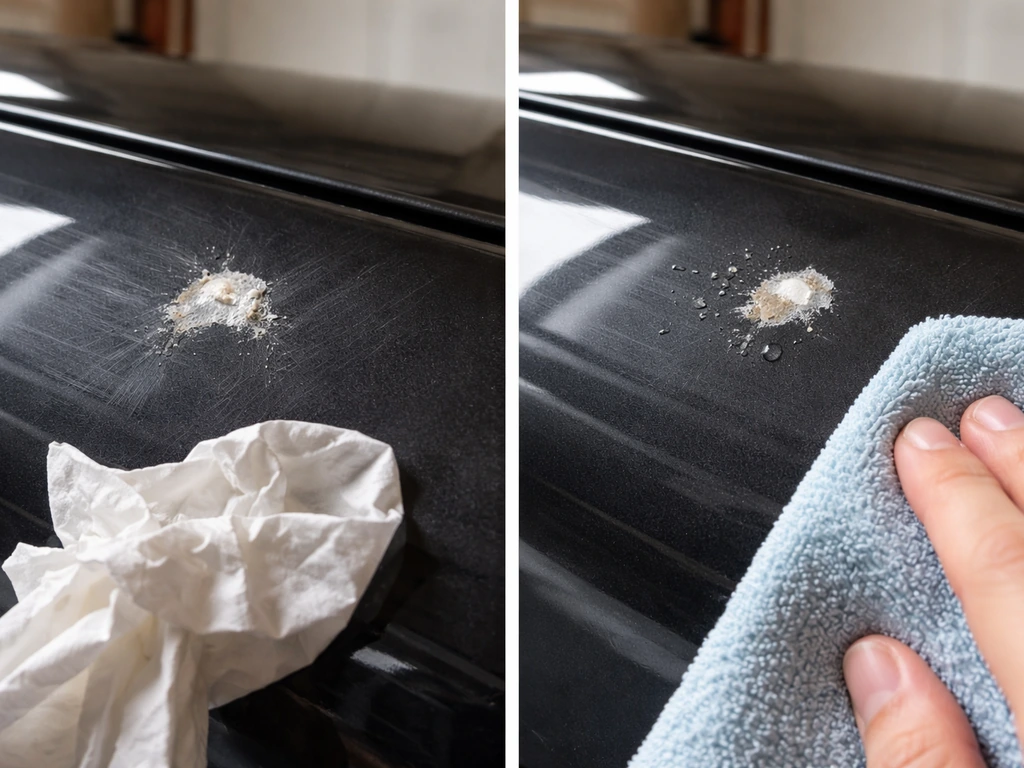
This is where most car owners go wrong: they wipe bird guano off dry with a paper towel or sleeve, which is the fastest way to scratch your clear coat. Bird guano has a pH around 3 to 4. 5 (quite acidic), and the uric acid in it literally etches paint if left for more than a few hours, especially in sun and heat.
The right move is to soak the spot with a wet microfiber cloth or spray detailer for 30 to 60 seconds to soften the deposit, then blot (not wipe) it away with a clean microfiber cloth. Follow up with a quick-detailer spray or a dedicated bird dropping remover product to neutralize any residual acid.
If the car has been sitting in the sun with guano on it for a day or more, you may already have an etch mark in the clear coat, and that's a job for a detailer or a paint correction compound.
Indoor areas
If you have an indoor accumulation (a bird that got inside, a heavily infested attic, or a pet bird cage), the approach is the same: wear gloves and a respirator, wet everything before disturbing it, and bag waste immediately. For cage cleaning, warm soapy water followed by a bird-safe disinfectant is the standard routine. Avoid using harsh phenol-based cleaners around live birds because those are toxic to them.
Pet and car owner considerations
If you have a dog or cat that's been rooting around in areas with bird droppings, wash their paws before they come inside. Dogs especially will sniff, lick, and roll in whatever catches their interest, and guano qualifies. A dog that ingests a significant amount of droppings from a large roost could theoretically be exposed to Salmonella or Campylobacter. It's not a reason to panic if it happens once, but it's a good reason to discourage the habit. If your dog shows signs of digestive upset (vomiting, diarrhea) in the 24 to 72 hours after a known exposure, mention it to your vet.
For car owners, the practical habit worth building is keeping a small spray bottle of quick-detailer and a microfiber cloth in your car. The faster you deal with a fresh dropping, the less damage it does. Parking under a tree or near a power line where birds congregate is always a gamble. A good quality car wax or paint sealant also provides a sacrificial layer that makes guano easier to remove and slows acid etching.
Is bird guano ever safe to use in gardens or compost?
Commercially processed seabird guano is actually one of the most nutrient-dense organic fertilizers available, high in nitrogen, phosphorus, and potassium. It's been harvested and used for agriculture for centuries, particularly from large seabird colonies along coastlines in South America and the Pacific. The key word there is processed. Commercial guano fertilizer products are dried, tested, and safe to handle with basic precautions (gloves, avoid inhaling dust, wash hands after use).
Fresh, raw guano from wild birds in your yard is a different story. It can contain live pathogens that would survive in your compost pile and potentially transfer to vegetables you're going to eat. Hot composting (a pile that reaches 130 to 160 degrees Fahrenheit internally) can kill most pathogens, but most backyard compost piles don't consistently hit those temperatures. For vegetable gardens especially, stick to the commercial product and skip the idea of adding wild bird droppings directly. For ornamental plants or lawn use, the risk is lower but still not zero, and the smell and pathogen concern make it not worth the hassle when commercial options are cheap and widely available.
The good luck myth and other things people wonder about
There's a surprisingly widespread belief across multiple cultures that being pooped on by a bird is good luck. In Russian, Turkish, and parts of Western European folklore, bird droppings landing on you (or your car, or your house) is a sign of incoming fortune. Some versions specify it has to be unexpected, which, to be fair, most bird poop encounters are. The cynical read is that this superstition evolved as a coping mechanism for an unpleasant experience. The more generous read is that it's a genuine piece of cultural symbolism that has persisted because it makes people feel better about something they can't control.
People also often wonder about terminology: is bird poop always called guano? Technically, guano refers specifically to accumulated droppings (historically from seabirds or bats) and is more often used in contexts involving large quantities or fertilizer use. The everyday word is just "bird poop" or "bird droppings." "Guano" sounds more scientific, but they're describing the same thing. If you're curious about all the terms people use for bird waste, that's a rabbit hole of its own.
Another common question: does the color or appearance tell you something about a bird's health? Yes, actually. Healthy bird droppings have a consistent three-part look (dark solid, white urate, small amount of clear liquid). All-green, all-liquid, bloody, or entirely white droppings can signal illness in a pet bird. For wild birds, you're unlikely to see enough of one individual's droppings to track changes, but color shifts in pet bird waste are worth noting and discussing with an avian vet.
Your practical next steps, summarized
- If guano landed on your skin: soap and water, move on with your day.
- If it hit your eyes: flush for 10 to 15 minutes, see a doctor if irritation continues.
- If you inhaled dust from a large dried deposit: monitor for respiratory symptoms for two weeks, see a doctor if they develop.
- Cleaning a small area (patio, car): wet it first, blot or scrub gently, disinfect, bag waste.
- Cleaning a large accumulation (roof, attic, roost): N95 respirator, gloves, wet-before-disturb, diluted bleach or enzyme cleaner, bag and seal all waste.
- For your car: always use a wet microfiber and detailer spray, never dry wipe. Act fast, the longer guano sits in sun, the more it etches your paint.
- For pets: wash paws after outdoor exposure, watch for GI symptoms if ingestion occurred.
- For gardens: use commercially processed guano fertilizer, not raw wild droppings, especially near edibles.
- To prevent future accumulation: bird spikes, netting, or deterrents on ledges and rooflines are far easier than repeated heavy cleanups.
FAQ
Will a car wax or paint sealant prevent bird guano from damaging my clear coat?
Use it for weathered or heavy buildup only, not for fresh splatters. Sealants and wax help prevent direct acid contact, but once guano has sat long enough to etch, a protective layer will not reverse the damage, you will still need wet cleaning and possibly paint correction.
If the smell is strong, does that mean the guano is more dangerous?
For mild, non-porous messes, you can reduce odor with thorough rinsing and prompt wet removal. Avoid “masking” with fragrances, because the main risk is dust and biological contamination, not just smell. If you see powdery dry residue, wet it first before any further cleaning.
Is breathing bird guano dangerous even if it is fresh and not dried?
Yes, but only if it has dried and is disturbed. A single droplet that stays wet is less likely to aerosolize spores, while dried deposits (attics, ledges, roost areas) create dust when brushed or swept.
Can I just use regular all-purpose cleaner to remove bird guano safely?
Not reliably. Many soaps and general household cleaners do not neutralize the acidic uric acid component. For cars, the “soak then blot” method plus a dedicated bird-dropping remover or follow-up quick-detailer is usually safer than using kitchen degreasers or window cleaners.
My dog keeps sniffing and licking areas under roosts, should I worry about long-term exposure?
If your pet repeatedly gets into guano areas, the higher-risk exposure is ongoing contact, not one accidental lick. Focus on interrupting the behavior, washing paws, and preventing access. If there is repeated heavy exposure or persistent symptoms, ask your vet about stool testing.
Do I need a respirator for every small bird dropping, like one on a patio tile?
Gloves and a respirator are most important for large or indoor accumulations. For a single outdoor droplet, gloves are optional but eye protection is still smart if you are cleaning above head level. The key is avoiding dust disturbance, not just skin contact.
What if guano keeps staining after I clean, does that mean it is still unsafe?
Yes, especially on porous surfaces like unsealed wood, brick, or textured stone. Wet cleaning may not fully remove staining or embedded contamination. In that case, remove as much as possible, then consider resurfacing or sealing after thorough drying, or have a professional handle it.
What is the right way to remove guano from a windshield or car paint without scratching?
Don’t rely on a paper towel, especially on paint. The safe approach is to wet first, then blot with a microfiber cloth, re-wet if needed, and rinse. For any scratched area, you may need a compound or correction to restore appearance.
Is it safe to use bleach to clean bird guano near a garden or houseplants?
Use the same wet-first approach and bag the waste, but you should also protect nearby plants. A diluted bleach solution can damage greenery, and runoff can be a problem. Prefer targeted wet removal, then disinfect only the surface area you cleaned (and allow it to fully dry before letting runoff reach soil).
How do I decide whether my attic cleanup is “DIY safe” or needs professional help?
Yes, if you have to enter the space (attic, basement, crawlspace) where there is an accumulation. Ventilation alone may not prevent inhalation of dust. For heavy deposits, a properly fitted respirator and limiting disturbance, wetting, and bagging are the practical baseline.