Watery bird poop is usually caused by too much fruit, leafy greens, or other high-moisture food in your bird's recent diet, or by stress from a change in environment or routine. In most cases, if your bird is acting normal, eating well, and the watery droppings started after an obvious diet change, you can adjust the diet and watch closely for the next 12 to 24 hours. If the droppings are still watery after that window, or your bird looks fluffed up, lethargic, or off its food, it's time to call an avian vet, not tomorrow, today.
Why Is My Bird Poop Watery? Causes and What to Do

Marcus Fielding
23 May 2026
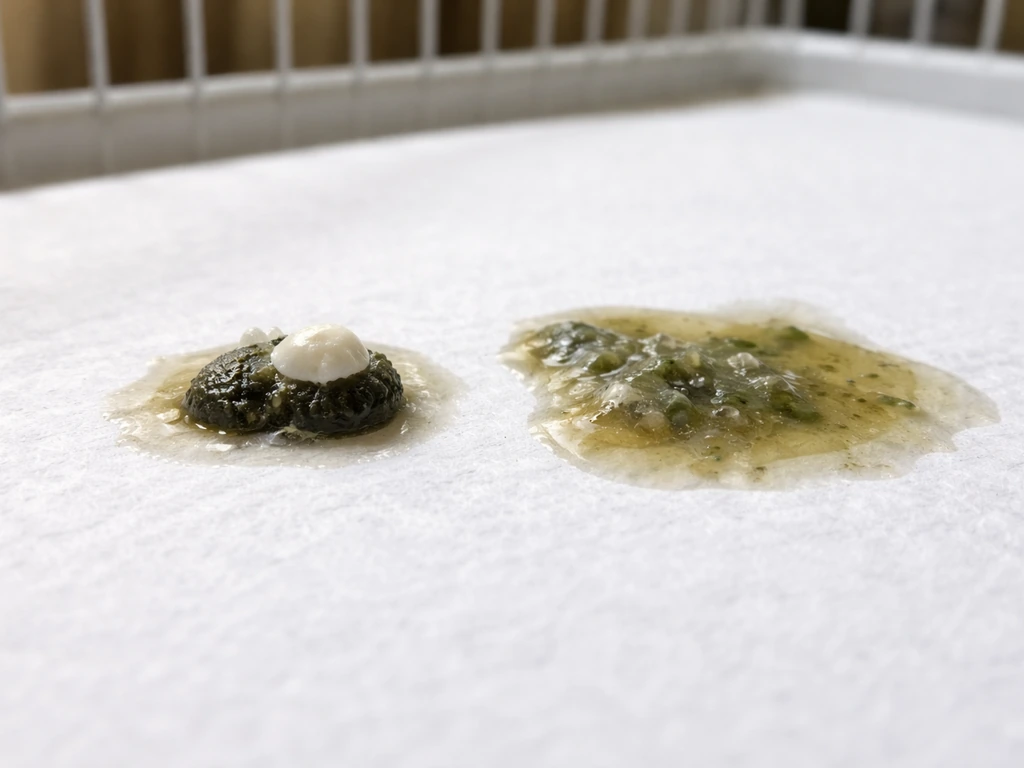
Quick check: what watery poop actually looks like and how urgent it is
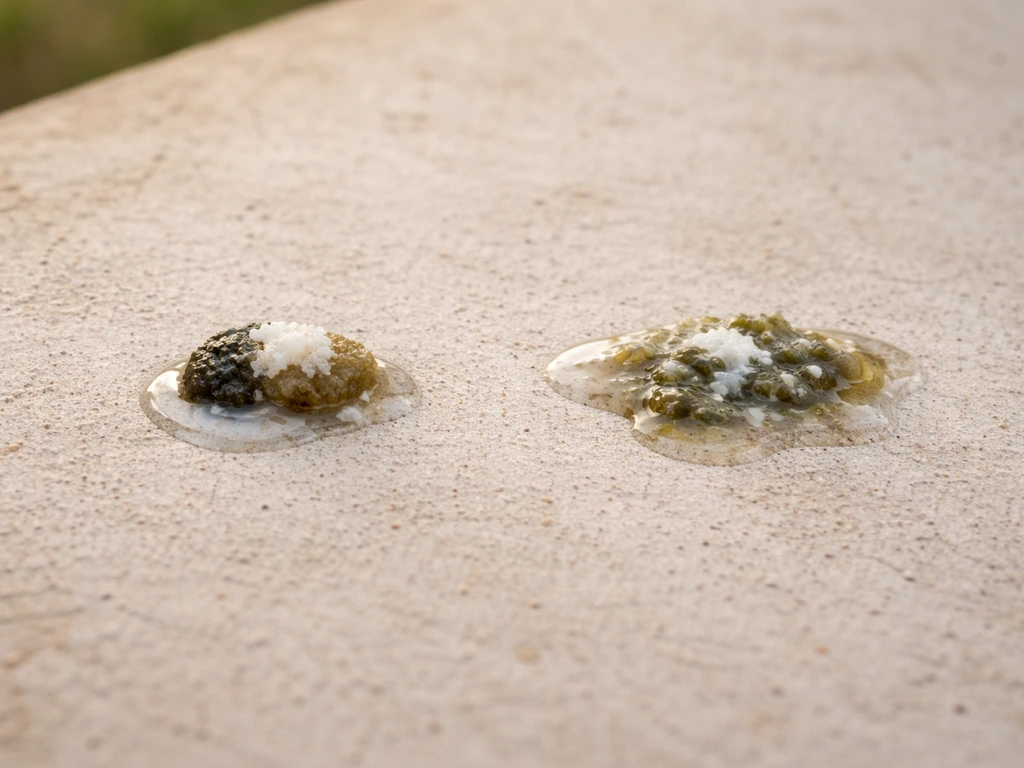
Normal bird droppings have three distinct parts: a dark solid fecal core, white or cream-colored urates (those are uric acid crystals), and a small amount of clear liquid urine pooled around the edges. When something is off, those three zones stop looking distinct. The key question is: which part is wrong?
There are two very different things that owners call 'watery poop,' and they matter differently. The first is polyuria, where the fecal core still looks mostly formed but there's a large puddle of watery urine around it. The second is true diarrhea, where the fecal portion itself becomes unformed and blends into the liquid so you can't see a separate solid core at all. That 'pea soup' consistency is the more worrying one. Both are worth watching, but true diarrhea is a faster escalation to the vet.
Urgency-wise: one or two watery droppings in a bird that is bright-eyed, perching normally, and eating is usually not an emergency. Watery droppings that persist beyond 12 to 24 hours, or that appear alongside any other symptom at all, cross into urgent territory.
Common non-medical causes of watery droppings
Diet is far and away the most common reason bird droppings suddenly look watery. Foods with high water content, especially fresh fruit like grapes, watermelon, or berries, and leafy greens like romaine or kale, push a lot of extra water through the digestive system. This shows up as extra liquid around the dropping rather than a change in the fecal core itself. Pull the high-moisture treats, go back to the usual balanced diet, and most birds normalize within a few droppings.
- Sudden increase in fresh fruit or watery vegetables (grapes, cucumber, melon, berries, leafy greens)
- Switching from a seed-based diet to pellets, or vice versa — both change the urine-to-feces ratio
- More water intake than usual, sometimes triggered by a warmer room or new water source
- Stress from a new cage location, a new pet in the house, loud noises, or disrupted routine
- Recent handling by strangers, travel, or a vet visit causing short-term stress droppings
- Eating a treat or table food with high sugar or water content
- Environmental temperature changes causing increased drinking
Stress deserves special mention because it catches a lot of owners off guard. A bird that has been startled, moved to a new room, or had its cage rearranged can produce noticeably watery droppings for several hours. If you can connect the watery droppings to a clear stressor event and the bird's behavior is otherwise totally normal, that's reassuring context.
Illnesses that cause watery droppings
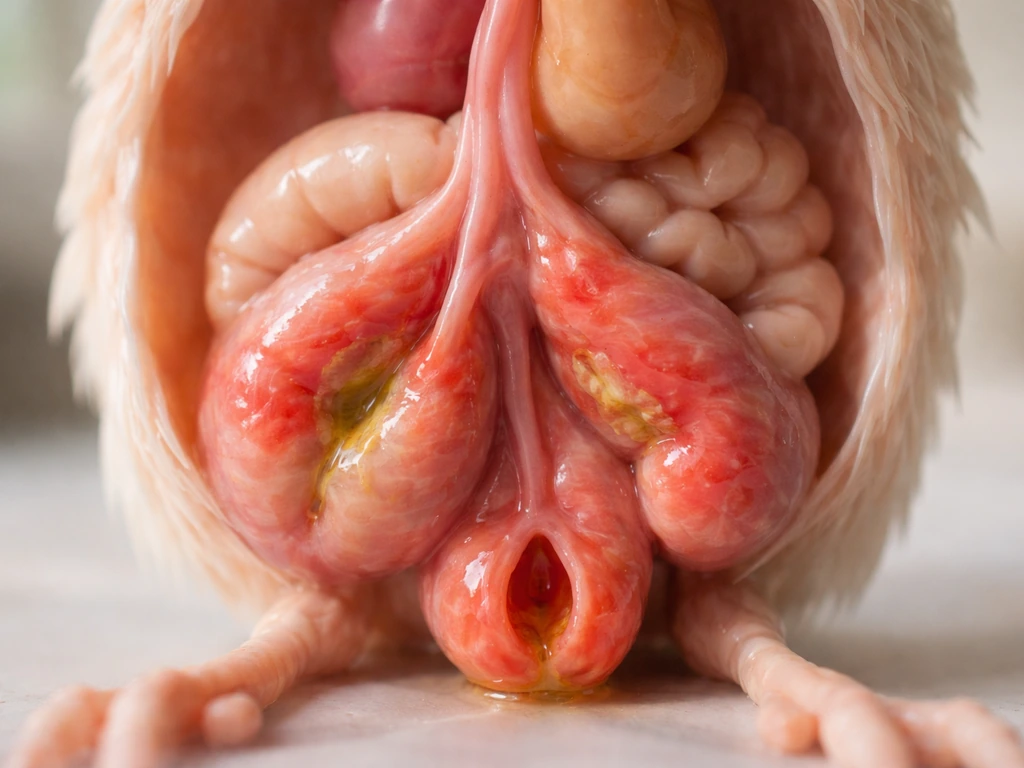
When there's no obvious diet or stress trigger, or the droppings don't return to normal within 24 hours, illness is a real possibility. Several infections and parasites specifically cause watery or unformed droppings in pet birds.
Bacterial and viral infections
Bacterial infections of the gastrointestinal tract are a common cause of true diarrhea in birds. Pathogens like Salmonella, E. coli, Chlamydophila (the bacterium behind psittacosis), and various others can disrupt gut function and produce watery, often discolored droppings. Viral infections can do the same. These tend to come with other signs of illness, including fluffed feathers, reduced appetite, or lethargy.
Parasites: Giardia and Coccidiosis
Giardia is a protozoan parasite that spreads when birds ingest Giardia cysts shed in contaminated droppings from an infected bird. It causes diarrhea, weight loss, and impaired nutrient absorption. You won't see the parasite with the naked eye, which is why a vet fecal test is essential when Giardia is suspected. Coccidiosis is another parasitic disease that can cause diarrhea and, in severe cases, bloody feces, anemia, and weakness. The Merck Veterinary Manual also notes that stressors such as poor sanitation, overcrowding, poor nutrition, and intercurrent disease can contribute to coccidiosis, which can cause diarrhea or watery droppings Poor sanitation and crowded or stressful conditions increase risk for both.. Poor sanitation and crowded or stressful conditions increase risk for both.
Organ and systemic disease
Kidney disease, liver disease, and diabetes can all cause polyuria (excess urine production) that makes droppings look very watery without any change to the fecal component. These conditions are more common in older birds or those on long-term seed-heavy diets. Reproductive issues in female birds and intestinal inflammation or tumors are other internal causes. This is the category where the bird may look fine for a while before things deteriorate, which is why the 24-hour rule matters even for seemingly alert birds.
At-home troubleshooting steps you can do today
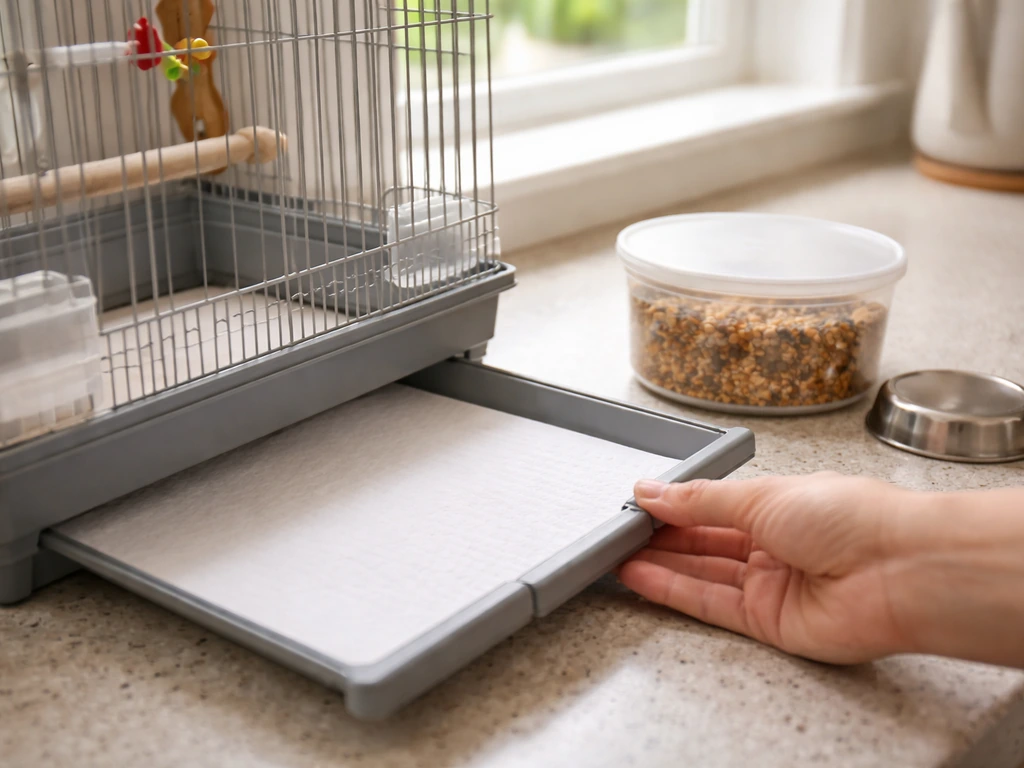
If your bird is alert, perching normally, eating and drinking, and you can identify a likely dietary or stress trigger, here's what to do right now.
- Remove all high-moisture foods immediately: fresh fruit, watery vegetables, and any treats given in the last 24 hours.
- Return to the bird's usual baseline diet, whether that's pellets, a seed mix, or whatever it normally eats day-to-day.
- Check the water source — make sure it's clean and hasn't been sitting stagnant. Change it if there's any doubt.
- Look at each dropping carefully and mentally (or physically) note whether the fecal core is still formed or has blended into liquid.
- Observe your bird's posture, energy, and appetite for the next few hours. Is it perching upright? Interested in food? Eyes bright and alert?
- Note the color of the urates. White or off-white is normal. Yellow or lime-green urates are a red flag that needs vet attention today.
- Set a 12 to 24 hour monitoring window. If droppings haven't normalized by then, or if anything changes behavior-wise, move to calling the vet.
One thing to avoid: don't give over-the-counter medications, probiotic supplements, or anything else without talking to an avian vet first. Birds have very different physiology from cats and dogs, and a lot of well-meaning home treatments can do more harm than good.
When to call an avian vet immediately
Skip the wait-and-see approach entirely if you're seeing any of the following. These signs in combination with watery droppings mean you need professional help today, not in a few days.
- Fluffed feathers, especially if the bird is sitting low on the perch or on the cage floor
- Lethargy, weakness, or unusually quiet behavior
- Reduced appetite or complete refusal to eat
- Vomiting or regurgitating food (not the normal courtship regurgitation — actual uncontrolled vomiting)
- Any blood in the droppings, or droppings that are black and tarry
- Yellow or lime-green urates instead of the normal white or off-white
- Labored or noisy breathing
- Visible weight loss or a prominent keel bone when you handle the bird
- Droppings that remain watery or unformed past 24 hours regardless of other symptoms
- You genuinely can't tell whether the fecal core is formed or has disappeared into the liquid
Birds are prey animals, which means they are evolutionarily hardwired to hide illness until they can't anymore. By the time a bird looks obviously sick, it's usually been unwell for longer than the symptoms suggest. If your gut says something is wrong, trust that instinct and call an avian vet.
Cleanup and safety when handling watery droppings
Watery droppings spread further and faster than solid ones, which matters both for cage hygiene and for your own health. Some bird pathogens, including Chlamydophila psittaci (which causes psittacosis in humans) and Salmonella, can be present in droppings and become airborne as droppings dry. This is a real but manageable risk.
Clean up watery droppings promptly rather than letting them dry and flake. Wet droppings are easier to remove and less likely to release particles into the air. Wear gloves, and if you're cleaning an enclosed space like the inside of a cage, consider a simple dust mask to avoid inhaling dried particles.
For disinfection, bleach (sodium hypochlorite) is effective against most avian pathogens, but it has to be used correctly. Bleach has no detergent action, so you need to physically clean the surface first with soap and water, rinse it, then apply your diluted bleach solution and let it sit for the recommended contact time before rinsing again. Skipping the pre-clean step means organic material in the droppings can neutralize the bleach before it does its job. A standard household disinfectant with proven broad-spectrum activity is an alternative if you're dealing with non-porous surfaces.
- Wear disposable gloves for cleanup; wash hands thoroughly afterward
- Don't let droppings dry before cleaning — wet removal is safer and easier
- Use a dust mask if cleaning in a confined or poorly ventilated area
- Clean the surface first with soap and water, then disinfect with diluted bleach or a proven avian-safe disinfectant
- Change cage liners more frequently while droppings are abnormal to keep contamination low
- Avoid letting other pets or young children contact areas with watery droppings before cleanup
What to track before you call the vet
If you do end up calling or visiting an avian vet, the more specific information you bring, the faster and more accurately they can help you. Avian vets rely heavily on the owner's observations because birds can look deceptively normal during a short exam. Start tracking now, even if you're still in the watch-and-wait phase.
| What to track | Why it matters | What to note specifically |
|---|---|---|
| Dropping appearance | Helps distinguish polyuria from true diarrhea | Is the fecal core formed? What color are the urates? How much liquid? |
| Frequency | Abnormal frequency suggests gut motility or systemic issues | How many droppings per hour compared to normal? |
| Diet changes | Most common benign cause; rules out or confirms dietary trigger | Any new foods, treats, or changes in the last 48–72 hours? |
| Behavior and posture | Early illness signs often show in behavior before droppings | Is the bird perching, alert, eating, interacting normally? |
| Timeline | Vets need to know how long the issue has been happening | When did watery droppings start? Any events that coincided? |
| Photos or samples | Visual evidence helps when you can't bring a fresh sample | Photograph droppings on a white paper towel for contrast |
| Bird species, age, and weight | Affects which diseases are likely and what treatments are safe | Know your bird's species and approximate weight if possible |
If you can collect a fresh dropping sample in a clean container (no additives, just a clean zip-lock bag or small container) within a couple of hours of your vet visit, bring it along. A fecal smear or float test can identify parasites like Giardia or coccidia quickly and give the vet a concrete starting point. The sample needs to be fresh, ideally less than a few hours old and kept cool but not frozen.
Watery droppings are one of those symptoms that sits in an awkward middle zone: usually benign, occasionally serious, and hard to tell apart without watching closely. If you are wondering what watery bird poop means, the rest of this guide will help you figure out whether it points to a harmless diet issue or something more urgent. If you are seeing red water in a bird bath, start by checking for algae, rust, or colored cleaners that could be tinting the water. The good news is that with a bit of structured observation over 12 to 24 hours, most owners can confidently tell whether this is a fruit-overload situation or something that needs professional eyes on it today. If your bird is also eating its own droppings, that habit can change how you interpret what is causing the watery poop why does my bird eat his poop. If your bird has been using a bird bath or spending time around standing water, that can also change how you interpret watery droppings fruit-overload situation. If you’re wondering why is bird poop liquid, the right next step is to figure out whether it’s related to diet, stress, or an underlying illness structured observation over 12 to 24 hours. When in doubt, the avian vet is always the right call.
FAQ
How can I tell if it is true diarrhea or just extra clear urine making the dropping look watery?
Look for whether there is a distinct dark fecal core. If the core is still formed but surrounded by a larger-than-usual puddle of clear liquid, that points to extra urine (polyuria). If the fecal part becomes unformed and you cannot spot a separate solid core, that is more consistent with true diarrhea and tends to escalate faster.
My bird is eating normally, but the droppings keep turning watery during certain times of day. Is that still diet or could it be illness?
It can still be diet timing, especially if watery droppings follow a specific meal or fresh food portion. Track what was offered and when, then compare the pattern. If watery droppings recur even when the diet is consistent, or if they do not improve within 12 to 24 hours, plan a vet call.
Does drinking more water cause watery droppings in birds?
Sometimes, yes. However, persistent watery droppings that are not clearly tied to a high-moisture meal can also reflect internal causes like kidney, liver, or diabetes issues (especially in older birds). If urine looks excessive across multiple droppings, or you notice increased drinking with any other change, it is no longer a simple “just hydrate” situation.
Should I stop all greens and fruit immediately if the poop looks watery?
Yes, for the troubleshooting window. Remove high-moisture foods (fresh fruit and watery greens) and return to the bird’s usual balanced base diet. If droppings normalize after a few droppings, that supports a dietary cause. If they stay watery beyond the watch period, switch from diet changes to veterinary evaluation.
What if the watery droppings start after a cage move or new person handled the bird?
That scenario fits the stress pattern. Keep everything calm and consistent for the next several hours, avoid rearranging the cage again, and monitor behavior, appetite, and how long it lasts. If watery droppings persist past the 12 to 24 hour window or the bird becomes fluffed, less active, or stops eating, contact an avian vet.
Can a cage liner or substrate cause droppings to look more watery than they really are?
Yes. Some liners absorb liquid differently, which can make droppings spread into puddles and blur the boundary between fecal and urine components. For a more accurate check, observe fresh droppings on a clean, easy-to-see surface and note whether the fecal core itself is still distinct.
My bird’s droppings are watery only on one side of the cage or feeder area. Is that useful information?
It can be. If it is localized, it may relate to a specific perch position, a wet water dish spill, or uneven access to fresh foods. Still, confirm the core appears normal or unformed. If it is truly changing droppings, the location should not be the only deciding factor.
How soon should I call the avian vet if it might be infectious?
Call today if the watery droppings persist beyond the 12 to 24 hour window, or if you see any additional symptom. Birds can look deceptively normal early, so if your gut says something is off, treating this as urgent is appropriate.
Is it okay to try probiotics or an over-the-counter diarrhea remedy?
Generally no. Birds can react differently than cats or dogs, and some products may worsen dehydration, mask symptoms, or interfere with appropriate diagnostic testing. Wait for avian vet guidance, especially if you suspect true diarrhea rather than just extra urine.
What should I collect and bring to the vet beyond the “watery poop” description?
Track timing (what foods were offered and when), number of droppings, and whether a fecal core is visible. If possible, bring a fresh sample in a clean container soon after collection, ideally within a few hours of the visit, kept cool but not frozen.
How do I disinfect after watery droppings safely without spreading germs?
Pre-clean first: physically remove residue with soap and water, rinse, then apply an appropriate diluted disinfectant and allow the recommended contact time before rinsing again. Avoid relying on disinfectant alone without cleaning, since organic material can reduce effectiveness.
What human safety steps should I take while cleaning watery bird droppings?
Wear gloves and use good ventilation. Avoid letting dried droppings flake, since particles can become airborne as feces dry. If the area is enclosed or heavily contaminated, consider additional face protection and clean thoroughly before sitting in the space again.
Could my bird’s diet change be subtle, like new pellets or a different brand of seed?
Yes. Even brand changes can alter fiber, moisture content, and gut tolerance. If watery droppings started soon after switching pellets or seed mixes, treat that as a likely trigger and return to the prior stable diet while monitoring.