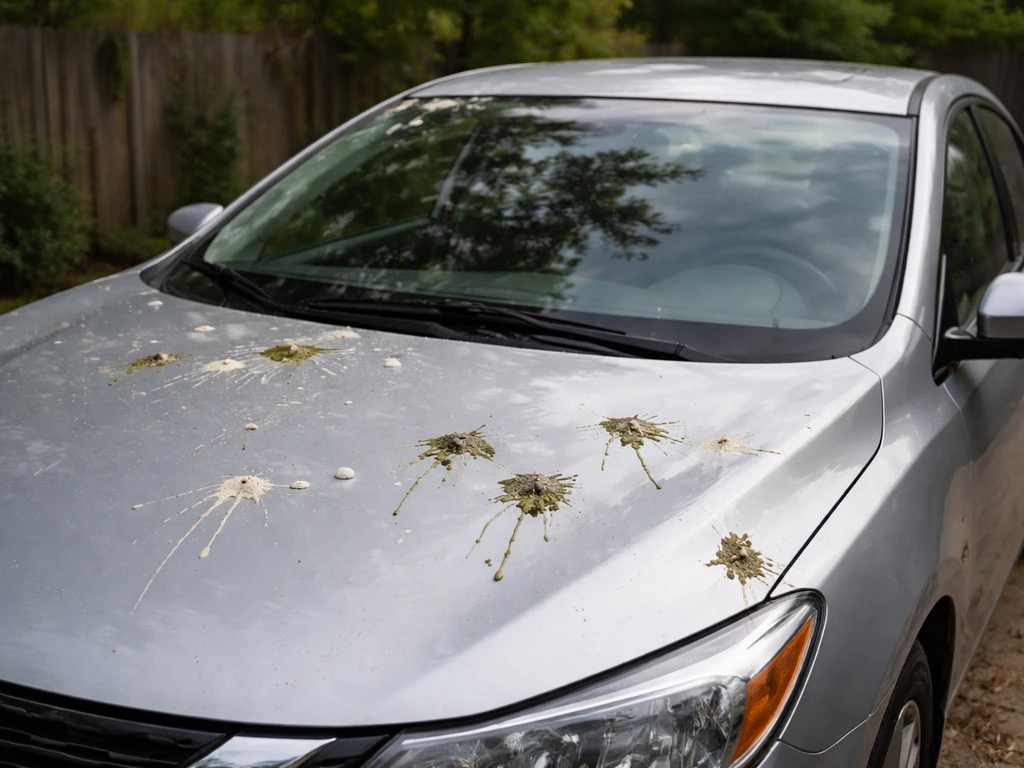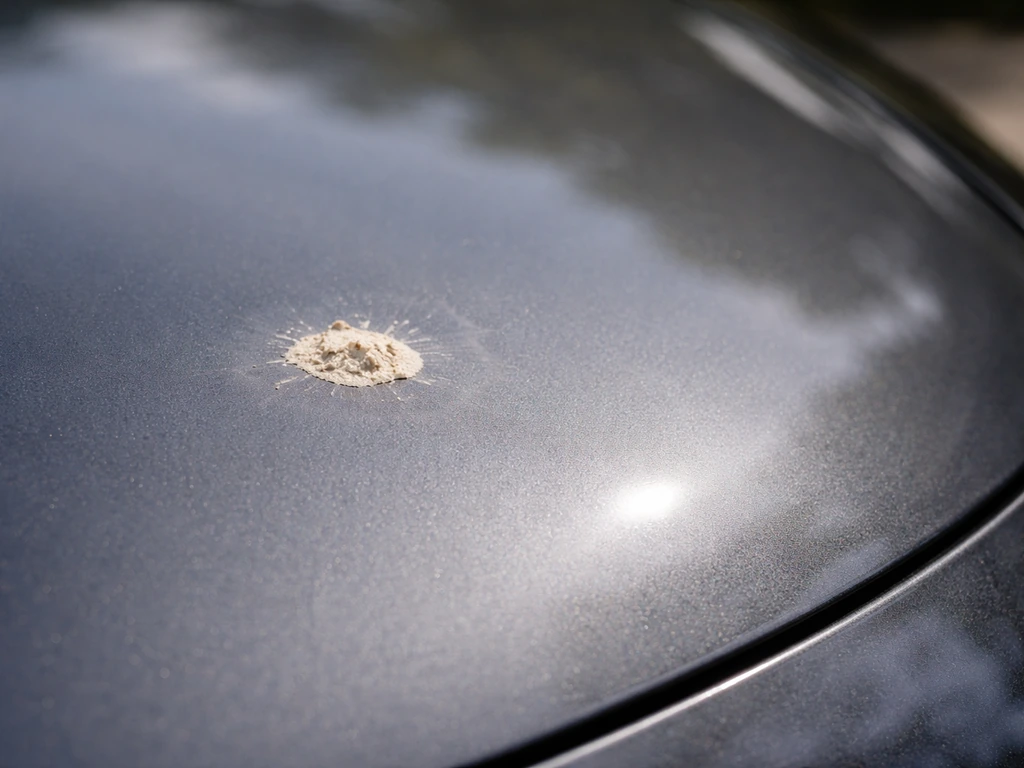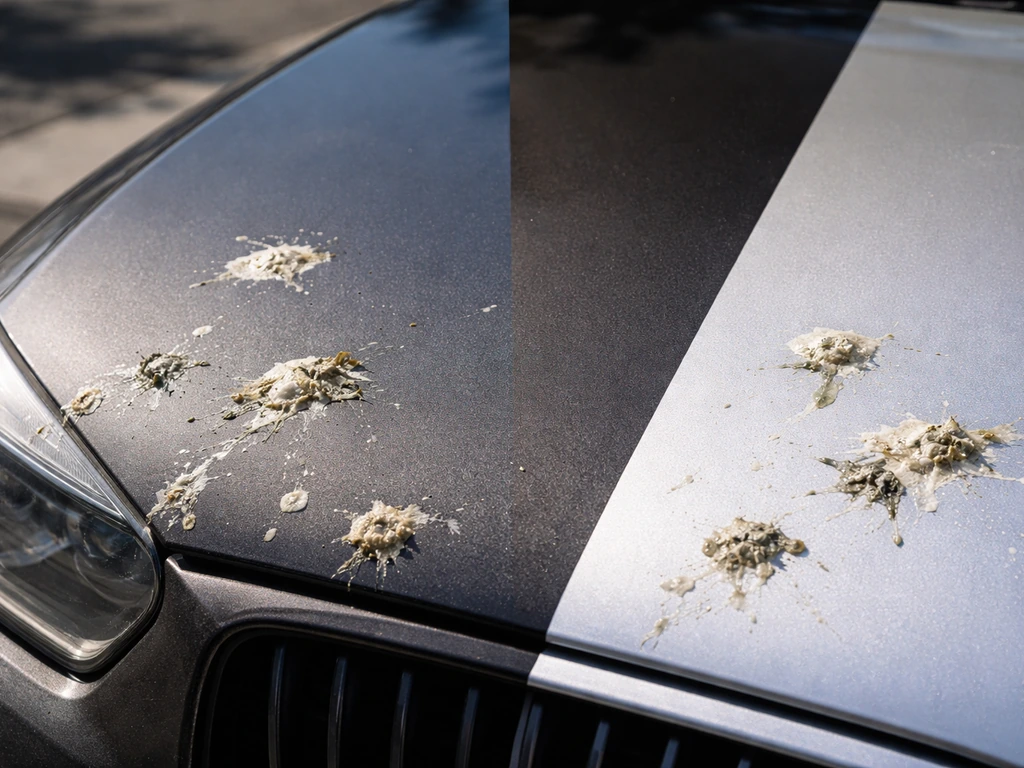
White cars do not attract more bird poop than other colors. The evidence actually points the other way: a UK study by Halfords found red cars took the most hits (18% of droppings recorded), followed by blue (14%) and black (11%). White did not top the list. The real driver behind where birds poop is almost entirely about location, not paint color. Park under a tree, a power line, or near a ledge where birds roost, and you will get bombed regardless of whether your car is white, red, or hot pink.
Do White Cars Attract Bird Poop More? Facts and Fixes

Marcus Fielding
6 Jun 2026
Why birds actually choose where to poop
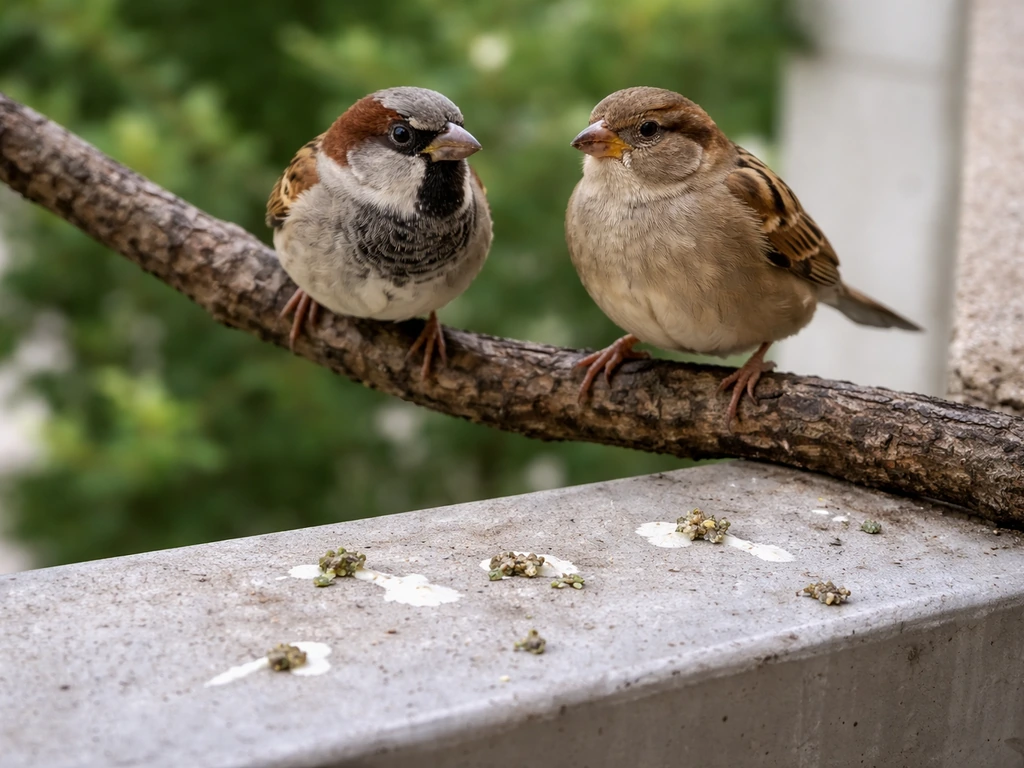
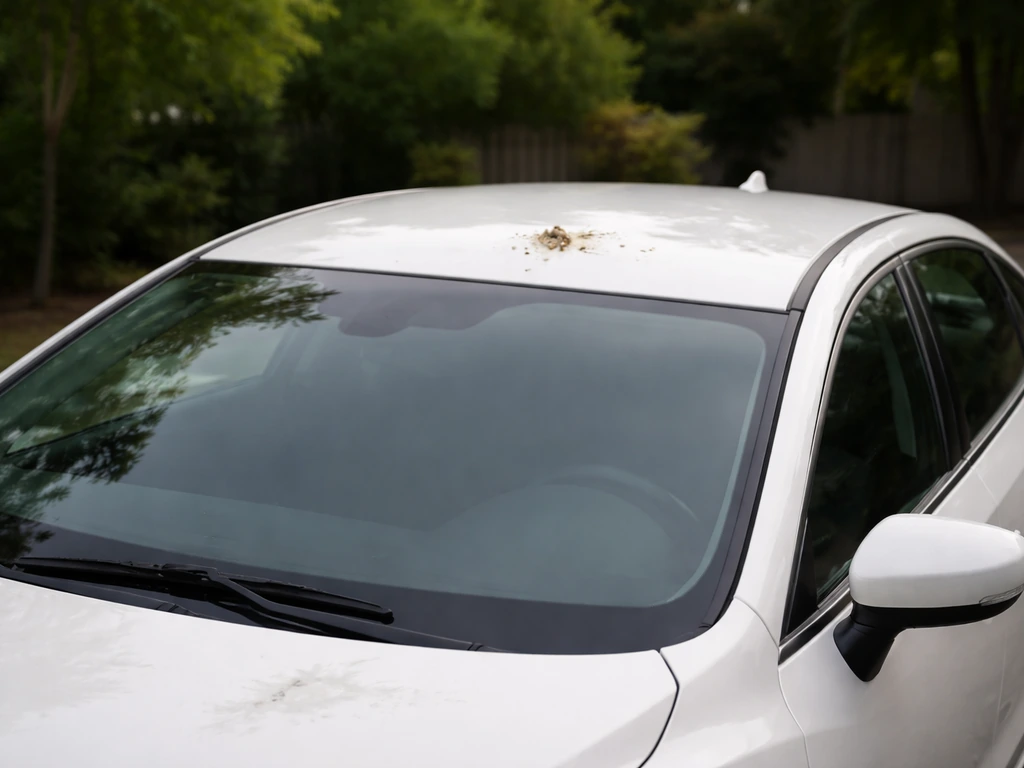
Birds do not aim. They poop while perching, flying overhead, or landing, and the car below is just unfortunate geography. The factors that genuinely influence how often your car gets hit are almost entirely about where you park and what is above you, not what color your car is.
- Roosting spots: Trees, power lines, ledges, and building overhangs are the primary reason any car gets hit repeatedly. If birds sleep or rest directly above your parking spot, your car is a target every single day.
- Food sources nearby: Parks, outdoor dining areas, trash bins, and bird feeders nearby mean more bird activity in the area, which means more flyover traffic above your car.
- Reflective surfaces: Some research suggests highly reflective surfaces can confuse or attract birds because they mistake the reflection for sky or water, prompting more fly-bys.
- Habit and territory: Birds often return to the same perches day after day. Once a bird has found a comfortable spot above your car, it will keep coming back.
- Time of day and season: Nesting season (roughly spring through early summer) means more birds in transit and more droppings overall. Early morning, when birds leave roosts, is prime dropping time.
The location point is really the big one. If your white car is parked in the open while a neighbor's red car sits under an oak tree, the red car is going to look like it has a bull's-eye by the end of the week.
Debunking the white car myth
The white car myth probably persists because droppings are simply more visible on white paint. A splat on a black or dark-colored car can be easy to miss, especially at night or in a quick glance. Droppings on white paint stand out immediately, which creates the impression that white cars get hit more often.
Researchers and commentators have specifically noted that white and gray car owners may just be more aware of every single dropping, while owners of dark cars undercount because the mess blends in.
DongA Science relays that media commentary can lead to underreporting of droppings on white or gray cars because they may be less noticeable, which can distort perceived “color preference” patterns white and gray car owners may just be more aware of every single dropping, while owners of dark cars undercount because the mess blends in. .
When you correct for visibility bias, white cars lose their supposed crown.
The Halfords study, while not a rigorous academic experiment, is the most frequently cited data point on this topic, and it consistently shows red at the top. blank" rel="noopener noreferrer">Audubon's bird count experts have gone on record saying no reliable correlation between car color and droppings frequency has been established at all. So the short version: color is at most a minor factor, visibility of the mess is what makes white cars feel like targets, and your parking spot matters far more than your paint job. If you are wondering what color car attracts bird poop, the evidence points much more to visibility and where you park than to paint color.
Clean it off safely and quickly: step-by-step
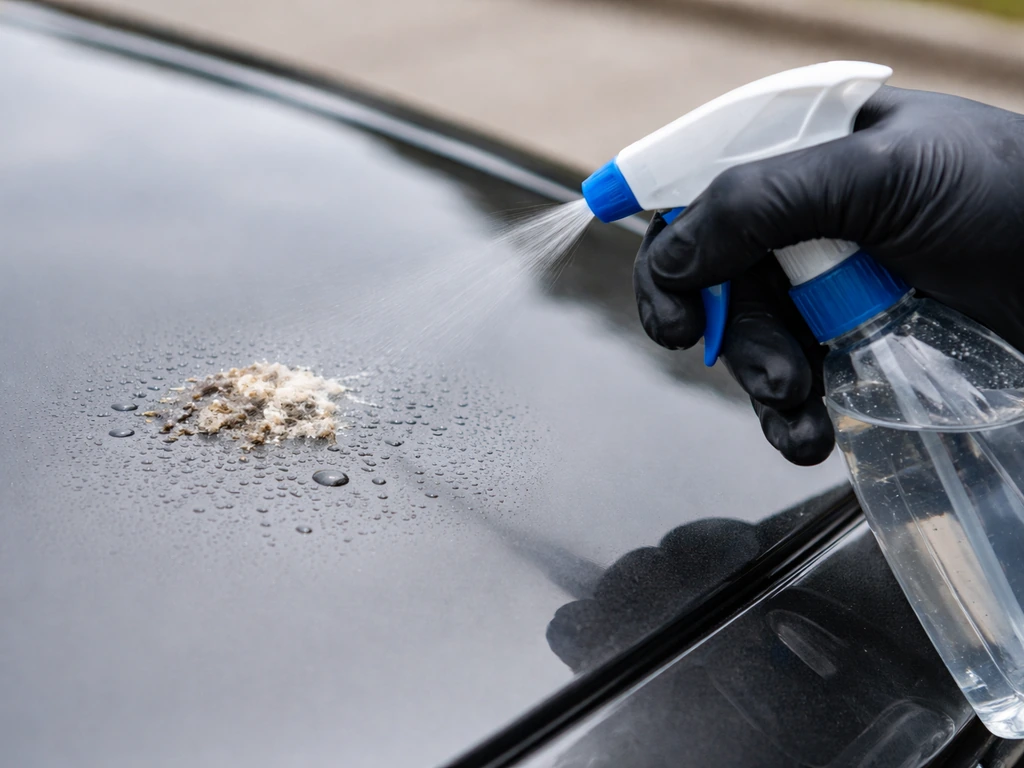
Bird droppings are acidic, sitting around pH 3.5 to 4.5. That is close to vinegar on the acidity scale, and it reacts with your car's clear coat and paint. blank" rel="noopener noreferrer">Heat speeds that reaction up significantly, so a dropping that sits harmlessly on a cool morning can etch into your clear coat by noon on a summer day. The rule is simple: the sooner you remove it, the less damage it does. Bird droppings can start causing etching quickly, so the longer they sit on your car, the more damage you risk how long bird poop can stay on your car.
- Soften before touching: Mist the dropping with water or a dedicated bird dropping remover product. Let it sit for 30 to 60 seconds to rehydrate and loosen. Do not go straight in with a dry cloth.
- Blot, do not scrub: Use a microfiber cloth and blot the area gently from the outside edge toward the center. Scrubbing drags grit across the paint and creates fine scratches.
- Rinse thoroughly: After lifting the bulk of the material, rinse the area with clean water or a mild, pH-neutral car shampoo to wash away remaining acidic residue. Chemical Guys specifically calls out this rinse step as essential.
- Dry with a clean microfiber: Pat dry rather than wiping in broad strokes.
- Check the paint: Once dry, look for any cloudiness or etching in the clear coat. If you catch it early and the paint is protected, you may see nothing. If there is light etching, a paint polish may be needed.
Products to avoid: anything abrasive, household glass cleaners, undiluted vinegar or lemon juice (yes, they are acidic too), and dry paper towels which can scratch. Stick to dedicated car cleaning wipes or a microfiber with plain water and you will be fine in most cases.
What about dried-on droppings?
Dried droppings need more soak time, not more pressure. Apply water or a bird dropping remover and wait two to three minutes. The material will usually lift without force once it has fully rehydrated. If you rush it and start scraping, you risk scratching the paint underneath. For really stubborn dried spots, a second application of product followed by another waiting period works better than scrubbing harder.
Health and safety: what is the actual risk?
For routine car cleanup, the risk from bird droppings is low but not zero, and it is worth knowing what you are dealing with. The main concerns are gastrointestinal pathogens and, in specific circumstances, a fungal infection called histoplasmosis.
Histoplasmosis is caused by breathing in spores of the Histoplasma fungus, which lives in soil associated with bird and bat droppings. The CDC is clear that fresh droppings on surfaces like car hoods or sidewalks likely do not pose a meaningful histoplasmosis risk. The real risk scenario involves large accumulations of dried droppings being disturbed and aerosolized, like during demolition near old roosting sites or shoveling accumulated bat guano in an attic. Wiping a fresh dropping off your hood with a damp cloth is not that scenario.
The more practical concern is that bird droppings can contain bacteria like Salmonella, Campylobacter, and E. coli. The CDC recommends washing hands thoroughly with soap and water after any contact with bird droppings, and that advice applies here. Do not touch your face during cleanup, and wash your hands when you are done.
- Wear disposable gloves if you are cleaning up a large amount or dried, dusty droppings.
- Avoid dry wiping dried droppings, which can lift fine particles into the air. Wet it first.
- Wash your hands with soap and water after every cleanup, even if you wore gloves.
- If you get droppings on skin or near your eyes, rinse with clean water. There is no need to panic, but basic hygiene matters.
- If you have a compromised immune system, wear a mask when dealing with dried droppings to minimize any inhalation risk.
Preventing repeat droppings: what actually works
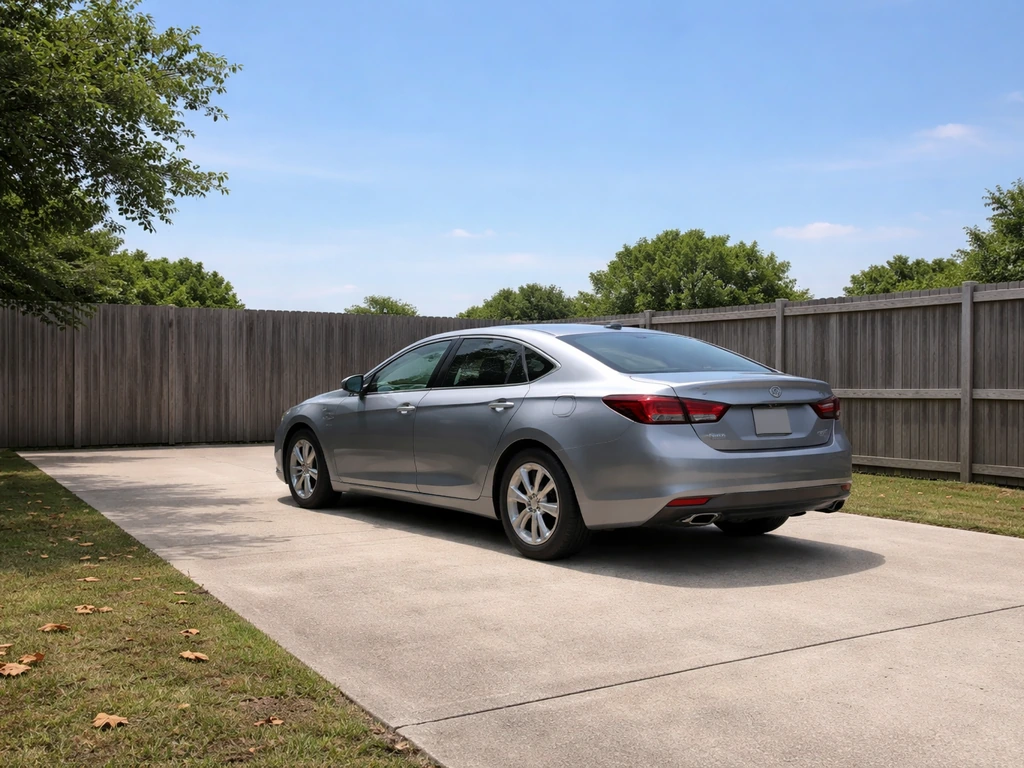
Cleaning up is reactive. Prevention is where you get ahead of the problem. The most effective changes target where you park and how well your paint is protected.
Parking choices
This is the highest-leverage change you can make. Avoid parking directly under trees, especially fruit-bearing trees or large canopy trees that attract roosting birds. Power lines above a parking spot are another major red flag. If you have a garage, use it. If you are parking on the street, take an extra two minutes to find a spot in the open rather than under the oak tree at the end of the block.
Deterrents that have some real effect
- Reflective deterrents: Hanging reflective tape, old CDs, or commercial reflective bird deterrents near your parking area can disrupt birds from settling overhead.
- Predator decoys: Owl or hawk decoys near roosting spots can reduce bird activity, though birds often habituate to stationary decoys over time. Moving or rotating them helps.
- Car covers: A fitted car cover eliminates the droppings-on-paint problem entirely. It is the nuclear option, but it works.
- Avoiding bird feeders: Placing bird feeders directly over or near your parking spot is, predictably, asking for trouble.
Protective coatings: wax, sealants, and ceramic
A good protective coating will not stop birds from pooping on your car, but it absolutely changes how much damage a dropping can do before you get around to cleaning it. Here is a quick comparison of your main options.
| Protection Type | How Long It Lasts | Resistance to Droppings | Cost Level | Best For |
|---|---|---|---|---|
| Carnauba Wax | 4 to 8 weeks | Some protection, drops relatively fast | Low | Budget-conscious owners, frequent reapplication OK |
| Paint Sealant | 3 to 6 months | Better than wax, more durable barrier | Medium | Owners who want longer intervals between applications |
| Ceramic Coating | 2 to 5 years | Strong chemical resistance, slows etching significantly | High (professional install) | Daily drivers in high-risk areas, long-term investment |
Ceramic coatings are marketed heavily for their resistance to contaminants like bird droppings, and the claims have substance: the hydrophobic surface reduces how much the acid bonds to the paint, giving you more time before etching sets in. Brands like CeramicPro and Gtechniq (which guarantees their top coatings against staining) are legitimate options if you park outside regularly and get hit often. That said, even ceramic coatings are not invincible. You still need to clean droppings off promptly, just with more buffer time than bare or waxed paint.
The good luck thing: fun folklore, real consequences
In a bunch of cultures, including Russian, Turkish, and various South Asian traditions, being pooped on by a bird is considered a sign of good luck and coming wealth. The logic seems to be that something so random and unpleasant happening to you has to balance out with something good. It is an optimistic way to look at a splattered windshield, and honestly, if believing it makes the cleanup less miserable, go for it.
That said, the luck belief does not change the chemistry or the biology one bit. The dropping is still acidic, it is still potentially carrying bacteria, and your clear coat does not care about omens. And while bird droppings usually affect car paint, they can also be a problem for solar panels if they sit and etch the surface your clear coat does not care about omens. So enjoy the superstition if it brings you comfort, and then go get the microfiber cloth. Good luck or not, the sooner you clean it off, the better your paint looks in the long run.
The bottom line for white car owners
Your white car is not a bird magnet. It just shows the mess more clearly than darker cars do, which is what creates the impression. Where you park, what is overhead, and what season it is matter far more than your paint color. Focus your energy on changing your parking habits, applying a quality protective coating, and cleaning droppings off quickly with a damp microfiber and a proper car cleaning product. Wash your hands after cleanup, skip the dry wiping on dried droppings, and you have this problem handled. The color of your car is the last thing worth worrying about.
FAQ
Do white cars get more bird poop than other colors, like red or black?
Not really. The main reason white looks “worse” is visibility, so you notice every fresh speck and don’t miss the darker smears that blend in. The birds’ targeting is driven by where they perch and fly, not the paint color.
What can I do if the only parking option is under a tree?
If you must park under a tree, choose the spot farthest from where birds consistently perch (watch for repeated activity at the same branches) and avoid parking directly beneath fruiting or roosting areas. Even moving a few yards can cut the frequency if it takes you out of the bird’s landing line.
Does temperature or sunlight change how fast bird droppings damage a car?
Yes. Heat makes acidic residue etch faster, so midday sun and warm afternoons increase the chance of clear-coat damage compared with a cool morning. Quick removal is most important when the car is hot or after a long sit in direct sunlight.
How should I clean bird poop from a white car if it is already dried?
Start with a damp microfiber to lift and rehydrate, then use a dedicated bird dropping remover or car-safe cleaner. Wait a few minutes before wiping, then rinse or wipe again. Avoid scraping while dry, because that’s when micro-scratches and paint damage are most likely.
Can I just wipe dried bird poop off with a dry towel to save time?
Don’t. Dry paper towels and aggressive wiping can scratch paint and embed grit. For dried droppings, use soak time (water or remover) first, then gentle wipe, and follow up with a normal wash if your product leaves residue.
Is histoplasmosis or other illness a real risk when cleaning bird poop off a car?
If you see a lot of droppings piled in one spot or you are cleaning around accumulated residue, treat it like a hygiene issue: wear gloves if available, avoid creating dust, and wash hands thoroughly with soap and water afterward. Histoplasmosis risk is mostly tied to disturbing large dried accumulations, like demolition or extensive guano cleanup.
What hygiene steps should I follow after cleaning bird droppings from my car?
Routine quick cleanups are usually low risk, but bacteria can transfer through touch. The practical rule is simple: do not touch your face during cleanup, wash hands immediately afterward, and change or launder any cloths you used if they contact droppings.
Do bird droppings damage windshields or windows the same way they damage paint?
Yes, bird droppings can etch glass and clear-coated surfaces if left to sit. Use the same approach as paint (rehydrate, avoid dry scraping), and for mirrors and windshield areas use car-safe glass cleaning after the droppings are removed, not abrasive pads.
If I apply a ceramic coating, do I still need to clean bird poop quickly?
A ceramic coating can buy time by reducing how quickly contaminants bond, so etching is often less severe if you clean within a reasonable window. It does not make droppings safe or “self-cleaning,” you still need prompt removal to prevent stains and acid etch over long delays.
Do wax or sealants prevent bird poop etching on a white car?
Wax helps a little as a sacrificial layer, but it is not a long-term shield. If droppings sit for hours or days, even waxed paint can etch, especially in heat, so plan on cleaning promptly regardless of protection type.
If the dropping already etched my paint, can polishing fix it?
Paint correction can help if etching has already happened, but it is not always fully reversible. If the spot feels rough after it is clean and dry, or the color looks permanently changed, a professional detailer can assess whether polishing is enough or whether repainting or refinishing is needed.
How can I tell whether my parking spot is the real problem?
Watch for consistent return patterns. If birds keep returning to the same overhead perch, swapping parking spots within the same block or parking in the open can matter more than any product. If a new dropping pattern starts after a season change, it often reflects new roosting behavior overhead.
Can bird poop affect solar panels even if it does not ruin paint?
In many cases, yes. For solar panels, droppings can reduce performance when they etch or leave residue that blocks light, especially if left to dry on the panel surface. Clean according to the panel manufacturer’s guidance, and avoid abrasive tools that could damage the surface coating.