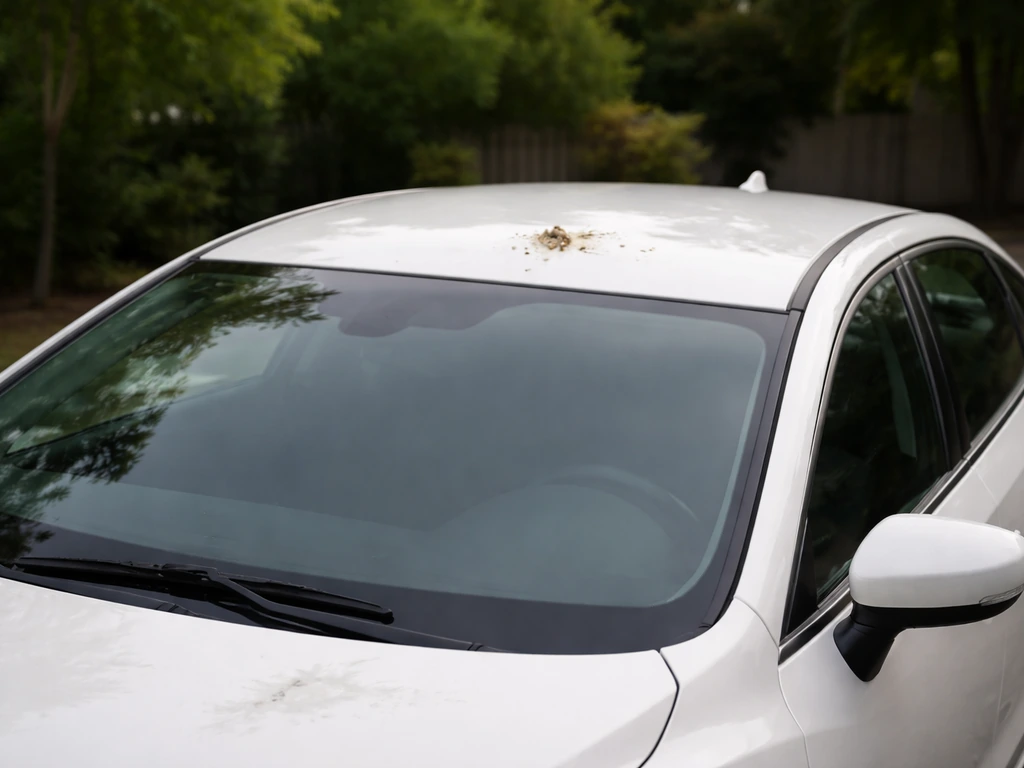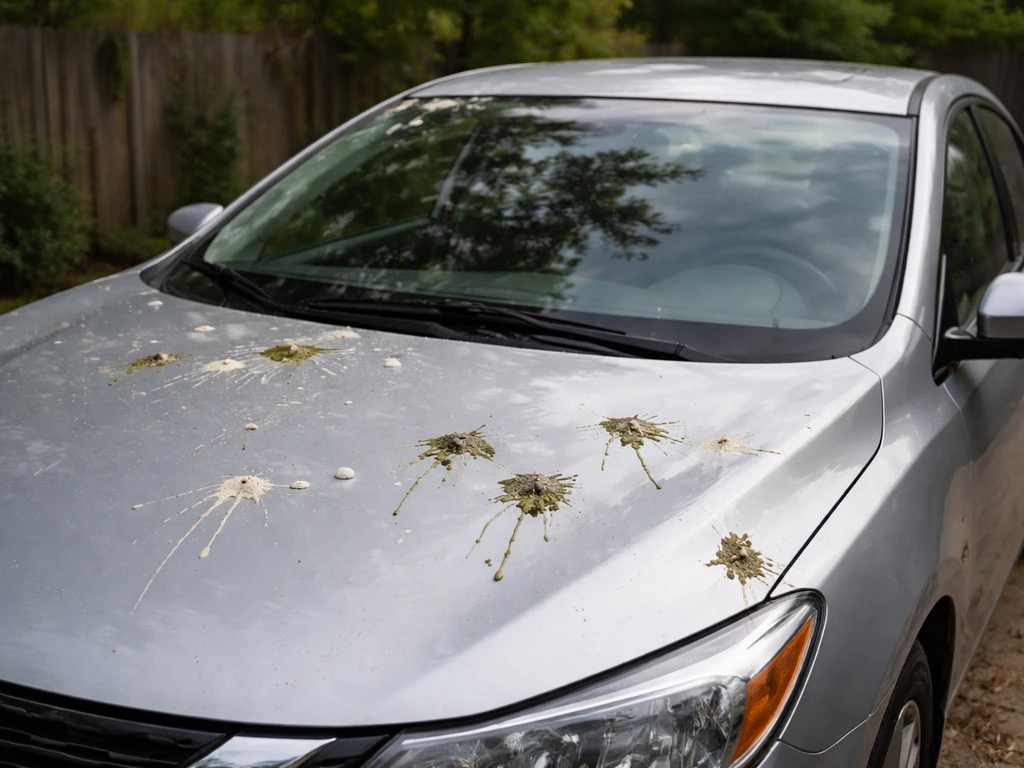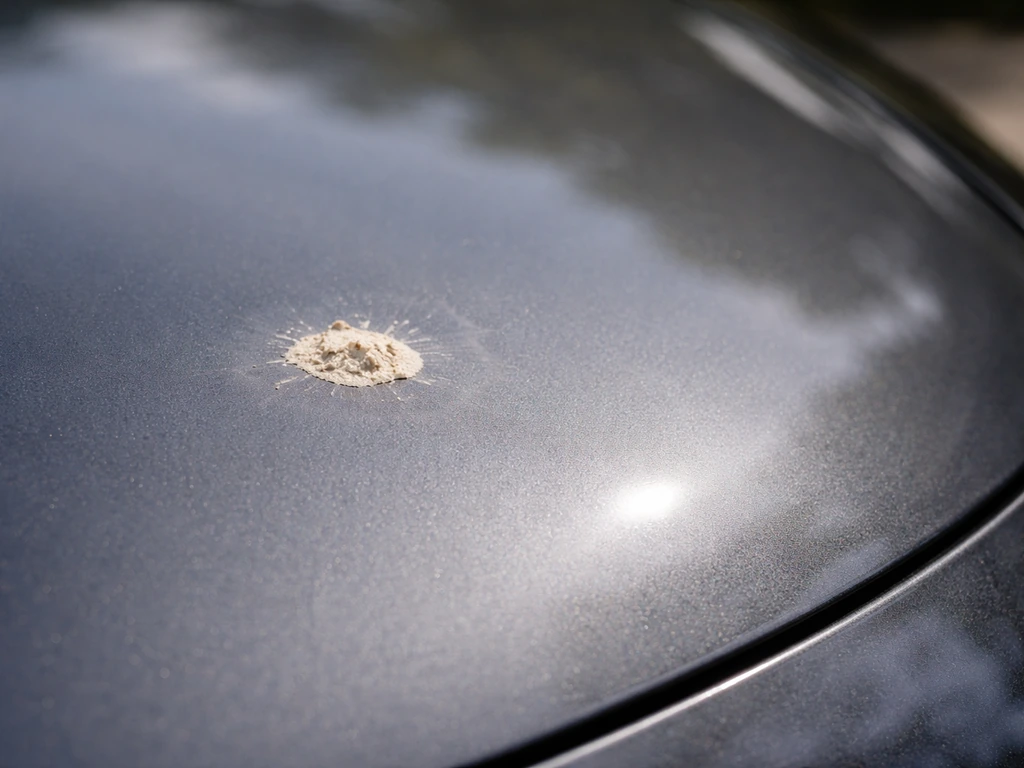
Yes, bird poop does affect solar panels, and it's more than just an aesthetic nuisance. Droppings block sunlight from reaching photovoltaic cells, which directly cuts your energy output. In extreme lab-test conditions, a heavy coating of droppings removed more than 80% of a module's efficiency. Real-world impact is more modest, but unlike dust or pollen, bird droppings don't wash off easily in the rain, meaning they sit on your panels longer and do more cumulative damage than most other soiling types. The color of your car can also influence how noticeable splatters are, which may make bird poop seem more common what color car attracts bird poop.
Does Bird Poop Affect Solar Panels? Real Risk and Fixes

Marcus Fielding
11 Jun 2026
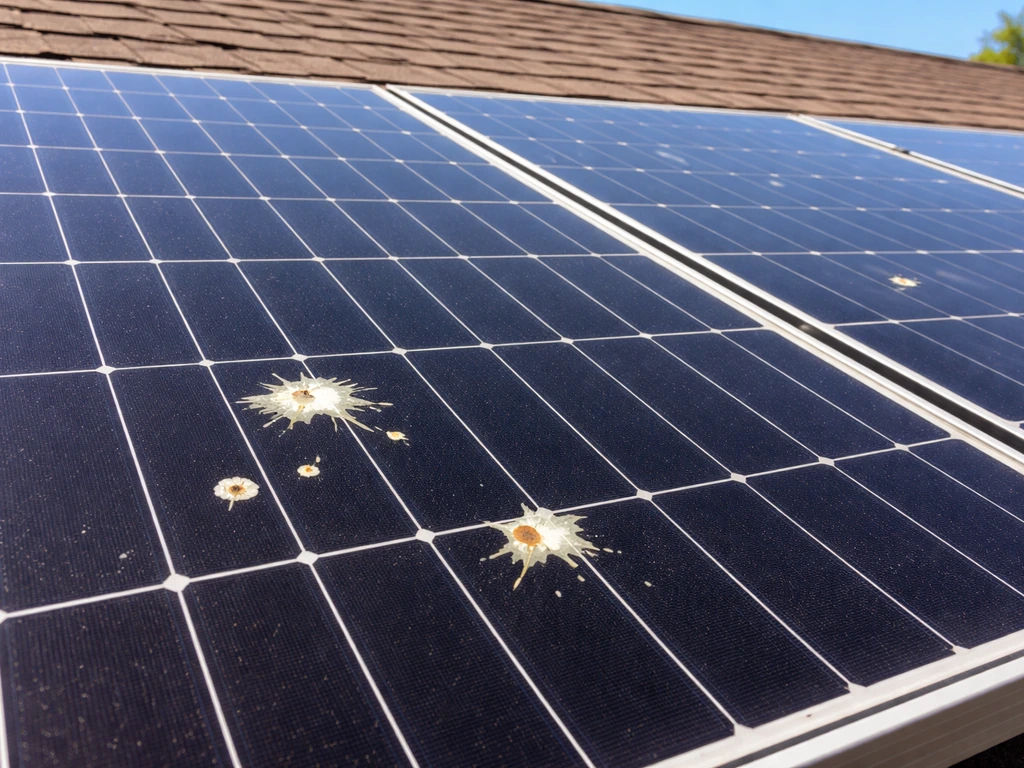
How bird droppings actually interact with your panels
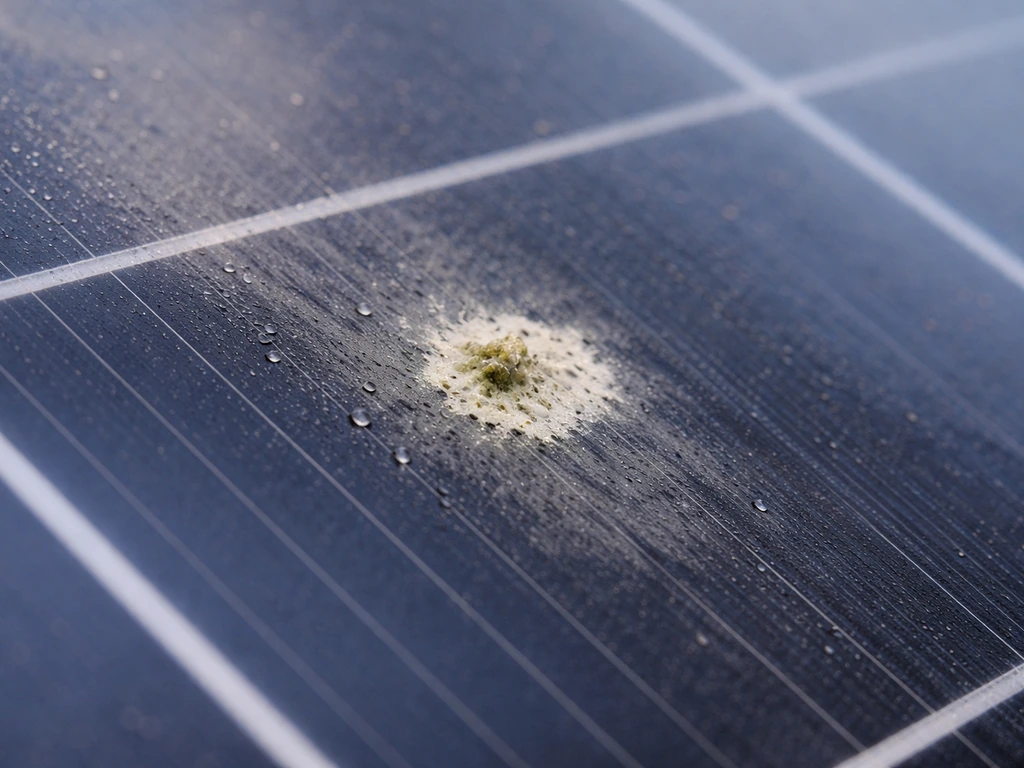
When a bird deposits on a solar panel, three things are happening at once: physical shading, chemical contact, and moisture retention. The physical part is straightforward. A dropping covers a cluster of photovoltaic cells, blocking light. Because solar panels are wired in strings, even a small shaded area can drag down the output of a whole string of cells, not just the ones directly covered. This is why a single splat from a pigeon can have an outsized effect compared to an equivalent area of uniform dust.
The chemistry is where things get more interesting. Bird droppings contain uric acid, which can interact with the anti-reflective (AR) coating on tempered glass panels. Over time, especially with repeated deposits in the same spot, this can cause micro-pitting and light scattering on the glass surface. The concern, raised by some solar cleaning specialists, is that this optical damage can persist even after you've cleaned the visible residue off. It's not guaranteed to happen with every dropping, but it's a real mechanism that sets bird poop apart from plain dirt.
Moisture plays its own role. A fresh dropping holds water, which can wick into micro-gaps around the frame edges. Academic reviews of PV soiling note that dried soiling can spread when partially re-wetted by dew or light rain, extending the affected area. PVsyst, one of the leading solar modeling tools, specifically notes that bird droppings are usually not removed by rain events, which means the contact time with your panel surface is much longer than for typical dust or pollen.
Risks beyond a dirty panel: corrosion, staining, and other concerns
The panel glass itself is just one part of the story. The aluminum framing, mounting brackets, and wiring junctions are also vulnerable. Research into soiling effects notes that the acid components in bird droppings can contribute to corrosion on metal frame materials, particularly at crevices where moisture gets trapped. This is a slower process, but on a rooftop system that's been accumulating droppings for years under a favorite bird perch, it's worth taking seriously.
Staining is a practical issue too. Once droppings bake onto glass in hot weather, they bond more tightly and become significantly harder to remove without risk of scratching. If you let deposits build up over months, you'll need more aggressive cleaning to shift them, and more aggressive cleaning creates its own risks (more on that below). There's also the slip hazard if your panels are accessible for maintenance: a panel edge or surrounding roof area covered in dried or wet droppings is genuinely slippery and unhygienic to work around.
On the odor front, a light splatter rarely creates much of an issue outdoors. But a heavily roosted array, especially on a flat or low-tilt installation where droppings accumulate in channels and gaps, can develop a persistent smell during warm weather. That's usually the sign you've got a more serious roosting problem, not just random fly-overs. If you keep wondering why birds keep pooping on your car, it usually comes down to a nearby food source, a good lookout spot, and birds returning to the same convenient area.
How to tell if your panels are being affected
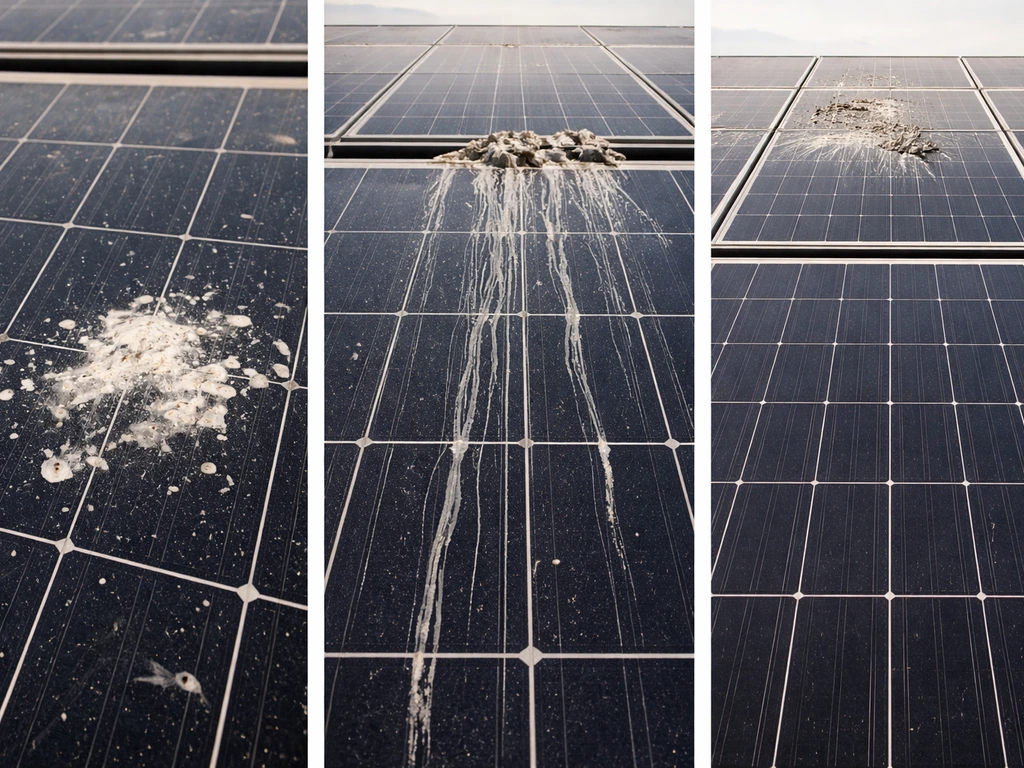
The most obvious sign is visible: white or grey splatters, streaks running downward from a roost point, or a cluster of deposits concentrated in one area (birds tend to repeat-visit the same perching spots). Look for streaking patterns that suggest a regular perch, such as the top rail of a roof rack, a nearby antenna, or a tree branch that overhangs the array.
On the performance side, your inverter's monitoring app is your best tool. Most modern grid-tied systems give you daily or hourly output data. If you notice a drop in generation that doesn't correlate with weather (cloud cover, shorter days), and it's been building gradually over weeks, soiling including bird droppings is a likely culprit. Soiling is estimated to reduce annual PV output by around 4 to 7% on average globally, though location, tilt angle, and local bird populations all affect your individual number. A flat-mounted or low-tilt system in a dry, bird-heavy area can see higher losses.
- Visible white or grey splatters, especially concentrated in one section of the array
- Streaks running down from a consistent roosting point on the panel edge or frame
- An unexplained dip in daily output on your inverter or monitoring dashboard
- Accumulation of feathers, nesting material, or debris under or around the panels
- A noticeable odor during warm weather, suggesting heavier buildup in gaps or channels
How to clean solar panels safely (and what not to do)
Before you grab a bucket and a scrubbing pad, a few things to keep in mind. Several major manufacturers, including LG, strongly discourage homeowners from cleaning their own rooftop arrays, primarily because of the safety risks of working at height. If your system is on a steep pitch or you're not comfortable on a ladder with a hose, call a professional solar cleaning service. It's genuinely not worth the risk.
If you do clean your own ground-mounted or easily accessible panels, the core rules are simple: lukewarm or cool water, a soft brush or squeegee, and a pH-neutral or near-neutral cleaning solution if needed. Canadian Solar's installation guidelines specifically require near-neutral pH water and warn that non-compliant cleaning can void your warranty. First Solar's cleaning guidelines prohibit abrasive cleaners and degreasers, and set a maximum water pressure at the nozzle (35 bar, or about 500 psi). SunPower notes a thermal-shock risk: spraying cold water on hot panels in the middle of a sunny day can cause thermal stress marks. Clean in the early morning or evening when panels are cool.
For stubborn dried droppings, soak first. Apply water and let it sit for several minutes to soften the deposit before gently wiping. Never scrape with a metal tool or use anything abrasive, as this can scratch the AR coating and cause permanent light-scattering damage, exactly what you were trying to prevent. Avoid mineral-heavy hard water if you can, because it leaves deposits that reduce glass transmittance over time. Rinse with deionized or low-mineral water if it's available.
| What to do | What to avoid |
|---|---|
| Use cool or lukewarm water | Cold water on hot panels (thermal shock risk) |
| Use a soft brush, sponge, or squeegee | Abrasive pads, scrapers, or steel wool |
| Use pH-neutral or near-neutral water and detergent | Caustic or acidic cleaners (can damage AR coating and void warranty) |
| Clean in early morning or evening | Midday cleaning in direct sun |
| Soak dried deposits before wiping | Scraping dried droppings off dry |
| Use low-mineral or deionized water for rinsing | Hard tap water as a final rinse (leaves mineral deposits) |
| Hire a pro for steep or high rooftop arrays | DIY cleaning on an unsafe roof pitch |
Health and safety when you're the one doing the cleaning
Bird droppings can carry pathogens including the fungus responsible for histoplasmosis, and disturbing dried droppings creates airborne particles. CDC guidance recommends avoiding bare-hand contact, and OSHA and NIOSH guidance for bird-waste cleanup suggests gloves, eye protection, and in heavier accumulation scenarios, an N95 respirator or better. For a casual wipe-down of a few splatters, basic gloves and hand-washing afterward is the practical minimum. For a heavily roosted array with significant buildup in gaps and under-panel spaces, treat it more seriously: wear a mask, wet the material before disturbing it to reduce dust, and wash hands and any exposed skin thoroughly afterward. This is consistent with the kind of common-sense care the site covers for droppings handling in general.
Keeping birds away without harming them
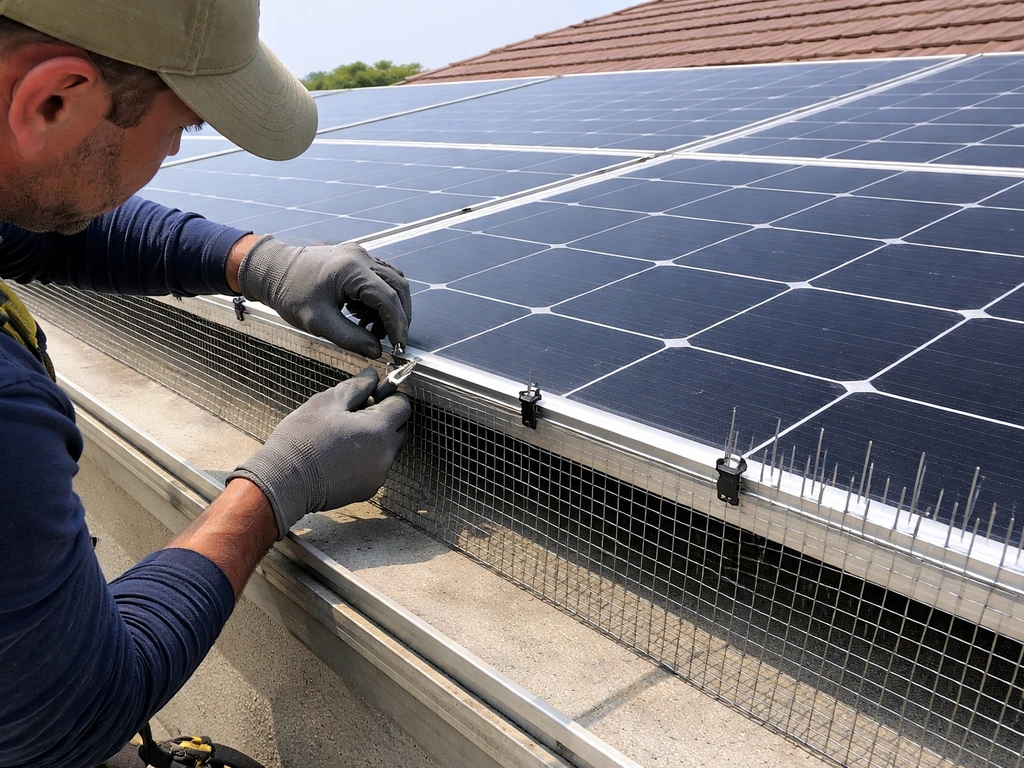
Prevention beats repeated cleaning every time. The goal is to make your panels an unattractive roosting or nesting spot, while keeping methods humane. Here's what actually works and what tends to fail.
Physical barriers are the most reliably effective long-term option. Mesh or netting installed around the perimeter of a rooftop array prevents birds from nesting underneath the panels, which is a very common problem with pigeons. Spikes along the top rails and frame edges discourage perching. These work because they remove the physical opportunity to roost rather than relying on deterrence, which means birds can't habituate to them the way they do to noise or visual scares. A pest control or solar specialist can install these without damaging your mounting hardware or wiring.
Sonic and ultrasonic deterrents, predator decoys (plastic owls, reflective tape, and similar items), and most visual scare methods have a real habituation problem. Research reviews consistently show that birds, especially urban species like pigeons, gulls, and sparrows, figure out that the threat isn't real within days to weeks. If you want to try these, rotate or move them regularly to delay habituation, but don't rely on them as your sole strategy.
Habitat modification is worth thinking about too. If there's a tree branch directly overhanging your array, trimming it removes one of the main perching launch points. Similarly, removing food sources near the panels (open compost, bird feeders placed too close) reduces the incentive for birds to congregate in that zone. DOE research using AI cameras at solar facilities has shown that bird behavior around arrays is highly site-specific and tied to nearby habitat features, so local factors matter a lot.
- Install perimeter mesh or netting to block nesting under panels (most durable solution)
- Add anti-roosting spikes to top rails and frame edges
- Trim overhanging branches that give birds a direct perch above the array
- Remove food sources (feeders, compost) from the immediate area
- Use sonic or visual deterrents only as a supplement, and rotate them regularly to slow habituation
- Consult a pest control professional for persistent pigeon or gull roosting problems
What's the realistic bottom line on performance impact?
For a typical residential system that sees occasional bird visits rather than a full roost, the performance hit from droppings is real but not catastrophic. Do white cars attract bird poop as well, or is it mainly about how birds choose where to perch? PVsyst estimates droppings contribute a relatively small loss (under 2%) as an isolated factor. Overall soiling from all sources combined runs around 4 to 7% annually on average, with higher losses in dry, dusty, or high-bird-traffic locations. A utility-scale multi-year study in Arizona's institutional repository reports soiling losses by site in hot-dry desert conditions, including rooftop fixed-tilt values around 3.8% and higher site-specific results up to about 11.1% blank" rel="noopener noreferrer">Overall soiling from all sources combined runs around 4 to 7% annually on average. The bigger risk is a heavy roosting situation, where repeated deposits build up unchecked over a season and the chemical and shading effects compound. At that point, you're potentially looking at persistent AR coating damage and frame corrosion that cleaning alone won't fully reverse.
The practical takeaway: a bird landing on your panels once isn't a disaster. Bird droppings can also linger on a car’s paint and glass much longer than people expect, depending on moisture, heat, and how quickly you clean them how long can bird poop stay on your car. A pigeon colony that has decided to live under them for a summer absolutely is. The right response scales with the problem. Occasional wipe-down and basic deterrents for a low-bird-traffic roof; proper physical exclusion hardware and a professional clean for anything that looks like an established roost. Check your monitoring data every month or two, stay on top of visible buildup, and you'll protect both your output and your warranty without overcomplicating it.
FAQ
How can I tell if bird poop is hurting my production, or if it’s just cosmetic?
Use your inverter data to compare output with the last few clear-sky days, not just the day you notice droppings. A one-off splatter usually causes a brief, small dip, while persistent reduction over 2 to 6 weeks that matches your array being in a bird-preferred area suggests ongoing soiling. Also look for repeated streaking from the same roost point, which is a stronger indicator than random isolated spots.
Will rain eventually wash bird droppings off my panels?
Rain helps with dust and pollen, but bird droppings often resist rain removal because they can remain stuck and re-spread when they partially re-wet. If you still see pale grey or white residue after a storm, assume the deposits are not fully gone and plan either a gentle soft-wipe (for small spots) or a professional clean (for heavy buildup).
Can I use household cleaners like vinegar or dish soap to remove bird droppings?
It depends on the product, but avoid anything strongly acidic or alkaline and avoid surfactants that leave residues. The safest approach is near-neutral pH water plus a soft brush or squeegee, using the solution only if the manufacturer allows it, since some chemistries can worsen surface effects or void warranty terms.
Is pressure washing safe for bird poop stains?
Usually no, especially on rooftop systems. High pressure can damage seals and lift edges, and it increases the chance of forcing water into frame and junction areas. If you hire a cleaner, ask what maximum nozzle pressure they use and whether they will avoid getting water around wiring junctions and module edges.
What’s the risk of scratching the panel when droppings are dried on?
Scratching the anti-reflective glass coating can create lasting light scattering, which reduces energy generation even after the visible stain is removed. That’s why you should never scrape with a metal tool or use abrasive sponges. For dried spots, soften first by soaking with cool or lukewarm water for several minutes, then wipe gently.
Should I clean bird droppings immediately, or is it better to wait?
Wait if conditions are unsafe, such as panels being very hot or you cannot access them without ladder risk. If the surface is hot, clean early morning or evening to reduce thermal stress. If the birds have established a roost and you see frequent new deposits, schedule cleaning sooner, because repeated contact time increases the chance of chemical and optical wear.
Do bird droppings affect the panel warranty, even if I clean them later?
They can. Some warranties expect cleaning to follow manufacturer-approved methods, including water chemistry, tool types, and timing. If you clean with non-compliant chemicals or abrasive tools, the warranty can be at risk even if you remove the droppings afterward, so align your method with your system’s specific guidelines.
Are there safety concerns beyond slippery panels?
Yes. Dried droppings can generate airborne particles when disturbed, and bird waste can include pathogens. For heavy roost areas, wear gloves, eye protection, and a respirator level appropriate to the cleanup severity, and wet the area before agitating it. If you’re uncomfortable with rooftop work, prioritize hiring a professional over DIY safety tradeoffs.
How often should I check or clean if birds frequently visit my array?
Do a quick visual check monthly, then respond based on new deposits. If you’re seeing repeated splatters from the same perch, plan a clean early in the buildup cycle rather than waiting until the glass is fully coated. For established roost situations, you may need periodic professional cleans plus physical deterrents, not just occasional wipe-downs.
Do bird droppings under or near mounting frames cause more damage than drops on the glass only?
Often, yes. Deposits that get into frame crevices or under-panel gaps can trap moisture longer and increase corrosion risk on metal parts. If staining and droppings are visible around edges, between modules, or in channels where birds land repeatedly, treat it as more than surface soiling and consider professional inspection.
What deterrents actually work if birds keep returning to the same spot?
Physical exclusion is usually most reliable, such as netting or mesh that prevents nesting underneath the array, and spikes on perching edges. Many visual and sound-only deterrents lose effectiveness as birds habituate within days to weeks, so if you see repeated streaks from a single roost point, prioritize hardware that removes the landing or nesting opportunity.
If I see a smell or heavy buildup, should I handle it differently?
Yes. Persistent odor and heavy roosting signs indicate more than occasional fly-overs, often including accumulation in gaps and under-panel spaces. Increase protective measures, wet before disturbing, avoid dry sweeping, and strongly consider professional cleaning because the affected area is likely larger than what’s visible on top of the glass.