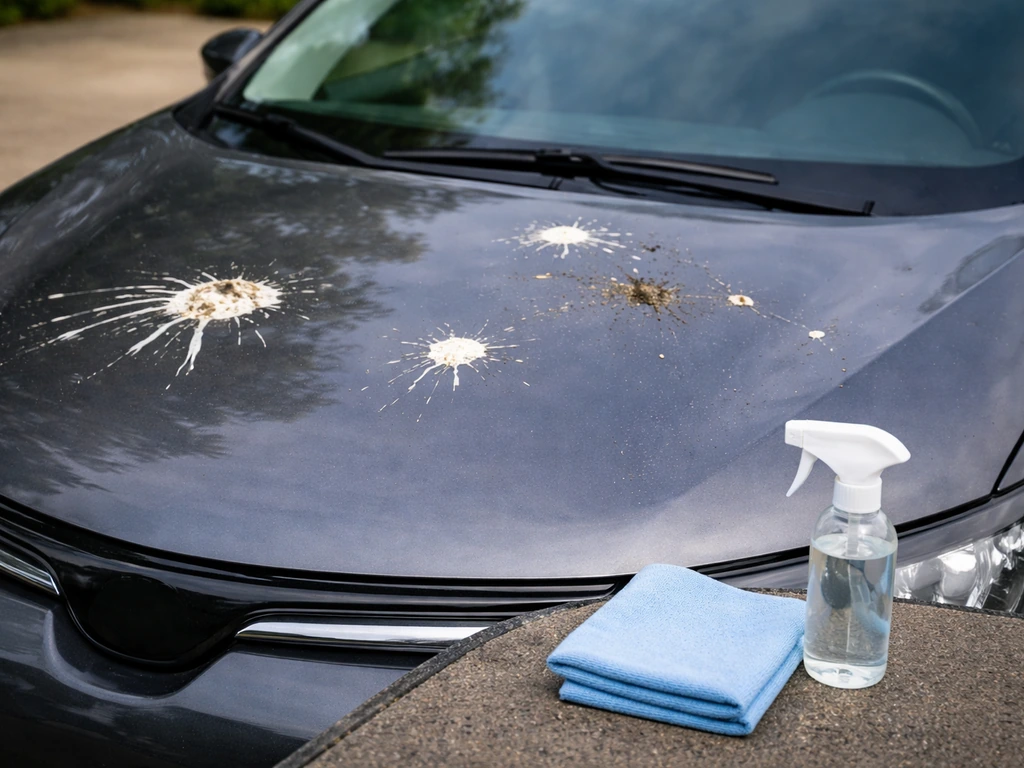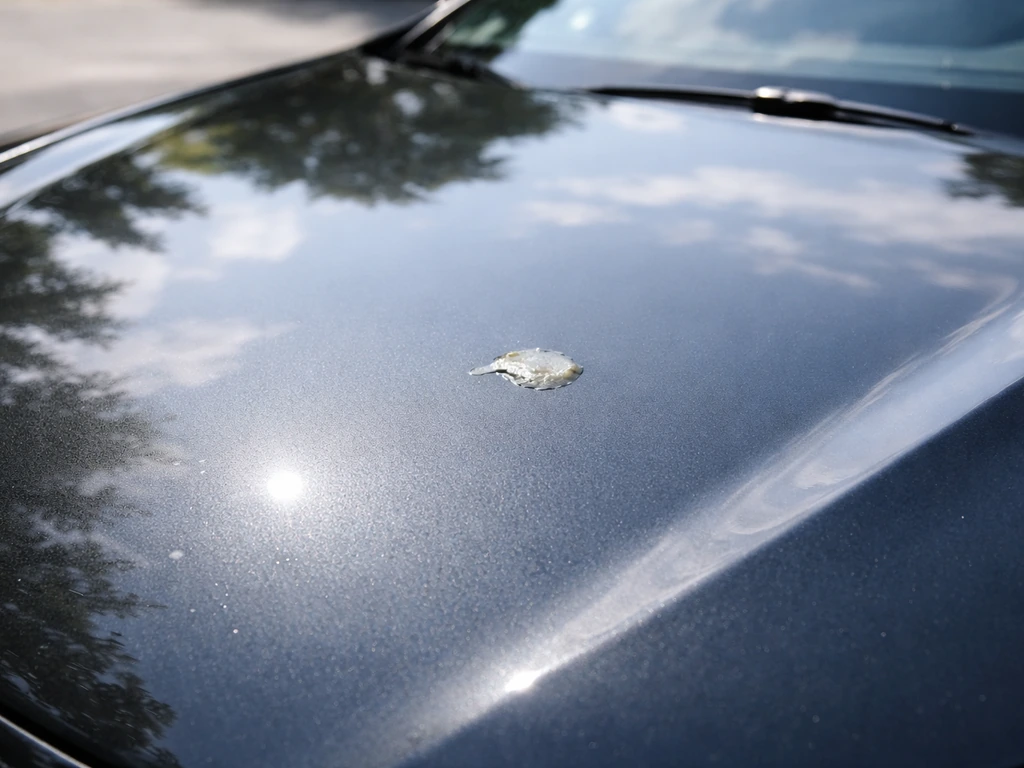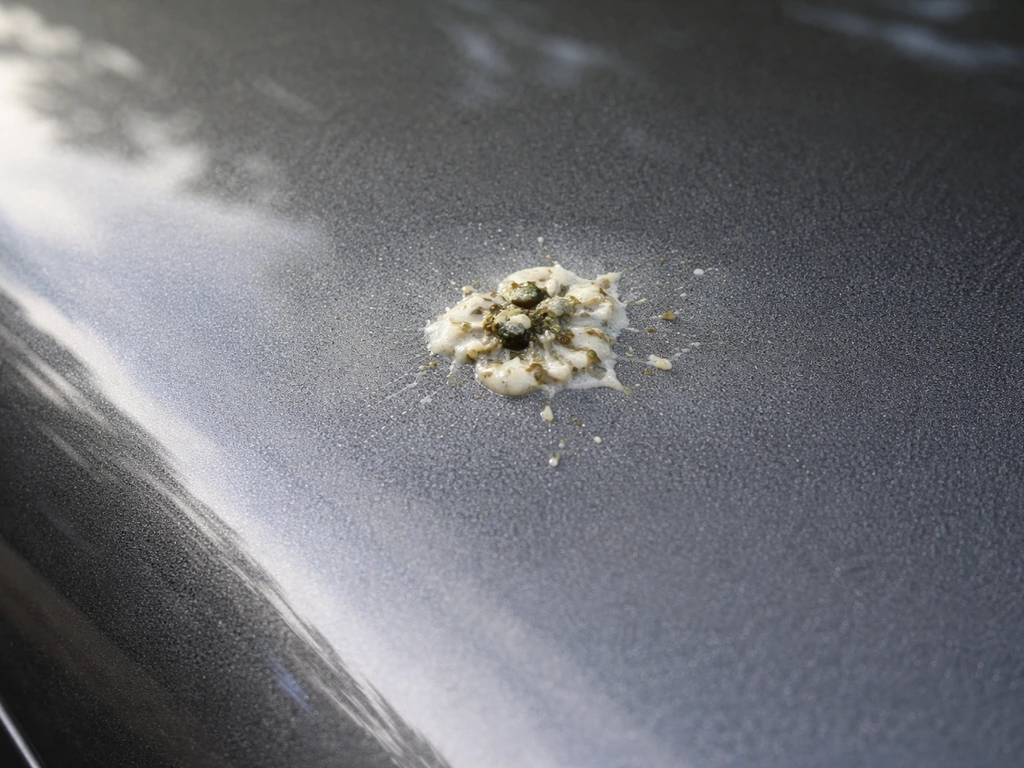
Bird poop is so hard to get off because it contains uric acid, which doesn't dissolve easily in water. Unlike mammal urine (which is mostly water-soluble urea), birds excrete their nitrogenous waste as uric acid and urates: a thick, chalky paste that starts sticky and then crystallizes into a rock-hard crust as moisture evaporates. Once that crust locks onto a surface, plain water barely touches it, and scraping just makes things worse.
Why Is Bird Poop So Hard to Get Off? Cleanup Guide

Marcus Fielding
16 Jun 2026
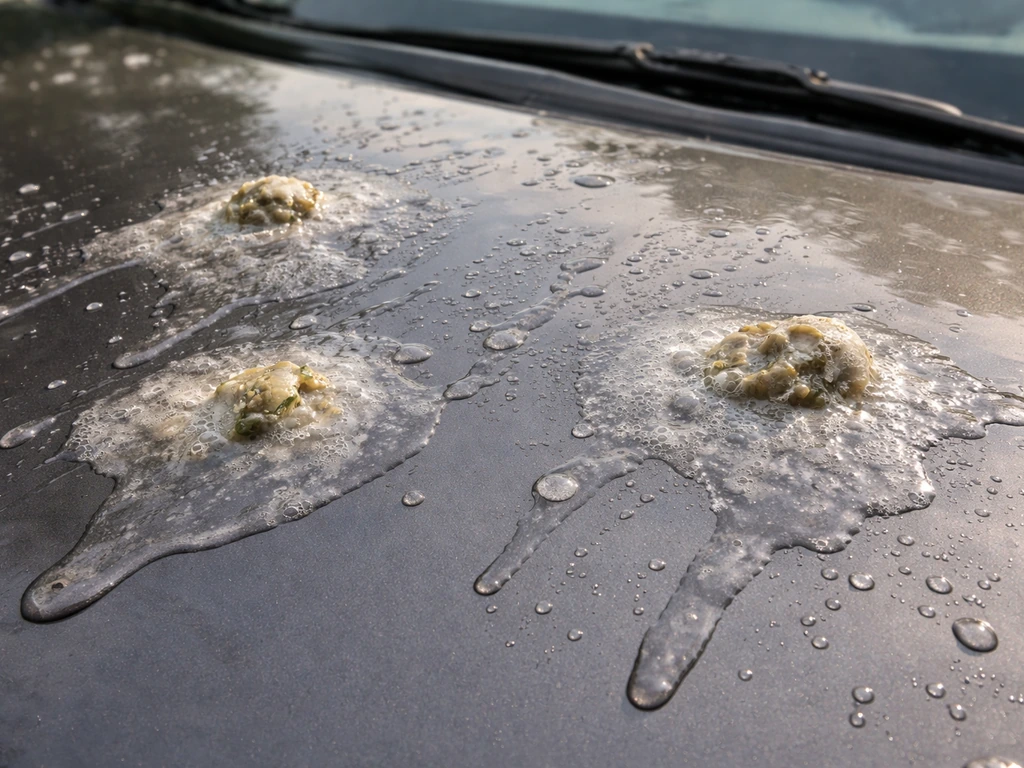
Why bird droppings feel 'stuck': uric acid, enzymes, and drying
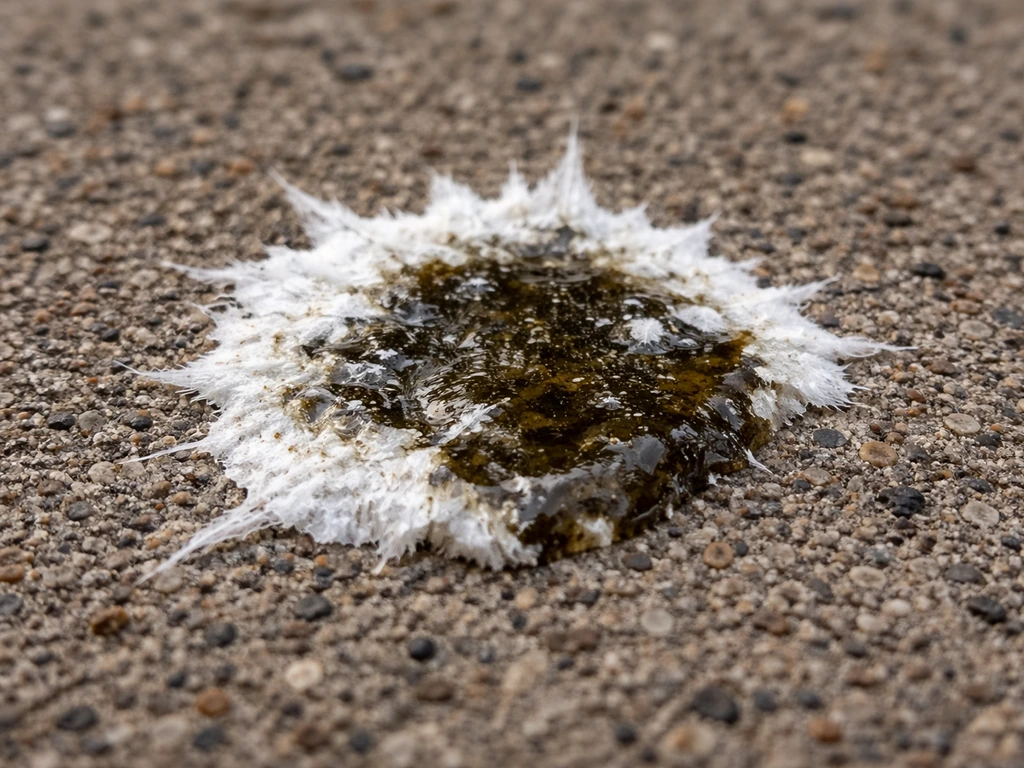
The white part of a bird dropping is mostly urate, the salt form of uric acid. Uric acid has notoriously low water solubility, which is why it crystallizes so readily, the same chemistry that causes gout in humans when urate crystals build up in joints. When a bird deposits a dropping on your car hood or patio stone, you're looking at a mixture of fecal material, a small amount of liquid urine (the clear watery ring), and a concentrated blob of urate paste in the middle.
As that blob dries, the urate precipitates out of solution and forms a bonded, crystalline layer that physically grips the surface texture. On porous materials like concrete or stone, it seeps into micro-gaps before hardening. On painted or coated surfaces, the uric acid is actively chemically reactive while wet, softening the top layer so the deposit can embed itself slightly before crusting over. That combination of mechanical grip and chemical interaction is why bird droppings feel almost welded on once they've dried.
How long it takes to harden, and what it does to surfaces over time
In warm, sunny conditions, a fresh dropping can start forming a crust in as little as 10 to 20 minutes. In direct summer sun, the surface of a car hood can reach 60°C or more, which accelerates drying dramatically. Within an hour, the urate layer is typically hard. Within 24 hours, it has fully cured and bonded, and by that point you're looking at a much harder cleanup job.
The damage timeline matters here. While the dropping is still wet and acidic, it's actively reacting with whatever surface it sits on. The longer it sits, the more likely the uric acid and drying process will start damaging your car paint, so it's worth acting as soon as possible how long does bird poop take to damage car paint.
On car clear coat, this can cause etching: a dull, slightly sunken mark where the acid has attacked the top layer of lacquer. On natural stone, ongoing exposure to moisture cycling through the hardened crust can cause surface spalling. On bare metal, the moisture trapped under the crust promotes corrosion. The longer you leave it, the worse the outcome on almost every surface, which is why 'deal with it fast' is the most important cleaning rule.
Surface-specific cleanup tips
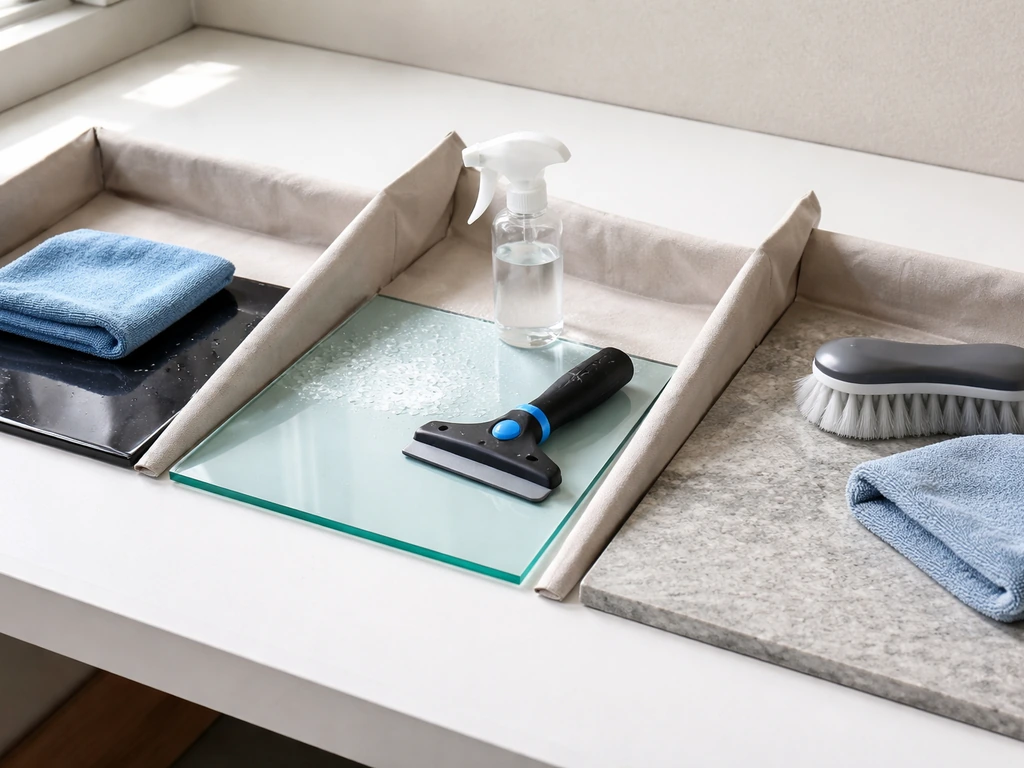
The basic principle is the same everywhere: rehydrate the deposit before you touch it. But the right cleaner and tool changes depending on what's underneath.
| Surface | Best Soaking Method | Recommended Cleaner | Tool to Use | Key Warning |
|---|---|---|---|---|
| Car paint / clear coat | Wet microfiber cloth left on for 5–10 min | pH-neutral car soap or dedicated bird dropping remover spray | Soft microfiber cloth, gentle blotting motion | Never rub dry; avoid acidic or solvent-based cleaners |
| Car glass / windshield | Wet cloth or plain water spray, 2–5 min soak | Glass cleaner (ammonia-free if tinted windows) | Microfiber or paper towel, wipe in one direction | Avoid metal scrapers; plastic scraper only if needed |
| Chrome / bare metal | Warm water soak with cloth | Mild dish soap solution | Soft cloth; avoid abrasive pads | Dry fully after cleaning to prevent rust |
| Natural stone / concrete | Warm water applied generously, soak 10–15 min | Dilute dish soap or enzyme-based cleaner | Stiff nylon brush (not wire) | Acidic cleaners can etch stone; test on hidden area first |
| Vinyl siding / plastic | Warm water spray, 5 min soak | Mild dish soap or household all-purpose cleaner | Soft brush or sponge | Avoid bleach-based cleaners on colored siding |
The safest way to actually remove it: soak first, then clean
The single biggest mistake people make is trying to wipe or scrape a dry dropping. You're just grinding crystallized urate into the surface finish. The fix is always to rehydrate the deposit fully before you lift it. Ceramic coating can help protect against bird droppings by making the surface slicker and easier to rinse before the urate layer bonds does ceramic coating protect against bird droppings.
- Wet a microfiber cloth or paper towel with warm water (or use a dedicated bird dropping spray if you have one) and lay it directly over the dropping.
- Leave it there for at least 5 minutes, and up to 15 minutes for older or thicker deposits. The goal is to re-dissolve the crystallized urate so it lifts cleanly.
- Blot, don't wipe. Press down and lift straight up to pull the softened material off the surface without spreading it.
- Apply your cleaner of choice (pH-neutral car soap for paint, glass cleaner for windows, mild dish soap for most other surfaces) and gently wipe with a fresh microfiber cloth.
- Rinse with clean water and dry with a fresh cloth to prevent water spots or residue from re-depositing.
For car paint specifically, products marketed as 'bird dropping removers' or detailer sprays designed for organic contamination work well because they're formulated at a neutral pH and contain surfactants that help break down urate without attacking the clear coat. That same approach, using a bird dropping remover made for car paint, is a solid way to handle when a bird poops on your car. A diluted solution of baking soda and water (about one tablespoon per 500ml) is a reasonable home alternative since baking soda is mildly alkaline and can help neutralize the uric acid without being aggressive on finishes.
What not to do
A few common instincts here will make the problem worse or cause real damage.
- Don't scrape dry droppings with your fingernail, a key, or any hard object. You will scratch paint, glass, or stone finishes before the urate budges.
- Don't use undiluted bleach or strong acid-based cleaners on painted surfaces, chrome, or natural stone. They'll strip finishes or etch stone faster than the bird poop would have.
- Don't use a high-pressure washer directly on a single spot of old bird poop. It can drive contaminated material into porous surfaces, spread aerosolized particles, and damage paint if held too close. A gentle garden hose rinse to pre-wet is fine.
- Don't use abrasive scrubbing pads (like the scratchy side of a kitchen sponge) on car paint or clear coat. Even light scratching will show under light on a polished finish.
- Don't skip rinsing after cleaning. Soap residue left in the sun will bake onto the surface and create a new cleaning problem.
Health and safety risks you should actually know about
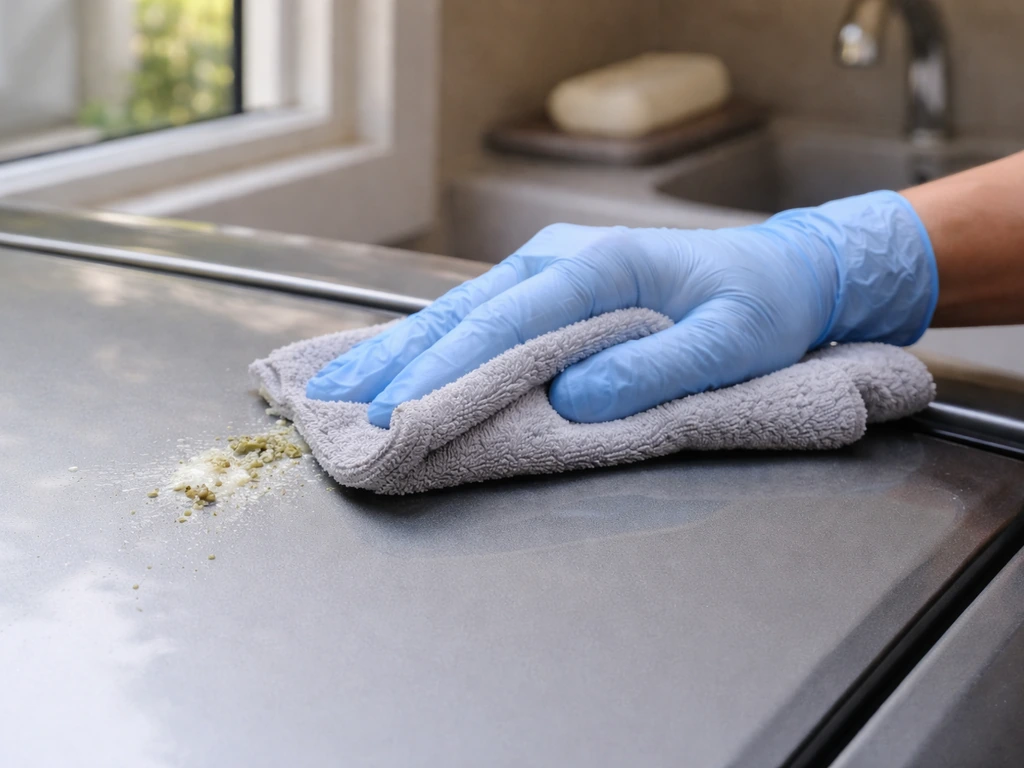
For a single fresh dropping on your car, the health risk is minimal if you wash your hands properly afterward. That said, it's worth understanding the real risks without overstating them.
The most significant concern with bird droppings isn't contact with skin, it's breathing in dried, aerosolized particles. Histoplasma capsulatum is a fungal pathogen that can be found in bird (and bat) droppings, and when old, dried droppings are disturbed, they can release spores into the air. This is a legitimate concern for people cleaning up large accumulations, like under a roost, in an attic, or in a barn, not someone wiping a single dropping off their windshield. The CDC recommends preventing large accumulations of droppings in the first place as the best way to reduce exposure risk.
If you are dealing with a larger cleanup job involving significant accumulation of old, dried droppings, wear a properly fitted particulate-filtering respirator (N95 or better), disposable gloves, and ideally coveralls. Wet the material down before disturbing it to reduce aerosolization. For very large infestations, calling a professional remediation service is the genuinely safer call.
For everyday contact situations, washing your hands thoroughly with soap and water after handling bird droppings is the key step. Avoid touching your face, especially your eyes and mouth, before washing. If bird dropping material gets in your eyes, rinse with clean water for several minutes. If you develop respiratory symptoms after cleaning up a significant accumulation and you're in an area where Histoplasma is common (much of the central and eastern United States), mention the exposure to a doctor.
How to stop the buildup in the first place
Prevention is genuinely much easier than cleanup, especially if you're dealing with repeat offenders parking under the same tree or ledge every morning.
For car owners
- Park in a garage or under a solid cover whenever possible, especially overnight when roosting birds are active.
- Use a car cover if you park in a fixed spot known for bird activity. It's cheap protection compared to paint correction work.
- Apply a paint sealant, wax, or ceramic coating. A properly protected clear coat makes fresh droppings much easier to rinse off before they bond, and reduces the risk of etching. Ceramic coatings in particular add a smooth, hydrophobic layer that gives droppings less to grip onto.
- Keep a small spray bottle of water and a microfiber cloth in your car so you can deal with fresh droppings immediately rather than letting them bake on.
For property owners
- Install physical deterrents like bird spikes on ledges, railings, and rooflines where birds commonly roost. These are inexpensive and effective.
- Use bird-repellent gel on flat ledge surfaces (though this requires periodic reapplication).
- Reflective tape, old CDs hung on string, or predator decoys (owl or hawk silhouettes) can deter birds from specific areas, though birds do adapt to static deterrents over time.
- Trim tree branches that hang directly over driveways, patios, or frequently used outdoor furniture.
- Clean up existing droppings regularly rather than letting them accumulate, both to reduce health risk and to discourage birds from returning to an established roost spot.
If you're a pet bird owner dealing with cage cleanup, enzyme-based cleaners designed for pet messes are particularly effective because they break down the organic components of droppings at a molecular level rather than just dissolving the surface crust. They're also generally safe for use around birds when fully dried, unlike bleach-based products.
The bottom line: bird poop is tough to remove because the chemistry of uric acid makes it want to crystallize and bond tightly to whatever it lands on. If you are wondering why there is so much bird poop on your car, it usually comes down to repeated birds choosing the same spot to land or perch, such as a nearby tree or a regularly used area bird poop is tough to remove. But every step of the problem has a practical solution, soak before you wipe, use the right cleaner for the surface, protect skin and lungs when dealing with accumulated droppings, and put deterrents in place so you're not fighting this battle on repeat.
FAQ
Will hot water remove bird poop faster, or does it make the crust worse?
Hot water often helps only if it rehydrates the urate layer long enough, but it can also speed drying in warm sun or on a sunny car panel. Use lukewarm to cool water first, keep the deposit wet with your cleaner for a few minutes, then wipe. Avoid pouring boiling water directly onto car paint or heated metal.
Is it safe to use vinegar, lemon, or other acids to dissolve bird poop?
It depends on the surface, but acidic household cleaners can increase corrosion and etching risk on car clear coat and some stones, especially if the deposit has already begun bonding. Stick to neutral pH bird dropping removers for vehicles. If using a home option, baking soda (mildly alkaline) is the safer general starting point described in the article.
What should I do if I already scrubbed a dry dropping and it looks smeared or cloudy?
Once you’ve ground crystallized urate into the finish, you usually need to rehydrate and lift rather than keep scraping. Soak with a car-safe bird dropping remover, let it dwell, then rinse. For persistent haze on paint, a dedicated detailer or light polish may be needed, but stop if you see clear coat dulling.
How long should the rehydration step take before I try wiping?
A practical approach is 5 to 10 minutes of keeping the area wet with your chosen cleaner, then attempt gentle wipe-off. If the material still feels gritty, reapply and wait another few minutes. Don’t let the cleaner dry on the surface during the dwell time.
Can I pressure wash bird poop off, or will it damage the surface?
Pressure washing can be risky if you’re using high pressure on textured surfaces or older coatings, and it can drive material into pores or seams. For cars and smooth coatings, use low pressure after rehydration and keep the nozzle at a safe distance. For stone/concrete, a gentler approach is usually better to avoid eroding surface texture.
Does bird poop removal differ for clear-coated cars versus older single-stage paint?
Yes. Clear coat is more resistant to light chemistry but still can etch if uric acid is left to react. Single-stage paint can be more sensitive to aggressive cleaners and abrasive wiping. Use the gentlest product suited for automotive finishes, and avoid harsh scrubbing until the urate has been fully rehydrated.
What’s the best approach for bird droppings on windshield glass?
Treat it like a rehydration-and-wipe problem, then follow with a glass cleaner suitable for automotive windows. Avoid scraping with blades or rough pads, because they can micro-scratch glass and create hazy visibility. If the deposit feels like a crust, dwell with a bird dropping remover or appropriate cleaner before wiping.
Is it okay to use bleach on bird droppings?
Bleach is not a good choice for most cleanup situations. It does not reliably neutralize uric acid, and it can damage or discolor materials and raise fume concerns when debris is disturbed. For pet areas, the article recommends enzyme-based cleaners, which target the organic components instead of relying on bleach.
How do I safely clean large piles under a roost or in an attic?
Assume aerosol risk from dried material. Wet the area before disturbing, wear a properly fitted particulate respirator (N95 or better), disposable gloves, and coveralls if needed. Work in small sections, avoid dry sweeping, and consider professional remediation for heavy accumulations where Histoplasma is a concern.
If a bird drops on my car overnight, is it already too late to prevent damage?
It’s not automatically too late, but the risk rises quickly once it’s dried and begins curing. The best move is to clean as soon as possible with a car-safe remover and proper dwell time. If you notice a dull or sunken spot after cleaning, that can indicate etching, and you may need restorative detailing.
What deterrents actually reduce repeat droppings on the same spot?
Simple, targeted changes work best: repositioning parking, adding physical barriers like spikes or covers on ledges, and using visual deterrents that move or rotate periodically. If birds are returning to the same perch, removing the perch or making the spot uncomfortable is more effective than relying only on sprays.