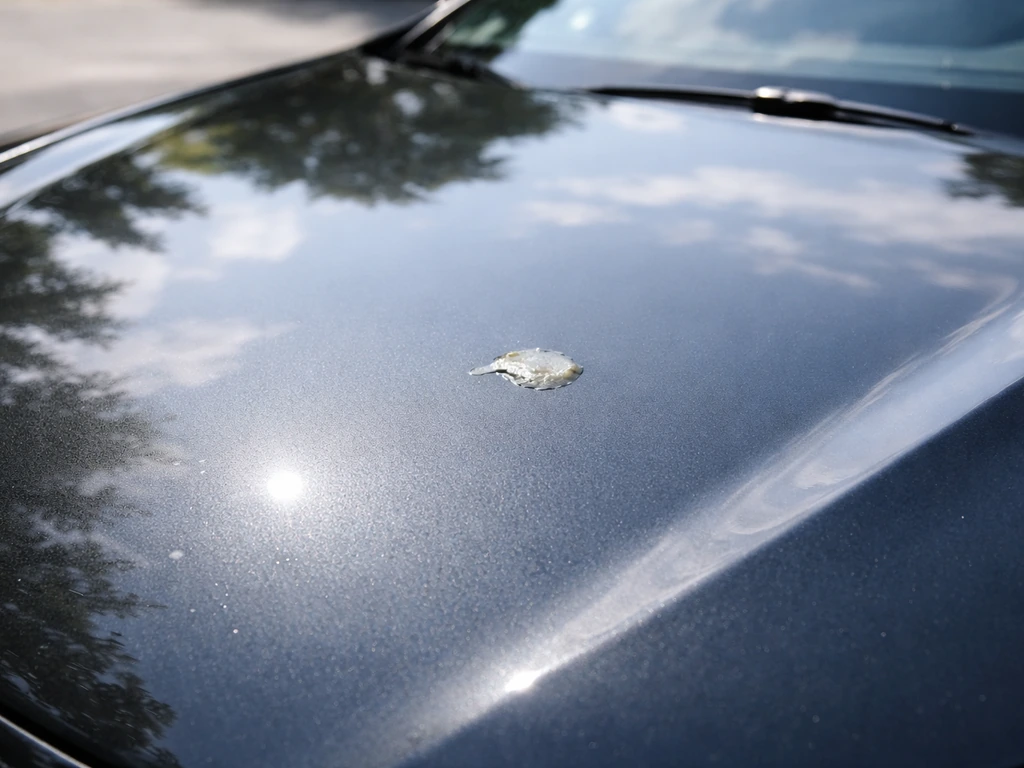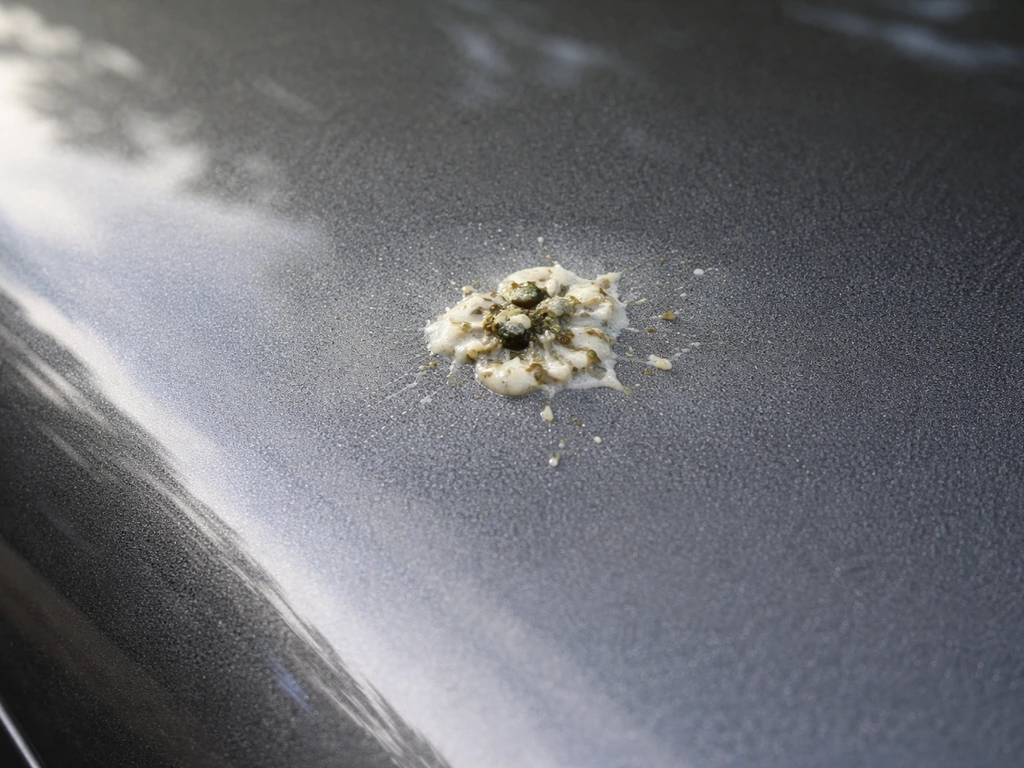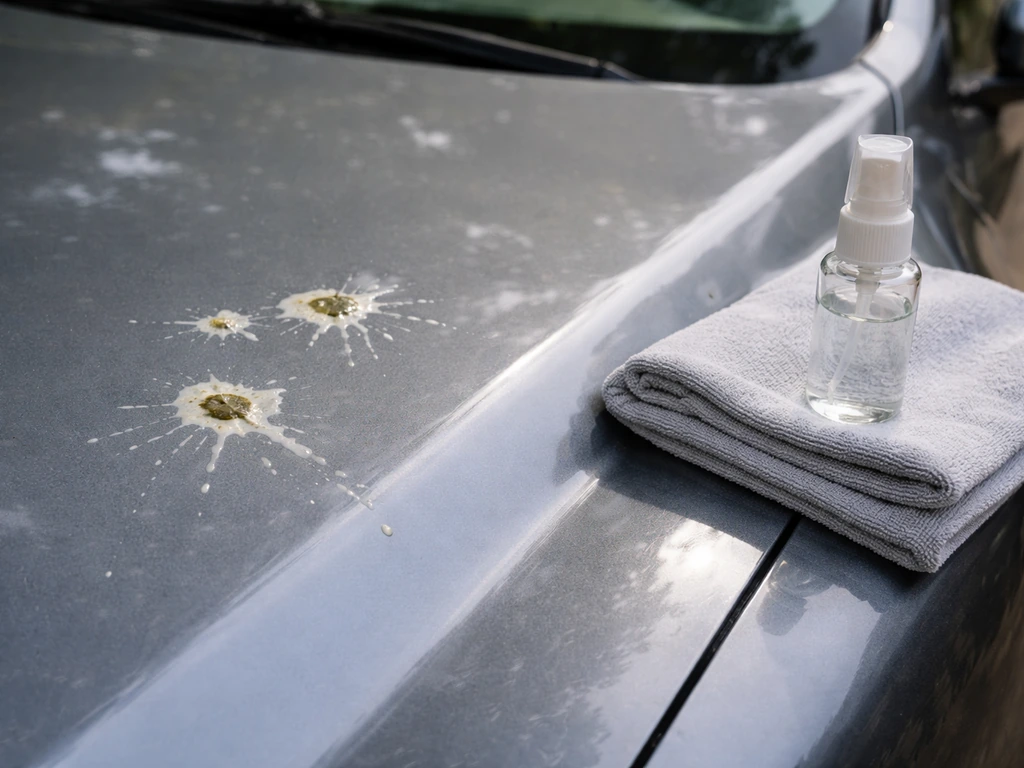
Birds poop on your car because it is parked somewhere that birds already use as a flight path, perch, or feeding stop. The car itself is not the target, the location is. If you are parked under a tree, near a ledge, under a wire, or close to a rooftop where birds gather, your car is simply the unlucky surface beneath a heavily trafficked bird route. The problem feels random, but it almost never is.
Why Is There So Much Bird Poop on My Car? Causes and Fixes

Marcus Fielding
16 May 2026
Why birds poop on cars in the first place
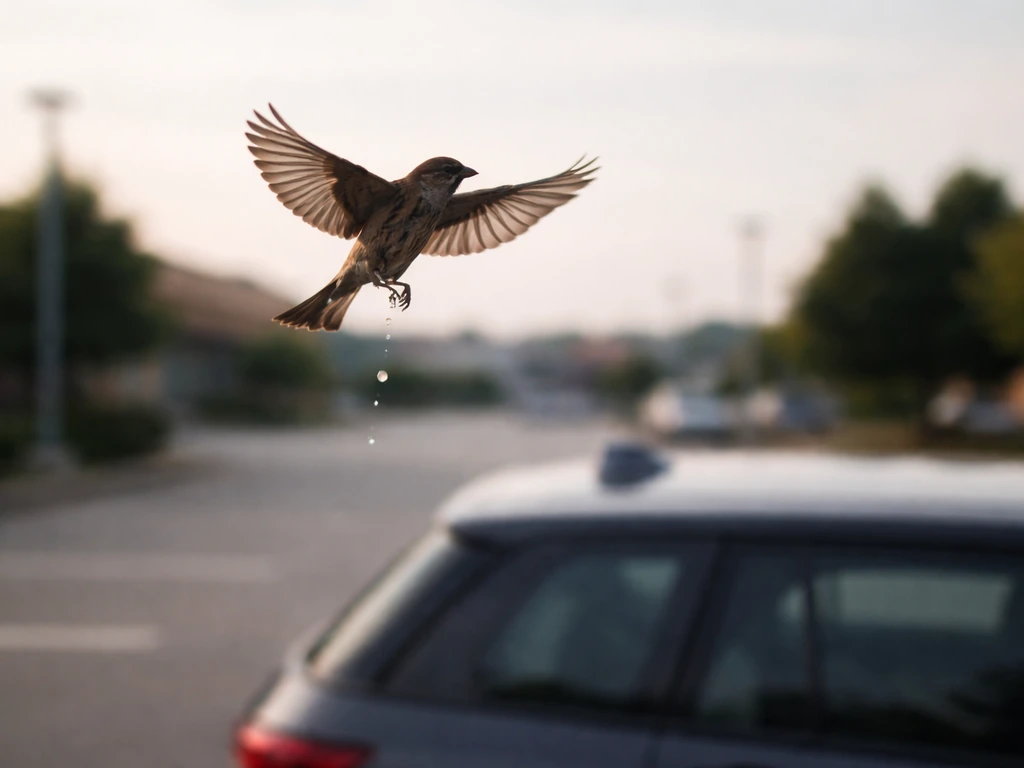
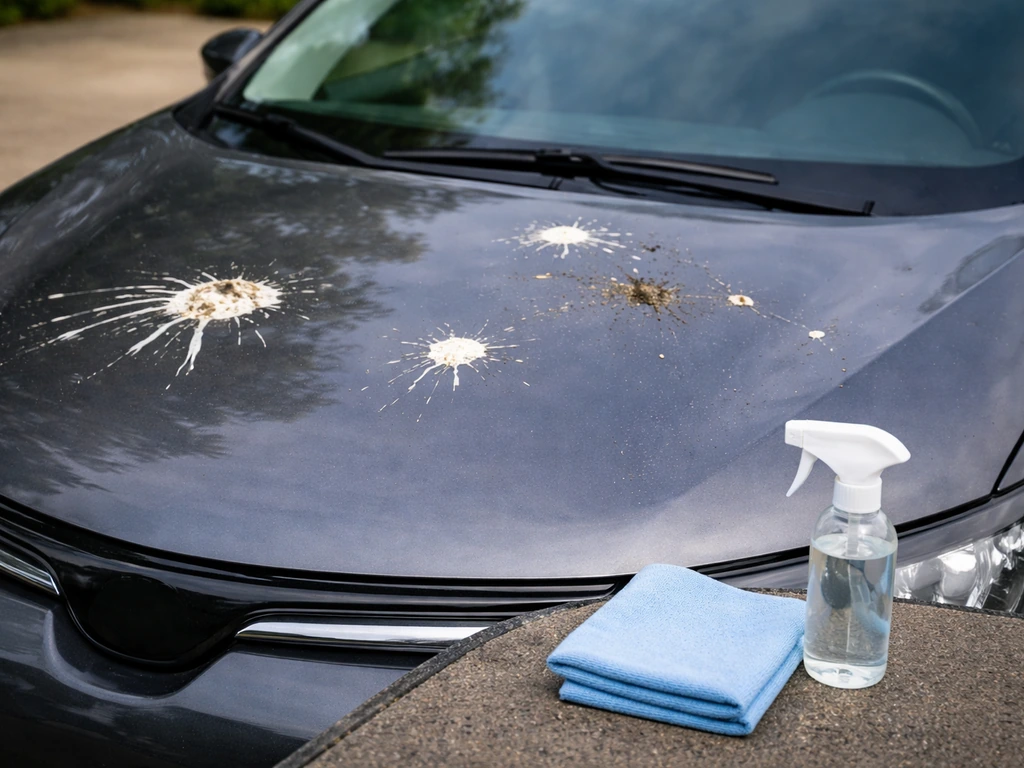
Birds do not aim for cars. They poop because they need to keep their body weight low for flight, which means they eliminate waste frequently, sometimes mid-flight, sometimes while perching directly above wherever your car is sitting. A healthy bird can poop every 15 to 20 minutes, so a single crow or starling roosting above your windshield for an hour is going to leave a significant mess. It is pure biology, not spite.
There is also a visual component worth knowing. Some research suggests birds are attracted to certain car colors, red, blue, and green vehicles tend to attract more droppings in observational studies, while white and silver attract fewer. The working theory is that certain colors mimic ripe fruit or reflective water surfaces that birds associate with food. It is not definitive science, but it is a real pattern many detailers notice.
What makes your specific spot popular with birds
If your car is getting bombed consistently, something in your immediate environment is pulling birds into that zone. The U.S. Fish and Wildlife Service notes that birds are drawn to attractants and that nesting near human infrastructure increases how often birds use those areas overall, including the airspace directly above where you park. Think about what surrounds your regular parking spot.
- Overhead trees: Any tree with branches extending over a parking area is a perching highway. Birds land, rest, digest, and eliminate. Fruit trees are especially bad because they attract birds as a food source and then the birds linger.
- Power lines and wires: Birds perch in rows on lines and poop directly below. If your car is under or near a wire run, you are sitting in the drop zone.
- Rooflines and ledges: Pigeons, sparrows, and starlings love flat or slightly angled ledges on buildings. They roost there in numbers, and the droppings fall straight down onto whatever is parked below.
- Nearby feeders or food sources: If someone nearby has a bird feeder, an open trash area, or a dumpster, birds congregate and then spread out to nearby perches — which may be directly above your car.
- Reflective surfaces: Some birds, especially certain territorial species, see their reflection in a car's shiny hood or windows and return repeatedly, hanging around longer than they otherwise would.
Once birds establish a route or a roosting spot, they tend to return to it reliably. It becomes a habit, reinforced by safety and food availability. This is why moving your car even 10 to 15 feet can make a noticeable difference, you step out of the established route.
When and why it suddenly gets worse
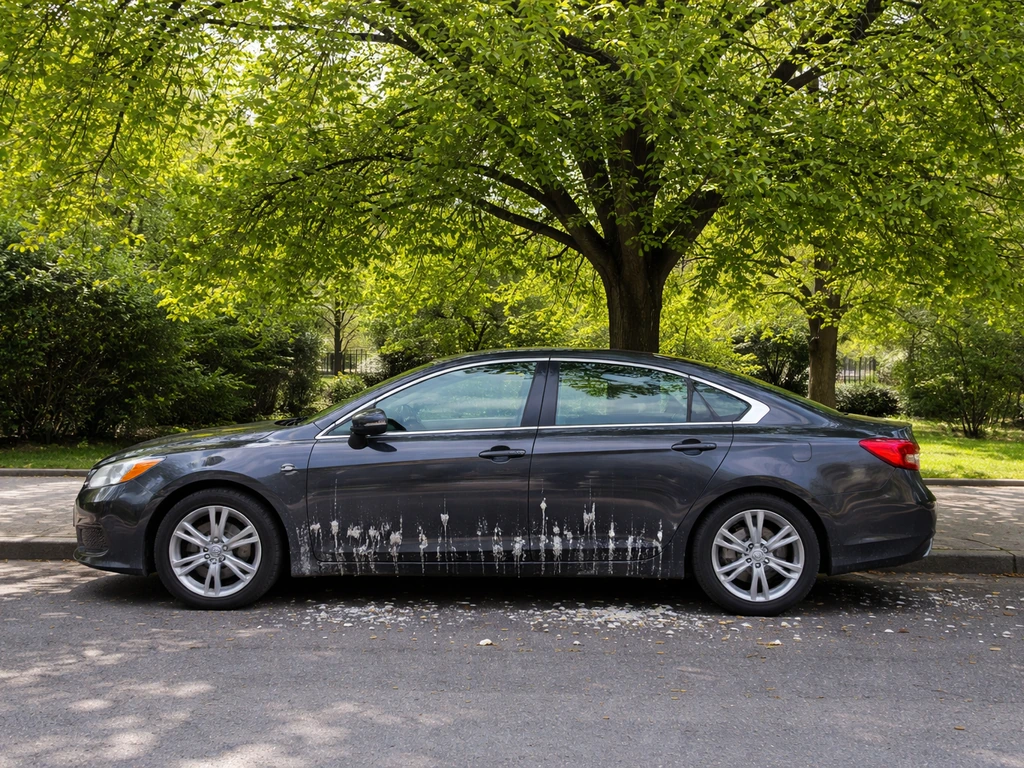
If you have noticed a dramatic increase in bird poop lately, timing matters. There are four main windows where droppings tend to spike hard.
- Spring nesting season (roughly March through June in North America): Parent birds make dozens of trips back and forth to nesting sites, and nesting activity concentrates large numbers of birds in a small area for weeks at a time. If a nest is anywhere near where you park, you will feel it.
- Fall migration (August through November): Migrating flocks pass through in large numbers, stopping to rest and feed. A parking lot near a tree line or water source can get hit by hundreds of birds overnight during migration waves.
- Winter roosting: Many species form large communal roosts in winter for warmth and safety. If a roost establishes near your parking area, you can go from a few droppings to dozens overnight.
- New construction or landscaping nearby: If a tree was removed, a building was modified, or new landscaping was added near where you park, birds that were using the old structure will shift their routes and may now be funneling through your parking spot.
Seasonal surges are almost always temporary if you address them early. The longer you let a new roosting pattern establish, the harder it is to disrupt because birds become comfortable with the location.
What bird droppings can actually do to you and your pets
Bird poop is mostly harmless in the brief, incidental contact a car owner typically has with it. The real risk is not touching it, it is breathing in dried or disturbed droppings. The CDC identifies two main infections associated with bird droppings that are worth knowing about.
The first is histoplasmosis, a lung infection caused by Histoplasma capsulatum fungal spores that can be present in soil enriched by bird and bat droppings. According to the CDC and the National Park Service, the risk jumps when large accumulations of dried droppings are disturbed and spores become airborne.
CDC/NIOSH emphasizes that the best way to prevent histoplasmosis exposure is to prevent droppings from accumulating and to prevent dust generation, including avoiding practices that aerosolize dried droppings [prevent droppings from accumulating and to prevent dust generation (e. g. , avoid practices that aerosolize dried droppings). ](https://www.
cdc. gov/niosh/histoplasmosis/prevention/elimination-and-engineering-controls. html). A single bird poop on your hood is not a histoplasmosis hazard.
A thick accumulation under a roost that you scrub dry with a brush is a different story.
The second is psittacosis, a bacterial infection caused by Chlamydia psittaci. The CDC notes that the most common route is breathing in dust from dried bird droppings or secretions. The Pennsylvania Game Commission notes humans more commonly pick this up from domestic birds than wild ones, but the cleanup method still matters, dry scrubbing is riskier than wet removal for both infections.
For pets, the concern is similar: dogs sniffing or licking areas with heavy droppings accumulation carry some exposure risk, particularly for histoplasmosis spores. A single lick of a fresh dropping on your car is unlikely to cause illness, but dogs that frequently nose around areas under large bird roosts deserve a quick rinse and a check-in with your vet if they show respiratory symptoms.
How to clean bird poop off your car without damaging the paint
Bird droppings are acidic, with a pH that can range from 3. 5 to around 4. 5. That acidity starts etching into clear coat within hours in warm weather, and within days in cooler conditions.
Speed matters. The longer a dropping sits, the more it chemically bonds with and degrades your paint surface. Bird poop is so hard to get off because it bonds to the paint as it dries, which is why quick wet cleaning makes a big difference Bird droppings are acidic.
If you are wondering how long it takes to damage car paint, the safest approach is to clean as soon as you notice droppings since bonding starts quickly how long does bird poop take to damage car paint. The topic of exactly how long you have before real damage sets in, and what that damage looks like, is worth understanding in detail separately, but the short answer is: do not leave it.
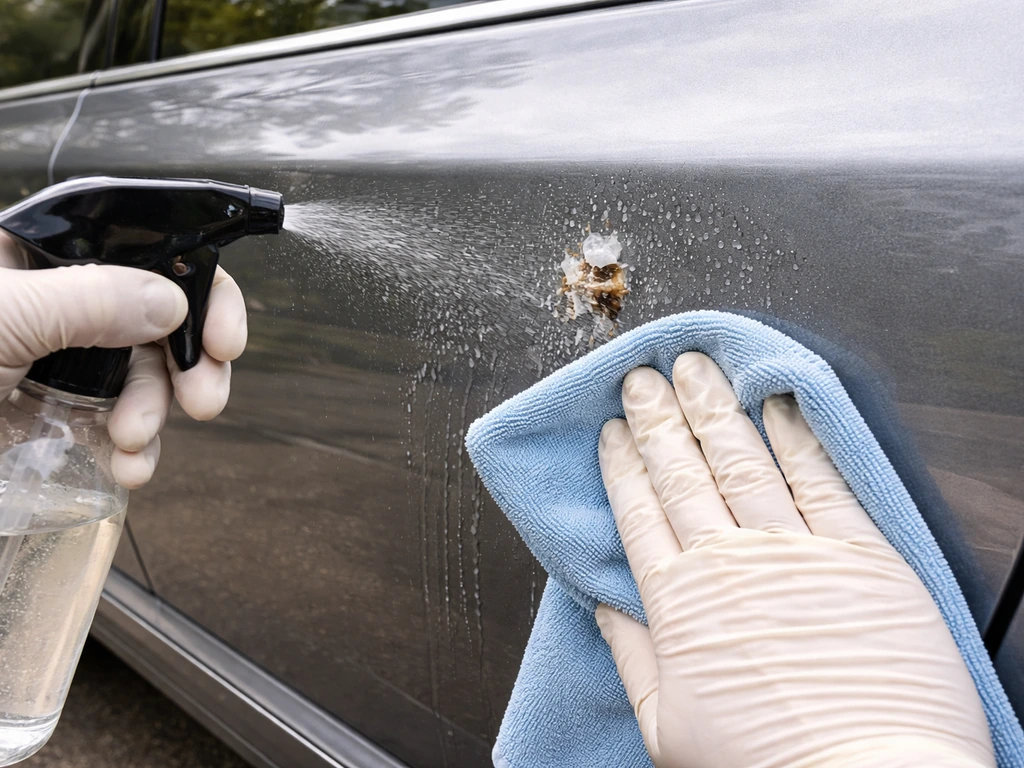
The CDC recommends wetting contaminated surfaces before cleaning as a key prevention measure to reduce airborne particles. That advice applies perfectly to car cleaning: always wet the dropping before you touch it. Here is a safe, paint-friendly process.
- Wet the dropping first: Spray water directly on the dropping and let it soak for 30 to 60 seconds. This prevents you from dragging dry, gritty material across your clear coat and also reduces any risk of aerosolizing dried matter.
- Lay a damp cloth or paper towel over it: Let it sit for another minute or two to soften the dropping completely. Do not wipe while it is still dry or even partially dry.
- Lift, do not wipe: Gently lift the cloth away from the paint rather than sliding it across the surface. Bird droppings often contain seed fragments and grit that will scratch clear coat if you drag them.
- Follow up with a detail spray or quick detailer: Spray a small amount on the area and buff gently with a clean microfiber cloth to remove any residue.
- Wash your hands thoroughly afterward: Even fresh droppings can carry bacteria. Avoid touching your face or eyes before washing.
What to avoid: do not use dry paper towels on a dry dropping, do not use harsh household cleaners like bleach or ammonia on your paint, and do not use abrasive scrubbing pads. If the dropping has already dried and etched slightly into the paint, a light clay bar treatment followed by a polish can minimize the damage, but deep etching may need professional attention. This connects directly to why bird droppings are so hard to remove once they have bonded, the chemistry between uric acid and clear coat is stubborn.
Deterrents and prevention that actually work today
The goal with deterrents is to make your parking spot or car less appealing as a perch without harming the birds. Most of these you can set up or start today.
Immediate actions you can take right now
- Move your parking spot: Even a short move of 10 to 20 feet out of the direct line under a tree or wire can dramatically cut droppings. This is the single highest-impact change for most people.
- Use a car cover: A quality car cover eliminates the damage entirely. It is not glamorous, but if you park in the same high-bird-traffic spot every day, a cover pays for itself quickly in avoided detailing costs.
- Hang reflective deterrents near your usual spot: Reflective tape, old CDs hung on strings, or commercially sold flash tape creates unpredictable light movement that discourages birds from perching nearby. These are especially effective under eaves or in carports.
- Install bird spikes on nearby ledges: If birds are roosting on a ledge or railing directly above where you park and you have access to that ledge, plastic bird spikes are humane, inexpensive, and highly effective. They do not harm birds — they just make the surface uncomfortable to land on.
- Remove food attractants: If there is a feeder within 30 to 40 feet of your regular parking spot, either move the feeder or accept that you are running a bird-traffic-generating operation near your car.
Longer-term protection for your paint
Beyond prevention, protecting your car's surface from the chemical damage droppings cause is smart regardless of how many birds you have around. A good paint sealant or carnauba wax creates a sacrificial barrier that slows the acid etching process and makes cleanup much easier. Ceramic coatings take this further, they create a harder, more chemically resistant surface layer that significantly reduces how quickly bird droppings bond to and etch the paint. Whether a ceramic coating is worth the investment for your situation is a real decision worth thinking through, but for regular parking in high-bird areas, it is one of the most practical upgrades you can make.
| Deterrent | Effectiveness | Cost | Effort to Set Up |
|---|---|---|---|
| Moving parking spot | High | Free | None |
| Car cover | Very High | Low to Medium | Low (daily habit) |
| Reflective tape / flash tape | Medium | Very Low | Low |
| Bird spikes on ledges | High (for fixed perches) | Low | Low to Medium |
| Removing nearby feeders | High (if feeder is the cause) | Free | None |
| Paint sealant or wax | Reduces damage, not droppings | Low | Low |
| Ceramic coating | Reduces damage significantly | Medium to High | Professional application |
The good luck thing, and what is actually true
You have probably heard someone tell you that bird poop on your car means good luck. This belief shows up across multiple cultures, in parts of Europe and Russia especially, a bird dropping on you (or your property) is considered a financial windfall coming your way. Some versions of the superstition specify that the luck only applies if the dropping hits you directly, not your car.
Where does this come from? The most likely origin is a combination of rarity (being hit by a bird is statistically uncommon on any given day, so it stands out) and the very human tendency to look for meaning in random events. If you heard about the luck after getting hit and then something good happened shortly afterward, that story stuck. Confirmation bias does the rest.
There is no evidence that bird droppings predict or influence financial outcomes. What is true is that getting poop on your car is extremely common in certain environments, which makes the 'rare and therefore lucky' logic fall apart pretty quickly when your roof is getting hit five times a week. The more useful frame: view it as useful environmental information telling you that birds are regularly using the airspace above your car, which is a problem you can actually solve.
If it helps emotionally to lean into the good luck angle while you figure out the deterrents, go for it. But do not skip the cleanup waiting for the windfall, bird droppings start damaging clear coat fast, and that repair bill is very real.
FAQ
If I wash my car, can I just wait until the next car wash day?
It depends on how long the droppings have been sitting, once they dry they start bonding to clear coat, paint can etch in hours in warm weather. If you spot fresh droppings, wet them first and rinse or clean right away, if they have dried thickly, clean sooner rather than later to reduce chemical bonding.
Is it safe to clean bird poop with car wax or quick detailer spray only?
Usually not as a standalone step. Many quick sprays are not designed to dissolve uric-acid residues, they may smear dried droppings instead of lifting them. Use a proper bird-dropping safe wash method, start by thoroughly wetting the area, then clean with automotive-safe products and rinse well.
Can I use a pressure washer to remove bird poop faster?
Be cautious. High-pressure streams can force residue into crevices or drive it under trim and seals, increasing future staining. If you use one, keep distance, use a fan tip, and still wet the droppings first so you are not blasting dry crust.
What should I do if droppings are on the windshield or wipers?
Clean promptly because dried residue can reduce wiper effectiveness and streak on glass. Wet first, then use an auto glass cleaner and a soft microfiber, avoid scraping with dry tools. If your wipers are leaving lines after cleaning, replace or inspect the blades.
Do I really need to worry about infections if it only happens occasionally?
For most people, the risk is low from small accidental contact, the larger concern is breathing dust when dried droppings are disturbed. If the mess is heavy or you need to scrub off a roost, wear respiratory protection if available, wet before touching, and avoid dry brushing.
Is dry brushing ever okay for bird poop removal?
No, dry brushing is specifically riskier because it can kick up airborne particles. The safer approach is to wet the droppings first, then wipe or wash, if you have to remove stubborn dried spots, use a paint-safe method that keeps things damp.
Will bird poop harm my car if it only hits the clear coat, not bare metal?
Yes, the clear coat is still vulnerable. Bird droppings are acidic and can etch the clear even when the paint underneath is intact, repeated exposure can lead to dull spots or roughness that may require polish or professional correction.
Does car color matter enough that I should change or repaint?
Color is not the deciding factor, location and birds’ routines usually matter more. If you are repeatedly targeted, focus on changing the parking spot, adding a barrier or cover, and protecting the paint with a sealant or coating rather than repainting.
Will moving my car by a few feet always stop the droppings?
It can help, especially if you shift out of the birds’ exact perch or flight lane, but it is not guaranteed. Birds can simply adjust to the new nearby surface, try moving farther (or changing sides or the nearby perch lines), then reassess after a few days.
What deterrents are most effective without harming birds?
Visual or placement-based changes tend to be safer than anything harmful, consider relocating the car, covering parking areas, or reducing nearby perching spots like exposed ledges. Avoid poisons, glue traps, or anything that can injure birds.
Is a ceramic coating worth it just for bird poop?
It can be worthwhile in high-bird areas because it creates a harder, more chemical-resistant surface that slows bonding. However, it is not a substitute for quick cleanup, you still want to wet and remove droppings promptly, and coatings vary in durability so choose based on your maintenance ability.
How do I protect my car if I cannot clean right away?
At minimum, avoid letting droppings sit dry. If you cannot clean immediately, park in shade if possible, and plan to wet the areas thoroughly before you wipe or wash. If bird traffic is heavy, consider parking under a cover or using a breathable car cover to reduce direct landing exposure.
What symptoms in my dog mean I should call the vet after bird poop exposure?
Call your vet if your dog shows respiratory signs like coughing, labored breathing, wheezing, or unusual lethargy, especially after frequent nose-to-ground sniffing in heavy roost areas. A quick rinse of the mouth and paws after exposure helps, but respiratory symptoms deserve prompt advice.
Can I use bleach, ammonia, or other strong cleaners on the droppings?
Avoid them. Harsh chemicals can damage paint, rubber, and trim, and they can also increase risk by forcing people to scrub more aggressively. Stick to wetting, gentle automotive-safe cleaners, and proper rinse-off.