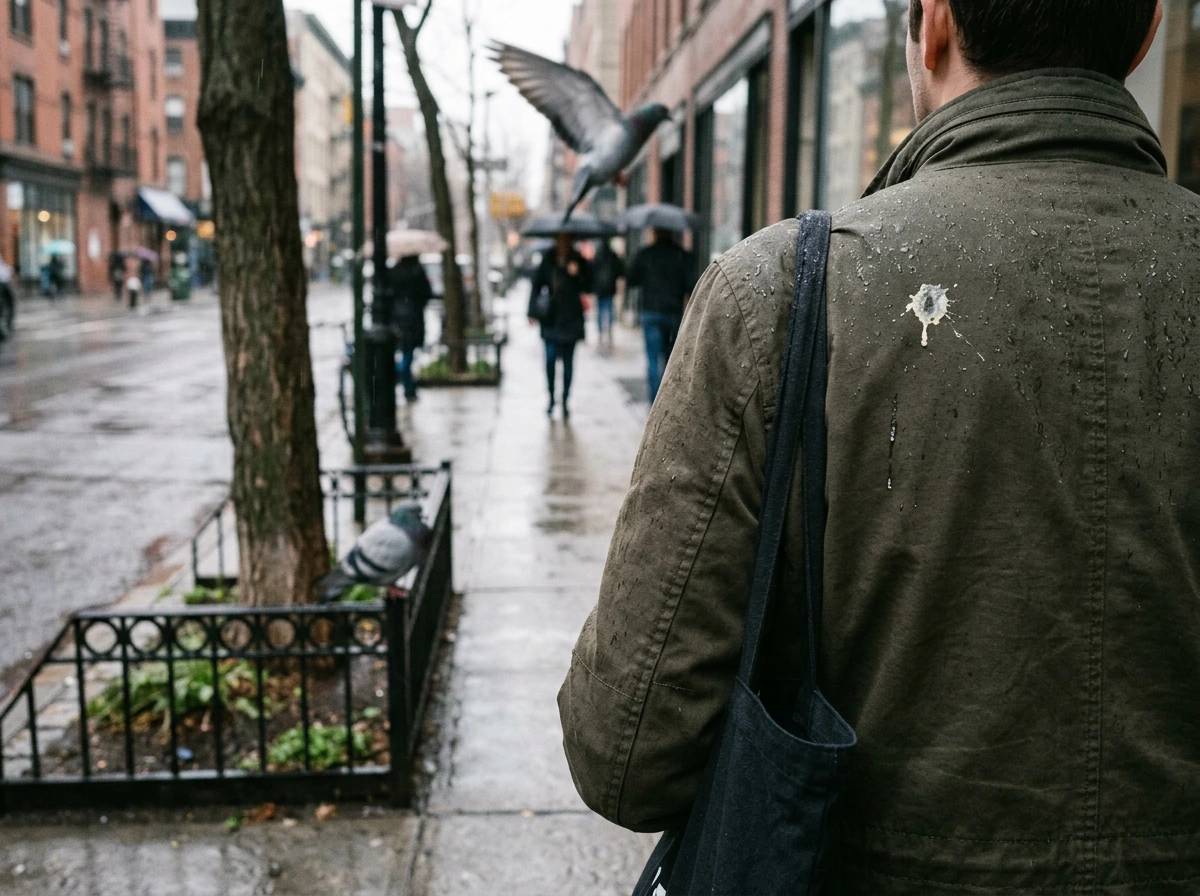
A bird just pooped on you. Your first instinct is probably a mix of disgust and mild embarrassment, followed quickly by someone nearby saying, 'That's good luck, you know!' So is it? The short answer is: the good luck belief is a well-documented folk superstition with no evidence behind it, A bird just pooped on you. Your first instinct is probably a mix of disgust and mild embarrassment, followed quickly by someone nearby saying, 'That's good luck, you know!' So is it? The short answer is: the good luck belief is a well-documented folk superstition with no evidence behind it, but is getting pooped on by a bird good luck is mostly harmless if you clean up promptly and sensibly. So if you're wondering whether the superstition is right, check out whether getting pooped on by a bird is good luck. Here's everything you need to know, from the folklore to the actual health facts to what to do in the next five minutes. if a bird poops on you is it good luck. is bird poop on your head good luck
Is a Bird Pooping on You Good Luck? What to Do Now

Superstition vs reality: good luck or bad luck?
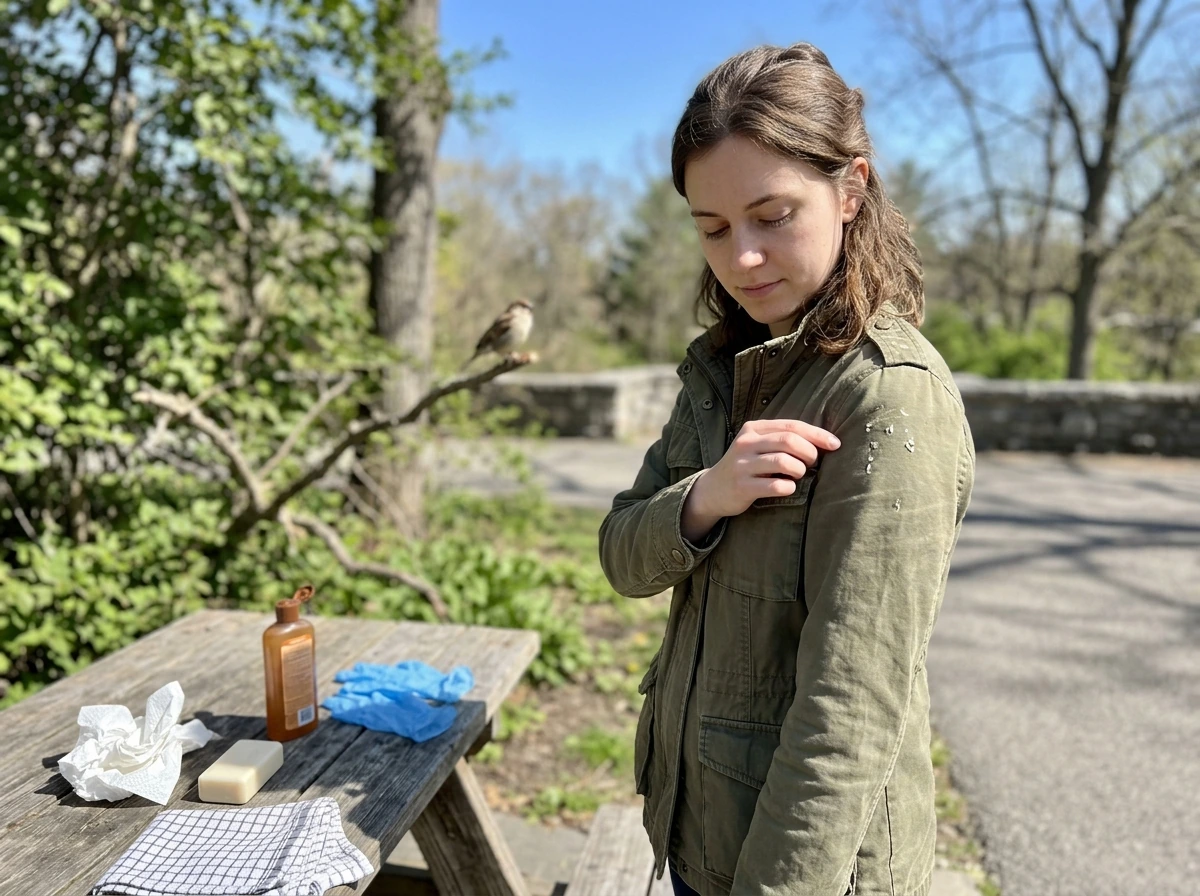
The 'bird poop equals good luck' belief is genuinely widespread. The USC Digital Folklore Archives has collected multiple accounts of it, including a popular English-language version that says being pooped on by a bird brings seven years of good luck. Variations of this show up across European, Russian, and Turkish folklore, and it's one of those superstitions that has spread so far it feels like common knowledge. The leading theory for why it exists is probably the same reason a lot of inconvenient things get reframed as lucky: it softens the blow of something unpleasant happening to you in public.
On the flip side, some cultures do associate birds with omens of bad luck, though these tend to be more bird-species-specific (owls in certain traditions, for example) rather than tied to the act of being pooped on specifically. In British folklore, birds carry various symbolic meanings depending on the species and context, but the 'poop = good luck' version is by far the dominant one in English-speaking countries.
From an Islamic perspective, the belief doesn't hold up at all. From an Islamic perspective, the belief doesn't hold up at all, and if you're specifically asking whether is bird poop good luck in islam is true, Islamic sources categorize it as superstition. Fatwas from recognized Islamic sources state clearly that claims about animals or birds bringing luck are unfounded and fall into the category of superstition. The concept of tawakkul, trusting in Allah rather than omens, is emphasized instead. So if you're wondering whether the luck belief has any religious backing in Islam, the answer is no.
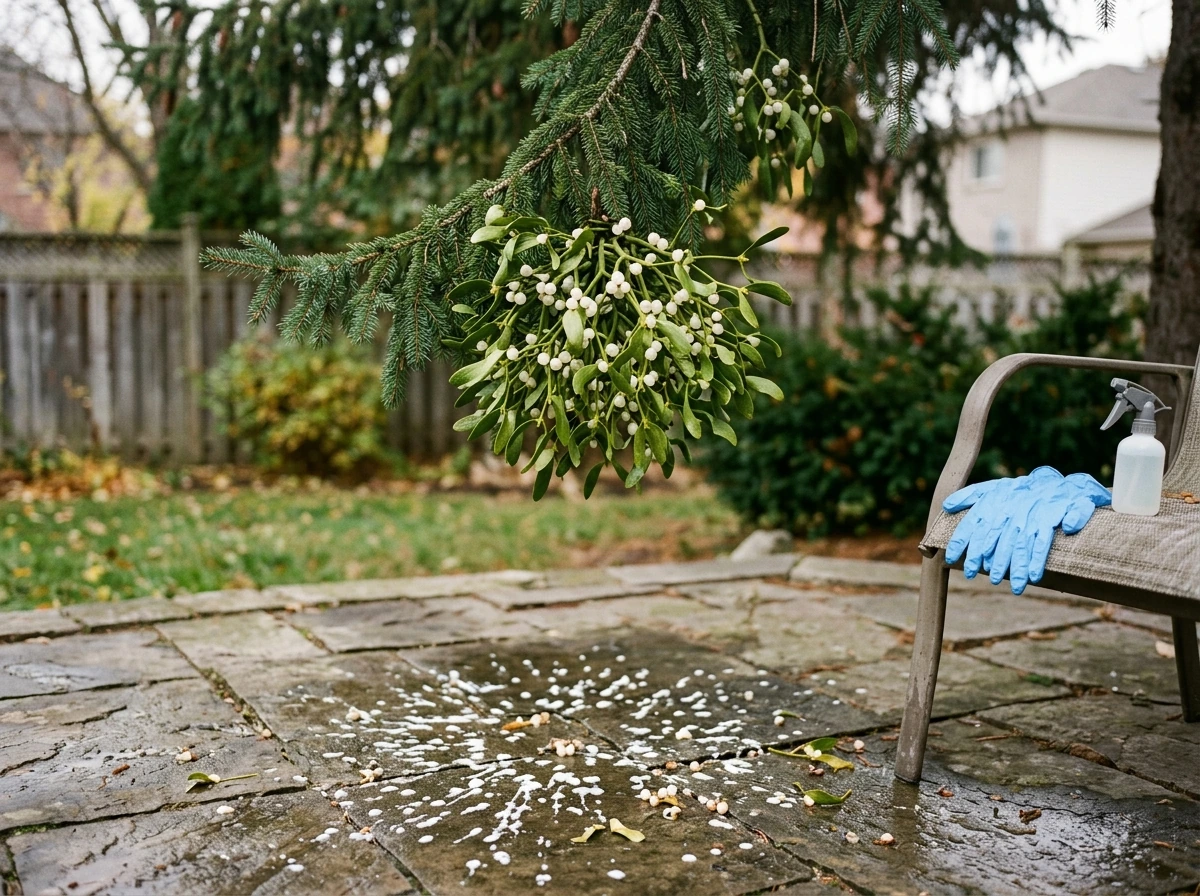
The honest bottom line: there is no causal link between a bird's digestive habits and your future fortunes. What you do have is an unexpected mess that needs cleaning up, and a small but real reason to think about hygiene. That's where the practical stuff starts. is mistletoe bird poop is mistletoe bird poop
What to do immediately if it happens on you
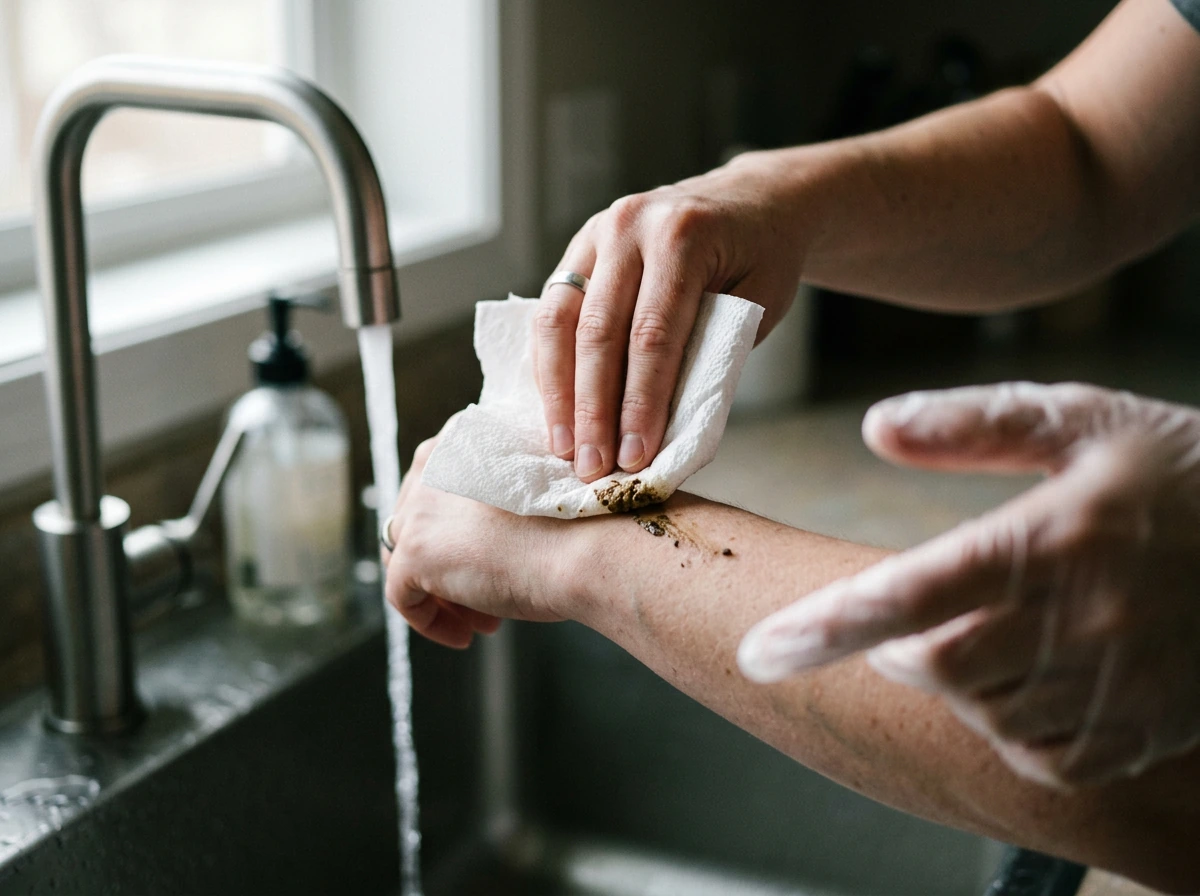
The most important rule in the first few minutes is: don't touch your face. Bird droppings can carry bacteria and fungal spores, and the main route those things get into your body is through your mucous membranes, meaning your eyes, nose, and mouth. Before you do anything else, keep your hands away from your face.
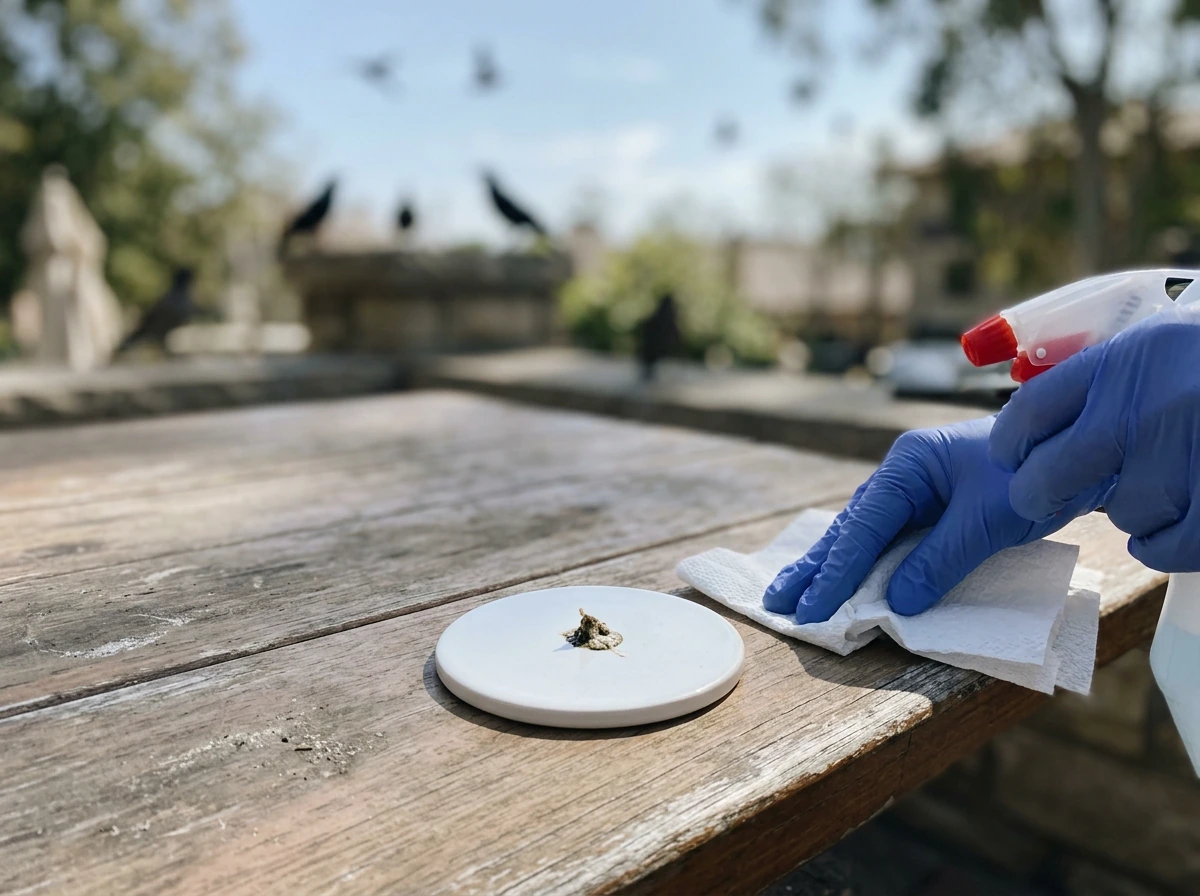
After that, the priority is to remove the droppings from your skin or clothing without spreading them further. Don't rub or wipe aggressively, which can smear the material into fabric fibers or, in the case of dried droppings, release particles into the air. Scrape or blot fresh droppings off gently. If you're outside and don't have supplies handy, a paper towel or napkin works fine for the initial removal. The goal right now is containment, not perfection.
- Keep hands away from your face immediately.
- Gently blot or scrape off as much of the dropping as possible without rubbing it in.
- Avoid dry-scraping dried droppings, which can release dust particles into the air.
- Get to a sink as soon as you can to wash your hands thoroughly with soap and water.
- If it's on your clothes, avoid touching the affected area again until you can properly rinse it.
Safe cleanup for skin, hair, clothes, and shoes
Soap and water is your best friend here. The CDC is consistent on this: for most everyday exposures, cleaning with soap and water is enough to remove germs from skin and surfaces. You don't need to panic-buy specialty products. That said, the approach does vary a little depending on where the droppings landed.
Skin
Wash the affected area with soap and water for at least 20 seconds. This is the same standard the CDC recommends for hand hygiene after contact with contaminated surfaces. If the dropping landed on broken skin or an open cut, wash it thoroughly and consider calling a healthcare provider for advice, especially if you're immunocompromised. WorkSafe Queensland specifically advises covering any cuts or broken skin before handling bird droppings, and to seek advice if exposure occurs.
Hair
Wash your hair as soon as you're able to. Use your regular shampoo and rinse thoroughly. There's no need for a special product. The key is not to let dried droppings sit in your hair for a long time, since dried material is more likely to become airborne when disturbed. Rinse gently rather than vigorously rubbing the area first.
Clothes
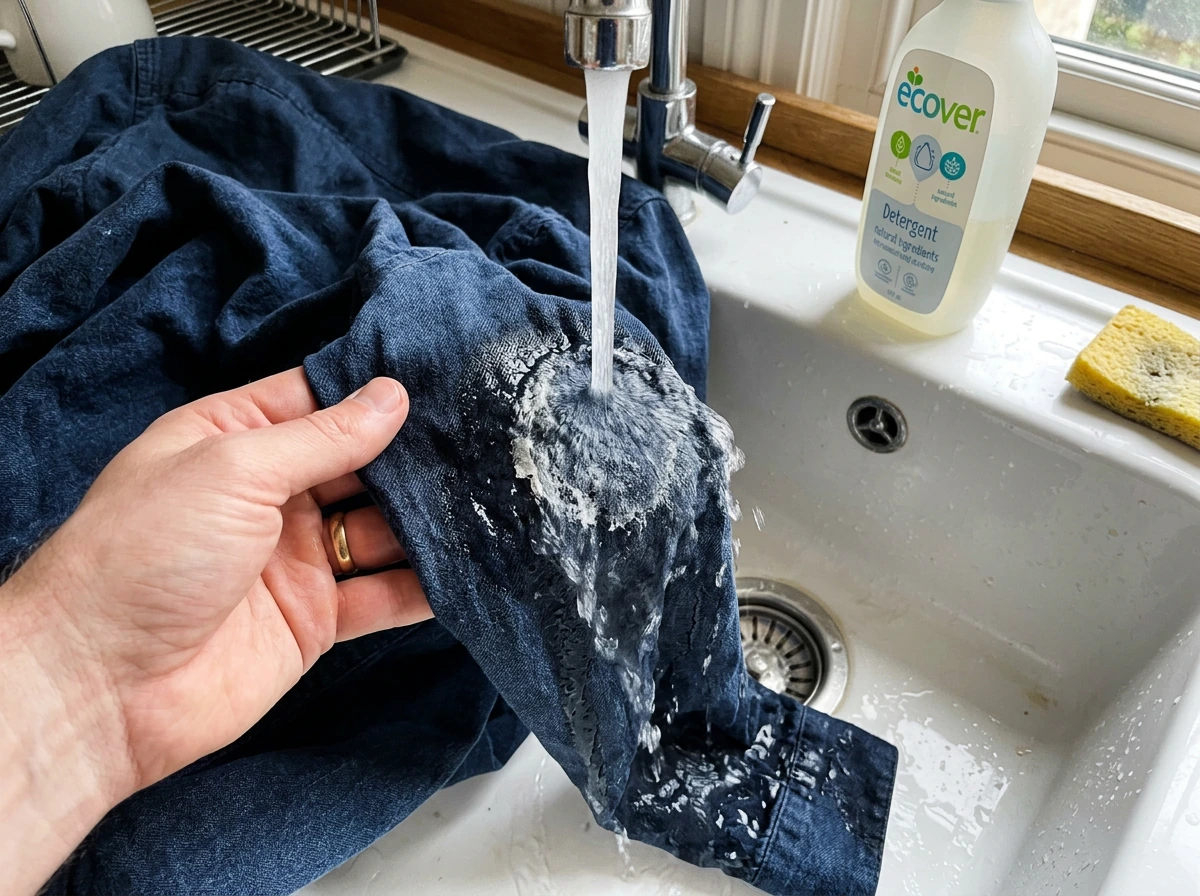
Rinse the stained area with cold water first to loosen the material, then wash the garment normally. Hot water can set protein-based stains, so cold is better for the initial rinse. If the dropping has already dried, gently scrape off what you can before wetting the fabric. A standard laundry wash at normal temperatures is sufficient for most fabrics. If the clothing was heavily soiled or you want extra peace of mind, you can launder with a detergent that has some antimicrobial properties, though regular detergent is typically adequate.
Shoes
For shoes, clean off visible material with soap and water first. If you want to disinfect further, the Illinois Department of Public Health recommends preparing a solution of 1 part bleach to 10 parts water and submerging shoes for 10 minutes. For making a diluted bleach solution, the CDC suggests using 5 tablespoons (1/3 cup) of bleach per gallon of room-temperature water prepare a solution of 5 tablespoons (1/3 cup) of bleach per gallon of room-temperature water. That's a more thorough approach used in higher-risk scenarios like cleaning up after sick birds, but it gives you a concrete benchmark if you're dealing with a heavy exposure or want to be thorough.
Health risks from bird droppings (and when they're higher)
For most healthy adults, a bird pooping on you is a nuisance, not a medical event. So if you are wondering “is bird poop najis,” the safest approach is to treat it as impure and clean it promptly. But it's worth understanding what's actually in bird droppings and under what circumstances the risk goes up, because context matters.
Bird droppings can carry bacteria, fungi, and viruses. The two most commonly cited disease risks from bird droppings are histoplasmosis and psittacosis. Histoplasmosis is a fungal infection caused by breathing in spores of Histoplasma, a fungus found in soil contaminated with bird and bat droppings. According to the CDC, you get it by inhaling the spores, not by getting droppings on your skin. It's associated with large accumulations of droppings (think: cleaning out an old attic or barn) rather than a single bird dropping on your shoulder. Psittacosis is a bacterial infection that spreads through inhaling dried dust from infected bird droppings or secretions, as documented by both Massachusetts DPH and NJ DPH. Again, the transmission route is inhalation of dried, aerosolized material, not skin contact.
The practical upshot: a single fresh dropping on your skin or jacket carries very low risk for a healthy person. Risk goes up meaningfully in a few specific situations.
- Large accumulations of droppings (the CDC and NIOSH note that large amounts may require professional hazardous-waste handling).
- Dried droppings that get disturbed and become airborne as dust, which is the main inhalation risk.
- Exposure to eyes, nose, or mouth, particularly if you touch a contaminated hand to your face.
- Broken or cut skin that comes into direct contact with droppings.
- Immunocompromised individuals, for whom WorkSafe Queensland specifically notes the infection risk is higher.
Bird flu (avian influenza) is worth mentioning briefly, though for the average person who just got pooped on by a wild bird while walking to their car, the risk is extremely low. CDC guidance on avian influenza is primarily directed at people handling sick or dead birds, backyard flocks, or large quantities of bird waste. Still, the underlying hygiene principle applies: wash hands after any contact, avoid touching your face, and don't rub or dry-sweep dried droppings in a way that kicks up dust.
When to worry: symptoms and getting medical advice
For the vast majority of people, nothing bad happens after a bird drops on them and they wash up normally. But there are circumstances where it's worth paying closer attention or reaching out to a healthcare provider.
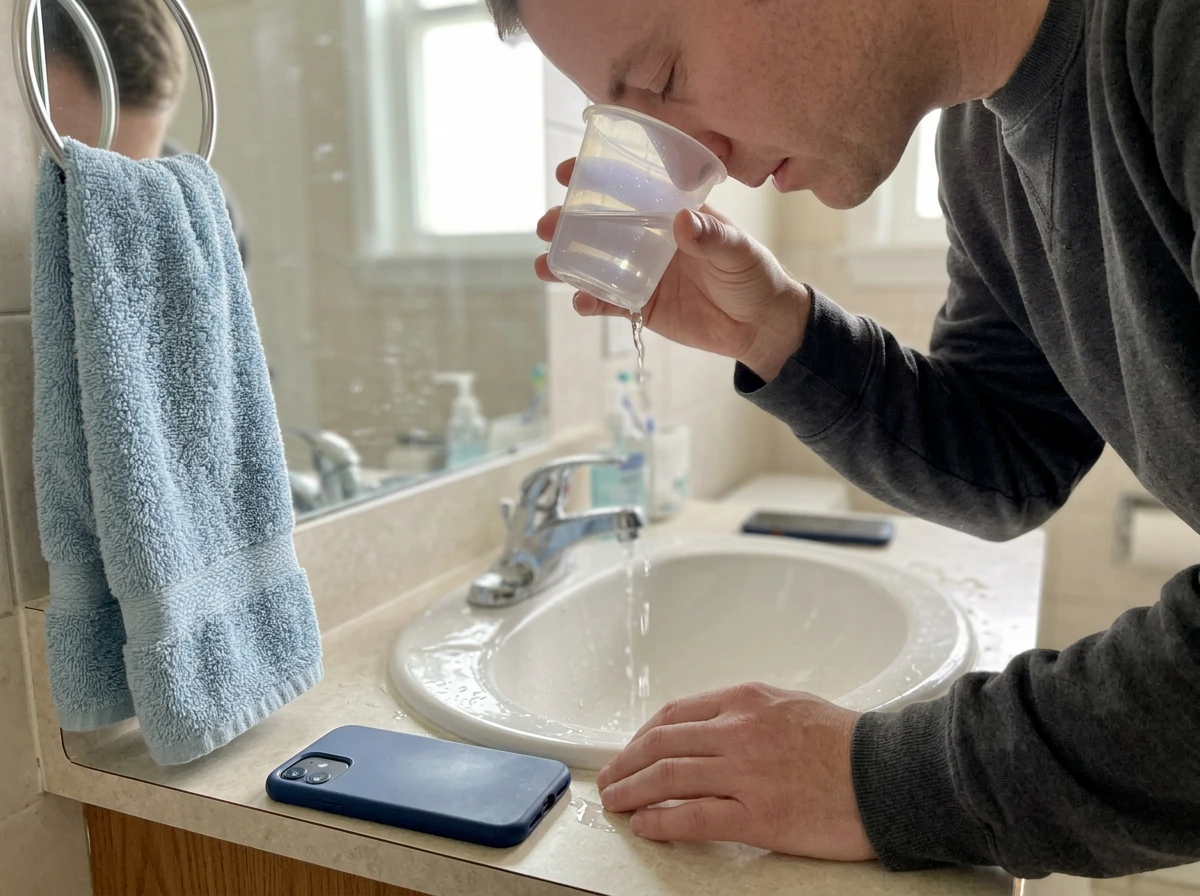
If the dropping got into your eye, rinse immediately with clean running water for several minutes and then contact a healthcare provider or Poison Control. Eye exposure is a mucous membrane exposure, and it warrants more caution than skin contact. Poison Control (reachable via webPOISONCONTROL online or by phone) can walk you through next steps for exposure scenarios if you're unsure.
Watch for symptoms in the days following if you had a higher-risk exposure, like handling a large accumulation of droppings or inhaling significant dust. The CDC lists the symptoms of acute pulmonary histoplasmosis as fever, malaise, cough, headache, chest pain, chills, and muscle aches. These symptoms typically appear 3 to 17 days after exposure. Symptoms of acute pulmonary histoplasmosis usually appear 3 to 17 days after breathing in the fungus, according to the CDC acute pulmonary histoplasmosis usually appear 3 to 17 days after exposure. If you develop respiratory symptoms after a high-exposure event, mention the exposure to your doctor.
People in higher-risk groups should be more proactive: if you're immunocompromised, pregnant, elderly, or have a chronic respiratory condition and you've had more than a passing contact with bird droppings, it's reasonable to call your healthcare provider even without symptoms, just to flag it. The same goes if you noticed the droppings were in a large, dried accumulation rather than a fresh single dropping.
Preventing it next time and quick tips for outdoor spaces
You can't entirely eliminate the possibility of a bird choosing you as a target, but you can reduce the odds and make cleanup easier when it happens.
- Avoid standing or sitting directly under trees, ledges, wires, or rooftops where birds commonly perch, especially pigeons, starlings, and gulls.
- If you're eating outdoors, stay alert to birds overhead and keep food covered, since food scraps attract birds and increase fly-over traffic.
- For your car, covered parking is the most effective solution. A car cover is a solid option if covered parking isn't available.
- Keep a small packet of wet wipes in your bag or car glove compartment so you can blot off fresh droppings quickly before they dry.
- If birds are roosting near your home or office, physical deterrents like bird spikes, reflective tape, or slope guards on ledges can redirect them without harm.
- For outdoor dining areas or patios, an umbrella or shade sail does double duty as a bird dropping shield.
- When cleaning up larger accumulations around your property, wear an N95 mask and eye protection to avoid inhaling dust, and wet the area first before sweeping or scraping to keep material from becoming airborne.
If you're a pet bird owner and are managing droppings regularly, the CDC advises against picking up droppings with bare hands and recommends standard hygiene precautions every time. Handwashing after any contact with your bird's cage or waste is a habit worth building, not because your pet is necessarily sick, but because it's just good practice.
The luck question is fun to think about, and if believing the superstition makes a gross moment feel a little less miserable, there's no harm in that. If you are wondering why there seems to be no bird poop in Mecca, it helps to look at how reality, crowds, and cleanup habits affect what you notice luck question. But the thing that actually matters is the cleanup. Wash up, don't rub dry droppings into the air, keep your hands away from your face, and move on with your day. That's the real good luck strategy.
FAQ
If I wear contact lenses and a bird poops near my face, what should I do?
For most people, yes. Clean it off promptly with soap and water, avoid rubbing the area, and keep your hands away from your face. If you were wearing contact lenses or the droppings might have touched your eyes, remove contacts, rinse the eye with running water for several minutes, and consider contacting a clinician if there is persistent redness, pain, or vision change.
What if bird droppings landed on my plate, utensils, or countertop, and I already ate?
Food or drink is the main concern only if the droppings got on the surface you ate from or you handled it and then touched your mouth. If you did not touch the droppings, just wash your hands with soap and water before eating. If there is visible contamination on a plate, utensil, or countertop, wash normally with detergent and then disinfect if the item is typically disinfected (for example, cutting boards).
Can I just shake the clothes off outside if bird poop dried on them?
If you get it on clothing, cold water first to loosen it helps, then wash as usual. Do not dry-sweep or shake the item outdoors, because dried droppings can become airborne. If it is heavily soiled or the stain is old, gently scrape before rinsing, then launder again.
Is it necessary to use bleach or disinfectant on my skin or clothes?
Try to avoid it. Bleach and other disinfectants are for surfaces and specific situations, and they can irritate skin, damage fabrics, and create unnecessary fumes. For skin, soap and water is usually enough. For shoes or non-porous surfaces, disinfecting is optional and most useful when you are dealing with heavier contamination, not a single small dropping.
When does a bird-poop incident become a reason to call a doctor?
If the dropping is on a small area of intact skin, you generally do not need medical care. Reach out urgently if it got into an eye, onto a deep/open wound, or you develop concerning symptoms after a higher-exposure cleanup (large dried accumulations, significant dust). For eye exposure, rinsing first is the priority, then professional advice if symptoms persist.
How do I handle bird droppings if it is more than one spot, like a large buildup?
It can, but the real risk tends to rise with inhaling dust from dried droppings or being around large accumulations. If you have to clean a doorway, porch, or attic where droppings are dried and layered, use containment practices, avoid dry sweeping, wear a properly fitted mask (higher protection helps), and ventilate. For large messes, consider professional cleanup.
I touched the bird poop accidentally with my hands, when is it safe to rub my eyes or scratch my face?
The “don’t touch your face” advice applies most immediately right after the contact. The safest habit is: remove the droppings, wash hands thoroughly with soap and water, and only then rub your eyes or eat. If you touched it and then realized later, wash your hands again before any face or eye contact.
My dog walked through it and licked its paws. Is my pet at risk?
For pets, the main concern is that they may lick their fur or nose and that they may track contaminated material indoors. Wipe your pet’s fur if it has droppings, wash or wipe paws if they walked through it, and keep them from licking until cleaned. Monitor for symptoms if your pet seems ill, but a single outdoor dropping is usually not a big cause for worry.
What is the best way to clean bird poop from hair, especially if it dried?
If you got bird droppings on hair, wash it when you can, but do not vigorously rub a dry spot before wetting it. First rinse gently with water, then use your normal shampoo and rinse thoroughly. The goal is to prevent dried material from becoming airborne while you handle it.
How can I handle the embarrassment or superstition, but still make sure I clean up correctly?
Even though “good luck” is not supported, you can still use a simple routine to reduce stress: take a quick photo if it helps you remember where it landed (optional), do the containment cleanup, wash hands for at least 20 seconds, and change clothes if they were heavily contaminated. That converts a scary moment into a checklist you can finish fast.