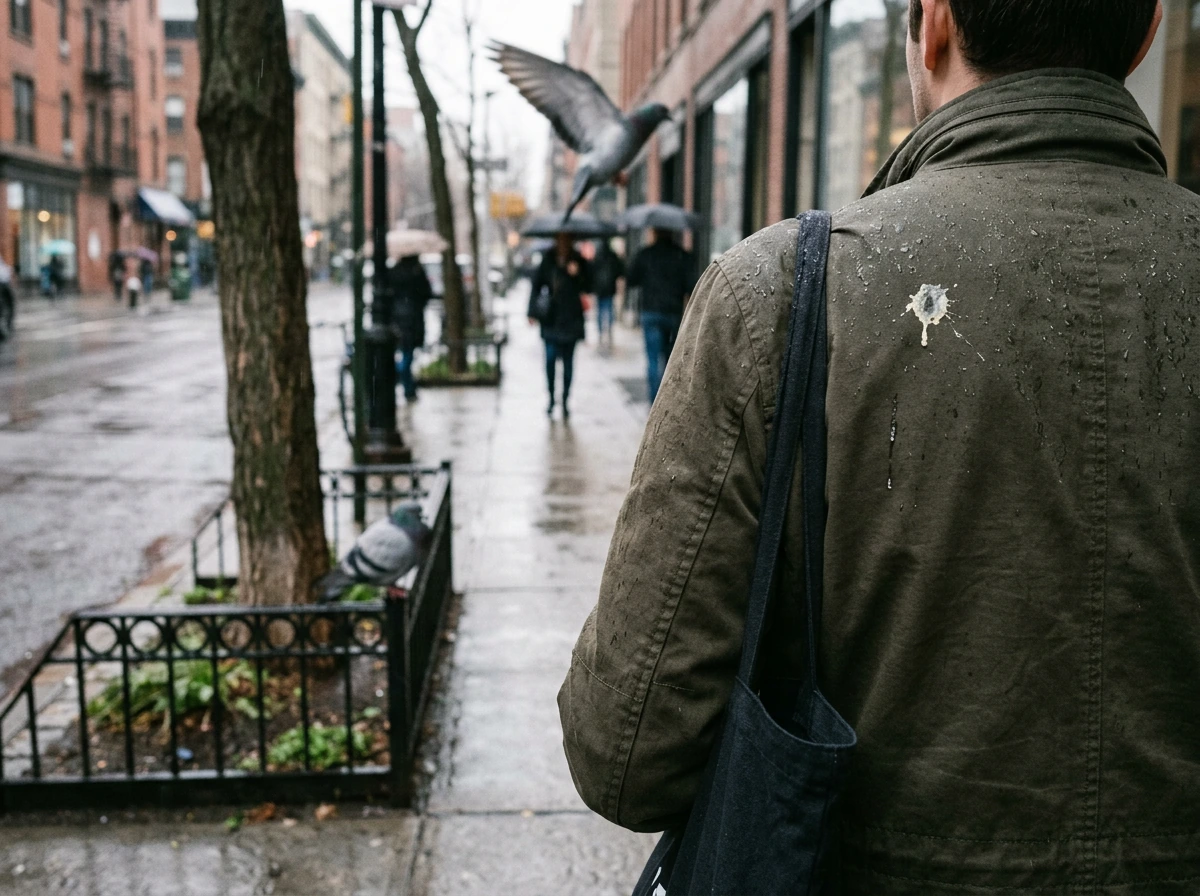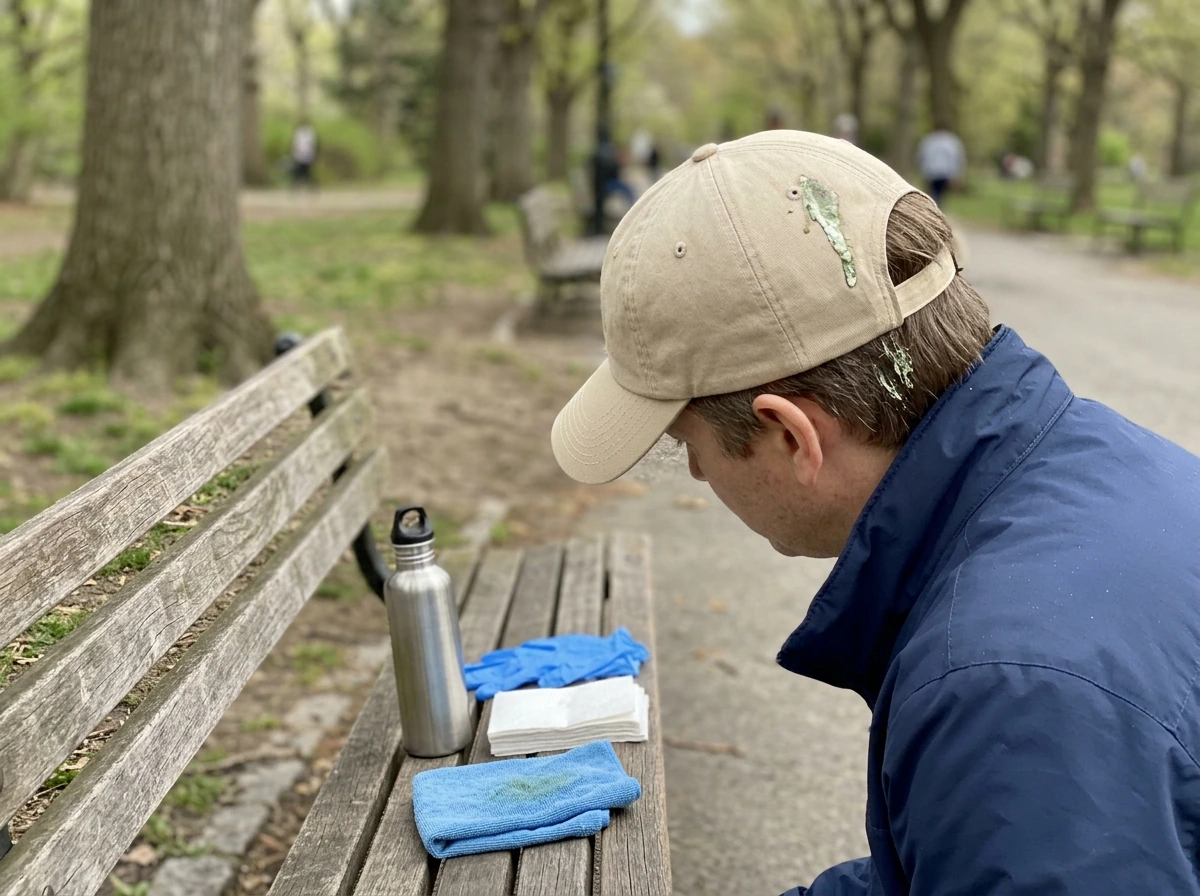
Bird poop is considered good luck in many cultures around the world, but there is no scientific evidence that <a data-article-id="65744281-331B-4C24-8B50-80EC6A5EB8FE">getting pooped on by a bird good luck</a> changes your fortune in any direction. The belief is pure folklore, and a surprisingly persistent one at that. What bird droppings can genuinely do, however, is expose you to real health risks if you handle them carelessly. So the honest answer is: lucky charm, no; real-world concern worth knowing about, absolutely yes. Here is everything you need to know about where the belief comes from, what the droppings can actually carry, and exactly what to do if you just got hit. is bird pooping on u good luck. is a bird pooping on u good luck. is bird poop on your head good luck
Why Is Bird Poop Good Luck? Meaning, Evidence, Safety Tips

The good luck belief vs. what's actually happening
The idea that bird poop signals good luck is a superstition, full stop. It is not grounded in biology, statistics, or any reproducible evidence that bird-dropping recipients go on to win the lottery or dodge misfortune. What it is grounded in is centuries of human pattern-seeking. People have a deep tendency to assign meaning to random, surprising events, and a bird dropping on you out of nowhere is nothing if not surprising. That cognitive instinct to find a sign in the unexpected is exactly where superstitions like this are born.
Anthropologists even have a term for reading omens from excrement: scatomancy, which is the practice of divining fortune from bodily waste. That context tells you something useful. Humans have been building luck and omen systems around waste for a very long time, across many cultures. The bird poop version is just one of the more cheerful interpretations that stuck around.
Why people think bird poop means luck
Several overlapping explanations have kept this belief alive across generations and geography. The most practical one is simple odds: birds are everywhere, and the chance of any single person getting hit on any given day is actually quite low given how many people are outside at once. When it does happen, it feels rare and notable, which makes it psychologically easy to attach meaning to it.
Another thread in the folklore is the rarity argument flipped into positivity. Because it does not happen often, and because it is so viscerally unpleasant and memorable, communities developed a coping mechanism: call it lucky so the person does not feel embarrassed or upset. USC's Digital Folklore Archives documents exactly this kind of persistent circulating belief, where the saying frames the dropping as a good omen precisely because it is such an unwelcome surprise.
There is also a connection to birds being seen as messengers between the earthly and spiritual realms in many traditions. If a bird, often regarded as a free and elevated creature, specifically chose you from a crowd, maybe that meant something. Add in the rarity factor and you have the ingredients for a durable superstition.
Lucky or bad luck? What different traditions say
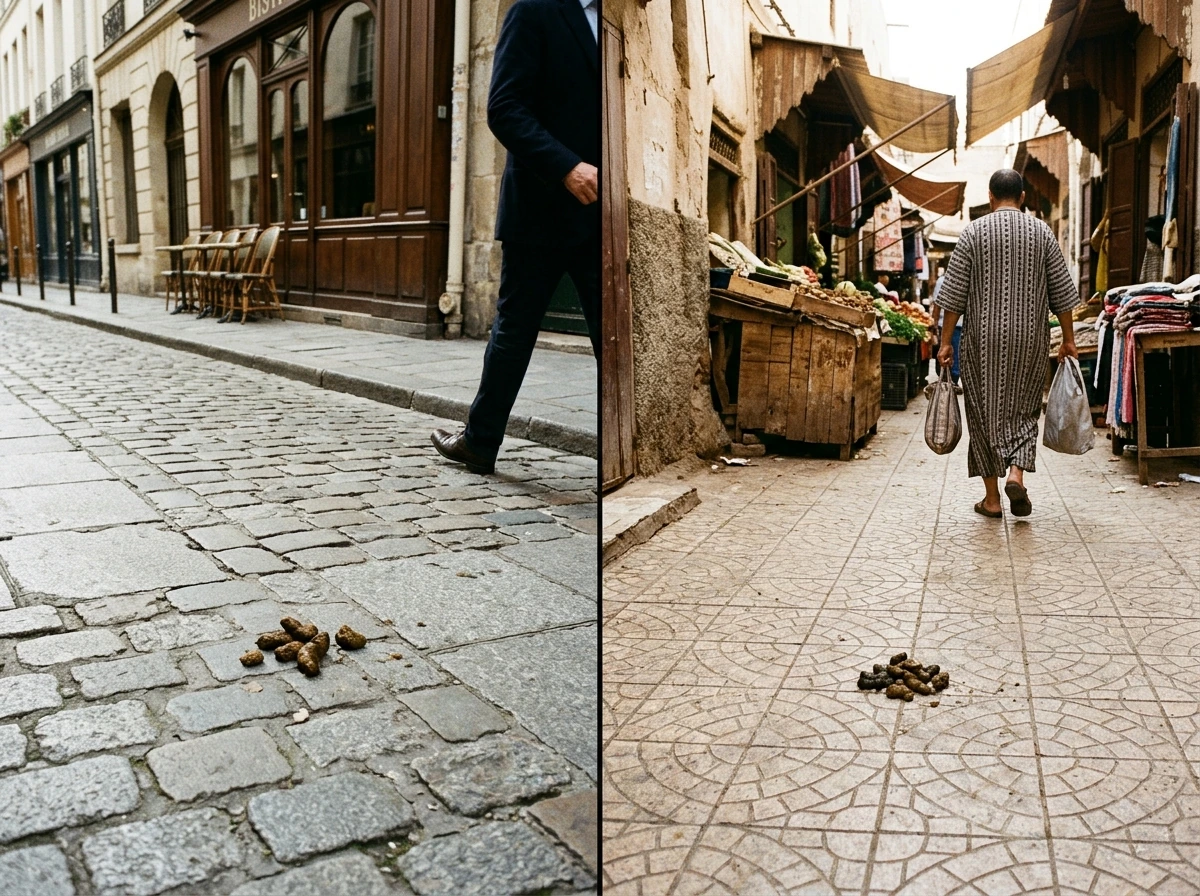
The short version: it depends entirely on who you ask and which tradition you follow. The belief is far from universal, and some cultures land firmly on the opposite side.
| Tradition / Region | Interpretation | Notes |
|---|---|---|
| Western Europe (general) | Good luck | Especially if hit on the head; lottery ticket purchase encouraged in some folk sayings |
| Russia | Good luck, especially financial | Often tied specifically to wealth coming your way |
| Turkey | Good luck | Part of broader bird-as-omen tradition |
| Some South Asian traditions | Bad omen depending on bird species | Crows and owls particularly associated with negative omens |
| Islamic jurisprudence | Neither lucky nor unlucky; classified as najis (impure) | Focus is on ritual cleanliness, not fortune; superstition (tiyarah) is discouraged |
| Secular / skeptical view | Neither; random biological event | No reproducible evidence for luck in either direction |
From an Islamic perspective, for example, the concept of finding omens in random events is actively discouraged. Islamic guidance separates the question of purity (bird droppings are generally treated as najis, meaning ritually impure, with some scholarly nuance around bird species and quantity) from the question of fortune. There is no religious basis for calling a bird dropping lucky or unlucky; the focus is on cleanliness and ritual correctness, not superstition. If you want a deeper look at how Islamic law treats this specifically, that is worth exploring separately. is bird poop good luck in islam
The bottom line across all of these interpretations: the luck framing is cultural narrative, not documented fact. What you do after getting hit matters a lot more than what it supposedly means.
What bird droppings can actually transmit
This is where we shift from folklore to facts you genuinely need. Bird droppings can carry several pathogens, and the main transmission route for the serious ones is inhalation, not skin contact. That matters a lot for how you think about risk and cleanup.
Histoplasmosis
Histoplasmosis is caused by a fungus called Histoplasma that lives in soil enriched by bird and bat droppings. You get it by breathing in airborne spores, called microconidia, that become airborne when contaminated material is disturbed. The CDC is very clear on this: the risk is not from a single fresh dropping landing on you. The Illinois Department of Public Health specifically notes that fresh bird droppings have not been shown to present a significant histoplasmosis risk. The danger is in disturbing accumulated, dried material, like cleaning out a barn, attic, or roost area, which aerosolizes spores. People with weakened immune systems or pre-existing lung disease are at much higher risk for severe disease.
Cryptococcosis
Cryptococcus neoformans is another environmental fungus associated with bird droppings, particularly pigeon droppings. Like histoplasmosis, infection happens by breathing in the microscopic fungus. The CDC flags this as a concern particularly for workers who regularly handle birds, bats, or their droppings. For most healthy adults, a single casual exposure is low risk, but it is worth knowing about if you are doing any significant cleanup work.
Psittacosis (parrot fever)
Psittacosis is caused by Chlamydia psittaci and is sometimes called parrot fever or ornithosis. The CDC states it can infect humans who breathe in aerosolized dried droppings or respiratory secretions from infected birds. WorkSafe Queensland echoes this, noting that workers who disturb dried bird or bat droppings are specifically at risk. Pet bird owners, poultry workers, and anyone cleaning up after a large number of birds should be aware of this one.
Influenza A (bird flu)
Bird flu strains, including influenza A, can be present in droppings from infected birds. The CDC's guidance for backyard flock owners emphasizes avoiding stirring up dust, waste, or feathers during cleanup to prevent dispersing contaminated material into the air. The same principle applies to any cleanup involving bird droppings in volume.
What to do right now: cleanup steps that actually matter
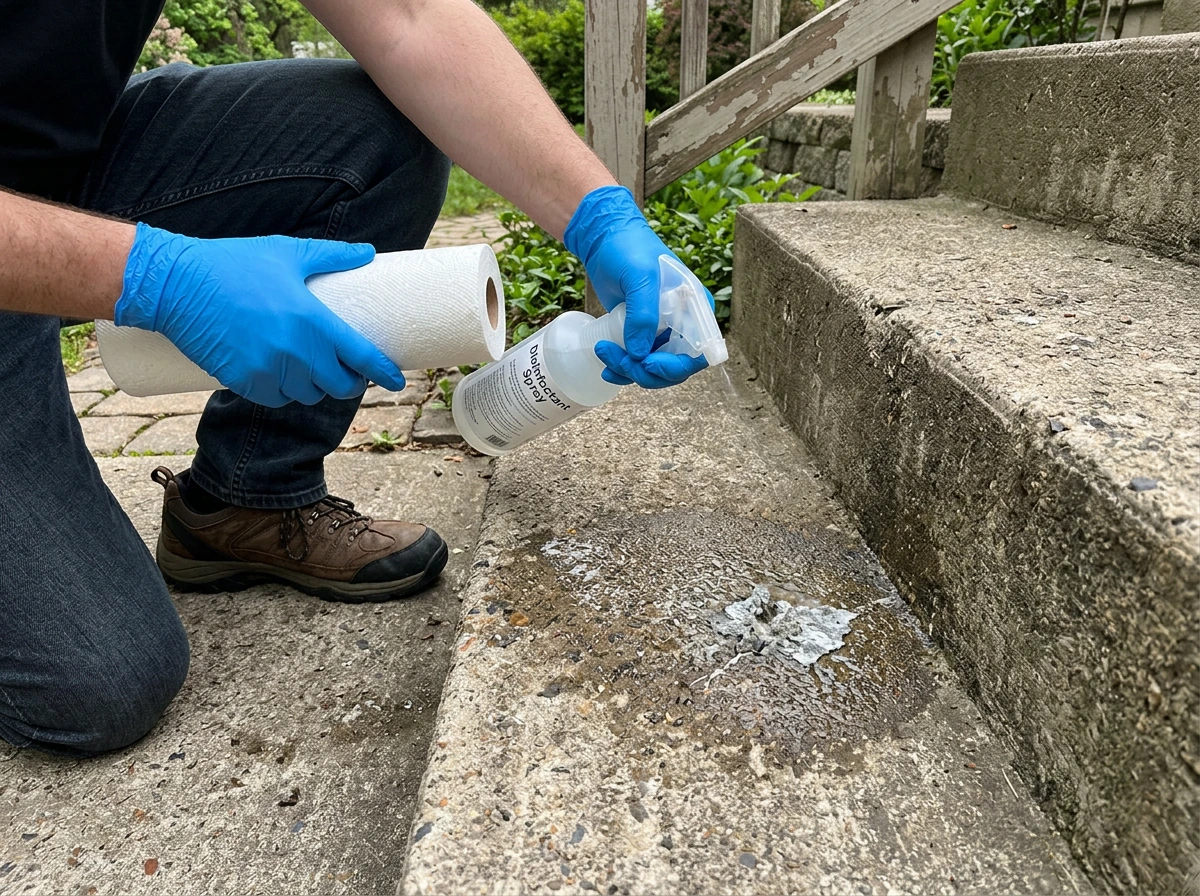
Whether it landed on your shoulder, your car hood, or your patio table, the approach follows the same core logic: avoid creating dust or aerosols, clean physically first, then disinfect. Do not dry-sweep or dry-brush dried droppings. That is the single most important rule.
If it landed on your skin or clothing
- Rinse the area with clean running water immediately.
- Wash with soap and water thoroughly for at least 20 seconds.
- If it hit your face, rinse carefully and avoid rubbing toward your eyes.
- For clothing, remove and place in a plastic bag if possible, then launder separately with detergent on a warm or hot cycle.
- Wash your hands again after handling the contaminated clothing.
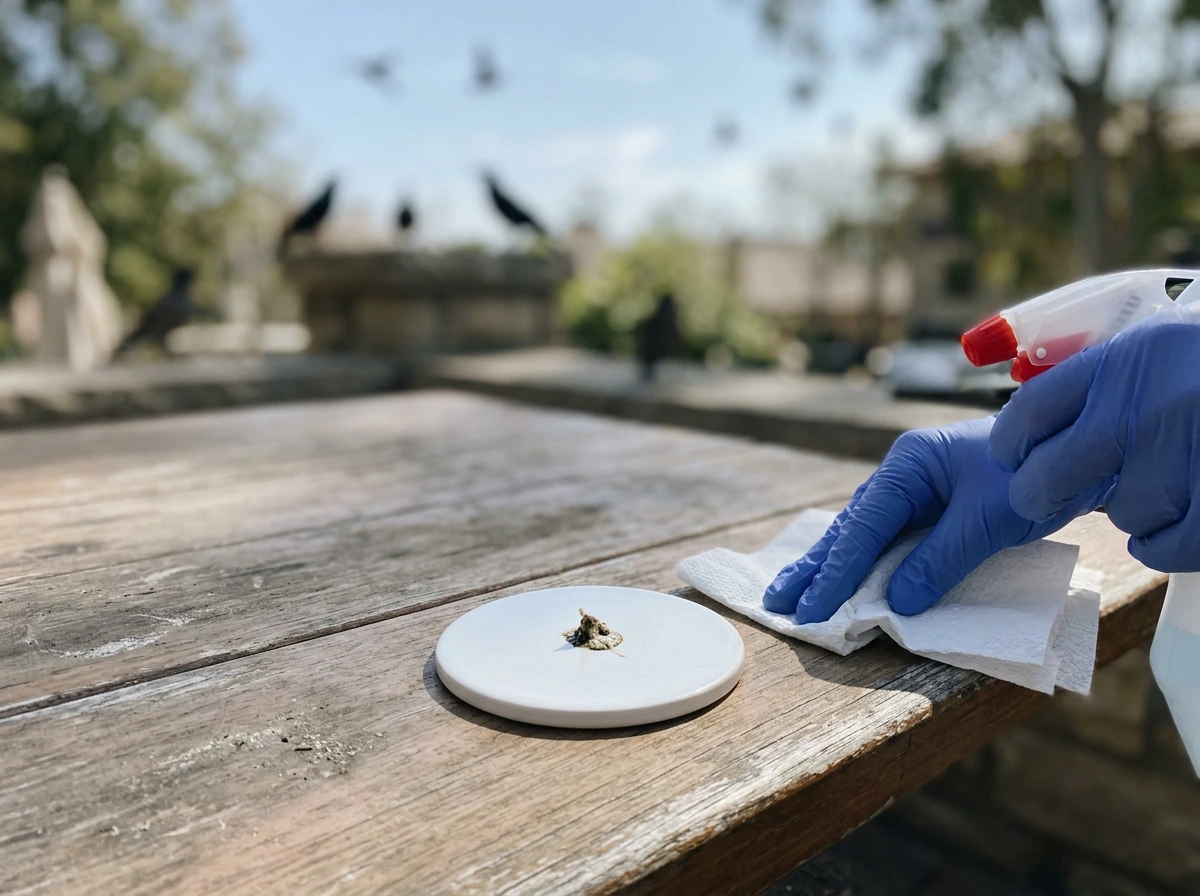
If it landed on a hard surface, patio furniture, or outdoor gear
- Wet the dropping first with water or a spray disinfectant. Never scrape or brush it dry.
- Wipe up with paper towels and dispose of them in a sealed bag.
- Clean the surface with soap and water to remove all visible residue.
- Follow with an EPA-registered disinfectant applied according to label directions. Do not mix bleach with ammonia or vinegar, as that creates toxic fumes.
- Let the disinfectant sit for the contact time listed on the label before wiping.
- Wash your hands thoroughly afterward.
If it landed on your car
Car paint is a special case because bird droppings are mildly acidic and can etch the clear coat if left to dry and bake in the sun. The health risk here is minimal for a quick cleanup, but the paint damage is very real. Wet the dropping with water from a spray bottle or a damp cloth, let it soften for 30 to 60 seconds, then gently blot (do not rub) with a soft microfiber cloth. Follow with a car-safe soap wash of that panel. If the dropping has been there for a while and you can see etching, a clay bar or light polish may be needed to restore the surface.
If you're cleaning up a large accumulation (attic, barn, roosting area)
This is a genuinely different situation from a single dropping and warrants real precautions. Wear an N95 respirator or better, disposable gloves, and clothes you can wash or dispose of afterward. Wet the material down before disturbing it to suppress dust. Ventilate the area as much as possible. For large accumulations, professional remediation is the safer call, especially if anyone in the household is immunocompromised or has lung disease.
When to be more cautious or talk to a doctor
A single bird dropping on healthy, intact skin during an ordinary day is a low-risk event. You wash up and move on. But there are specific situations where you should pay closer attention or contact a healthcare provider.
- Eye exposure: If droppings got into your eye, flush immediately with clean water for 15 minutes and contact a doctor or urgent care. Eyes are a direct route for pathogens and deserve prompt attention.
- Open cuts or wounds: If droppings landed on broken skin, clean thoroughly, apply antiseptic, cover the wound, and monitor for signs of infection (redness, swelling, warmth, discharge). Contact a doctor if any develop.
- Young children: Kids are more likely to touch contaminated surfaces and then touch their mouths. Make sure they wash hands thoroughly and watch for any illness symptoms in the days that follow.
- Immunocompromised individuals: Anyone on immunosuppressive medication, undergoing chemotherapy, living with HIV, or having significant lung disease should take extra care even with routine exposure, and should consult their care team if they have concerns.
- Symptoms after cleanup: If you develop fever, cough, chest pain, or flu-like symptoms in the days or weeks after cleaning up a large dropping accumulation, tell your doctor about the exposure. Histoplasmosis and psittacosis can both present with respiratory symptoms.
- Pet exposure: Dogs and cats that roll in or eat bird droppings can pick up pathogens. If your pet shows lethargy, vomiting, or respiratory symptoms after known exposure, call your vet.
How to stop it from happening again (practical prevention)
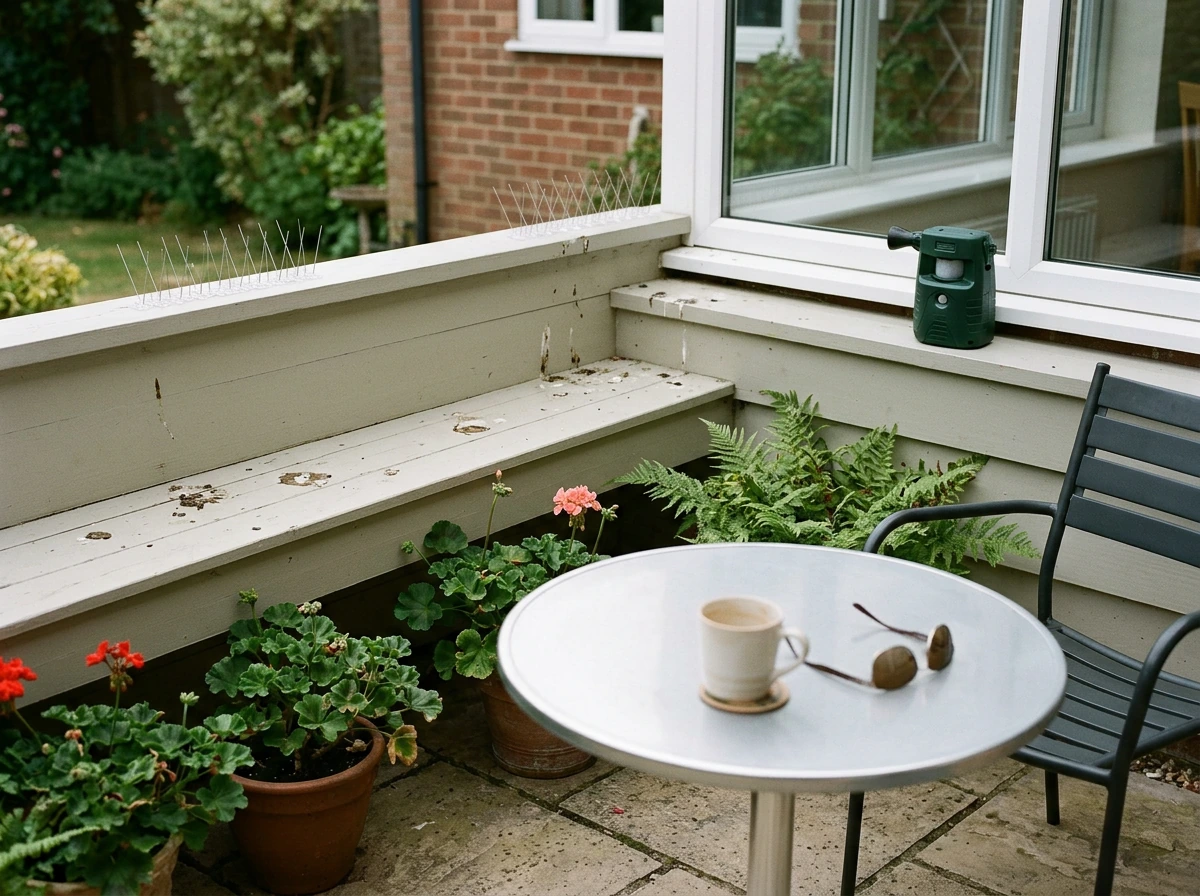
You cannot control every bird overhead, but you can reduce how often they find you or your property worth targeting.
- Park smart: Avoid parking under trees where birds roost, near power lines with heavy bird activity, or next to bodies of water where waterfowl congregate. Early morning is when most dropping activity happens.
- Use a car cover: If you park outside regularly in a high-bird-activity area, a fitted car cover is the most reliable protection for your paint.
- Install deterrents: For decks, patios, and ledges, physical deterrents like bird spikes, reflective tape, or predator decoys (owls, hawks) can discourage roosting. Replace or move decoys periodically so birds do not habituate to them.
- Keep outdoor dining areas covered: Umbrellas and awnings not only shade your table but create a physical barrier between birds overhead and your food or belongings.
- Trim trees near frequently used outdoor spaces: Dense canopy directly over seating areas, driveways, or play equipment is an invitation. Trimming creates less attractive roosting real estate.
- Secure bird feeders away from high-traffic areas: If you have feeders, place them away from where you park or sit. You will still see the birds without concentrating dropping activity over your car or patio.
- Check pets after outdoor time: If your dog has a habit of investigating dropped material on walks, rinse paws and check their coat when you get home.
Bird poop is one of those things that feels cosmically significant in the moment and is mostly just biology in reality. Whether you choose to take the good luck framing and run with it is entirely your call. But knowing what it can carry and how to handle it correctly means you are walking away from the experience genuinely better off, which is about as lucky as it gets. Whether you choose to take the why is there no bird poop in mecca framing and run with it is entirely your call. But knowing what it can carry and how to handle it correctly means you are walking away from the experience genuinely better off, which is about as lucky as it gets.
FAQ
If bird poop is “good luck,” what should I do right after it happens to reduce health risk?
Luck is a cultural story, but you can avoid the real downside by treating it like a cleanup task. Use gloves, avoid making dust, wet first, then wash hands thoroughly. If you wear contact lenses, remove them before handling droppings and wash your hands first to reduce the chance of transferring organisms to your eyes.
What’s the safest way to handle bird poop that lands on my clothes, shoes, or backpack?
If it gets on clothing, remove the item promptly and bag it if it is visibly soiled. Wash with detergent in your normal cycle, and avoid shaking the fabric dry before it goes into the washer. If you handled it without gloves, wash exposed skin and change any clothing next to your skin.
Is the main risk from touching bird poop, or breathing it in?
Your nose and mouth are the main concern because many risks come from breathing in disturbed particles, especially from dried buildup. Move away from the area, ventilate if you can, avoid sweeping, and if you already cleaned without precautions but feel fine, the usual action is careful handwashing and monitoring symptoms rather than panic.
Can I dry-sweep dried bird droppings off my patio or garage floor?
Do not dry-sweep, dry-brush, or use leaf blowers on dried droppings. Those actions aerosolize contaminated dust. Wet the area first with a spray bottle or damp cloth, let it soften briefly, then blot and clean, repeating if needed.
What should I do if bird poop gets in my eyes?
If you accidentally got it in your eyes, rinse with clean running water or sterile saline for several minutes, then remove contacts if applicable. If you develop eye pain, redness that worsens, vision changes, or persistent irritation, get medical care the same day.
When is bird poop exposure more than “just clean it up,” and I should call a clinician?
For most healthy people, a single fresh dropping that you wipe up promptly is low risk. Seek medical advice if you are immunocompromised, have significant lung disease, or you develop concerning symptoms after possible exposure, such as fever, worsening cough, shortness of breath, or flu-like illness within days.
What kind of cleanup situations raise the risk compared with a single dropping?
You should be extra cautious when cleaning accumulated droppings in places like attics, barns, sheds, under roosts, or HVAC-adjacent areas. Use respiratory protection rated at least N95 or better, wear gloves, wet down before disturbing, and consider professional help for large buildup or if anyone at home has immune or lung issues.
How do I prevent bird poop from damaging my car paint?
For car paint, damage can happen quickly if droppings dry and bake in sunlight. Wet it immediately, let it soften for about 30 to 60 seconds, blot gently without rubbing, then wash that panel with car-safe soap. If you see etching after cleanup, a clay bar or light polish may be needed, and full correction might require a detailer.
Should I disinfect after cleaning bird poop, or is soap and water enough?
Disinfectants can help with general hygiene, but your biggest safety step is preventing aerosols by wetting and removing material first. Follow the product directions you’re using, and avoid creating sprays that mist the air while you are still disturbing buildup.
I have a lot of bird exposure (poultry/pigeons). Are my precautions different from someone cleaning one patio spot?
If you are cleaning around poultry, pigeons, or frequent bird roosts, treat it like an occupational exposure. Avoid stirring up dust, use appropriate respiratory protection, wear dedicated clothing you can launder, and wash hands and any exposed skin immediately after tasks.