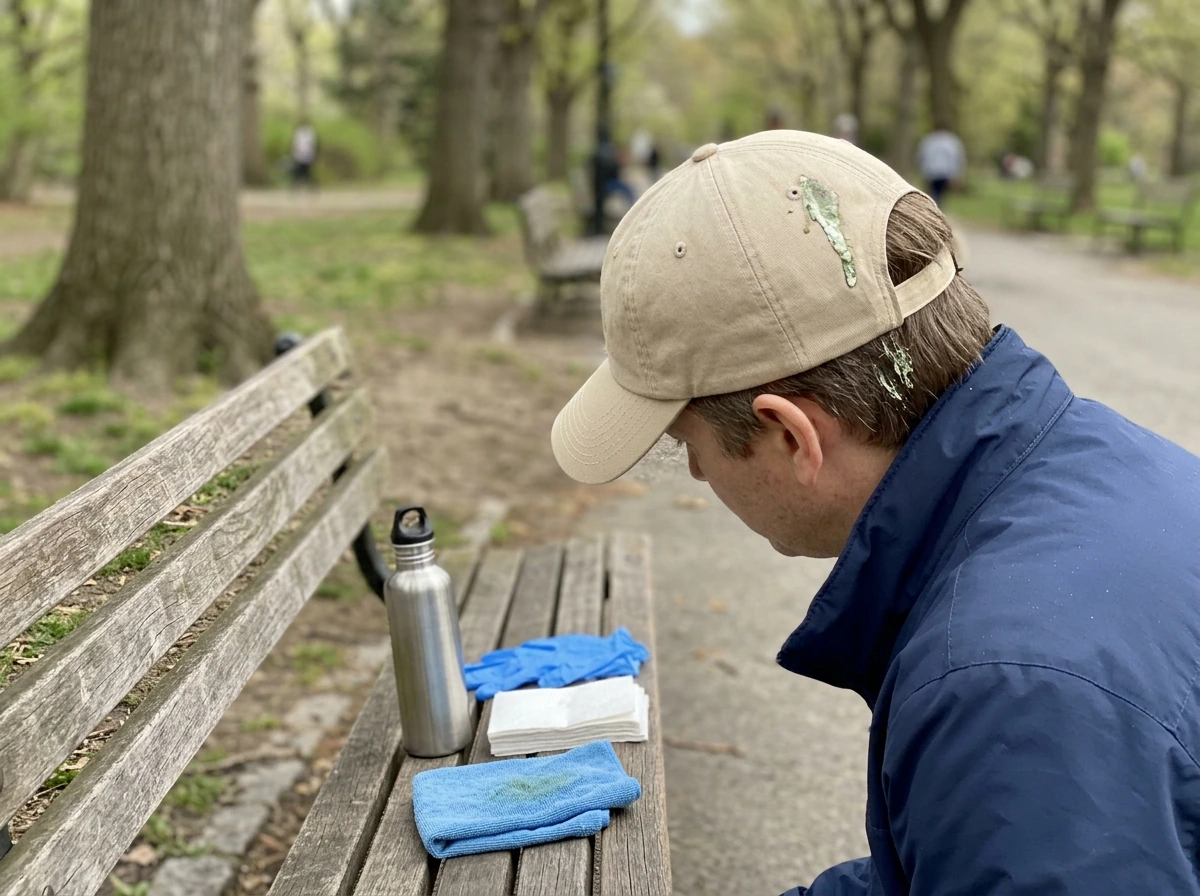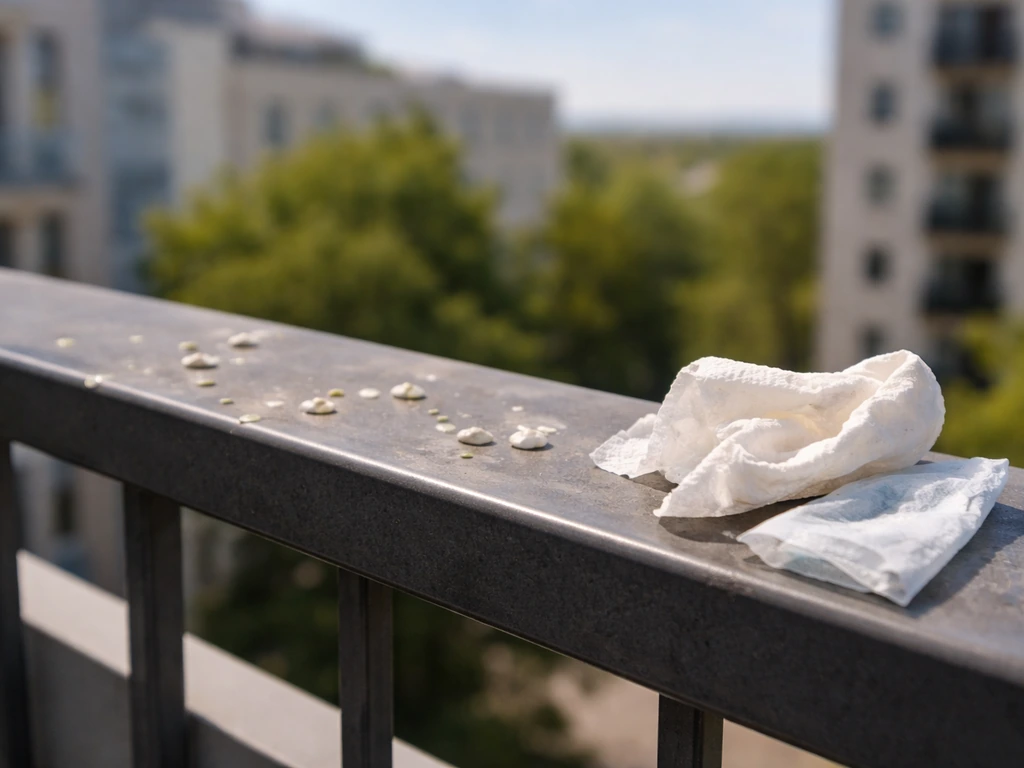
But honestly, your first move after it happens should be washing it off, not buying a lottery ticket. Both things can be true: it's a genuinely widespread folk belief with roots across many cultures, and bird droppings are also a mild but real health consideration depending on where they land and how you handle cleanup. So if you wonder why is bird poop good luck, remember the key comparison point is that cleanup and hygiene matter regardless of what you believe. Here's the full picture so you can decide how much to celebrate and how quickly to head for the sink.
If a Bird Poops on You: Good Luck or Health Risk?

Marcus Fielding
23 Mar 2026
So, is it actually good luck?
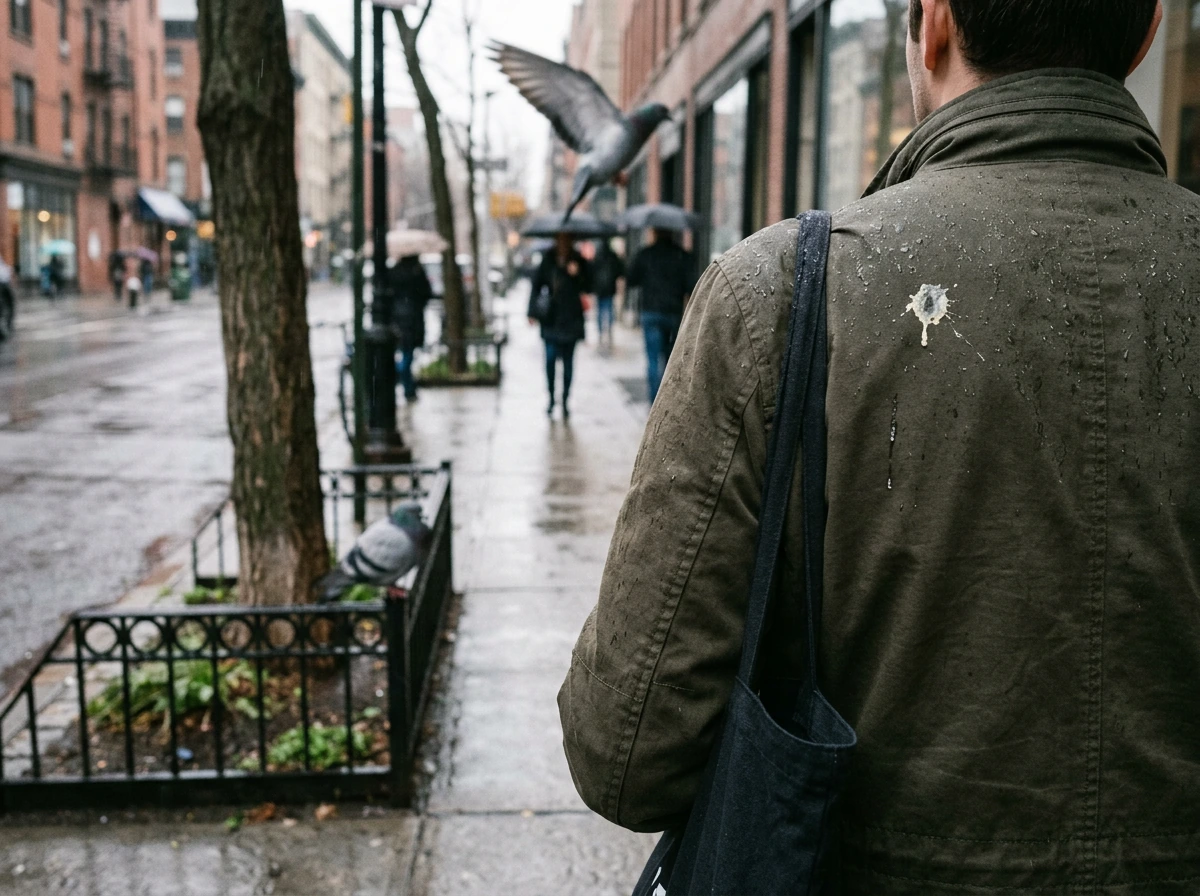
According to folklore, absolutely. The Dartmouth Folklore Archive records the belief directly: a bird pooping on you means good luck is coming. The USC Digital Folklore Archives back this up, describing the 'bird poop is good luck' belief as widespread across many cultures, not just one regional tradition. The most common framing is that being chosen by a bird, even in such an undignified way, signals fortune ahead. Even though it can be “is a bird pooping on u good luck” in folklore, the smart move is still to clean up promptly and reduce health risk.
Where does the belief come from? Probably a mix of things. Birds were historically seen as messengers or omens in many traditions. Getting hit is also rare enough that people noticed it, remembered it, and then connected it to something good that happened afterward. That's classic confirmation bias working exactly as it always does. When something unusual happens and then something good follows, the brain links them. When something unusual happens and nothing notable follows, you forget about it.
Some cultures lean the other direction, treating bird droppings as a bad omen or at least a neutral inconvenience. Islamic tradition, for example, treats bird-related omens cautiously, with the concept of 'tiyarah' (taking omens from birds) generally discouraged as a superstition. So whether it reads as lucky or unlucky often depends on the tradition you grew up in. So whether it reads as lucky or unlucky often depends on the tradition you grew up in. What almost everyone agrees on: clean it up promptly either way.
What bird droppings can actually contain
For a single splat on your shoulder from a passing pigeon, the realistic health risk is low. NYC Health is pretty clear that routine cleaning of droppings, like wiping a windowsill, does not pose a serious health risk for most people. A fresh drop on skin is much lower concern than dried, accumulated droppings in an enclosed space.
That said, bird droppings can carry real pathogens, and it's worth knowing what they are so you can make smart decisions.
- Psittacosis (parrot fever): A bacterial infection caused by Chlamydia psittaci. The CDC says the most common way people get it is by breathing in dust from dried bird droppings or secretions, not typically from a single fresh drop on skin.
- Histoplasmosis: A fungal lung infection caused by Histoplasma, which lives in soil enriched by bird and bat droppings. The Mayo Clinic notes that disrupting contaminated material, like old accumulated droppings, sends spores airborne, which is where the real risk comes in.
- Salmonella and Campylobacter: Bacteria present in bird feces that can cause gastrointestinal illness if they reach your mouth, usually through contaminated hands that then touch food.
- Avian influenza: A much lower everyday risk from a single exposure, but the CDC does recommend avoiding touching eyes, nose, or mouth after contact with bird droppings and washing hands thoroughly.
The pattern here is consistent: the biggest risks come from inhaling dried or disturbed droppings, or from hand-to-mouth contact without washing. A fresh bird poop landing on your jacket and being wiped off with a wet cloth is a very different scenario from cleaning out a roosting space full of old dried droppings.
What to do immediately after it happens
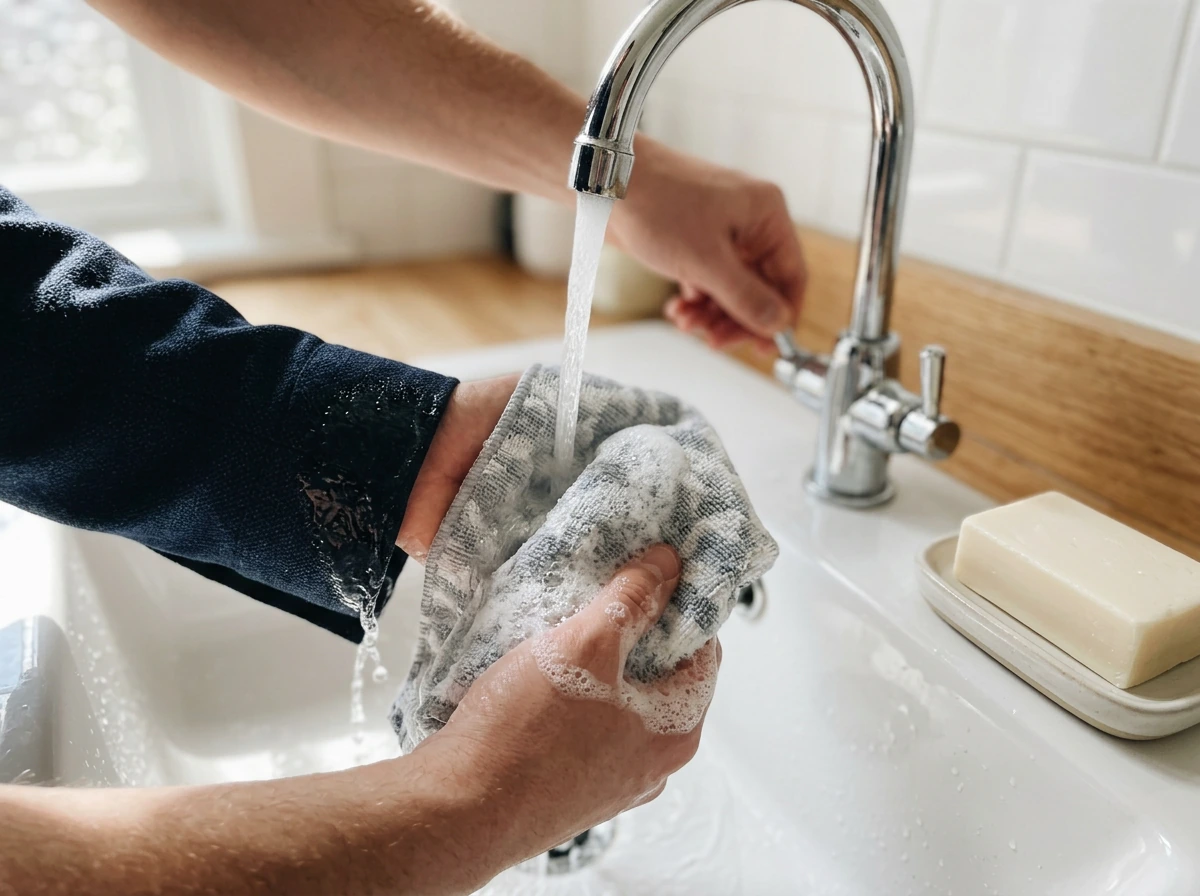
The basics are straightforward. Don't rub it in, don't let it dry on skin if you can help it, and wash your hands before touching your face. Here's how to handle each scenario:
On skin or hair
Rinse the area with water as soon as possible and wash with soap and water. The CDC recommends washing hands after any contact with birds, their droppings, or anything they've touched. This is simple and effective. If it's in your hair, rinse thoroughly in the shower. No special products needed.
In your eyes
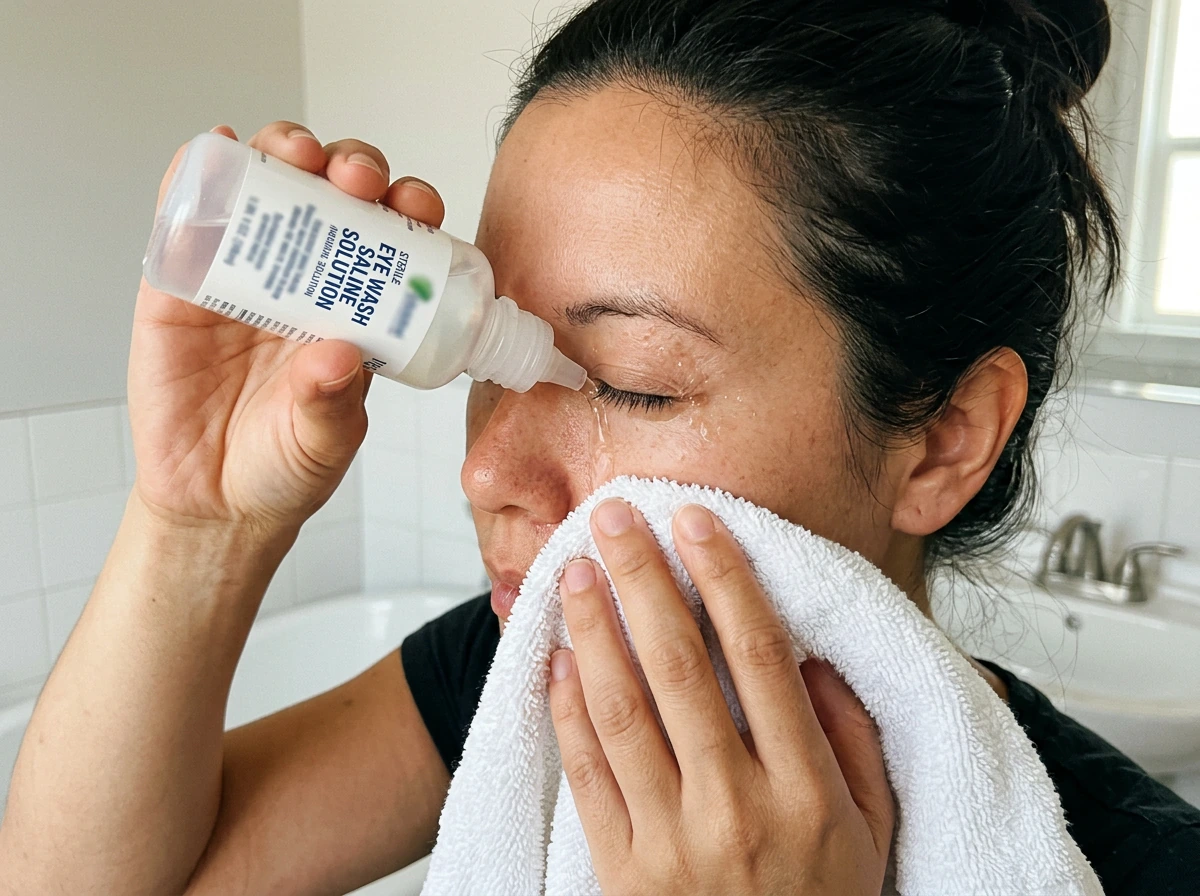
This is the scenario that warrants the most care. The CDC and NIOSH advise irrigating the eye immediately with large amounts of clean water, lifting your eyelids to flush thoroughly. Mayo Clinic echoes this: rinse with water or contact-lens saline solution only, and don't put anything else in the eye. After flushing, contact a healthcare provider to describe what happened, especially if the bird was visibly sick or you're in a higher-risk group.
In your mouth
Spit it out, rinse your mouth with water several times, and wash your hands. Avoid swallowing. If you accidentally ingested a meaningful amount and start feeling unwell in the following days (nausea, vomiting, diarrhea), it's worth calling your doctor and mentioning the exposure.
On an open wound or cut
Rinse the wound thoroughly with clean running water, wash with soap, and apply a clean bandage. Monitor for signs of infection over the next few days (increased redness, swelling, warmth, or pus). If the wound was already compromised or you're immunocompromised, check with your doctor.
Cleaning it up by surface
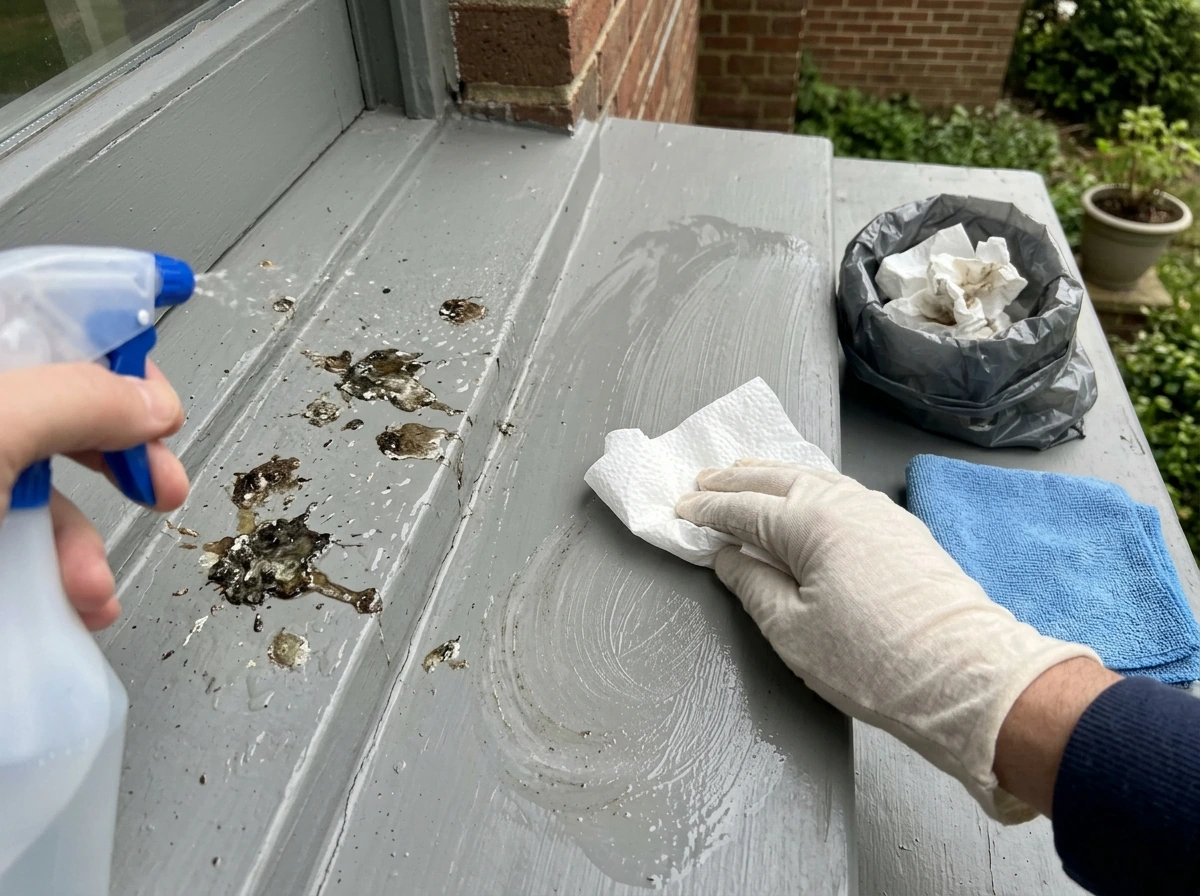
The golden rule for all droppings cleanup: wet it first, wipe second. Never sweep or vacuum dried bird droppings, because that sends potentially contaminated particles into the air you're breathing. Here's how to handle the most common situations.
| Surface | Method | Key tips |
|---|---|---|
| Clothing | Scrape off solids while still moist, then rinse with cold water. Machine wash as normal using laundry detergent. | Don't rub the stain dry, as it sets the stain and could aerosolize dried particles. Cold water before hot. |
| Shoes (fabric/leather) | Wipe off with a damp cloth while fresh. Use mild soap and water, then air dry. | For leather, follow up with a conditioner. Don't use hot water on fresh stains. |
| Car paint | Soak the area with water or a damp cloth for several minutes to soften the droppings. Gently wipe off without scrubbing. | Dried bird poop is acidic and can etch car paint within hours. The longer it sits, the deeper the damage. Never rub dry. |
| Outdoor gear (bags, jackets) | Spray or wet the spot first, then wipe with a cloth dampened in soapy water. Rinse and air dry. | For technical fabrics, avoid bleach. Soapy water is sufficient for a surface splat. |
| Hard outdoor surfaces (railings, furniture) | Spray with a 1:10 bleach solution (1 part bleach, 10 parts water), let sit 15-20 minutes, then wipe clean. | Per San Diego County health guidance, the wet-and-wait method is key for disinfecting droppings on hard surfaces. |
For larger cleanups, like clearing a balcony covered in accumulated pigeon droppings, the stakes are higher. Wear an N95 mask, gloves, and eye protection. Wet the material thoroughly before disturbing it. NYC Health notes that larger cleanups require safety measures to prevent inhalation and keep dust contained. If you're dealing with a truly large accumulation, the CDC and NIOSH recommend considering professional hazardous-waste handlers.
When to actually worry and see a doctor
For a healthy adult, a single bird poop incident on intact skin is extremely unlikely to cause illness, as long as you wash up properly. But certain situations do call for more caution.
- The droppings got into your eyes, mouth, or an open wound and you can't confirm you flushed the area thoroughly.
- You're immunocompromised, pregnant, elderly, or have a chronic respiratory condition, as these groups are more vulnerable to infections like histoplasmosis or psittacosis.
- You had significant exposure to dried, accumulated droppings in an enclosed space without respiratory protection.
- You develop symptoms within 1-2 weeks of the incident: fever, chills, headache, dry cough, chest tightness, or gastrointestinal illness.
- The bird involved appeared sick, was found dead nearby, or was part of a flock with known disease alerts in your area.
- You work in a profession with regular bird exposure (poultry farming, wildlife work, pest control) where cumulative risk is higher.
If any of these apply, call your doctor and specifically mention the bird dropping exposure. Psittacosis and histoplasmosis both respond well to treatment when caught early, but doctors need to know to test for them. Most clinicians won't think to test for these unless you mention the exposure context.
How to avoid getting hit again
Birds don't target you personally, but there are patterns to where and when it's more likely to happen. A few practical steps reduce your chances of a repeat.
- Avoid walking or sitting directly under trees, telephone wires, ledges, or rooftops where birds congregate, especially during morning hours when birds are most active.
- If you park your car, choose spots away from trees and power lines. Bird poop on car paint is one of the most common, and most preventable, repeat incidents.
- Use a hat or umbrella in areas with heavy bird activity, like near outdoor markets, parks, or coastal piers.
- Keep outdoor dining areas clean of food scraps that attract birds. More birds nearby means higher odds.
- If you have bird feeders, the Iowa DNR recommends regularly cleaning up spilled seed and droppings below feeders to reduce accumulation and the number of birds lingering in one spot.
- For backyard flock owners, the CDC recommends regular cleaning and disinfecting of coops and surrounding areas, using a 10% bleach solution on surfaces, to keep droppings from building up.
None of this is foolproof. Birds are unpredictable, and a random hit from a flying starling while you're walking to a job interview is just one of those things. But if it keeps happening in the same spot or to your car repeatedly, the fix is usually as simple as changing where you walk or park.
The bottom line
Is bird poop on you <a data-article-id="A5AC3D6C-A129-4E83-A6EB-063EA8D99B5B"><a data-article-id="92CF971A-D476-4DE5-84C6-AFD2D771539D"><a data-article-id="3091AC92-AE1C-47D2-80FA-323A2FF91DC0">good luck</a></a></a>? No good luck. Folklore says yes, and if believing that makes you feel better about the situation, there's no harm in it. But practically speaking, the most useful thing you can do in that moment is find water and soap, not a four-leaf clover. For the vast majority of healthy adults, a single incident is a minor inconvenience, not a health crisis, as long as you clean up properly and don't rub your eyes. Save the worrying for situations involving dried accumulated droppings, high-risk exposures, or symptoms that follow in the days after. Otherwise, wash your hands, change your shirt if needed, and go about your day.
FAQ
If a bird poops on my clothes, should I throw them away or just wash them?
In most cases, wash them normally with detergent after handling safely. Wet the area first, remove the item without shaking it, then wash hands thoroughly. If it got into a sensitive area like underwear, a wound, or near broken skin, use extra rinsing and consider a separate wash load.
What if I accidentally rubbed the bird poop before I washed it off?
Don’t panic, but rinse right away. Rubbing increases transfer to skin and hands, so the key step is immediate rinsing with water and soap and then handwashing before touching your face. If you rubbed your eyes or wore contact lenses, treat it as a potential eye exposure and flush with clean water.
Does it matter if the bird droppings were dried versus fresh on my skin?
Yes. Fresh droppings on intact skin are usually far lower risk, dried material is more likely to break into particles if disturbed. If it was dried or you had to wipe repeatedly in a dusty area, focus on thorough washing and avoid creating aerosols (no sweeping or shaking).
Should I disinfect the skin after bird droppings, like using alcohol or bleach?
Usually no. Soap and water rinsing is sufficient for skin cleanup, and harsh disinfectants can irritate skin without adding real benefit. If the area is on or near broken skin, use gentle cleaning, rinse thoroughly, then cover with a clean bandage.
If it lands on my car, how should I clean it without spreading particles?
Avoid dry wiping. Wet the droppings first, then wipe gently with a damp cloth, and wash your hands right after. If you’re cleaning an area with lots of old buildup, use eye protection and a mask to prevent inhaling dust-like particles from dried droppings.
What if it hits my eye or I wear contact lenses?
Remove contacts after flushing (after initial irrigation), and keep flushing until the eye feels clear. Use only clean water or saline for the rinse, not random liquids. Contact a healthcare professional promptly, especially if there is pain, redness, light sensitivity, or symptoms that persist.
I got bird poop on my food while outside, what should I do?
If it touched food, it is safest to discard the contaminated portion, because you cannot reliably remove potential contaminants from the surface. For utensils or surfaces, wet first, clean with soap and water, and wash hands before eating or handling other items.
Is it riskier if I am pregnant, immunocompromised, or have a chronic lung condition?
Yes, those situations justify being more cautious, especially for large cleanups that could create dust. For a single small splat on intact skin, risk is still generally low with proper washing, but consider asking a clinician for guidance if you develop respiratory symptoms after exposure or if the droppings were from an enclosed area.
What symptoms should make me call a doctor after bird droppings exposure?
Call a healthcare provider if you develop eye symptoms that do not improve after flushing, or if you get gastrointestinal illness shortly after a possible ingestion (nausea, vomiting, diarrhea). Also seek care for fever and breathing-related symptoms after being around accumulated dried droppings, and mention the bird droppings exposure so testing can be considered.
How can I reduce the chances of it happening again in the same place?
Look for recurring roosting spots, then change the path, direction of approach, or parking spot. If it’s your home, consider deterrents like netting or physical barriers on balconies, and clean small fresh spots promptly before they build up and require dust-creating cleanup.
Is it safe to clean a balcony with a mask if there is only a little droppings?
If it is a small, fresh spot on an outdoor surface, careful wet cleanup may be enough. If there is noticeable accumulation, dried material, or any risk you will disturb buildup, use at least respiratory protection and eye protection, wet first, and avoid sweeping or vacuuming.