Scrape off what you can without smearing it, isolate the clothing, wash your hands for 20 seconds with soap and water, and then pre-treat and launder the fabric as soon as possible. If you are wondering why it happened to you specifically, there are a few practical reasons birds may choose certain people or places why bird poop on me. That covers 90% of what you need to do. The rest of this guide fills in the details so you don't accidentally spread residue, damage your clothes, or miss a genuine (if unlikely) health concern.
What to Do If a Bird Poops on Your Clothes: Safe Cleanup Guide

Marcus Fielding
18 Jun 2026
What to do in the first few minutes
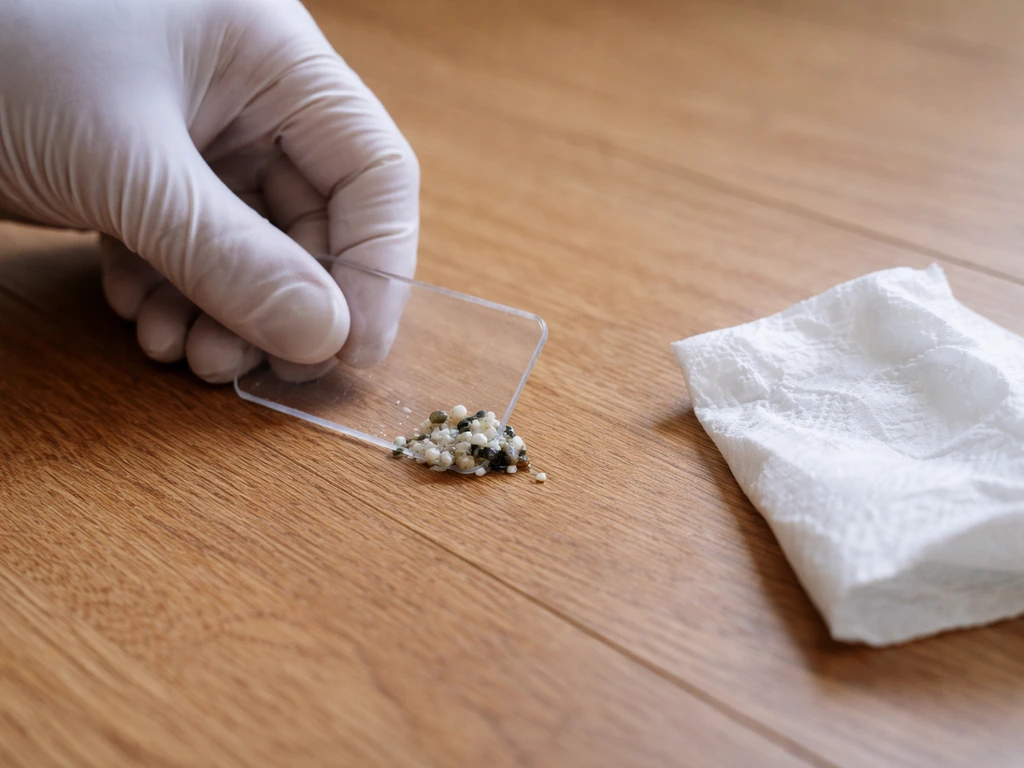
The biggest mistake people make is wiping or rubbing the dropping immediately. That pushes it deeper into the fabric fibers and spreads it across a wider area. Instead, do this in order:
- Don't rub or swipe. If the dropping is fresh and wet, let it sit for 30 to 60 seconds so it firms up slightly before you touch it.
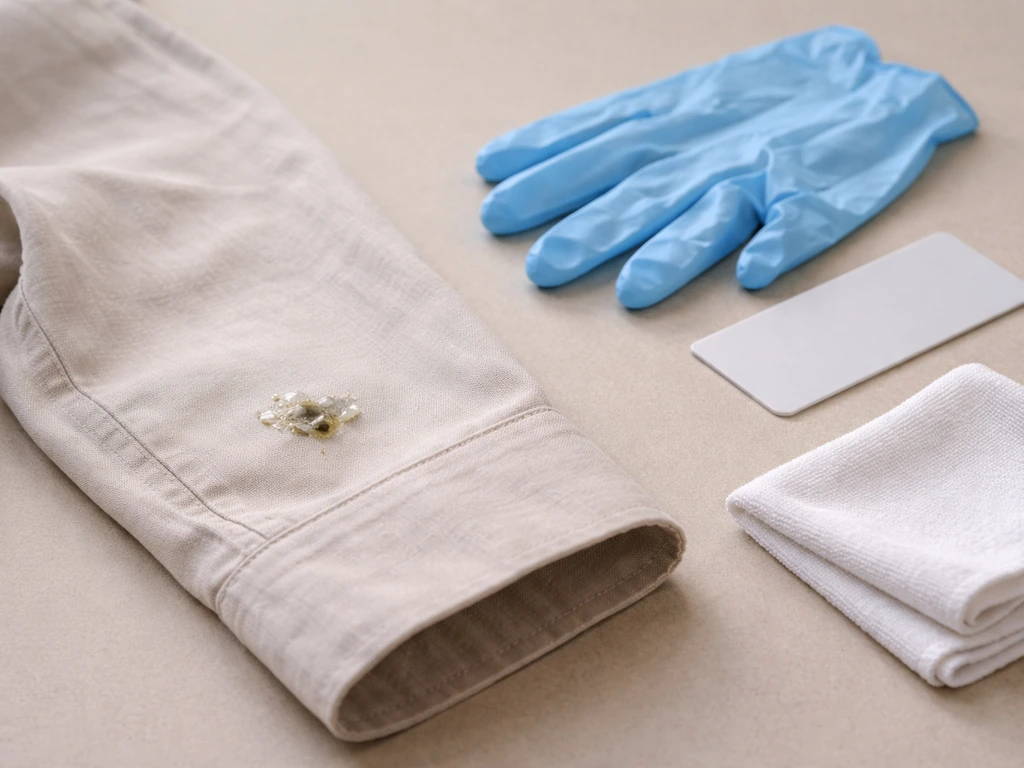
- If you have disposable gloves nearby, put them on. If not, use a paper towel as a barrier.
- Scrape or lift the bulk of the dropping off using a dull edge (a spoon, the back of a knife, a stiff card) or fold a paper towel to scoop it away without dragging.
- Place the soiled paper towel or scraping directly into a small plastic bag and seal it. Tie it off and bin it.
- If you can remove the garment without spreading the mess further, do so and place it in its own separate bag or drop it straight into a laundry bucket. Keep it away from clean clothes.
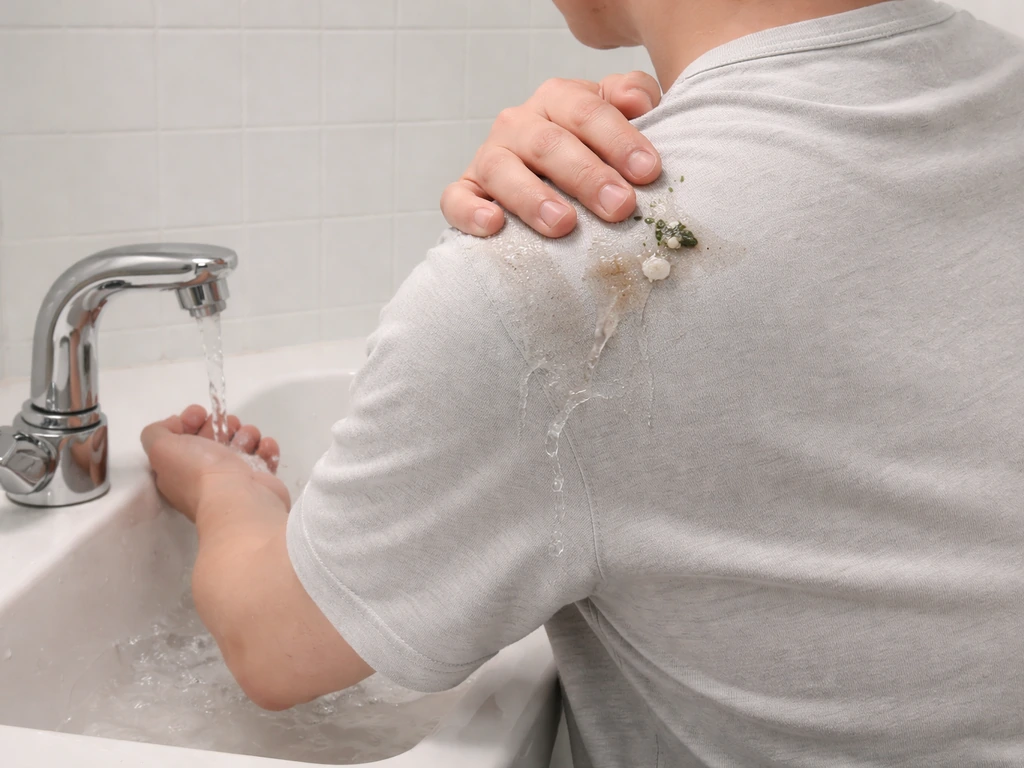
- Wash your hands with soap and water for at least 20 seconds. The CDC is clear that bird droppings can carry pathogens and that handwashing is a non-negotiable step after contact.
One more thing you should not do: don't dry-brush or shake the garment vigorously, especially once the dropping starts to dry. Dried bird droppings can become airborne dust, and that dust is actually the main way infections like psittacosis and histoplasmosis are transmitted, by inhaling particles, not by skin contact alone. For a single dropping on your shirt, the risk is genuinely low, but there is no reason to make it higher.
If you are dealing with a heavier mess (say, you walked under a roosting spot or your outdoor clothing has multiple droppings), it is worth wearing a cheap disposable mask while you handle the items, just to avoid breathing in loosened particles. For a single splatter on your sleeve on the way to work, just moving calmly and not shaking the clothing is enough.
Fresh vs dried droppings: how removal changes
Fresh and dried bird droppings need slightly different approaches, and using the wrong method on the wrong type makes your job harder.
Fresh droppings
Fresh droppings are easier to remove because they haven't bonded with the fabric yet. After the initial lift-off with a scraper, blot (don't rub) the remaining residue with a damp cloth or paper towel to pull more material out of the fibers. Then move straight into pre-treatment before it dries into the fabric. Pre-treating within the first 10 to 15 minutes gives you the best outcome.
Dried droppings
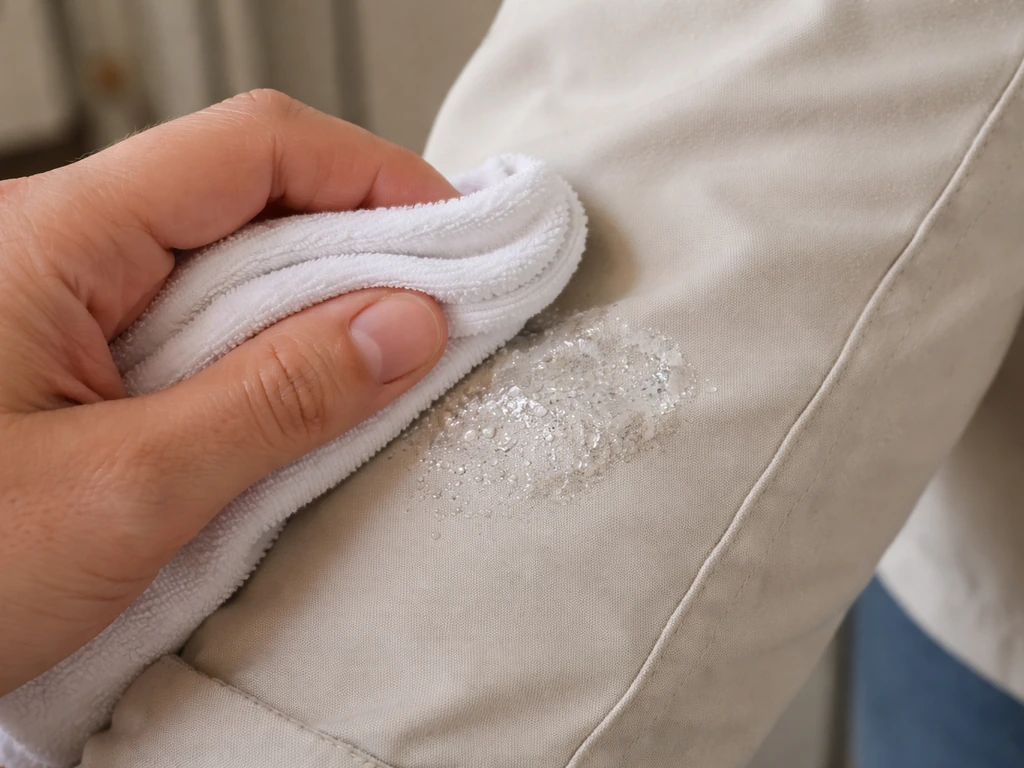
Dried droppings have usually bonded harder to the fabric surface. Scraping alone may leave a chalky or stained residue. The key step here is to re-moisten the area first: dampen a cloth with cold water and gently press it onto the dried dropping for about 30 seconds to soften it. Then use your scraper to carefully lift the now-softened material. Avoid saturating the fabric all at once because that can push the residue deeper. Work from the outer edge of the stain toward the center so you're not spreading it outward. Once you've removed the bulk, it's ready for pre-treatment and a full wash.
One thing to know: bird droppings contain uric acid, which is what causes that white chalky component. Uric acid stains can be stubborn, especially on natural fibers, and hot water can actually set uric acid stains rather than remove them. Start with cold or cool water when re-moistening and when pre-treating.
Laundry and stain treatment by fabric type
Once the bulk of the dropping is physically removed, the goal shifts to breaking down the remaining stain and killing any microbes through washing. The approach varies a bit depending on what you're washing.
Pre-treatment for all fabrics
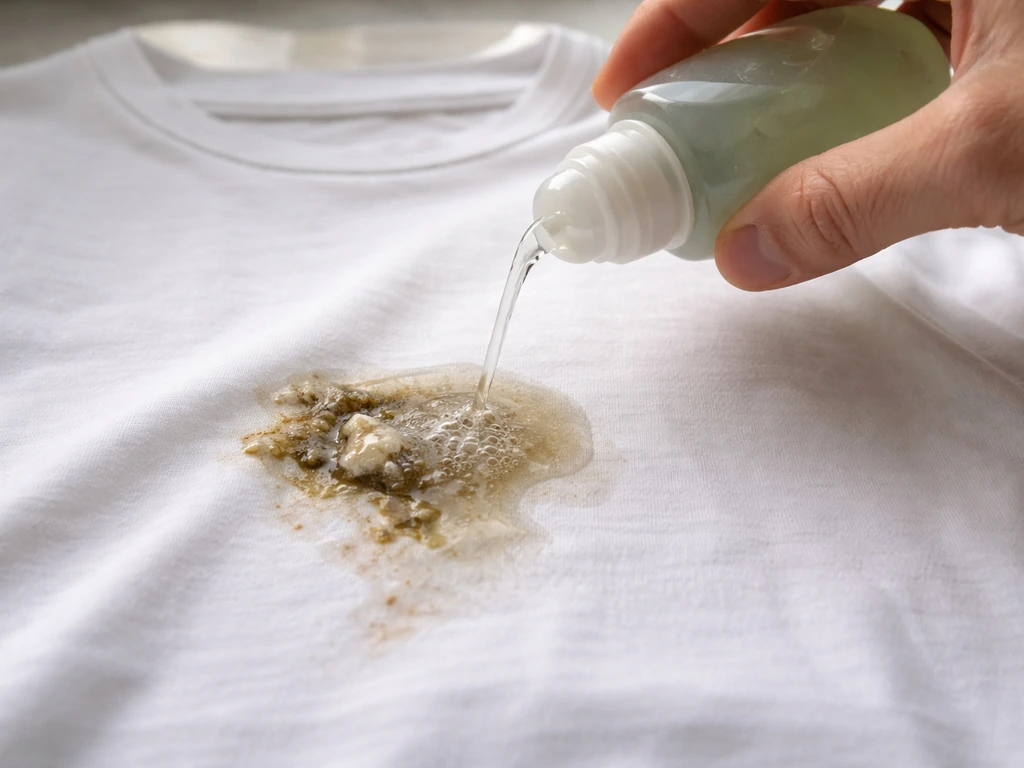
Apply a liquid enzyme-based laundry detergent or a dedicated stain remover (like an OxiClean spray or similar oxygen-based product) directly to the stained area. Enzyme cleaners work particularly well on organic waste because the enzymes break down protein and uric acid compounds. Let it sit for 5 to 15 minutes before washing. For stubborn stains, a small amount of white vinegar applied before the detergent can help loosen uric acid deposits.
Fabric-by-fabric guide
| Fabric Type | Water Temperature | Wash Method | Notes |
|---|---|---|---|
| Everyday cotton (t-shirts, jeans) | Warm to hot (up to 140°F/60°C) | Regular machine wash with detergent | Hot water improves microbial reduction; check care label |
| Synthetic (polyester, nylon, activewear) | Warm (not hot) | Regular machine wash | High heat can damage stretch/moisture-wicking fibers |
| Delicate fabrics (silk, wool, linen) | Cold (hand wash or gentle cycle) | Hand wash or delicate machine cycle | Use gentle detergent; avoid hot water which shrinks or damages fibers; re-treat stain if needed |
| Dry-clean-only items | N/A | Take to dry cleaner promptly | Tell the cleaner what the stain is; they'll treat accordingly |
| Down or insulated jackets | Cold to warm | Gentle machine wash with down-specific detergent | Tumble dry low with dryer balls to redistribute fill |
The CDC's infection-control guidance for laundry notes that washing at 160°F (71°C) or higher for at least 25 minutes is the benchmark used in healthcare settings for the strongest microbial reduction, and that drying and ironing afterward also add additional germ-killing action. You probably can't get a home washing machine to 160°F, but the combination of hot water, quality detergent, a full wash cycle, and thorough drying in a hot dryer gets you to a safe and clean result for everyday garments. For delicates where heat isn't possible, the enzyme detergent plus an oxygen-based treatment does most of the heavy lifting.
Wash the soiled item by itself or only with other items that were also contaminated. Don't mix it into your regular laundry load until after it's been pre-treated and you're confident the stain is no longer visibly present. If any staining or odor remains after the first wash, repeat the pre-treatment and wash cycle before drying. Putting a stained item in the dryer before the stain is fully gone can heat-set it permanently.
Health risks: what's actually worth worrying about
Getting bird poop on your clothes is unpleasant, but for most healthy adults, a single exposure carries very low health risk if you handle it sensibly. That said, bird droppings can carry real pathogens, and it's worth knowing which ones and how they actually spread.
The real transmission routes
The two most commonly cited illnesses linked to bird droppings are psittacosis (a bacterial infection caused by Chlamydia psittaci, typically from parrots and birds in the parrot family) and histoplasmosis (a fungal infection caused by Histoplasma capsulatum, associated with accumulated droppings in soil or enclosed spaces). Both are primarily transmitted by inhaling dried, aerosolized particles from droppings, not by skin contact with a fresh dropping on your shirt.
The CDC is explicit that for psittacosis, the most common route is breathing in dust from dried bird secretions or droppings. For psittacosis, the CDC notes that the most common transmission is [breathing in dust containing dried bird secretions or droppings](https://www. cdc. gov/psittacosis/about/index.
html). The same principle applies to histoplasmosis, where spores in disturbed soil or accumulated droppings become airborne and are inhaled.
This means a fresh dropping on your jacket sleeve, handled carefully and laundered promptly, is a far lower-risk event than, say, cleaning out a pigeon-infested attic or an old chicken coop without any protection. The risk scales with the quantity of droppings, how dry and dusty they are, how enclosed the space is, and whether you're breathing in the dust. One dropping on your commute outfit isn't the same scenario.
Avian influenza and other concerns
Avian influenza is a legitimate concern in certain contexts, particularly for people who handle poultry or wild birds regularly. For the general public getting hit by a passing pigeon or sparrow, the CDC guidance focuses on avoiding touching eyes, nose, or mouth before washing hands, and on proper hand hygiene after any contact. These basic precautions cover you well in an incidental exposure.
When to actually seek medical advice
For the vast majority of people, bird poop on your clothes does not require a doctor visit. However, you should pay attention if you develop respiratory symptoms (cough, fever, difficulty breathing) in the days following a more significant exposure, such as cleaning up a large accumulation of droppings in an enclosed area without proper protection. If you got droppings in your eyes or mouth, rinse thoroughly with clean water and contact a healthcare provider for guidance. People with weakened immune systems, underlying lung conditions, or who are pregnant should be more cautious and may want to avoid handling soiled items altogether and consult their doctor if exposure occurs.
If you're curious about the broader question of whether bird poop can actually make you sick from a single incident, the short answer is that it's possible but uncommon with normal precautions. The risk question is worth knowing about separately from the cleanup steps.
Disinfecting and deodorizing without wrecking your clothes
For most everyday garments, a proper wash with a good enzyme detergent followed by a full dry cycle is enough. You don't need to spray bleach or a harsh disinfectant directly onto your fabric. Here's when and how to go further if you feel you need to.
Is laundering alone enough?
Yes, in virtually all routine cases. Hot water and detergent reduce microbial load significantly, and tumble drying adds further antimicrobial action through heat. The CDC notes that drying and ironing provide additional microbiocidal effect beyond the wash cycle itself. If you've pre-treated, washed in the warmest water safe for the fabric, and dried thoroughly, your clothes are clean.
Adding a disinfecting step
If you want extra reassurance, especially if you're immunocompromised or the garment had heavy contamination, you can add a laundry disinfectant product to the wash. Pine oil products, phenolic disinfectants approved for laundry use, or oxygen-based laundry sanitizers are gentler on fabric than chlorine bleach. If you do use bleach, use it only on white or bleach-safe fabrics and only in a diluted laundry amount, not concentrated, as concentrated bleach damages fabric fibers and is not more effective when used that way. Always check the EPA-registered product label for the correct dilution and contact time, because if you don't follow the label instructions, you lose the benefit and risk fabric damage.
Getting rid of the smell
Bird droppings can leave an ammonia-like odor even after washing, especially if the garment wasn't pre-treated adequately. White vinegar is genuinely effective here: add half a cup to the rinse cycle or soak the stained area in a diluted vinegar solution (one part vinegar to two parts water) for 15 minutes before washing. Baking soda added to the wash also helps neutralize odor. If a single wash isn't enough, repeat the pre-treatment and wash before drying rather than putting an odorous item in the dryer.
Cleaning up everything around the clothes, and avoiding re-exposure
It's easy to focus entirely on the garment and forget that the dropping touched other things too: your hands, the counter where you set the clothing down, the inside of your laundry hamper, a bag you put the clothes in. Cleaning those is part of the job.
Hands
Wash with soap and water for a full 20 seconds. This isn't optional. The CDC is specific that germs in feces can make you sick and that hand hygiene is the primary control measure. If soap and water aren't available immediately, use a hand sanitizer with at least 60% alcohol as a bridge, and then wash with soap and water as soon as you can. Don't touch your face, eyes, or mouth until you've washed your hands.
Surfaces and containers
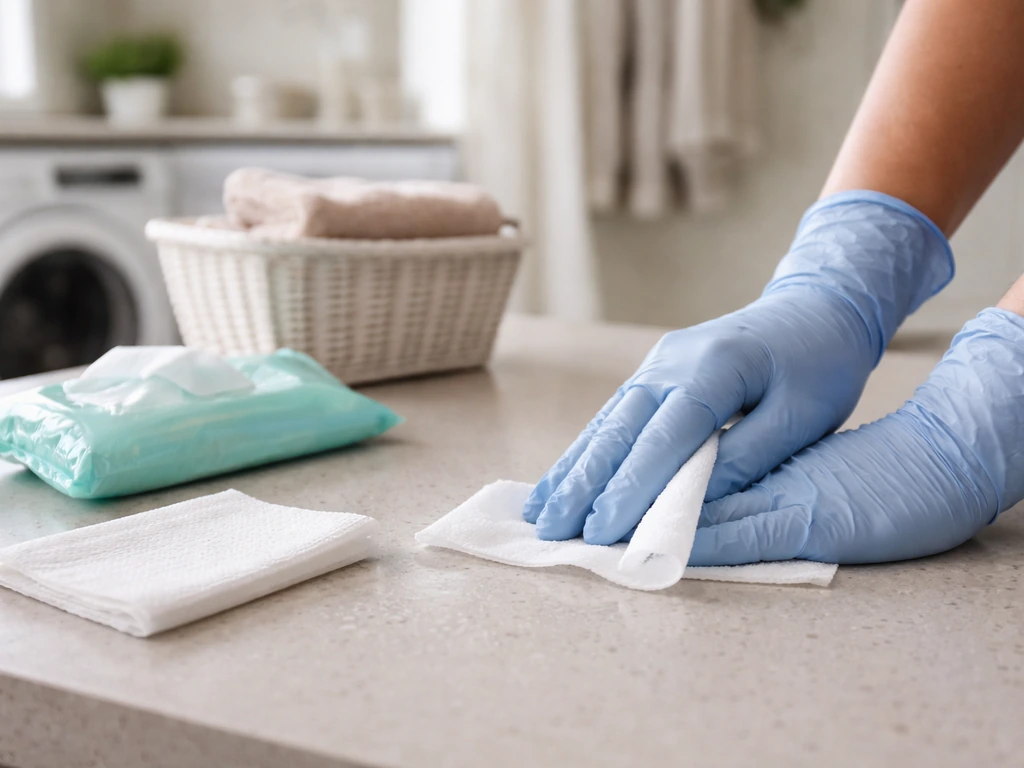
Wipe down any surface the soiled clothing touched: counters, tables, the bathroom floor, laundry room surfaces. A household all-purpose cleaner or disinfecting wipe works fine for hard surfaces. If you used a laundry hamper or basket to transport the clothing, wipe the inside with a disinfecting wipe or wash a fabric liner separately. Plastic hampers are easy to wipe down; fabric hampers may need a quick spray of a fabric-safe disinfectant or a rinse with diluted disinfectant solution.
Gloves and cleanup materials
If you used disposable gloves, peel them off from the inside out so the contaminated surface stays contained, drop them into the plastic bag with the paper towels and scraping residue, and seal it for the bin. Wash hands immediately after glove removal. If you used rubber reusable gloves, wash the gloves themselves with soap and water, then wash your hands.
Quick tips to reduce how often this happens
- Avoid sitting or standing under trees, ledges, power lines, or eaves where birds roost, especially early morning when birds are most active.
- If you keep a backyard flock or pet birds, handle them over easy-to-clean surfaces and wash hands and change clothes after extended handling sessions.
- For car owners dealing with regular bird-dropping issues, keeping a pack of moist wipes and a small scraping tool in the glove compartment lets you deal with droppings quickly before they dry and etch the paint.
- Bright-colored clothing and shiny jewelry are sometimes said to attract birds, though the evidence for this is mixed. It's not a reliable prevention strategy, but it's a fun excuse to wear neutral tones.
- Keep a small kit in your bag or desk: a few disposable gloves, a couple of large zip-lock bags, and a travel-size stain stick. You'll be glad you have it when the pigeon population is feeling generous.
A quick word on the good luck thing
Across a surprising number of cultures, getting pooped on by a bird is considered a sign of good luck or incoming fortune. There's a practical origin theory: since the odds of a bird hitting you specifically in a crowded world are slim, it's statistically unusual enough that people started attaching meaning to it. Whether or not you find that comforting in the moment, it's worth knowing that the superstition is widespread and long-standing. The more interesting question, explored in depth in related reading about why birds seem to target certain people, is whether there's any behavioral or situational reason you ended up in the line of fire. Mostly, though, you just happened to be in the wrong spot.
The luck angle is a nice story. But the cleanup still needs to happen regardless of the omen. Treat it safely, wash the garment properly, and then decide whether you want to buy a lottery ticket.
FAQ
What should I do if the bird poop landed on my shoes instead of clothing?
Treat it the same way, avoid brushing it off dry, then lift it with a scraper or paper towel and pre-clean with cold water. For fabric sneakers or canvas, follow the same pre-treat and wash approach if the shoe is machine-washable, otherwise use an enzyme detergent paste (detergent + a little water) and blot repeatedly. For leather or suede, do not soak, use cold damp cloth blotting only, then let it air dry completely before any shoe cleaner.
Can I remove bird poop with just water or should I always use a detergent?
Rinsing with water helps remove loose material, but it usually does not fully break down uric acid and odor. In most cases, you will still need at least enzyme detergent pre-treatment and a full wash cycle. If you skip detergent, you are more likely to get chalky residue or ammonia-like smell later, especially on cotton and other natural fibers.
Is it safe to use bleach or disinfectant sprays on stained fabric?
For routine single-dropping situations, it is usually unnecessary, and bleach can damage fibers or set stains if misused. If you want extra microbial safety, use an oxygen-based laundry sanitizer or a laundry disinfectant product that is labeled for fabrics. If you do use bleach, only use diluted, bleach-safe options and follow the label dilution and contact time exactly, do not apply concentrated bleach directly to the stain.
What if the bird poop dried on the clothes in the dryer already?
Once heat-setting happens, the stain and odor often become much harder to remove. Do not just re-dry, instead repeat pre-treatment (cold water re-moisten, gentle lift, enzyme detergent and optional oxygen product), then wash again and air-dry or dry only after the stain is fully gone. If the odor persists after one repeat, soak the garment in an oxygen-based soak or diluted vinegar solution before the next wash.
What if the poop got on a delicate item like silk, wool, or lingerie?
Avoid heat and aggressive soaking. Lift gently, then use enzyme detergent only if the care label allows it, otherwise use a small amount of mild detergent and blot with cool water. For dried spots, re-moisten with cool water and press with a damp cloth before blotting. Air-dry flat or per the label instructions, because tumble drying can shrink or set any remaining uric acid.
Do I need to throw away the clothes if there is still a faint stain after washing?
Not automatically. If you still see a stain or smell after the first wash, re-do the pre-treatment and wash cycle before drying. Drying before the stain is truly gone can lock in uric acid deposits, so it is worth repeating once or twice, especially for natural fibers.
What if I splashed bird poop onto my skin while cleaning the garment?
Rinse promptly with soap and water. Avoid scrubbing aggressively, focus on removing residue, then wash hands thoroughly (20 seconds). If poop got into small cuts or you notice irritation, cover the area and consider contacting a healthcare provider, particularly if you also have eye or respiratory symptoms later.
What if I got bird poop in my eyes or mouth?
Rinse eyes and any exposed mucous membranes immediately with clean water. Do not delay, then seek medical guidance, especially if you wear contact lenses. Because the risk is higher when it contacts eyes or is inhaled from dust in larger droppings, it is reasonable to call a healthcare provider for personalized advice.
Should I wear a mask every time a bird poops on clothes?
For a single small splatter on an outdoor shirt or sleeve, you usually do not need a mask if you keep the garment still and do not shake it. Wear a disposable mask if you are dealing with multiple droppings, dried and dusty residue, or you are cleaning an enclosed, high-dropping area (for example, cleaning a space with heavy buildup).
How do I clean the laundry hamper or bag if I only put the clothes in it briefly?
Still do a quick clean, especially the inside where the garment rested. Wipe plastic hampers with a disinfecting wipe or soap-and-water then disinfect if needed. For fabric hampers, rinse or treat with a fabric-safe disinfectant per label instructions, and let it fully dry before reuse.
What is the best way to handle the garment temporarily before I can wash it?
Isolate it right away, keep it away from other laundry, and place it in a sealed bag or dedicated bin. Avoid putting it on clean surfaces and avoid shaking to reduce particle spread. If it will sit more than a day, store the bag sealed in a ventilated area if possible, then pre-treat and wash as soon as you can.
I’m immunocompromised or pregnant, do I need to be more cautious than the average person?
Yes. Consider asking someone else to handle the removal steps when possible, or wear disposable gloves and avoid any action that creates airborne dust (no shaking, no dry brushing). If you do handle the items, keep them contained, wash hands thoroughly, and consider laundering immediately using the warmest safe settings. If you had a high exposure (large buildup or enclosed-space cleanup), contact your clinician for individualized guidance.