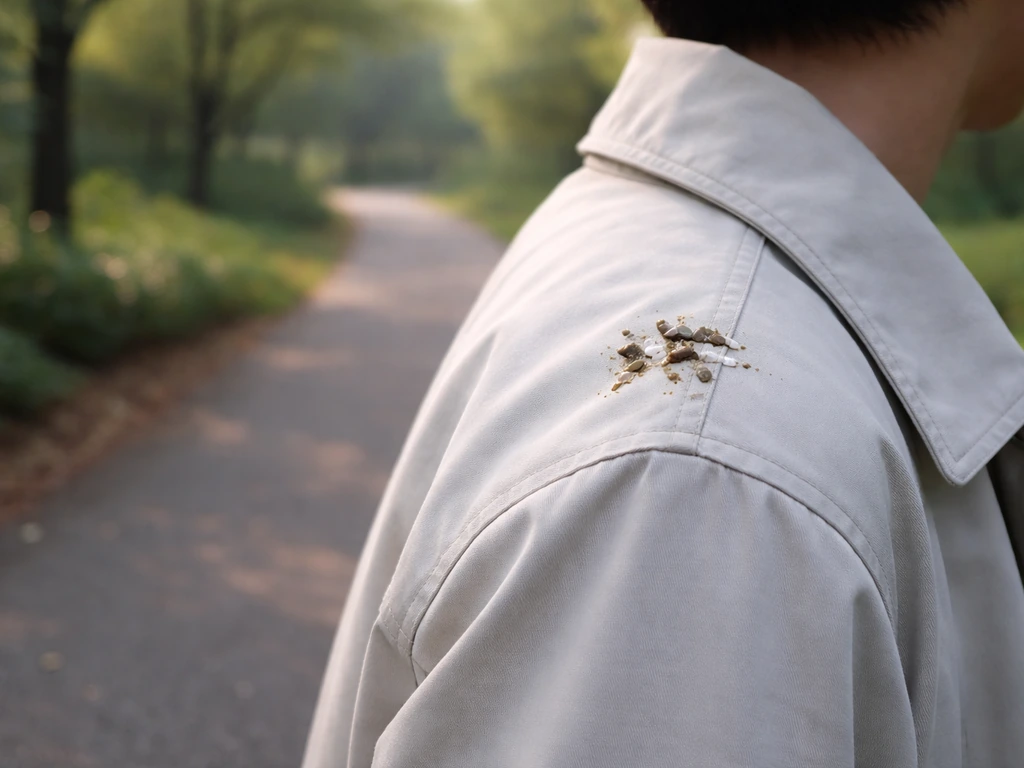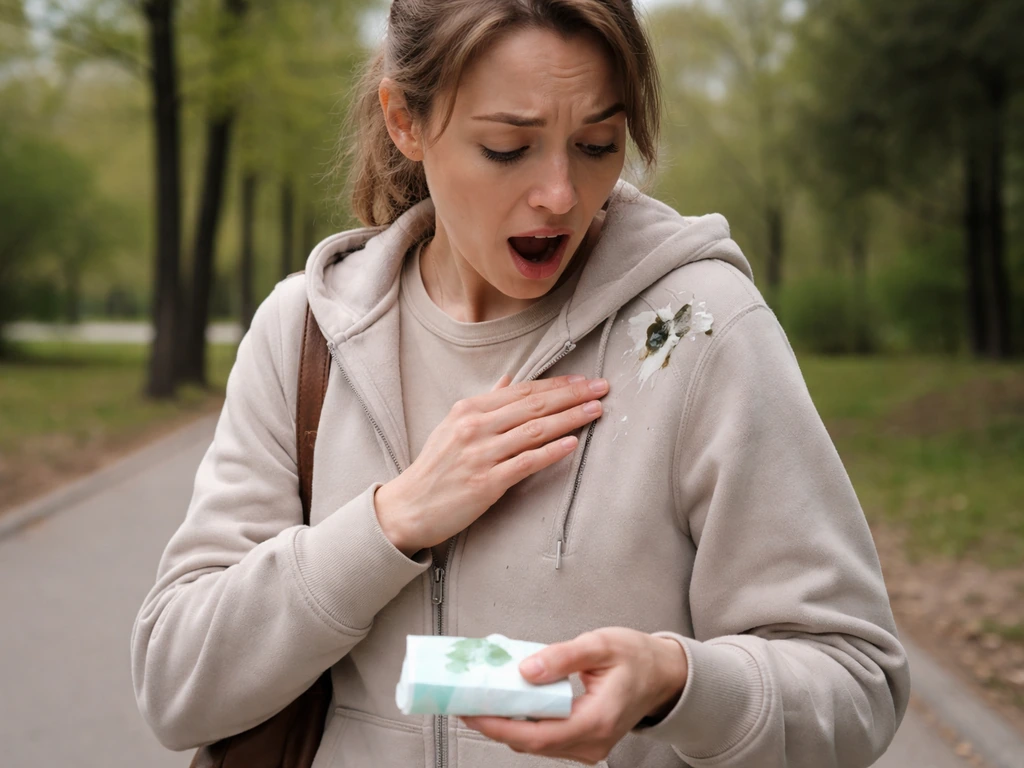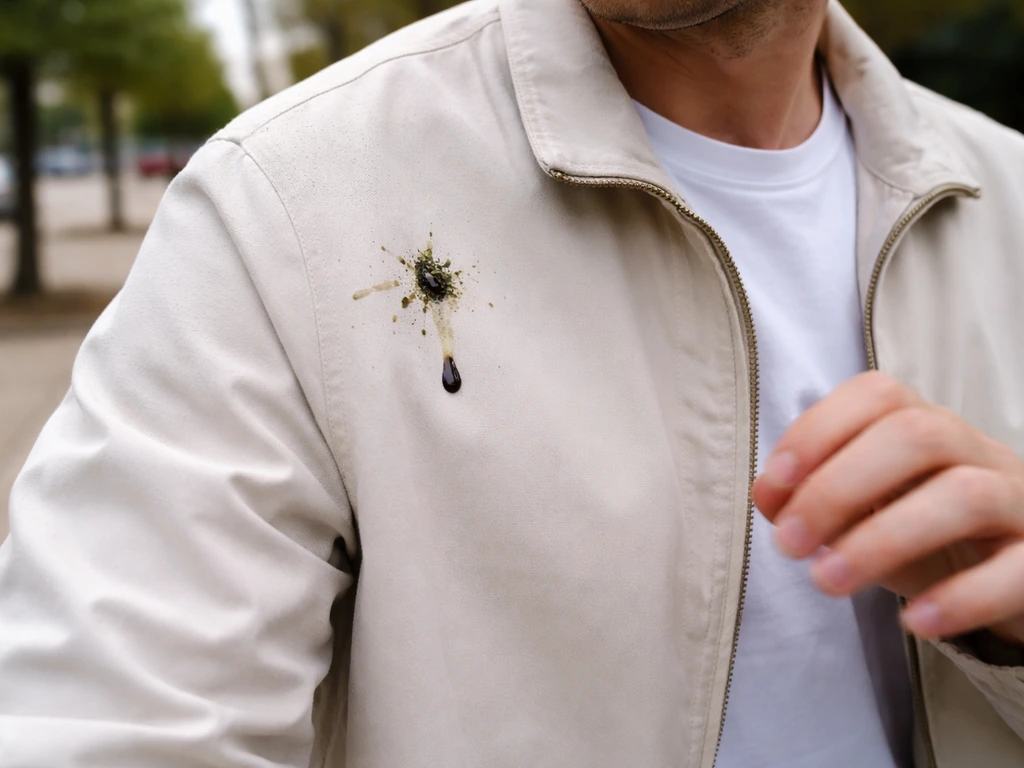
Rinse the area with clean water right away, then wash with soap and water for at least 20 seconds. That is genuinely the most important thing you can do. A bird dropping on your shoulder with intact skin is a nuisance, not an emergency, but acting quickly and washing properly keeps it that way.
When a Bird Poops on Your Shoulder: What to Do Now

Marcus Fielding
17 Jun 2026
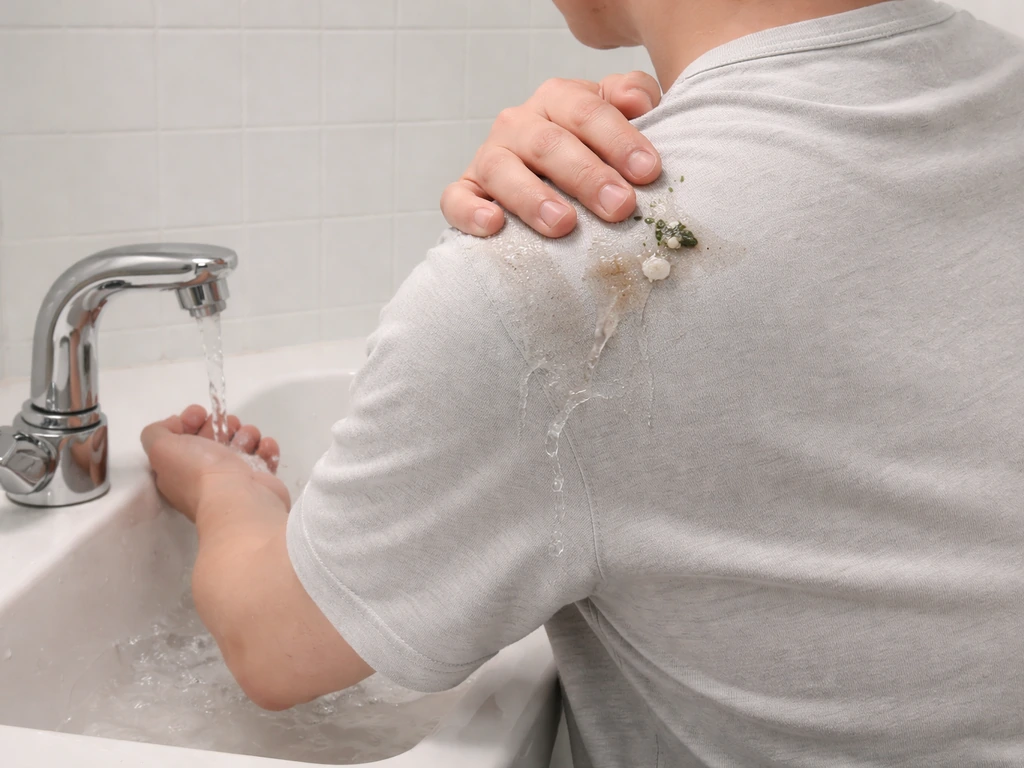
Act fast: what to do in the first 5–10 minutes
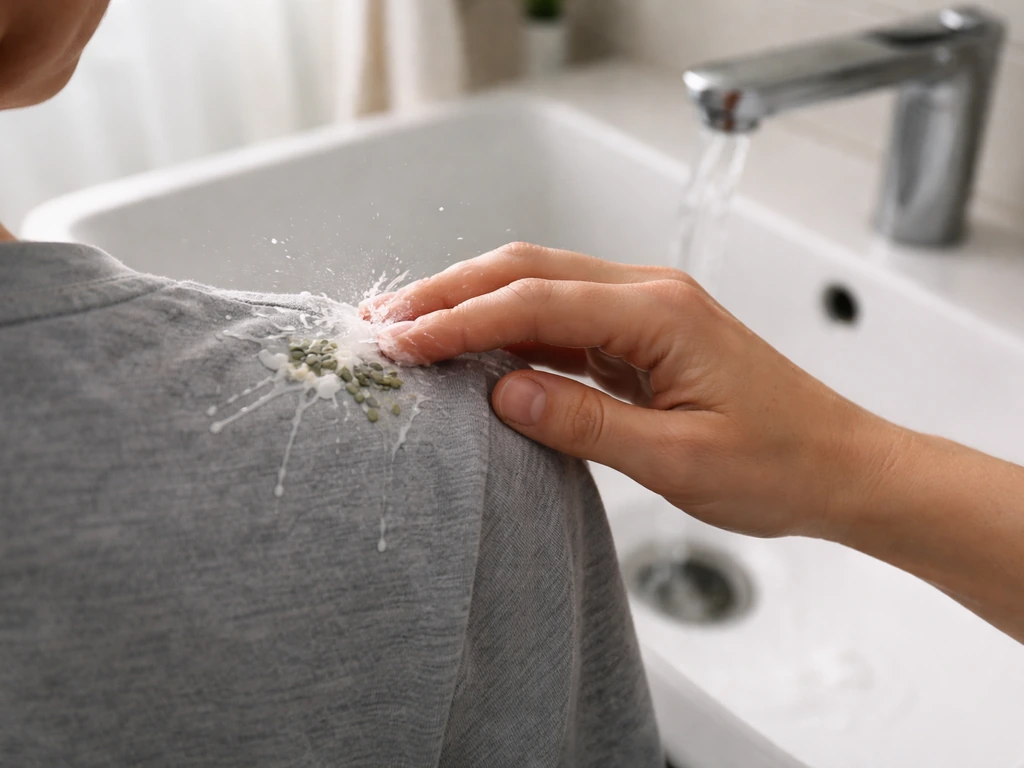
The clock starts when it lands. Bird droppings are a mix of feces, urine (excreted as white uric acid rather than liquid urea), and sometimes remnants of whatever the bird ate. Birds excrete nitrogenous waste as uric acid (and/or related compounds) instead of urea, which explains the typical white component of bird droppings excreted as white uric acid instead of urea. They can carry bacteria and fungal spores, and the risk of those going anywhere increases if you rub your face, touch your mouth, or let it dry out and flake off into the air. So the goal in the first few minutes is containment: stop it from spreading, get it off your skin, and wash your hands.
- Do not dry-wipe or rub the dropping with a tissue. That smears it across more skin and can flick dried particles toward your face.
- If you have water nearby, rinse the shoulder and affected skin under running water to flush the material away.
- Remove or loosen any clothing that was hit if you can do so without spreading the mess further.
- Wash the area thoroughly with soap and warm water for at least 20 seconds.
- Wash your hands the same way immediately after, even if you think you avoided touching the droppings directly.
- Avoid touching your eyes, nose, or mouth at any point during this process.
The CDC consistently recommends handwashing with soap and water after any contact with birds, their droppings, or contaminated surfaces. That advice applies here too, and it works. You do not need gloves for a single incidental splatter on your shoulder, but you do need to take the washing seriously rather than just giving your hands a quick rinse.
Safely clean your shoulder and surrounding skin
Once you are near a sink, rinse the skin under running water first to remove the bulk of the material. Then apply a mild soap and wash gently but thoroughly. You do not need antiseptic washes or harsh chemicals on the skin itself. Soap and water does the job, and scrubbing aggressively before rinsing can actually push material into pores or small cuts, so rinse first, then wash.
If you have any small cuts, scrapes, or broken skin on or near the area where the droppings landed, treat it more carefully. Wash the wound well with soap and clean water, as both the CDC and Cleveland Clinic recommend for wound hygiene. Keep an eye on it over the next few days for any redness, swelling, or oozing, and get medical attention if those signs appear. Intact skin is a very effective barrier. Broken skin is not.
A few things to avoid when cleaning your skin:
- Do not use bleach or undiluted disinfectants on your skin. Those are for surfaces and tools, not for washing yourself.
- Do not dry-wipe the area first. Always rinse before wiping.
- Do not rub your eyes during or after cleanup, even if you think your hands are clean.
- Do not use alcohol-based hand sanitizer as a substitute for soap and water here. The physical action of washing with soap is what removes the material.
What to do about clothing, hair, and belongings
Clothing
Remove the affected clothing as soon as practical. After you handle the immediate cleanup, use the same cautious approach for your clothing as well so you do not spread dried droppings dust what to do about clothing. If the droppings are still wet, use a damp cloth or paper towel to lift the material off rather than smearing it. If they have dried, lightly dampen the spot before attempting to remove it.
This is important: dried bird droppings can create dust when disturbed, and that dust is the real inhalation risk. Once you have removed the bulk of the material, machine wash the item in warm or hot water following the garment's care label. Wash it separately from other laundry if possible, and wash your hands after handling the contaminated item. The washing machine handles the rest.
Hair
If droppings landed in your hair, try not to touch your face while dealing with it. Rinse your hair under running water to remove the bulk of the material, then shampoo as normal. The main concern here is just making sure you do not transfer anything to your face or hands while rinsing, so keep your face turned away from the rinse water if possible.
Bags, phones, and other belongings
For hard surfaces like phones, bags, or keys, wipe off the visible material with a damp cloth, then clean the surface with a disinfectant wipe or a diluted bleach solution (1 part bleach to 10 parts water) if appropriate for the material. The Washington State Department of Health recommends this ratio as a standard disinfectant for bird dropping cleanup. Let the surface air dry, and wash your hands after handling everything.
Health risks: realistic dangers and how infection happens
Here is where it helps to be honest rather than alarmist. A single bird dropping on your shoulder with intact skin, promptly washed off, is a very low-risk event. But that does not mean the risks are imaginary. They are real, they are just context-dependent.
The three disease categories that come up most often with bird droppings are psittacosis, histoplasmosis, and cryptococcosis. All three are primarily respiratory infections, meaning the main pathway for infection is inhaling dust from dried droppings, not absorbing them through intact skin. The CDC notes that psittacosis is most commonly spread by breathing in dust containing dried bird secretions or droppings, with symptoms typically appearing 5 to 14 days after exposure. California CDPH’s psittacosis fact sheet describes transmission from birds to humans, including inhaling dust from dried droppings or contaminated material. Histoplasmosis similarly requires breathing in fungal spores, usually from accumulated droppings in soil or enclosed spaces, with symptoms appearing between 3 and 17 days after exposure.
For a single droppings incident on your shoulder in the open air, the inhalation risk is very low, especially if you avoid dry-wiping or letting it dry out and flake. The risk goes up significantly when you are dealing with large accumulations of dried droppings in confined spaces, which is an entirely different scenario. A pigeon dropping on your shoulder during your commute is not the same as cleaning out an old attic with decades of accumulation.
| Risk Factor | Risk Level | Why It Matters |
|---|---|---|
| Intact skin, single dropping, promptly washed | Very low | Skin is an effective barrier; prompt washing removes material |
| Broken skin or open wound in contact area | Moderate | Barrier is compromised; bacteria can enter more easily |
| Droppings near or in eyes/mouth | Moderate to high | Mucous membranes are not protected the way skin is |
| Breathing in dried dust during cleanup | Moderate (increases with scale) | Primary pathway for psittacosis and histoplasmosis |
| Immunocompromised or pregnant | Higher across all scenarios | Reduced ability to fight off opportunistic infections |
| Large accumulations of dried droppings indoors | High | Concentrated source of fungal spores and bacteria |
Avian influenza (bird flu) is worth mentioning briefly. The CDC advises washing hands after contact with wild birds and their droppings and monitoring for symptoms after potential exposure. For a single incidental contact with typical urban birds, the risk is extremely low, but if you were handling sick birds or birds in an area with a known bird flu outbreak, that context changes things and warrants a call to your local health department.
When to seek medical help (eye, skin, and red-flag symptoms)
Most people can handle a bird dropping incident at home with no medical follow-up needed. But there are specific situations where you should get professional advice rather than just waiting it out.
Eye exposure
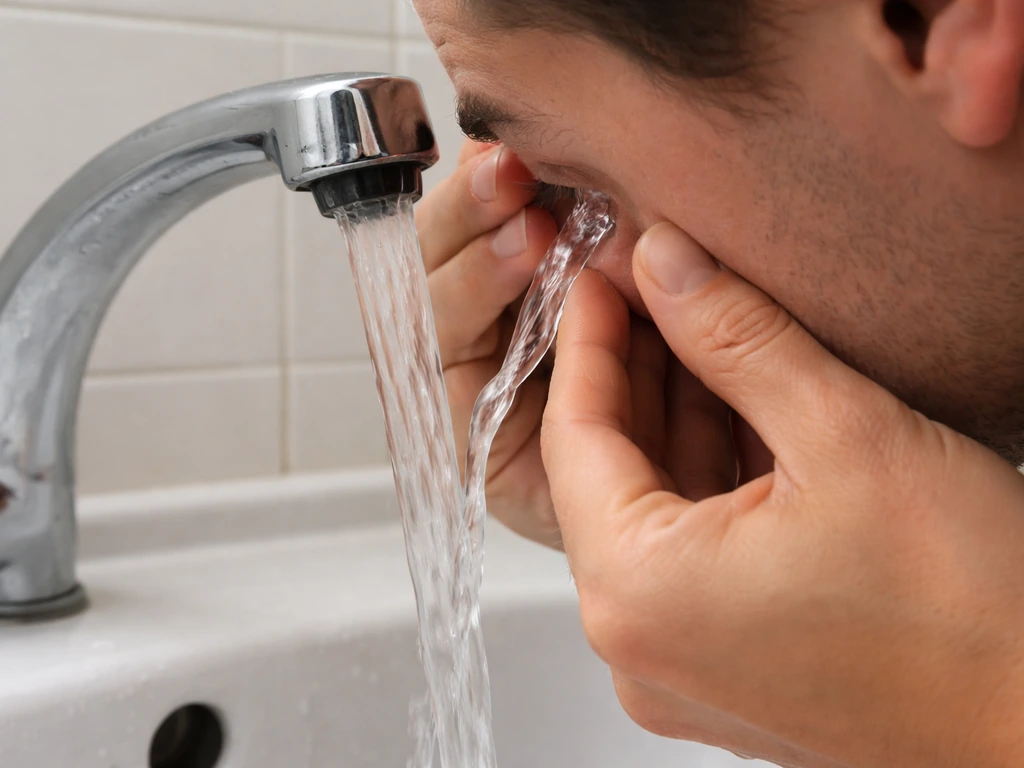
If droppings splashed into your eye, flush it immediately with gently flowing clean water for at least 15 minutes. Do not rub your eye. After flushing, call Poison Control (1-800-222-1222 in the US) or seek medical attention. The University of Florida EHS guidance and CHOP Poison Control both emphasize that many eye exposures resolve with thorough rinsing, but the assessment is worth making with a professional when the eye is involved. Do not skip the flushing step thinking it was a small splash.
Wounds and broken skin
If droppings contacted a cut, scrape, or any area of broken skin, wash the wound thoroughly with soap and clean water right away. Seek medical attention if the wound is deep, bleeding heavily, or involves exposed muscle or bone. Even for minor wounds, the CDC advises watching for signs of infection: redness, swelling, warmth, or discharge developing over the following days. If those signs appear, go see a doctor.
Respiratory symptoms after heavy exposure
If you were cleaning up a large accumulation of dried bird droppings without proper protection and you develop flu-like symptoms (fever, cough, chest tightness, fatigue) within 3 to 17 days, mention the exposure to your doctor. Those are the typical symptom windows for both histoplasmosis and psittacosis. This is less relevant for a single outdoor incident, but worth knowing.
Higher-risk individuals
If you are immunocompromised (due to illness, medication, or treatment), pregnant, or have a respiratory condition, the threshold for calling your doctor should be lower. The same exposure that is trivial for a healthy adult can be more serious for someone with a compromised immune system. A quick call to your healthcare provider to describe the exposure is always a reasonable step if you are in this category.
Good luck superstition vs evidence-based hygiene
If someone tells you a bird pooping on you is good luck, they are not entirely wrong to smile about it. Across many cultures, from Russia to Turkey to parts of the UK and Italy, a bird dropping landing on you is considered a sign of incoming good fortune. The logic is roughly: it is so statistically unlikely that it must mean something. There is even a version tied to financial luck specifically, which is presumably why lottery ticket sales do not spike after rainstorms.
The honest take is that the superstition is harmless and kind of charming. It is a nice way to reframe an unpleasant moment. Where it becomes a problem is if the cultural narrative of good luck leads someone to skip washing up because the universe is clearly on their side today. It is not. Wash your hands. The luck and the hygiene are not mutually exclusive.
The evidence is clear that prompt, thorough handwashing and skin cleaning after contact with bird droppings reduces your risk meaningfully. No amount of good fortune changes the biology of Chlamydia psittaci or Histoplasma spores. So by all means, take the good omen and enjoy it. Then go wash your shoulder. Even if it feels like an accident, when bird poop falls on you, it is important to rinse and wash thoroughly to reduce germs.
Quick reference: do this, not that
| Do This | Not That |
|---|---|
| Rinse with running water immediately | Dry-wipe or rub the area first |
| Wash with soap and water for 20+ seconds | Use bleach or harsh chemicals on skin |
| Dampen dried droppings before removing from clothing | Brush or sweep dry droppings (creates dust) |
| Machine wash contaminated clothing separately | Leave contaminated clothing sitting around unwashed |
| Flush eyes with clean water for 15 minutes if splashed | Rub your eyes or skip flushing |
| Monitor for symptoms over 5–17 days if exposure was significant | Ignore persistent fever, cough, or skin changes |
One final note: if you are wondering whether getting bird poop on your clothes specifically requires different treatment than skin contact, or what it means for infection risk if a bird poops on you versus near you, those nuances are worth understanding separately. The short version is that the same core principles apply: rinse, wash, avoid spreading, and pay attention to whether your skin was intact. The more specific scenarios around clothing and the broader question of why birds seem to target some people more than others are their own rabbit holes worth exploring.
FAQ
Should I disinfect my skin after a bird poops on my shoulder?
For an incidental splatter on intact skin, soap and water is enough. Avoid alcohol wipes, peroxide, or harsh antiseptics on normal skin, they can irritate and make small abrasions more likely.
Can I just rinse and forget it if the dropping was tiny?
No. A tiny amount still includes dried material that can flake off later. Rinse first, then wash with soap and water for at least 20 seconds and wash your hands right after.
What if it happened and I do not have a sink right away?
If you cannot wash immediately, avoid rubbing it, keep your hands away from your face, and cover the area with clean clothing until you can rinse and wash. Do not try to “dry brush” it off, that increases dust.
Do I need to worry about my pets if they lick my shoulder?
Yes, take precautions. Keep pets away from the area until you have washed your skin and hands, and prevent licking of contaminated clothing or skin residue.
If the bird poop dried, is it more dangerous than when it is fresh?
The main extra risk is dust from dried material becoming airborne, not that dried poop “soaks in” through intact skin. Your goal is still the same, minimize disturbance, dampen before removal on clothing, then wash.
Does bird poop spreading to my face count as a separate exposure?
It can. If any material got near your eyes, mouth, or nose, treat it as higher risk and prioritize thorough washing, especially rinsing before touching the area further. If your eye was involved, flush for at least 15 minutes.
Is it safe to use a glove to clean up, then still touch my phone or doorknobs?
Better to limit cross-contamination. If you use gloves, treat them as contaminated, remove them carefully, then clean your hands and sanitize high-touch items afterward.
How should I handle my bra, shirt, or jacket if the poop was under a strap or seam?
Check seams and under-strap areas where residue can hide. Spot-rinse or wipe with a damp cloth first, then launder the item separately if possible, and wash your hands after loading and after the cycle.
What if the droppings got on my watch, glasses, or phone screen?
Wipe off visible material with a damp cloth first, then clean the device using an appropriate method for that surface. Let it air dry, and wash your hands after handling it.
If I got it on intact skin but have a rash or eczema patch, should I do anything differently?
Yes. Irritated or broken skin behaves more like “broken skin.” Wash more thoroughly, avoid scrubbing aggressively, and consider calling a clinician if redness, swelling, warmth, or drainage develops in the following days.
When would I call a doctor after a single shoulder incident?
Call sooner if there was an eye exposure, contact with broken skin, you develop concerning infection signs, or you are immunocompromised, pregnant, or have significant respiratory disease. For single outdoor incidents with intact skin, medical follow-up is usually unnecessary.