Bird poop just landed on you. First: don't wipe it with your bare hand, don't rub it in, and don't panic. Rinse the affected area with soap and water as soon as possible, and you'll be fine in almost every case. The risk from a single casual exposure is genuinely low if you clean up promptly and avoid spreading it around.
When Bird Poop Falls on You: Safe Cleanup Steps

Marcus Fielding
2 Jun 2026
What to do in the first few minutes
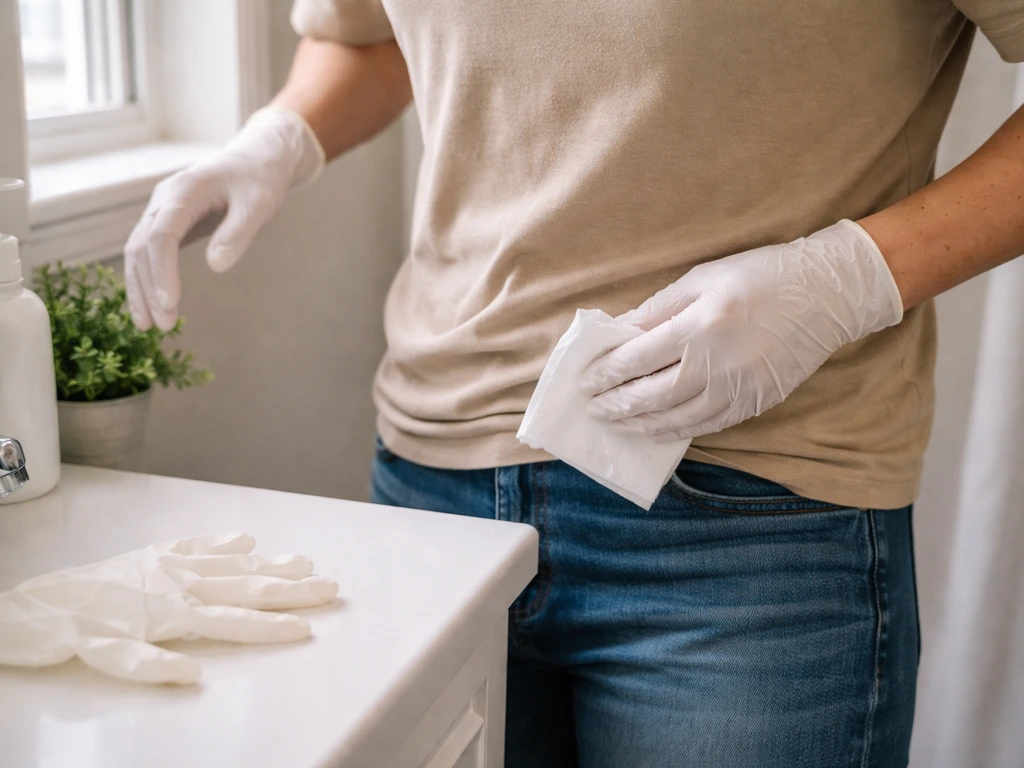
Speed matters more than perfection here. Your main goal in the first few minutes is to get the dropping off your skin, clothes, or hair before it dries and before you touch anything else (especially your face or mouth).
If it landed on skin: move away from the bird area, resist the urge to wipe with your hand, and get to a sink. Remove any contaminated clothing. Wash the skin thoroughly with soap and water, using gentle friction rather than hard rubbing so you don't push anything into a scratch or irritated area. If you only have hand sanitizer available, use it as a bridge until you can get to soap and water.
If it landed on your hair: try to scoop the bulk of it off with a tissue or paper towel first, then wash your hair with shampoo as soon as you can. Avoid running your hands through your hair before washing.
If it landed in or near your eyes: act immediately. Flush the eye with large amounts of clean water for at least 15 minutes, occasionally lifting your upper and lower eyelids to make sure the water reaches all surfaces. Timing really does matter here: research supports that flushing within the first few minutes gives significantly better outcomes. If you wear contact lenses, remove them before flushing or as soon as possible during the rinse.
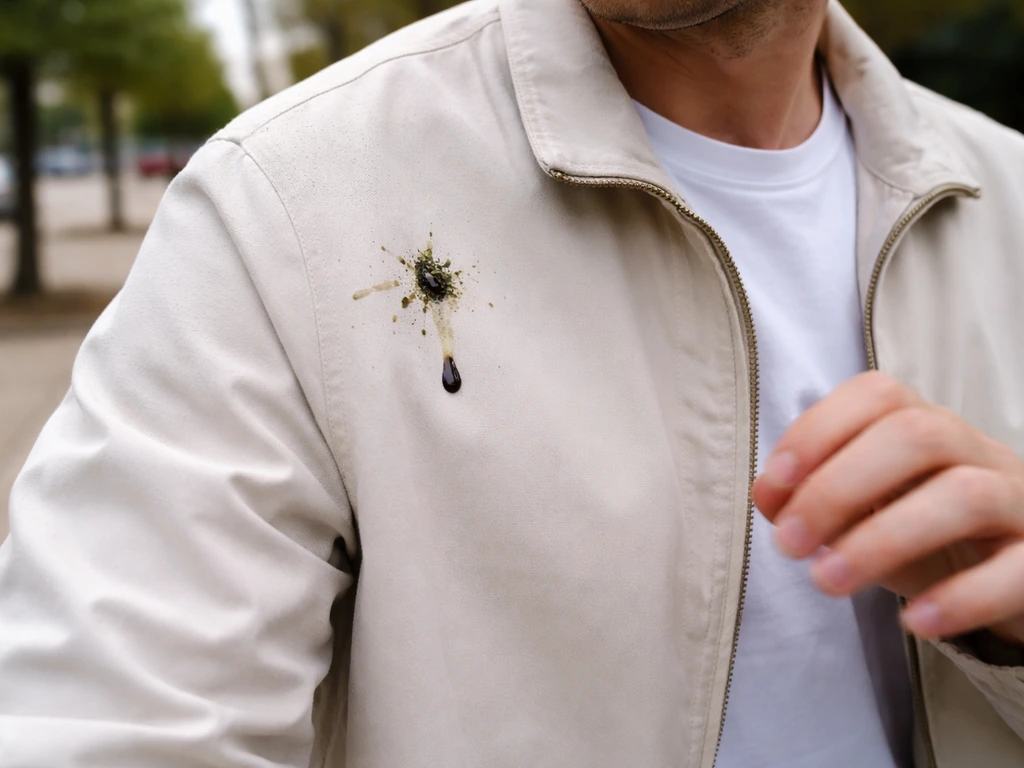
If it landed on clothing: don't brush or dry-wipe the stain, as that can spread it and aerosolize dried particles. If the droppings got onto clothing, follow the right clothing steps first rather than brushing or dry-wiping, which is part of what to do if a bird poops on your clothes. Leave the fabric alone until you can deal with it properly, or gently scoop the bulk off with a spoon or card.
How bird poop can affect skin, eyes, and clothing
For most people, bird poop on intact skin causes nothing more than a brief gross-out moment. Skin irritation is possible if you have sensitive skin or leave it on for a long time, but healthy skin is a very good barrier. The bigger concern is hand-to-mouth transmission: if you touch the droppings and then touch your mouth, nose, or eyes before washing up, you create a pathway for anything the bird was carrying.
Eyes are a different matter. Mucous membranes are much more permeable than skin, so eye exposure genuinely warrants faster and more thorough action. Symptoms like redness, irritation, or discharge after eye contact should be taken seriously, and pain or vision changes are a reason to see a doctor.
On clothing and fabric, bird droppings are highly acidic and can cause discoloration or fiber damage if left to dry, especially on delicate materials. On car paint, dried bird poop is one of the more underrated causes of surface etching because the uric acid in droppings chemically interacts with clear coat, particularly in heat. The longer it sits, the worse the damage.
Cleaning up safely: hands, skin, clothes, cars, shoes, and surfaces
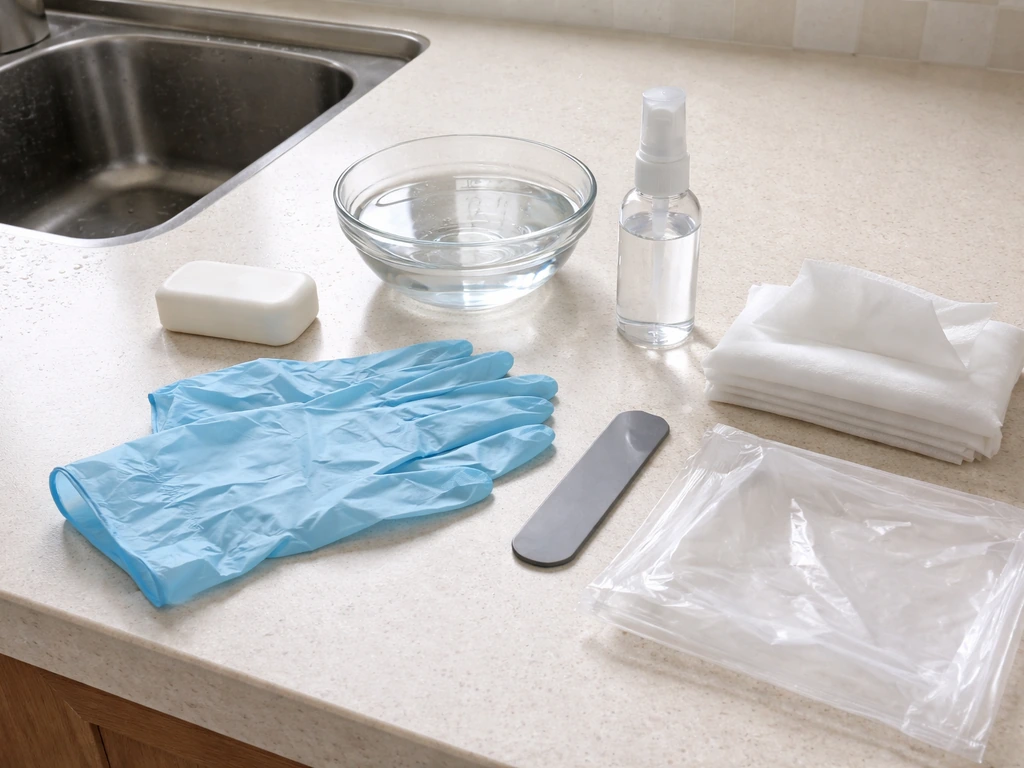
Hands and skin
Wash with soap and water as soon as possible. If soap is not immediately available, hand sanitizer works as a temporary measure. Don't rub aggressively if there are any cuts or abrasions on your hands. Dry with a clean towel and avoid touching your face until you've washed up.
Clothing and fabric
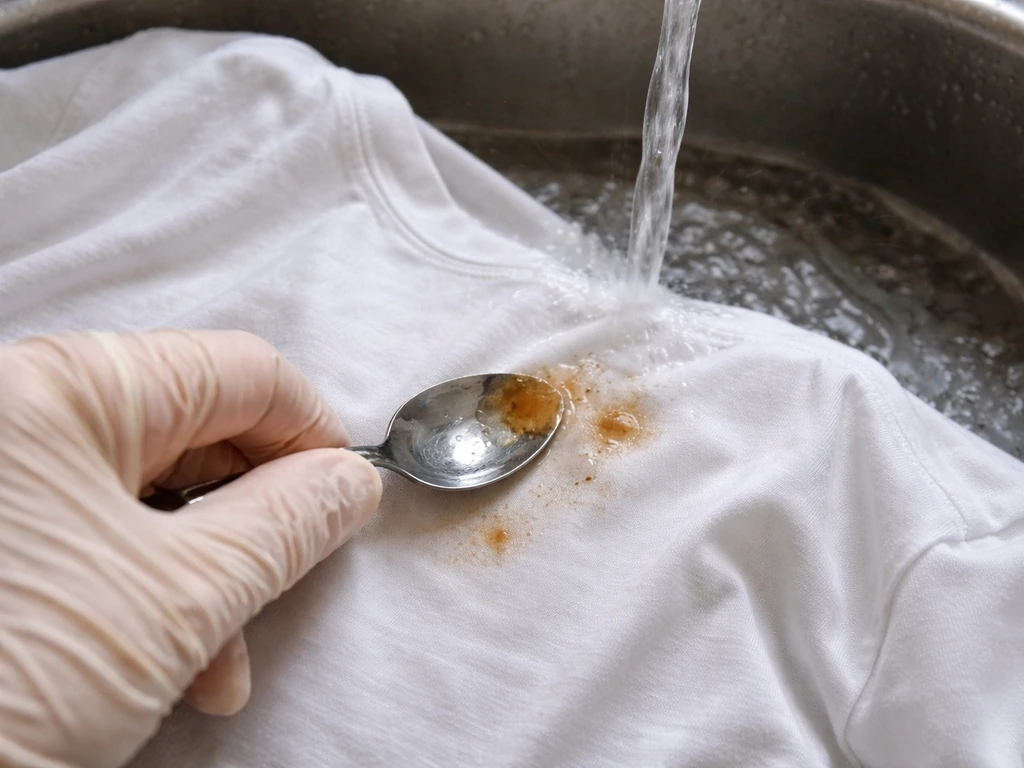
- Scoop or scrape off as much of the bulk as possible using a spoon, card, or gloved finger. Do not rub.
- Rinse the fabric from the back side of the stain with cold water to push the dropping out rather than deeper in.
- Pre-treat the stain with a stain remover or a small amount of liquid laundry detergent before washing.
- Wash in the warmest water safe for that fabric according to the care label.
- Air dry and check the stain before putting in a dryer, since heat can set stains permanently.
Car paint and hard surfaces
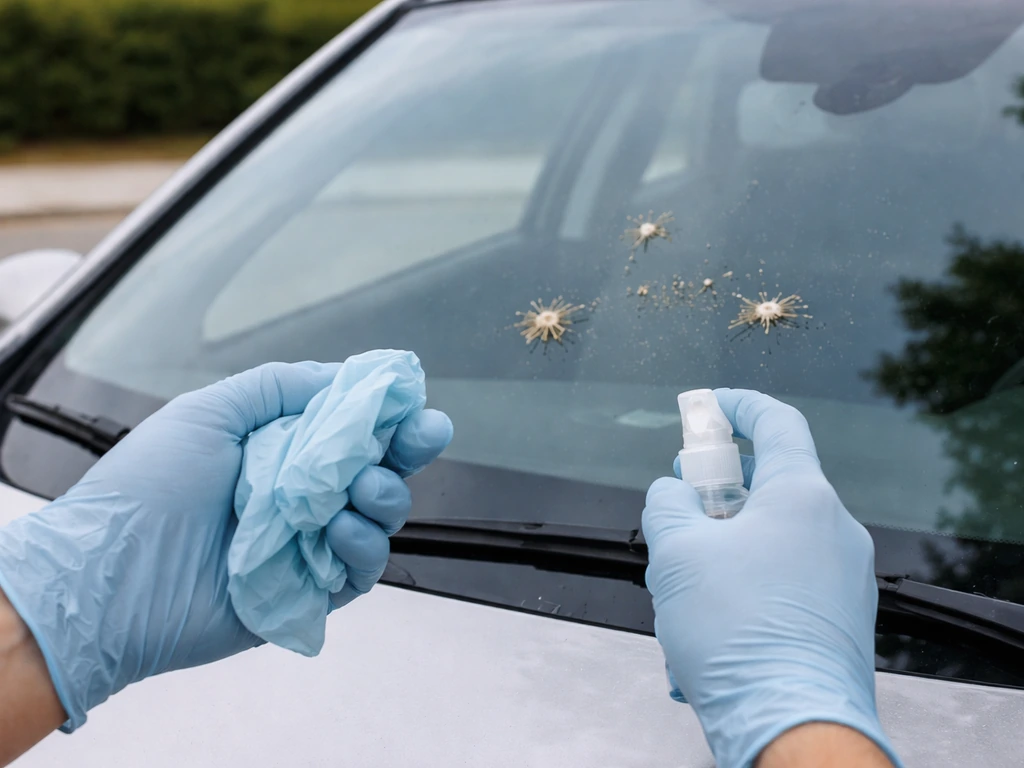
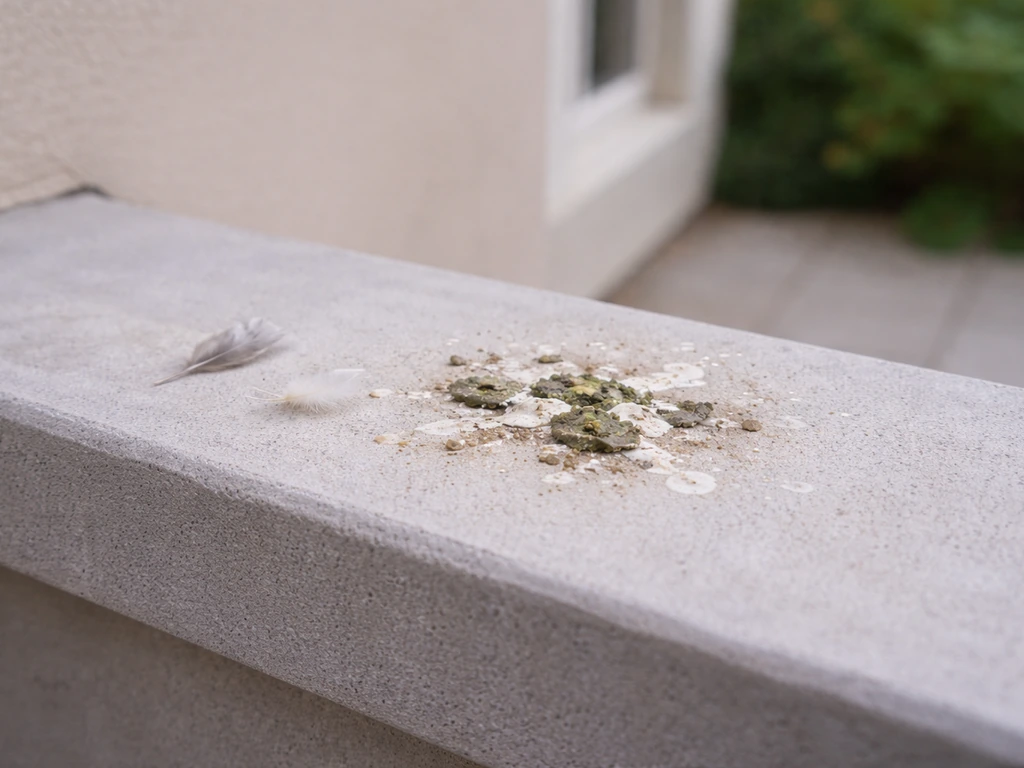
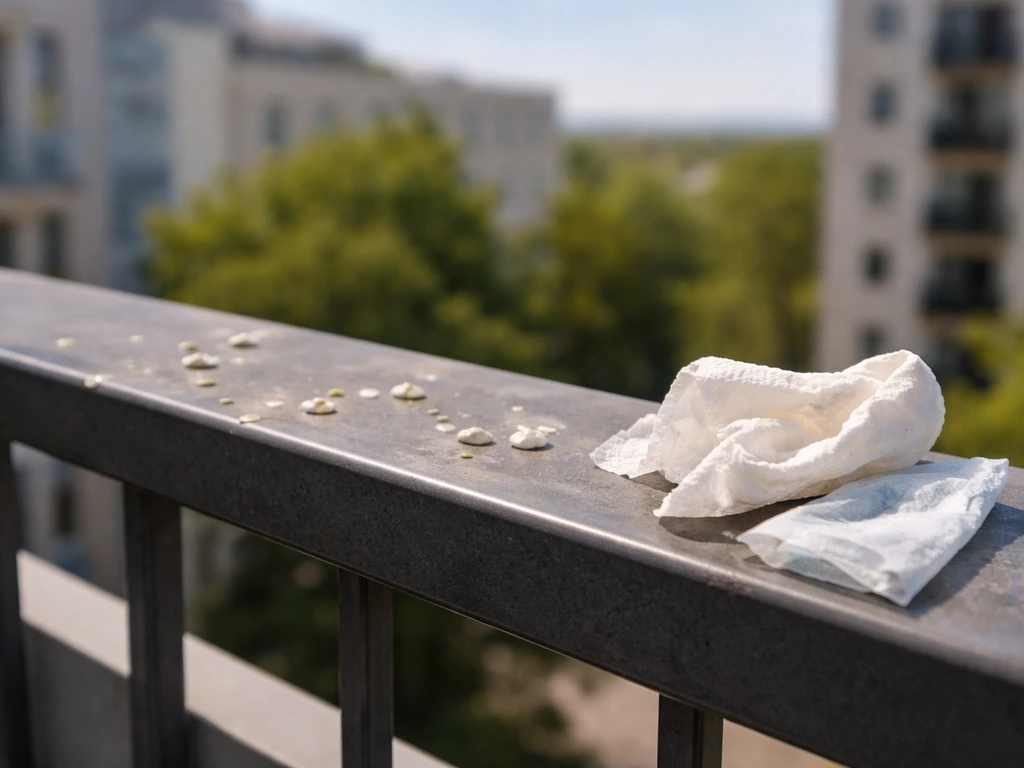
For car paint: wet the dropping with water or a damp cloth first to soften it, then gently lift it off without dragging dry material across the paint surface. Use a dedicated car detailing spray or waterless wash product if you have one. Never dry-wipe. For other hard surfaces like patio furniture or railings, dampen the area before wiping, then clean with a general-purpose household cleaner or a diluted bleach solution. The key rule for all surfaces is: wet before you wipe. Dry material can become airborne and that's where respiratory exposure risk comes in, even at small scales.
Shoes
Rinse the sole and upper with water first to soften and remove the bulk, then scrub with a brush using soapy water. If the shoe material allows, wipe down with a disinfectant solution. Wash your hands thoroughly after handling the shoes.
If a pet was hit
Rinse your pet's fur or feathers with warm water and use a pet-safe shampoo if available. Wear disposable gloves if you can, since bird droppings can carry pathogens that affect animals too. Wash your own hands thoroughly after the cleanup, even if you wore gloves.
When to worry: symptoms, red flags, and when to get help
For most people who wash up quickly, there is nothing to worry about. That said, it's worth knowing what to watch for over the following days.
If poop hit your eye and you notice redness, pain, swelling, discharge, or any change in your vision after flushing it out, see a doctor the same day. Blurry vision that doesn't clear when you blink, or eye pain that's more than mild, are reasons to seek urgent care rather than waiting for a regular appointment. Contact lens wearers should be especially vigilant because contaminated lenses can lead to serious corneal infections.
For skin and general exposure, watch for any sign of infection at the contact site over the next few days: unusual redness, swelling, warmth, or pus that wasn't there before. These are uncommon from a single casual exposure but worth knowing.
The bigger watch period is for respiratory or systemic symptoms in the days after, especially if you were near a large accumulation of bird droppings, disturbed dried material, or were cleaning a coop or roosting area. Bird-associated infections like psittacosis have an incubation period of typically 5 to 14 days, so symptoms like fever, chills, persistent headache, dry cough, or flu-like illness appearing in that window after significant exposure are worth mentioning to a doctor.
| Symptom | Urgency | What to do |
|---|---|---|
| Eye redness, mild irritation after flushing | Monitor | Watch for 24 hours; see doctor if worsening |
| Eye pain more than mild, blurred vision | Urgent | Seek urgent or emergency care same day |
| Eye discharge, swelling | Soon | See a doctor within the day |
| Skin redness, irritation at contact site | Monitor | Watch; see doctor if it spreads or worsens |
| Fever, cough, flu-like illness within 5–14 days | Important | See a doctor and mention bird droppings exposure |
| Difficulty breathing, chest pain | Emergency | Call emergency services immediately |
Disease transmission: what's actually likely
Bird droppings can carry real pathogens including Campylobacter bacteria, Histoplasma fungal spores, and the bacteria responsible for psittacosis. That sounds alarming, but context matters enormously for how much risk that actually creates in a typical one-off incident.
Histoplasmosis, which is a lung infection, comes from breathing in fungal spores from soil associated with bird or bat droppings. You're not at meaningful risk from a single bird dropping landing on your arm or shoulder. The real risk scenario is blank" rel="noopener noreferrer">disturbing large, dry accumulations of droppings, like shoveling out a long-occupied chicken coop or doing construction near a heavily used roosting site. In those situations, aerosolized dust is the issue, which is why the core cleanup rule is always wet before you clean.
Psittacosis works similarly: the main route is inhaling dried, aerosolized material from infected birds, typically in close prolonged contact situations. Incubation is 5 to 14 days, so if you develop respiratory symptoms in that window after significant exposure, tell your doctor about the bird contact.
Campylobacter and similar bacterial pathogens spread primarily through the hand-to-mouth route, meaning the risk is in touching the droppings and then eating or touching your face before washing. This is exactly why handwashing is the single most important thing you can do after any bird poop contact.
The bottom line: one bird poop landing on you in normal daily life is a low-risk event if you clean up promptly and don't rub your eyes or eat with unwashed hands. The disease scenarios you read about in health alerts are almost always tied to repeated, heavy exposure in enclosed spaces, not a passing pigeon on a park bench.
Aftercare and how to reduce repeat incidents
Once you've cleaned up, the aftercare is simple: keep an eye on any contact sites for a few days and wash any items that were contaminated as soon as you can. Don't leave bird-stained clothing sitting around, especially in warm weather.
If birds are landing on or near you repeatedly, there are practical ways to reduce contact. Birds are attracted to consistent perches and food sources, so identifying and removing or blocking those is the most effective long-term fix. For car owners, parking away from trees and power lines is the single highest-impact move. Covered parking obviously solves it entirely.
- Avoid parking or sitting under roosting spots, telephone wires, or dense tree canopies during active bird hours (early morning and dusk are peak times)
- Use a car cover or waterproof seat cover outdoors if birds are a regular problem in your parking area
- Apply a car paint sealant or ceramic coating to reduce how much bird acid etches the surface when droppings do land
- Keep outdoor food, pet bowls, and birdfeeders away from areas where you spend time if you're trying to limit bird proximity
- If you work in or near bird enclosures, wear disposable gloves during cleaning, wet the area before wiping, and consider an N95 mask if you're dealing with a large buildup of dried material
- Wash hands any time you handle bird-related items, whether or not you can see obvious contamination
One last thing: yes, many cultures consider bird poop landing on you a sign of good luck. It's a widespread belief spanning multiple continents, and there's something almost comforting about reframing an unpleasant moment that way. But luck aside, wash your hands. The superstition and the soap are not mutually exclusive.
FAQ
How do I remove bird poop stains from clothing or fabric without spreading germs?
Use warm soapy water first, then rinse well. If the spot is on a fabric you can machine-wash, pretreat with laundry detergent and launder promptly. Avoid letting it sit wet or partially dry for hours, because dried bird droppings can leave a stain that is harder to remove and more likely to damage fibers.
What should I do if the bird poop already dried on my clothes or surfaces?
Don’t. Dry wiping or shaking can create dust or small airborne particles from dried droppings, which raises inhalation risk. Instead, gently wet the area (spray with water if needed), lift off solids, then clean with soap and water (and launder if it’s fabric).
Can I use hand sanitizer instead of washing with soap and water before eating?
If you must eat or handle food before washing, don’t touch your face, mouth, or eyes. Use a clean utensil and wash hands as soon as you can. If droppings touched your skin or hands directly, hand sanitizer is a temporary bridge, but it is not a substitute for real soap-and-water handwashing.
What’s the safest way to handle bird poop exposure when I wear contact lenses?
Remove contacts before you flush if you can do so safely, then continue flushing the eye for at least 15 minutes. If vision changes, significant pain, or ongoing redness happens after flushing, get medical care the same day.
What skin symptoms after when bird poop falls on you mean I should get checked?
Watch for delayed skin irritation over the next few days, especially if the area was left unwashed or you have sensitive skin. If you develop spreading redness, warmth, swelling, pus, or increasing pain at the contact site, seek medical advice.
When should I worry about breathing-related symptoms after bird poop exposure?
Yes, especially if you were cleaning a large accumulation or near a roosting site with disturbed dust. If you develop fever, chills, persistent headache, dry cough, or flu-like illness within about 5 to 14 days after significant exposure, tell a clinician about the bird contact and timing.
What if bird poop gets into a cut or on broken skin?
Rinse thoroughly with plenty of clean water, then wash normally with soap. If it got into a cut or broken skin, treat it more like a wound exposure: wash well, keep the area clean, and get medical guidance if redness spreads or symptoms worsen over a couple of days.
Can bird poop damage car paint, and how can I prevent etching?
If it’s on a car, wet it first and avoid aggressive scrubbing until you remove the softened material. Dried droppings can etch clear coat, so after you lift off the residue, consider using a dedicated car product (not a household abrasive cleaner). If you see dulling or rough spots that don’t improve, professional detailing or paint correction may be needed.
What else should I clean besides my skin and hands after a cleanup?
Yes. After washing your hands, clean tools and reusable items you used during cleanup with soap and water. If you wore disposable gloves, you can remove them and discard them, then wash hands again. If something became heavily contaminated, launder it or disinfect appropriately based on what the item is.
What practical steps reduce repeated bird poop exposure around my home or car?
If birds keep targeting the same area, treat the likely attractants: block consistent perches, remove accessible food sources, and use deterrents that fit the location (for example, covers for ledges or visual barriers). For cars, move or cover parking when possible, because repeated exposure increases the chance of larger, dried buildups.