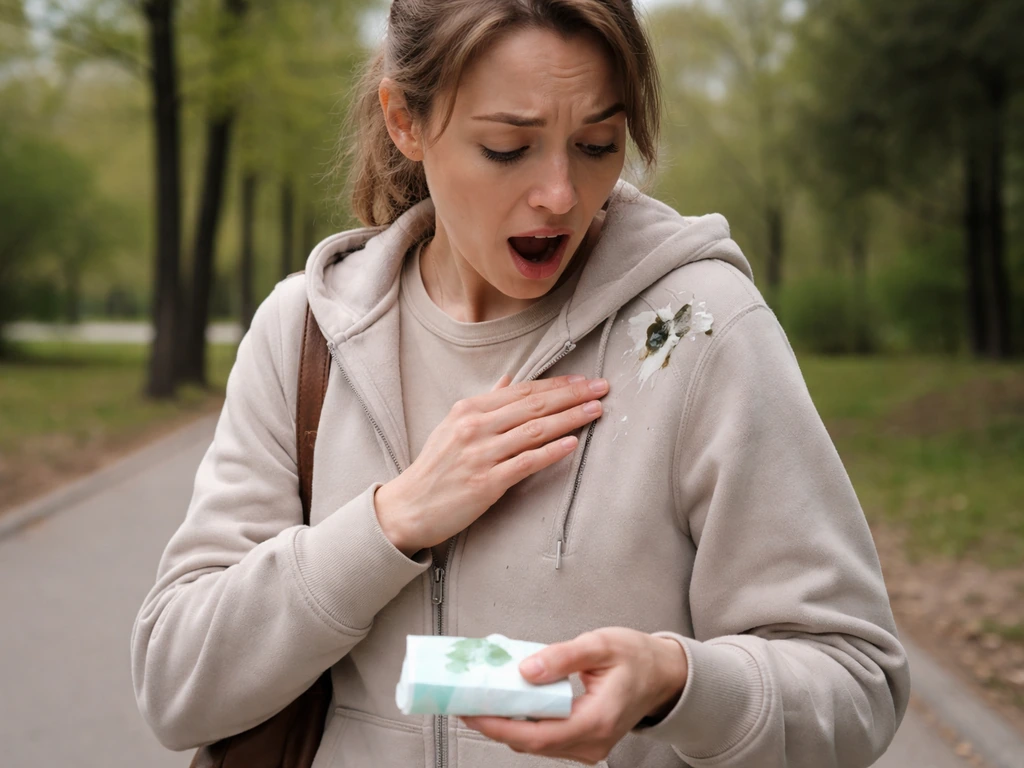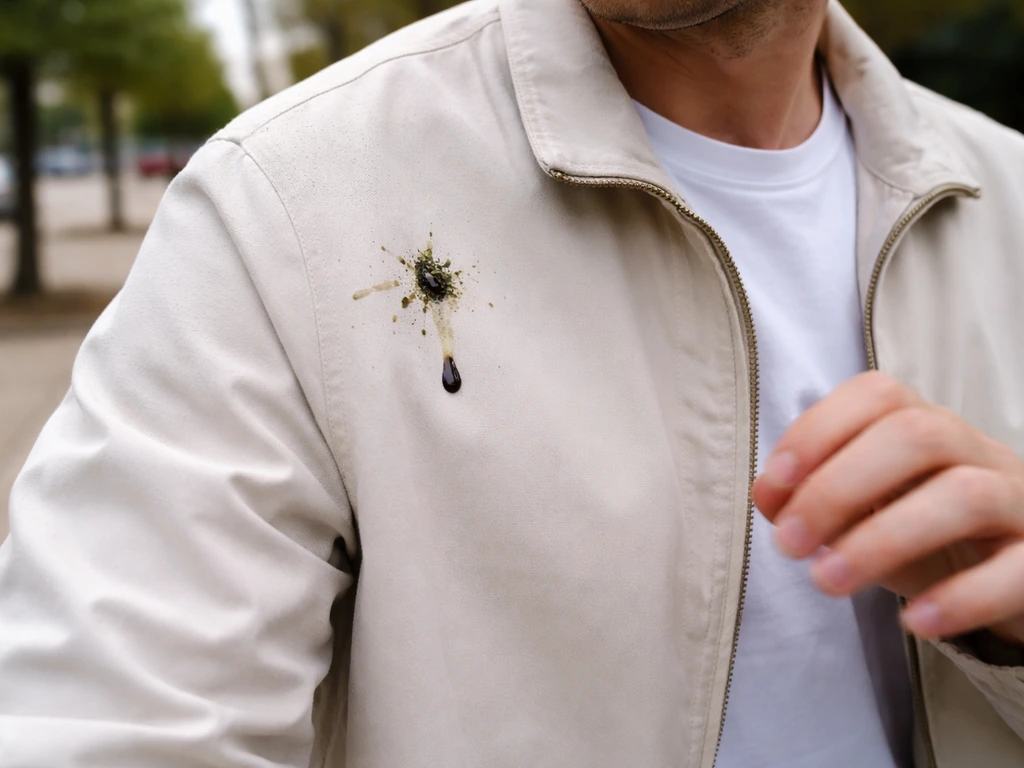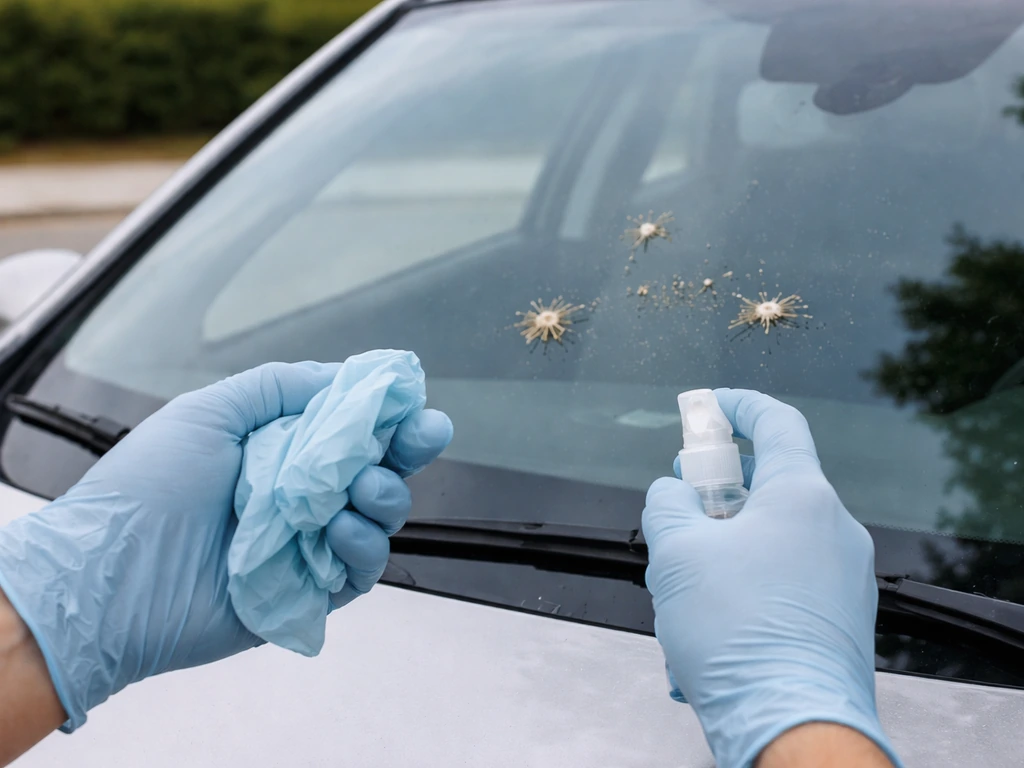
Getting hit by a bird is unpleasant, but it almost certainly won't make you sick. The realistic risk from a single, direct hit is very low for most healthy adults. That said, bird droppings do contain pathogens that are worth taking seriously, so a quick, sensible cleanup right away is all it takes to keep that risk as close to zero as possible.
A Bird Pooped on Me Will I Get Sick? What to Do

Marcus Fielding
10 Jun 2026
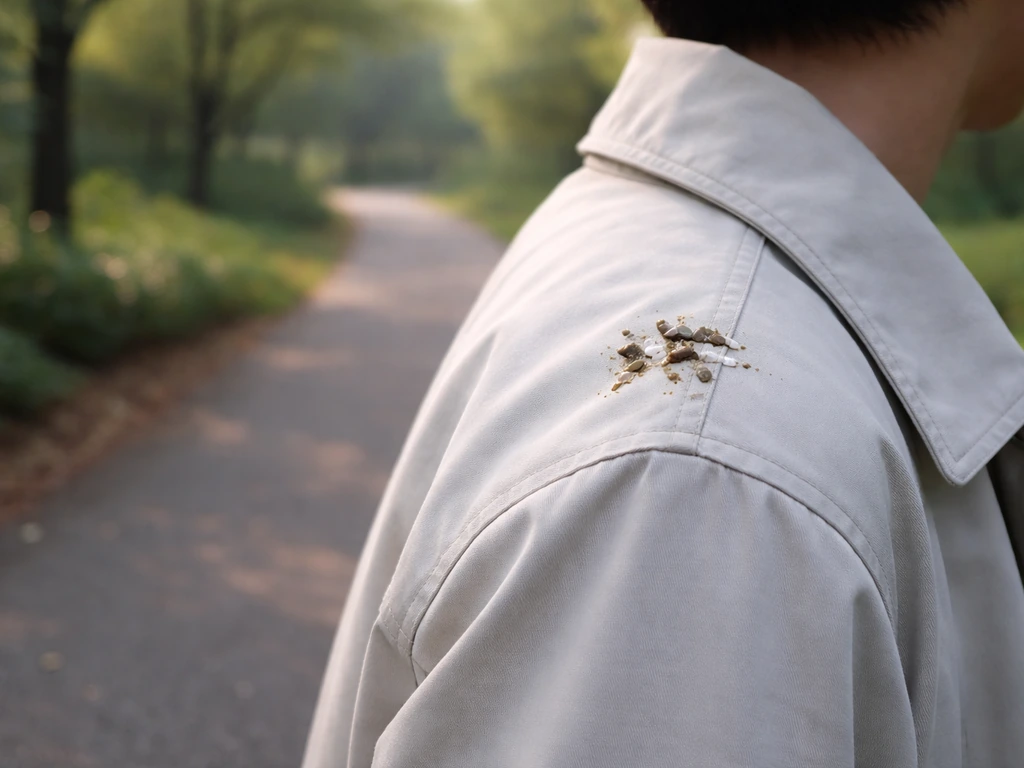
Your immediate risk: probably fine, but don't ignore it
The honest answer is that the vast majority of people who get pooped on by a bird never develop any illness at all. NYC Health has stated plainly that the risk of pigeon-related diseases is rare and that routine exposure to droppings does not pose a serious health risk to most people. Bird droppings can carry bacteria, fungi, and occasionally viruses, but getting a splat on your arm during your morning commute is a far cry from the kind of sustained, high-level exposure that tends to lead to infection. Your skin is an excellent barrier. As long as the droppings don't get into your eyes, nose, mouth, or an open cut, and as long as you wash up promptly, the odds of falling ill are genuinely small.
The reassuring thing about most bird-related illnesses is that they are not instant. Psittacosis, for example, one of the more commonly referenced bird-to-human infections, typically has an incubation period of 5 to 14 days according to the CDC. If you were going to get sick, you would not feel it within the hour. That gives you a window to clean up properly and monitor yourself, which is exactly the right response.
What actually makes bird poop dangerous
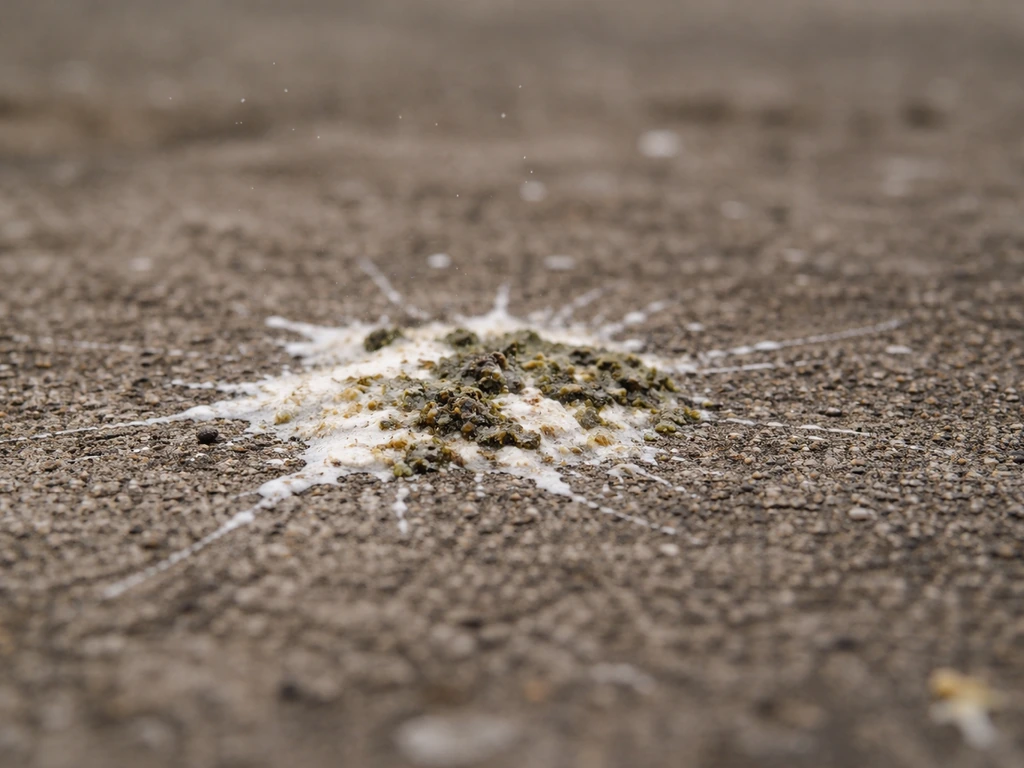
Bird droppings can carry a handful of pathogens worth knowing about: Chlamydophila psittaci (which causes psittacosis), Cryptococcus neoformans (a fungus), Histoplasma capsulatum (another fungus found especially in accumulated droppings), and Salmonella bacteria, among others. The key word in most of these cases is 'accumulated.' A single fresh deposit from one passing pigeon is not the same as a windowsill caked with months of dried droppings.
The most important route of infection to understand is inhalation. The CDC specifically flags inhalation of dust containing dried droppings or respiratory secretions as the most common way people get infected with psittacosis. When droppings dry out and get disturbed, they can become airborne particles that you breathe in without realizing it. Touching contaminated material and then touching your face is the second major route. Direct skin contact alone, without any mucous membrane involvement, is much lower risk. That is why cleanup technique matters just as much as cleaning at all.
Fresh vs dried droppings: it actually matters
Fresh droppings are messier but, in some ways, safer to clean up than dried ones. They haven't had time to become a fine, aerosolizable dust. When you're dealing with a fresh hit on your skin or jacket, the priority is to remove it without smearing it further and wash the area thoroughly. Avoid the urge to wipe aggressively with a dry cloth, which can spread the material and, once it starts drying, potentially send particles airborne.
Dried droppings are a different story. If you're cleaning up old accumulations, on a car, a windowsill, patio furniture, or a fence, do not dry-sweep or brush them without protection. That is when you should dampen the area first to prevent dust, wear a mask (an N95 if available), and avoid touching your face. For a single fresh incident on your person, though, you don't need to panic about aerosolization. Just clean it off carefully and wash your hands well.
Step-by-step cleanup for skin, hair, and clothing
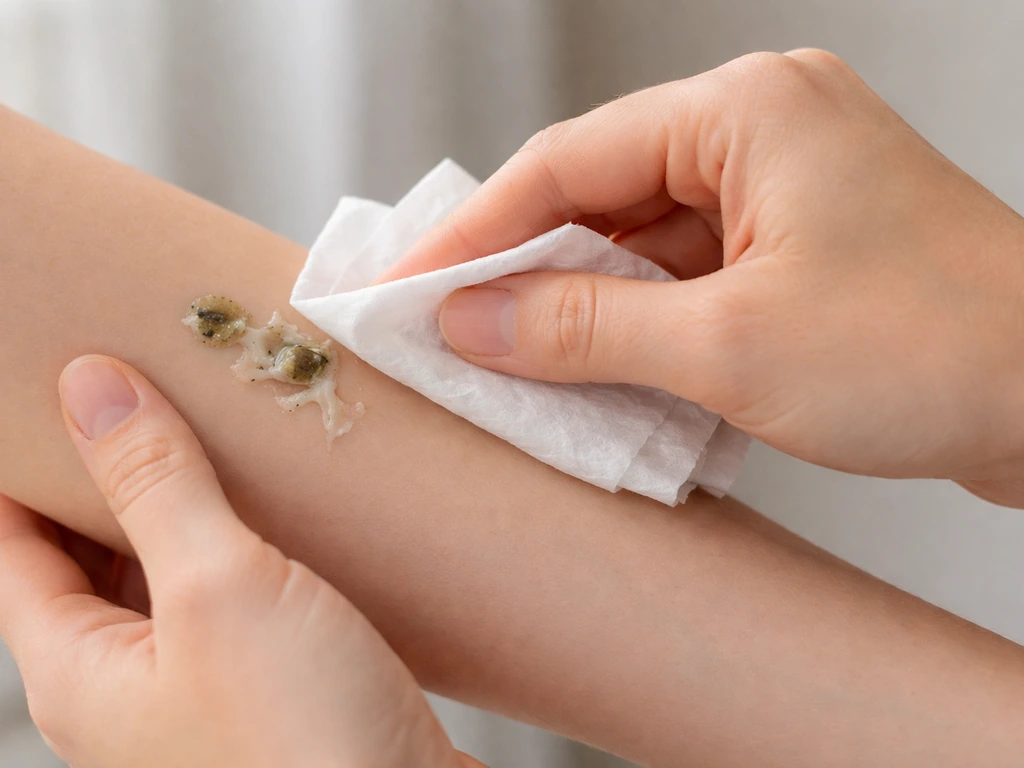
On your skin
- Don't rub it in. Use a damp cloth, paper towel, or wet wipe to gently lift the droppings off the skin. Work from the outside of the splatter toward the center to avoid spreading it.
- Rinse the area with running water for at least 20 seconds.
- Wash thoroughly with soap and water. This is the most important step. The CDC recommends washing hands after any contact with birds or their droppings, and the same logic applies to any skin that was hit.
- Dry with a clean towel and you're done. No need for antiseptic unless there's a scratch or open skin involved.
In your hair
Getting hit in the hair feels worse than it is. Rinse your hair with water as soon as possible to loosen the material, then shampoo normally. Avoid combing or brushing through it while it's still dry and intact, since that could spread it further along the hair shaft. A normal wash is all you need.
On your clothing
- If you can change out of the affected clothing soon, do so. Handle the item carefully to avoid touching the soiled area with your hands.
- Scrape or blot off any solid material before washing. A dull edge like a credit card works well for this.
- Rinse the stained area with cold water from the back of the fabric to push the residue out rather than deeper in.
- Machine wash on the warmest setting the fabric can handle. Hot water is better at killing pathogens than cold.
- Wash your hands thoroughly after handling the clothing.
If you're out and can't wash immediately, the practical move is to use a wet wipe or damp cloth to remove what you can, keep the area moist so it doesn't dry and flake, and wash as soon as you get home. If it happens to your clothing, focus on prompt removal and washing to minimize any chance of contamination washing as soon as you get home. Letting it dry completely before washing isn't ideal, but it's also not catastrophic.
If it got in your eyes, mouth, or on broken skin
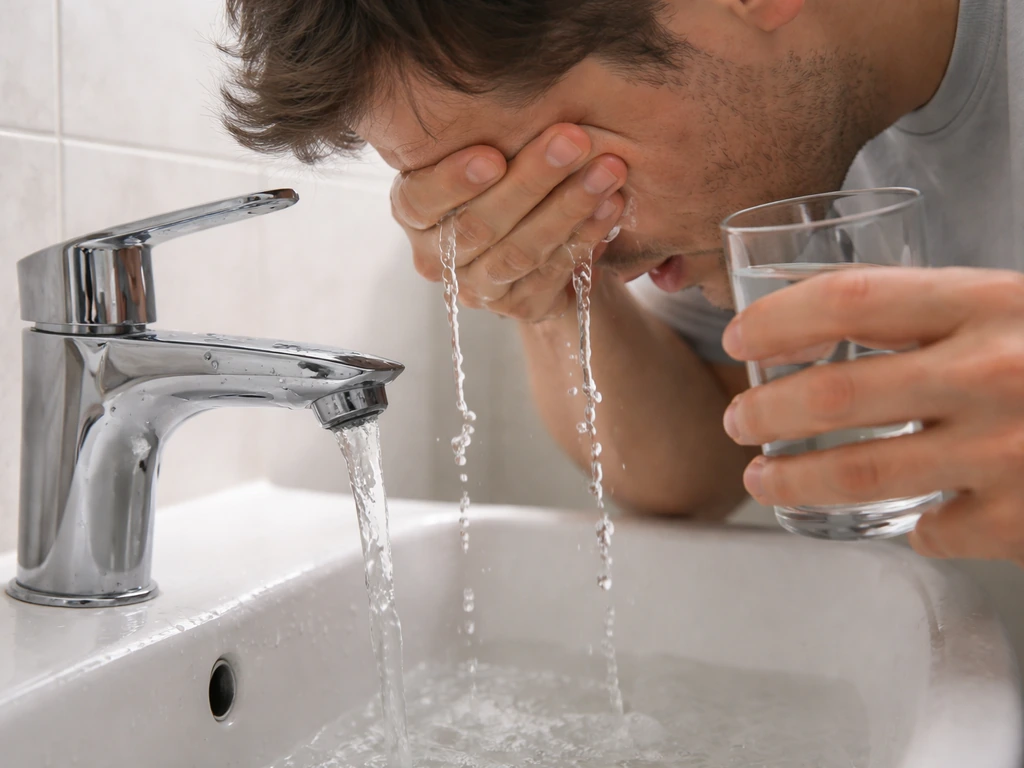
This is where the calculus changes a little. If droppings get into your eyes, rinse immediately with clean running water or saline for several minutes. Don't rub your eyes, since that drives material further in. If you're wearing contact lenses, remove them before rinsing if you can do so without dragging material across the eye. After rinsing, call your doctor or an advice line to let them know what happened, especially if redness, irritation, or discharge develops in the hours that follow.
If it got in your mouth, rinse your mouth out thoroughly with water several times and spit. Don't swallow. Then brush your teeth if you have access to a toothbrush. The risk from a single oral exposure is still low, but it's worth flagging to a healthcare provider if you're immunocompromised or if the bird in question appeared sick or came from a setting with known disease concerns.
For broken skin or open wounds, rinse the area well with running water and soap for at least a minute, apply an antiseptic if you have one, and consider calling a doctor for advice. Broken skin removes the barrier protection your intact skin provides, so this scenario warrants a bit more attention even though the absolute risk is still not high.
When to call a doctor vs when home care is enough
For the overwhelming majority of people who get hit by a bird in a normal outdoor setting, home care is completely sufficient. Wash up, monitor yourself, move on with your day. If you are wondering what to do when bird poop falls on you, focus on quick cleanup and prompt handwashing, and check for any eye, mouth, or broken-skin contact. You do not need to rush to urgent care because a pigeon found your shoulder.
There are situations where a call to your doctor or nurse line is a reasonable step:
- You are immunocompromised, pregnant, elderly, or have a chronic illness that affects your immune response.
- The droppings got directly into your eyes or an open wound and thorough rinsing didn't resolve irritation.
- You work with or were near a large colony of birds, especially pigeons, starlings, or parrots kept in close quarters, where pathogen density can be much higher.
- You develop symptoms within the 5 to 14 day window after exposure, especially fever, headache, muscle aches, or a dry cough, which can indicate psittacosis or other respiratory infection.
- The bird appeared visibly sick, was found dead, or you are in an area with an active bird flu or avian disease alert.
If none of those apply, you're in the home-care category. Wash up thoroughly, keep an eye out for any symptoms over the next two weeks, and don't lose sleep over it.
The good luck thing: superstition vs what the science actually says
Across many cultures, including Russian, Turkish, and various Western traditions, getting pooped on by a bird is considered a sign of good luck or incoming fortune. The symbolism often ties to the rarity of the event and the idea that something unexpected landing on you carries a cosmic message. It's a fun belief, and honestly, if it helps you feel better about having to change your shirt, lean into it.
What the science says is simpler and more reassuring than either the folklore or the fear: a single fresh hit from a bird is a hygiene event, not a medical emergency. If you are wondering why it can feel worrying, the main issue is not the bird itself but what happens when droppings are inhaled or contact your mucous membranes why bird poop on me. Clean it off, wash your hands, and you've done the right thing. CDC advises washing your hands after touching birds, their droppings, or items in their cages blank" rel="noopener noreferrer">wash your hands. The lucky-or-unlucky framing is entirely optional. Whether the superstition around what happens when a bird poops on you holds any deeper meaning is a matter of personal belief, but the evidence-based guidance is consistent regardless of cultural interpretation: act promptly, clean thoroughly, and the risk to your health is minimal.
The one place where folklore and science briefly agree: it does get your attention, it does make you stop and act, and taking a moment to clean up properly is genuinely the right response. Even if the universe isn't sending you a message, your immune system will appreciate the handwashing.
FAQ
I already rinsed and washed, do I need to do anything else to prevent getting sick?
If you already washed, the main “next step” is to avoid touching your face until your hands are clean again. Also change out of the soiled clothing if it contacted skin or your eyes/mouth area, because lingering residue can transfer to mucous membranes later.
Should I see a doctor or use antibiotics after a single bird poop hit?
If it landed on intact skin, you do not need antibiotics or urgent care. Use running water and soap, then wash again with standard hand soap after removing gloves or handling the affected item. Contact a clinician if you have symptoms involving eyes (redness, discharge), mouth (unusual swelling), or significant wound infection signs over the following days.
What if it happens when I’m out of the house and I don’t have a sink right away?
Don’t dry-wipe fresh droppings before washing, because it can smear residue and increase spread. If you are outside, use a damp wipe to lift it off while keeping it from drying, then wash with soap and water as soon as you can.
What should I do if the droppings got in my eyes or near my eye?
If you suspect it got into your eyes, prioritize a thorough rinse with clean running water or saline for several minutes and avoid rubbing. If you wear contacts, remove them first if you can do so without dragging material across the eye, then rinse. Seek advice urgently if pain, light sensitivity, or vision changes develop.
If I accidentally swallowed a tiny bit, how concerned should I be?
Use plain water rinsing for a mouth exposure, spit after rinsing, and avoid swallowing residue. If you are immunocompromised, have chronic lung disease, or the bird seemed ill, it is reasonable to call your doctor or nurse line for personalized guidance, even though the overall risk from a single event is low.
What symptoms should I monitor, and for how long, after a bird poop incident?
Watch for symptoms over about two weeks, since some bird-associated illnesses have incubation periods on the order of days to a couple of weeks. Practical symptoms to note include fever, chills, persistent cough or breathing trouble, unusual eye redness with discharge, and worsening skin redness around an exposed wound.
Does it matter if it only hit my jacket or shirt and not my skin?
If you only got it on your clothes and it did not contact your eyes, mouth, or broken skin, the risk is still very low. Remove the item promptly, launder it as soon as possible, and avoid shaking it, since that can release particles.
What if my dog or cat got into it, or it got on household surfaces I touch a lot?
If it happened on a pet or you see droppings on surfaces you regularly touch, focus on reducing contact and hand hygiene. Wear disposable gloves if you clean pet areas, wash your hands afterward, and keep pets from licking contaminated spots. Do not use the same cloth for other household surfaces after it contacts droppings.
Why does cleaning old, dried droppings require different precautions than a fresh splat on me?
Yes, the higher-risk situation is mainly when droppings are old or dried and you stir up dust. For personal contact from a single fresh deposit, a damp wipe and normal washing are enough. If you are cleaning old accumulations, dampen first, avoid sweeping dry, and use an N95 if available.
Can I get sick if I touched my face or ate food after I got pooped on?
Food and drink are only a concern if droppings contaminated the container or your hands right before eating. If you think your hands were contaminated, wash first. If droppings touched food directly, dispose of the food rather than trying to “rinse off” ingredients.
What if bird poop landed on a cut or scraped skin?
If you have broken skin, rinse with running water and soap for at least a minute, then apply an antiseptic if you have one. Because the barrier is disrupted, it is more reasonable to ask a clinician for advice, especially if the wound becomes increasingly red, warm, swollen, or painful.