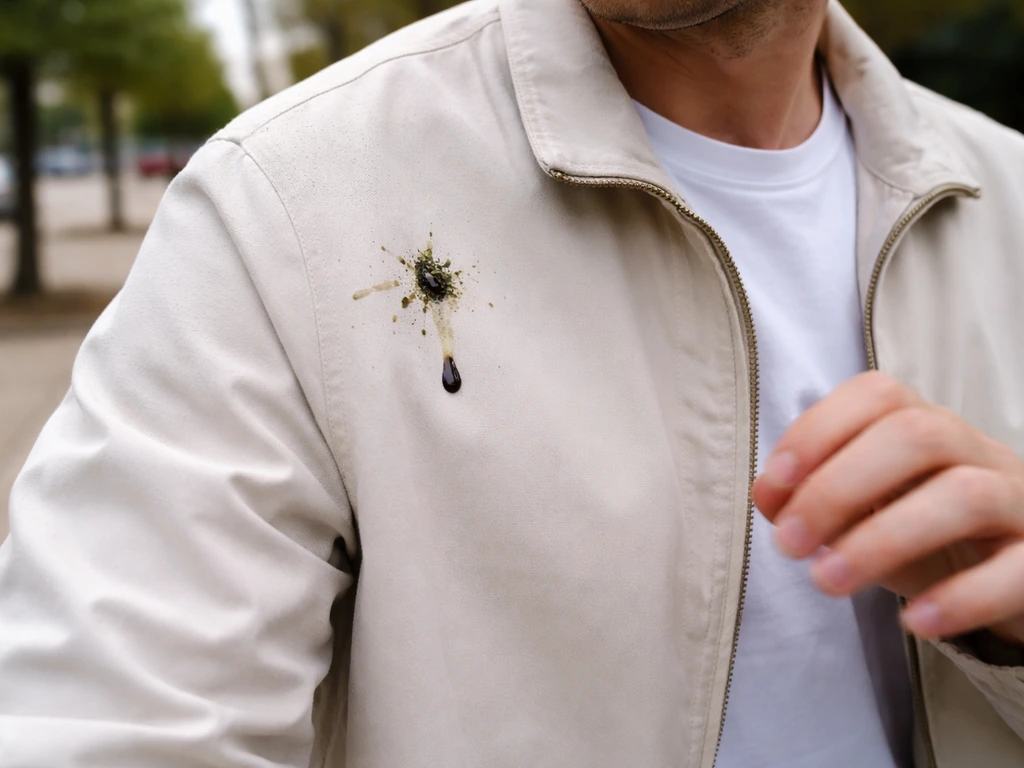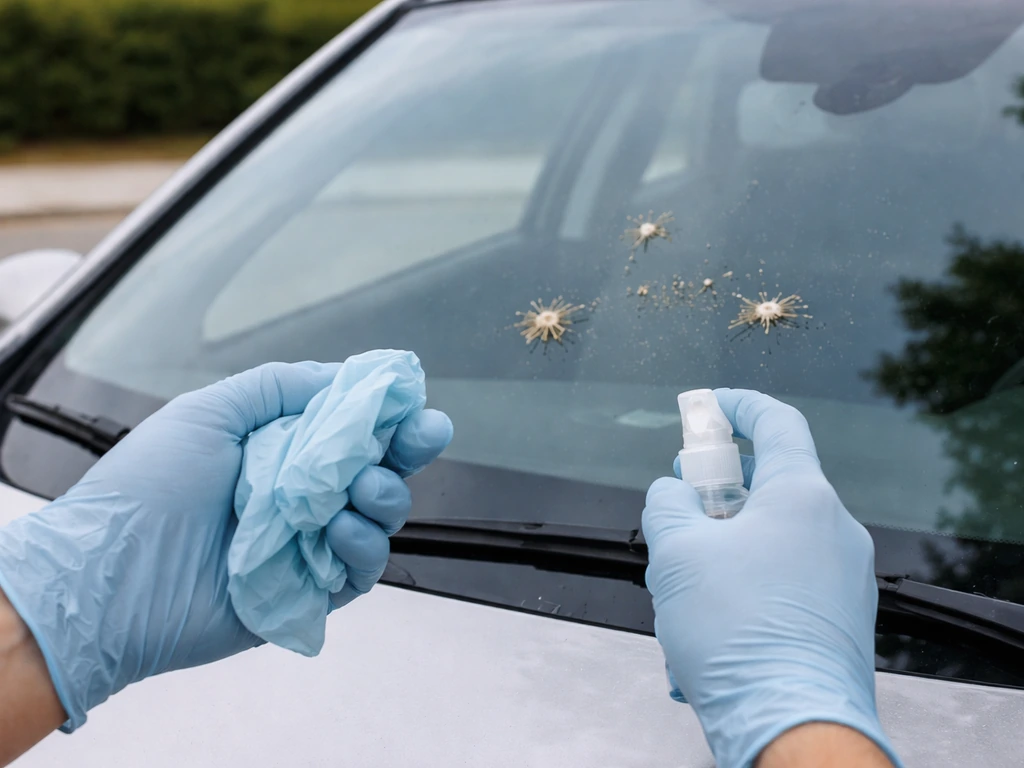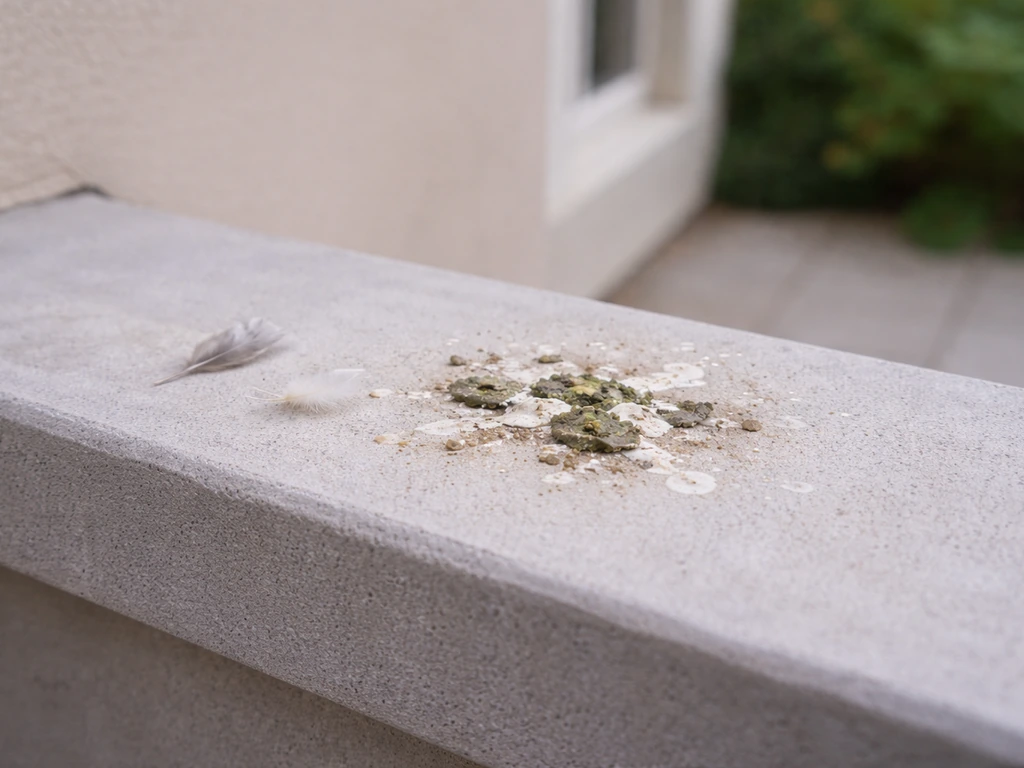
A bird pooped on you because you were simply in the wrong place at the wrong time, directly under a bird's flight path or perch. Birds poop constantly, roughly every 15 to 30 minutes depending on species, and they do not aim. You were underneath them, so you got hit. That's the unsexy truth behind what many people call "good luck."
Why Bird Poop on Me and What to Do Right Away

Marcus Fielding
7 Jun 2026
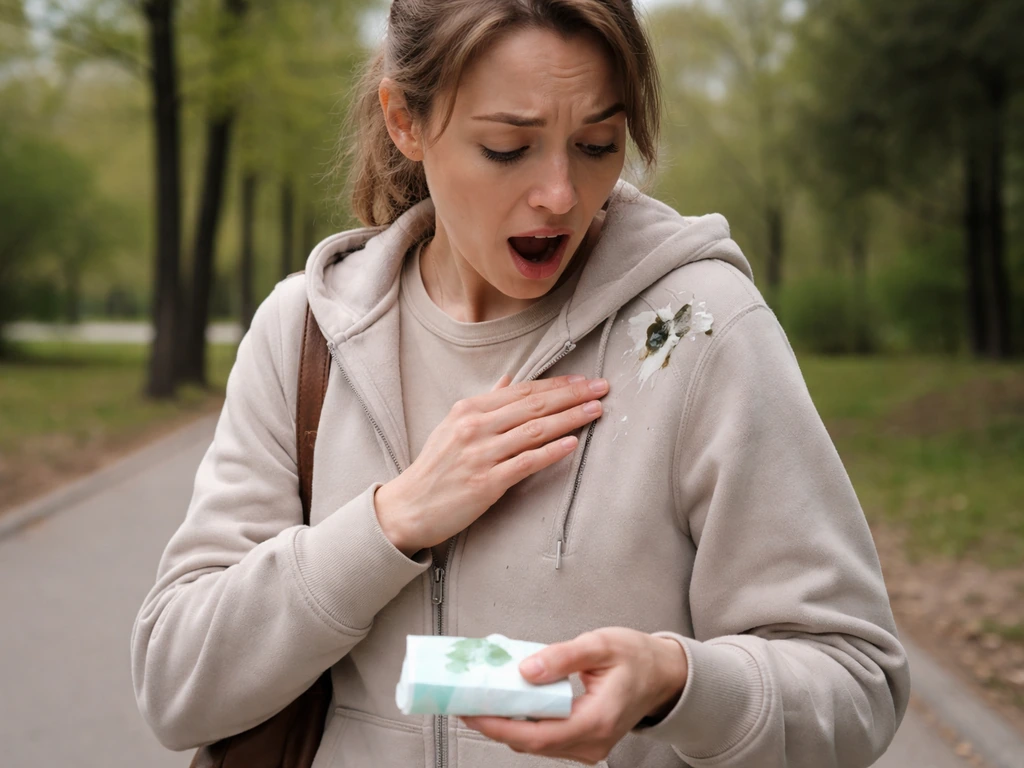
Why it happened: bird behavior and the real reasons you got hit
Birds have fast metabolisms and lightweight digestive systems, which means they process food quickly and eliminate waste often. There's no strategy involved. What does matter is location. Certain spots are basically bird-poop hot zones, and if you spend time in them, your odds go up significantly.
The most common scenarios where people get hit include standing or parking under trees where birds roost, sitting near ledges, awnings, utility poles, or wires where birds perch and wait, and walking under bridges or overpasses where pigeons and starlings nest. Dawn and dusk are peak times because birds are most active moving to and from roost sites. Outdoor dining areas, parking lots near fast-food restaurants (where birds gather around food scraps), and park benches surrounded by trees are repeat offenders.
Birds also poop when they take off. The physical act of launching into flight triggers the digestive system to release waste, which is a weight-saving mechanism that helps them fly more efficiently. So if a bird was sitting above you and got startled, you were doubly unlucky.
- Perching spots: wires, tree branches, window ledges, balcony railings, and rooftop edges are the most common launch points
- Roosting areas: large groups of birds (pigeons, starlings, gulls) nesting nearby means a much higher volume of droppings directly below
- Feeding zones: birds tend to congregate near outdoor restaurants, dumpsters, and bird feeders, then move through nearby areas while digesting
- Dawn and dusk activity: these are the hours birds move most, so your risk of being hit is highest in the early morning and late evening
- Nesting season: spring and early summer (right now, in June) means more birds are active and territorial, especially near nests
What to do right now if you got hit
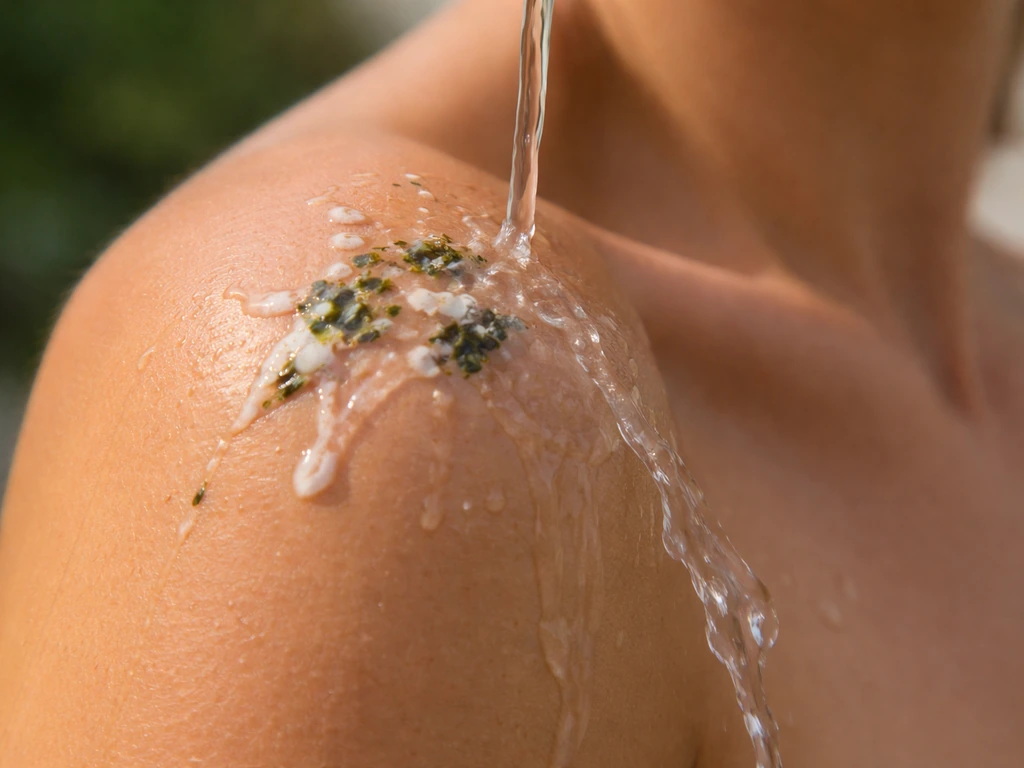
The most important rule is: don't rub it in. Whether it landed on your skin, hair, or clothing, rubbing spreads the dropping and can push it into pores or fabric fibers. Here's how to handle each situation cleanly and safely.
On your skin
Rinse the area with clean running water as soon as possible. If you were hit on your shoulder specifically, the cleanup steps are similar to what you would do for other body spots, so see what to do if a bird poops on your shoulder. Then wash thoroughly with soap and warm water for at least 20 seconds. Avoid touching your eyes, nose, or mouth before you've washed your hands. If the dropping landed near a cut or open wound, clean it carefully and keep an eye on it. For most healthy adults, soap and water is sufficient and no special treatment is needed.
In your hair
Don't try to wipe it out dry. Use a paper towel or tissue to gently lift the bulk of the dropping away from your hair without spreading it further, then rinse with water as soon as you can. Shampoo normally after that. If you're out and can't wash immediately, a damp cloth to remove the bulk is fine as a temporary fix.
On your clothes
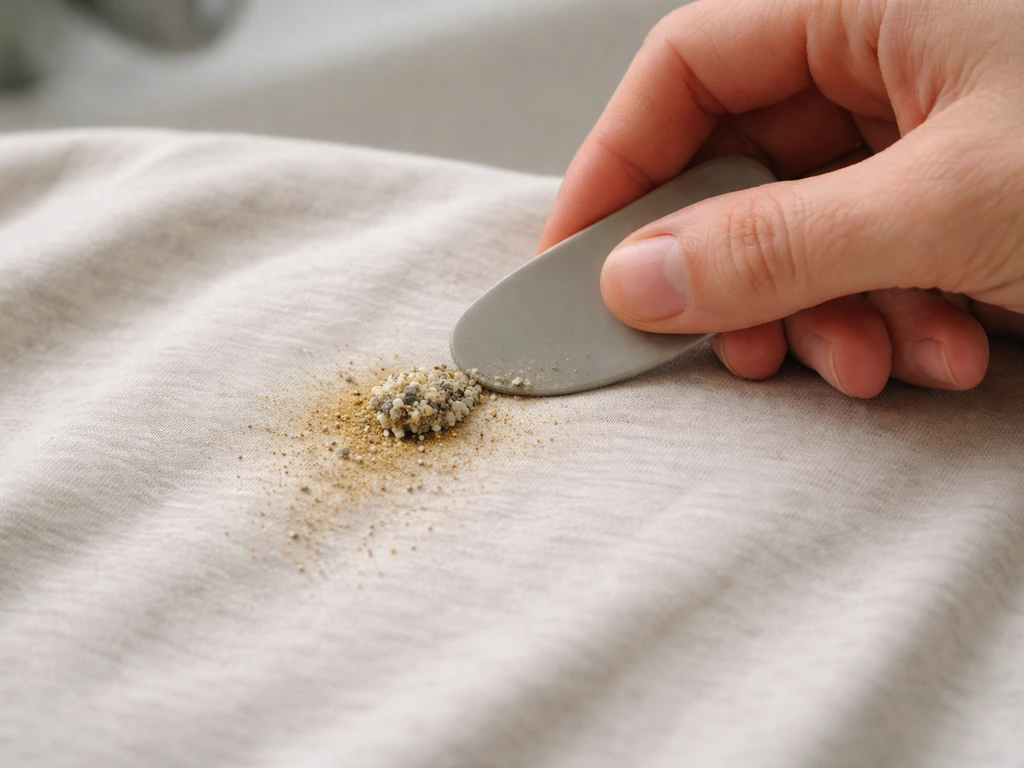
Let the dropping dry slightly if it's still wet and smeary, then scrape off the solid material with a dull edge (a card, the back of a spoon) before rinsing. Rinse the fabric from the back of the stain with cold water to push it out rather than through. Then treat with a stain remover and launder as normal. Hot water can set the stain, so stick with cold or warm until the bulk is gone. The topic of cleaning clothes specifically is covered in more depth in the article on what to do if a bird poops on your clothes. The cleaning steps can be more detailed depending on the type of fabric and how fresh the mess is what to do if a bird poops on your clothes.
The health risk: what's possible vs. what's actually likely
Bird droppings can carry pathogens, but a single, incidental hit on your skin or clothing is a very low-risk event for a healthy adult. The risks that are real come primarily from breathing in dried, aerosolized droppings, not from skin contact. Here's a clear breakdown.
The most cited disease concern is histoplasmosis, a fungal infection caused by Histoplasma capsulatum spores that grow in soil enriched by large accumulations of bird or bat droppings. The CDC is clear on this: the risk comes from inhaling the spores, particularly when dried droppings are disturbed, stirred up, or demolished in enclosed or dusty spaces. A pigeon dropping that landed on your jacket while you were walking to your car is not the same risk profile as someone shoveling years of accumulated guano from a closed attic.
Other pathogens occasionally associated with bird droppings include Salmonella (primarily a concern if you touch your mouth without washing hands), Campylobacter, and Cryptococcus neoformans (another fungus, with similar aerosolization concerns as histoplasmosis). E. coli has also been found in some samples. The theme across all of these is the same: the risk to a healthy person from a single incidental exposure, followed by basic hand-washing, is low. Risk increases with large accumulations, disturbed dry droppings, poor ventilation, and compromised immune function.
Who should be more careful
Most people can wash up and move on without worry. But a few groups should take any exposure more seriously and consider consulting a doctor if symptoms develop in the days following exposure.
- People with compromised immune systems, including those undergoing chemotherapy or living with HIV/AIDS
- Organ transplant recipients on immunosuppressive medication
- Infants, young children, and older adults whose immune response may be reduced
- People with chronic lung conditions such as COPD or emphysema
- Anyone who regularly works in environments with accumulated bird or bat droppings (pest control, construction, attic work)
If you're in one of those higher-risk categories and you were hit directly on skin or inhaled dust from a large accumulation of droppings, it's worth mentioning to your doctor. For healthy adults, the concern is genuinely low. There's a full article on this exact worry (a bird pooped on me, will I get sick? You can learn more about the health risk, what symptoms to watch for, and how long they might take to show up in the guide on whether a bird pooped on you will make you sick a bird pooped on me will i get sick. ) that goes deeper on symptoms and timelines if you want more detail.
How to clean up: skin, hair, clothes, cars, and outdoor surfaces
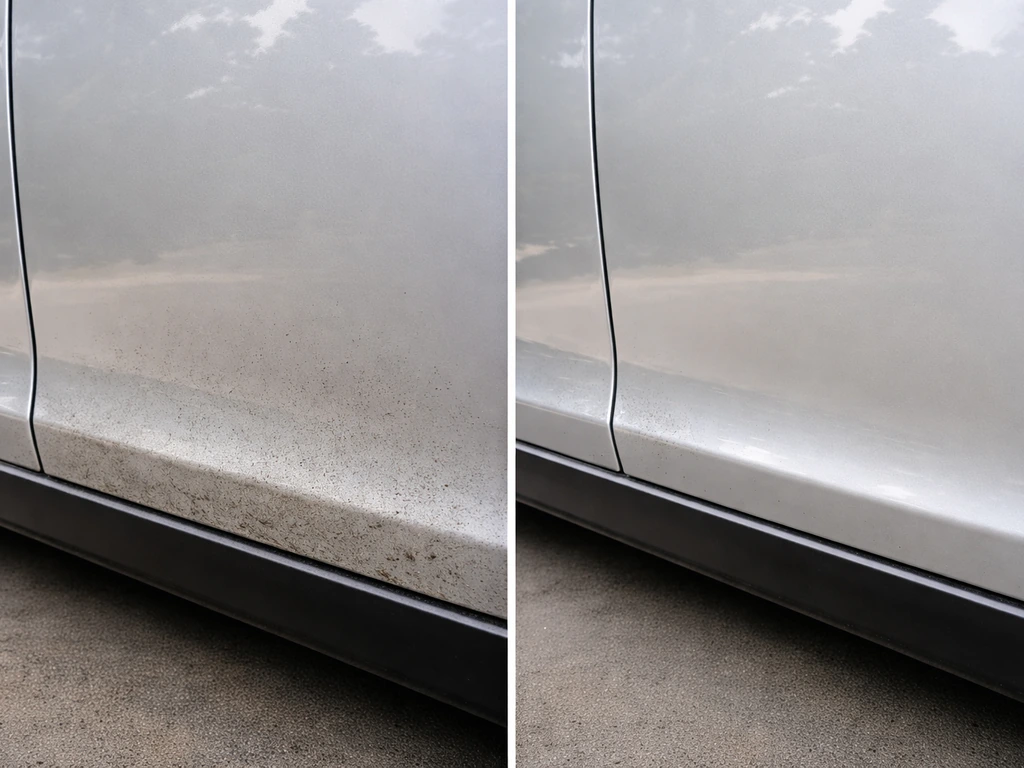
Quick cleanup reduces both staining and any lingering pathogen exposure. The approach differs slightly by surface, but the core principles are the same: don't dry-wipe or dry-brush dried droppings (you aerosolize them that way), moisten before removing, and wash thoroughly after.
| Surface | Best Removal Method | Key Tip |
|---|---|---|
| Skin | Rinse with water, wash with soap for 20+ seconds | Don't rub — rinse first |
| Hair | Lift bulk gently, then rinse and shampoo | Avoid dry-wiping, which spreads it |
| Clothing | Scrape dry material, cold-water rinse from back of fabric, stain treat, then wash | Hot water sets stains — use cold first |
| Car paint | Soak with water or diluted car shampoo for 30–60 seconds, then blot or rinse off | Don't wipe dry — acid in droppings etches paint within hours |
| Outdoor furniture / hard surfaces | Spray with water to wet, wipe with disposable cloth, disinfect with diluted bleach or surface spray | Wear gloves if cleaning a large or old accumulation |
| Patio/balcony concrete | Wet thoroughly with hose, brush with soapy water, rinse | For large accumulations, wear an N95 mask to avoid inhaling dust |
For car paint specifically, speed really matters. Bird droppings are acidic (uric acid), and they can etch clear coat in as little as a few hours on a hot day. Soak the spot with water or a detailing spray, wait 30 to 60 seconds for it to soften, then blot or rinse off. Never drag a dry cloth across it.
If you're dealing with a large accumulated deposit, like a balcony that's been colonized by pigeons or an attic with significant bat or bird guano, the CDC and NIOSH recommend a different approach entirely: wet the droppings before disturbing them to minimize dust, and blank" rel="noopener noreferrer">use a properly fitted respirator (NIOSH-approved, such as an N95 or higher) to avoid inhaling the fine particles that can carry Histoplasma spores. In those cases, preventing the accumulation from building up in the first place is the smarter long-term solution. For histoplasmosis prevention, CDC/NIOSH notes that the best approach is preventing bird or bat droppings from accumulating in the first place and using dust-reducing methods if cleanup is needed blank" rel="noopener noreferrer">preventing droppings from accumulating in the first place.
How to stop it from happening again
You can't stop birds from existing, but you can dramatically reduce how often they poop on you, your car, or your outdoor space by being more deliberate about where you position yourself and what makes your area attractive to birds.
Change where you stand and park
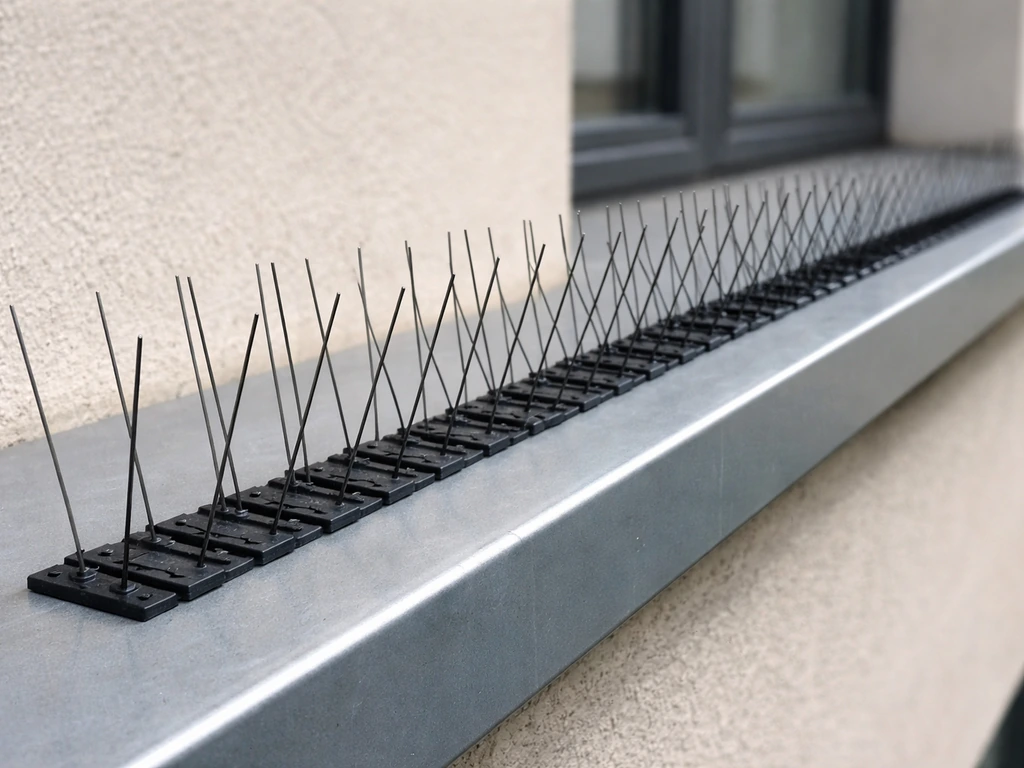
This is the simplest fix and the most effective one. Avoid parking or sitting directly under trees (especially dense-canopy trees where birds roost), utility wires, or building ledges. If you're at an outdoor café or park, look up before choosing your seat. A spot in direct sun away from overhead branches is almost always safer than a shaded spot under a tree full of birds.
Deterrents that actually work
- Bird spikes or anti-perching strips on ledges, railings, and window sills prevent birds from landing and setting up regular perch spots above you
- Reflective tape, old CDs, or mirror tiles hung near perching spots create visual disturbances that discourage roosting
- Predator decoys (plastic owls or hawks) work short-term but birds get used to them, so you need to move them regularly
- Bird netting over balconies or garden areas is highly effective for enclosed spaces where pigeons or other birds have become persistent
- Motion-activated sprinklers or sound deterrents work well for yard and patio spaces without affecting neighbors
Remove what's attracting them
Birds gather where there's food, water, and shelter. If you have an outdoor bird feeder near a seating area or parked car, consider relocating it. Clean up food scraps from outdoor dining promptly. If standing water collects on your balcony or in the yard, address the drainage, since birds drink and bathe in shallow water and will keep returning to it. Overgrown trees and dense shrubs near windows provide nesting opportunities, so regular trimming reduces the appeal.
When to escalate to property management
If you're dealing with a serious infestation on a building, parking garage, or common area, that's a job for professional pest or wildlife management rather than DIY deterrents. Contact your property manager or building superintendent, especially if there's significant accumulation of droppings in shared spaces. Beyond the nuisance factor, large accumulations are a genuine slipping hazard and, as noted above, a health concern if disturbed. Property management has both the resources and the legal obligation to address it in most rental and commercial settings.
The good luck thing: what the superstition is actually about
In many cultures, getting pooped on by a bird is considered a sign of good luck. This belief shows up across Turkish, Russian, Italian, and various other traditions. The most grounded explanation for why this interpretation stuck is simple: being hit by bird poop is statistically rare given how many people are outside at any given time. So when it happens to you specifically, the logic goes, something uncommon has singled you out, and uncommon events get assigned meaning.
There's also a reframing psychology at work that's genuinely useful. If you're walking into a big meeting, a job interview, or a date and a bird poops on you, you've got two choices: let it ruin your mood, or decide it's a funny story and a cosmic green light. The second option is objectively more useful for your state of mind, which is probably why the "good luck" narrative has survived across cultures for so long.
Some people also look for spiritual meaning in the experience, interpreting it as a message to slow down, pay attention to their environment, or let go of something they've been holding too tightly. Whether or not you believe in that framework, the advice isn't bad. If a bird just pooped on you, pausing for a moment to clean up and regroup is exactly the right move anyway.
The honest take: there is no scientific evidence that bird poop correlates with good fortune. But there's also no harm in using it as a cue to smile, reframe a frustrating moment, and carry on. Just wash your hands first.
If you're curious about the specific context, like what it means if a bird pooped on your shoulder versus your head, or what different cultural traditions say about when a bird poop falls on you, those angles are explored in separate articles that go deeper on the symbolism side.
FAQ
What should I do if bird poop gets near my eyes or on my face?
If it landed on your face, eyes, or mouth area, rinse immediately with clean water and keep your hands away from your eyes until you can wash thoroughly with soap. If you wear contact lenses, remove and rinse hands first, then switch to glasses until you have washed your face and hands. Seek urgent care if you develop eye pain, persistent redness, or vision changes.
Is hand sanitizer enough after bird poop exposure?
Don’t use hand sanitizer as the main cleanup, because it may not remove soil and waste that can carry germs. Wash with soap and running water as soon as possible, especially before eating, touching your mouth, or handling food. If you cannot wash right away, use a wipe to remove residue, then wash at the first opportunity.
How do I clean bird poop from a hat, helmet, or other non-typical fabric item?
If it’s on a hat, helmet, or other hard-surface fabric/gear, start by lifting solid material gently with a paper towel, then rinse the area with water before any machine washing. For reusable items, confirm the fabric care label because delicate materials may need spot treatment, and avoid hot drying until the stain is fully gone.
What’s the safest way to clean bird poop that has already dried?
For dried droppings, avoid dry-brushing or wiping, because that can break particles into the air. Instead, moisten the area first, let it soften, then remove. Afterward, wash or launder normally, and keep the area well ventilated if you are cleaning indoors.
Bird poop landed near a cut. Do I need more than soap and water?
If you have an open cut, rinse with clean running water first, then wash around it with soap, and gently clean the wound. Cover with a clean bandage afterward. If the area becomes increasingly red, swollen, painful, or drains pus, contact a clinician even though the initial exposure is usually low risk.
When should symptoms after a bird-poop incident make me see a doctor?
A single incident on skin or clothing is usually low risk for healthy people, but you should contact a doctor if you develop concerning symptoms like fever, worsening cough or shortness of breath (especially after dusty exposure), or persistent GI illness. If symptoms appear, mention that you had bird droppings exposure so they can tailor evaluation.
What should I do if my dog or cat gets bird poop on them?
Yes, pets can be exposed too, and birds are not the only source of germs. If your pet got poop on their fur or paws, remove residue with damp wiping, then wash with pet-safe soap and water if appropriate. Prevent licking until cleaned, and watch for vomiting, diarrhea, or breathing issues, especially after exposure to dusty accumulations.
How can I protect my car paint if it gets bird poop?
To reduce car damage, avoid letting it dry, especially on hot days, because acidity can etch paint or clear coat. Use water or car-safe detailing spray to soften first, then blot or rinse off, and wash the area after. Don’t scrub dry, and consider waxing afterward once the area is fully clean.
Is it safe to clean bird poop off electronics?
If poop lands on electronics like phone screens, remotes, or cameras, power off if possible, then wipe gently with a slightly damp microfiber cloth. Avoid spraying directly into openings or ports. After removing visible residue, dry with a clean cloth, and do not use harsh chemicals that could damage coatings.
Why does bird poop keep happening in the same place, and how do I stop it?
Reoccurrence usually comes from consistent “targets” birds prefer, perches, and food attractants. If the same spots keep happening, change your route and seating, and remove attractants (food scraps, standing water) within reach. If it’s a shared building area with heavy accumulation, involve property management because large deposits are harder to address safely.
If it’s “good luck,” is there any practical reason I should still clean up immediately?
A “good luck” interpretation is not scientific, but it can be useful as a mood reset. If it’s stressful, the practical takeaway is to treat it as a cue to clean up quickly and move on, because fast cleanup reduces staining and minimizes lingering residue.