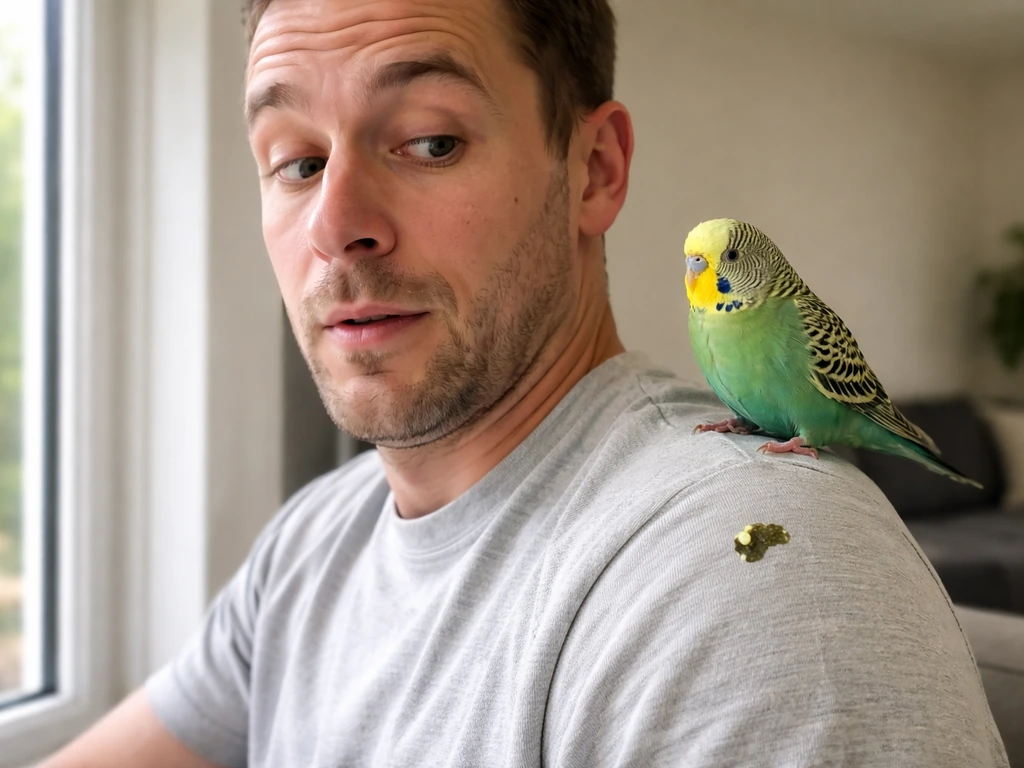
Rinse it out as quickly as you can, wash your hair with shampoo twice, and you'll almost certainly be completely fine. Bird poop on your hair looks and feels alarming, but for most healthy people it's a mess, not a medical emergency. That said, there are a few smart steps to take right away to keep things clean, protect your eyes, and know when (rarely) to pay closer attention to how you feel afterward.
What to Do If a Bird Poops on Your Hair Today

Marcus Fielding
19 May 2026
What to do the moment it happens
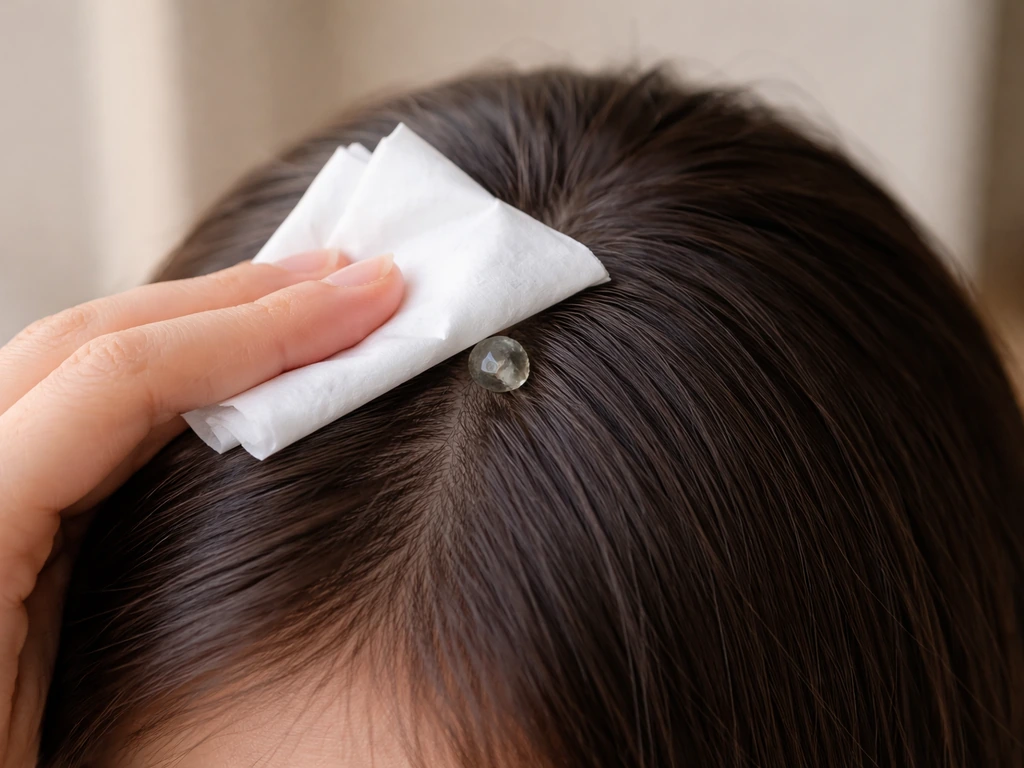
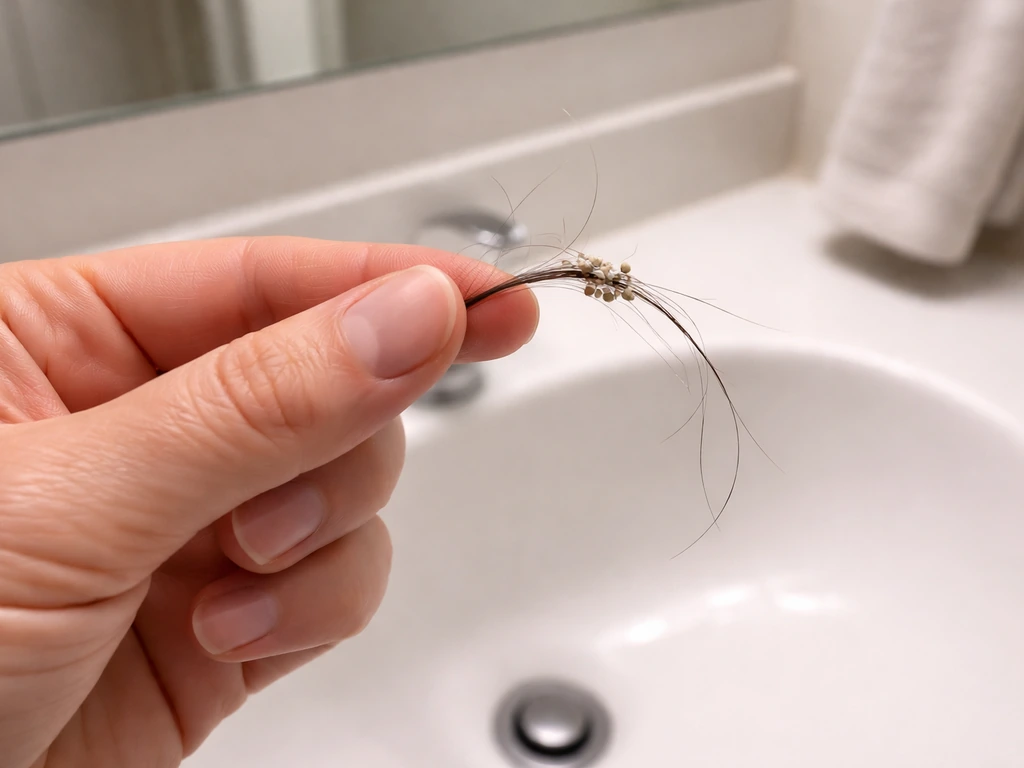
Your first instinct might be to swipe at it with your hand, but resist that. Spreading wet droppings across your scalp or onto your face is the main thing you want to avoid. Here's what to actually do in the first minute or two:
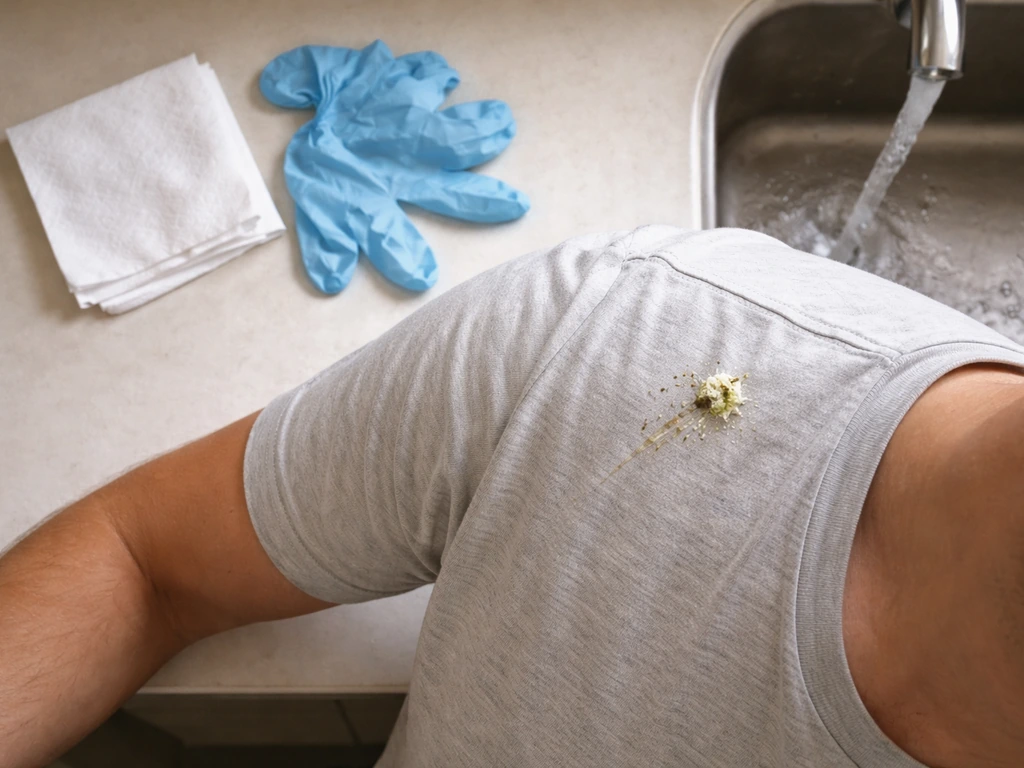
- Don't touch it with bare hands yet. If you have a tissue, napkin, or paper towel available, use it to gently contain or remove the bulk of the dropping without smearing it further. If you have nothing on hand, leave it alone until you can get to water.
- Keep your hands away from your face, especially your eyes and mouth, until you've washed them properly.
- If it's dripping or runny, tilt your head slightly to direct any drip away from your face and eyes rather than toward them.
- Get to a sink, bathroom, or water source as quickly as you reasonably can. Outdoor fountains, a water bottle, even a public restroom — anything works for an initial rinse.
- Once your hair is rinsed, wash your hands thoroughly with soap and water before touching anything else.
The key principle here is exactly what public health guidance recommends for any bird dropping contact: minimize the spread, avoid dry handling that can kick up particles, and get soap and water on your hands fast. You don't need to panic, but moving quickly and deliberately is worth it.
How to clean your hair and scalp properly
Once you're at a proper sink or shower, cleanup is straightforward. The goal is to wet the area thoroughly (which also prevents any dry particles from becoming airborne), then shampoo it out cleanly.
- Saturate the affected area with warm water first. Wet the dropping completely before you try to scrub or rub anything. This is the same principle public health agencies apply to cleaning droppings from surfaces: wet it down before you disturb it, so you're not creating dust or aerosols.
- Gently work the dropping out of your hair under running water. Let the water do most of the work. Don't scrub aggressively at dry or semi-dry material.
- Apply shampoo directly to the affected area and lather well. Work it into your scalp, not just the hair shafts, since the dropping likely made contact with your scalp too.
- Rinse thoroughly, then shampoo your entire head a second time. Two washes is a good standard here — the first pass removes the bulk of the material and any surface contamination, the second gives you a genuinely clean scalp.
- Rinse completely with warm water. Make sure no shampoo residue is left behind, especially near your hairline or ears.
- Wash your hands again with soap and water after you're done, even if you used gloves or kept contact minimal.
You don't need any special shampoo or disinfectant product for your hair. Regular shampoo is perfectly effective here. If your scalp feels irritated afterward, a gentle, fragrance-free shampoo on the second wash is a reasonable choice, but standard shampoo handles this job fine. Avoid aggressively scrubbing the scalp if it already feels irritated, thorough but gentle is the approach.
If it gets in your eyes or mouth
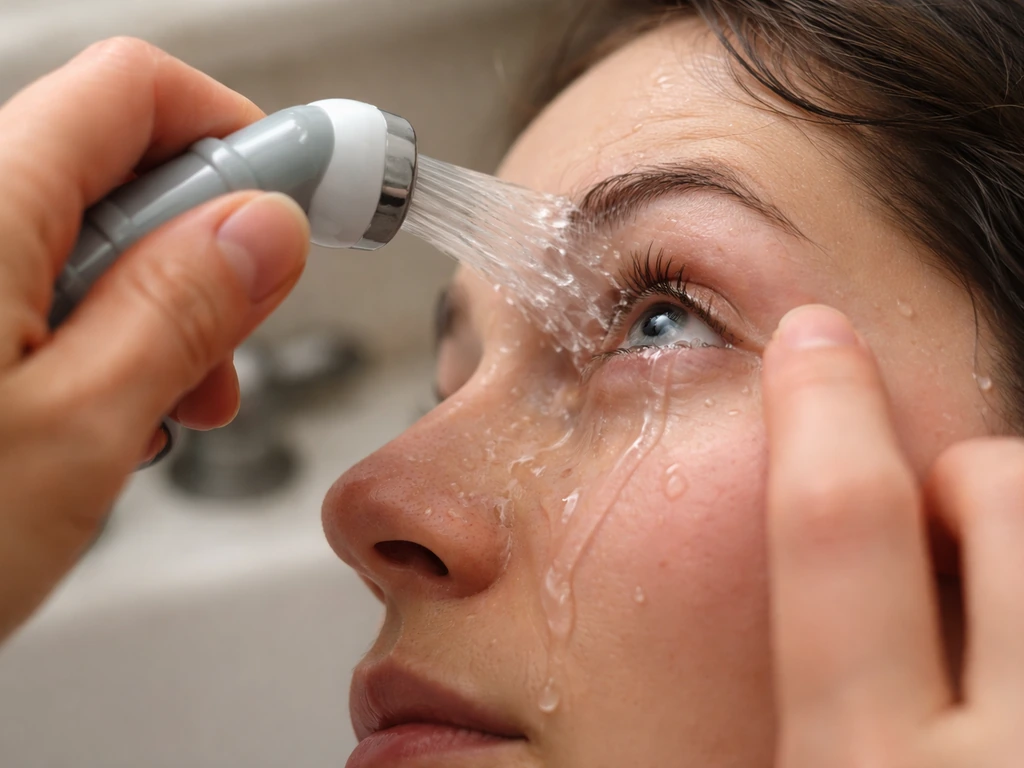
Eye exposure
This is the one scenario that needs genuinely fast action. If bird dropping material gets into your eye, flush it immediately with clean, lukewarm water. Hold your eye open under a gentle stream of water, or cup water in your hands and blink into it repeatedly. Public health guidance on eye exposures emphasizes immediate, thorough irrigation, aim for at least 15 minutes of continuous flushing.
Lift your upper and lower eyelids occasionally during flushing to make sure you're clearing all surfaces. After flushing, if your eye is red, feels irritated, or your vision seems off at all, call a doctor or visit an urgent care clinic. Eye tissue is sensitive and direct fecal contact warrants a professional check, even if you feel mostly okay.
Mouth exposure
If any material gets near or in your mouth, spit it out immediately and rinse your mouth thoroughly with water several times. Don't swallow anything. Then wash your hands and face. The main concern with oral exposure is gastrointestinal bacteria like Campylobacter, which can cause stomach illness. Washing your hands and rinsing your mouth well significantly reduces that risk. Keep an eye out over the next day or two for any nausea, stomach cramping, or diarrhea, and contact a doctor if those symptoms appear and persist.
What are the actual health risks here?
Bird droppings contain uric acid, bacteria, and in some cases fungal spores. The diseases most commonly associated with bird droppings, histoplasmosis, cryptococcosis, and psittacosis, are real, but important context: the risk from a single, brief, incidental exposure like a bird pooping on your head is genuinely low for most healthy people. The chances of a bird pooping on you are usually low in any specific moment, but they go up in high-traffic outdoor areas. NYC Health's guidance is direct about this: the risk from a small, routine contact with bird droppings is not serious for most individuals.
Here's where the risk actually comes from. blank" rel="noopener noreferrer">Histoplasmosis is a lung infection caused by inhaling spores of the Histoplasma fungus, which can be present in soil and accumulated bird droppings. The keyword there is accumulated and disturbed, as in someone shoveling, sweeping, or pressure-washing a large buildup of dry droppings. A single fresh dropping landing on your head and being rinsed out within minutes is a completely different exposure scenario. Same goes for psittacosis and cryptococcosis: significant exposure risk involves inhaling dust from dried, disturbed droppings in quantity, not a single fresh incident on your scalp.
If you are immunocompromised, have an autoimmune condition, or are pregnant, your risk calculation is a little different. NYC Health specifically advises that people who are immunocompromised should not clean up bird droppings themselves. In those cases, it's worth calling your doctor and letting them know what happened, just to be safe.
Normal outcomes vs. things worth watching
| Outcome | What it means | What to do |
|---|---|---|
| No symptoms after cleanup | Expected for most healthy people | Nothing — you're done |
| Mild scalp irritation or redness | Likely from uric acid contact, usually resolves quickly | Gentle shampoo, avoid scratching; monitor for 24-48 hours |
| Eye redness or irritation after flushing | Could be chemical irritation or something more | See a doctor same day if it doesn't improve within an hour |
| Nausea, stomach cramps, or diarrhea within 1-3 days | Possible bacterial exposure (e.g. Campylobacter) if hands weren't washed before eating/touching mouth | Contact a doctor if symptoms persist beyond 24 hours |
| Respiratory symptoms: cough, fever, chest tightness within 1-2 weeks | Rare, but could signal fungal infection if exposure was significant | See a doctor and mention the bird dropping exposure explicitly |
When you should actually call a doctor

Most of the time, you won't need to. But here are the specific situations where medical advice is the right call:
- Your eye was directly exposed and it's still red, painful, or affecting your vision after 15-plus minutes of flushing
- You swallowed material and feel nauseous or unwell within the next 24-48 hours
- A persistent skin rash, irritation, or open sore develops at the contact area on your scalp
- You develop flu-like symptoms (fever, chills, fatigue, cough) in the 1-2 weeks following the incident, especially if you're immunocompromised
- You are immunocompromised, pregnant, or have a condition that affects your immune system — in those cases, a quick call to your doctor to describe the exposure is worthwhile even without symptoms
When you do contact a doctor, be specific about what happened: what type of bird if you know it, how much material was involved, where on your body it landed, and whether you had any eye or mouth exposure. That context helps them assess the actual risk level accurately.
How to avoid this happening again
Bird droppings are notoriously hard to predict, but a few simple habits cut your odds significantly, especially if you're in a high-traffic bird area like a park, outdoor café, or anywhere with large flocks roosting overhead.
- Wear a hat or cap when walking under trees, along waterfront areas, or near buildings where pigeons or starlings roost. It's the single most effective barrier.
- Use an umbrella in areas where you spot heavy bird activity above. Bonus: it handles both rain and the aerial threat.
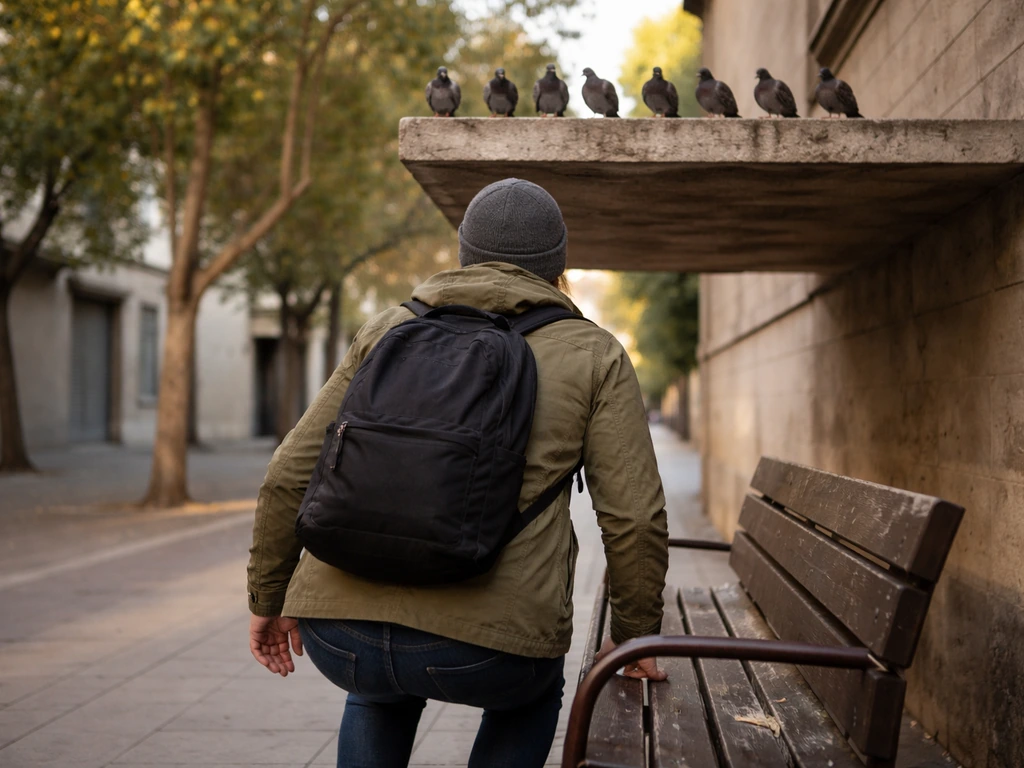
- Don't linger directly under branches, ledges, or utility wires where birds are perched. Move to a spot without birds overhead.
- If you're eating outdoors in an area known for bold birds (pigeons, seagulls), keep your head moving and stay alert to birds circling or landing nearby.
- At outdoor events or festivals where birds gather, a light scarf or hood is easy to throw on and gives you solid protection.
- Avoid parking under trees with heavy bird populations if you're also trying to protect your car — the same birds that hit your roof hit everything below them.
One last thing: about the good luck superstition
You may have already heard someone tell you that a bird pooping on you is good luck. In some cases, people wonder what it means when a bird poops on you in terms of superstition or symbolism good luck superstition. It's a surprisingly widespread belief across many cultures, and while this article is firmly focused on the practical cleanup side of things, it's worth a quick acknowledgment: the superstition is real, the cleanup is also real, and both can coexist. Whether you choose to file this under "lucky day" or "annoying Tuesday" is entirely up to you. What matters more in the moment is getting to a sink. The symbolism can wait.
FAQ
Should I use gloves or a mask when I clean it off my hair?
If it is just a fresh, small amount on your scalp, gloves are usually unnecessary since you are rinsing and washing immediately. A mask is mainly for situations where you are cleaning or disturbing a larger, dried mess in the environment. For your own hair cleanup, focus on rinsing, shampooing, and washing your hands well.
What if the poop already dried before I could rinse it off?
Rinse first and then shampoo, but avoid wiping with a dry towel or brushing it out. Wet the area thoroughly before you handle it further, then wash with shampoo (twice if needed) to remove any residue and reduce the chance of particles getting spread.
Is it safe to use disinfectant spray on my scalp instead of shampoo?
For hair and skin, regular shampoo is the key step, disinfectant products are not usually needed and can irritate your scalp or eyes. If you accidentally get product in your eyes, irrigate with water. Stick to soap and water for your scalp cleanup unless a clinician advises otherwise.
What should I do if bird poop got in my hair but also touched my face or lips?
Rinse your face promptly, then wash the area with soap and water. For lips or mouth contact, spit out any residue and rinse your mouth several times, do not swallow. After that, wash your hands thoroughly so you do not transfer material to your eyes.
What symptoms mean I should seek care after a bird dropping incident?
For eye exposure, redness, persistent irritation, or any change in vision warrants urgent care or a doctor visit. For mouth exposure, contact a doctor if symptoms like ongoing diarrhea, significant stomach cramping, or fever develop and persist beyond a short period (for example, more than a day or two). For scalp only, most healthy people do not need medical care if it is washed out right away.
How long should I keep flushing my eyes if this happens?
Aim for continuous irrigation for at least 15 minutes, keep the eye open under the water stream, and lift eyelids occasionally to rinse the surfaces under them. If symptoms persist after flushing, get medical evaluation rather than waiting for it to resolve on its own.
Can I wash once or do I really need to shampoo twice?
Twice is recommended because it is more reliable for removing residue after rinsing. If the first wash fully clears the area and you feel no residue or irritation, a single thorough wash may be sufficient, but two washes are the safer default, especially if the poop was wet when it landed or you wiped it initially.
What if I scratched my scalp or wore a hat that got pooped on?
If you scratched or handled the area, wash your hands immediately and then rinse and shampoo your scalp. For hats or other items, follow the manufacturer guidance, wash them promptly, and avoid shaking them dry indoors because that can spread particles.
Does the risk change if you were in a city park versus near an animal/bird enclosure?
Yes. The main higher-risk scenario is being around large amounts of dried droppings that get disturbed, such as sweeping, pressure-washing, or heavy foot traffic under roosts. A single fresh incident that you rinse off quickly is a much lower-risk exposure than dust or buildup from an area where many birds have been leaving droppings for a while.
I am immunocompromised or pregnant, what should I do differently?
Do not clean up the droppings yourself if possible. Contact your doctor for guidance and let them know it landed on your head and how quickly you washed. They can advise whether you need an additional evaluation based on your health status and any eye or mouth contact.
Should I notify someone or document it for health reasons?
In most cases, no. Documentation is useful if you had eye or mouth exposure and you end up seeing a clinician, because noting the timing, where it landed, and whether you rinsed immediately helps them assess risk more accurately.