When you search "bird feces meaning," you're likely asking one of two very different questions: what is this stuff biologically (and is it going to make me sick? ), or what does it mean symbolically (is it actually good luck? ). Both are fair questions.
Bird Feces Meaning: Health Risks, Cleanup, and Myths

Marcus Fielding
14 Jun 2026
Bird droppings are a mix of feces, urates, and urine that birds expel together since they share one exit point. They can carry real health risks when dried and disturbed, they'll strip car paint if left too long, and yes, a surprising number of cultures around the world consider getting hit by one a sign of incoming good fortune. Here's everything you need to know to handle the situation practically and understand the symbolism.
If you meant “news reporter bird poop,” that’s the kind of search phrasing people use when they are looking for a real-world story or report involving birds and droppings.
What 'Bird Feces Meaning' Can Actually Refer To
The phrase covers two completely different territories. On the literal, biological side, bird feces refers to the waste product birds produce, which is different from mammal waste because birds excrete solid waste (feces), semi-solid waste (urates from protein metabolism), and urine all at the same time through a single opening called the cloaca. That's why bird droppings look the way they do: a dark center surrounded by white or chalky material. On the symbolic side, bird droppings have accumulated a surprisingly rich set of cultural meanings, most of them positive, which explains why so many people who just got splattered are immediately told "that's good luck." This guide addresses both angles directly.
What Bird Droppings Actually Look Like
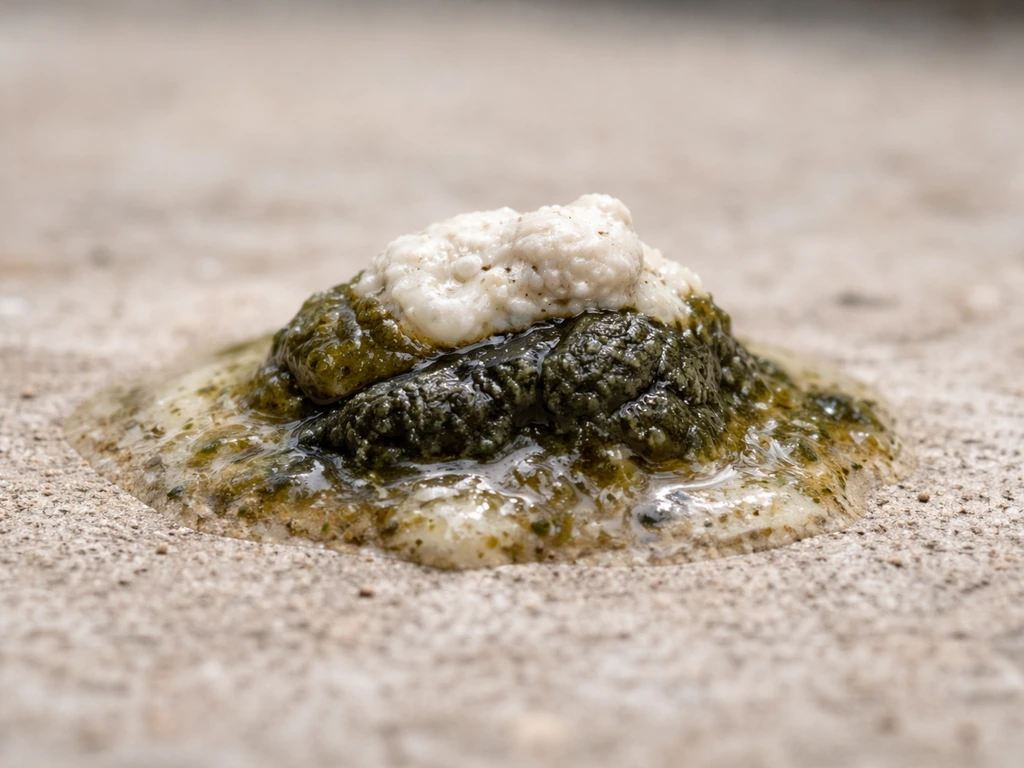
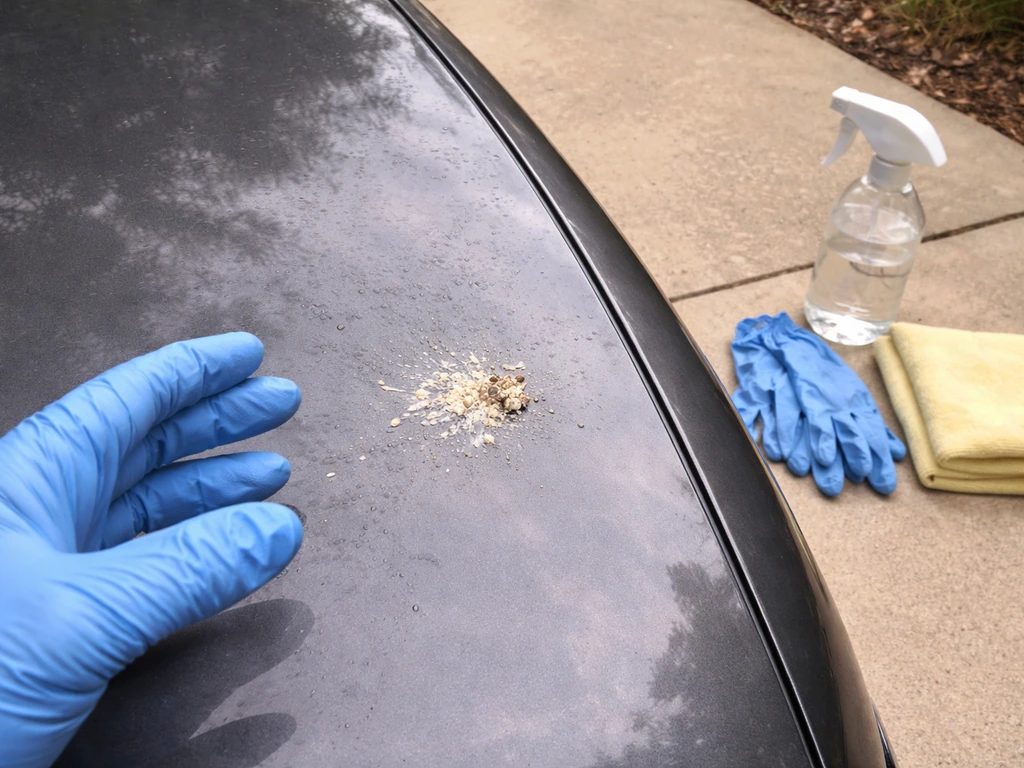
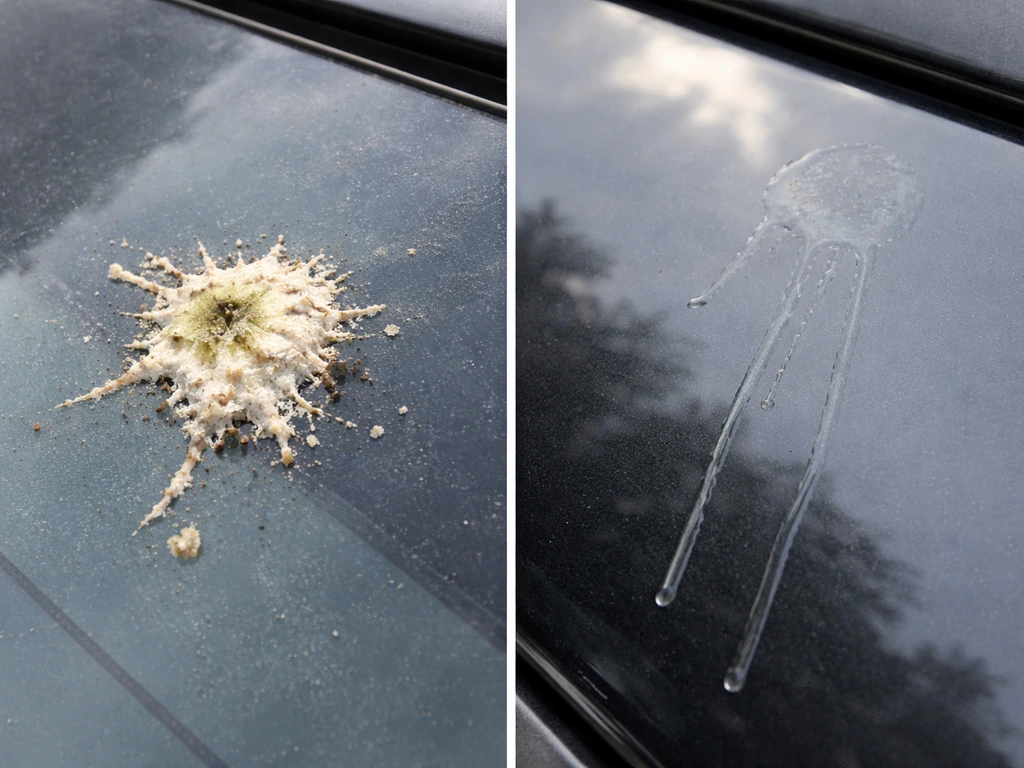
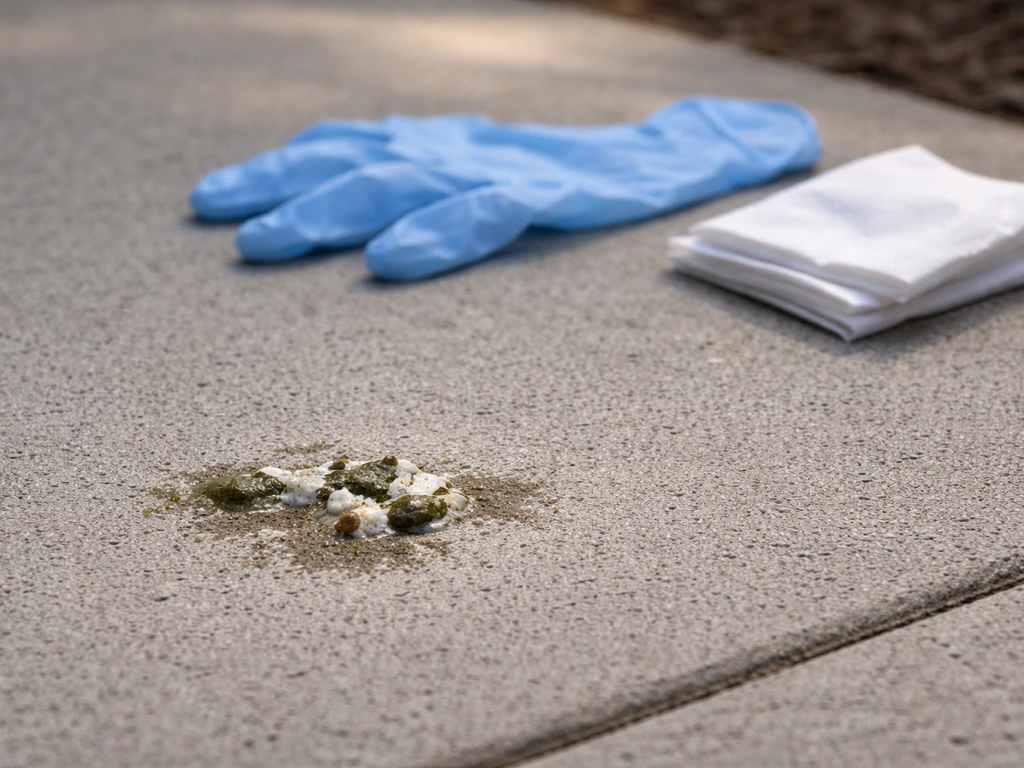
Understanding the anatomy of a dropping helps you identify what you're dealing with and how fresh it is. A typical bird dropping has three visible components: the dark, solid core is the actual feces; the white or cream-colored chalky ring or coating is urates (the solid byproduct of uric acid, which birds use instead of urea to process protein); and there's sometimes a clear or watery liquid portion that is actual urine.
A consumer reference describes bird droppings as a mixture of feces, urates, and urine, matching these three components three visible components: the dark, solid core is the actual feces; the white or cream-colored chalky ring or coating is urates; and there's sometimes a clear or watery liquid portion that is actual urine. The ratio of these components varies by species and diet. A bird eating mostly seeds produces drier, more compact droppings.
A fruit-eating bird produces looser, more liquid droppings that spread more on impact.
Fresh droppings are moist and often have a distinct dark center clearly visible against the white urate coating. Older droppings dry out, lighten in color overall, and become crumbly or powdery, which is exactly when they become more hazardous because dried material can become airborne.
On surfaces like car paint or balcony railings, you can often gauge how old a dropping is by whether it wipes clean with water (fresh) or has started to bond to the surface and requires more effort to remove (older). If you're trying to figure out whether you're dealing with bird droppings versus something else, the dark center plus white chalky surround combination is the most reliable visual indicator.
For a direct comparison with rodent waste or bat droppings, those differ significantly in shape, color distribution, and texture. Bird pee vs poop also differs in appearance, smell, and how quickly it can damage surfaces. If you are comparing it with rodent waste, check how bird poop vs rat poop differs in shape, consistency, and cleanup risk bird droppings.
Real Health Risks: People, Pets, and Cars
Risks to People
Most casual contact with bird droppings, a splat on your arm, stepping in something on a sidewalk, poses minimal risk if you wash up promptly with soap and water. The CDC specifically advises washing hands after touching birds, their droppings, or cage materials. The more serious risks come from two scenarios: large accumulations of droppings (like under a roost, in an attic, or in a barn), and dried droppings that get disturbed and become airborne dust. That dust can carry fungal spores or bacterial particles that are inhaled, which is a much more direct route into your body than skin contact.
The three diseases most consistently linked to bird droppings are histoplasmosis, psittacosis, and avian influenza. Histoplasmosis is a lung infection caused by inhaling Histoplasma fungal spores found in soil enriched by bird and bat droppings. Psittacosis is a bacterial infection transmitted primarily by inhaling dust from dried droppings or secretions of infected birds. Avian influenza is a viral illness where droppings are a major contamination pathway, particularly for people working with poultry. In everyday life, the risk from a single dropping on your windshield is low. The risk goes up meaningfully if you're cleaning out an attic, renovating a barn, or regularly working around large bird colonies without protection.
Risks to Pets
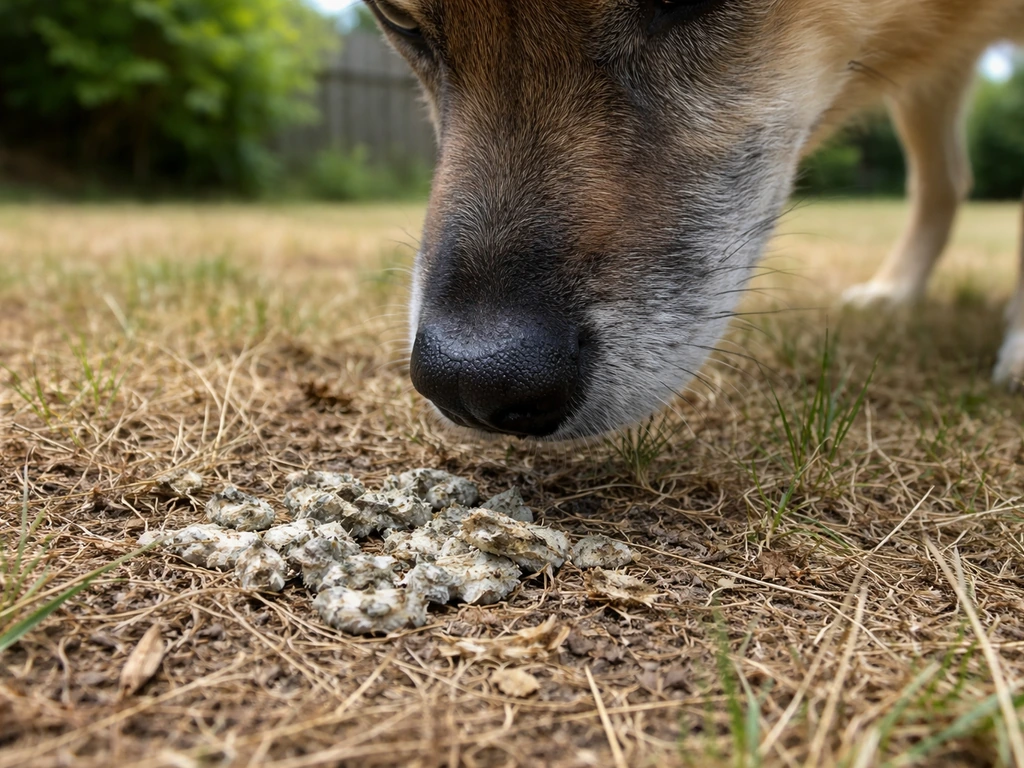
Dogs are the ones to watch here because they investigate everything with their noses and mouths. A dog sniffing or licking dried bird droppings in the backyard is potentially inhaling or ingesting material that could carry pathogens. If your dog has been rooting around in an area with a lot of accumulated droppings (under a tree where birds roost, near a bird feeder, in a park), wash their paws and muzzle and keep an eye out for respiratory symptoms or gastrointestinal upset. Cats and pet birds are also at risk from droppings of wild birds, particularly since wild birds can carry diseases that domestic birds are not immune to.
Risks to Your Car
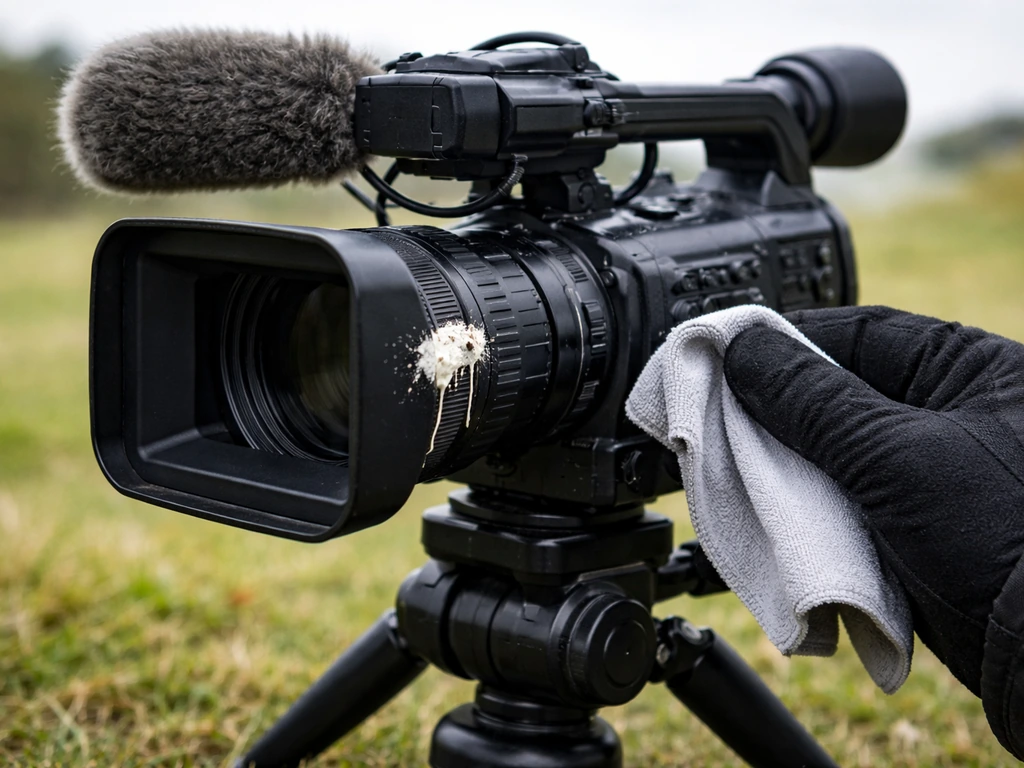
The health risk from bird poop on your car is minimal for humans (don't rub your eyes after touching it), but the damage to car paint is genuinely significant and time-sensitive. Bird droppings are acidic because of uric acid, and that acid begins etching into clear coat and paint within hours in warm weather. The longer you leave it, the deeper the damage. A dropping that sits in summer sun for a day or two can permanently etch the paint. Remove it as soon as possible with water, not dry rubbing, to avoid scratching the surface while the particles are still dry and abrasive.
Disease Transmission: When It Actually Matters
The key thing to understand about disease transmission from bird droppings is that the route of exposure matters enormously. The highest-risk scenario is inhaling aerosolized particles from dried droppings, especially during cleanup or construction activities that disturb accumulated material. The CDC has documented that most workplace histoplasmosis cases followed activities that disturbed soil or materials contaminated with bird or bat droppings. Psittacosis spreads the same way: blank" rel="noopener noreferrer">the CDC confirms the most common infection route is inhaling dust containing dried bird secretions or droppings from infected birds, with symptoms typically appearing 5 to 14 days after exposure.
Skin contact is a much lower-risk route, provided you wash up afterward. Touching a fresh dropping and then washing your hands with soap and water is generally not a high-stakes exposure. Where people get into trouble is when they dry-sweep droppings, use a leaf blower on contaminated areas, or work in an enclosed space like an attic with accumulated droppings and no respiratory protection. Those situations push particles directly into the air and into the lungs. To reduce risk, avoid disturbing dried droppings without wetting them first, don't sweep or vacuum without proper filtration, and use a respirator (at minimum an N95) in high-accumulation situations.
How to Clean Bird Droppings Safely
General Safety Rules Before You Start
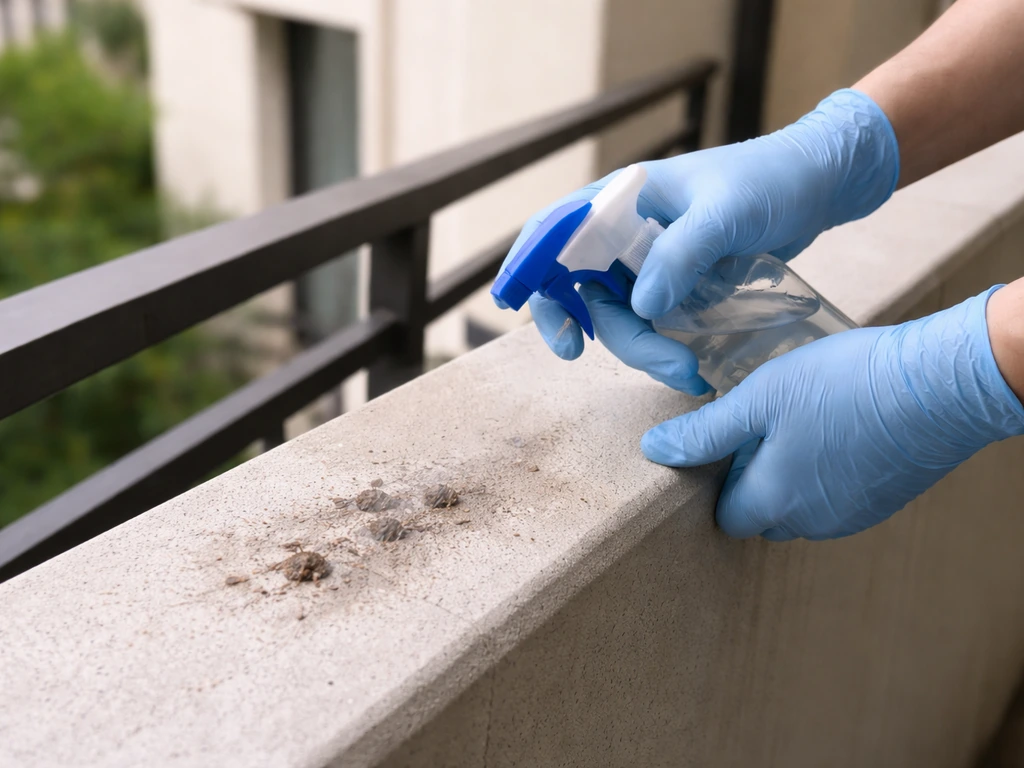
- Never dry-sweep or use a leaf blower on bird droppings. This aerosolizes dried particles directly.
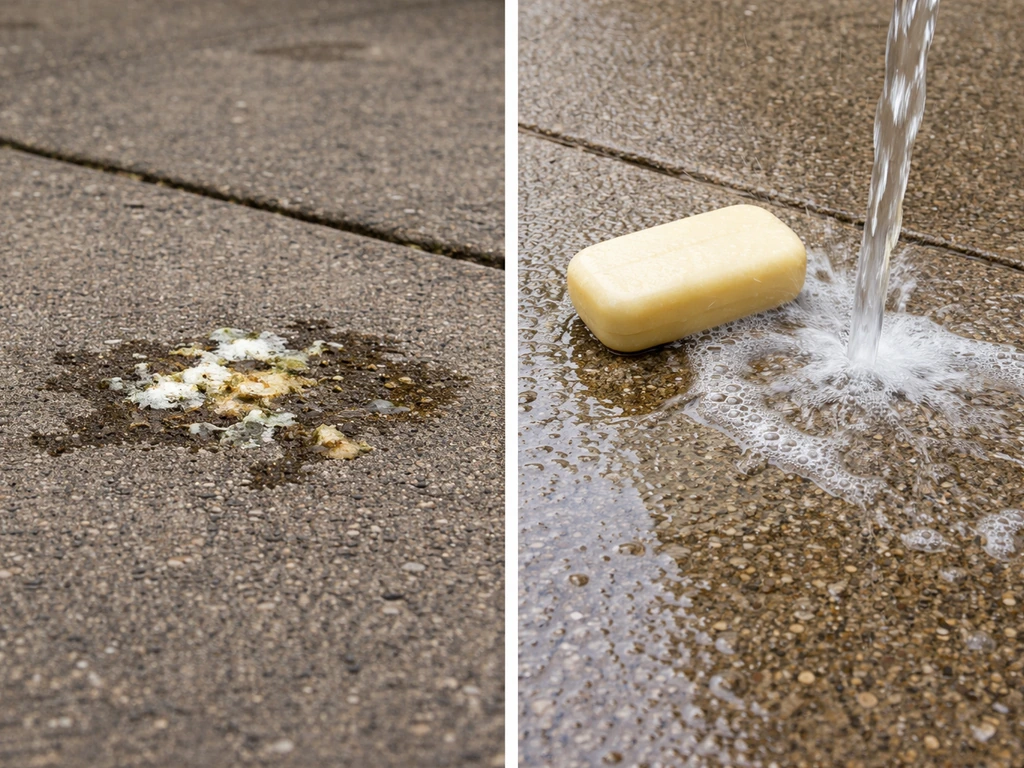
- Always wet the droppings before removing them. Water alone works; adding a small amount of dish soap (a surfactant) further reduces aerosolization.
- Wear disposable gloves for any droppings cleanup, even small amounts.
- For large accumulations (attics, rooftops, barns), add an N95 respirator and eye protection. The CDC recommends eyecup or cover-type safety goggles for ventilated worksites.
- Never use bare hands to pick up droppings.
- Wash hands thoroughly with soap and water after cleanup, even if you wore gloves.
Cleaning Balconies and Home Surfaces
- Put on disposable gloves before touching anything.
- Spray the droppings with water (add a squirt of dish soap if you have it) and let it soak for 30 to 60 seconds to wet the material fully.
- Wipe up with paper towels or disposable rags. Do not scrub dry droppings.
- Place used materials in a sealed plastic bag and dispose of them immediately.
- Clean the surface with an EPA-registered disinfectant or a diluted bleach solution, following the product's label instructions.
- Wash your hands with soap and water thoroughly.
Cleaning Your Car
- Act as quickly as possible. Heat accelerates paint etching.
- Soak the dropping with water or a dedicated car detail spray and let it soften for at least one minute.
- Blot (do not scrub) with a microfiber cloth from the outside edge toward the center to avoid spreading.
- Rinse the area thoroughly with clean water.
- If the dropping has dried and hardened, a damp cloth laid over it for several minutes will soften it enough to remove without scratching.
- Inspect the paint afterward. If etching has occurred (a dull or textured mark remains after cleaning), a polish or detailing compound may be needed.
Large Accumulations: Know When to Call a Professional
If you're dealing with a significant buildup of droppings, think attic infestations, roosting sites with years of accumulation, or any enclosed space where droppings are measured in inches rather than spots, this is a job for a professional hazardous waste cleanup company. The CDC explicitly states that large amounts of bird or bat droppings should sometimes be cleaned up by a professional company specializing in hazardous waste. Professional setups use truck-mounted vacuum systems and industrial-grade filtration that genuinely contain the material rather than just moving it around.
Accidental Exposure: What to Do Right Now
Skin Contact
Wash the affected area with soap and water immediately and thoroughly. This is the standard CDC recommendation for any skin contact with bird droppings. Don't panic, but don't skip the wash either. If you have a cut or open wound that was directly contaminated, wash it well and monitor it. If you develop any unusual symptoms like a rash, fever, or swelling in the following days, mention the exposure to a doctor.
Eye Contact
Remove contact lenses first if you're wearing them. Rinse the eye with clean, lukewarm water for 15 to 20 minutes, letting the water flow from the inner corner outward. After rinsing, use the webPOISONCONTROL tool at poisoncontrol.org or call Poison Control at 1-800-222-1222 for guidance specific to your situation. If the person is having trouble breathing, has collapsed, or can't be awakened, call 911 immediately.
If Bird Feces Was Swallowed
This is most common with toddlers or pets. Rinse the mouth with water. Do not induce vomiting unless specifically directed to by Poison Control. Call 1-800-222-1222 or use the webPOISONCONTROL online tool right away. Poison Control explicitly covers this scenario and can give you specific advice based on the amount and the person's age and weight. For pets, contact your veterinarian.
If Dust Was Inhaled
Move to fresh air immediately. If symptoms like coughing, shortness of breath, or chest tightness develop and persist, see a doctor and tell them specifically that you were exposed to bird dropping dust. Mention histoplasmosis and psittacosis by name so the right tests can be ordered. Histoplasmosis is diagnosed through blood or urine testing, and results may take days to weeks, so early communication with your doctor matters.
When to Seek Medical Attention
- Respiratory symptoms (persistent cough, shortness of breath, chest pain) appearing within 5 to 14 days after exposure to dried droppings or dusty environments.
- Fever, chills, or fatigue following a cleanup involving accumulated bird droppings.
- Eye symptoms that don't resolve after thorough rinsing.
- Any exposure in a person who is immunocompromised, pregnant, elderly, or has underlying lung conditions.
- Significant ingestion by a child or pet.
The Symbolism: Good Luck, Omens, and Why People Believe It
Getting hit by bird poop is almost universally annoying, but a huge portion of the world's cultures have decided it means something good is coming your way. In Russian folklore, bird droppings on you or your car are considered a sign of incoming wealth or good luck. Similar beliefs exist across Turkish, Italian, and Indian traditions. The reasoning, when people try to rationalize it, usually goes something like this: the odds of being hit by a bird are low, so being chosen must mean you're special, or at least fortunate. It's a coping mechanism that's stuck around for centuries.
Other interpretations are more bird-specific. Being hit by a white dove was historically read as an especially good omen, while dark birds were sometimes viewed with more ambivalence depending on the culture. In some traditions, the location matters: a dropping on the head is supposedly the luckiest, while one on the right hand means money is coming. None of this has any scientific basis, but it reflects something genuinely human: we assign meaning to random events, especially unpleasant ones, as a way of feeling better about them. Calling it good luck is a more appealing interpretation than just "a bird had bad timing."
The "bird poop is good luck" belief also gets reinforced because of how memorable the event is. When something unusual and mildly embarrassing happens to you, you pay attention to what follows. If something good happens in the next few days, the mind connects the two. If nothing happens, you forget. This is classic confirmation bias, and it's exactly how superstitions survive. You can enjoy the story without believing the omen.
Common Myths Worth Clearing Up
| Myth | Reality |
|---|---|
| Bird poop is always dangerous to touch | Brief skin contact is low risk. Wash with soap and water and you're fine in most cases. |
| Getting hit by bird poop means good luck | A cultural superstition with no factual basis, but widely believed and harmless to enjoy. |
| You can safely dry-sweep bird droppings | False. Dry sweeping aerosolizes particles. Always wet the material first. |
| Bird poop on a car is just cosmetic | No. Uric acid etches paint and clear coat, sometimes permanently, within hours in heat. |
| Only bird farmers or vets are at risk from bird droppings | Anyone cleaning up large accumulations in enclosed spaces can be at meaningful risk. |
| If a bird poops in your pool it's harmless | The CDC advises treating it like a fecal incident and following decontamination steps. |
At the end of the day, bird droppings are a normal part of sharing the world with birds. Most encounters are minor inconveniences. A few situations, mostly involving large volumes, enclosed spaces, and no respiratory protection, deserve real caution. Knowing the difference between those scenarios is what turns a stressful Google search into an actionable plan. Clean it up safely, wash your hands, protect your car paint, and feel free to tell the story as good luck if it makes the dry-cleaning bill sting a little less.
FAQ
What does “bird feces meaning” mean when people ask it online, biological or symbolic?
Most people mean symbolic luck, but the phrase also gets used as a shorthand for what bird droppings are made of and whether they can cause illness. A quick way to tell is to check whether the page or person talks about health symptoms and cleanup, versus good fortune, messages, or omens.
How can I tell if it was bird droppings or something else like rodent or bat waste?
Look for the bird pattern of a dark center with a chalky white or cream coating, often with a urine component mixed in. Rodent droppings are usually more uniform pellets, bat guano tends to be more granular and typically lacks the distinct chalky ring, and mixing all three together usually suggests multiple sources or long-term buildup.
Is it safe to vacuum up bird droppings from indoors?
Only with care. Dry vacuuming can aerosolize particles, especially if the droppings are older and crumbly. For small indoor spots, wet first, then use disposable towels and discard, and for larger messes use professional cleanup or a vacuum with appropriate filtration, plus respiratory protection.
Can bird feces cause an infection even if I only touched it once?
A single small contact, followed by washing with soap and water promptly, is usually low risk. The bigger concern is breathing in dust from dried droppings during cleanup, or repeated exposure in enclosed areas with heavy accumulation.
What if the dropping is on a wound, does that change what I should do?
Yes. Wash the area thoroughly with soap and water, and keep an eye on it over the next several days for worsening redness, swelling, pus, or fever. If symptoms appear, seek medical advice and mention that the wound was contaminated by bird dropping material.
What should I do if bird droppings splashed into my eyes or I wore contact lenses?
Remove contacts first, then rinse the eye with clean running water for 15 to 20 minutes, directing flow from the inner corner outward. After rinsing, get urgent guidance if irritation, redness, or pain persists, since eye exposure is harder to “wait out” than skin exposure.
How long is bird dropping “acid” damage to car paint, and what’s the best immediate fix?
Damage risk increases with time, especially in warm weather and direct sun. Rinse and remove as soon as possible using water and gentle cleaning, avoid dry wiping when it’s crusted, and consider re-washing after rinsing to reduce abrasion from remaining dried particles.
Is N95 protection enough for cleaning an attic or balcony with heavy droppings?
An N95 can reduce inhalation risk, but it depends on how dusty the area becomes and how much material is present. For significant accumulations or enclosed spaces, it’s safer to plan for a professional cleanup, because proper containment and industrial filtration matter more than using any single mask type.
What symptoms should make me contact a clinician after exposure to bird dropping dust?
If you develop persistent cough, shortness of breath, fever, chest tightness, or flu-like illness after being around dust from dried droppings, contact a clinician. Tell them you were exposed to bird droppings dust and mention the possibility of lung-related infections so appropriate evaluation can be considered.
What about pets, especially dogs that lick or roll in droppings?
Rinse paws and muzzle, prevent more contact, and watch for coughing, vomiting, or diarrhea. If your pet was around heavy buildup or shows respiratory signs, call your veterinarian, since repeated ingestion or inhalation from dried material is more concerning than a brief accidental encounter.
Do fresh droppings pose the same risk as dried droppings?
Fresh material is generally less risky for inhalation, because it’s not as likely to become airborne dust. Dried, crumbly droppings are higher risk during disturbance, such as sweeping, blowing, or demolition, because particles can be inhaled into the lungs.
If I’m told “bird poop means good luck,” is there any practical takeaway?
Treat it as a story or coping belief, not guidance for health or cleanup. The practical takeaway is to still handle cleanup safely, because meaning does not change the material composition, potential airborne risk, or the time-sensitivity of paint etching.