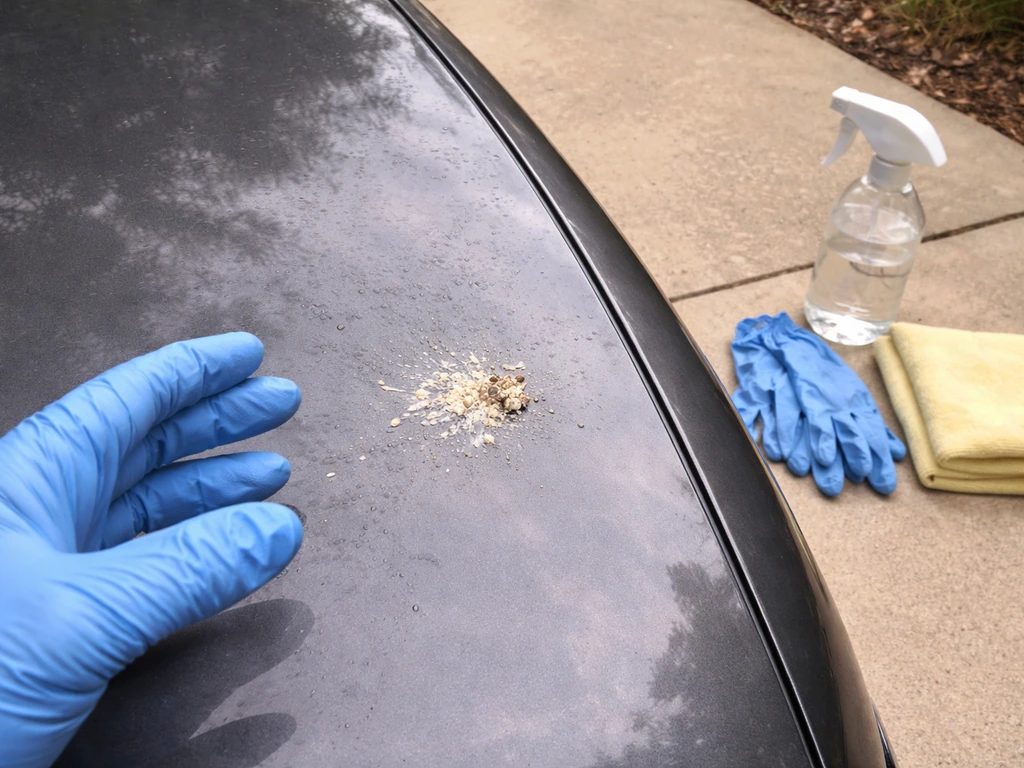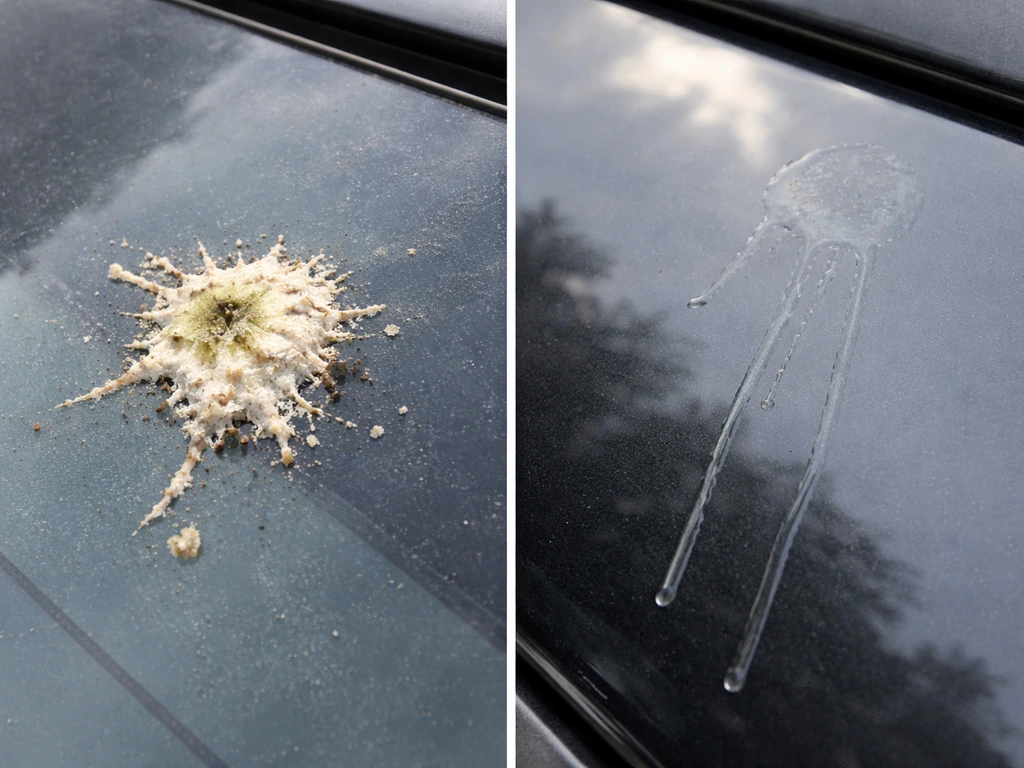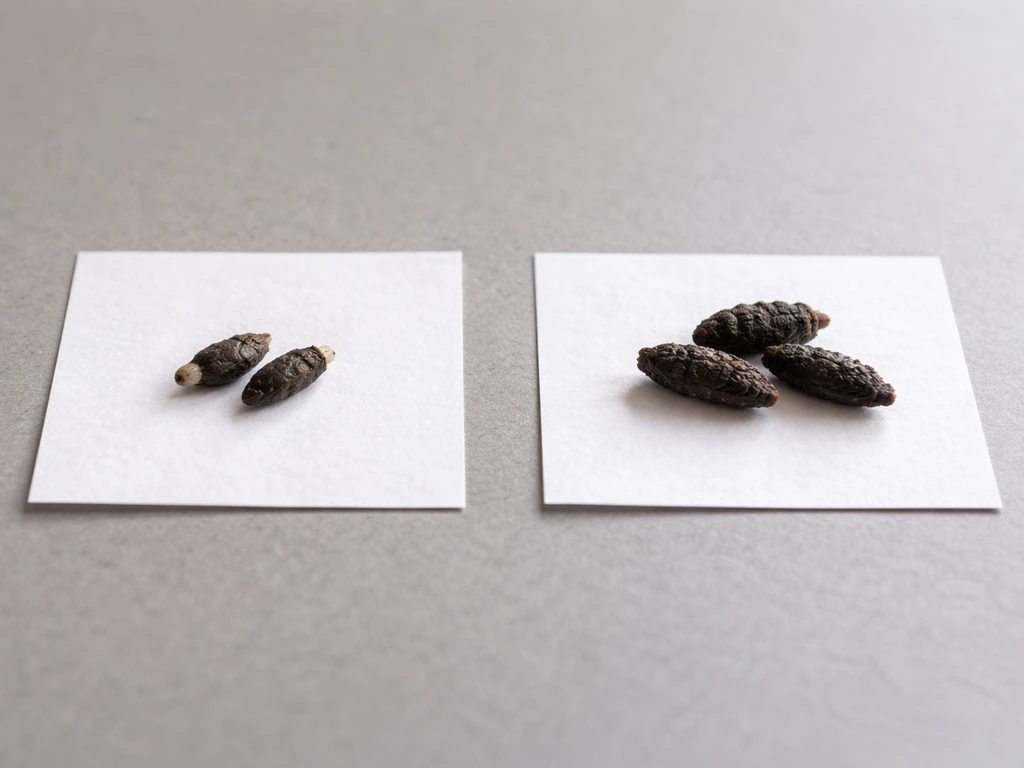
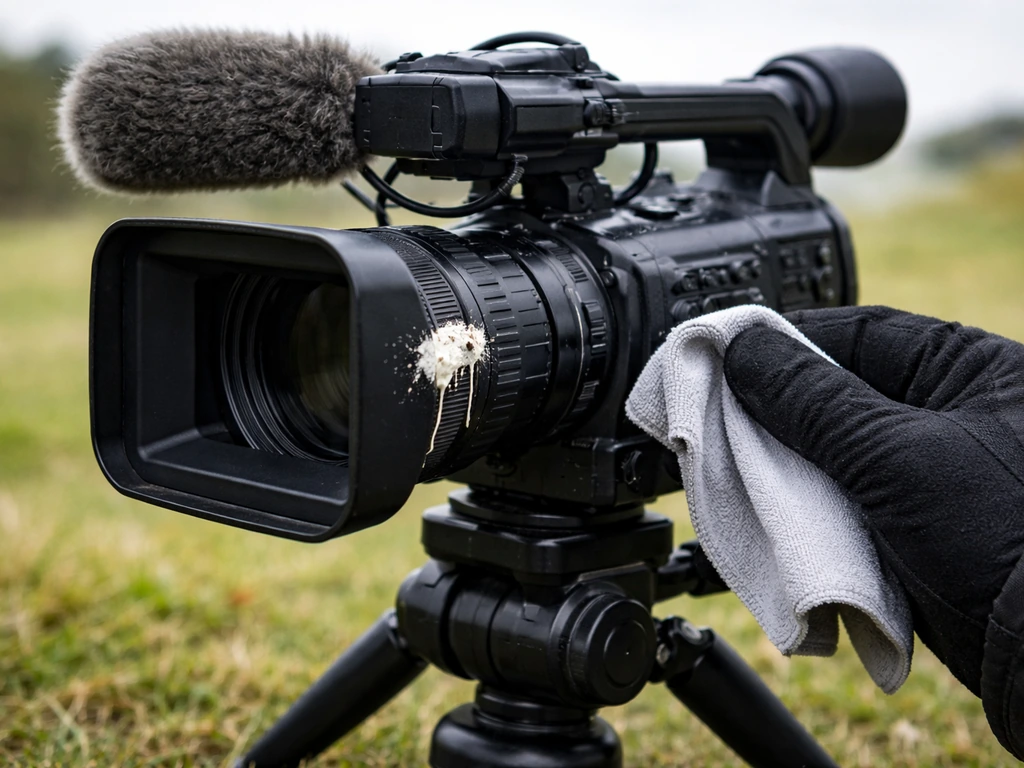
If a bird just dropped one on you, your mic, or your camera while you were on the job outdoors, here's what you do: don't wipe it dry, don't blow on it, don't sweep it. When cleaning up after a disaster, [avoid vacuuming or sweeping rodent urine and droppings or contaminated surfaces](https://www. cdc. gov/natural-disasters/response/what-to-do-protect-yourself-from-animals-after-a-disaster.
News Reporter Bird Poop: What to Do and How to Clean Safely

Marcus Fielding
14 Jun 2026
html) that have not been disinfected; if cleaning is needed, spray with a disinfectant or a 1:10 chlorine solution until the material is thoroughly soaked. Wet it first, then clean it off. Wash your hands thoroughly with soap and running water for 20 seconds. That handles 95% of your immediate risk.
The rest of this guide covers the finer points, including when to actually worry, how to clean different surfaces without causing damage or spreading contamination, and what bird droppings can realistically do to your health.
Why bird poop is a real concern (and what's mostly myth)
Bird droppings are a mix of feces and urine (birds excrete both together as one package), which is why they're white and semi-solid. The white paste is uric acid, the birds' version of urine, and it's mildly acidic. That acidity is exactly what makes fresh droppings corrosive to car paint and stone over time, and why you want them off your gear sooner rather than later.
From a health standpoint, the genuine risks come from inhaling dried, disturbed droppings, not from a splat landing on your jacket sleeve. Histoplasmosis, a fungal lung infection caused by Histoplasma spores, is the most commonly cited danger, and the CDC is very specific that it's an inhalation risk tied to disturbing large accumulations of droppings mixed into soil, not from a single fresh dropping hitting your skin. Similarly, psittacosis (a bacterial infection from Chlamydia psittaci) and avian influenza are real but uncommon, and both are far more of a concern for people handling sick birds or working around heavy, contaminated material regularly.
The cultural side of bird poop is its own universe. In many traditions, getting hit by a bird is considered a sign of incoming good luck and wealth, particularly in Russian, Italian, and Turkish folklore. It's a fun thing to tell yourself while you're scrubbing your blazer backstage at a live shoot. The superstition doesn't hold up to evidence, but it also doesn't hurt anyone, and frankly, it's a better reaction than panic. For a deeper look at what bird poop symbolism actually means across cultures, that territory is covered elsewhere on this site. Bird feces meaning can also show up in casual superstition, but the practical health context is what matters most bird poop symbolism actually means.
What to do immediately after it lands
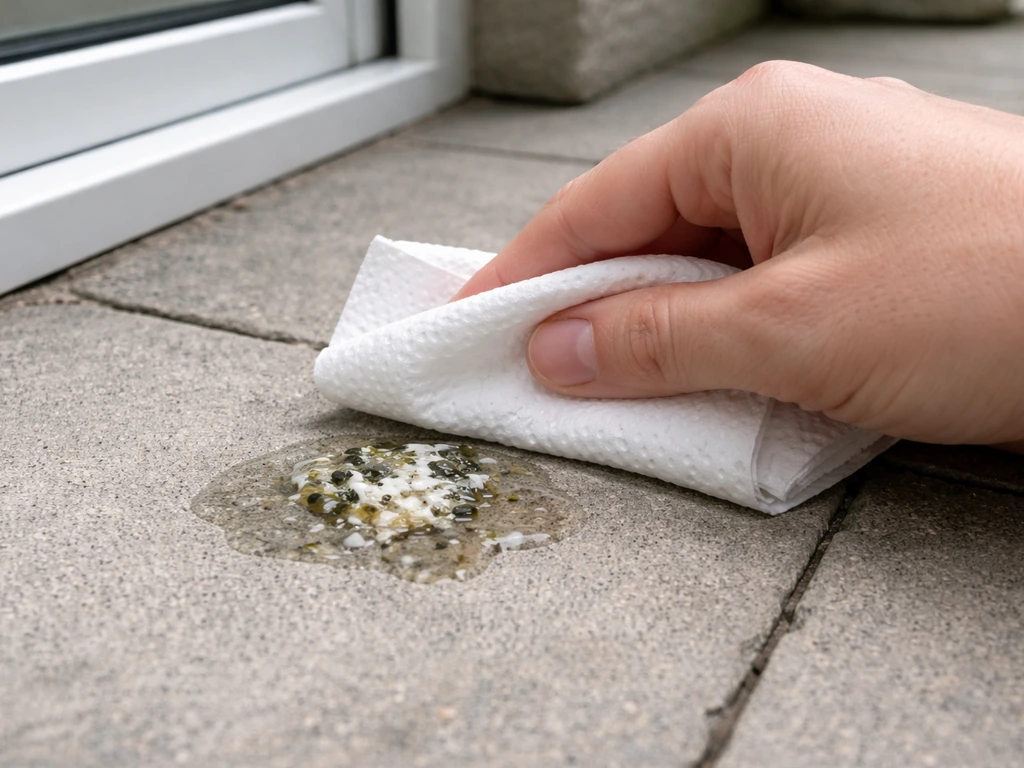
Speed matters here for two reasons: the longer droppings sit, the more the uric acid works into surfaces, and the more the material dries out and risks creating fine particles if you disturb it. Here's the immediate response sequence for anyone working outdoors, whether you're a reporter in the field, a camera operator, or just someone who got caught at the wrong moment.
- Do not wipe it dry. Wiping a dry or semi-dry dropping spreads it and can release fine particles into the air, which is exactly what you want to avoid.
- Wet it first. Use water, a damp cloth, or a wet wipe to rehydrate the dropping before removing it. This traps the material and stops it from becoming airborne dust.
- Lift and blot, don't scrub. Remove as much material as possible by blotting outward from the center so you don't push it further into fabric or seams.
- Wash your hands immediately. Use soap and running water, scrubbing for at least 20 seconds. If soap and water aren't available, use a hand sanitizer with at least 60% alcohol as a temporary measure until you can wash properly.
- Change or bag contaminated clothing if it's extensive. If you have a spare shirt or jacket, use it. Bag the soiled item in a sealed plastic bag until you can wash it properly.
- Clean affected skin. If the dropping landed on exposed skin, wash the area with soap and water. If it landed near or in your eyes, rinse immediately with clean water for several minutes and seek medical advice.
Honest risk assessment: eyes, broken skin, respiratory issues, and when to call a doctor
For a healthy adult, a single bird dropping on intact skin is a low-risk event. Your skin is a very effective barrier, and the pathogens that can live in bird droppings, including Salmonella, Campylobacter, and E. coli, generally need a route into your body to cause harm. Washing promptly closes that window.
Eyes are a different matter. Mucous membranes are not the same barrier as skin, and eye exposure to contaminated material deserves immediate flushing with clean water for at least 10 to 15 minutes. If you experience redness, irritation that doesn't resolve, or any vision changes after that, see a doctor or visit urgent care.
Broken or cut skin changes the calculation too. If droppings land directly on an open wound, clean it thoroughly with soap and water, apply an antiseptic, and monitor for signs of infection over the following days. If the wound is significant or you develop fever, swelling, or spreading redness, get medical attention.
People with asthma, compromised immune systems, or chronic lung conditions should take extra precautions when cleaning up droppings, even small amounts. The risk isn't from a single fresh incident so much as from repeated or cumulative exposure to dried, aerosolized material. If you work outdoors regularly and droppings accumulate on your equipment or workspace, use an N95 or equivalent respirator when cleaning, not just a cloth mask.
The specific situation where you should get medical advice quickly: you've been involved in disturbing a large accumulation of droppings (think a ledge, a nesting area, or a crawlspace), you inhaled visible dust in the process, and within 3 to 17 days you develop fever, cough, fatigue, or chest pain. That timeline and symptom pattern is consistent with histoplasmosis, and it's treatable, especially when caught early.
How to clean bird poop off common surfaces
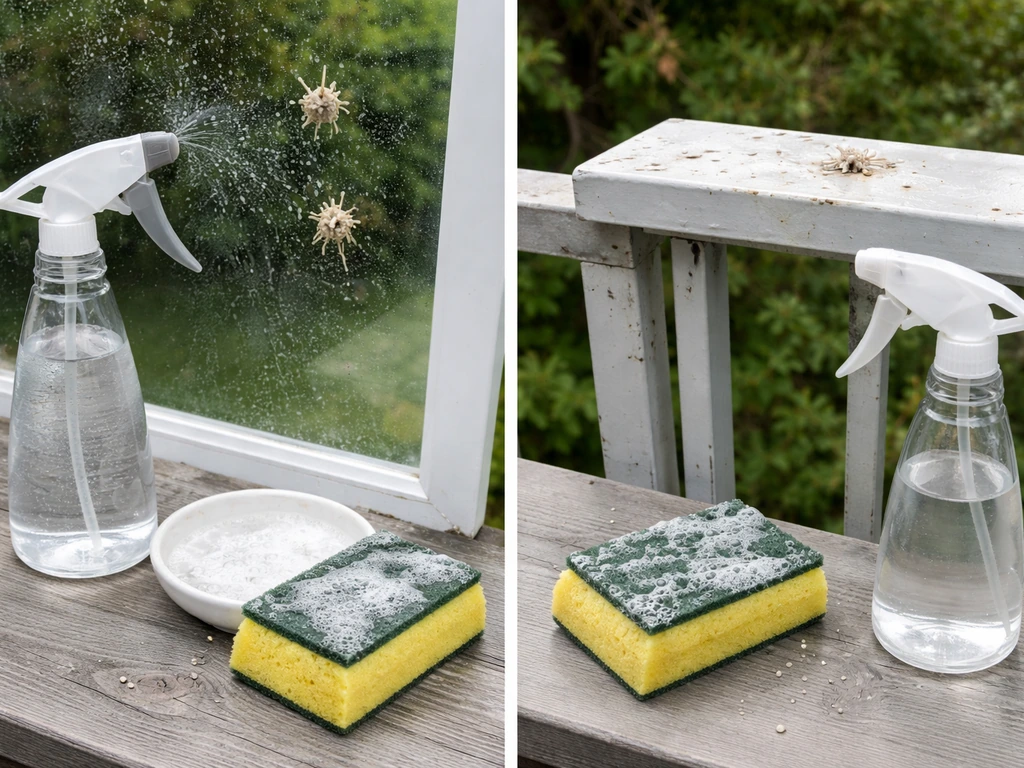
The core rule for every surface is the same: wet before you wipe, clean with soap and water to remove visible material first, then disinfect if needed. If you are comparing bat poop vs bird poop, the big takeaway is that both require careful cleanup, but disease risks and proper precautions can differ by species and how the waste is disturbed. What changes is the product and technique per surface type.
| Surface | Wetting/Softening | Cleaning Method | Disinfection/Finishing |
|---|---|---|---|
| Car paint | Soak with warm water or a wet cloth for 1-2 minutes | Use car wash soap and a microfiber cloth; never scrub dry | Rinse thoroughly; apply car wax to protect paint afterward |
| Glass/windshield | Wet with water; droppings release easily from glass | Glass cleaner or soap and water with a soft cloth | Standard glass cleaner is sufficient; no special disinfectant needed |
| Stone/concrete/pavers | Soak with water or a gentle hose spray | Scrub with dish soap or a stone-safe cleaner and a stiff brush | Allow an EPA-registered disinfectant to dwell per label instructions |
| Fabric/clothing | Blot with a damp cloth; do not rub dry material | Pre-treat with laundry stain remover, then machine wash in hot water if fabric allows | Wash with detergent; air dry or tumble dry on high heat |
| Camera/mic/metal/plastics | Dampen a cloth or cotton swab with water | Wipe off visible material carefully; use a slightly damp microfiber cloth | Use an isopropyl alcohol wipe (70%) on metal and hard plastics; avoid camera lenses with alcohol |
A note on camera equipment specifically: bird droppings can work into seams, ports, and microphone grilles. For a boom mic or lav mic, remove the windscreen if possible and clean it separately. Use a dry or lightly damp cotton swab for crevices, then follow with a 70% isopropyl alcohol wipe on hard surfaces. Avoid getting liquid into any electronic ports. For camera bodies, the same logic applies: soft cloth, damp first, then an alcohol wipe on the housing.
Disinfection: what works, what to skip, and what's actually dangerous
Cleaning removes the visible material. Disinfection kills what's left behind. The two are different steps and both matter, especially if droppings landed on something frequently touched (handles, railings, equipment grips).
For disinfection to actually work, the surface needs to stay visibly wet with the disinfectant for the entire contact time listed on the product label. A quick spray and wipe does not disinfect. If the label says 10 minutes, the surface needs to stay wet for 10 minutes. This is true for EPA-registered disinfectants, bleach solutions, and most commercial products.
If you're using household bleach on non-porous surfaces (concrete, sealed stone, hard plastics), the CDC recommends a diluted solution of 1 tablespoon of regular household bleach per 1 gallon of clean water. Apply, let it dwell, then rinse. Don't use bleach on car paint, fabric, or anything you don't want discolored or damaged.
Things to avoid during cleanup
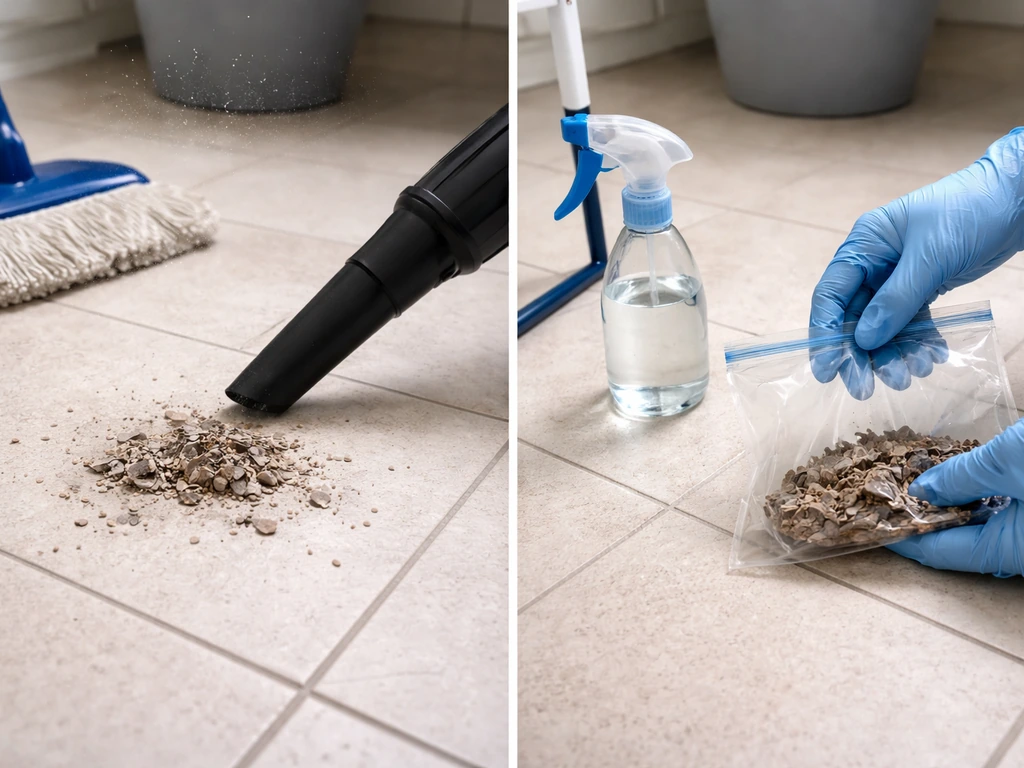
- Dry sweeping or vacuuming dried droppings without prior wetting: this aerosolizes fine particles and is the primary way people inhale fungal spores or bacteria from droppings.
- Mixing bleach with ammonia-based cleaners: this creates toxic chloramine fumes. Keep these products completely separate.
- Fogging or aerosol spraying as a primary disinfection method: the CDC does not recommend fogging/fumigation unless the product label specifically supports it and conditions are appropriate.
- Using harsh abrasives on painted surfaces: abrasive pads or powders on car paint or coated metal can cause permanent scratching.
- Bare hands without washing afterward: even if the visible material is gone, wash your hands before touching your face, food, or other people.
What bird poop actually contains and how disease transmission really happens
Bird droppings can carry a range of pathogens, but the key word is 'can.' Not every bird is infected, and not every dropping is a biohazard. What's potentially present includes bacteria like Salmonella and Campylobacter, the fungus Histoplasma capsulatum (in areas where it's endemic in soil), Chlamydia psittaci (which causes psittacosis), and in rare cases involving infected poultry, avian influenza A viruses.
The main transmission route for the serious infections, specifically histoplasmosis, is inhalation of aerosolized spores after droppings are disturbed. The CDC is explicit that this is not primarily a skin-contact or surface-touch disease. Psittacosis follows a similar respiratory route. Psittacosis (from Chlamydia psittaci acquired from infected birds) can cause respiratory symptoms such as a dry cough and, in some people, serious complications that require medical care Psittacosis follows a similar respiratory route. Bacterial infections like Salmonella are a fecal-oral risk, meaning they get from the dropping to your mouth via unwashed hands. That's why hand hygiene solves so much of the immediate risk.
Avian influenza A gets attention because of its pandemic potential, but for the average person hit by a wild bird dropping while walking to a live shot, the realistic risk is extremely low. It becomes a more serious consideration for people working directly with domestic poultry flocks, especially sick birds. If that's your context, follow CDC and NIOSH guidance on full PPE including an N95 respirator, disposable gloves, and eye protection.
It's worth noting that the composition question (what bird poop is actually made of) also connects to why it can damage surfaces. If you're wondering about the difference between bird pee vs poop, the quick takeaway is that both can spread contamination, but fresh droppings tend to be more damaging and risky when disturbed. The uric acid in droppings has a pH that etches car clear coats, stone surfaces, and certain metals over time. This isn't a health risk but it is a damage risk, which is why getting it off quickly is good practice regardless of your health concerns.
Stopping repeat incidents: tips for outdoor workers, cars, and home
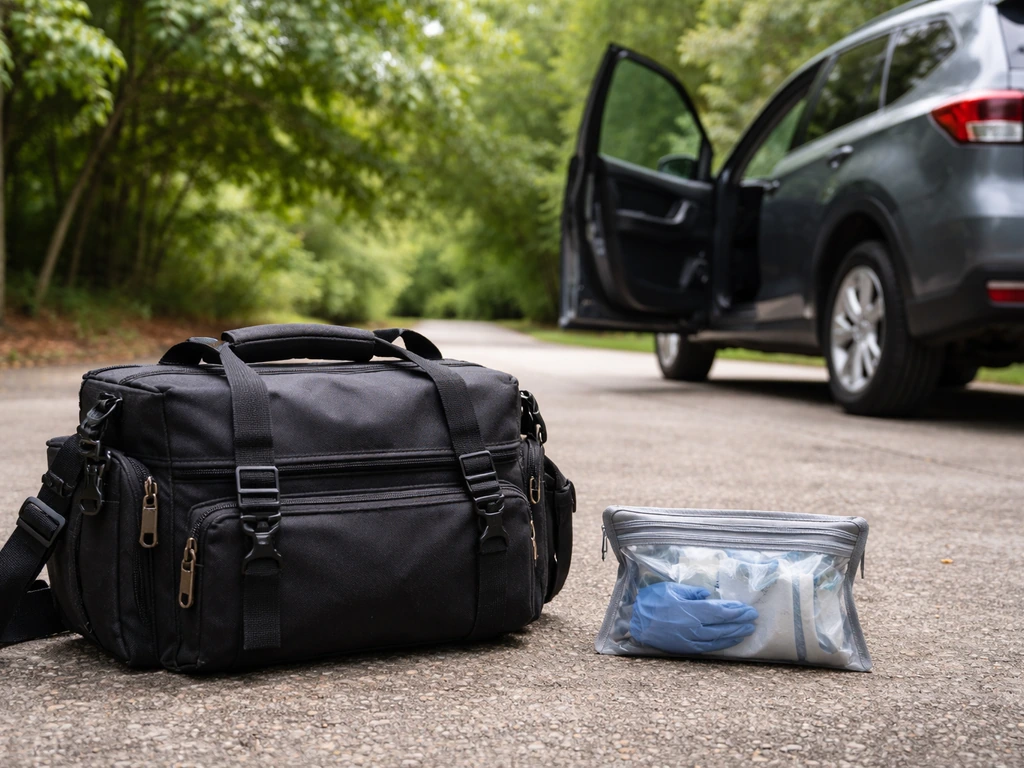
If you're working outdoors regularly, whether as a reporter, camera operator, producer, or anyone else who spends time under open skies and trees, a few practical habits make a big difference.
For outdoor workers and journalists
- Keep a small kit in your bag or vehicle: a sealed pack of damp wipes, a travel bottle of hand sanitizer (60%+ alcohol), a few zip-lock bags, and a spare layer you can swap out.
- Avoid setting equipment directly on ledges, railings, or surfaces where birds commonly perch and deposit. Use a ground cloth or hard case.
- If you regularly work under bridges, on rooftops, or in areas with visible nesting activity, consider a lightweight windbreaker or disposable coveralls for those assignments.
- For accumulations you need to clean from a regularly-used workspace, always wet the material before disturbing it, and wear an N95 if the area is heavily soiled or enclosed.
- Microphone windscreens and furry covers are droppings magnets. Have a spare, bag the soiled one, and wash it in warm water with dish soap when you get back.
For your car
- Park away from trees, wires, and ledges whenever possible, especially overnight.
- A car cover is the most effective physical barrier if you park in a high-bird-traffic area.
- Apply a quality paint sealant or ceramic coating: it doesn't stop droppings from landing, but it makes them much easier to remove and reduces acid etching.
- Keep a bottle of quick-detailer spray and a microfiber cloth in the car so you can address droppings within minutes of noticing them.
For home and outdoor spaces
- Bird spikes, wire deterrents, and reflective tape on ledges and railings reduce perching without harming birds.
- If you have a deck, patio furniture, or outdoor camera equipment that accumulates droppings regularly, a quick weekly wetting and rinse prevents dry accumulation from building up.
- If you're dealing with a genuine accumulation in an enclosed space (attic, crawlspace, barn), that is a job for proper PPE or a professional remediation service. A single dropping is a minor hygiene issue; a season's worth of roost material is a respiratory hazard.
The bottom line is that bird poop is more of a nuisance and a surface-damage issue than a serious health threat in most everyday encounters. Rat droppings also exist as a health concern, so if you're comparing risks, bird poop vs rat poop is a useful distinction to make. The genuine risks are manageable with basic hygiene, prompt cleaning, and a little awareness about when you're dealing with something beyond a normal splat.
Wash your hands, wet before you wipe, and don't dry-sweep dried accumulations without protection. If you’re worried about cop mistakes and want to avoid those kinds of errors, the same prevention habits apply: don’t dry-sweep, wet first, and clean promptly cop mistakes bird poop. Everything else follows from those three rules.
FAQ
What should I do if news reporter bird poop gets on my face, like around my mouth or nose?
Treat it like a mucous-membrane exposure. Rinse with clean running water right away, especially around the nostrils and lips, and avoid touching your eyes afterward until you wash your hands. If you wore anything that contacted your face (mask, glasses), clean it, and watch for irritation that does not improve after flushing.
Is it safe to keep working if bird droppings landed on my camera or boom mic during a shoot?
You can often keep working, but stop and contain the contamination first. If the droppings are fresh and not being blown, rubbed, or brushed around, cover the area and clean it as soon as you can. Avoid adjusting lenses or handling ports with contaminated gloves, then wash hands before eating or adjusting personal items.
Can I use hand sanitizer instead of washing with soap and water?
Sanitizer helps after contact, but it is not a substitute for thorough handwashing when visible contamination is involved. Soap and running water remove residues and reduce fecal-oral risk. If you cannot access a sink immediately, use sanitizer temporarily, but wash with soap and water as soon as possible.
What if the bird droppings are already dried on my equipment or jacket, not fresh?
Do not dry-sweep or brush it off dry. Wet the area first to prevent dust particles, let it sit briefly so it rehydrates, then wipe with a damp cloth. After removing visible material, clean the surface again and disinfect if you are using a product appropriate for that material.
How do I clean a spot on fabric like a blazer sleeve or dress shirt without making it worse?
Blot off the wet material with a damp paper towel or cloth, then wash the garment promptly. Pre-treat the stained area with regular laundry detergent and wash according to the fabric label. Avoid bleach unless the garment can tolerate it, since bleach can discolor and weaken fibers.
Should I disinfect everything the droppings touched, even lightly?
Focus on frequently handled contact points and shared gear. It is most important for areas you touch often (handles, railings, grips, mic windscreen, clothing areas you re-touch). For low-contact items that were only splattered and can be cleaned thoroughly, soap and water cleanup may be sufficient.
What if droppings get into a camera or microphone port, or under a hot-shoe cover?
Do not pour or spray liquid directly into ports. Power off the device first, remove removable accessories like windshields if possible, then use a lightly damp cloth or cotton swab for external surfaces only. If contamination entered a sealed compartment or you see residue that you cannot remove safely, consider professional servicing to avoid damage.
How long do I need to keep a disinfectant wet on a surface?
You need to follow the product label contact time, meaning the surface must remain visibly wet for the entire stated duration. If it dries early, it may not disinfect effectively, so reapply enough to maintain wetness until time is up, then rinse when the label requires it.
Can I mix bleach with other cleaners to speed things up?
No. Mixing bleach with other products, especially ammonia or acids, can create harmful fumes. Use bleach only as a diluted solution with clean water, and ventilate the area. If you already used another cleaner, rinse thoroughly before using bleach.
When should I worry about histoplasmosis or similar respiratory risks after a droppings cleanup?
Seek prompt medical advice if you disturbed a large accumulation (not just a single splat), inhaled dust or visible particles during cleanup, and symptoms start within about 3 to 17 days, such as fever, cough, fatigue, or chest pain. Tell clinicians you were cleaning bird droppings so they can consider the exposure in their diagnosis.
Are N95 respirators really necessary for a one-time cleanup by a reporter?
Usually they are not necessary for a single small, fresh droplet on clothing. Respirators become more important when you are cleaning repeated buildup, working in enclosed spaces (like crawlspaces), or disturbing dried droppings in a way that can aerosolize particles.
What is the best way to prevent spreading contamination after I clean up?
Use a clean-to-dirty workflow: wipe from the least contaminated area toward the heaviest buildup, and discard or bag wipes promptly. Keep your cleaning cloths separate from your personal items, and avoid reusing gloves without changing them or washing hands after removal. Wash hands last, before touching your phone, headset, or food.