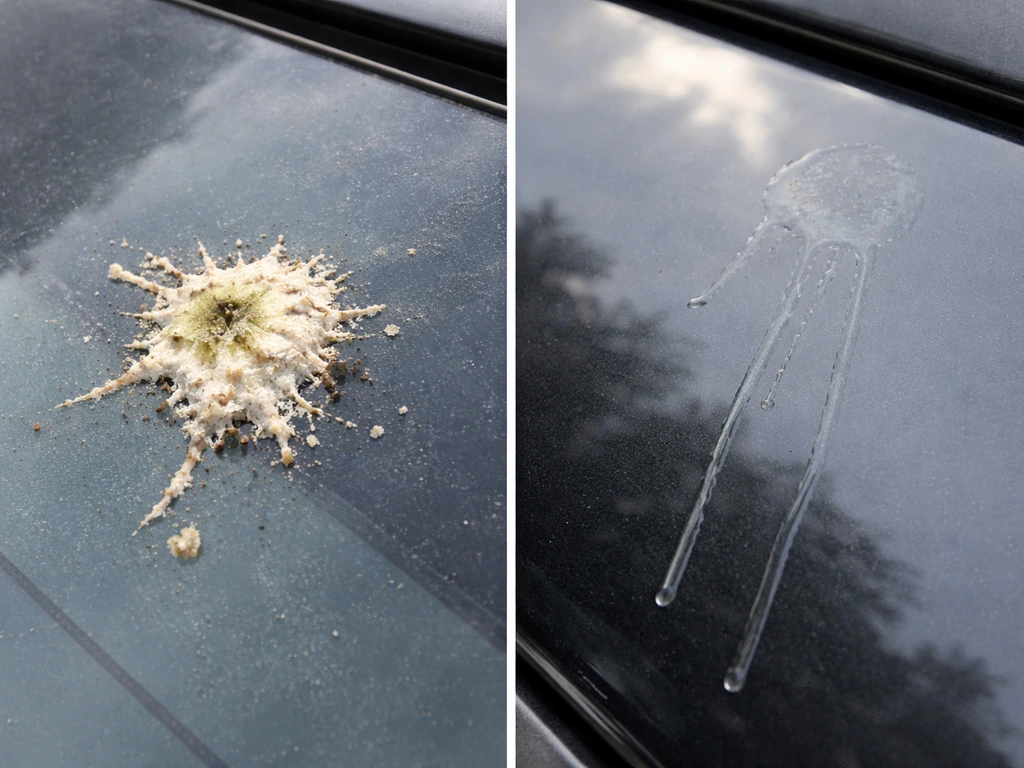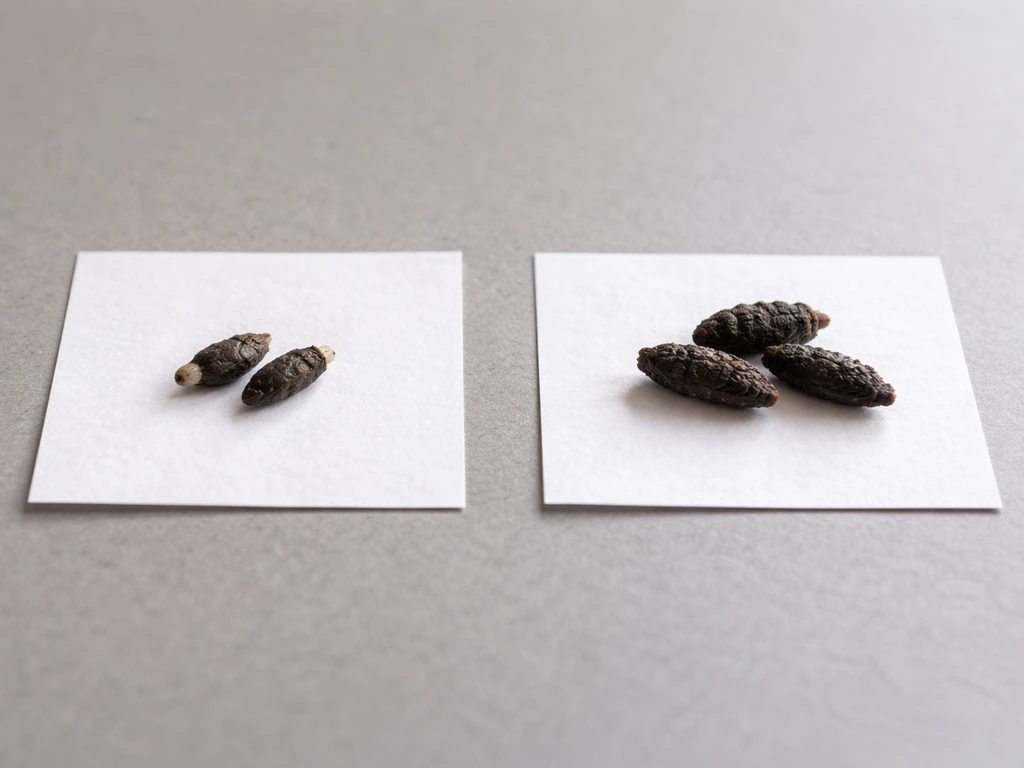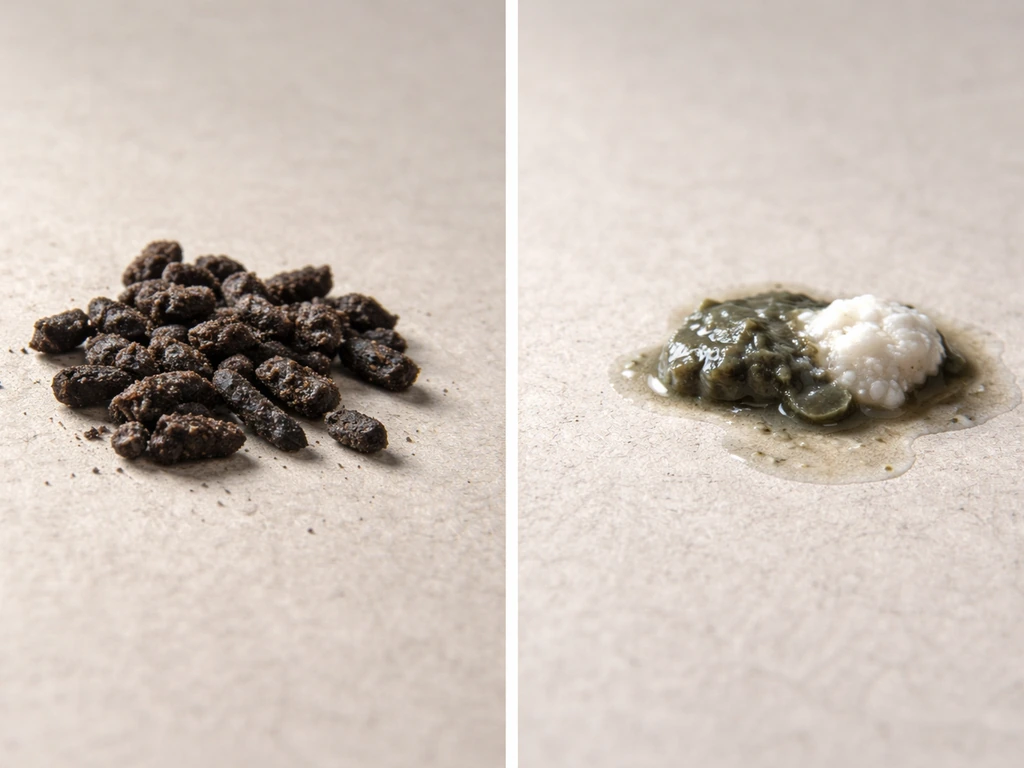
If a cop (or anyone else) has mistaken bird droppings on your car, clothes, or property for something you caused deliberately, here is what you do: photograph everything before you touch it, stay calm and explain clearly, then clean it up safely using gloves, water, and a bit of patience. Bird poop is messy, mildly corrosive, and occasionally carries pathogens, but for a typical one-off splatter on a car hood or jacket, the health risk to a healthy adult is genuinely low. Rat droppings are a different situation than bird poop, and comparing the two can help you judge risk and cleanup steps more accurately. The situation becomes more complicated when law enforcement is involved, so this guide covers both the cleanup side and the documentation side in full.
Cop Mistakes Bird Poop: Safe Cleanup and Health Steps

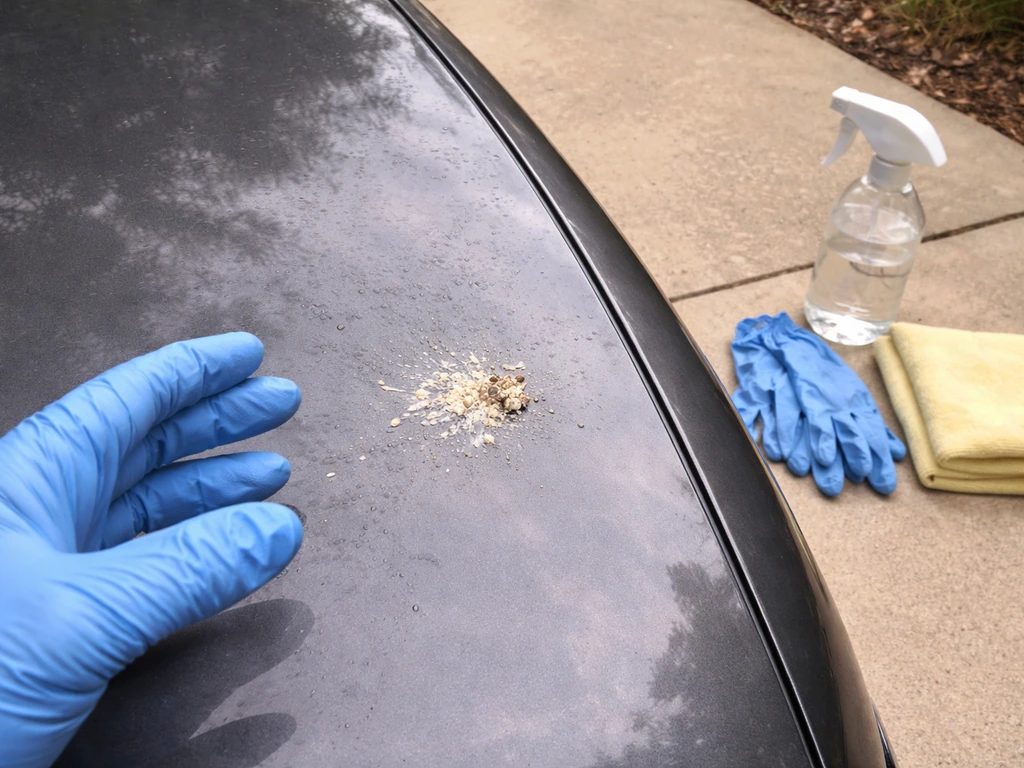
Why birds poop so much (and what's actually in it)
Birds don't have a separate urinary tract, so their solid waste and liquid waste come out together as one package. That white or cream-colored paste is mostly uric acid (the nitrogen waste that would be urine in mammals), mixed with undigested food particles, gut bacteria, and whatever the bird has been eating. The watery part is from the kidneys; the darker center is the actual fecal matter. Together they create a compound that is mildly acidic and, if left sitting on a car finish or fabric for hours, can etch into paint or stain deeply.
The uric acid is what makes bird droppings corrosive. Car paint, in particular, softens slightly in sunlight, and the acid from bird droppings can work its way into that softened layer and leave a mark even after you wipe the dropping away. Clothing fibers can discolor similarly, especially natural fabrics like cotton or linen. This is why speed matters in cleanup, not because of disease risk in most cases, but because of physical damage.
The biological contents vary by bird species and diet, but common backyard and urban birds (pigeons, starlings, sparrows, gulls) can carry Salmonella, Campylobacter, E. coli, and fungal spores like Histoplasma capsulatum in their droppings. Fresh droppings from a single bird flyover are much lower risk than accumulated, dried, disturbed waste, which is where real exposure hazards come in.
Protect yourself before you start cleaning
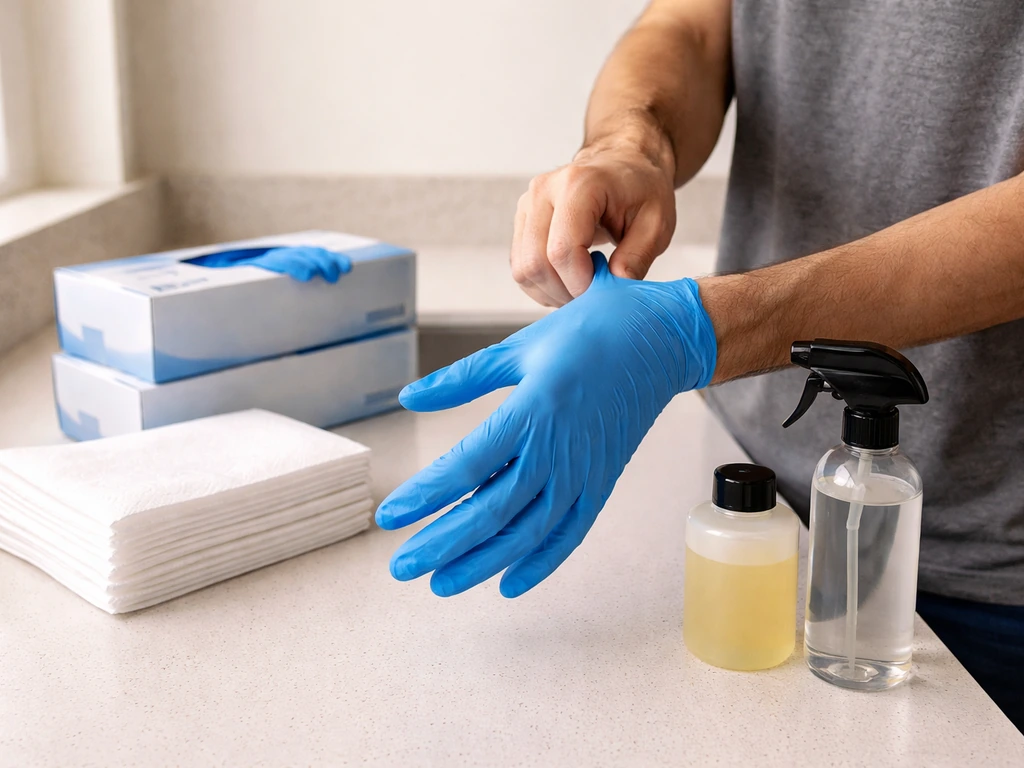
For a typical splatter on your car roof or a jacket shoulder, you don't need a hazmat suit. But you do need a few basics, especially if the droppings are dried, numerous, or from a large roost. The main risk with dried droppings is aerosolization: when you scrub or disturb dried material, particles become airborne and can be inhaled. NIOSH and the CDC specifically flag this with blank" rel="noopener noreferrer">accumulated bird and bat waste, where fungal spores can become a genuine inhalation hazard when the material is disrupted. If you are dealing with bat droppings, the same general precautions still apply, but make sure you treat the dried, disturbed material as a higher inhalation risk accumulated bird and bat waste.
- Disposable nitrile or latex gloves (non-negotiable, even for a quick wipe)
- A simple dust mask or N95 if the droppings are dried, flaky, or cover a large area
- Safety glasses or sunglasses if you are scrubbing overhead surfaces
- Work outdoors or in a well-ventilated space, never in an enclosed garage with the door shut
- Avoid dry scrubbing or sweeping dried droppings, which kicks up dust and particles
- Wet the area first to bind particles before you start wiping
What you should not do: don't use a leaf blower or compressed air on dried droppings, don't eat or touch your face during cleanup, and don't let pets or kids near the cleanup area until you're done and the surface is rinsed. After you finish, bag your gloves and any disposable wipes, wash your hands thoroughly with soap and water, and change clothes if you were working in close contact with a larger mess.
How to clean bird droppings off cars, clothes, and surfaces
Car paint and glass
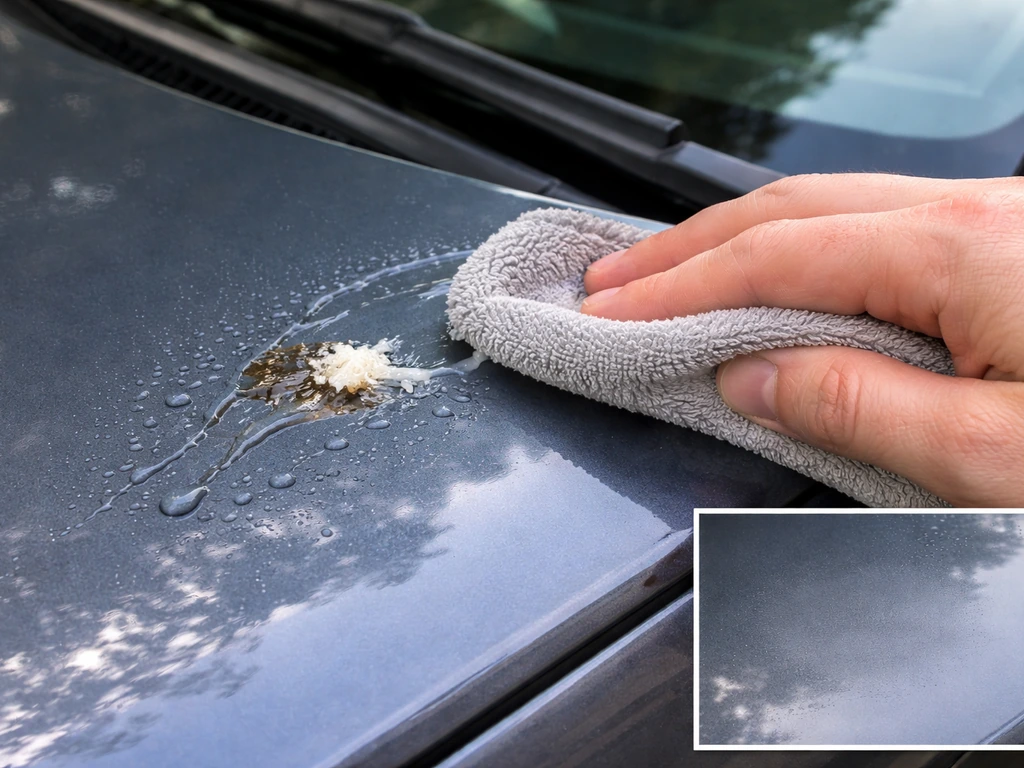
Act fast. The longer bird poop sits on paint, especially in warm direct sunlight, the more likely it is to etch. Soak the dropping with water first, let it sit for 30 to 60 seconds to soften, then gently lift it with a microfiber cloth using minimal pressure. Don't rub sideways like you're scrubbing a pot. Lift and blot. Follow up with a quick spray of detailing spray or a diluted car shampoo solution on that spot. On glass, the same soak-and-lift method works, and a glass cleaner finishing wipe removes any residue.
If you notice a dull or cloudy spot on your paint after removing the dropping, that may be an etch mark from the uric acid. Light etching can sometimes be polished out with a clay bar and light compound. Deeper damage may need professional attention, which is worth noting for any insurance or documentation purposes.
Clothing and fabric
Let fresh droppings firm up slightly before you do anything, then gently scrape the bulk off with a dull edge like a credit card or the back of a spoon. Rinse the stained area from the back of the fabric with cold water to push the stain out rather than deeper in. Apply a liquid laundry detergent or stain remover directly to the spot, work it in gently with your fingers, and let it sit for 10 minutes before washing normally. Avoid hot water, which can set the stain. For delicates or dry-clean-only items, blot the surface and take the garment to a cleaner as soon as possible.
Concrete, wood, and outdoor furniture
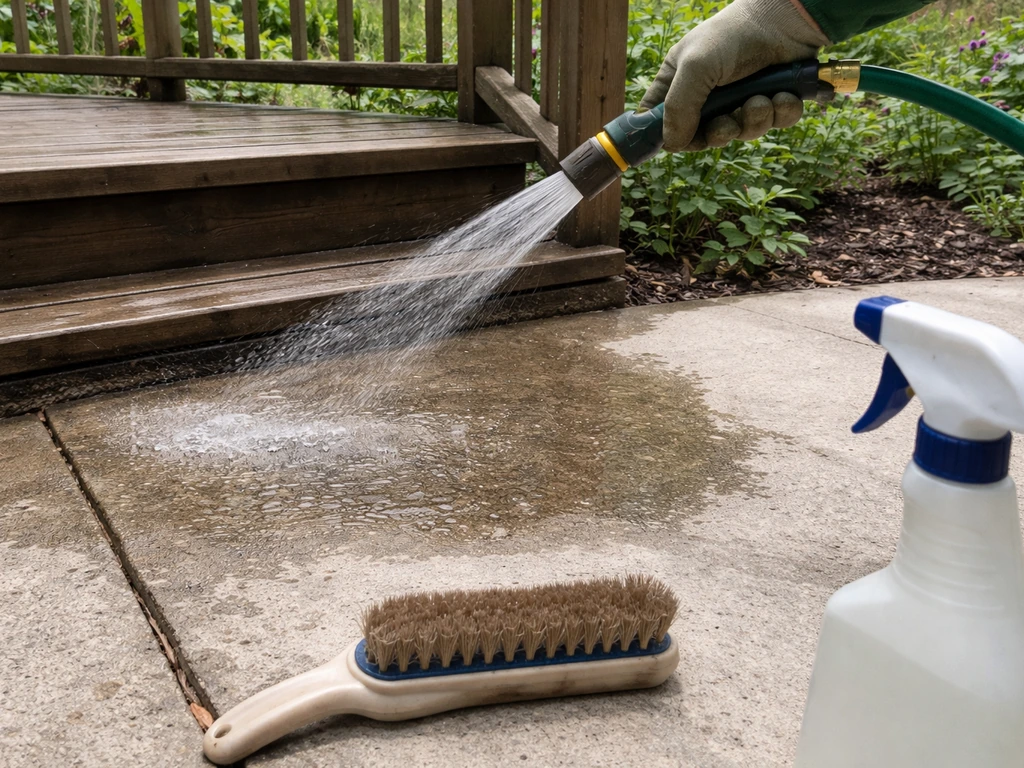
Wet the droppings thoroughly first. A garden hose or a spray bottle works well. Once softened, scrub with a stiff brush using a diluted bleach solution (about one part bleach to nine parts water) or an enzymatic cleaner. Rinse well afterward. On porous surfaces like untreated wood or concrete, droppings can penetrate over time, so regular rinsing is better than waiting for buildup. Sealed concrete and painted wood surfaces are much easier to restore.
Health risks after exposure and when to actually worry
NYC Health is pretty direct on this: the risk of getting sick from a routine bird dropping cleanup, like wiping a windowsill or removing a splat from your car, is low for healthy adults. NYC Health notes that [pigeon-related diseases are rare](https://www. nyc. gov/site/doh/health/health-topics/pigeon.
page), and routine cleaning of droppings like those on a windowsill does not pose a serious health risk for most people, with extra precautions advised for immunocompromised people or larger cleanups. That is good context to have.
Bird droppings can theoretically carry bacteria like Salmonella or Campylobacter, and fungal spores like Histoplasma in areas where that organism is established in soil, but casual contact with fresh droppings from a passing bird is not the same as working in a contaminated roosting site.
If you made skin contact with bird droppings, rinse the area with soap and water for at least 20 seconds. If it got in your eyes, rinse with clean water for 15 minutes. If you think you inhaled a significant amount of dried particulate (more than just a minor cloud from a single dropping), monitor for symptoms: fever, cough, muscle aches, and fatigue appearing 3 to 17 days later could suggest histoplasmosis and are worth a doctor visit. For most people, though, one exposure to a fresh splatter is not cause for serious alarm.
Extra caution applies if you are immunocompromised, pregnant, elderly, or dealing with a large accumulation rather than an isolated incident. In those cases, wearing an N95, gloves, and protective eyewear is not overkill, it is just sensible, and calling in professional cleaning for large roost sites is the right call.
Disease transmission reality check
There is a gap between what is theoretically possible and what actually happens to people who get pooped on by a pigeon during their morning commute. Possible: Salmonella infection from touching droppings and then touching food or your mouth without washing hands. Possible but rare in most urban environments: Histoplasma exposure from heavy, accumulated, disturbed dried droppings in an enclosed space. Also rare but documented: Chlamydiosis (psittacosis) from parrots and parakeets, not typically from pigeons or gulls.
What does not happen: you do not get sick just from a bird flying over and leaving a mark on your shoulder. Transmission requires ingestion or inhalation of the pathogen, which requires either very poor hand hygiene or significant disruption of a large accumulated deposit. This context matters, especially if you are reading this after a stressful encounter with law enforcement and you are already anxious. The bird poop itself, handled correctly, is not your biggest problem today.
For reference, the droppings situation is comparable in some ways to the identification questions that come up with bat droppings versus bird droppings, since bat guano carries its own set of pathogen concerns and is handled differently. But for typical urban bird species, standard cleanup precautions are sufficient.
If police think you caused it: document, communicate, de-escalate
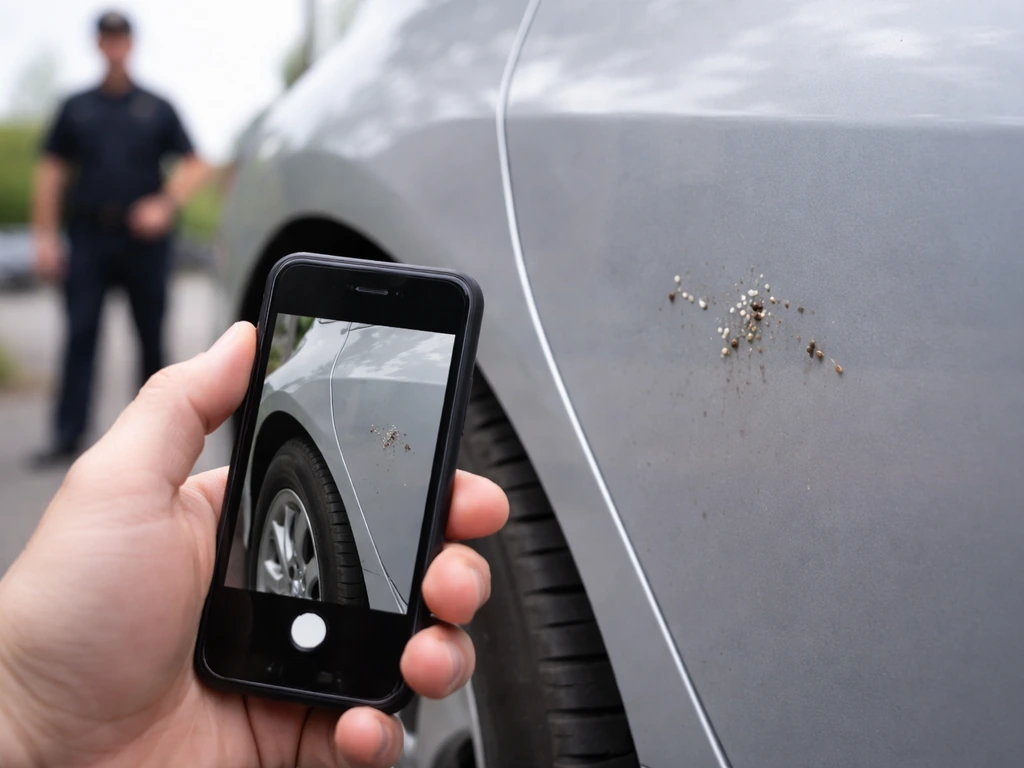
This situation sounds absurd, but it genuinely happens. Someone reports what looks like intentional vandalism or a suspicious substance on a vehicle or property, an officer responds, and it turns out to be bird droppings. Or your car is covered in droppings and someone assumes you were negligent in a way that caused a hazard. Here is how to handle it cleanly.
Before you clean anything
Photograph the scene from multiple angles before touching anything. Get wide shots showing the car or surface in context, and close-up shots showing the texture, color, and pattern of the droppings. Bird droppings have a distinctive appearance: the white-and-dark two-toned pattern, often splattered in random directions from an overhead source. These photos are your documentation if the situation escalates or if you need to make an insurance claim for paint damage.
Talking to an officer calmly
Stay calm and cooperative. Do not get defensive or try to prove a point in the moment. Politely point out the pattern, smell (bird droppings have a distinctive ammonia note), and texture of the material. Offer to let the officer examine it closely. You can note that bird droppings are white and pasty from uric acid, that the pattern matches an overhead bird trajectory, and that the substance is consistent with nothing other than what it obviously is. If you have seen birds roosting nearby, mention it. Keep your tone matter-of-fact, not combative.
If the officer wants to document the situation before you clean, cooperate fully. You can ask for the officer's name, badge number, and the incident report number in a calm, non-confrontational way so you have a record for your own files. If you are told to wait while they consult someone, wait. Trying to start cleaning before they are done will create more friction, not less.
What to keep in your documentation
- Timestamped photos of the droppings in place before cleanup
- Photos showing nearby trees, ledges, wires, or roost sites birds could have come from
- The officer's name, badge number, and department
- The incident report number if one is generated
- Any witnesses who saw the bird activity or can confirm you did not cause the mess
- Your cleanup materials and process, in case you later need to show you handled a biohazard responsibly
In almost every case, a brief, cooperative explanation resolves the situation on the spot. Officers respond to dropped-in complaints about bird droppings more often than you might think, and most recognize what they are looking at quickly. Your job is to make it easy for them to close the call cleanly and move on.
Good luck myths vs. actual hygiene advice
Getting pooped on by a bird is considered good luck in a surprising number of cultures. Russian folklore, Turkish tradition, and several European superstitions all frame bird droppings landing on you as a sign of incoming wealth or fortune. The logic seems to be that the odds are low enough that being chosen by a passing bird must mean something. There is even a memorable story from the 2025 news cycle of a reporter getting hit mid-broadcast and keeping their composure, which went viral precisely because people found the coincidence so relatable.
None of that superstition is harmful, and if it helps you laugh off the indignity of a seagull targeting your freshly cleaned car, great. The bird feces meaning in various cultural contexts is genuinely interesting folklore, and you can hold that belief comfortably alongside the practical reality: wash your hands, clean the surface promptly, and skip the dry scrubbing. Bird pee versus poop can help you identify what you are dealing with before you clean and document it bird feces meaning. Good luck symbol or not, uric acid still etches paint.
The hygiene guidance is simple and does not require any special belief system: bird droppings are not routinely dangerous for healthy adults in typical exposure scenarios, but they do warrant basic handwashing, prompt cleanup, and gloves. That is the whole message. Everything else is context.
Quick reference: cleanup by surface type
| Surface | Method | Key tip |
|---|---|---|
| Car paint | Soak, then lift with microfiber cloth | Act within an hour in sunlight to prevent etching |
| Car glass | Soak, lift, finish with glass cleaner | No abrasive pads, they scratch glass |
| Clothing (washable) | Scrape, cold-water back-rinse, detergent, wash | Avoid hot water, it sets the stain |
| Dry-clean only fabric | Blot, do not rub, take to cleaner ASAP | Tell the cleaner what it is |
| Concrete/pavement | Wet, scrub with diluted bleach, rinse | Repeat for older stains |
| Outdoor furniture | Wet, enzymatic cleaner, rinse | Bleach can discolor some finishes, test first |
The short version if you are in a rush
- Photograph the droppings before touching anything, especially if there is any dispute about what they are or who caused them.
- Put on gloves. Wet the droppings before scrubbing to avoid kicking up dried particles.
- Clean the surface using the appropriate method for the material (soak and lift for paint, cold rinse for fabric).
- Wash your hands thoroughly with soap and water when you're done.
- If law enforcement is involved, stay calm, cooperate, point out the obvious visual and smell cues, and get a report number.
- Monitor for symptoms only if you had significant inhalation exposure to large amounts of dried, disturbed material. A typical splatter on your car is not a medical event.
FAQ
Is it safe to wipe bird droppings off right away if they are already dried?
Do not try to “brush it off dry” first. Dry disturbance can aerosolize fine particles, which is where inhalation risk rises with accumulated waste. If the dropping is fresh, firm it slightly if needed, then immediately soak with water, lift with minimal pressure, and only then do any wiping.
What should I do if I already touched cop mistakes bird poop before I knew it was bird droppings?
If you already touched it, the key step is hand hygiene before anything else. Wash hands with soap and water for at least 20 seconds, avoid touching your face until you wash, and if the contact was on gloves or a tool, discard disposable items or thoroughly rinse reusable tools.
Can I use bleach to clean bird droppings from my car (and will it damage the finish)?
For car paint, household bleach is not recommended as your first choice because it can discolor plastics, trim, and some finishes. Use the soak-and-lift method, then a car detailing spray or diluted car shampoo, and only use a diluted bleach solution on non-sensitive, test-spotted areas if you must. Test a hidden spot first and rinse thoroughly.
Should I vacuum dried bird droppings instead of rinsing them?
Yes, but do it after you have removed the majority of waste. Vacuuming can spread dried dust. If you need to use a vacuum, use a HEPA-equipped model carefully after wetting the area first, and bag and dispose of the contents. For most one-off splats, brushing and rinsing is safer than vacuuming.
How do I remove bird droppings from car seats or couch upholstery without setting a stain?
For upholstery, blotting is usually better than rubbing because it spreads the uric-acid paste deeper. Soak the spot thoroughly with cold water, blot, then apply liquid laundry detergent or an enzymatic cleaner, let it sit about 10 minutes, blot again, and air-dry. If the fabric is labeled dry-clean-only, stop at blotting and take it to a cleaner.
What if the bird poop is on a shared property surface, like a balcony or parking garage railing?
If you are in an apartment or you do not control the space (shared balcony, parking garage), treat it as a cleanup-and-record situation. Photograph the area, limit disturbance, wipe or rinse using gloves, and follow building rules for disposal of wipes and contaminated materials. For large amounts or strong odor in an enclosed balcony, consider contacting property management or a professional cleaner.
Can I put clothes in the dryer after bird poop stains, or should I treat again?
Bird droppings on clothing are easiest to treat when you do a cold-water pre-rinse before washing. Avoid hot water until the stain is gone, since heat can set the uric-acid residue. After pre-treatment, wash normally with detergent, and if there is still a mark, repeat the pre-treatment step before drying.
When should I call a doctor after cop mistakes bird poop exposure, and what symptoms matter?
If you develop symptoms after a significant exposure, focus on the timeline and severity. Fever, cough, and fatigue that start days to two weeks later after heavy, disturbed dried waste can warrant medical evaluation, especially if you are immunocompromised. Tell the clinician you had an exposure to bird droppings and whether it was in an enclosed or dusty area.
What is the best way to document the situation if an officer thinks the bird poop was intentional damage?
If an officer is present, ask for the incident number and the officer’s name or badge number calmly so you have documentation. Do not start cleaning until they finish documenting unless they explicitly tell you to. Offer to show photos you took from multiple angles if it helps clarify what the substance is.
How should I dispose of gloves and wipes, and how do I clean reusable cleaning cloths afterward?
After cleanup, double-bag disposable wipes or gloves, and rinse or discard anything that contacted droppings. Wash reusable microfiber cloths separately using detergent on the hottest safe setting for the fabric, or discard if heavily contaminated. Then wash hands thoroughly and change into clean clothes if you worked closely.
What’s different about cleanup on porous surfaces like wood, concrete, or rough stone?
If the droppings are on untreated wood, concrete, or textured stone, the best move is repeated wetting and rinsing, not just wiping once. Let water run over the area, scrub gently with a diluted cleaner, then rinse again. If it is old and deeply stained, you may need a surface treatment step (sealer or restorative polish) after cleaning.