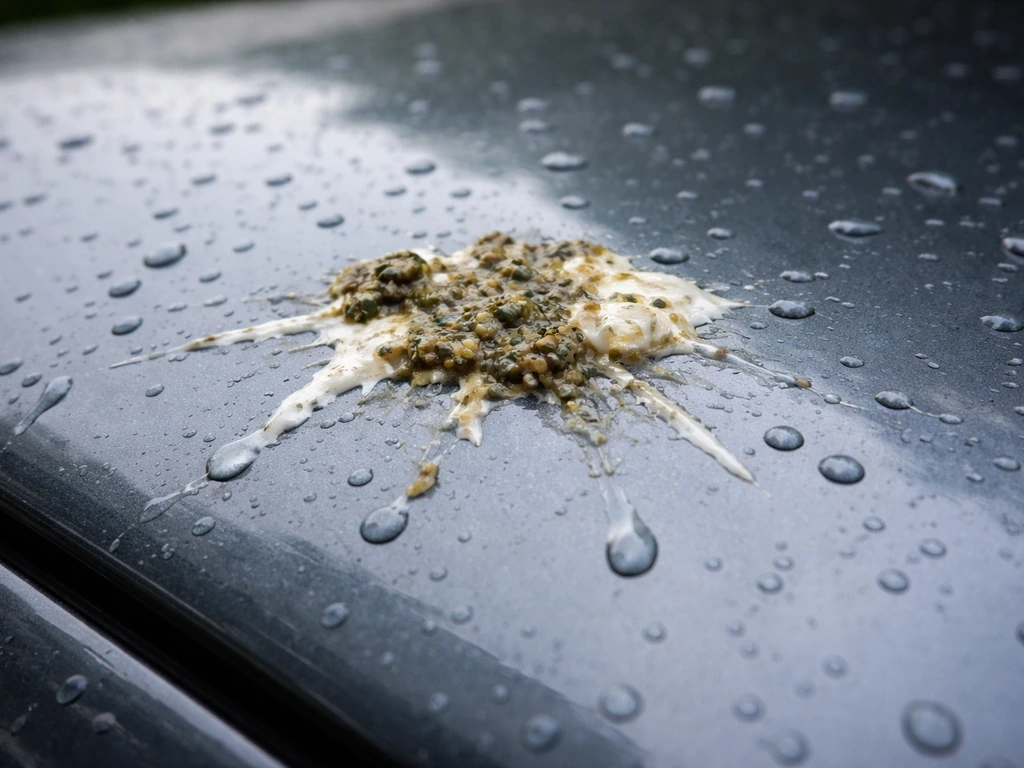
Bird poop can be good for plants, but not straight out of the sky. Fresh droppings dropped directly onto your vegetable garden or flower bed are more likely to burn plants and introduce pathogens than to help anything grow. Composted or aged bird manure, on the other hand, is genuinely useful fertilizer. The difference between "free garden booster" and "plant killer with a side of Salmonella" comes down almost entirely to how you handle it before it touches your soil.
Bird Poop Good for Plants? Benefits, Risks, Safe Use

Marcus Fielding
11 Jun 2026
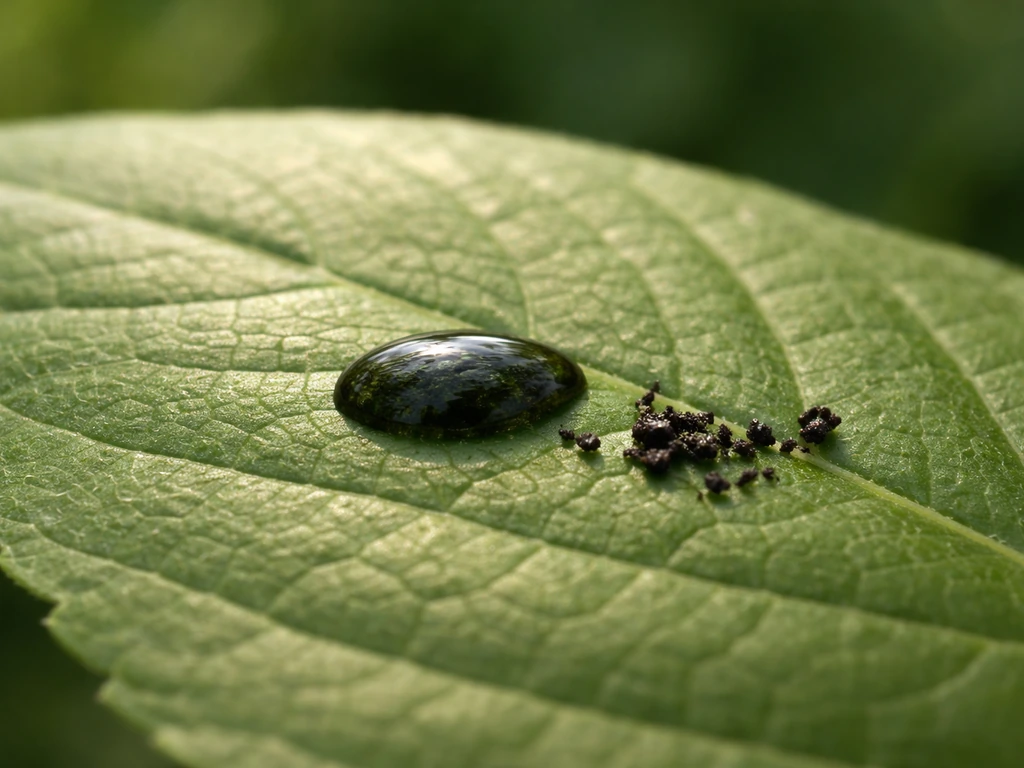
What's actually in bird droppings
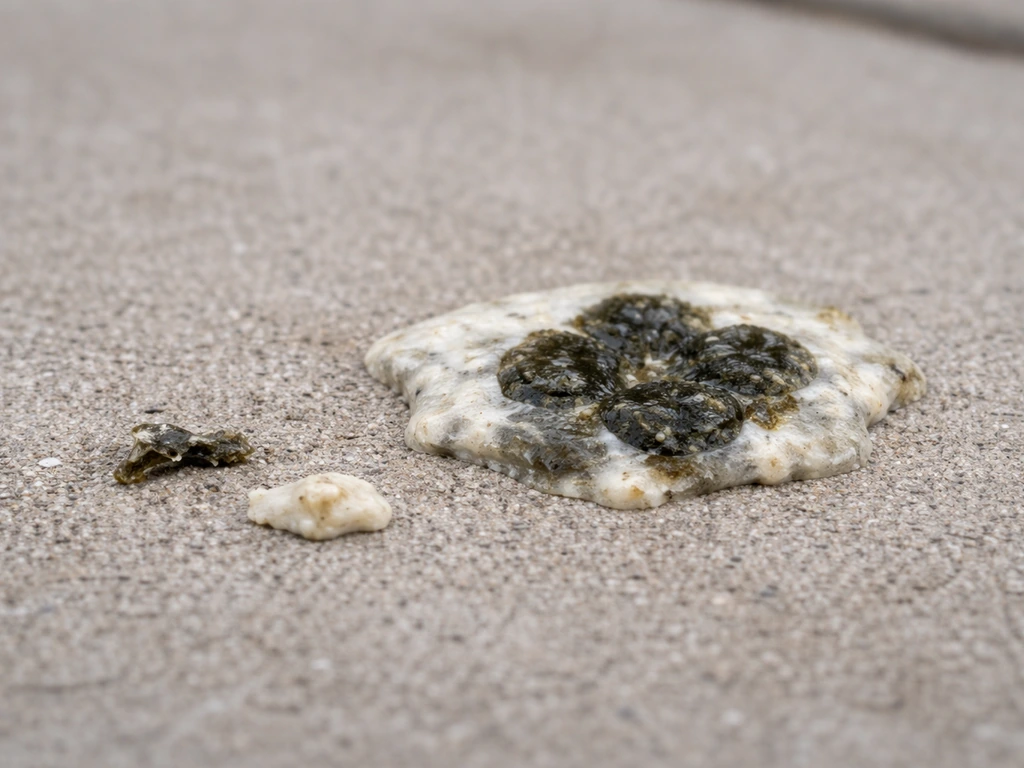
Bird droppings are a mix of solid fecal matter and urine (birds excrete both together), which is why they look the way they do: a dark center surrounded by white or off-white paste. The white part is uric acid, the bird equivalent of urea, and it's loaded with nitrogen. That's the same element that makes commercial fertilizers expensive, and it's genuinely present in useful concentrations in bird waste.
Beyond nitrogen, bird droppings also contain phosphorus (P) and potassium (K), the other two pillars of standard plant nutrition. Poultry litter research from NC State Extension consistently shows these nutrients are present, sometimes in high concentrations. The trouble is that high concentration is a double-edged thing. Too much phosphorus or potassium in the soil doesn't just stop helping, it actively starts reducing crop yield and quality, and it can leach into nearby water. The nutrients are real, but they come packaged with salt load, uric acid, and often live pathogens.
The pathogens are worth naming directly. Bird droppings can carry E. coli, Salmonella, and Cryptosporidium, among others. This isn't rare or unusual, it's a known and documented risk that applies to wild bird droppings just as it does to chicken manure. This is the same reason the article on bird poop health risks matters: the safety concern isn't just about skin contact, it's about what can transfer to edible surfaces and soil.
Does bird poop fertilize plants or burn them?
Fresh bird droppings landing on a plant in a concentrated spot will often cause fertilizer burn. The mechanism is straightforward: uric acid rapidly breaks down into ammonium and ammonia, which raises the local nitrogen and salt concentration. High salt concentration draws water out of plant roots and leaf tissue through osmosis, causing the wilting and brown-edged damage you see with fertilizer burn. It looks like the plant got scorched, and in a chemical sense, it kind of did.
A single bird dropping on a large established tree? Probably nothing noticeable. A thick coating on seedlings, on leaves, or repeatedly in the same spot on a small plant? Real burn risk. The size of the bird, the plant, and the frequency all matter. Heavy accumulations on ornamental plants or a garden bed from a roosting flock are the scenarios where plant damage becomes likely.
Rain or irrigation helps a lot. When droppings get diluted quickly by water and worked into a volume of soil, the salt and nitrogen concentration drops to a safer level. The problem is that same rain event can also splash contaminated material onto edible leaf surfaces, which is a food safety issue covered more in the section below.
Can you use it on gardens and vegetables safely?
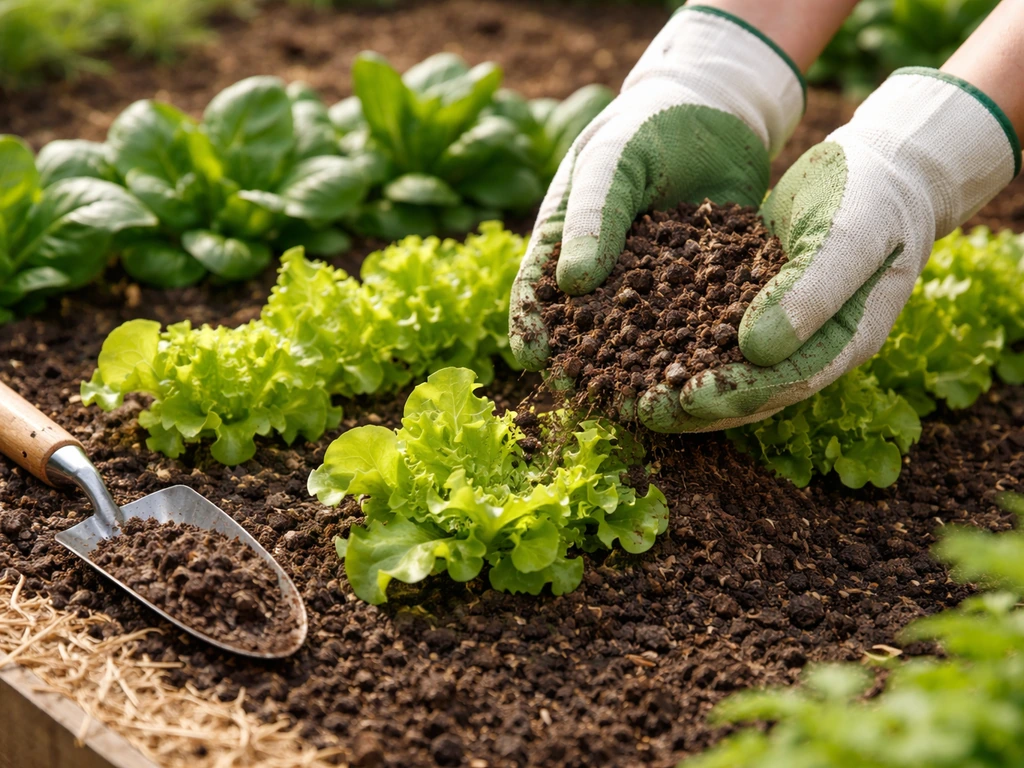
The short answer for vegetables and herbs: only if it has been properly composted, and even then, timing matters. National Organic Program guidelines (referenced by both Virginia Tech and Illinois Extension) set clear waiting intervals for raw manure applied near food crops: 120 days before harvest for crops that grow in or on the soil (like carrots or lettuce), and 90 days for crops consumed without cooking. These aren't arbitrary bureaucratic numbers, they're based on how long it takes for pathogen populations to die off under field conditions.
For ornamentals, shrubs, and lawn areas where people and pets won't be eating anything, the risk profile is lower and you have more flexibility, especially with composted material. But "more flexibility" doesn't mean "anything goes." Kids play on lawns. Dogs eat things off the ground. The bird poop problems related to pet exposure are real, and they're worth factoring into where and how you apply. If pets are involved, take extra care to prevent contact and wash up well after cleanup to avoid bird poop problems.
- Never apply fresh, uncomposted bird droppings directly to vegetable beds, herb gardens, or any food crop
- Apply composted bird manure to food garden soil at least 90 to 120 days before harvest, depending on the crop
- For ornamentals and non-edible areas, composted material is generally safe when worked into soil (not left on the surface)
- Avoid applying anything near the base of leafy greens where splash contact with soil is likely
- Do not apply any bird-derived material to seedling trays or young starts with open, close-contact root zones
How to compost and age droppings the right way
If you have backyard chickens, a bird aviary, or you're collecting droppings for some reason, composting is the process that turns a pathogen-loaded raw material into something genuinely safe and useful. The key variable is heat. Penn State Extension is clear: you need to sustain compost temperatures at or above 131°F (55°C) for at least three consecutive days to achieve meaningful pathogen reduction. OSU Extension adds that a well-built pile should hit 130 to 160°F within 24 to 36 hours of building or turning.
Reaching that temperature once isn't enough. The outside of the pile stays cooler than the center, so any material that hasn't cycled through the hot zone can still harbor live organisms. USU Extension recommends at least two full heat cycles, with turning between them, to make sure material from the pile's edges moves through the hot center. WSU Extension puts it plainly: if you can't maintain high temperatures consistently, allow one year or longer before using the compost near food crops.
- Build a compost pile with bird droppings, carbon-rich material (straw, wood chips, dry leaves), and enough moisture so it feels like a wrung-out sponge
- Monitor temperature with a compost thermometer; you're targeting 131°F (55°C) or higher
- Sustain that temperature for at least 3 consecutive days
- Turn the pile to move outer material to the center, then let it reheat to 131°F again
- Repeat for at least two full heat cycles
- If you can't achieve or sustain those temperatures, let the pile age for 12 months before using near food crops
Which plants benefit and which ones to avoid
Once composted properly, bird manure compost works well on nitrogen-hungry plants like lawns, corn, leafy ornamentals, and fruit trees. It also benefits shrubs and perennials when worked into soil in fall or early spring. For these applications, composted bird manure is a legitimate, nutrient-dense soil amendment, and there's nothing wrong with using it.
| Plant/Use Type | Composted Bird Manure | Fresh/Raw Droppings |
|---|---|---|
| Ornamental shrubs and trees | Good, apply to soil | Avoid concentrated deposits |
| Lawn grass | Good, rake in lightly | Risk of burn and pathogen tracking |
| Vegetable beds (root/soil crops) | OK with 120-day pre-harvest window | Never |
| Leafy greens and herbs | OK with 90-day pre-harvest window, no splash contact | Never |
| Potted indoor plants | Small amounts in potting mix only | Never |
| Seedlings and starts | Avoid until established | Never |
Timing within the season matters too. Applying composted bird manure in fall gives it months to further integrate into soil before spring planting. Spring applications to food gardens should respect the 90 to 120 day rule from application to harvest. Don't apply right before planting and assume you're fine.
Cleaning up bird poop that's already on your plants or outdoor surfaces
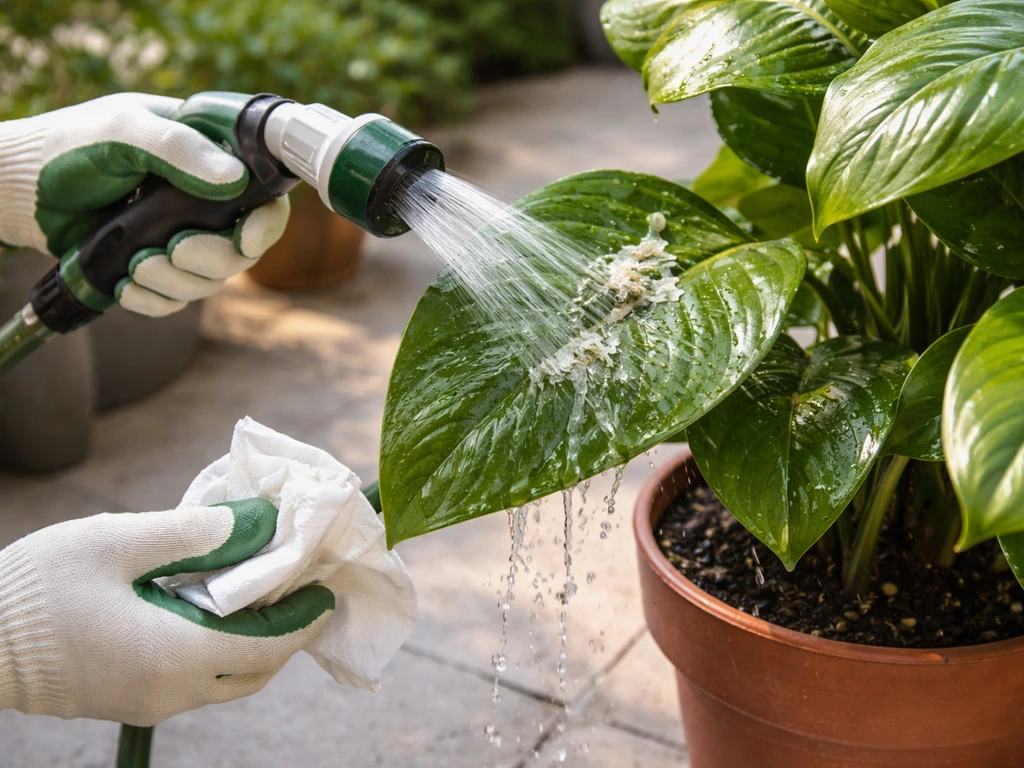
If droppings have landed on plant leaves, rinse them off with water as soon as you notice. If bird poop gets in your eye, rinse it out right away and consider medical care if you have pain, redness, or trouble seeing bird poop in eye what to do. If you’re dealing with bird poop stuck on the anus, the safest move is to prioritize gentle cleaning and consider medical advice if there’s pain or irritation.
For edible plants like lettuce or herbs, use clean water and wash thoroughly. A few droppings on a tomato leaf are not an emergency, but you don't want to leave them sitting there through rain events that could splash material onto the parts you eat. NYC Health notes that routine cleanup of small amounts doesn't pose a serious risk for most healthy people, but basic precautions still apply.
Bird poop health risks also matter when you handle droppings directly or disturb dried material.
For droppings on hard surfaces like patio furniture, fences, or garden beds near edible crops, WSU Environmental Health and Safety recommends wetting them down first with a disinfectant solution before wiping or scraping. This wetting step is important because dried droppings release fine particles when disturbed, and those particles can contain live pathogens that you don't want to inhale or get on your hands. Illinois Department of Public Health makes the same recommendation: wet it down first, then clean with soap and water.
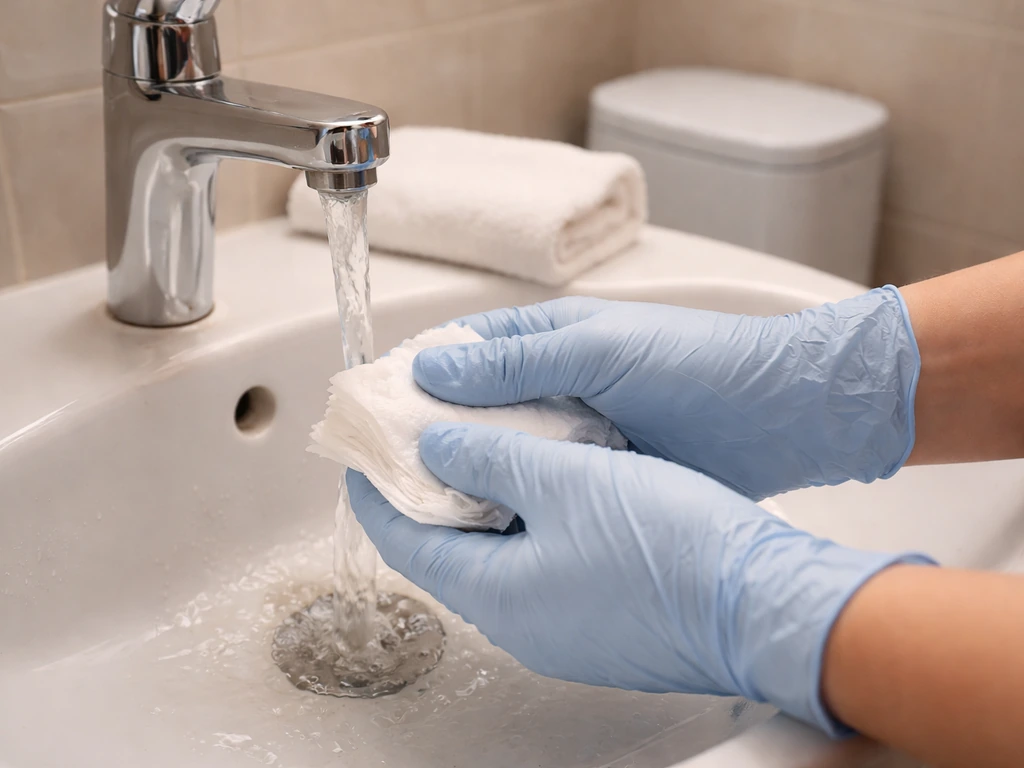
- Wear gloves when handling anything with bird droppings on it
- Wet dry droppings with water or a diluted disinfectant before wiping or scraping to avoid raising dust
- Wash hands thoroughly afterward with soap and water
- Rinse edible plant leaves that had contact with droppings before consuming
- For large accumulations (a roosting area, a shed floor covered in droppings), treat this as a more serious cleanup requiring a mask, gloves, and potentially professional help
- Don't compost droppings mixed with soil from contaminated edible crop areas without proper high-temperature treatment
If a pet has rolled in or eaten bird droppings, that's a different concern that overlaps with broader bird poop health risks for animals. Wipe down the pet, wash your hands, and monitor for any GI symptoms if ingestion occurred. Cryptosporidium and Giardia can persist in the environment for extended periods, especially in moist conditions, so don't assume a brief exposure was harmless if your pet shows signs later.
The good luck myth versus what actually works in a garden
The idea that bird poop landing on you (or your car, or your head) is good luck is genuinely widespread across cultures, and it's kind of charming. The logic probably traces back to the observation that bird droppings near nesting areas seemed to make things grow, or to the general folk association between birds and fortune. There's nothing wrong with enjoying that framing if a pigeon scores a direct hit on your new jacket.
What the superstition doesn't do is tell you anything useful about safe gardening. A random dropping landing on your raised bed is not a gift from the universe. It might be carrying Salmonella. bird poop health risks Salmonella. The real-world gardening truth is more nuanced: the nutrients in bird waste are legitimate, the safety hazards are also legitimate, and the gap between the two is bridged by composting. If you want the fertilizer benefit without the risk, compost it properly and apply it with the right timing. That's the unglamorous version of bird-poop good luck, and it actually works.
If bird poop isn't a reliable option, here's what to use instead
If composting isn't realistic for your situation or you don't have a reliable source of bird droppings, don't worry about it. Bagged organic fertilizers made from composted chicken manure are widely available at garden centers, have already gone through the temperature treatment, and list nutrient ratios on the label so you're not guessing. They're a completely reasonable substitute and come without the variable pathogen load of whatever the pigeons on your roof have been eating.
For nitrogen-heavy needs (leafy plants, lawns), blood meal or feather meal are concentrated options. For balanced nutrition, a general-purpose organic granular fertilizer works well for most home gardens. These aren't inferior to composted bird waste, they're just more predictable. And predictable, in gardening, usually wins.
FAQ
Can I use bird poop straight on my soil if it’s only a little bit?
A tiny amount on a fully established, non-edible tree might not harm plants, but it still carries pathogen and splash risk. If it’s near vegetables, herbs, or anything you eat raw, the safer rule is to avoid raw droppings entirely and use only properly composted material (or a labeled fertilizer made from composted manure).
What’s the safest way to handle bird droppings if they end up on raised beds?
Do not scrape or shake dry material. Wet the area first with a disinfectant solution, then wipe or remove and clean with soap and water. If the dropping is on top of soil where you may plant soon, consider removing the top layer you disturbed and keep it away from food crops.
How can I tell if my compost is actually hot enough and finished enough?
Temperature tracking matters, use a compost thermometer and record that the pile maintained at least about 131°F (55°C) for three consecutive days. Also ensure at least two heat cycles with turning, because the outer pile can stay too cool and still contain viable organisms.
Is composted bird manure safe to use on lettuce, herbs, and crops grown in containers?
It can be, as long as the composted material meets the heat treatment requirements and you respect the wait interval from application to harvest (the 120-day rule for crops that grow in or on the soil, and 90 days for foods eaten without cooking). For containers, still follow the same timing since water splash and soil contact are similar to beds.
Do rain and watering make bird poop on leaves safe to eat later?
Rain helps reduce burn risk by diluting and moving salts into soil, but it does not reliably make food safe. Pathogens can move via splash to edible surfaces, so treat leaf droppings as a food-safety issue, rinse promptly and wash thoroughly before eating.
Can I rinse bird droppings off fruit trees or vegetables after they land?
For leaves, rinse with clean water as soon as you notice. For fruit that’s already in contact with droppings or contaminated splash zones, the safer approach is to follow strict wash and timing practices, and avoid eating damaged or heavily contaminated produce. If it was near harvest, consider waiting out the appropriate interval.
Should I wear gloves and a mask when cleaning dried droppings?
Yes. Dried droppings can release fine particles when disturbed, which increases inhalation and hand contamination risk. Gloves plus wetting the material first, then washing hands and tools afterward, is the practical “risk-reduction” combination.
How long should I wait before planting after adding composted bird manure to a bed?
Follow the same interval concept as for raw-manure timing, based on whether the crop grows in or on the soil and whether it’s eaten cooked or raw. Even if the compost was heat-treated, avoid “immediate planting” right after application for food crops to stay conservative.
Is bird poop fertilizer safe for lawns and ornamental beds where pets play?
The plant nutrition risk is lower once composted, but pet exposure risk remains. Prevent direct contact after application (for example, keep pets off until the material is integrated and the surface is dry), and wash hands after cleanup because pets can track material.
What should I do if my pet ate bird droppings?
Wipe down the pet and wash your hands, then monitor for gastrointestinal symptoms. Because some pathogens persist longer in moist environments, seek veterinary guidance if symptoms appear or if you know the droppings were fresh and in a higher-risk area.
Are pellets or store-bought “bird manure” products better than collecting wild bird droppings?
Usually yes, because properly produced bagged organic fertilizers are typically processed and standardized. Choose products made from composted manure and follow label application rates, which avoids the common mistake of overapplying and creating nutrient salt imbalances.
Can I use bird poop compost near crops that will be eaten raw, like herbs?
You can, but only if it’s properly composted and you respect the shorter waiting interval for foods not cooked (the guideline concept is 90 days for raw consumption). Also keep application methods clean to reduce splash or transfer onto harvestable parts.