Rinse your eye with clean, lukewarm water or sterile saline right away, and do it for at least 15 minutes. That's the single most important thing you can do in the next few seconds. Don't rub it, don't try to pick anything out, and don't reach for any random drops from your medicine cabinet. Just get to a sink, tilt your head so the affected eye is down, and let water flow gently across the open eye from the inner corner outward. Most of the time, a thorough rinse is all you need and you'll feel fine within an hour or two. But there are specific symptoms that mean you should get checked out, and this guide walks you through all of it.
Bird Poop in Eye: What to Do Right Now and Next

Marcus Fielding
9 Jun 2026
First aid steps: what to do right now
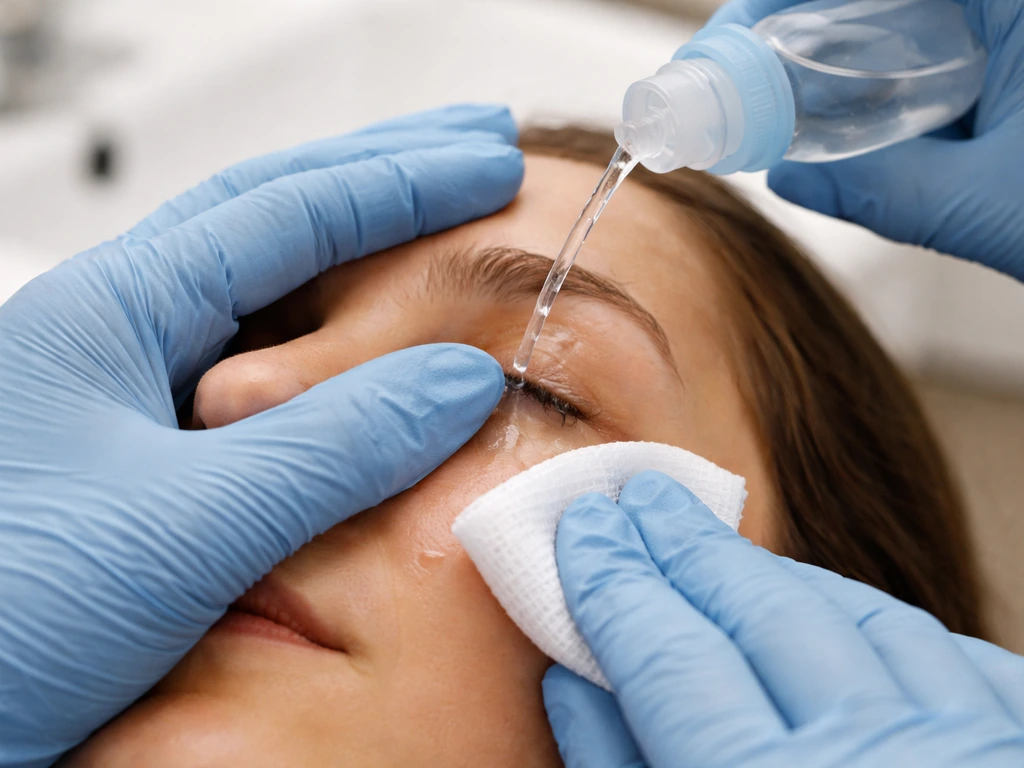
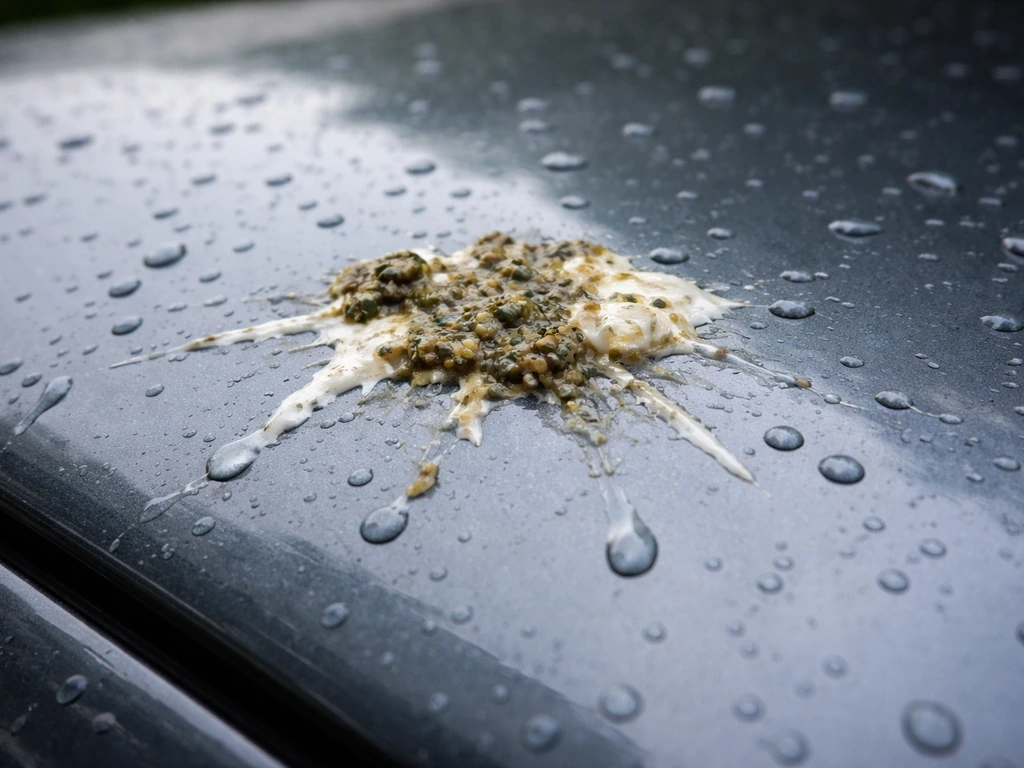
Bird droppings are fecal matter, so treat this the same way you'd treat any fecal splash near your eye. The goal of first aid is to flush the material out before it has any extended contact with your eye's surface. Here's the order of operations:
- Resist the urge to rub. Rubbing can scratch the cornea or push material deeper into the eye.
- If you wear contact lenses, remove them as soon as possible, either before you start rinsing or while the water is already running. Don't leave lenses in during irrigation.
- Get to a sink, eyewash station, or any clean water source immediately.
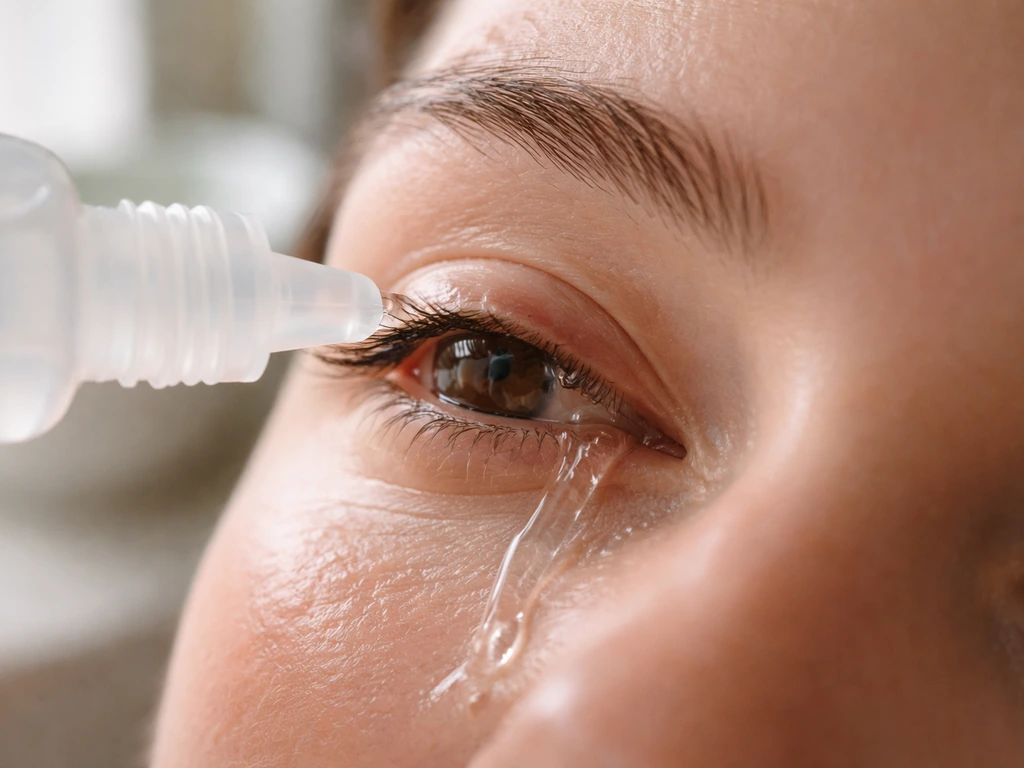
- Hold your eye open and let lukewarm water flow across it continuously for at least 15 to 20 minutes. Tilt your head so the affected eye is lower and water runs from the inner corner outward, carrying debris away rather than toward the other eye.
- If you have sterile saline solution or a sealed eyewash bottle at home, use that instead of tap water when possible.
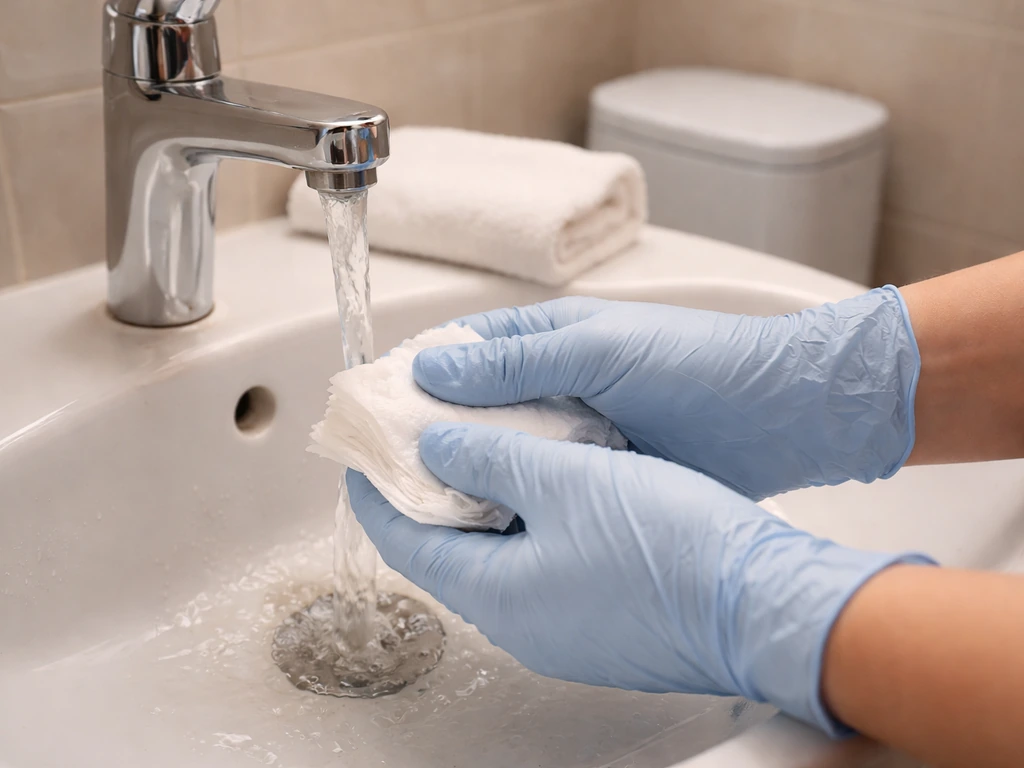
- After rinsing, wash your hands thoroughly before touching your face or eye again.
- Assess your symptoms. If everything feels normal after rinsing, monitor for the next 24 to 48 hours. If something feels off, keep reading the sections below.
Don't waste time looking for fancy remedies. The timer starts the moment the droppings hit your eye, and plain water or saline is exactly the right tool for the first response.
Rinsing vs wiping: why one works and one doesn't
Wiping feels instinctive but it's actually the worst thing you can do first. A tissue or finger drags the material across the eye's surface rather than removing it, and if there's any gritty particle in the dropping, you're essentially sanding your cornea. The eye's surface (the cornea) is delicate, and even small scratches, called corneal abrasions, are painful and take a day or two to heal.
Rinsing works because it physically dilutes and carries the contaminant away from the eye. The mechanical action of flowing water does the heavy lifting. You want a gentle but steady stream, not a forceful blast. Leaning over a sink and pouring water from a clean cup, using an eyedropper with saline, or simply letting a running faucet flow across the open eye all work well. If you're outside when it happens, a water bottle tipped slowly over the open eye is a reasonable substitute until you can get somewhere better.
One important note on contact lens wearers: tap water and droppings together are a bad combination because the FDA has specifically linked contact lens exposure to water with a risk of Acanthamoeba keratitis, a serious corneal infection. Get the lens out, rinse the eye, and discard that lens rather than trying to clean and reuse it. If you wear daily disposables, simply throw them away. If you wear extended-wear lenses, follow up with your eye doctor even if you feel fine.
When to get urgent care: the symptoms that matter
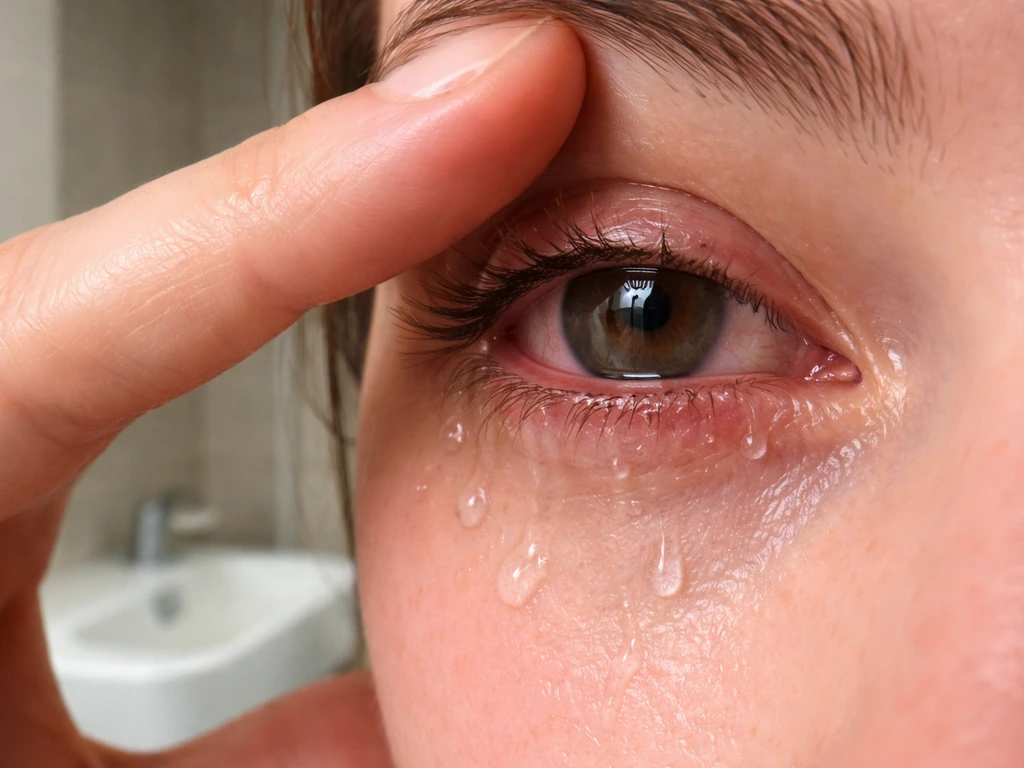
After a thorough rinse, most people experience mild temporary redness or a gritty feeling that fades within an hour. MedlinePlus Medical Encyclopedia recommends urgent medical attention for persistent eye pain, sensitivity to light (photophobia), redness, or any change in vision such as blurred or double vision mild temporary redness or a gritty feeling. That's normal. The eye is irritated, not infected. But certain symptoms after a bird dropping exposure warrant same-day or emergency evaluation, and you shouldn't wait overnight to see if they improve on their own.
Go to an urgent care clinic or eye emergency room the same day if you notice any of the following:
- Pain that persists or gets worse after rinsing, especially a sharp or burning sensation
- Sensitivity to light (photophobia), meaning light feels unusually painful or makes you want to close the eye
- Any change in vision, including blurring, double vision, or a new dark spot
- Sudden distortion in your visual field
- Discharge (yellow, green, or thick) developing within hours of the exposure
- Increasing redness rather than redness that gradually fades
- Visible particle or debris that didn't flush out and is still stuck on the eye surface
- You are a contact lens wearer and symptoms don't resolve quickly after lens removal and rinsing
The 24 to 48 hour window is a useful benchmark. A mild corneal abrasion from a gritty particle in the droppings typically improves significantly within that time frame with proper care. If things are not improving, or if they're getting worse at any point, that's your cue to stop monitoring and get evaluated.
Call ahead to an emergency eye clinic or visit an urgent care if no eye specialist is immediately available. Don't drive yourself if your vision is affected.
What bird droppings can (and realistically can't) do to your eyes
It's worth being honest here: a one-time splash of bird poop in a healthy eye is unlikely to cause a serious infection. If you keep running into bird poop problems outdoors, prevention and cleanup habits can make a big difference. While bird poop can be a fertilizer in some garden situations, it should never be used in ways that create eye or hand contact after you clean it up bird poop good for plants. The eye has natural defenses, and rapid, thorough rinsing removes most of the risk. The vast majority of these incidents end with mild irritation and nothing more. That said, bird droppings are a genuine biological contaminant, and it's worth understanding the realistic risk landscape without overdramatizing it.
Realistic risks worth knowing
Bird droppings can carry bacteria, fungi, and in rare cases viruses. The most commonly cited concerns are Histoplasma capsulatum (a fungus found in soil and droppings-contaminated environments), Chlamydia psittaci (the bacteria behind psittacosis), and in very specific circumstances avian influenza. For the eye specifically, the National Eye Institute notes that ocular histoplasmosis syndrome (OHS) can occur in people who've had a lung infection from Histoplasma. However, the CDC describes this as a fungus living in soil heavily contaminated with droppings over time, not something reliably transmitted by a single splash from a passing bird. The risk from one direct eye contact incident is low, though not zero.
Avian influenza is a separate, specific concern worth flagging briefly. The CDC notes that eye redness, tearing, and irritation are potential symptoms in people exposed to birds infected with avian influenza viruses. If you were handling sick or dead birds around the time of the exposure, mention that history to a doctor.
What it almost certainly won't do
A single, random splash from a bird flying overhead is very unlikely to cause keratitis, a serious corneal infection, or any systemic illness on its own, especially if you rinse promptly. The bigger risks associated with bird droppings involve repeated or heavy exposure, aerosolized particles from dried droppings, or exposure in people with weakened immune systems. Direct eye contact from one incident sits in the "prompt rinse and monitor" category for most healthy adults, not the "medical emergency" category. That said, the eye is sensitive enough that you should always take symptoms seriously rather than guessing.
| Symptom after rinsing | What it likely means | What to do |
|---|---|---|
| Mild redness that fades within an hour | Normal irritation response | Monitor, no action needed |
| Gritty or foreign-body sensation that clears with rinsing | Particle flushed out | Monitor for 24-48 hours |
| Persistent or worsening pain | Possible corneal abrasion or retained particle | Seek same-day eye care |
| Light sensitivity | Possible corneal involvement or inflammation | Seek same-day eye care |
| Blurred or changed vision | Possible corneal or deeper eye issue | Seek urgent eye care immediately |
| Discharge developing within hours | Possible early infection | Seek same-day eye care |
| Redness that worsens rather than fades | Possible infectious or inflammatory reaction | Seek same-day eye care |
Aftercare: what to do once you've rinsed
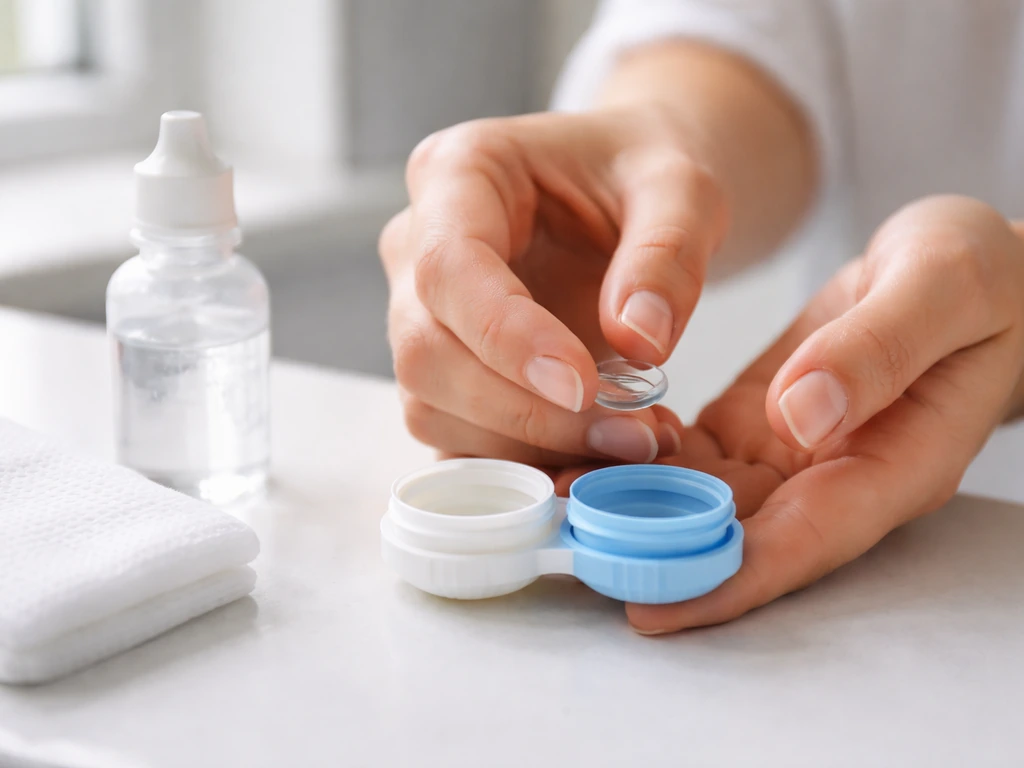
Once the eye has been thoroughly flushed, the main job shifts to monitoring. Here's how to manage the next 24 to 48 hours sensibly:
- Don't wear contact lenses until the eye feels fully normal. If you wore lenses during or just before the exposure, discard them and use a fresh pair or switch to glasses temporarily.
- Avoid rubbing your eye even after rinsing. Your hands carry their own bacteria and rubbing prolongs irritation.
- Use preservative-free artificial tears (available over the counter) if the eye feels dry or scratchy after rinsing. These are safe and soothing without introducing medication risks.
- Keep the area around your eye clean. If there's any dried material on your eyelid or lashes, clean it gently with a damp, clean cloth rather than dry-wiping.
- Wash your hands thoroughly after any contact with your face or eye area during recovery.
- Rest your eyes from screens if light sensitivity is present. This isn't medically essential but it makes you more comfortable.
- Check your symptoms at the 12-hour and 24-hour marks. Improvement is the expected trend. Stagnation or worsening means get evaluated.
Don't use prescription eye drops from a previous illness or leftover antibiotic drops without talking to a doctor first. Using the wrong drops can mask symptoms that a doctor needs to assess, and some medicated drops aren't safe to use without a current diagnosis.
How to avoid this happening again
Bird poop in the eye is one of those accidents that seems unlikely until it happens to you, and then it suddenly seems very plausible that it'll happen again. A few practical habits go a long way toward preventing repeat incidents.
Protecting your eyes outdoors
Sunglasses are genuinely protective, not just stylish. Wearing wraparound or close-fitting sunglasses in areas with high bird activity, like parks, boardwalks, coastal areas, or anywhere with roosting birds overhead, gives your eyes real physical protection. Safety glasses or goggles are worth wearing any time you're cleaning up dried bird droppings, since dry droppings can become airborne particles when disturbed, and those particles carry the same biological risks as fresh material.
Cleaning droppings safely
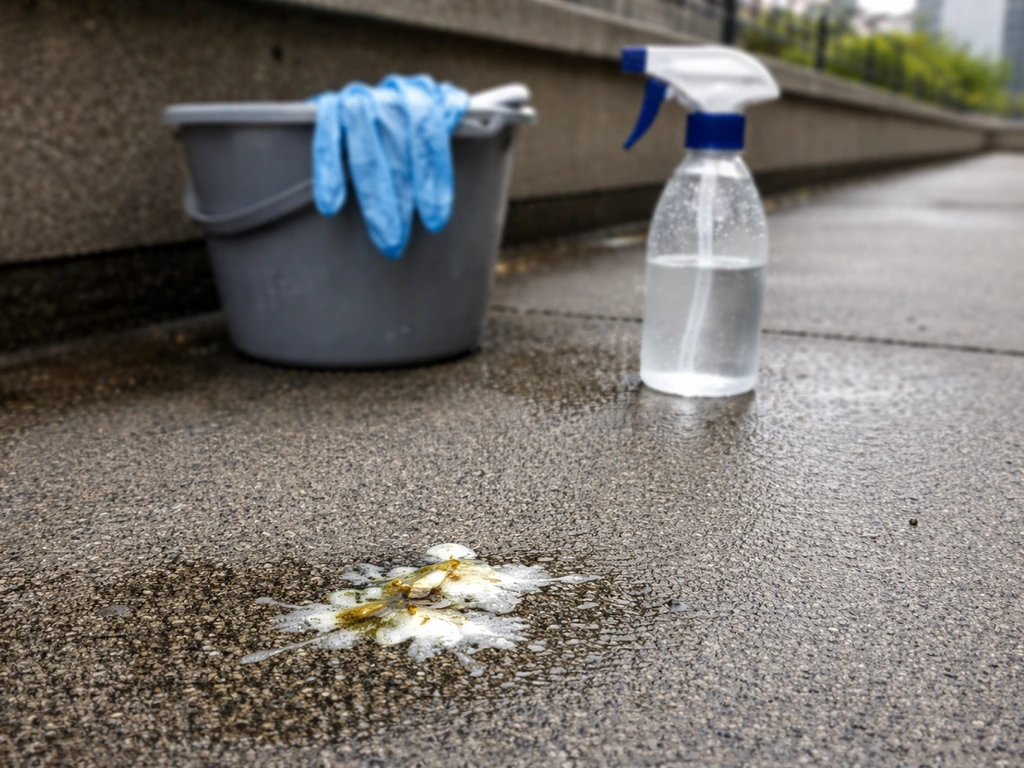
If you're regularly dealing with bird droppings, whether on a car, a balcony, or around a bird feeder, handle the cleanup carefully. Wet the droppings before you wipe them to prevent aerosolization, wear gloves, and wash your hands thoroughly after. This same idea of not rubbing and rinsing applies when bird poop is stuck on feathers during cleanup bird poop stuck on feathers. Don't scrub aggressively in a way that sends particles into the air near your face. Eye protection during cleanup is a sensible precaution, especially in enclosed spaces or with heavy accumulation. The broader health risks of bird droppings are well documented, so it's worth approaching cleanup with basic protective habits in place.
Keeping an eyewash kit handy
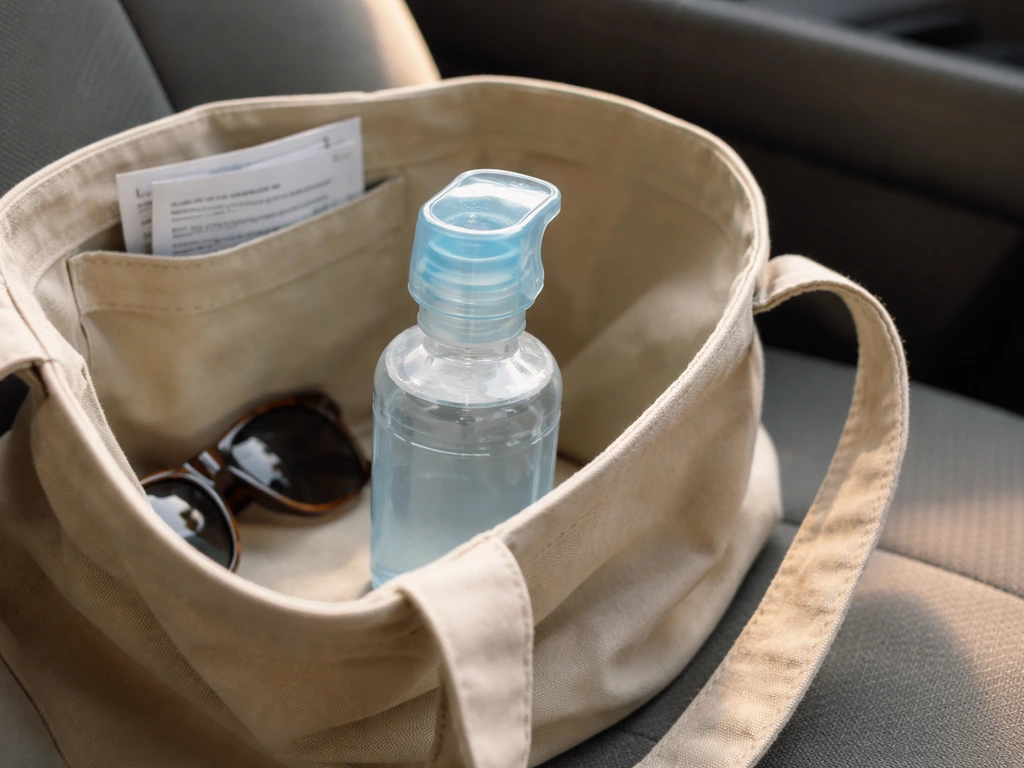
Portable sterile eyewash bottles are inexpensive and available at most pharmacies. Keeping one in your bag, car, or workplace means you're not scrambling for a sink in the first critical minutes after an eye exposure. Sterile saline is gentler than tap water and sidesteps the concern about water quality. If you work outdoors or around birds regularly, this is a genuinely useful thing to own. The key detail is that sealed, commercial eyewash is sterile, whereas homemade saline or distilled water sitting in a bottle at home is not, and the FDA specifically advises against using non-sterile solutions for eye care.
The bottom line is that bird poop in the eye is unpleasant and worth taking seriously in the moment, but it's manageable with fast, calm action. Rinse thoroughly, remove contacts, resist the urge to rub, and watch your symptoms over the next day or two. Most people come through this just fine with nothing more than a brief "that was disgusting" moment. If your symptoms say otherwise, trust them and get checked out. If bird poop gets stuck there, you may be looking for step-by-step guidance for cleaning it safely bird poop stuck on anus pictures.
FAQ
Can I use tap water instead of sterile saline or lukewarm water if that is all I have right now?
Yes, if that is what you have immediately. The article’s main point is to flush for at least 15 minutes, using a gentle stream. If tap water is your only option, rinse right away and follow up with sterile saline if you can get it soon, especially if you wear contact lenses or if you are in an area where tap water quality is uncertain.
Should I rinse with my eyelid closed or open?
Keep the eye open so the flowing water can wash across the surface from the inner corner outward. If it is too painful to hold open, aim for gentle rinsing and blink naturally while water flows, then try to keep it open for as long as you can during the 15-minute rinse.
What if my vision is blurry after rinsing, does that mean I should go to the ER right away?
Blur can happen from irritation or leftover particles, but persistent blurry vision is a red flag. If vision does not clear after the rinse or keeps worsening, seek same-day urgent care or an eye emergency evaluation rather than waiting overnight.
Do I need to use eye drops like antibiotic or “get-the-infection-out” drops after rinsing?
Usually no. After the rinse, focus on monitoring rather than self-treating. The article also warns not to use leftover prescription drops or random medicated drops because they can mask symptoms and some are not safe without a current diagnosis.
Is it okay to wear makeup after bird poop gets in my eye?
Avoid makeup until the eye is fully comfortable and redness has resolved. Eye makeup and brushes can reintroduce contaminants and make it harder to tell whether symptoms are improving. Replace mascara or eyeliner you applied around the time of the exposure if it touched your eyelids.
What should I do if I can still feel something gritty after the 15-minute rinse?
Do not try to pick anything out. Continue gentle irrigation if you still suspect residue, and if gritty pain or symptoms persist beyond the initial period, get evaluated to rule out a corneal abrasion. A corneal abrasion often needs professional confirmation and guidance.
How soon should I remove contact lenses, and what should I do with them afterward?
Remove them immediately after the initial rinse process begins or as soon as you can safely do so. The article specifically advises discarding the lens rather than trying to clean and reuse it, because tap water plus lenses has been linked to a serious infection risk.
If I had to rinse with a dirty cup or bottle, does that make things worse?
Try to avoid using questionable containers going forward, but a single rinse is still the priority. The key decision is to get adequate flushing for at least 15 minutes. After the rinse, seek medical care sooner if symptoms become severe or do not improve as expected.
Should I cover my eye with a patch to protect it from light?
Avoid taping or patching the eye unless a clinician tells you to. Patching can reduce blinking and comfort but may complicate evaluation and can interfere with natural tear clearance. If light is uncomfortable, use sunglasses instead.
How long should I expect redness or tearing to last after a proper rinse?
Mild temporary redness and a gritty sensation that fades within about an hour is typical, per the article. If symptoms are not improving within 24 to 48 hours, or if they worsen at any point, stop monitoring and get checked out.
Does the risk change if the droppings were dried or aerosolized from cleaning?
Yes. The article notes that bigger risks involve repeated or heavy exposure and aerosolized particles from dried droppings. If you were cleaning and particles likely became airborne and got into your eye, be more cautious and seek evaluation sooner if pain, light sensitivity, or persistent irritation occurs.
What if I am immunocompromised or have eye surface disease like dry eye or prior corneal injuries?
Take symptoms more seriously. The article indicates that repeated or heavy exposure and weakened immune systems increase risk. If you have an autoimmune condition, are on immunosuppressants, or have a history of corneal problems, consider same-day evaluation even if symptoms seem mild after rinsing.
When should I call a doctor versus just monitoring at home?
Call or seek care same-day if you have significant pain, light sensitivity, discharge, worsening redness, or any persistent change in vision. Otherwise, follow the 24 to 48 hour benchmark described in the article, and do not wait overnight if symptoms are not trending better.