Bird poop problems usually fall into one of a few buckets: something got splattered (your car, your patio, your head), you're worried about getting sick, or the birds just won't stop coming back. The good news is that most everyday exposures are low risk, cleanup is straightforward if you do it right, and deterring repeat visits is very doable. Here's exactly what to do depending on your situation.
Bird Poop Problems: What to Do Today, Safely

Marcus Fielding
31 May 2026
Why bird droppings cause problems in the first place
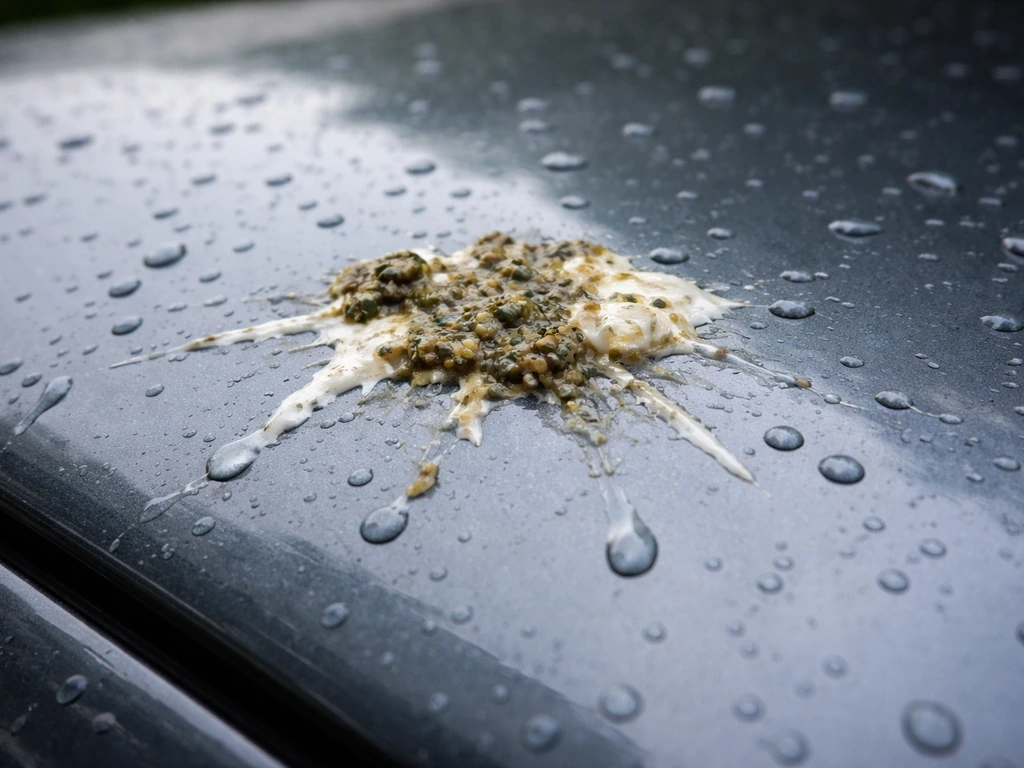
Bird droppings aren't just gross, they're genuinely corrosive, potentially hazardous in large quantities, and attract birds right back to the same spot if you don't clean up properly. The white, chalky part of a dropping is uric acid, which is not very water-soluble. That's why it bonds to surfaces so stubbornly and why it can etch car paint, corrode metal, and stain fabric if left to sit. On top of that, dried droppings turn into fine dust easily, and that's where health concerns come in: fungal spores and bacteria can become airborne when the dry material gets disturbed.
Large accumulations (think: a rooftop under a pigeon roost, a barn ceiling, or an old attic) represent a different category of problem than the single splat on your windshield. Volume matters a lot here. The more dried material, the more risk of inhaling contaminated dust, and the more likely you're dealing with something that warrants real protective gear rather than a paper towel.
Health risks and disease transmission basics
Let's be clear about what the actual risks are, because there's a lot of unnecessary panic and an equal amount of careless dismissal. If you want a deeper breakdown, see our full guide on bird poop health risks. The real threats come from inhaling aerosolized material from dried droppings, not from casual skin contact.
The three disease risks most associated with bird droppings are histoplasmosis, cryptococcosis, and psittacosis. Histoplasmosis is caused by a fungus (Histoplasma) that lives in soil contaminated with bird or bat droppings. You breathe in the spores when disturbing that contaminated material. Cryptococcus neoformans, which causes cryptococcosis, can similarly be inhaled from contaminated soil, wood, or droppings. Psittacosis is a bacterial respiratory illness you can get by breathing in dust from dried droppings or secretions from infected birds, the CDC specifically flags this as the most common transmission route. Aspergillus is another fungal concern associated with pigeon droppings and roosts.
Here's the reassuring part: the NYC Department of Health states that routine cleaning of a small amount of droppings, like off a windowsill, does not pose a serious health risk to most healthy people. The risk is real but context-dependent. It rises sharply with larger accumulations, with activities that generate dust (sweeping, scraping), and for people with compromised immune systems, underlying lung conditions, or HIV/AIDS, who face much higher risk of severe disease.
The CDC notes that persons at higher risk include those using immunosuppressive medications and people with underlying risk factors, such as certain chronic lung diseases, and that some activities increase exposure by disturbing contaminated material. If you're immunocompromised, you should not be cleaning up droppings yourself, full stop.
| Disease | Cause | How you get it | Who's most at risk |
|---|---|---|---|
| Histoplasmosis | Histoplasma fungus | Inhaling spores from disturbed contaminated soil/droppings | Immunocompromised, chronic lung disease, anyone disturbing large accumulations |
| Cryptococcosis | Cryptococcus neoformans fungus | Inhaling from contaminated droppings, soil, or wood | Immunocompromised individuals |
| Psittacosis | Chlamydia psittaci bacteria | Inhaling dust from dried droppings or bird secretions | Pet bird owners, poultry workers, anyone exposed to infected birds |
| Aspergillosis | Aspergillus fungus | Inhaling spores from contaminated environments/droppings | Immunocompromised individuals |
Bird poop health risks are covered in much more depth as a dedicated topic on this site, but the practical takeaway here is simple: don't dry-sweep or scrape dried droppings, wet them first, and always wash your hands afterward.
Safe cleanup: what to do immediately and what to avoid
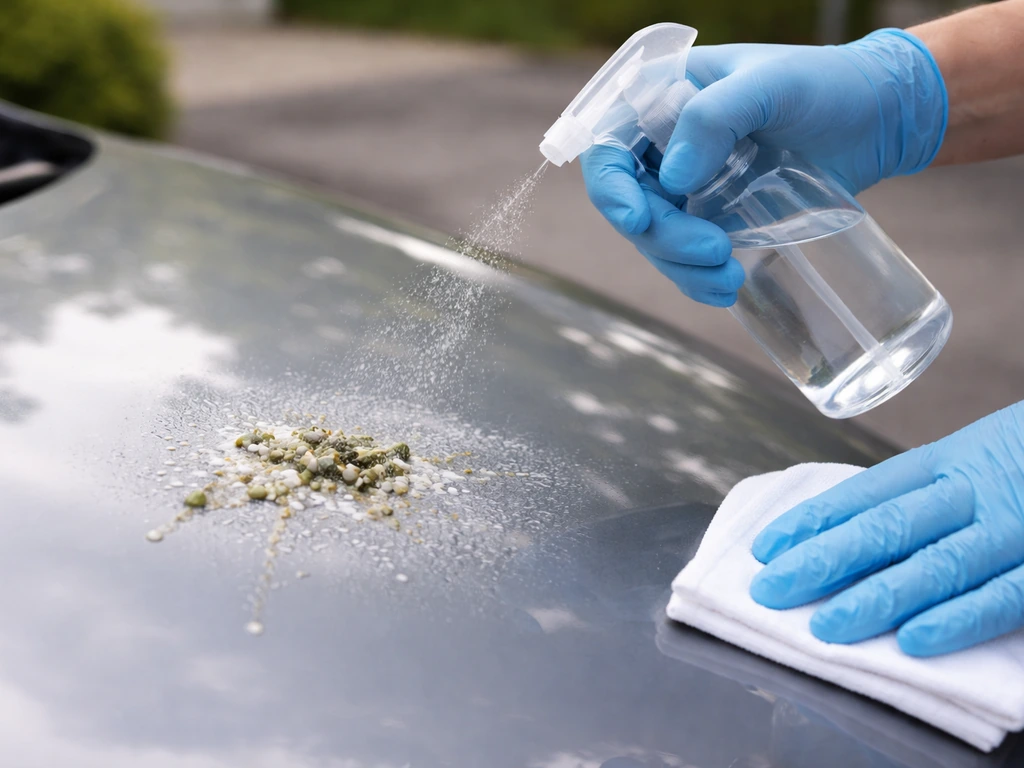
The single most important rule in cleanup is this: never dry-sweep, scrape, or vacuum dry bird droppings without wetting them first. Doing so kicks microscopic fungal spores and bacteria into the air where you can breathe them in. This applies whether you're cleaning a car, a balcony, a sidewalk, or a rooftop.
For a small cleanup (windowsill, patio chair, car)
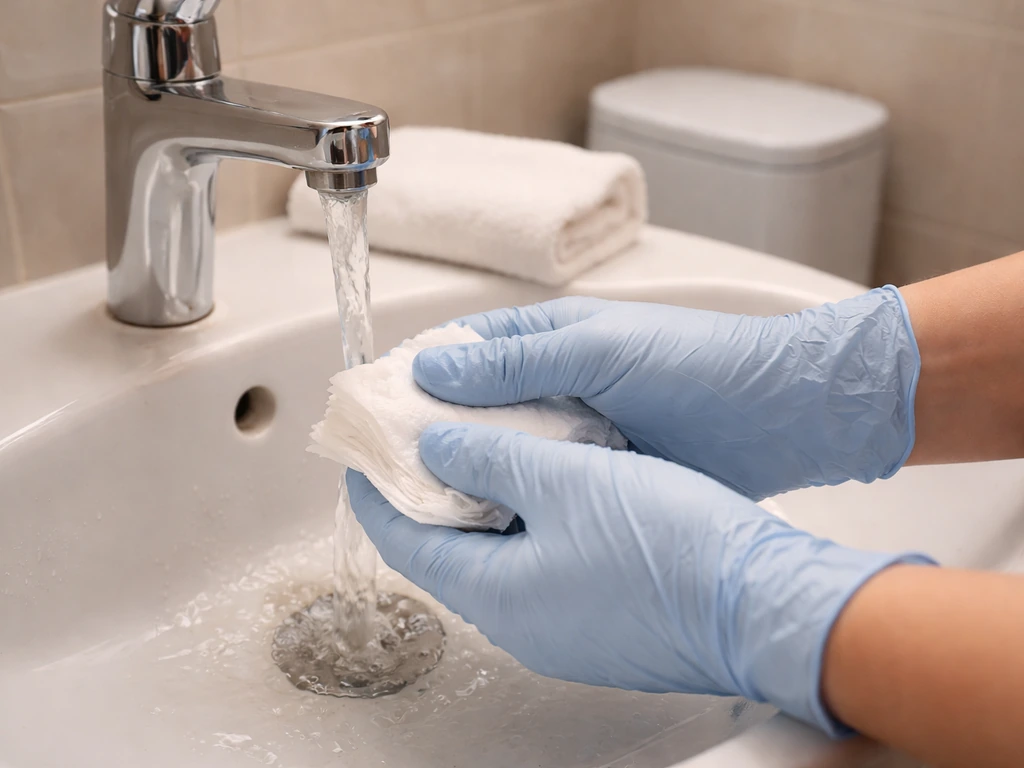
- Wear disposable gloves. Non-latex gloves work fine.
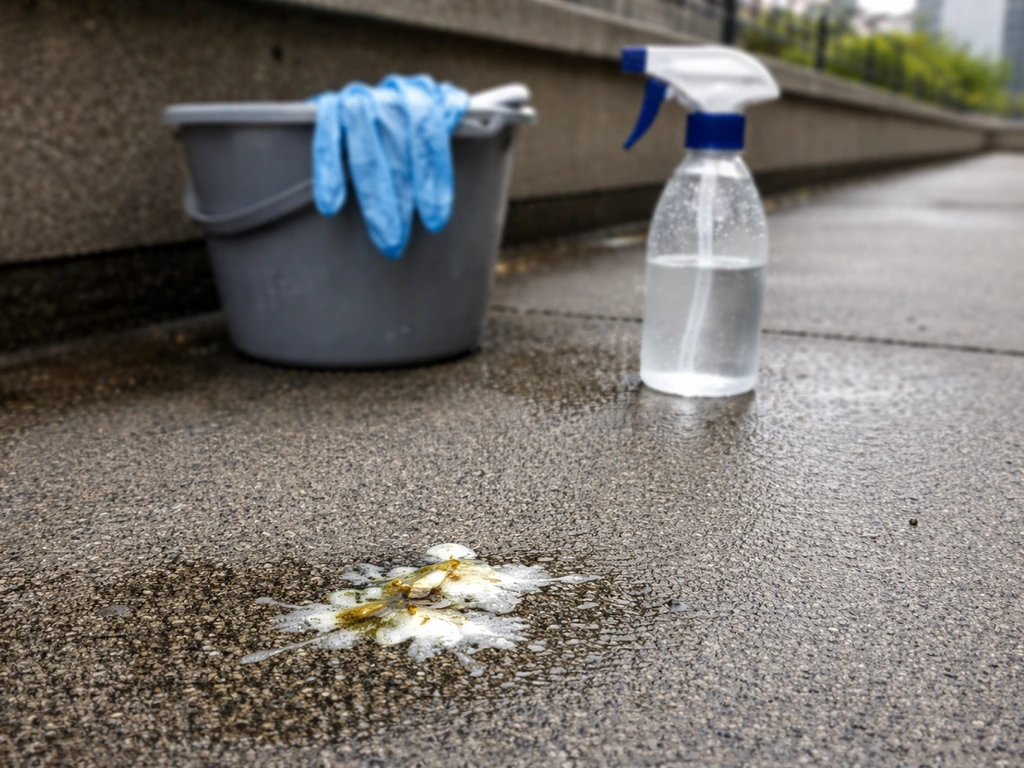
- Wet the droppings thoroughly with water or a diluted disinfectant solution before touching them. A spray bottle works well. Let it soak for a minute.
- Wipe up with a damp paper towel or disposable rag. Don't scrub dry material.
- Bag and seal the used towels/gloves immediately.
- Wash the surface with soap and water or an appropriate cleaner.
- Wash your hands with soap and water for at least 20 seconds. If soap isn't available, use a hand sanitizer with at least 60% alcohol as a temporary measure until you can wash properly.
For a larger cleanup (rooftop, attic, barn, heavy accumulation)
This is a different situation and deserves more caution. Washington State University's Environmental Health and Safety guidelines recommend a NIOSH-approved respirator with HEPA filter cartridges, non-latex gloves, eye protection, and disposable coveralls with shoe coverings. NYC Health recommends soaking the droppings with water before removal to minimize dust, and NIOSH specifically advises adding a surfactant (dish soap works) to the water to further reduce aerosolization. After the material is thoroughly wet, clean it up with a mop, sponge, or rag soaked in disinfectant.
- Never use a high-powered blower or dry shop vacuum on large accumulations—this is one of the fastest ways to aerosolize contaminated material
- No dry sweeping or dry scraping under any circumstances
- Don't mix bleach with ammonia-based cleaners—the fumes are toxic
- Disinfectant fogging is not recommended by the CDC as a standard cleanup method
- If you're immunocompromised, hire a professional service rather than doing it yourself
How to remove bird poop from common surfaces
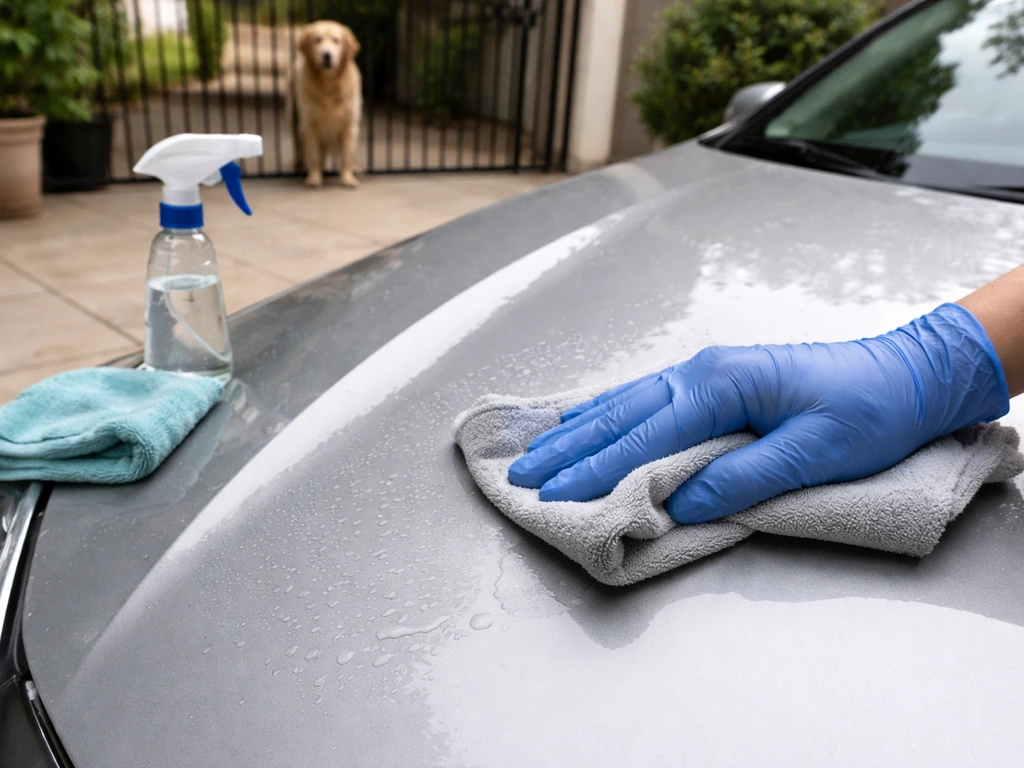
Car paint
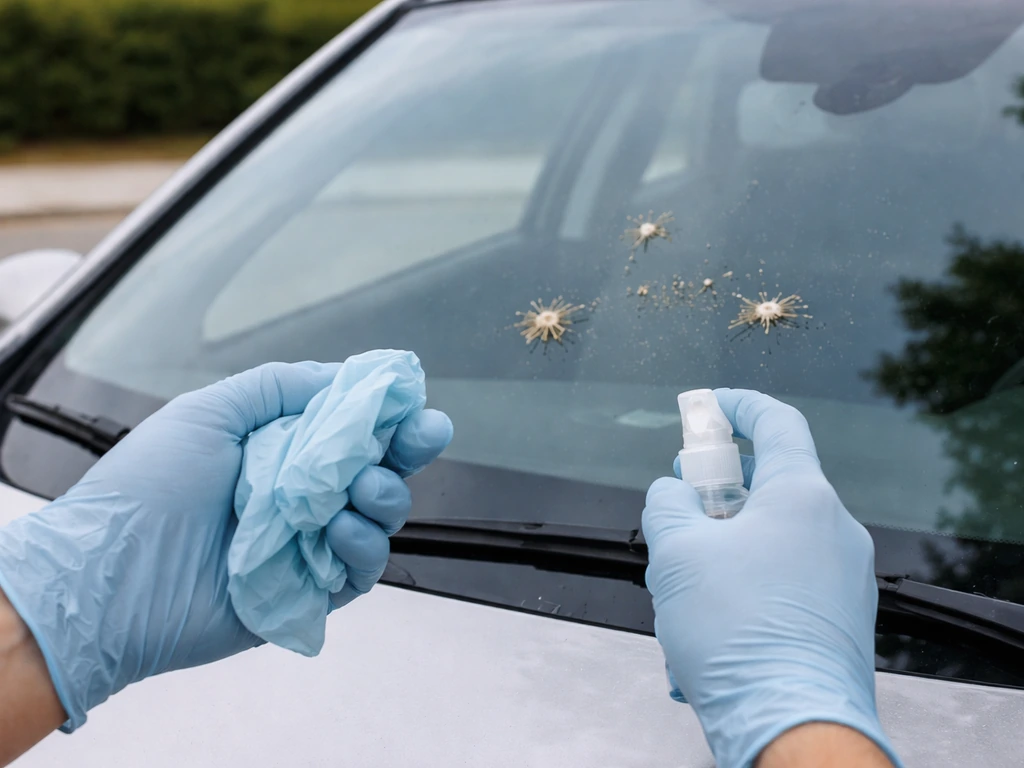
Car paint is probably the most time-sensitive surface. Uric acid will begin etching clearcoat within hours in hot weather. The moment you see it, wet the dropping with water (a spray bottle in your car is genuinely worth keeping). If you are looking for bird poop stuck on anus pictures or examples, it can help to see what severe cases look like before deciding whether you need medical care.
Let it soak for 30 to 60 seconds to soften, then blot, don't wipe, with a damp microfiber cloth. Wiping dry or hard-scrubbing a fresh dropping can grind it into the clearcoat and scratch the surface. For dried, stubborn droppings, lay a wet cloth over them for several minutes, then blot. Follow with a rinse and a light polish if there's any residue.
Avoid using household cleaners or bleach solutions on car paint.
Outdoor furniture, concrete, and hard surfaces
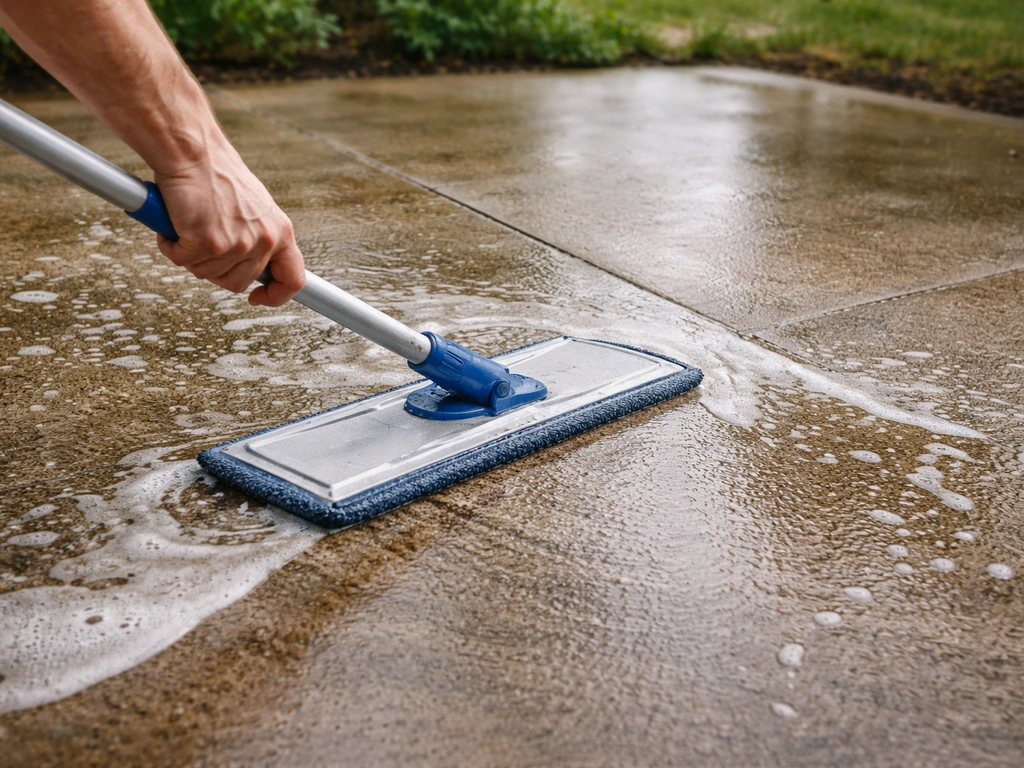
Spray the area with water to wet the droppings thoroughly. Let it soak, then wipe or mop up the softened material. For concrete or masonry, a diluted dish soap solution works well. A garden hose is fine for rinsing outdoor surfaces after the droppings have been removed. Avoid blasting dry droppings directly with a high-pressure washer at close range before they're wetted, as this can aerosolize the material.
Clothing and fabric
Let the dropping dry completely before attempting to remove it from fabric (this is the exception to the wet-first rule for surfaces, on fabric, wet scrubbing spreads the stain). Once dry, scrape off the bulk with a butter knife or the edge of a card, then pre-treat the stain with liquid laundry detergent or an enzyme-based stain remover. Wash at the highest temperature safe for the fabric. Bag contaminated clothing in a plastic bag until you can wash it, especially if there was a large accumulation involved.
Wood decks and fences
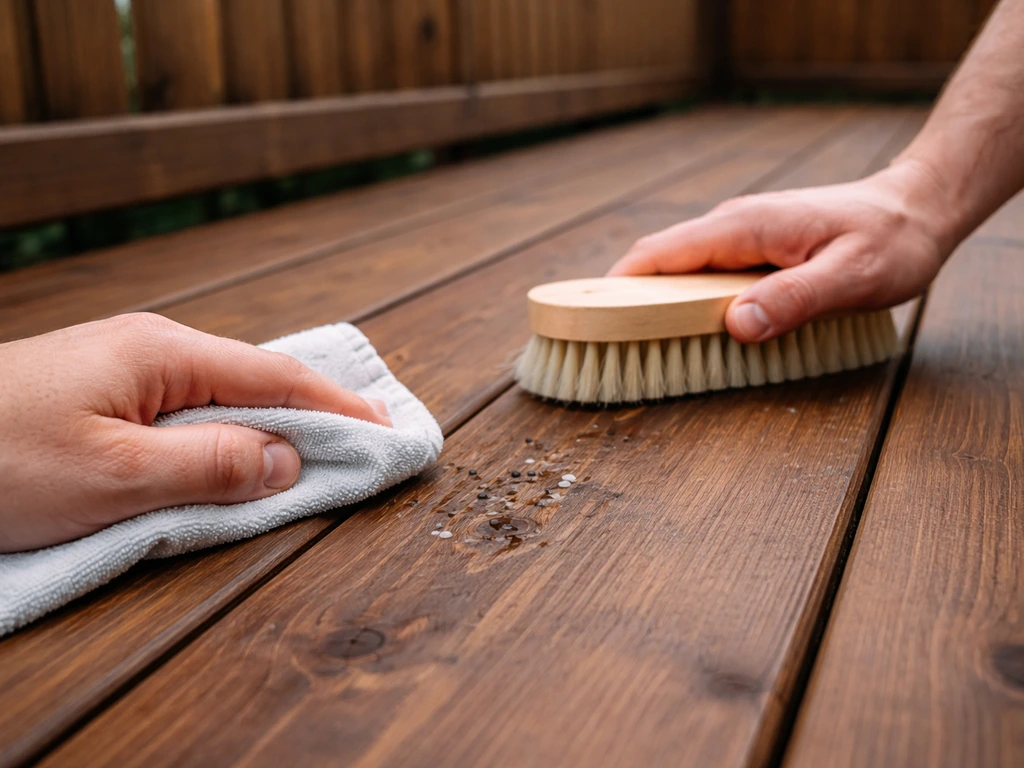
Wet the droppings first, then wipe up with a damp cloth or paper towel. For stained wood, use a mild soap and water solution and scrub gently with a soft brush. Rinse well. Prolonged exposure can bleach or stain treated wood, so don't let droppings sit for days.
Prevention and deterrents to stop repeat messes
Birds are creatures of habit and will return to spots they've already used, especially if droppings remain, because the scent signals safety to them. Cleaning thoroughly and promptly is your first deterrent.
Beyond cleanup, physical deterrents are the most reliable tools. Anti-perching spikes placed on ledges, railings, and roof edges are the standard recommendation from USDA APHIS wildlife damage management guidance. They don't harm birds, they just make landing uncomfortable. Bird wire, angled surfaces, and slope modifications work on the same principle. Reflective tape, predator decoys, and gel repellents are less reliable: a published study found that avian gel repellents lacked complete efficacy for feral pigeon management, and most visual scare devices lose effectiveness quickly once birds habituate to them.
One important legal note: if you're dealing with nesting birds, the US Fish and Wildlife Service notes that deterrent measures must stop once the first egg has been laid. Actively disturbing an active nest of most wild bird species is federally protected. If you catch the situation before nesting begins, act quickly with physical deterrents.
For cars specifically, parking in a garage or under a covered structure is the obvious solution. If that's not an option, a car cover is worth the investment if you're parking under a known roost. Avoid parking directly under trees with large bird populations, especially in the morning hours when birds are most active.
What to do if you're exposed (people, pets, eyes, and skin)
Skin contact
If bird poop lands on your skin, the risk from a single casual exposure is low for healthy people. If you are dealing with bird poop stuck on feathers, the cleanup approach should focus on preventing dust and hand exposure, since dried droppings can pose health risks when they are disturbed. Wash the area with soap and water for at least 20 seconds as soon as possible. Don't rub it into your eyes or mouth before washing. That's really it for most situations. If you've been cleaning up a large accumulation without proper protection and you're immunocompromised or have lung conditions, it's worth a conversation with your doctor, especially if you develop respiratory symptoms in the days following.
Eye exposure
Getting bird droppings in your eye is unpleasant and warrants immediate action. Rinse the eye thoroughly with clean, lukewarm running water for at least 10 to 15 minutes. Remove contact lenses first if you can do so quickly and easily. Don't rub the eye. If irritation, redness, or pain persists after rinsing, or if vision seems affected, see a doctor. Eye exposure to bird droppings (including the specific scenario of getting it directly in the eye) is covered in dedicated detail elsewhere on this site, and it's worth reading if that's your situation.
Pets
Dogs are the most common victims here, they sniff, lick, and sometimes eat droppings, which is as disgusting as it sounds. A single exposure is usually not cause for emergency panic, but you should rinse your dog's muzzle and wipe their paws if they've been in a heavily contaminated area. Histoplasma and Cryptococcus can infect dogs, and symptoms like coughing, lethargy, or digestive upset after a known exposure are worth a call to your vet.
Pet birds are their own category: the CDC advises never picking up droppings from a pet bird's environment with bare hands, and washing hands after handling birds, cages, or anything from the cage. Psittacosis (the bacterial illness from bird droppings) can spread from pet birds to their owners, though it's uncommon. If a pet bird seems sick and you're developing respiratory symptoms, mention both to your doctor.
When to see a doctor
Most casual exposures don't require medical attention. You should consider seeing a doctor if you develop respiratory symptoms (cough, fever, shortness of breath) within two weeks of cleaning up a large accumulation of droppings, if you're in a higher-risk group (immunocompromised, chronic lung disease, HIV/AIDS) and had significant exposure, or if a pet bird is sick and you're developing flu-like symptoms. Tell your doctor about the exposure specifically, many clinicians won't think to test for histoplasmosis or psittacosis unless you give them that context.
Myths, symbolism, and cultural beliefs vs reality
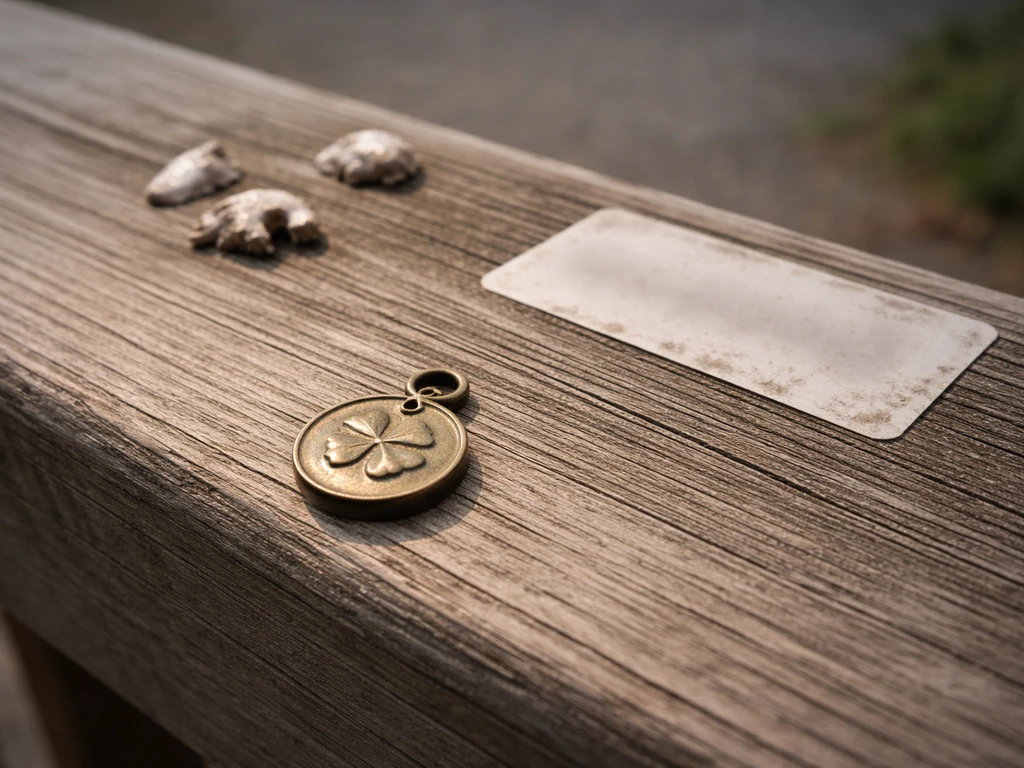
You've probably heard that getting pooped on by a bird is good luck. This belief shows up in cultures across Europe, Russia, Turkey, and beyond, the idea being that something so random and unavoidable must carry some cosmic significance, and framing it as fortunate is a lot more cheerful than the alternative. There's no scientific basis for this, obviously, but as a piece of folklore it's genuinely ancient and widespread, and it does seem to help people feel better about a deeply inconvenient moment. If believing it helps you laugh off the situation while you clean up, go for it.
There's also a persistent belief that bird poop is a great fertilizer you can use directly from the surface it landed on. This has a grain of truth buried in it: bird droppings do contain nitrogen, phosphorus, and potassium, which are the core nutrients in fertilizer. Seabird guano has historically been one of the most valued agricultural amendments in the world. But fresh, undiluted droppings are too concentrated and can burn plants rather than feed them.
Composted or properly processed bird manure is a different story, and there's a detailed look at bird poop as a plant fertilizer elsewhere on this site if that's something you want to explore. If you want to use it in the garden, composting or properly processing bird manure is the safer route compared with applying fresh droppings directly bird poop good for plants.
One myth worth correcting directly: bird poop is not harmless just because it's natural. The casual dismissal of any health concern as overblown is just as unhelpful as panicking over a single splat. The evidence is clear that for most healthy people, routine small exposures are low risk, but for immunocompromised individuals, large accumulations, or situations involving aerosolized dry material, the risks are real and worth taking seriously. The practical answer is somewhere between "don't worry about it" and "call a hazmat team": follow the cleanup steps above, protect yourself appropriately for the scale of the job, and see a doctor if symptoms develop.
FAQ
Do I need a hazmat team for bird poop problems?
It usually is not necessary for small, fresh splats on non-porous surfaces. The deciding factor is whether dried material will be disturbed and turned into dust, if you have a large accumulation, or if you are immunocompromised (in which case you should not DIY). If you cannot wet the area first, the material is extensive overhead, or you see roosting buildup across multiple surfaces, it is a good time to contact a cleanup professional.
Can I just use bleach to clean bird droppings?
For most tasks, do not use a bleach solution as your first choice. Bleach can damage some finishes (notably car clearcoat) and it does not solve the main risk, aerosolizing dry droppings. Stick to wet-first removal, then disinfectant appropriate to the surface you are cleaning, and rinse well afterward.
Is it ever okay to mop after wetting, instead of scrubbing?
Yes, but only if you are already past the wet-first step and the droppings are fully wetted and removed. If any part of the cleanup involves dry dust or hardened crust that you cannot keep wet, avoid mopping and use the wetting approach (water plus a surfactant for larger dry areas) before any wiping.
Can I vacuum bird poop to avoid touching it?
Do not vacuum dry droppings. If you must use a machine tool, use it only after thorough wetting and pickup of the softened material, and consider a HEPA-filter vacuum if you are dealing with a large, previously dry accumulation. Even then, you should avoid creating mist or re-aerosolizing material.
What should I do if bird poop left a stain or etching on my car?
If you have streaks on a car after cleanup, rinse first, then blot residue with a clean microfiber dampened with water, and only polish lightly once the area is fully rinsed and dry. Avoid abrasive pads, aggressive scraping, or “wipe harder” on clearcoat, if the uric acid has etched the finish you may need professional polishing or paint correction.
How do I handle bird poop on clothes without spreading contamination?
For clothing, the safe approach is: bag it if it was heavily soiled, wash as soon as practical, and use the highest temperature allowed for the fabric. If you have only a small fresh stain, you can pre-treat with liquid detergent or an enzyme remover first, but do not shake or dry-scrub before washing because that can make dust.
What if bird poop gets on bedding, carpets, or upholstery?
If you get droppings on bedding or towels, treat them like contaminated laundry: bag them, wash separately if possible, and avoid shaking. Use detergent, pre-treat stains, and dry at the highest fabric-safe heat. If a large accumulation got onto porous items (carpets, upholstery, mattresses), consider professional cleaning because deep contamination and repeated dust exposure are harder to control.
What do I do if birds are nesting where I want to prevent bird poop problems?
For birds on a structure, deterrents should be implemented based on when nesting risk is present. If you notice active nesting, you must stop active deterrence once eggs are laid, and you should wait for nesting to end. If you catch it before nesting starts, physical barriers like anti-perching spikes and angled surfaces are the most reliable approach.
How long should I monitor myself or family after cleaning a large droppings buildup?
Yes, but time matters. If an exposure was significant and involved dry, aerosolizing cleanup, watch for symptoms (cough, fever, shortness of breath) over the next two weeks. If you are in a higher-risk group, call your clinician sooner even if symptoms are mild, and mention the exact exposure and how it was cleaned (wet-first, any dust generation).
How can I tell if the birds will keep coming back after I clean?
It’s a common misconception that “odor” means the droppings are gone. Birds will return if any residue remains and if the area still signals habit. After cleanup, re-check ledges and corners for leftover chalky deposits, because the residue that you cannot see can still act as a return cue.