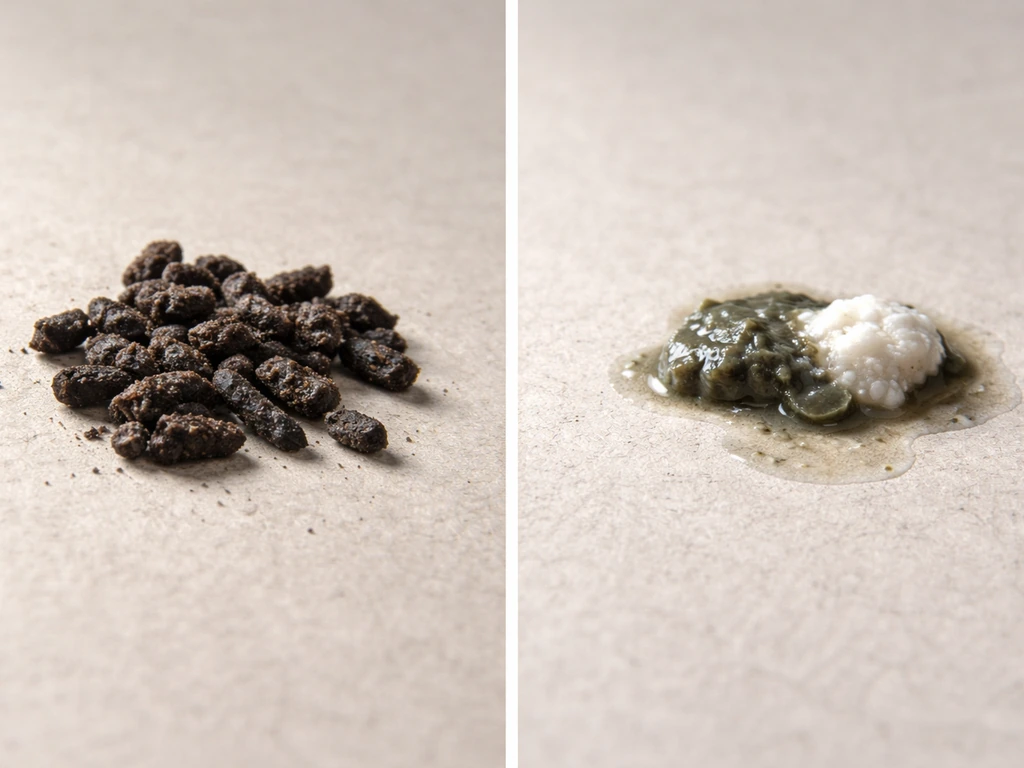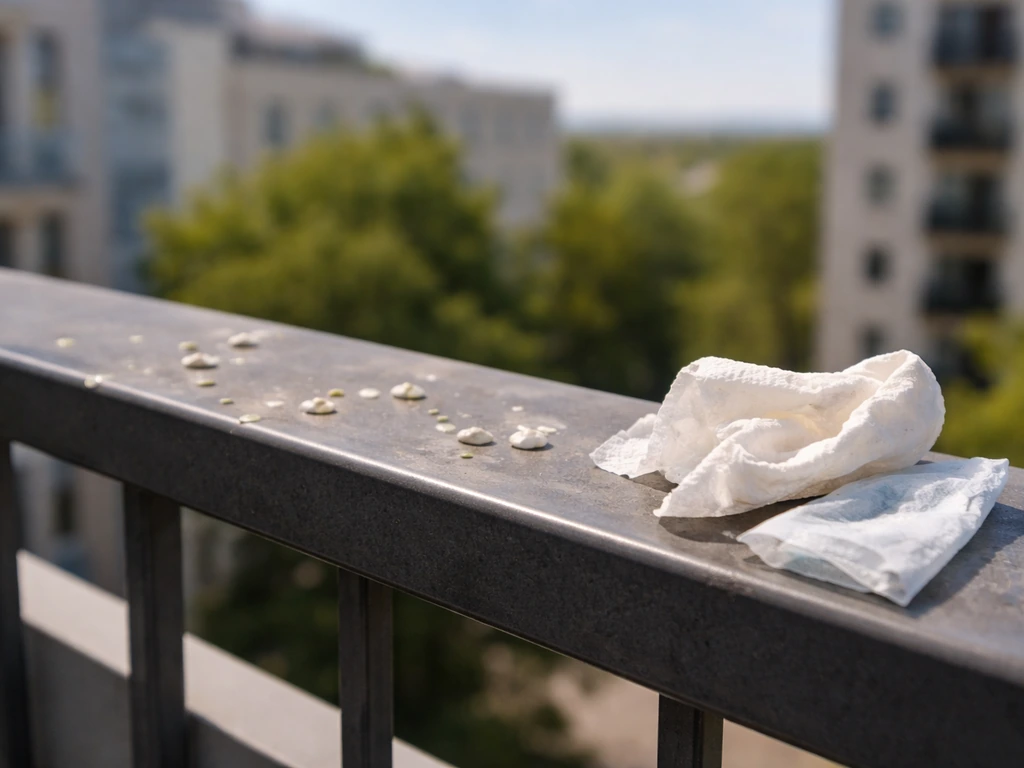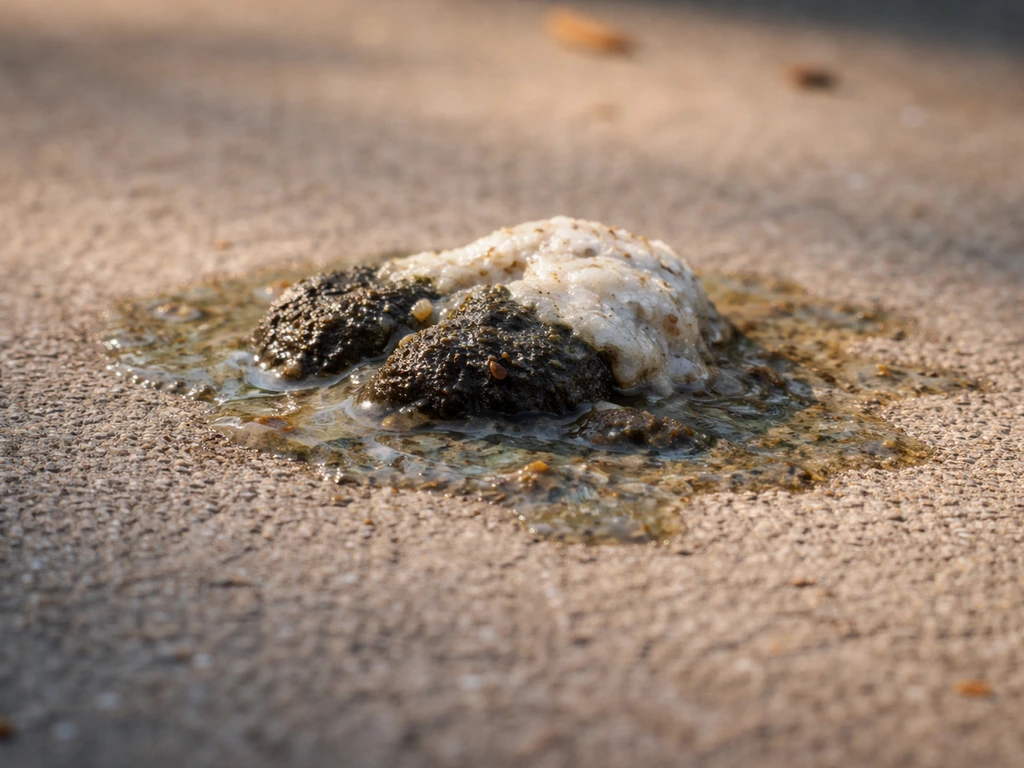
Bird droppings are typically white or pale with a dark center, land in splatters, and show up on open surfaces like windowsills, car roofs, and ledges. Rat droppings are dark brown to black, shaped like a grain of rice (about half an inch long), blunt on both ends, and found in clusters along walls or inside cabinets. Once you know what to look for, you can usually tell them apart in about ten seconds. Bird pee vs poop is also helpful to know because their appearance and staining pattern can point to different sources. The harder part is what to do next, because both carry real health risks and need different responses.
Bird Poop vs Rat Poop: How to Tell and Clean Safely

Marcus Fielding
11 May 2026
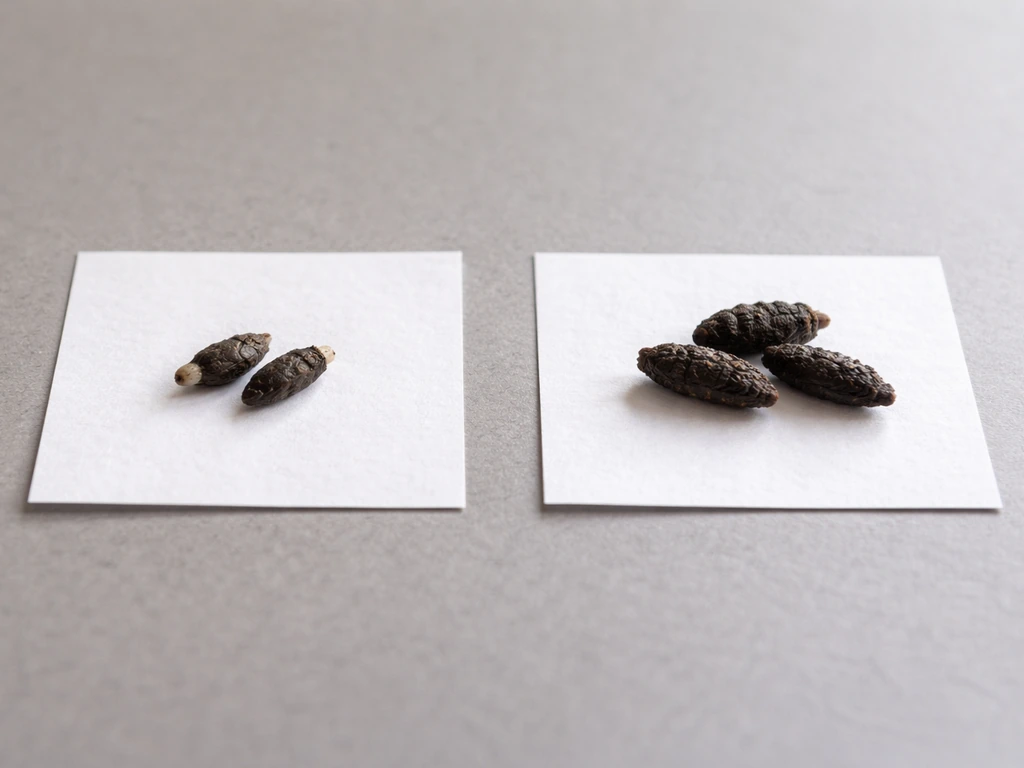
How to tell bird poop from rat poop at a glance
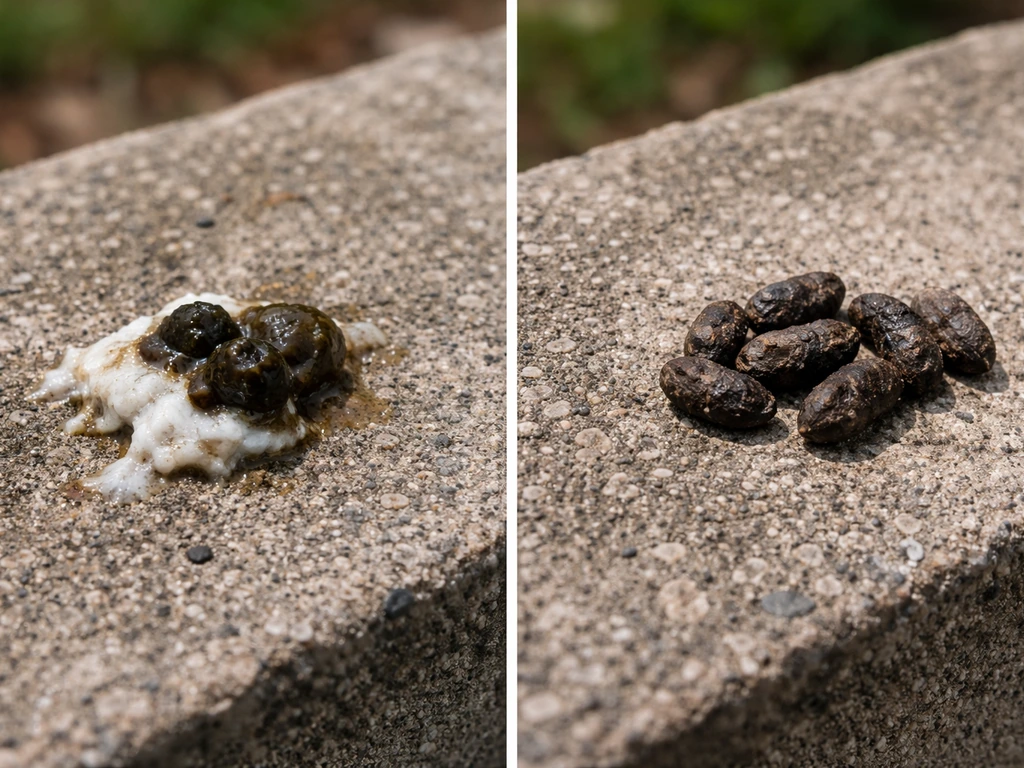
The quickest visual test: look at color and structure. Bird droppings have that classic white-and-dark two-tone look because birds excrete uric acid (the white part) along with fecal matter (the dark center) in one combined deposit. The result is a splat with some liquid spread to it, often with a chalky or pasty texture when dry. Rat droppings, on the other hand, are a single solid piece, uniformly dark, and look almost like a tiny pellet or capsule.
Fresh vs. dried matters too. Fresh bird droppings are moist and glossy, and they dry to a hard, chalky crust. Fresh rat droppings are shiny and dark almost black, while old ones turn grey and crumble easily. If rat droppings crumble at a touch, they've been there a while, which is worth noting for gauging how active the problem is.
Shape, size, color, and location clues
| Feature | Bird Droppings | Rat Droppings |
|---|---|---|
| Color | White/cream outer, dark center | Dark brown to black, uniform |
| Shape | Splat or streak | Oblong capsule, blunt ends |
| Size | Variable, from pencil tip to quarter-sized | Roughly 1/2 inch long, 1/8 inch wide |
| Texture (fresh) | Moist, pasty | Shiny, soft |
| Texture (dried) | Chalky, hard crust | Grey, crumbly |
| Typical quantity | Scattered or isolated drops | Clusters of 40-50+ pellets |
| Common location | Ledges, rooftops, car hoods, open railings | Along walls, behind appliances, inside cabinets, in corners |
Location is honestly one of the best clues. Birds drop from above, so you find their mess on horizontal surfaces exposed to open sky: car roofs, outdoor furniture, windowsills, fence posts, and air conditioning units. Rats travel along edges and walls (they're neophobic and hug surfaces), so you'll find droppings in a trail pattern: behind the fridge, along baseboards, inside pantries, under sinks, or in the garage near the walls. Finding a cluster of dark pellets behind your oven is a very different situation than finding a white splat on your windshield. To confirm the source, compare where the mess is found and whether it looks chalky and two-toned like bird droppings.
Also look for supporting evidence. Rats leave greasy smear marks along walls from their oily fur, chewing damage on wood or wiring, and sometimes a musty smell. Birds leave feathers nearby, and you'll often be able to spot the roost above the deposit. If you're also finding what looks like droppings but aren't sure if it's from bats, the comparison between bat and bird droppings is its own rabbit hole worth exploring separately. If you suspect bats instead of birds, the comparison of bat poop vs bird poop can help you narrow down what you're dealing with.
Health risks: what each type of dropping can actually do to you
Both are genuinely risky if handled carelessly, but the specific diseases and the way exposure happens are different. Knowing that helps you take the right precautions rather than either panicking or being cavalier.
Risks from bird droppings
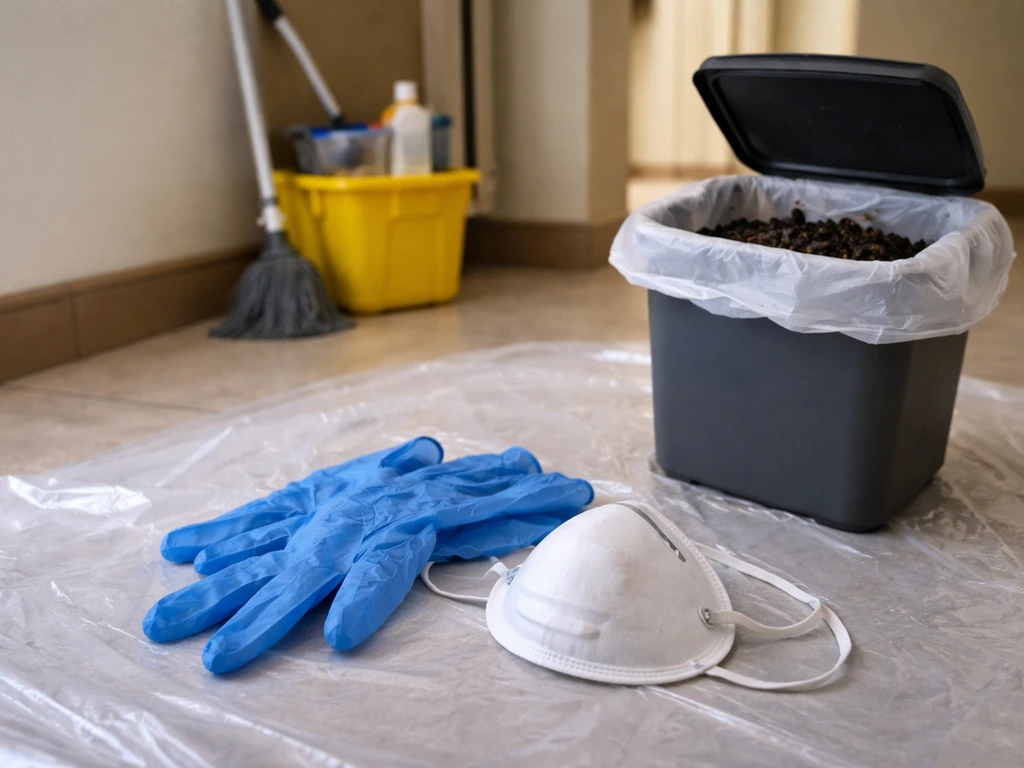
The two biggest concerns from bird droppings are histoplasmosis and psittacosis. Histoplasmosis is a lung infection caused by breathing in spores of the Histoplasma fungus, which thrives in soil and material contaminated with bird or bat droppings. The CDC notes that disturbing droppings, whether through sweeping, shoveling, or construction near contaminated areas, can aerosolize those spores even when accumulations aren't huge. Psittacosis (sometimes called ornithosis) is a bacterial infection most commonly contracted by breathing in dust from dried bird secretions or droppings. Bird flu (avian influenza) is another concern worth mentioning, especially around poultry or wild waterfowl, where contact with feces or contaminated surfaces poses transmission risk. People with respiratory conditions, weakened immune systems, or young children face higher risk from all three.
Risks from rat droppings
Rat droppings carry hantavirus, leptospirosis, and salmonellosis, among others. Hantavirus is the scary one: you can inhale the virus when you disturb dried droppings or nesting material, stirring particles into the air. The CDC is unambiguous that you should never sweep or vacuum rodent droppings dry because that's exactly how the virus becomes airborne. Leptospirosis is spread mainly through contact with rat urine, which can contaminate water and soil. It's worth knowing that rat urine often accompanies droppings and isn't always visible. Rodent-borne diseases can spread through contaminated air and through touching contaminated surfaces and then touching your eyes, nose, or mouth, which means both inhalation and contact exposure are real vectors.
The bottom line on risk: bird droppings are more commonly encountered and most exposures don't cause illness, but large accumulations or dry-disturbing them raises risk significantly. Rat droppings are a more urgent health signal, because they indicate an active infestation that will only grow, and the associated pathogens (especially hantavirus) are serious. Both warrant careful cleanup with proper protection.
How to clean up safely: homes, cars, and outdoor surfaces
The core rule for both types is: wet it before you touch or move it. Dry sweeping or vacuuming aerosolizes particles and turns a surface problem into an airborne one. That applies to bird droppings (histoplasmosis risk) and especially to rat droppings (hantavirus risk). Here's how to handle each.
Cleaning bird droppings
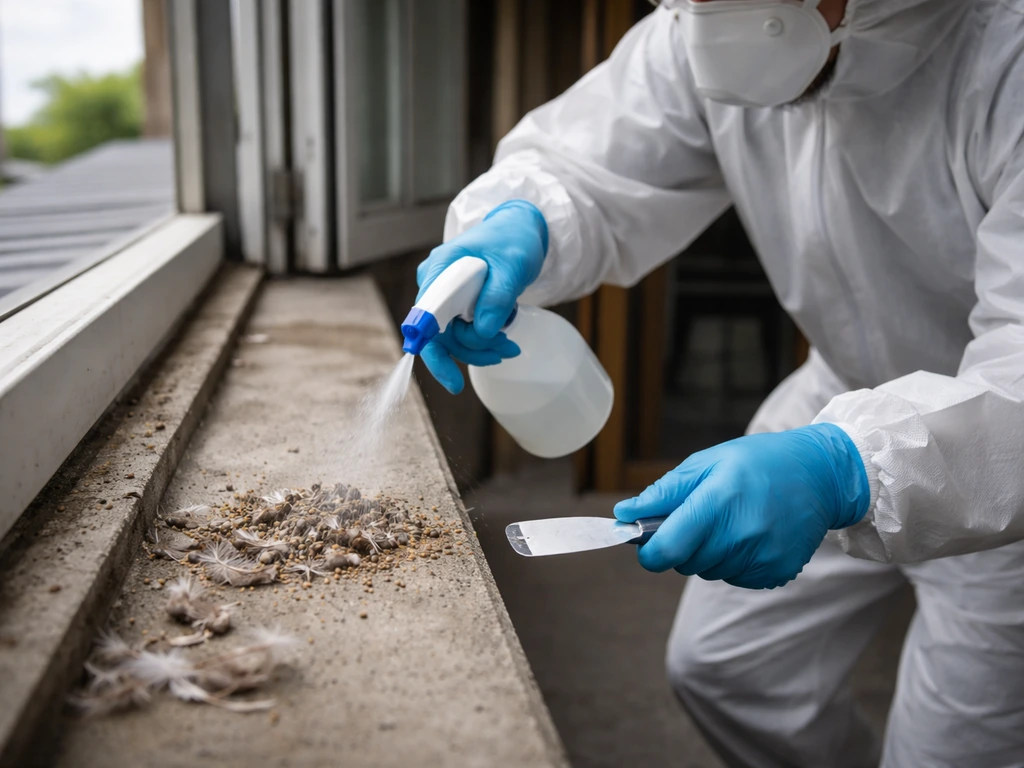
- Ventilate the area first. Open windows and doors if working indoors. If it's a confined space with heavy accumulation, wear an N95 respirator.
- Wet the droppings thoroughly with water and a cleaning solution (dish soap works for small amounts; a diluted bleach solution works better for larger areas or suspected psittacosis/bird flu risk). Let it soak for a few minutes.
- Wipe or scoop the material into a plastic bag. Double-bag it and seal it before putting it in the trash.
- Disinfect the surface with an EPA-registered disinfectant, following the label contact time (typically about 10 minutes). The surface needs to stay visibly wet for the full contact time.
- Wash your hands thoroughly with soap and water. If you wore gloves, remove them before touching anything else.
- For cars: a diluted car-safe cleaner applied while the dropping is still soft is easiest. Avoid scraping dried droppings dry. Use a microfiber cloth soaked in warm water to rehydrate first.
For large bird dropping accumulations, like on a rooftop, barn, or under a roost where inches of material have built up, this is genuinely a job for professionals. A news reporter would also need to handle the situation carefully, since bird poop can spread lung infections if dried droppings are disturbed news reporter bird poop. The CDC and NIOSH both note that industrial vacuums with high-efficiency filters are appropriate for such situations, and respiratory protection (at minimum an N95, potentially a half-face respirator with HEPA filters for extensive accumulation) is recommended. Don't attempt large-scale removal with a dry shop vac and no mask.
Cleaning rat droppings
- Do NOT sweep or vacuum before disinfecting. This is the CDC's explicit instruction and it's important: dry disturbing creates airborne hantavirus risk.
- Air out the space for at least 30 minutes before starting cleanup if possible.
- Put on rubber, latex, or vinyl gloves. For indoor areas with significant infestation, add an N95 respirator and eye protection.
- Spray the droppings, urine, and any nesting material with a bleach-and-water solution (1 part bleach to 9 parts water, freshly made) or an EPA-registered disinfectant. Soak them thoroughly. Let the solution sit for at least 5 minutes, keeping the area wet.
- Wipe up the material with paper towels and place everything (gloves, paper towels, nesting material) into a double-sealed plastic bag.
- Disinfect the cleaned surface again with fresh solution and let it air dry.
- Wash hands thoroughly after removing gloves.
Don't forget nesting material. The CDC specifically calls out rodent nests as contaminated items that need the same wet-disinfect treatment, not just the visible droppings. If you find a nest under the sink or in insulation, treat it the same way.
Rat problem or just bird mess? How to respond to each
If it's bird droppings on your car, patio, or windowsill with no other signs of a problem, that's a nuisance issue. Clean it up with the steps above and focus on deterrence (more on that below). If you find an occasional dropping on your balcony near a roost, you're dealing with a mess, not an emergency.
Rat droppings are a different matter. A single dropping could mean a scout. Clusters mean an active population. The CDC notes that rodent control is significantly easier before rats become established, so acting quickly matters. Start by confirming you're dealing with rats (look for the pellet clusters, greasy smear marks, chewing damage, and any sightings). Then take these steps:
- Identify and seal entry points. Rats can squeeze through a gap the size of a quarter. Check gaps around pipes, utility lines, vents, foundation cracks, and door sweeps. Use steel wool plus caulk or hardware cloth for gaps.
- Remove food sources immediately. Secure all food in airtight containers. Remove pet food left out overnight. Move compost to a sealed bin.
- Set snap traps (most effective, humane, and commonly recommended) along the walls where droppings were found. Use peanut butter or nesting material as bait.
- If you find evidence of a large infestation (droppings in multiple rooms, sounds in walls, visible damage to wiring or insulation), call a licensed pest control professional. The CDC recommends professional services for heavy infestations.
Don't wait on the rat issue. One breeding pair of rats can produce dozens of offspring in a matter of months. If you're finding fresh droppings regularly, the population is already established and growing.
Prevention: keeping birds from making a mess and rats from moving in
Reducing bird droppings
- Install bird spikes or anti-roosting strips on ledges, window sills, rooftop edges, and fence rails. They're cheap, durable, and genuinely effective.
- Use visual deterrents like reflective tape, predator decoys (hawk silhouettes, owl statues), or spinning pinwheels near problem roost areas. Rotate their positions every week or two so birds don't habituate.
- Hang bird netting to block access under eaves, overhangs, or in open outbuildings where pigeons or sparrows like to roost.
- If you have a car that parks under a known roost (a tree, a ledge, a power line), use a car cover or move parking spots. It's the most effective solution when structural deterrents aren't an option.
- Remove food and water sources that attract birds: clean up fallen birdseed under feeders, don't leave pet food outside, and eliminate standing water.
- For ongoing nuisance bird pressure (pigeons especially), combining spike strips on roost sites with gel deterrents on flat surfaces is more effective than either alone.
Reducing rat attraction and entry
- Seal every exterior gap larger than a quarter inch. Pay special attention to where pipes and conduit enter walls, basement vents, and spaces under doors. Use hardware cloth (1/4-inch mesh) or metal flashing for larger gaps.
- Keep trash in lidded, rat-resistant containers. Plastic bins are not enough; rats chew through them. Metal or heavy-duty bins with locking lids are worth the upgrade if you've had problems.
- Don't store birdseed, pet food, or grain products in paper or thin plastic bags. Move them to sealed metal or thick hard-plastic containers.
- Clear clutter from garages, basements, and sheds. Rats nest in undisturbed piles of boxes, old insulation, and stored equipment.
- Keep grass and vegetation trimmed close to the house. Overgrown areas near the foundation give rats both cover and nesting material.
- If you have a garden or compost pile, use a closed composter and avoid putting cooked food or meat scraps in open compost.
- Address any moisture issues: leaky pipes, standing water, or damp crawl spaces are attractive to rats. Fix them as part of your rodent-prevention strategy.
Prevention is genuinely more effective than reactive cleanup for both birds and rats. A single afternoon spent installing spike strips on a ledge or sealing gaps under your kitchen sink can prevent months of recurring problems and exposure risk. If you've already cleaned up droppings from either source, use that as your trigger to go around the house and find out how the animal got in or got comfortable enough to roost. That's the real fix.
FAQ
Is it safe to hose off bird droppings instead of cleaning with disinfectant?
Hosing can reduce dust and smear, but it does not disinfect pores, grout, or crevices. After wetting, wipe with a detergent first, then use an appropriate disinfectant on hard, nonporous surfaces and let it dwell for the full contact time stated on the label. For porous materials like wood and some fabrics, replacement or professional cleaning may be safer.
What should I do if I accidentally swept rat droppings dry before realizing what they were?
Stop immediately, ventilate the area, and avoid further sweeping. Wear respiratory protection if you must clean again, then re-wet the area before removing residue. Consider discarding or properly laundering any disposable cleaning materials. If anyone has respiratory symptoms after exposure, contact a clinician and mention possible rodent droppings.
How do I clean if the droppings are on carpet, upholstery, or other porous surfaces?
Avoid dry vacuuming or brushing, because dried particles can become airborne. For small areas, blot with a cleaning solution, wet thoroughly, then remove with extraction if your machine supports it and you can prevent aerosolization. If the area is large or the contamination is old, professional mitigation is often the safest option.
Does “chalky white” always mean bird droppings, or can rat droppings look similar?
Rat droppings can appear dark and may look uniform, but other materials can confuse the picture, like dried grease residue or mineral deposits. Use the structure and location together: bird mess usually forms on horizontal surfaces and often has a white-and-dark two-tone appearance, while rat mess is usually clustered along edges. When unsure, treat it as higher risk and reassess with supporting clues like grease smears or rodent activity.
What PPE is the minimum I should wear for small cleanups of bird vs rat droppings?
For small amounts, at minimum wear gloves and a fit-tested N95 (or equivalent) while you wet, remove, and wipe. For extensive rat contamination, add eye protection and consider a half-face respirator with HEPA cartridges, especially if the area is dusty or you cannot avoid disturbing nesting material.
Should I disinfect after cleaning bird droppings, and how often is that necessary?
Disinfecting is most important after cleanup when you are sanitizing the surface you wiped, especially around vents, outdoor entry points, or areas that children handle. For isolated, fresh droppings on nonporous surfaces, detergent cleaning plus disinfecting once is usually sufficient; for recurring roosting spots, address prevention so you are not re-contaminating the same area repeatedly.
Can I use a regular shop vacuum on dried droppings if I have an attachment?
No. Vacuuming dried rodent waste is a common mistake because it aerosolizes particles. If you ever use a vacuum, it should be a commercial unit designed for hazardous cleanup with high-efficiency filtration, and you still should pre-wet the material and wear respiratory protection.
How do I treat nesting material differently from droppings only?
Nesting material can hold more concentrated contaminants because it traps spores and dried secretions. Wet it before removal, bag it, and disinfect the surrounding area even if the visible droppings look small. Also check nearby hidden cavities, like under insulation or behind appliances, because nests often extend beyond where you first see waste.
If I see a couple of pellets, does that always mean I have an active rat infestation?
Not always, but it is a warning sign. Two to three pellets can be from recent activity or a temporary visit, especially near a single food source. If you find pellets repeatedly over a few days, see grease marks, or notice chewing sounds, treat it as active and act quickly with sealing and rodent control.
What are practical next steps to prevent birds from returning to the same ledge or windowsill?
After cleaning, remove attractants and stop access: install physical barriers like spike strips or netting, trim branches that allow landing, and ensure gaps around vents are sealed. For outdoor roosting spots, keep surfaces dry and avoid leaving water or food sources. If the area is near a high-traffic roost, prevention may need a yearly maintenance check before the next nesting season.
Should I call a professional for bird droppings even if it is “just on the roof”?
Yes, if you have a buildup beyond a light layer, you need to disturb it to access the area, or the droppings are under a roost with inches of accumulation. Professionals have the equipment to control dust and containment, which matters most when materials are dry and you cannot avoid aerosolizing particles.